Millipede Sightings After a Rainstorm – Why It Matters
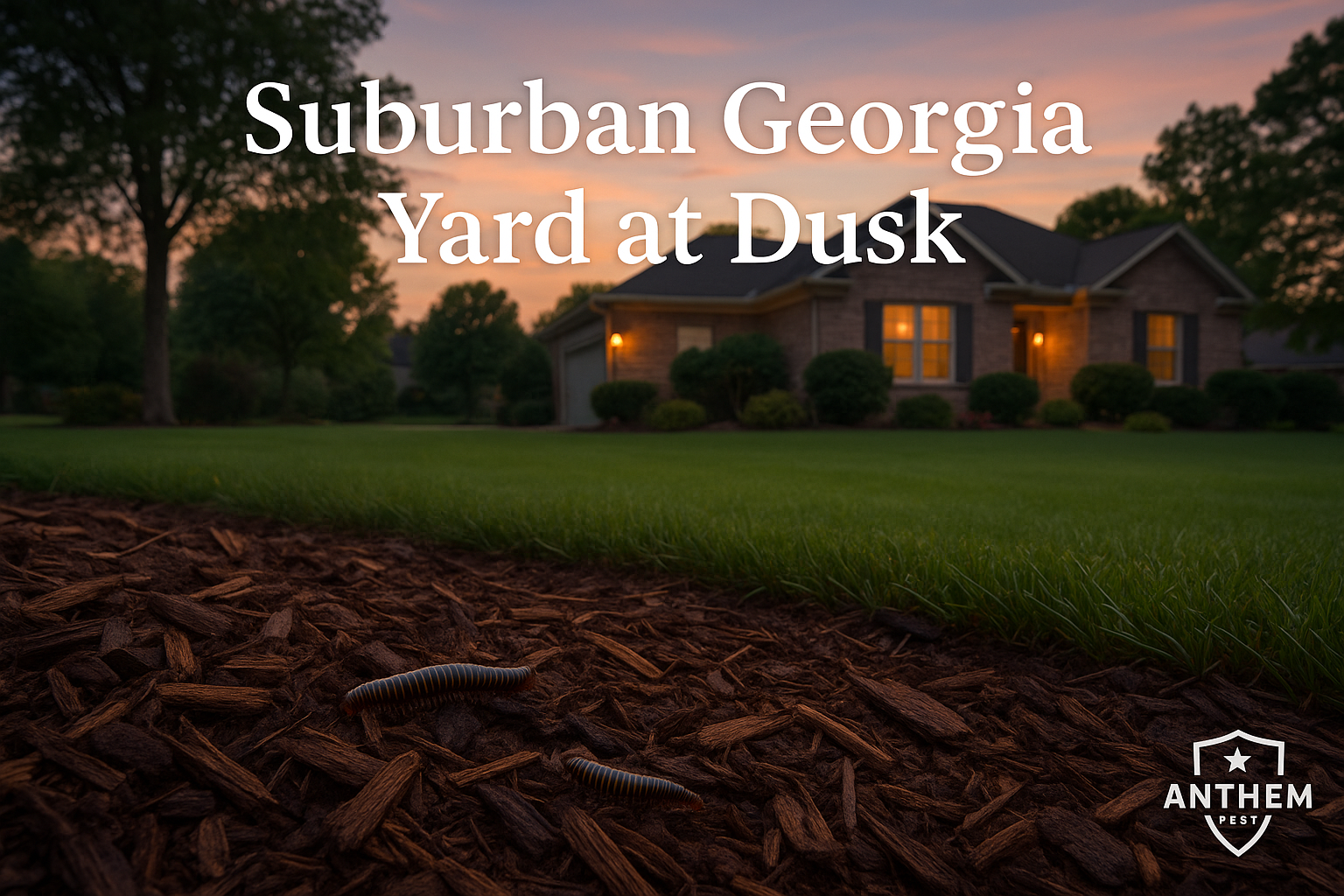
Imagine stepping onto your front porch after a heavy downpour and watching a slow‑moving parade of tiny, many‑legged creatures spill onto the steps. Dozens of millipedes, their glossy bodies glistening with rainwater, crawl in unison toward the light. The scene feels almost cinematic, but for a Marietta homeowner it’s a clear warning sign that the next few days could bring a nuisance.
Georgia’s subtropical climate turns every spring and summer rain into a breeding ground for these arthropods. Warm temperatures, high humidity, and abundant leaf litter create the perfect micro‑habitat for millipedes to emerge from the soil and seek shelter indoors. After a storm, the moisture drives them upward, and the sudden influx can overwhelm even the most diligent homeowner.
The trend isn’t anecdotal. The EPA’s 2023 seasonal pest spike report for the Southeast documents a sharp increase in millipede activity following periods of heavy rain, especially in the humid Gulf Coast and inland Georgia regions. The data show that residential complaints rise by up to 45 % within 48 hours of a rainfall event exceeding one inch.
In Marietta, the problem is most pronounced in neighborhoods where shade and mulch are abundant. Residents of Kennesaw Mountain, East Marietta, and the historic Marietta Square report the highest sightings, largely because these areas combine mature trees, dense landscaping, and older foundations that retain moisture.
Recognizing the pattern is the first step toward effective control. Proper identification lets you distinguish harmless millipedes from other pests, and it informs the timing of treatment—ideally before they infiltrate basements, crawl spaces, or entryways. With the right approach, you can keep your porch free of the post‑storm crawl‑over and protect your home from the inconvenience these creatures bring.
Identifying Common Millipedes in Marietta
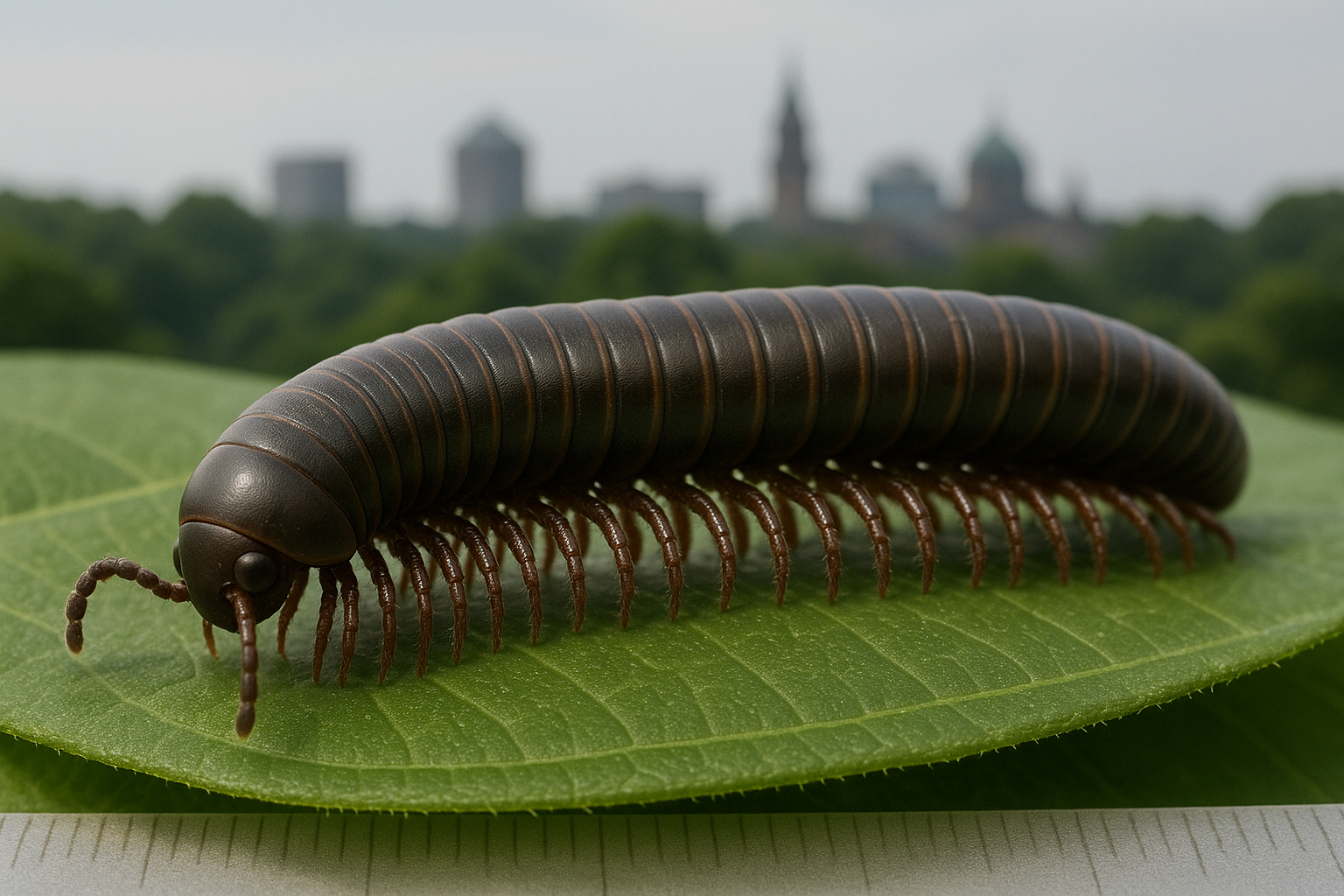
In Georgia’s woodlands and suburban yards, the most frequently encountered millipede is the American millipede, Narceus americanus. Adults typically measure between 2 and 4 inches long, with a glossy, dark brown to reddish‑brown exoskeleton that may display faint lighter rings on each segment. You’ll often find them hidden under leaf litter, mulch, or the base of garden beds where moisture is abundant.
- Length: 2–4 inches (5–10 cm)
- Color: dark brown to reddish‑brown with faint lighter rings
- Body: cylindrical, with 2–3 mm‑wide segments
- Antennae: short, slender, and slightly curved
These creatures are strictly nocturnal foragers. After sunset they emerge to feed on decaying organic matter, helping to break down leaf litter and enrich the soil. When a rainstorm passes, you may notice them clustering on sidewalks, driveways, or the exterior of your home as they seek drier ground. Their slow, deliberate movement can give the impression of a “millipede parade,” especially in late summer when populations peak.
Did you know? Millipedes can release defensive chemicals that stain surfaces.
According to the 2022 USDA survey of Georgia homeowners, roughly 18 % of respondents in Marietta reported seeing millipedes inside or around their properties (USDA 2022 survey). While that number may seem modest, the same study highlighted a sharp increase in sightings after heavy rain events, confirming the species’ rain‑driven activity patterns.
It’s important for homeowners to understand that millipedes are not structural pests. They do not chew wood, damage foundations, or pose a threat to the integrity of your home. The primary concerns are aesthetic and sanitary: large numbers can
Why Professional Millipede Control Outperforms DIY
When millipedes start marching across your porch or into your home, it’s tempting to reach for a quick fix you saw online. The most common DIY approaches include:
- Soap‑based sprays made from dish detergent and water.
- Diatomaceous earth sprinkled around entry points.
- Homemade essential‑oil mixtures such as peppermint or citrus.
- Over‑the‑counter insecticidal powders.
These methods may look inexpensive, but they come with significant limitations. Soap sprays often wash away with rain, leaving millipedes to return. Diatomaceous earth loses effectiveness when it gets damp, and essential‑oil concoctions rarely reach the hidden cracks where millipedes hide. As a result, homeowners end up re‑applying products weekly, driving up the true cost and still seeing only a temporary reduction.
Safety and Warranty Advantages of Professional Treatment
Licensed pest‑control technicians use EPA‑registered chemicals that are rigorously tested for indoor use. This means the formulations are proven to target millipedes while minimizing risk to children, pets, and the environment when applied correctly. DIY products lack the same regulatory oversight, and improper mixing can create hazardous fumes or skin irritants.
Moreover, professional services come with a warranty that guarantees a follow‑up visit if the initial treatment doesn’t achieve the expected results. DIY solutions offer no such protection, leaving you to shoulder any additional expenses.
“After our first targeted treatment, we typically see a 90 % reduction in millipede activity. If numbers creep back, we return at no extra charge to fine‑tune the application.”
– Certified Technician, Anthem Pest Control
For a complete list of EPA‑approved residential insecticides, visit the EPA Insecticide List. This resource helps you verify that any product you consider meets federal safety standards.
Cost‑Benefit Summary
While a DIY kit might cost $15–$30, the cumulative expense of repeated applications, protective gear, and lost time quickly surpasses the average professional service fee of $150–$250 per treatment. A licensed provider not only delivers a faster, more thorough reduction but also protects your family with proven chemicals and a service guarantee. In the long run, investing in professional millipede control saves money, reduces health risks, and restores peace of mind.
Treatment Options for Millipedes in Marietta
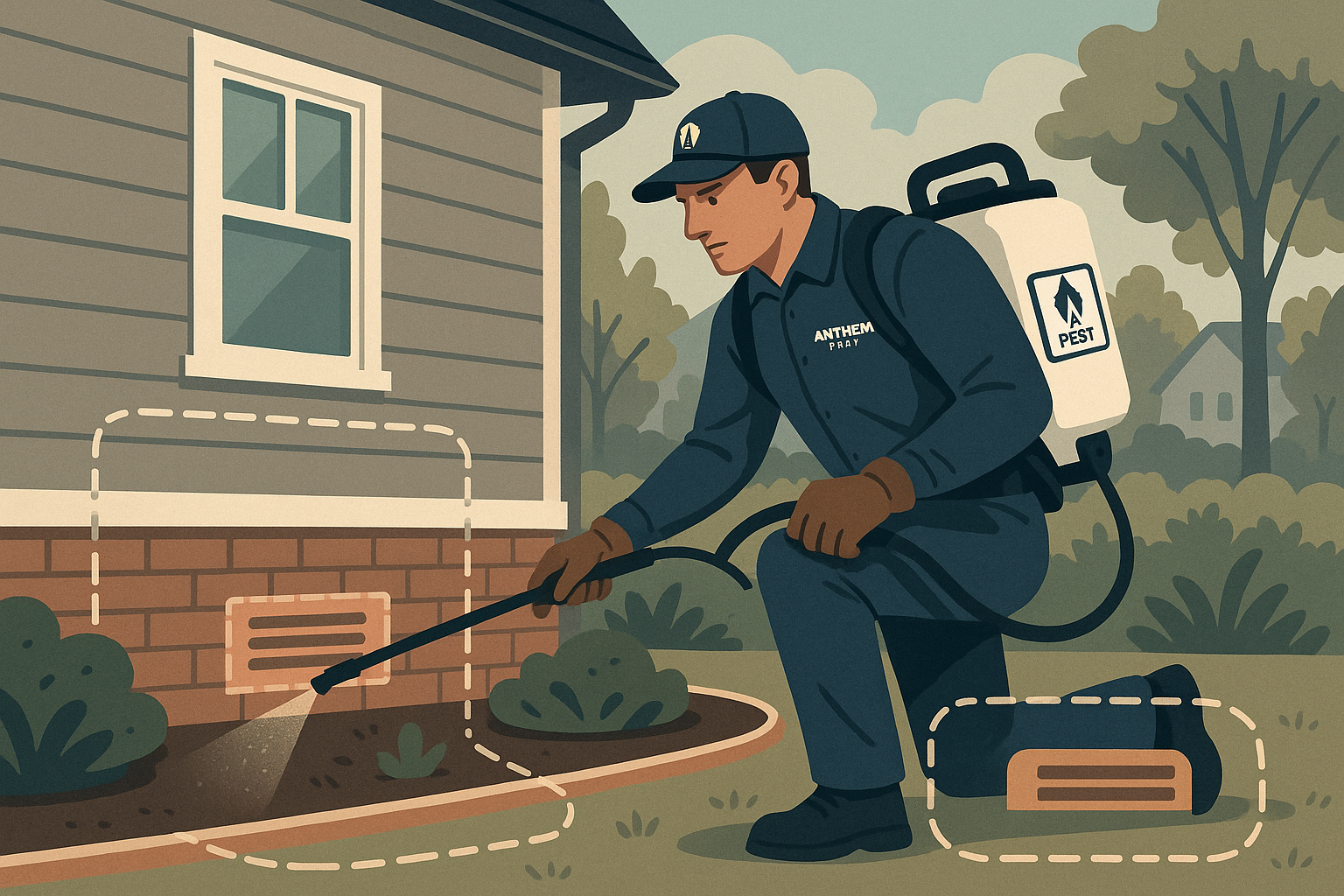
Millipedes rarely cause structural damage, but their sheer numbers can overwhelm a yard and seep indoors, especially after heavy rain. In Marietta, professional pest technicians rely on three proven treatment modalities that target the insects where they live, travel, and hide.
Perimeter Barrier Sprays
Our technicians apply a residual barrier using EPA‑registered insecticides such as bifenthrin, permethrin, or the newer synthetic pyrethroid lambda‑cyhalothrin. These chemicals cling to soil, mulch, and foundation cracks, creating an invisible wall that kills millipedes on contact as they attempt to cross into your home.
The optimal window for a perimeter spray is early spring—when adult millipedes begin emerging from overwintering sites—and again after a substantial rain event, which forces the insects to seek shelter. By treating before they migrate, we cut the population before it can establish a foothold.
Coverage zones include the building’s foundation, crawl‑space entry points, the first 3–5 feet of landscaping beds, and any drainage pathways that funnel water toward the house. Technicians typically treat 150–250 square feet per hour, ensuring an even coat without overspray.
Soil‑Active Granules
Granular formulations, often based on the active ingredient chlorantraniliprole, are spread directly onto the soil where millipedes burrow. As the granules dissolve, the insecticide penetrates the top 2–4 inches of earth, targeting both surface wanderers and those nesting deeper in mulch or leaf litter.
Granules blend seamlessly with existing landscaping. Homeowners can keep their flower beds, ornamental grasses, and even vegetable gardens untouched, because the product is low‑toxicity to plants and mammals when applied at the recommended rate. After a light rain or irrigation, the granules activate, delivering a steady, long‑lasting dose that can suppress millipede activity for up to 12 weeks.
Indoor Spot Treatments
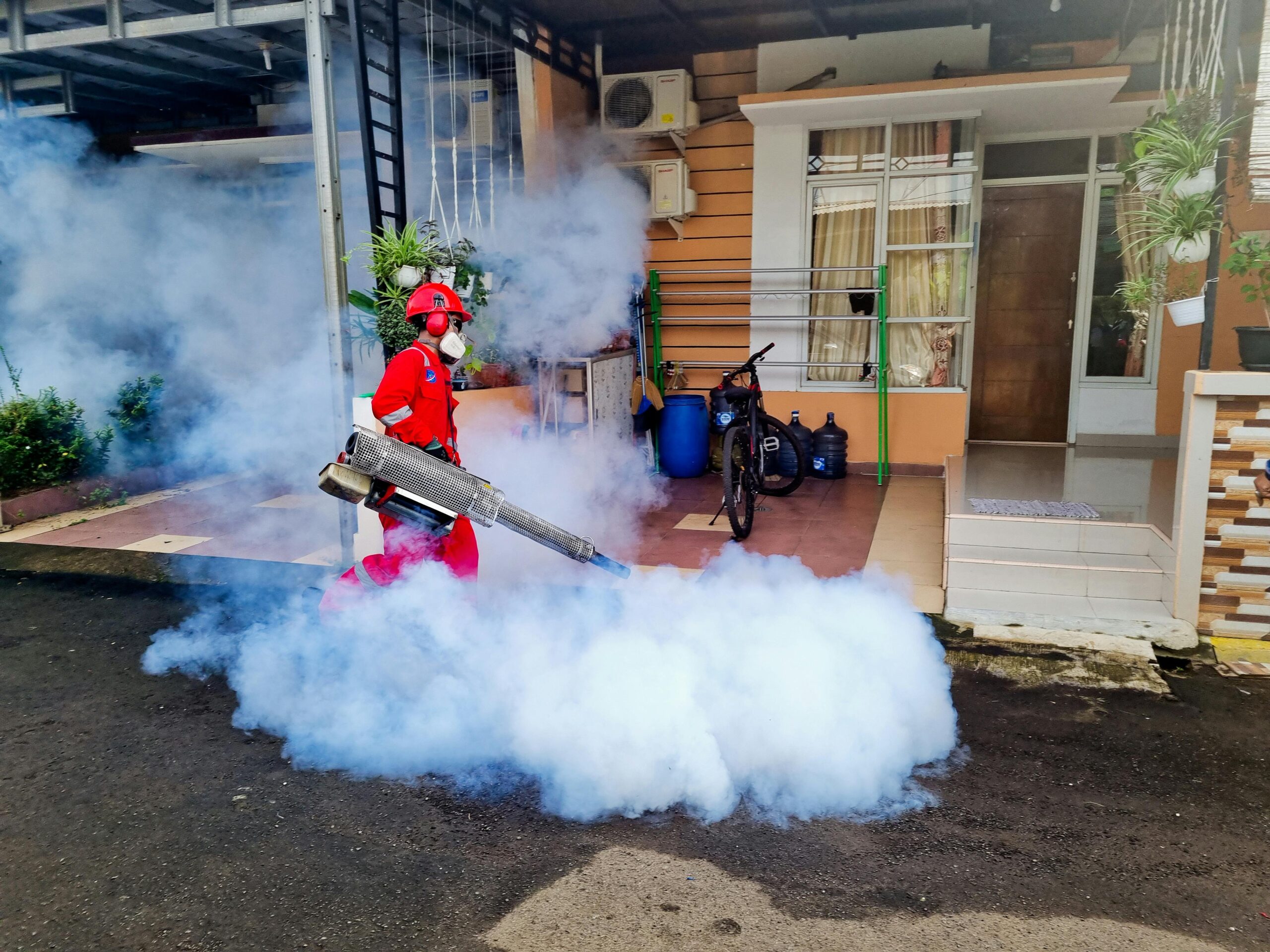
When millipedes have already entered the home, we turn to low‑odor foggers that disperse a fine mist of pyrethroid‑based spray. The fog penetrates cracks, baseboard gaps, and HVAC returns, killing insects on contact while leaving no strong chemical smell behind.
Safety protocols are strict: occupants and pets are asked to vacate the treated area for at least 30 minutes, windows are opened to promote ventilation, and all food surfaces are covered. Technicians wear protective gear and follow EPA label instructions to ensure the treatment is both effective and safe for families.
| Treatment Type | Price Range (USD) | What’s Included |
|---|---|---|
| Perimeter Barrier Spray | $120 – $180 | Full‑home exterior coverage, one follow‑up visit |
| Soil‑Active Granules | $80 – $130 | Granule application to garden beds and crawl‑space soil |
| Indoor Spot Treatment | $60 – $100 | Fogger application to interior entry points, post‑treatment safety check |
All three services are backed by a 30‑day satisfaction warranty and include a scheduled follow‑up visit to verify that millipede activity remains at bay. Pricing aligns with the NPMA 2024 pricing guide, ensuring transparent, competitive rates for Marietta homeowners.
Seasonal Timing and Prevention Strategies
Understanding when millipedes are most likely to invade helps you stay one step ahead. In Marietta, the insects follow a predictable calendar that aligns closely with our local weather patterns. By syncing your prevention plan with these cycles, you can keep your home millipede‑free without costly emergency treatments.
When Millipedes Are Most Active
In the Metro Atlanta region, millipedes reach peak activity from early April through June. During these months, adult females lay eggs and juveniles emerge, creating a surge of movement across lawns and foundations. This window coincides with the start of the region’s warm, humid season, making it the most critical period for homeowners to act.
Why Marietta’s Micro‑Climate Matters
Heavy spring rains are the catalyst that drives millipedes from the forest floor into residential spaces. A single inch of rain can raise soil moisture enough to push these creatures toward the nearest dry refuge—your home’s crawl space or basement. In Marietta, the combination of April‑June showers and moderate temperatures creates an ideal highway for millipedes.
Local Insight: Kennesaw Mountain Runoff
One often‑overlooked factor is the runoff from Kennesaw Mountain. The mountain’s slopes channel water toward the western neighborhoods of Marietta, pooling around foundations and garden beds. This localized moisture pool acts like a magnet, drawing millipedes from the surrounding woods right onto your doorstep. Recognizing this pattern lets you target drainage improvements where they matter most.
Proactive Prevention Steps
Addressing the problem before the rainy season starts is the most effective defense. Simple, low‑cost measures can dramatically reduce the number of millipedes seeking shelter in your home. Focus on eliminating moisture, sealing entry points, and creating a clear buffer between vegetation and your foundation.
Monthly Inspection Checklist
- ☑ Trim vegetation – ≥ 2 ft from foundation
- ☑ Clear gutters and downspouts to direct water away from the house
- ☑ Repair cracks in foundation, siding, and around utility penetrations
- ☑ Install door sweeps on all exterior doors
- ☑ Conduct a visual crawl‑space inspection before the first April rain
Schedule a brief walk‑through of your property at the start of March. Look for standing water, overgrown shrubs, and any gaps where soil meets the structure. Tackling these issues early gives you a dry, inhospitable environment that millipedes simply bypass.
By aligning your prevention routine with Marietta’s spring climate and the unique runoff patterns from Kennesaw Mountain, you create a robust barrier against millipede invasions. Regular inspections, proper drainage, and diligent sealing keep your home comfortable and pest‑free, letting you enjoy the season without unwanted crawlers. If you need professional assistance, Anthem Pest Control stands ready to reinforce your DIY efforts with expert treatment and ongoing monitoring.
Frequently Asked Questions About Millipedes
Below are the most common questions Marietta homeowners ask about these damp‑weather visitors.
Are millipedes harmful to humans?
Millipedes are not poisonous, and they don’t bite or sting. In most cases they’re simply a nuisance that wanders indoors during humid periods. According to the CDC (2023), the only documented health concern is a mild skin irritation that can occur if a person is allergic to the chemicals in a millipede’s defensive secretions. Such reactions are rare, resolve with over‑the‑counter antihistamines or a cool compress, and do not require prescription medication. Children and pets are especially unlikely to experience serious effects, but washing hands after handling a millipede is a good habit. If a rash spreads or breathing becomes difficult, seek medical care promptly.
How long does a treatment last?
A professionally applied mill
Choosing Anthem Pest Control for Millipede Management
When millipedes invade your Marietta yard, you need a partner who knows the local climate, soil conditions, and the species that thrive here. We’ve also partnered with local landscaping firms to ensure that any preventive measures blend seamlessly with your home’s aesthetic while keeping moisture‑prone zones in check. Anthem Pest Control brings more than a decade‑plus of hands‑on experience—over 15 years of dedicated service to homeowners in Marietta and the surrounding Cobb County neighborhoods.
Our team is on call around the clock. A 24/7 emergency line means you can reach a fully licensed technician any night, weekend, or holiday, and they’ll arrive promptly with the right tools to assess and treat the infestation before it spreads to your foundation or indoor spaces. Our technicians carry a mobile diagnostic kit that records temperature and humidity levels, guaranteeing the treatment is timed for maximum effectiveness.
We back every treatment with a 30‑day re‑treatment warranty. If millipedes return within that window, we’ll come back at no extra charge to re‑apply the solution. In addition, every new customer receives a free, no‑obligation inspection so we can map the entry points, identify moisture sources, and design a customized plan that fits your budget.
“Anthem showed up within an hour of my call, explained the process in plain language, and treated the perimeter of my home. Two weeks later the millipedes were gone, and the follow‑up visit confirmed the problem was solved. I’ll definitely call them first for any future pest issues.” – J. Martinez, Marietta
Our local expertise isn’t just about years on the job; it’s about the relationships we’ve built with Marietta’s homeowners. We understand the city’s drainage patterns, the common landscaping choices that attract moisture‑loving millipedes, and the most effective, environmentally responsible products that keep your family safe while eradicating the pests.
Ready to protect your home? Call us now at 877‑371‑8196 or click the button below to request your free quote. Get My Free Quote
Secure Your Home with Expert Millipede Control
When millipedes swarm your porch or crawl across your foundation, the problem goes beyond an unsightly nuisance. Professional millipede control stops the staining of siding, prevents moisture‑trapping debris, and safeguards the curb appeal that keeps your property value high. A licensed technician knows the exact entry points and seasonal patterns, applying treatments that target the insects without harming your family or pets.
Anthem Pest offers clear, upfront pricing so you never face surprise fees. Our cost‑effective packages combine a thorough inspection, targeted application, and a follow‑up visit—all designed to give you lasting peace of mind. Knowing a qualified, insured provider is handling the job lets you focus on enjoying your home rather than worrying about tiny, hard‑bodied invaders.
Ready to protect your Marietta residence this season? Call Anthem Pest today for a free inspection and let our experts create a customized barrier that keeps millipedes at bay. Reach us at 877‑371‑8196, or visit Anthem Pest Control to schedule your service.
Our service doesn’t end after the first treatment. We include a seasonal monitoring plan that checks for new activity and re‑applies protection when needed, ensuring your home stays millipede‑free year after year. This proactive approach maximizes value and minimizes future repair costs.