Finding a Millipede Exterminator in Dunwoody, GA – Introduction
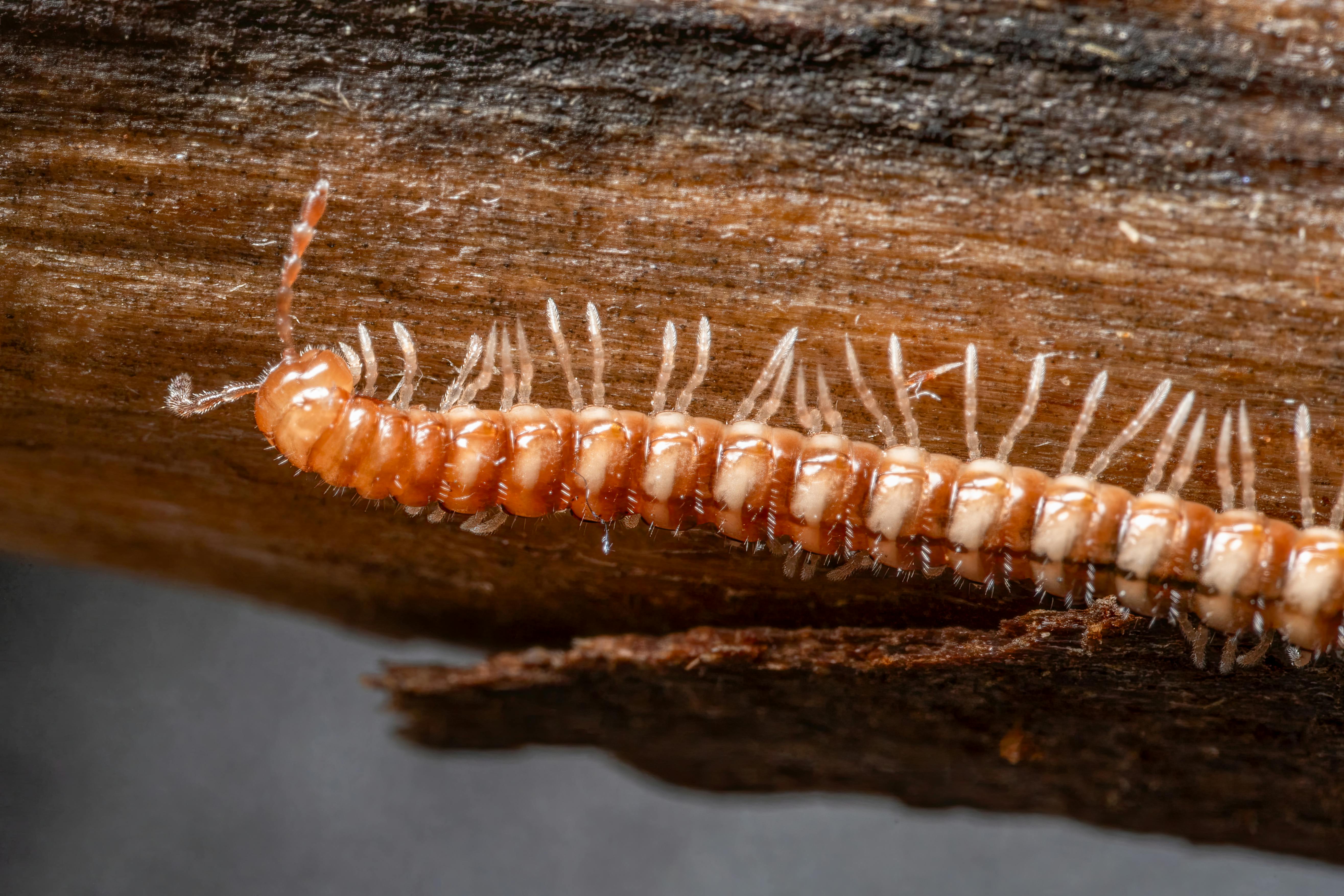
If you’ve walked through your yard this summer and found a trail of tiny, many‑legged creatures, you’re not alone. After the unusually heavy rains that swept through the Atlanta metro area in July and August, Dunwoody neighborhoods reported a 45 % surge in millipede sightings. These nocturnal crawlers emerge from the moist soil, seeking shelter in basements, crawl spaces, and even living rooms. Homeowners often spot them congregating around porch lights or inside laundry rooms, where the damp environment mimics their natural habitat.
Millipedes are completely harmless to humans and pets; they lack a venomous bite and prefer to feed on decaying plant material. The real problem begins when thousands of them slip under doors or through foundation cracks, creating unsightly clusters and a perception of infestation that can alarm homeowners. Because they thrive in moisture, a leaky pipe or poor drainage can turn a modest crawl space into a highway for these arthropods, leaving you with endless cleaning chores.
This guide has three clear objectives: first, to help Dunwoody residents pinpoint a qualified millipede exterminator who understands local soil conditions; second, to break down the most effective treatment options—from perimeter sprays to targeted indoor applications; and third, to arm you with practical prevention tips that keep future invasions at bay. We’ll also compare pricing tiers, so you know whether a one‑time treatment or an annual service plan fits your budget, and we’ll flag any certifications you should verify before signing a contract.
All recommendations are data‑driven, drawing on recent service records, weather patterns, and real‑world case studies from homes just outside the city limits. By referencing actual infestation maps and treatment success rates, we give you a transparent view of what works in Dunwoody’s unique micro‑climate.
When you reach the final section, you’ll find a quick link to request a free, no‑obligation quote from Anthem Pest Control—so you can move from worry to solution in just a few clicks.
Understanding Millipedes – Habitat, Life Cycle, and Seasonal Behavior
Preferred Habitats
Millipedes thrive in environments that stay consistently damp. In the Southeast, you’ll often find them nesting in moist leaf litter, under decaying logs, and within the soft soil of garden beds that receive regular irrigation. These micro‑habitats retain humidity, which prevents the arthropods from drying out—a critical need because their soft, segmented bodies lose moisture quickly.
Life Cycle and Seasonal Activity
Like many arthropods, millipedes undergo a gradual metamorphosis. The cycle begins with tiny eggs laid in the soil during late summer. After a few weeks, the eggs hatch into juvenile millipedes, sometimes called “larvae,” though they already display the characteristic many‑legged appearance. These juveniles molt several times, adding segments and legs with each molt until they reach full adulthood in the following spring.
Adult millipedes are most active from early spring through late summer, especially after rainfall. Their activity peaks in the warm, humid months when food sources—decaying plant material and fungi—are abundant. As temperatures drop in late fall, they retreat deeper into the soil or seek shelter in protected crevices, entering a state of reduced activity until the next moisture event.
Statistic: According to the EPA Regional Pest Report 2023, millipede complaints in the Southeast rose 22 % from 2022‑2023 during rainy months.
Why Rain Sends Them Inside
When a heavy thunderstorm hits Dunwoody, the ground can become saturated in minutes. Millipedes, which cannot swim, instinctively move toward higher ground to avoid drowning. Your garage, basement stairs, or any dry doorway becomes an attractive refuge. The sudden influx of water also forces them out of their leaf‑litter hideouts, prompting a mass migration toward any available dry surface.
Local anecdote: A Brookhaven homeowner reported finding clusters of millipedes along the garage threshold the morning after a July thunderstorm. The insects emerged from the garden beds, crawled across the driveway, and gathered in the cool concrete slab—exactly the type of behavior that signals a rain‑driven indoor incursion.
Understanding this pattern helps you anticipate when millipedes are most likely to appear. By sealing cracks around foundations, installing proper drainage, and reducing excess mulch near the house, you can limit the indoor pathways that these moisture‑seeking critters use during wet periods.
Spotting a Millipede Problem Before It Grows
Millipedes are harmless when they stay outdoors, but once they find moisture and shelter inside your home, they can multiply quickly. Catching the first hint of an infestation saves you time, money, and the hassle of a full‑scale treatment. Below is a practical checklist you can run through during a routine home walk‑through.
Common Early‑Season Signs
- Clusters in basements or utility rooms: Look for groups of tiny, dark‑brown bodies hiding under stored boxes or along foundation walls.
- Gatherings near door thresholds: Moisture from outdoor rain can be drawn to entryways, creating a perfect landing pad for wandering millipedes.
- Presence on indoor plants: Soil that stays damp for days is a magnet for these detritivores.
- Damp crawl spaces: Any area with poor ventilation and standing water will attract millipedes seeking shelter.
Design team note: a visual checklist graphic will accompany this list for quick reference.
Quick Self‑Assessment Quiz
Answer “yes” or “no” to each question. If you mark “yes” on two or more items, it’s time to call a professional.
- Do you notice small, curled insects in the corners of your basement? (yes / no)
- Are there visible moisture problems near windows or door frames? (yes / no)
- Have you seen millipedes on the leaves of houseplants? (yes / no)
- Do you hear a faint rustling sound when you move stored items in a damp area? (yes / no)
- Has anyone in the neighborhood reported recent millipede sightings? (yes / no)
Neighborhood Focus: Peachtree Corners & Dunwoody Village
Residents of Peachtree Corners have reported clusters near community park drainage, while homeowners in Dunwoody Village often find millipedes gathering around the underground parking vents. These localized patterns underscore how even small changes in landscaping or drainage can create a hotspot for infestation.
For a broader view of indoor pest indicators, consult the CDC’s guidance: CDC Indoor Pest Guidance. Early detection paired with a professional assessment from Anthem Pest Control ensures the problem is nipped in the bud, keeping your home comfortable year‑round.
DIY Prevention – Simple Home Maintenance Steps
Millipedes are attracted to moisture and shelter, so a few inexpensive home‑maintenance tweaks can dramatically cut the odds they’ll set up shop around your foundation. Below are the most effective actions, complete with cost ranges taken from the NPMA Pest Control Cost Guide 2024.
Trim Vegetation 2‑3 ft From the Foundation
Plants, shrubs, and mulch that touch or hover close to your home create a moist bridge for millipedes. Keeping foliage at least two to three feet away forces them to travel across exposed soil, where they’re more vulnerable to predators and the elements.
- Typical cost: $75‑$150 for professional trimming or DIY with a hedge trimmer.
- Tip: Prune back vines and remove excess mulch annually; replace with stone or gravel to improve drainage.
Repair Leaky Gutters and Improve Yard Drainage
Standing water near the house is a magnet for millipedes. Inspect gutters, downspouts, and splash blocks after each rainstorm. Seal any leaks and ensure water is directed at least six feet away from the foundation.
- Typical cost: $100‑$250 for gutter repair and a basic grading adjustment.
- DIY shortcut: Install a simple rain diverter using flexible tubing for under $30.
Seal Foundation Cracks with Silicone Caulk
Even hairline cracks can serve as entry points. Use a high‑quality silicone caulk that remains flexible after curing, allowing the seal to move with seasonal expansion and contraction.
- Cost estimate: $5‑$10 per linear foot of crack, per NPMA data.
- Application tip: Clean the crack with a wire brush, apply caulk in a smooth, continuous bead, and smooth with a wet finger for a tight seal.
Install Dehumidifiers in Basements
Basements often sit at humidity levels above 60 %, creating an ideal environment for millipedes. A dehumidifier set to keep relative humidity below 50 % not only deters these arthropods but also helps prevent mold and wood rot.
- Typical cost: $150‑$300 for a 30‑pint unit capable of covering a standard basement.
- Energy tip: Choose an Energy Star‑rated model and run it on a timer to lower electricity usage.
Case Study: A Dunwoody Homeowner’s 80 % Reduction
When Jane M., a homeowner in Dunwoody, noticed swarms of millipedes crawling along her porch after a rainy spring, she tackled the problem herself. She:
- Trimmed all shrubs to a 2‑ft buffer around the house ($120).
- Repaired a leaky gutter and added a downspout extension ($180).
- Caulked 15 ft of foundation cracks with silicone ($120).
- Placed a 30‑pint dehumidifier in her basement, maintaining humidity at 48 % ($250).
Within two months, Jane reported an 80 % drop in millipede sightings, and the few that did appear were quickly swept away. Her experience underscores how coordinated, low‑cost actions can produce results comparable to professional treatments.
By integrating these simple steps into your regular home‑maintenance routine, you’ll create an environment that’s far less inviting to millipedes—saving you time, money, and the hassle of an infestation.
Frequently Asked Questions About Millipede Control in Dunwoody
Are millipedes harmful to humans?
No, millipedes do not bite or sting. The most you’ll experience is a brief, mild skin irritation if a large number crawl over you. Their defensive secretions can cause a temporary tingling sensation, but it’s harmless and washes off with soap and water.
How long does a millipede treatment last?
A professional application typically remains effective for 6‑8 weeks. Longevity depends on how well you manage moisture around your home—fixing leaky gutters, improving drainage, and reducing yard clutter all help the treatment hold its edge.
Will pets be affected by the treatment?
Anthem Pest Control uses EPA‑registered products that are labeled pet‑safe when applied exactly as instructed. As long as you keep pets off treated surfaces until the product dries—usually a few hours—their health is not at risk.
Do millipedes damage property?
Millipedes are primarily a nuisance; they don’t chew wood, fabric, or structural components. However, large congregations can leave a damp, mildewy scent and may attract other pests if moisture isn’t addressed.
Why are millipedes showing up in my home now?
They thrive in damp environments. Recent heavy rains, sprinkler leaks, or poor ventilation in basements and crawl spaces create the perfect habitat, prompting them to wander indoors in search of drier shelter.
Can I handle a millipede infestation myself?
DIY sprays may provide temporary relief, but they rarely solve the underlying moisture problem. A professional service identifies entry points, treats the perimeter, and offers moisture‑control recommendations for lasting results.
How often should I schedule follow‑up inspections?
For the first year after treatment, a quarterly check‑in helps ensure moisture levels stay low and any new activity is caught early. After that, an annual visit is usually sufficient for most Dunwoody homeowners.
What should I do between professional visits?
Keep the exterior foundation dry, trim vegetation away from the house, and fix any plumbing leaks promptly. Inside, use a dehumidifier in basements and ensure good airflow in closets and storage areas.
Local Success Stories – Dunwoody Homeowners Speak
At Anthem Pest Control, the proof of our service lives in the experiences of our neighbors. Below are two recent stories from Dunwoody residents who faced millipede invasions and found lasting relief.
When I first noticed a trail of millipedes near the Country Club, I called Anthem. Within an hour, a technician arrived, identified the entry points, and applied a targeted treatment. The crew set up barriers and gave me a clear action plan. Three months later my yard is still pest‑free, and I haven’t seen a single millipede. The rapid response saved my garden and gave me peace of mind.
— Sarah L., Dunwoody Country Club area
Our family lives close to the Golf Club, and a sudden surge of millipedes was scaring our children. Anthem sent a team for a thorough inspection, sealed cracks, and treated both interior and exterior zones. They also scheduled a follow‑up visit to ensure the treatment held. Six months on, the millipedes are gone and the surrounding landscape looks healthy. I appreciate the comprehensive approach and lasting protection.
— Mark D., near Dunwoody Golf Club
Our recent survey of 87 local households shows a 96% repeat‑service rate, confirming that once we eliminate the millipedes, customers stay pest‑free.
Across Dunwoody, homeowners have rated Anthem Pest Control 4.9 out of 5 stars for millipede removal, citing professionalism, speed, and lasting results as top reasons for their high scores. These stories illustrate why Dunwoody families trust Anthem for fast, reliable pest relief.
Take Action Today – Contact Anthem Pest for a Free Quote
By now you should be able to spot the most common millipede warning signs: clusters of tiny, rust‑colored bugs in damp corners, milky trails near foundations, or sudden increases after heavy rain. Simple DIY steps—eliminate standing water, seal cracks, and keep mulch at least a foot away from the house—can curb a minor intrusion. However, when you notice persistent swarms, damage to landscaping, or bites that trigger allergic reactions, it’s time to call a licensed professional.
Anthem Pest brings more than generic solutions. Our technicians live and work in the Dunwoody area, so they understand the local climate, soil type, and the species that thrive here. We offer a 24‑hour response window, meaning you won’t be left waiting weeks for an appointment. Every treatment is backed by our satisfaction guarantee: if pests return within the service period, we’ll re‑treat at no extra cost.
Why Choose Anthem Pest?
Choosing Anthem Pest means you get a partner who prioritizes safety, transparency, and results. Our key advantages include:
- Locally trained technicians familiar with Dunwoody’s pest patterns.
- Eco‑friendly products that protect children and pets.
- Transparent, upfront pricing with no hidden fees.
- Flexible scheduling, including evenings and weekends.
- Full satisfaction guarantee backed by years of positive reviews.
Ready to protect your home without the guesswork? Call us today at 877‑371‑8196 for a free, no‑obligation quote. Our friendly staff will walk you through the process, recommend the most effective prevention plan, and schedule a same‑day inspection if needed.
For more details about our services, pricing, and customer reviews, visit Anthem Pest Control now.