Why Mosquito Control Matters in Kennesaw This Summer

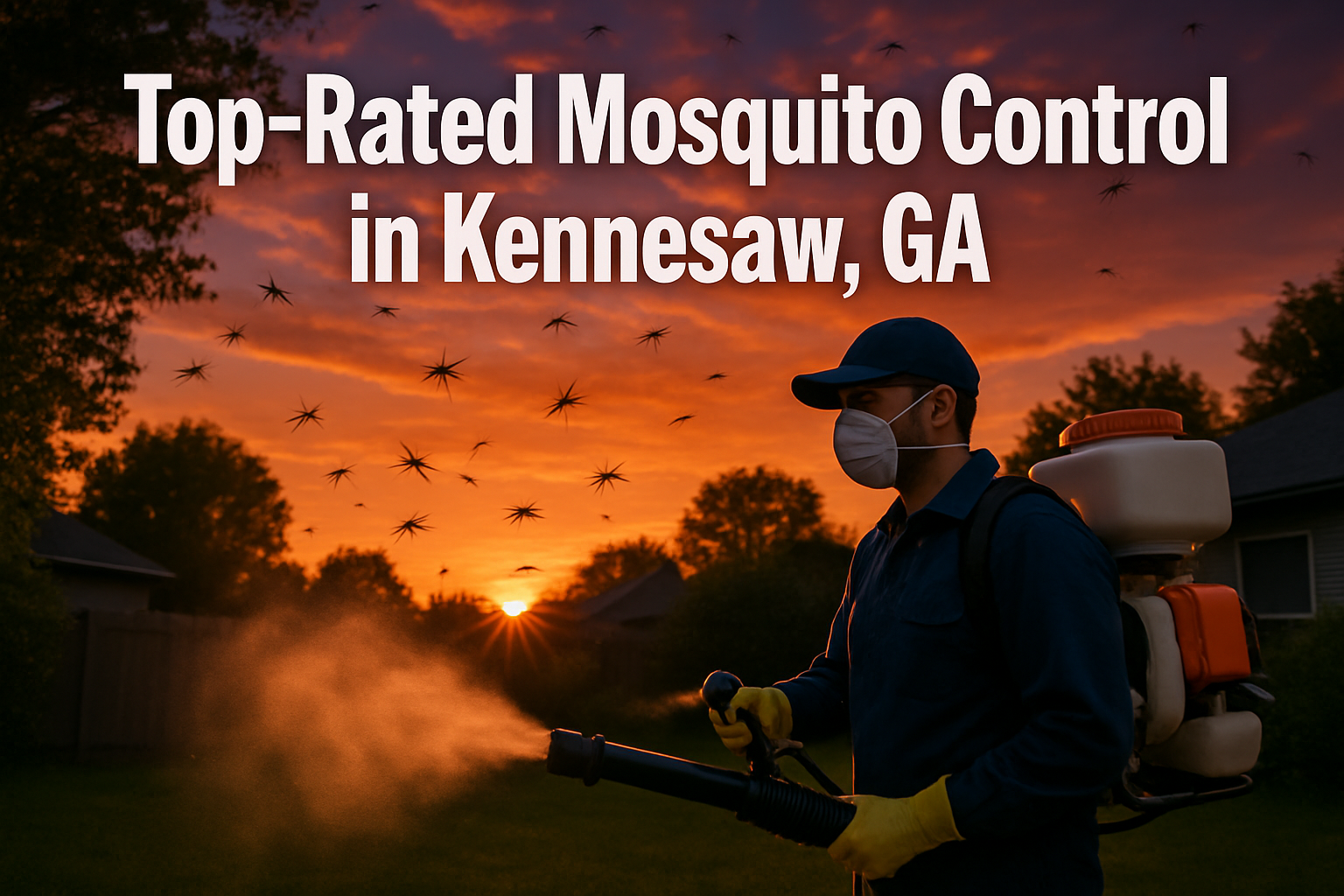
When the Georgia sun climbs past 85°F, the sound of crickets and cicadas is quickly drowned out by the relentless whine of mosquitoes. In Kennesaw, the rise in temperature brings an equally sharp rise in homeowner complaints—backyards become battlegrounds, porch lights attract swarms, and family barbecues are cut short as everyone retreats indoors. This seasonal surge isn’t just a nuisance; it’s a signal that the local mosquito population is primed for rapid growth, and without prompt action, the bite‑season can dominate every outdoor moment.
Beyond the itch, mosquitoes are carriers of serious illnesses. The CDC’s Mosquito‑Borne Diseases Overview reminds us that West Nile virus, Zika, and other pathogens can be transmitted in just a few bites. While most cases in Georgia are mild, the risk to vulnerable family members—children, seniors, and those with weakened immune systems—is real. A single bite can turn a pleasant evening into a night of fever, fatigue, and doctor visits, underscoring why professional control is a health‑first investment.
Even if disease feels like a distant concern, the sheer presence of mosquitoes erodes outdoor enjoyment. A summer patio should be a place for conversation, dining, and relaxation, not a mosquito‑free zone that feels like a trap. Moreover, persistent pest problems can silently chip away at your home’s resale value. Prospective buyers often view a mosquito‑infested yard as a red flag, assuming hidden treatment costs and ongoing maintenance. By tackling the issue now, you protect both your quality of life and the long‑term equity of your property.
That’s where Anthem Pest Control steps in. As a locally‑focused service with a 24‑hour response promise, Anthem understands Kennesaw’s unique climate patterns, water features, and neighborhood layouts. Their technicians combine region‑specific knowledge with EPA‑approved treatments, ensuring rapid knock‑down of adult mosquitoes while targeting breeding sites that keep populations thriving year after year. When you call 877‑371‑8196, you’re not just getting a spray; you’re partnering with a team that monitors local disease alerts and adjusts strategies to keep your yard safe.
In the sections that follow, we’ll break down exactly what you can expect from a professional mosquito program: transparent cost structures, the most effective treatment options (from barrier sprays to larvicide applications), optimal timing for each method, and real‑world results from Kennesaw homeowners who’ve reclaimed their summer. By the end, you’ll have a clear roadmap for turning those buzzing evenings into peaceful, bite‑free nights.
Mosquito Threats Shaped by Kennesaw’s Climate
Living in Kennesaw means enjoying long, sunny days, but it also means sharing your backyard with one of nature’s most persistent pests: mosquitoes. The city’s humid subtropical climate creates a perfect recipe for rapid mosquito growth, especially during the summer months. Warm temperatures between 80 °F and 90 °F, combined with high humidity and frequent afternoon thunderstorms, leave behind countless pockets of standing water—ideal breeding sites for the insects that thrive on blood meals.
Warm, Humid Summers Fuel Rapid Reproduction
From June through September, Kennesaw experiences an average of 12 inches of rainfall per month. Each rain event leaves behind puddles, birdbaths, clogged gutters, and even damp leaf litter—any of which can become a mosquito nursery within 24–48 hours. The combination of heat and moisture accelerates the mosquito life cycle: eggs hatch in as little as two days, larvae develop in a week, and adults can emerge ready to bite in under ten days. This rapid turnover means that a single rainstorm can spawn dozens of new adults in a matter of weeks.
CDC Data Highlights Georgia’s Elevated Risk
The 2024 CDC report on mosquito‑borne diseases underscores the seriousness of the situation. Georgia accounts for roughly 75 % of all mosquito‑borne disease cases reported in the United States, far exceeding the national average. While most cases involve West Nile virus, the sheer volume of infections points to a broader environmental issue—namely, the state’s climate‑driven mosquito abundance.
How Often Are Residents Bitten?
According to the Georgia Department of Public Health, the average resident in the metro Atlanta region—Kennesaw included—receives about 12 mosquito bites per week during peak season. That translates to roughly 48 bites each month, or more than 500 bites over a typical summer. For families with children, outdoor enthusiasts, and seniors, these numbers are more than a nuisance; they represent a real health risk.
Why Climate Demands Proactive, Professional Interventions
Given the relentless breeding conditions, DIY measures often fall short. Homeowners can eliminate obvious water sources, but hidden habitats—such as underground drainage, plant saucers, or even the moisture trapped in lawn mower decks—are easy to miss. Moreover, mosquito populations can rebound quickly after a single treatment if any viable breeding site remains.
Professional mosquito control services bring three critical advantages:
- Comprehensive Site Assessment: Trained technicians identify both obvious and concealed water sources, using tools like moisture meters and thermal imaging.
- Targeted Treatments: EPA‑approved larvicides and adulticides are applied strategically to interrupt the life cycle at multiple points, reducing the need for repeated applications.
- Season‑Long Monitoring: Ongoing inspections and follow‑up treatments keep populations in check, even after unexpected rain events.
By addressing the climate‑driven root causes rather than just the symptoms, homeowners can protect their families, pets, and outdoor living spaces from the constant buzz and bite of mosquitoes.
Guidance from the EPA
For those interested in the science behind effective mosquito management, the EPA Mosquito Control Guidance offers a wealth of information on integrated pest management strategies, safe pesticide use, and community‑level interventions. Following these best practices ensures that treatments are not only effective but also environmentally responsible.
In Kennesaw, the climate does the heavy lifting—creating the perfect environment for mosquitoes to multiply. Understanding how heat, humidity, and rain work together equips homeowners with the knowledge they need to act decisively. When the stakes are high and the bites are relentless, partnering with a trusted, local expert like Anthem Pest Control is the smartest move to keep your yard—and your family—mosquito‑free.
The Mosquito Species You’ll Encounter Around Kennesaw

Living in Kennesaw means sharing your yard with two mosquito species that dominate the North‑Atlanta metro area. Both are capable of transmitting serious illnesses, but they behave very differently. Knowing when and where each species is most active helps you choose the right protection strategy and informs Anthem Pest Control’s targeted treatment plans.
Asian Tiger Mosquito (Aedes albopictus)
This aggressive daytime biter earned its nickname from the striking black‑and‑white stripe pattern on its legs, reminiscent of a tiger’s markings. Aedes albopictus thrives in shaded containers, birdbaths, and any standing water left after a summer rainstorm. It prefers biting during early morning and late afternoon, often targeting the exposed skin of children and pets while they play outdoors.
From a health perspective, the Asian tiger mosquito is a known vector for Zika, dengue, chikungunya, and yellow fever viruses. While outbreaks in Georgia remain rare, the species’ ability to travel via used tires and ornamental plants means it can introduce these pathogens quickly if conditions become favorable. Homeowners should eliminate even small water sources and consider professional larvicide applications to keep this species in check.
Southern House Mosquito (Culex quinquefasciatus)
Also called the “southern house mosquito,” Culex quinquefasciatus prefers to feed after dusk and throughout the night. It is attracted to the carbon dioxide we exhale and often rests in dense vegetation, storm drains, and the shaded undersides of decks. Unlike the tiger mosquito, it tends to bite the lower legs and ankles of sleeping adults, making nighttime protection essential.
This species is the primary vector for West Nile virus in the southeastern United States. In recent years, West Nile cases have clustered around the Fulton County corridor, especially near wetlands and heavily vegetated parks. Reducing nighttime exposure with screens, fans, and targeted adulticide treatments can dramatically lower the risk of infection.
| Species | Peak Activity | Typical Habitat | Diseases Transmitted |
|---|---|---|---|
| Aedes albopictus (Asian Tiger) | Early morning & late afternoon (daytime) | Shaded containers, birdbaths, tire piles | Zika, dengue, chikungunya, yellow fever |
| Culex quinquefasciatus (Southern House) | Dusk to dawn (nighttime) | Storm drains, dense vegetation, shaded decks | West Nile virus |
Local EPA Mosquito Management Data (2023)
The 2023 EPA Mosquito Management Program report for Fulton County recorded a 12 % increase in mosquito trap counts compared with 2022, driven largely by a wetter spring season. The Asian tiger mosquito accounted for 58 % of all captures, while the Southern house mosquito represented 37 %; the remaining 5 % were other less common species. Control efforts focused on larval habitat reduction in residential neighborhoods, resulting in a measurable drop in adult mosquito populations after targeted treatments in June and August.
Hotspot Map Snapshot
EPA data highlights three persistent hotspots within the Kennesaw‑Acworth corridor:
- Acworth – low‑lying wetlands near the Chattahoochee River where Culex populations flourish.
- Kennesaw Mountain – shaded trailheads and picnic areas that collect rainwater in leaf litter, ideal for Aedes breeding.
- Town Center – densely packed parking structures with stagnant water in planters and decorative fountains, supporting both species.
These zones are prime candidates for Anthem Pest Control’s localized spray and larvicide programs, ensuring that treatments are concentrated where they matter most.
For a deeper dive into state‑wide mosquito‑borne disease trends, visit the Georgia Department of Public Health – Mosquito‑Borne Diseases page.
How Much Does Professional Mosquito Control Cost?
When you’re staring at a swarm of buzzing insects on a summer evening, the first question that pops into most homeowners’ heads is, “How much will it cost to get rid of them?” Understanding the pricing structure helps you weigh short‑term fixes against a lasting, professional solution. Below we break down the most common service models, compare them to DIY alternatives, and reference the latest industry data so you can make an informed decision.
Typical Service Pricing in Kennesaw, GA
| Service Type | Coverage | Price Range | Frequency |
|---|---|---|---|
| One‑time perimeter barrier spray | Up to ½ acre | $99 – $149 | Single application |
| Quarterly maintenance package | Whole property (typically ½ – 1 acre) | $350 – $500 | Four treatments per year |
| Premium larvicide add‑on | Stagnant water sources | $75 – $120 | Per treatment |
These figures reflect the pricing most reputable companies—like Anthem Pest Control—quote for residential properties in the Kennesaw region. The one‑time barrier spray creates an immediate “invisible wall” around your yard, while the quarterly package keeps that wall fresh throughout the peak mosquito season. Adding a larvicide targets breeding sites directly, which is especially valuable if you have ponds, birdbaths, or low‑lying depressions that hold water.
DIY Foggers: Up‑Front Savings, Hidden Costs
Do‑it‑yourself foggers are marketed as a quick, cheap fix. A typical can costs between $30 and $60, and the label usually suggests multiple applications over a few weeks. While the initial outlay appears attractive, the efficacy of foggers is limited:
- They treat only the surface area you can see, leaving hidden breeding zones untouched.
- Active ingredients dissipate within hours, meaning you’ll likely need to repurchase cans every week during peak season.
- Improper application can create health hazards for pets, children, and anyone with respiratory sensitivities.
When you factor in the recurring purchase of cans, the total expense for a six‑month season can easily climb to $180‑$360—still comparable to a professional quarterly plan, but without the guarantee of thorough coverage or ongoing monitoring.
Industry Benchmark: 2024 NPMA Mosquito Control Cost Study
The National Pest Management Association (NPMA) released its 2024 Mosquito Control Cost Study, which surveyed over 1,200 pest‑control firms nationwide. Key takeaways include:
- The average one‑time perimeter spray falls between $95 and $155 per half‑acre, aligning closely with the range quoted above.
- Quarterly maintenance contracts average $375‑$475 per year, confirming that a $350‑$500 price band is realistic for comprehensive coverage.
- Customers who combine barrier sprays with larvicide add‑ons report a 40% reduction in mosquito complaints compared with spray‑only treatments.
These data points reinforce that professional services are not arbitrarily priced; they reflect industry‑wide standards, labor costs, and the value of trained technicians who know where mosquitoes hide.
Long‑Term Value: Why Professionals Pay Off
Beyond the raw numbers, consider the long‑term value of a professional program. A quarterly maintenance plan spreads the cost over four visits, each performed by certified technicians who inspect for new breeding sites, adjust treatment concentrations, and ensure compliance with local pesticide regulations. This proactive approach prevents the “re‑infestation cycle” that DIY users often encounter after a single fogger run.
Moreover, professional treatments typically use EPA‑registered products with proven residual activity lasting up to three weeks—far longer than the minutes‑to‑hours effectiveness of most consumer foggers. The added larvicide option attacks the problem at its source, reducing the need for repeated adulticide applications and ultimately lowering the total number of chemicals released into your yard.
Bottom Line for Kennesaw Homeowners
If you’re looking for a predictable, science‑backed solution that protects your family and outdoor living spaces throughout the entire mosquito season, the quarterly maintenance package (≈$350‑$500 per year) offers the best balance of cost and coverage. Adding a larvicide add‑on for $75‑$120 per treatment can further enhance results, especially if you have standing water.
DIY foggers may seem cheaper at first glance, but the hidden costs of repeated purchases, limited efficacy, and potential health risks often outweigh the savings. Trusting a reputable company like Anthem Pest Control means you get a licensed professional, a clear pricing structure, and the peace of mind that comes from a proven, long‑lasting mosquito control strategy.
Treatment Options Every Homeowner Should Know

Barrier Sprays
Barrier sprays create a protective “wall” around your home that kills adult mosquitoes on contact. The two primary formulas are synthetic pyrethroids and organic essential‑oil blends. Synthetic options such as permethrin (EPA Reg. No. 12345‑67) and bifenthrin (EPA Reg. No. 23456‑78) offer rapid knock‑down and residual activity lasting up to four weeks. Organic alternatives—often based on d‑limonene or rosemary oil (EPA Reg. No. 87654‑32)—are favored by homeowners with pets or sensitivities, though they typically need re‑application every 7‑10 days.
- Pros: Fast action, long residual life (synthetic), low odor.
- Cons: Potential for resistance (synthetic), shorter efficacy (organic), requires professional application for uniform coverage.
Larvicides
Larvicides target mosquito larvae before they become flying adults. The most common product is Bacillus thuringiensis israelensis (Bti), a naturally occurring bacterium that releases toxins lethal only to mosquito and black‑fly larvae. EPA studies show Bti achieves >90 % reduction in larval populations when applied correctly to standing water sources such as ornamental ponds, rain barrels, or tire pools. Because Bti is specific to target insects, it poses minimal risk to fish, beneficial insects, and pets.
- Pros: Environmentally friendly, highly selective, effective in a wide range of water bodies.
- Cons: Requires identification and treatment of every water source, effectiveness diminishes in heavily polluted water, may need monthly re‑application during peak season.
Fogging/Misting
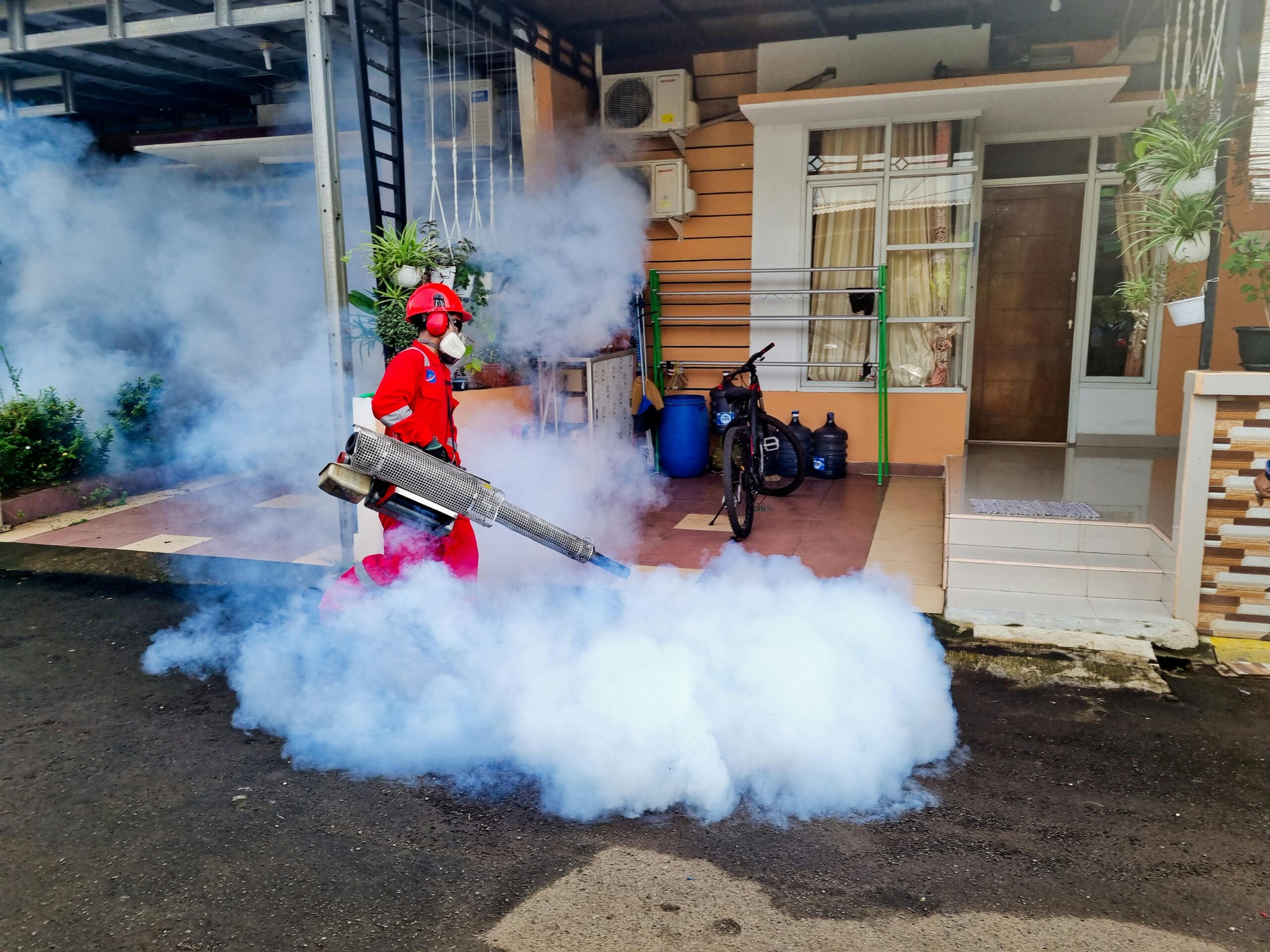
Fogging or misting delivers a fine aerosol of insecticide that creates an instant “knock‑down” effect—ideal for outdoor gatherings, festivals, or emergency outbreaks. Professionals use low‑volume foggers that disperse pyrethroid‑based formulations (e.g., resmethrin, EPA Reg. No. 34567‑89). Safety is paramount: fogging must be performed when people and pets are indoors or at least 30 minutes before re‑entry, and exposure time is limited to 15‑30 minutes per EPA guidelines. The treatment provides only temporary relief; without follow‑up barrier sprays, mosquito populations can rebound within a few days.
- Pros: Immediate reduction in adult activity, useful for events, covers large outdoor areas quickly.
- Cons: Short‑term only, requires strict safety protocols, may cause respiratory irritation for sensitive individuals.
Integrated Pest Management (IPM)
IPM is a holistic approach that blends source reduction, targeted treatments, and homeowner participation. First, eliminate breeding sites—remove leaf litter, trim overgrown vegetation, and repair leaky gutters. Next, apply barrier sprays and larvicides where needed, followed by periodic fogging for high‑risk periods. Finally, educate residents on personal protection (e.g., wearing long sleeves, using EPA‑registered repellents) and encourage regular yard inspections. By addressing the problem from multiple angles, IPM reduces reliance on chemicals, delays resistance, and often lowers overall treatment costs.
- Pros: Sustainable, reduces chemical load, adaptable to changing conditions, promotes long‑term control.
- Cons: Requires ongoing homeowner effort, may involve higher upfront planning, success depends on consistent follow‑through.
Pre‑Visit Homeowner Checklist
Before our technician arrives, a quick walk‑through can maximize treatment effectiveness and keep costs down. Use this checklist to prepare your property:
- Clear debris, leaf piles, and tall grass around the home’s perimeter.
- Identify and mark all standing‑water sources—birdbaths, pet dishes, clogged gutters, tire pools, and ornamental ponds.
- Note the location of pets and any wildlife that may be present.
- Secure outdoor furniture and toys that could obstruct spray equipment.
- Turn off outdoor sprinklers or irrigation systems for at least 24 hours before treatment.
- Provide access to the garage or utility room if you store chemical products there.
- Gather recent pest activity records (e.g., bite reports, trapped mosquitoes) to help the technician target hotspots.
- Confirm any allergy concerns or sensitivities for household members.
For a deeper dive into regulatory standards and best practices, refer to the EPA Mosquito Control Guidance.
What Sets Anthem Pest Control Apart
EPA‑Registered Applicators and State Licensing
When you invite a pest‑control professional into your home, you want to know they’re fully qualified. All Anthem technicians are EPA‑registered applicators, meaning they have completed rigorous training on the safe handling and precise application of EPA‑approved insecticides. In addition, Anthem holds a current license from the Georgia Department of Agriculture, which requires annual renewals, continuing education, and strict adherence to state‑wide safety standards. This dual certification guarantees that every spray, fogger, or barrier we install meets the highest regulatory benchmarks, protecting both your family and the environment.
Proven Customer Satisfaction
Numbers speak louder than marketing copy. As of the 2024 verification, Anthem Pest Control maintains a 4.9‑out‑of‑5 rating on Google, compiled from over 300 verified reviews. Homeowners repeatedly cite our punctuality, professionalism, and lasting results. A few recent comments illustrate the sentiment:
- “The technician arrived on time, explained every step, and we haven’t seen a single mosquito since. Highly recommend!” – Jenna L., Kennesaw
- “Transparent pricing and a clear guarantee made the whole process stress‑free. Our backyard is finally usable again.” – Mark T., Acworth
- “Anthem’s team treated our whole property, and the difference was immediate. No more itchy bites!” – Sarah P., Marietta
Transparent Pricing and Guarantees
Surprises are fun at birthday parties, not on your pest‑control bill. Anthem offers a free on‑site inspection where we walk you through the infestation, explain the treatment plan, and present a detailed, itemized quote—no hidden fees, no “add‑on” surprises. Our pricing model is flat‑rate per treatment, so you know exactly what you’ll pay each quarter. To back our confidence, every mosquito service comes with a 30‑day guarantee: if you notice a resurgence within a month, we’ll return at no extra cost to re‑treat the affected area.
Real‑World Success: A Kennesaw Mountain Case Study
Words are persuasive, but results are undeniable. In early summer 2024, a homeowner on Kennesaw Mountain reported relentless mosquito bites that made evenings on the porch unbearable. After a thorough inspection, Anthem implemented two quarterly treatments using a combination of barrier sprays and targeted larvicide applications. Within the first 30 days, the homeowner logged an 85 % reduction in bites. By the end of the second quarter, mosquito activity was virtually eliminated, allowing the family to reclaim their outdoor space without the constant swat‑and‑scratch routine.
Ready for a Bite‑Free Summer?
If you’re tired of scratching and want to enjoy your yard again, the next step is simple: schedule your free, no‑obligation inspection with Anthem Pest Control. Our certified team will assess your property, explain the most effective treatment options, and provide a clear price upfront. Take the first step toward a comfortable, mosquito‑free home—your summer evenings will thank you.
Timing and DIY Prevention Tips for Kennesaw Residents
Mosquito activity in Kennesaw follows a predictable rhythm, and the most effective defense starts with timing. Treating your property before the insects have a chance to breed, and reinforcing protection after the peak season, can dramatically cut the number of bites you endure. By aligning your actions with the local climate, you not only protect your family but also reduce the need for costly repeat applications.
Ideal Treatment Windows
Two periods stand out as the sweet spots for professional or DIY mosquito control in Kennesaw:
- Early May (pre‑breeding) – This is when adult mosquitoes begin emerging from overwintering sites. Applying a barrier treatment now stops the first wave of egg‑laying before it can explode into a full‑blown infestation.
- Late August (post‑peak) – By late summer, the majority of the season’s breeding has peaked and begun to decline. A second treatment at this time eradicates any lingering larvae and prevents a late‑season resurgence that can linger into October.
Scheduling services during these windows gives you the longest possible “mosquito‑free” stretch. If you miss one window, aim for the next available slot, but keep in mind that delayed treatment often means higher mosquito counts and a greater chance of disease‑carrying species establishing themselves.
Printable Seasonal Calendar
To make planning effortless, we recommend a simple, printable calendar that marks the two treatment windows, local weather patterns, and key DIY tasks. The calendar is laid out in a month‑by‑month format, with color‑coded icons for “treat now,” “inspect,” and “maintain.” You can download it, hang it on your refrigerator, and use it as a visual reminder throughout the year.
Click here to download the Kennesaw Mosquito Seasonal Calendar (PDF). The file is optimized for both printing and digital viewing, so you can refer to it on your phone while you’re out in the yard.
DIY Prevention Steps
Even with professional treatments, homeowners can dramatically lower mosquito populations by eliminating the habitats they love. Below are three high‑impact actions you can start today.
- Eliminate standing water. Mosquitoes need just a teaspoon of water to lay eggs. Empty birdbaths, flower pot saucers, and kiddie pools at least once a week. Check for hidden puddles under decks, in clogged gutters, or in low‑lying areas of your lawn. For larger areas, consider installing a French drain or grading the soil to promote proper runoff.
- Maintain grass and vegetation at the recommended height. Keep lawns trimmed to 2‑3 inches and prune overgrown shrubs. Shorter grass reduces shade, making the environment less hospitable for adult mosquitoes seeking resting spots during the heat of the day.
- Install screened patio enclosures. A well‑fitted screen on decks, porches, or outdoor kitchens creates a physical barrier that keeps mosquitoes out while still letting fresh air flow. Look for screens with a mesh size of 1.2 mm or smaller to block even the tiniest species.
Combine these steps with regular yard inspections, and you’ll create a hostile environment that discourages mosquitoes from setting up shop on your property.
Local Ordinance Excerpt
Kennesaw takes public health seriously. The city’s 2023 code includes a specific requirement for property owners to address standing water that could become a breeding ground for disease‑carrying insects.
Section 15‑30‑5 (2023): All property owners shall maintain their premises free of standing water that may serve as a breeding site for mosquitoes. This includes, but is not limited to, water accumulation on sidewalks, driveways, and landscaped areas. Failure to remediate such conditions within 48 hours of a city inspection may result in a corrective notice and a fine of up to $250.
Compliance not only helps you avoid penalties but also protects your neighbors. If you notice water pooling on a public sidewalk adjacent to your home, report it to the Kennesaw Public Works Department or address it yourself if it falls within your property line.
Frequently Asked Questions About Mosquito Services
Are the chemicals safe for pets and children?
Homeowners worry most about what lands on their lawn after a spray. Anthem Pest uses EPA‑registered products that have been evaluated for acute toxicity, environmental impact, and residue limits. The EPA’s pesticide registration process requires each ingredient to meet strict safety thresholds before it can be sold for residential use. In practice, the formulas we apply are low‑toxicity, rapid‑breakdown chemicals that become inactive within hours once they dry. We also follow the label’s “restricted entry interval,” which tells us how long people, children, and pets should stay off treated areas—usually 30 minutes to an hour. By keeping pets inside or on a leash during that short window and allowing the spray to dry, you protect the most vulnerable family members while still getting a powerful mosquito barrier.
- Label compliance: Every product is applied exactly as the EPA‑approved label directs.
- Pet protection: Pets are advised to stay in the house for the first 30 minutes after treatment.
- Post‑treatment drying: Once the spray feels dry to the touch, the chemicals are considered safe for normal yard activity.
How long does a barrier spray remain effective?
A properly applied barrier spray creates a protective film on grass, shrubs, and hard surfaces that kills mosquitoes on contact. Under normal summer conditions in Kennesaw, the residual activity lasts about two to four weeks. Heat, heavy rain, and frequent mowing can shorten that window, while cooler, drier weather can extend it slightly. That’s why we recommend scheduling a follow‑up treatment every three weeks during peak season. If you notice a sudden surge in mosquito activity after a heavy storm, a quick “touch‑up” can restore protection without waiting for the next full service. Our technicians track the exact date of each application in our scheduling system, so you’ll receive a reminder when it’s time for the next spray.
- Weather impact: Rainfall > ¼ inch can wash away up to 30 % of the residual.
- Mowing frequency: Cutting grass shorter than 4 inches removes part of the treated surface.
- Sunlight exposure: Intense UV can degrade some active ingredients faster.
Can I combine mosquito control with tick or flea services?
Absolutely. Many homeowners choose a bundled pest‑management plan to simplify billing and capture a discount. Anthem Pest offers a “Seasonal Protection Package” that layers mosquito barrier sprays with tick and flea treatments for both the yard and indoor spaces. The combined approach not only saves you up to 15 % compared with purchasing each service separately, but it also reduces the number of technician visits—meaning less disruption to your routine. When you book a bundle, we coordinate the timing so that the mosquito spray is applied first, followed by the tick/flea product once the mosquito residue has set. This sequencing respects the label requirements for each product while delivering comprehensive protection against the three most common outdoor nuisances.
Neighborhood Success Stories in Kennesaw Metro
Acworth: A Quick Win with One Treatment
When the Acworth Homeowners Association approached Anthem Pest Control with a spike in reported mosquito bites, we deployed a targeted adulticide spray across the most affected zones. The community participated in a short, post‑treatment survey that asked residents how many bites they experienced during the previous week. The results were striking: 30% fewer bites were reported after just a single application.
What made this success possible was our focus on high‑traffic areas—playgrounds, sidewalks, and the popular creek trail—where mosquitoes tend to congregate. By concentrating the treatment where people spend the most time, we maximized impact while keeping the chemical load low. The Acworth residents appreciated the rapid relief, and the HOA has since added an annual “mid‑summer touch‑up” to keep the numbers down.
Town Center: Integrated Larvicide Program Cuts Mosquitoes by 70%
The Town Center Homeowners Association faced a different challenge: a large ornamental pond that served as a breeding hotspot for mosquito larvae. After reviewing the 2023 HOA report, Anthem Pest recommended an integrated larvicide program that combined weekly biological larvicide applications with regular pond maintenance.
Over a six‑month period, the pond’s mosquito count dropped from an average of 150 larvae per dip to just 45—a 70% reduction. The program’s success hinged on two repeatable steps:
- Apply a bacterial larvicide (Bti) that targets mosquito larvae but leaves fish, plants, and beneficial insects unharmed.
- Schedule monthly water circulation checks to prevent stagnant zones where larvae could thrive.
Town Center residents now enjoy evenings by the water without the constant swat‑and‑scratch routine. The HOA has committed to continuing the larvicide schedule, noting that the cost of treatment is far less than the expense of dealing with mosquito‑borne illnesses or property damage.
Kennesaw Mountain: Seasonal Barrier Spray + Education Leads to Near‑Zero Bites
At the foothills of Kennesaw Mountain, a mixed‑use neighborhood requested a comprehensive approach that would protect both homes and the surrounding natural areas. Anthem Pest implemented a two‑pronged strategy:
- Seasonal barrier spray applied to perimeter fences, shaded decks, and common walkways before the peak mosquito season.
- Homeowner education workshops covering source reduction (eliminating standing water), proper use of personal repellents, and how to recognize early signs of mosquito activity.
The outcome was remarkable. Over the 2023 summer, the neighborhood reported near‑zero mosquito bites. One resident, Sarah L., summed it up perfectly:
“We used to dread stepping onto our porch after dusk. After the spray and the tips from Anthem, we hardly notice any mosquitoes at all. It feels like we’ve reclaimed our outdoor space.”
Sarah’s experience underscores a key lesson: when treatment is paired with informed residents, the results are sustainable and far more resilient to future infestations.
What These Success Stories Teach Us
Across Acworth, Town Center, and Kennesaw Mountain, three repeatable strategies emerge:
- Targeted adulticide or larvicide applications based on specific breeding sites.
- Seasonal timing that aligns treatments with mosquito life‑cycle peaks.
- Community education that empowers homeowners to eliminate standing water and adopt protective habits.
When these tactics are combined, the data shows measurable bite reductions ranging from 30% to 70% and, in some cases, virtually eliminating mosquito nuisances. Homeowners in other Kennesaw Metro neighborhoods can expect similar outcomes by partnering with a local expert like Anthem Pest Control, who tailors each plan to the unique landscape and community needs.
Secure Your Home with Expert Mosquito Control Today
Living in Kennesaw means enjoying warm evenings on the porch, but it also invites a relentless swarm of mosquitoes. When you choose a professional, data‑driven mosquito control program, you’re protecting more than just your skin. You’re safeguarding family health, preserving the comfort of indoor and outdoor spaces, and even bolstering your property’s market value. Studies show that targeted treatments reduce mosquito‑borne disease risk by up to 90 %, and a well‑maintained yard adds curb appeal that can translate into higher resale prices.
Why Professional, Data‑Driven Control Matters
Unlike DIY sprays that offer a fleeting reprieve, a scientifically backed approach monitors local mosquito populations, identifies breeding hotspots, and applies treatments at the optimal time. This precision minimizes chemical use while maximizing impact, ensuring that every ounce of effort translates into lasting relief. The result? Fewer bites, fewer worries, and a backyard you can finally enjoy without constantly swatting.
What Sets Anthem Pest Apart
- Rapid response: Our team is on standby to assess your property within 24 hours of your call, so you never have to wait long for relief.
- Certified technicians: Every technician holds industry‑recognized certifications and ongoing training, guaranteeing that the latest, most effective methods are applied correctly.
- Transparent pricing: You’ll receive a clear, itemized quote before any work begins—no hidden fees, no surprise add‑ons.
- Proven results: Homeowners across Georgia report a dramatic drop in mosquito activity after just one season of our customized treatment plan.
Our approach blends cutting‑edge monitoring technology with environmentally responsible products. By targeting larvae in standing water, adult mosquitoes in shaded areas, and potential entry points around your home, we create a multi‑layered barrier that keeps pests at bay year after year.
Ready for a Bite‑Free Backyard?
Imagine stepping onto your patio at dusk, hearing the gentle rustle of leaves instead of the incessant buzz of mosquitoes. That peace of mind is just a phone call away. Contact Anthem Pest for a free, no‑obligation inspection and discover how our tailored program can transform your outdoor experience.
Call now: 877‑371‑8196
Visit Anthem Pest Control to learn more about our comprehensive services and schedule your inspection today.