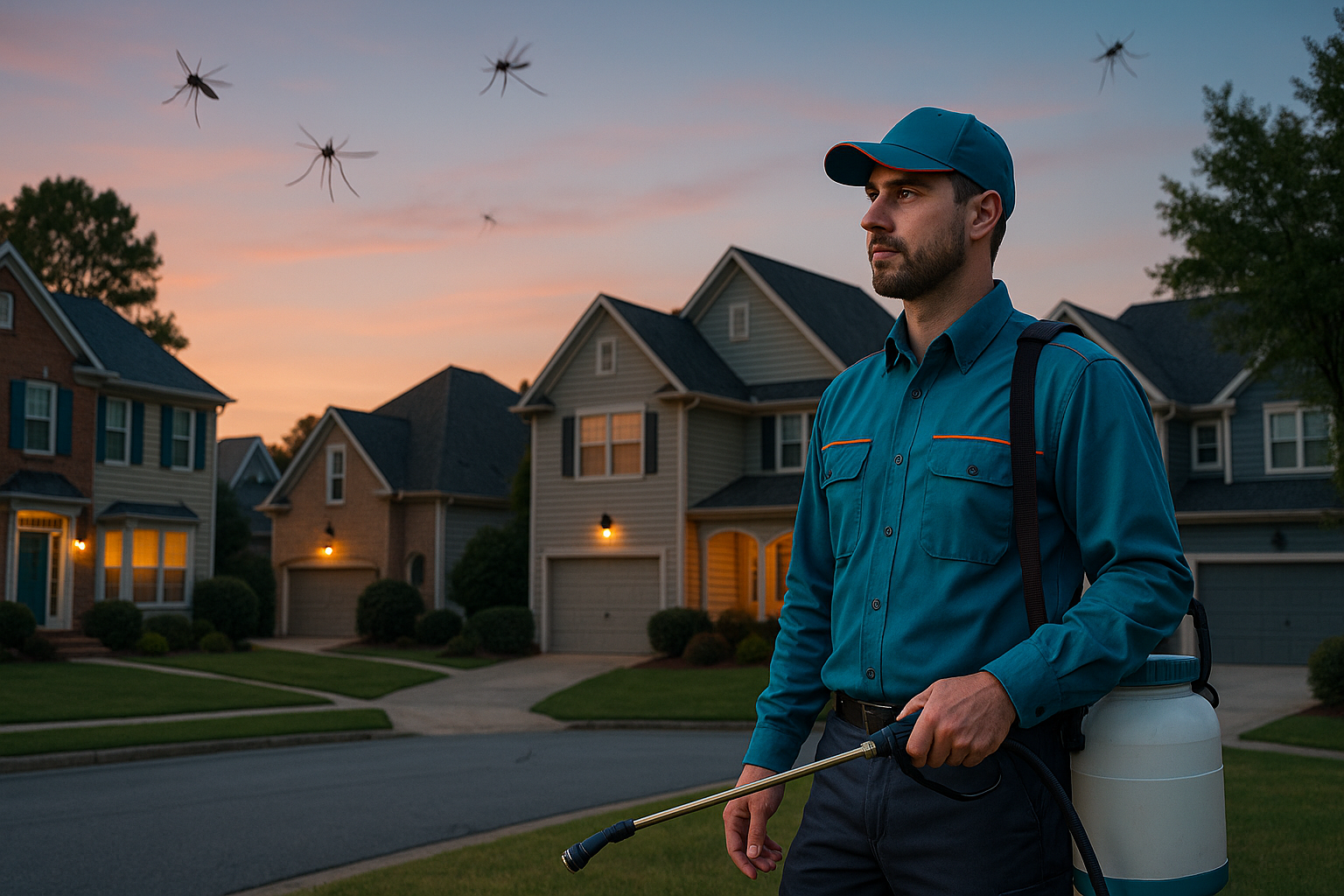
Introduction – Why Mosquitoes Disrupt Your Vinings Lifestyle
Picture a warm summer evening in Vinings: a family gathers on their patio, the grill sizzles, kids chase fireflies, and laughter fills the air. Just as the conversation turns to weekend plans, a cloud of tiny, relentless mosquitoes descends, turning the cozy outdoor haven into a buzzing nightmare. The bites start arriving, the kids retreat indoors, and the evening’s enjoyment evaporates in a swirl of irritation.

This guide exists to spare you that exact moment. Our mission is simple: help Vinings homeowners pinpoint a trustworthy mosquito exterminator, understand the specific risks that our local climate and waterways bring, and empower you to make confident, cost‑effective decisions about protection. Whether you’re battling a single backyard hotspot or a neighborhood-wide surge, the information here will steer you toward lasting relief.
At the heart of that solution is Anthem Pest, right here in the Vinings area. Our local office sits just a few minutes from most neighborhoods, and we back every service call with a 24‑hour support line—dial 877‑371‑8196 any time you suspect a mosquito problem is brewing. Fast response isn’t a promise; it’s a guarantee. Our technicians know the local species, the breeding hotspots, and the most effective treatment windows, so you can count on a swift, professional resolution.
Beyond the introduction, this guide walks you through everything you need to know: the health risks mosquitoes pose in Georgia, the common species you’ll encounter in Vinings, the optimal timing for treatments, practical DIY prevention tips, and a step‑by‑step look at how Anthem Pest designs, applies, and follows up on its mosquito control programs. By the end, you’ll have a clear roadmap to reclaim your patio, protect your family, and enjoy the Georgia summer without the constant buzz.
Mosquito Risks Specific to Vinings, GA
Vinings sits in a humid subtropical zone, meaning long, hot summers and plenty of moisture. Those conditions are a magnet for mosquitoes, especially when the evenings stay warm enough for the insects to stay active well after sunset. Add the Chattahoochee River snaking along the western edge of the community, and you’ve got a natural water source that constantly re‑charges nearby breeding habitats.
Typical breeding hotspots around the neighborhood
Homeowners often overlook the tiny water reservoirs that keep mosquito populations booming. In Vinings, the most common sites are:
- Birdbaths and pet water dishes that are not emptied regularly.
- Clogged gutters that hold standing rainwater for days.
- Lawn depressions or low‑lying patches where rain collects and evaporates slowly.
- Old tires, buckets, and planters left outdoors.
Each of these micro‑habitats can produce hundreds of adult mosquitoes in a single breeding cycle.
Why Georgia’s mosquito‑borne disease numbers matter
The Centers for Disease Control and Prevention (CDC) reports that Georgia ranks among the top 5 states for West Nile virus cases in 2024. CDC – Mosquito‑Borne Diseases Overview. While most bites are merely irritating, the presence of disease‑carrying species raises the stakes for every homeowner in Vinings.
Local homeowner experience

| Metric | Result |
|---|---|
| Homeowners reporting mosquito bites in summer | 68 % |
| Average number of bites per respondent | 12 bites |
| Primary complaint (itching, sleep loss, etc.) | Itching & disrupted sleep |
Standing water combined with warm temperatures shortens the mosquito life cycle to as little as seven days. In that time, a single female can lay up to 200 eggs, each hatching into a larva that matures into a biting adult. When the sun heats the river and nearby puddles, you essentially have a continuous production line of pests.
What this means for Vinings homeowners
Because the environment is so conducive to rapid mosquito growth, proactive control is essential. Simple steps—regularly emptying birdbaths, clearing gutters, and leveling lawn depressions—can cut breeding sites dramatically. For persistent problems, a professional treatment plan from a local expert like Anthem Pest Control ensures safe, effective protection while keeping your family’s health and comfort front‑and‑center.
Common Mosquito Species in the Atlanta Metro Area
Asian Tiger Mosquito – Aedes albopictus
This aggressive daytime biter is instantly recognizable by its bold black‑and‑white striped legs and patterned thorax. It thrives in shaded containers, birdbaths, and any standing water left outdoors. In the Atlanta metro area, Aedes albopictus peaks from late spring through early fall. While it rarely spreads malaria, it is a proven vector for Zika, dengue, and chikungunya viruses, making early detection crucial for homeowner safety.
Southern House Mosquito – Culex quinquefasciatus
Often called the “southern house mosquito,” this species has a dull brown, unremarkable appearance that makes it easy to overlook. It prefers to bite after dusk, targeting humans and birds alike. Culex quinquefasciatus is most active from midsummer to early autumn and serves as the primary carrier of West Nile virus in Georgia. Because it breeds in polluted or stagnant water, proper drainage and regular yard maintenance are essential preventive steps.
Common Malaria Mosquito – Anopheles quadrimaculatus
Identified by its dark body dotted with four distinctive white spots on the wings, Anopheles quadrimaculatus is the species historically linked to malaria transmission in the United States. Today, malaria cases are rare in Georgia, but the mosquito remains a potential threat if an infected traveler returns to the area. Its activity peaks in late summer, and it prefers clean, sunlit water sources such as shallow pools or flooded fields.
| Species | Peak Season | Diseases Transmitted |
|---|---|---|
| Aedes albopictus | May – October | Zika, Dengue, Chikungunya |
| Culex quinquefasciatus | June – September | West Nile virus |
| Anopheles quadrimaculatus | July – August | Malaria (rare locally) |
Note: For the most up‑to‑date distribution data, always consult the Georgia Department of Public Health 2024 mosquito surveillance report. Verifying species prevalence helps you and your pest‑control professional target the right treatment at the right time.
When to Call a Professional Mosquito Exterminator
Even the most diligent homeowner can hit a point where DIY tricks stop working. Recognizing those warning signs early saves you from endless bites and costly damage.
- Persistent swarms: Large groups that hover around your patio or deck night after night.
- Bites despite repellents: You’re using DEET or picaridin, yet family members still show up with itchy welts.
- Standing water larger than 10 sq ft: Puddles, birdbaths, or clogged gutters that can’t be drained quickly.
- Upcoming outdoor events: Weddings, barbecues, or birthday parties where guests will be exposed for hours.
When any of these red flags appear, it’s time to consider a professional solution.
DIY vs. Professional Barrier Sprays
| Factor | DIY (larvicide granules, citronella candles) | Professional (EPA‑registered barrier spray) |
|---|---|---|
| Cost (per treatment) | Low upfront, but repeated purchases often needed | Higher single cost, but covers larger area for up to 12 weeks |
| Efficacy | Variable; works only in limited zones | Up to 80 % reduction in mosquito populations (EPA) |
| Safety | Generally safe for humans, but may contain chemicals with limited testing | Applied by certified technicians using EPA‑approved products, minimizing exposure risk |
| Convenience | Requires frequent re‑application and monitoring | One‑time service with follow‑up options, freeing you from daily upkeep |
The Georgia Department of Agriculture website. This quick step ensures the contractor you select remains in good standing with state regulations.
What to Expect from Anthem Pest’s Mosquito Services

When you call Anthem Pest for mosquito control, the process is designed to be transparent, safe, and effective from the first phone call to the final seasonal check‑in. Homeowners in Vinings can expect a clear roadmap that eliminates guesswork and keeps families comfortable outdoors.
Step 1: Free on‑site inspection
A certified technician arrives at your property at no cost and conducts a thorough walk‑through. They identify standing water, over‑grown vegetation, and any hidden breeding sites while assessing the overall risk level based on local mosquito activity. The inspection report highlights problem areas and sets the stage for a targeted treatment plan.
Step 2: Customized treatment plan
Using the inspection data, Anthem crafts a plan that blends larvicide and adulticide for maximum impact. The larvicide is Bacillus thuringiensis israelensis (Bti), a naturally occurring bacterium that attacks mosquito larvae without harming fish, birds, or beneficial insects. For adult mosquitoes, a pyrethrin‑based spray is selected because it knocks down flying insects quickly while breaking down in the environment within hours.
Step 3: Professional barrier spray application
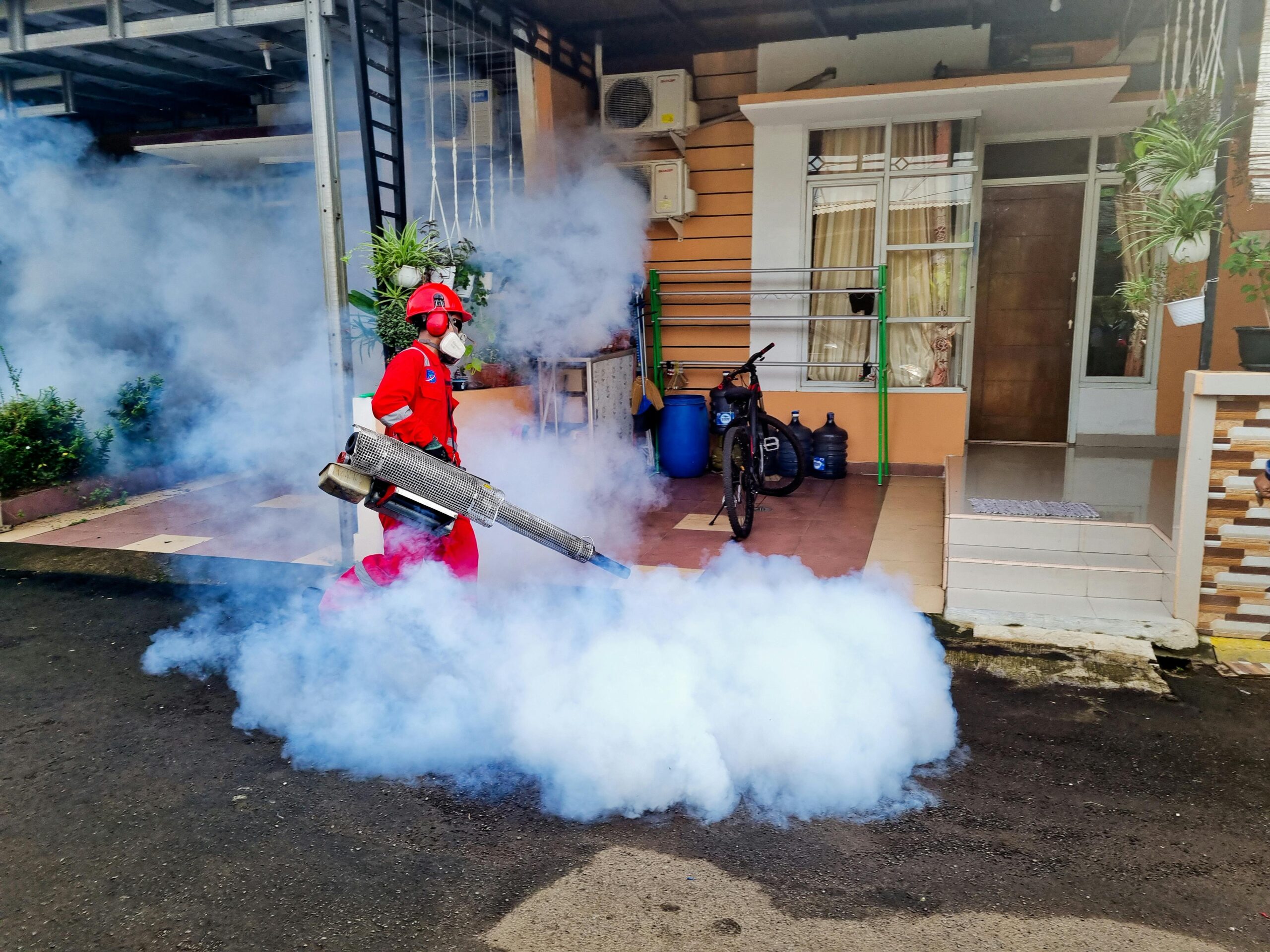
The technician dons protective gear and applies the barrier spray with a calibrated backpack sprayer, ensuring even coverage around patios, decks, and the perimeter of your yard. Equipment is calibrated to the exact dosage recommended by the EPA, so you receive consistent protection without excess chemicals.
Step 4: Follow‑up visits and seasonal monitoring
Anthem doesn’t stop after the first application. Throughout the mosquito season, the team returns for scheduled follow‑ups, re‑inspecting breeding hotspots and re‑applying treatment as needed. This ongoing monitoring adapts to weather changes and emerging mosquito populations, keeping your outdoor spaces usable all summer long.
Pricing transparency
- One‑time barrier treatment: $149
- Seasonal package (includes initial treatment plus two follow‑ups): $199 – $249 depending on property size
- Optional quarterly maintenance add‑on: price quoted after inspection
All prices are posted up front, so you never encounter surprise fees. The seasonal package offers the best value for homeowners who want continuous protection without tracking individual visits.
Product safety for pets and children
Anthem exclusively uses EPA‑registered products. Bti is a biological agent that targets only mosquito larvae, while pyrethrin is derived from chrysanthemum flowers and breaks down quickly after application. Both are approved for use around pets, children, and even edible gardens when applied as directed. Technicians follow strict re‑entry intervals—typically 30 minutes for adults and 60 minutes for children and pets—to ensure a safe environment.
Seasonal Timing & Weather Impact on Mosquito Control
In Vinings, GA, mosquito development is a temperature‑driven race. Once daily highs consistently rise above 68 °F, larvae mature twice as fast, and adult emergence can double within a week. Warm nights also shorten the egg‑to‑adult cycle, meaning a single warm spell can seed a new wave of biting insects.
First Barrier Spray: Early May
The sweet spot for the initial barrier treatment is the first week of May, when temperatures hover just above the 68 °F threshold but before the first heavy rains. Applying a residual spray at this time creates a protective “shield” that interrupts the first generation of adults. After a significant rain event (½ inch or more), the barrier can be washed away, so schedule a follow‑up within 7‑10 days to restore coverage.
Rainfall & Follow‑Up Timing
Every time a storm drenches your yard, mosquito larvae receive a sudden boost of standing water—perfect breeding grounds. Plan supplemental treatments 3‑5 days after a rain that leaves puddles or soggy grass, especially during June and July when storms are most frequent. This proactive approach keeps the population from exploding.
Mini‑Calendar: Peak Activity (May‑September)
| Month | Typical Activity Level |
|---|---|
| May | Low‑to‑Moderate (first barrier) |
| June | Moderate (rain‑triggered boosts) |
| July | High (peak heat & rain) |
| August | High (still warm, occasional storms) |
| September | Moderate (cooling temps, fewer rains) |
Following the NPMA’s “Mosquito Management Calendar” 2024 ensures you’re treating at the right moments, reducing both nuisance bites and disease risk. By syncing your service schedule with temperature trends and rainfall patterns, you’ll keep your yard comfortable all summer long.
Frequently Asked Questions About Mosquito Treatments
Homeowners often wonder how mosquito barrier sprays affect their family and pets. Below are the most common questions we hear and concise answers that reflect our EPA‑compliant practices.
Are the chemicals safe for pets?
Yes. All products we apply are EPA‑rated for residential use and have been tested for pet safety. After spraying, we recommend a re‑entry window of about two hours, during which time pets should stay indoors. Once the area has aired, normal pet activity can resume without concern.
How long does a barrier spray last?
A single application typically protects your yard for two to three weeks. The exact duration depends on weather—heavy rain or high humidity can shorten effectiveness, so we schedule touch‑ups before the next peak mosquito season. Our technicians track local conditions to advise the optimal retreat schedule.
What if bites persist after treatment?
We stand behind our work. If you continue to experience bites within 30 days, we’ll return for a free re‑inspection and, if needed, apply a supplemental treatment at no extra charge. Our goal is to eliminate the breeding sites and keep your outdoor space comfortable all summer long.
Feel free to call us at 877‑371‑8196 or visit our website for a personalized quote. Our Vinings team is ready to protect your home with safe, effective mosquito control.
Take Action – Secure a Mosquito‑Free Home with Anthem Pest
Every summer night in Vinings, those relentless buzzes aren’t just annoying—they’re a health hazard. Mosquitoes can spread West Nile virus, Zika and other illnesses, and they quickly turn your backyard into a no‑go zone. The longer you wait, the larger the breeding population becomes, and the harder it is to reclaim your outdoor space.
Anthem Pest brings local expertise straight to your doorstep. Our technicians know the Vinings climate, the common breeding hotspots, and the most effective, EPA‑approved treatments. With a 24/7 support line, transparent, up‑front pricing and a money‑back guarantee, you’ll never be left guessing about results or costs.
Ready to enjoy mosquito‑free evenings? Call us today at 877‑371‑8196 for a free, no‑obligation quote or to schedule an on‑site inspection. One call is all it takes to start protecting your family and reclaiming your patio.
For more details about our services, visit Anthem Pest’s website. We’re here to help you take back your home. Our team is fully licensed, insured, and committed to using environmentally safe solutions.