Why Ant Problems Matter in Kennesaw
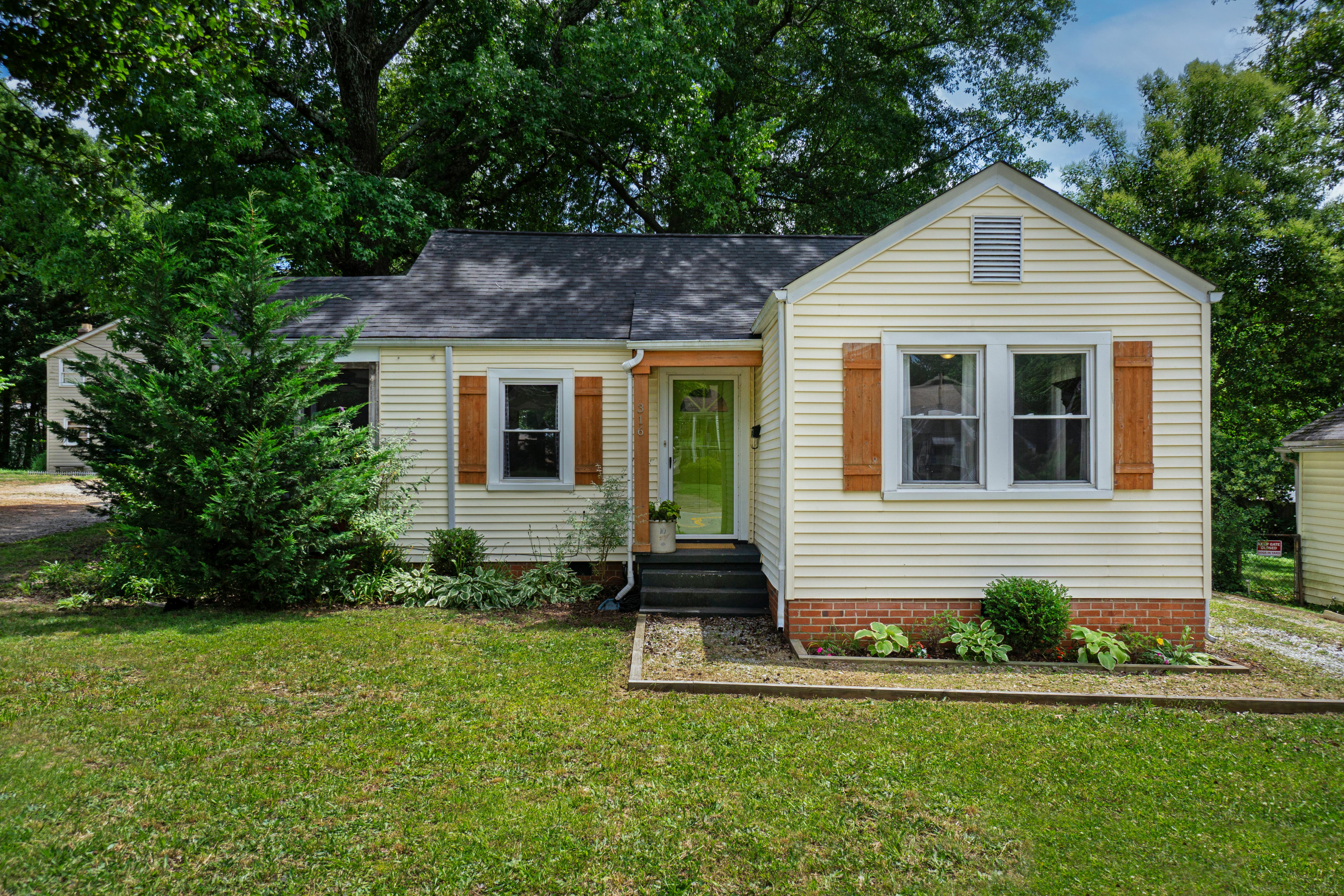
Ants may seem harmless, but in a Kennesaw home they can quickly become a costly nuisance. Their colonies thrive in the warm, humid environment of north‑central Georgia, and when they infiltrate walls, foundations, or kitchens they create problems that go far beyond a few stray workers.
How ants damage your property
- Structural weakening: Certain species, like carpenter ants, excavate wood to build galleries, compromising load‑bearing beams and joists.
- Wood rot acceleration: The tunnels left behind trap moisture, encouraging fungal growth that speeds up rot.
- Food contamination: Foraging ants drag crumbs, grease, and even pathogens into pantry shelves, jeopardizing family health.
The Environmental Protection Agency estimates that pests, ants included, are responsible for $5‑$10 billion in property damage each year across the United States. That national figure translates directly to local risk—every unchecked ant trail in Kennesaw adds to that staggering total.
Kennesaw’s humid subtropical climate delivers hot summers, mild winters, and year‑round moisture. These conditions keep soil and wooden structures damp, providing the perfect backdrop for ant colonies to expand continuously. Rainfall in the spring and early summer often drives ants indoors as they search for dry nesting sites, while the lingering humidity in fall sustains their activity long after other pests have retreated. Because moisture persists in basements and crawl spaces, ants can establish satellite nests that are hard to detect without professional inspection.
This article will walk you through the essential steps every homeowner should know: how to identify the most common ant species in the area, the optimal timing for treatment, what to expect in terms of cost, and proven prevention strategies that keep colonies at bay.
When you need a partner who understands Kennesaw’s unique ant challenges, Anthem Pest Control brings local expertise and a free inspection offer to your doorstep. Our technicians combine EPA‑approved methods with affordable pricing, ensuring your home stays protected without surprise bills.
Identify the Ants Threatening Your Home

Carpenter Ants
Carpenter ants are the giants of the ant world in Georgia. Adults range from ¼ to ½ inch, displaying a glossy black body with a reddish thorax. Unlike termites, they don’t eat wood; they excavate it to build nests, leaving behind smooth, clean galleries that can weaken structural members. According to the Georgia Department of Agriculture pest report 2023, carpenter ants account for roughly 30 % of residential ant calls across the state, making them the most frequent indoor invader.
Pavement Ants
Pavement ants are much smaller—about ⅛ inch long—and sport a uniform dark brown hue. Their colonies thrive under concrete, in cracks of sidewalks, driveways, and building foundations. Because they prefer outdoor nesting sites, you’ll often see them marching in well‑defined foraging trails that spill onto lawns and entry doors during warm months.
Pharaoh Ants
Pharaoh ants are the tiniest of the trio, measuring just ⅛ inch and appearing light yellow or almost translucent. They love moist indoor environments such as kitchens, bathrooms, and utility rooms. More than a nuisance, these ants are known vectors for bacteria and fungi, potentially contaminating food surfaces and spreading pathogens throughout your home.
Quick Identification Tips
- Size: Carpenter ants are the largest, pavement ants are medium, and Pharaoh ants are the smallest.
- Color: Look for black/red‑black (carpenter), dark brown (pavement), and light yellow (Pharaoh).
- Nest location: Wood structures (carpenter), under concrete (pavement), indoor moisture zones (Pharaoh).
- Foraging trails: Carpenter ants often have wide, irregular paths; pavement ants follow straight, narrow lines; Pharaoh ants create tangled, maze‑like trails.
Real‑World Example
When Sarah, a homeowner in nearby Acworth, noticed a series of small holes and sawdust on her wooden deck, she assumed normal wear. A closer inspection revealed a dark, glossy ant marching in a line—classic carpenter ant behavior. The ants had tunneled into the deck’s support beams, compromising its integrity. After contacting a local pest professional, Sarah received a targeted treatment that eliminated the colony and halted further damage, saving her thousands in potential repairs.
Understanding which ant species you’re dealing with is the first step toward effective control. For detailed, species‑specific guidance—including treatment options, pricing, and preventive measures—visit Anthem’s ant‑service page. Our local experts tailor solutions to Kennesaw’s unique ant challenges, ensuring your home stays safe and ant‑free.
When Ants Are Most Active in Kennesaw
Spring – Queen Emergence & Colony Expansion
As temperatures climb above 60°F, the founding queens that overwintered deep in the soil emerge to start new colonies. Workers appear within weeks, and the nest quickly expands to claim cracks in foundations, under decks, and along irrigation lines. This is the ideal window for a pre‑emptive inspection because colonies are still shallow and easier to treat.
Summer – Peak Foraging & Indoor Sightings
By mid‑summer, ant foragers are out in full force, drawn to sugary drinks, outdoor grills, and pet food. In Kennesaw’s humid climate, you’ll notice increased traffic along sidewalks, patios, and even inside kitchens. Colonies are now well‑established, making eradication more challenging. Timely treatment in early summer can stop a small problem from becoming a full‑blown invasion.
Fall – Nest Relocation & Winter Prep
When daylight shortens, many species relocate their nests deeper into the soil or into protected voids like wall voids and crawl spaces. They stockpile food and seal entry points to survive the cooler months. A fall inspection should focus on identifying these new nesting sites and sealing cracks before the ants go dormant.
Winter – Dormancy, Yet Colonies Persist
Ant activity drops dramatically once temperatures dip below 50°F, but the queen and her workers remain alive underground. They may send out a few scouts on warm days, but most of the colony is in a state of reduced metabolism. Winter is not the time for major treatments; instead, maintain barriers and plan for spring interventions.
These patterns align with the CDC 2022 seasonal pest trends, which show a clear spike in ant complaints during the spring‑summer months across the southeastern United States.
Month‑by‑Month Checklist for Kennesaw Homeowners
- March – Inspect foundations, window sills, and exterior lighting for early foragers.
- April – Trim vegetation away from the house; remove mulch piles that touch the structure.
- May – Treat any early infestations; focus on perimeter sprays and bait stations.
- June – Conduct a thorough interior check; seal cracks around pipes and utility entries.
- July – Reinforce bait stations in high‑traffic zones such as kitchens and garages.
- August – Re‑apply perimeter treatments if rain has washed away products.
- September – Look for signs of nest relocation; inspect crawl spaces and attics.
- October – Seal any newly discovered entry points; reduce outdoor food sources.
- November – Perform a final exterior sweep before temperatures dip.
- December–February – Maintain barriers, keep firewood off the ground, and schedule a spring pre‑treatment appointment.
Real‑World Example
In early May 2023, Anthem Pest Control serviced several homes in the Kennesaw Mountain community. By applying targeted bait stations and a perimeter spray before the summer surge, we halted colony growth and prevented the typical June‑July indoor sightings that many neighbors later reported. This proactive approach saved residents from costly interior treatments later in the season.
Effective Ant Control Methods
Ant infestations in Kennesaw demand a solution that reaches the entire colony, stays affordable, and protects the people and pets you love. At Anthem we rely on three core treatments—chemical baiting, liquid barrier sprays, and a full Integrated Pest Management (IPM) program—each backed by EPA‑registered products and transparent pricing.

Chemical Baiting
Our bait stations act like a “Trojan horse” for worker ants. Foragers pick up the slow‑acting, EPA‑registered bait, carry it back to the nest, and share it with the queen and brood. Because the active ingredient works over several days, the entire colony can be eliminated without a single spray inside your living space.
- Station placement along ant trails, near entry points, and under appliances.
- Formulations target common Kennesaw species such as odorous house ants and carpenter ants.
- Typical cost: $75‑$120 per service, includes station setup, monitoring, and a follow‑up visit.
Liquid Barrier Treatments
A liquid barrier creates a chemical “moat” around your home’s perimeter. Technicians apply EPA‑approved spray to cracks, foundation walls, window sills, and other entry points. The residual action stays effective for weeks, killing ants that try to cross the line.
- Coverage focuses on exterior foundations, crawl spaces, and garage doors.
- Products are low‑odor and formulated for minimal impact on landscaping.
- Typical cost: $120‑$180, which includes thorough perimeter treatment and a post‑application inspection.
Integrated Pest Management (IPM)
IPM blends inspection, sanitation, exclusion, and targeted chemicals into a comprehensive plan. First, our certified technicians conduct a detailed walkthrough to locate nests, identify food sources, and pinpoint structural gaps. Next, we advise on housekeeping steps—like sealing food containers and fixing moisture issues—that reduce ant attractants. Finally, we apply the most appropriate chemicals only where needed, keeping exposure to a minimum.
- Full‑service inspection and report.
- Customized sanitation and exclusion recommendations.
- Targeted chemical application based on species and infestation level.
- Comprehensive cost: $150‑$250, covering inspection, treatment, and a month‑long monitoring period.
“Anthem tackled a multi‑unit ant problem at Town Center using IPM. Within two weeks the ant activity dropped, and repeat service calls fell by 85 %. Their blend of inspection, exclusion, and precise chemical use saved us both time and money.” — Property Manager, Town Center Apartments
Safety Notes
All Anthem technicians are EPA‑certified and receive annual training on child‑ and pet‑friendly practices. We:
- Use only EPA‑registered products with proven low toxicity to non‑target organisms.
- Apply chemicals in accordance with label directions and local regulations.
- Wear personal protective equipment and provide homeowners with clear post‑treatment guidelines.
For a deeper dive into the regulations that guide our work, review the EPA Ant Pest Management Guidelines.
What You’ll Pay for Ant Control in Kennesaw
Understanding the cost of ant control helps you plan ahead and avoid surprise charges. The National Pest Management Association’s 2024 pricing survey shows that professional ant‑control services in the Southeast typically fall into three price bands—low‑end, average, and high‑end—depending on the method used and the complexity of the job.
Typical price ranges by treatment type
Baiting: Low‑end $70–$90, average $100–$130, high‑end $150–$190.
Barrier spray: Low‑end $110–$140, average $150–$190, high‑end $220–$280.
Integrated Pest Management (IPM): Low‑end $180–$210, average $230–$270, high‑end $320–$380.
Why the numbers vary: Low‑end quotes often reflect a single‑visit bait placement for a small, lightly infested home, while high‑end figures include multiple visits, premium products, and detailed follow‑up reports. In Kennesaw, labor rates and local regulations also push prices upward compared with the national average.
What drives the final price?
- Property size: Larger square footage requires more product and longer labor time.
- Infestation severity: Heavy colonies or multiple entry points increase the number of visits.
- Ant species: Some species, like carpenter ants, need specialized baits or additional monitoring.
- Treatment type: IPM combines baiting, barrier,
Everyday Steps to Keep Ants Out
Ants are tiny, but they’re relentless. The good news is that most infestations can be stopped before they start with a few simple, low‑cost habits. By treating your home like a fortress—sealing entry points, managing moisture, and keeping food out of sight—you’ll dramatically cut the chances of an ant army marching inside.
1. Seal Cracks and Gaps
Every foundation crack, window frame seam, and door threshold is a potential ant highway. Use a quality silicone or acrylic caulk to fill gaps larger than 1/8 in. Pay special attention to areas around utility penetrations, where pipes and wires break through walls. A tight seal blocks not only ants but also other unwanted insects.
2. Manage Moisture
Ants, especially carpenter and odorous house ants, love damp environments. Fix leaky faucets, roof leaks, and cracked irrigation lines promptly. Install a dehumidifier in basements or crawl spaces that stay above 50 % relative humidity. Keep gutters and downspouts clear so water flows away from the foundation, preventing the soggy soil that attracts colonies.
3. Store Food Properly
Kitchen counters and pantry shelves are ant buffet tables if you let them be. Transfer dry goods—sugar, flour, cereal—into airtight containers made of glass or heavy‑wall plastic. Wipe crumbs and spills immediately with a damp cloth; a quick sweep after meals removes the scent trails ants use to navigate.
4. Landscape Adjustments
Vegetation that brushes the house creates a bridge for ants. Trim tree branches and shrubs at least 12 in. away from the exterior walls. When using mulch, keep it at least 6 in. from the foundation; excessive mulch holds moisture and offers a perfect nesting site. An East Cobb homeowner saw a noticeable drop in ant activity after reducing mulch depth from 8 in. to 3 in., proving the impact of this simple tweak.
5. Regular Trash Management
Outdoor trash cans should be sealed with tight‑fitting lids and emptied regularly. Give bins a quick rinse with soap and water every week to eliminate lingering food residues that draw foraging ants.
Research from the University of Georgia Extension shows that homeowners who consistently apply these five practices experience a 40 % reduction in ant sightings (UGA Extension). Incorporating these everyday steps not only saves you money on professional treatments but also creates a less inviting environment for any ant species that might otherwise set up shop.
How to Vet an Ant Control Provider
Choosing the right ant control provider can save you time, money, and a lot of frustration. A reputable company will not only eliminate the current infestation but also put safeguards in place to keep colonies from returning.
Use this quick checklist to separate the pros from the fly‑by‑night operators:
- Verify licensing and insurance. Confirm the business holds a valid Georgia pest‑control license and carries liability insurance to protect you if anything goes wrong.
- Ensure EPA‑registered products. Only technicians who apply solutions approved by the U.S. Environmental Protection Agency should be on your property.
- Look for local experience and Kennesaw ant knowledge. A crew familiar with carpenter ants, odorous house ants and fire ants in the Kennesaw area will target the right species and nesting habits.
- Check customer reviews and ratings on Google and Yelp. Consistent five‑star feedback and detailed testimonials indicate reliable service.
- Confirm warranty and service guarantees. Reputable firms stand behind their work with written warranties, often covering re‑treatment within a set period.
- Spotlight Anthem Pest. Licensed technicians, 24‑hour response, 100 % satisfaction guarantee, free inspection, and transparent pricing.
When you run through the list, Anthem Pest checks every box. Our technicians are fully licensed in Georgia, carry comprehensive insurance, and use only EPA‑registered solutions. Because we’ve served Kennesaw homeowners for years, we know the local ant species inside‑out. Our Google and Yelp profiles show a steady stream of five‑star reviews, and every treatment comes with a written warranty and a 100 % satisfaction guarantee. Plus, we offer a free, no‑obligation inspection and a 24‑hour response window for emergencies. We also provide a detailed treatment plan that outlines each step, so you always know what to expect and can track progress over time.
Key Takeaways and Next Steps
Before you tackle an ant problem in Kennesaw, remember these four pillars of effective control:
- Identify the species. Knowing whether you’re facing carpenter ants, pavement ants or odorous house ants determines the right bait and treatment timing.
- Watch the seasonal peaks. Ant activity spikes in late spring and early summer; plan inspections before colonies expand.
- Choose the appropriate treatment. From low‑impact baits for indoor trails to perimeter sprays for outdoor foraging, match the method to the infestation.
- Understand pricing. Professional services typically range from $120‑$250 for a single‑family home, while DIY options can reduce costs but may miss hidden nests.
- Apply DIY prevention. Keep food sealed, fix moisture leaks, and trim vegetation away from the foundation.
- Select a qualified provider. Look for locally trained technicians who know Kennesaw’s ant hotspots.
Our team serves the Kennesaw area and surrounding neighborhoods, including Acworth, Kennesaw Mountain, Town Center, and West Kennesaw. We tailor each plan to the micro‑climate of these communities.
Ready to act? Call us at 877‑371‑8196 to schedule a free, no‑obligation inspection. Visit our website and request a transparent quote today.
Whether you’re dealing with a single ant trail or a full‑scale colony, our Kennesaw‑trained crew is prepared to protect your home with safe, effective solutions. Contact us now for a complimentary inspection and a clear, upfront price.