Why Tick Control Matters in Kennesaw
Kennesaw’s humid subtropical climate already creates a welcoming environment for ticks, but the unusually wet spring of 2024 turned the town into a perfect breeding ground. Extended rainfall kept grass and leaf litter damp, allowing larvae to thrive and push the seasonal peak of activity weeks earlier than usual. For homeowners, that means the familiar “tick season” now stretches from early March through late October, with a noticeable surge in mid‑summer.
The numbers back up the urgency. The CDC’s 2023 Georgia surveillance report recorded roughly 3,200 tick‑borne disease cases statewide, a figure that translates to dozens of confirmed infections each month in Cobb County alone. Lyme disease, Rocky Mountain spotted fever, and the emerging Powassan virus are no longer rare headlines—they’re local health concerns that can affect anyone who steps onto a lawn, hikes Kennesaw Mountain, or simply lets a pet roam the backyard.
For families, the threat is personal. Children love exploring leaf piles and grassy fields, yet a single bite can lead to fever, joint pain, or long‑term complications if left untreated. Pets are equally vulnerable; dogs and cats can contract ehrlichiosis or anaplasmosis, which often require costly veterinary care. Even well‑maintained public spaces such as Town Center’s parklands experience tick hotspots, turning a weekend stroll into a potential health risk.
This data‑driven reality sets the stage for the rest of our guide. We’ll walk you through the most common tick species in the Kennesaw area, outline the specific health risks each poses, and provide practical DIY steps you can start today. When the situation calls for professional expertise, we’ll explain how Anthem Pest Control’s safe, affordable treatments can protect your home, family, and furry companions—all while keeping the peace of mind you deserve.
The Ticks You’ll Find Around Kennesaw
American Dog Tick (Dermacentor variabilis)
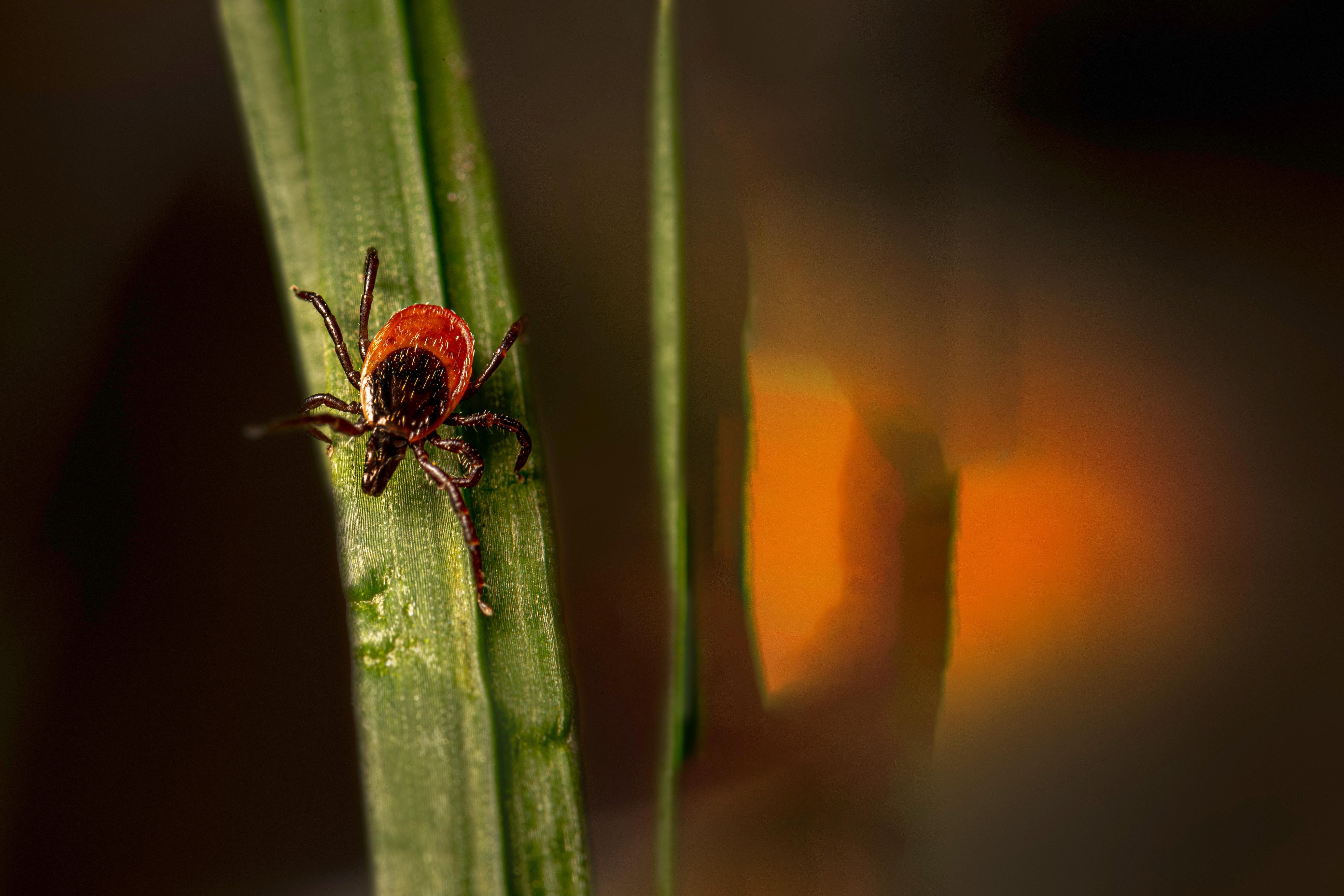
The American dog tick is a robust, reddish‑brown arachnid most often spotted in grassy fields, wood‑chip mulches, and along the edges of forested areas. Adult females love to latch onto medium‑sized mammals—especially dogs, cats, and humans—while larvae and nymphs prefer small rodents and ground‑dwelling birds. Their activity surges in late spring through early summer, typically May to June, when temperatures hover between 65‑80 °F. In Kennesaw, this period coincides with the peak of yard work, making it a prime time for homeowners to inspect pets and family members after outdoor play. Though the American dog tick can transmit Rocky Mountain spotted fever, the risk remains lower than with other species, yet prompt removal is still advised.
Lone Star Tick (Amblyomma americanum)
From Lyme to Rocky Mountain Spotted Fever: What’s at Stake
Lyme disease – Georgia’s most common tick‑borne illness
In 2023 Georgia reported roughly 1,200 confirmed cases of Lyme disease. The infection typically begins with a “bull’s‑eye” rash, fever, chills, headache, fatigue, and muscle aches. If left untreated, the bacteria can migrate to the heart, joints, and nervous system, leading to chronic pain and neurological issues. According to the CDC, about 5 % of Lyme patients require hospitalization for severe complications such as Lyme carditis or meningitis.
Rocky Mountain Spotted Fever – A fast‑acting threat
Although more common in the western United States, Georgia logged around 200 cases of Rocky Mountain Spotted Fever (RMSF) in 2023. The disease spreads quickly, often presenting with high fever, severe headache, a rash that spreads from the wrists and ankles to the trunk, and sometimes vomiting. Without prompt antibiotic treatment—usually doxycycline—mortality can exceed 10 %. Early diagnosis is critical; once symptoms progress, recovery can be prolonged and costly.
Ehrlichiosis and Alpha‑gal syndrome – Emerging concerns
- Ehrlichiosis: Georgia recorded roughly 150 cases in 2023. Symptoms overlap with Lyme—fever, muscle aches, and fatigue—but can also cause low platelet counts and liver inflammation.
- Alpha‑gal syndrome: This tick‑induced allergy to red meat affects a growing number of Georgians. While not life‑threatening, it can trigger hives, stomach pain, and, in rare cases, anaphylaxis.
Real‑world impact: A Kennesaw homeowner’s story
John Miller, a longtime Kennesaw resident, set out for a weekend hike on Kennesaw Mountain with his family. Two days later he noticed a circular rash on his thigh and felt a sudden wave of fatigue. A visit to his doctor confirmed early‑stage Lyme disease. “I thought a short walk couldn’t do any harm,” John recalls. After a ten‑day doxycycline course, he avoided hospitalization, but the experience cost him $1,200 in medical bills and forced a week off work for recovery.
Why the cost matters
Beyond the immediate expense of doctor visits, lab tests, and antibiotics, untreated or late‑treated tick‑borne illnesses can lead to chronic conditions—persistent joint pain, neurological deficits, and heart complications—that demand specialist care, physical therapy, and long‑term medication. The American Academy of Orthopaedic Surgeons estimates that chronic Lyme arthritis alone can generate medical expenses exceeding $5,000 per patient. For homeowners, these hidden costs compound the financial strain of everyday home maintenance.
Understanding the health stakes reinforces the value of proactive tick control. A well‑executed treatment plan from Anthem Pest Control not only reduces the likelihood of bites but also protects your family’s health and your wallet from the steep price of preventable disease.
Homeowner Actions to Reduce Tick Habitat
Landscape Management
Keeping your yard tidy is the first line of defense against ticks. Mow the grass to a height of three inches or less; short blades make it harder for ticks to climb onto you while you’re walking. Remove piles of leaf litter, pine needles, and other organic debris where ticks love to hide. If you have a garden border or a low‑lying area that can’t be kept completely clear, lay a 3‑ to 4‑inch strip of wood chips or gravel as a physical barrier—ticks are reluctant to cross dry, abrasive surfaces.
Prune low‑hanging branches and thin out dense shrubs. Open canopies let more sunlight in, drying out the leaf litter and reducing the humid micro‑climate ticks need to thrive. For properties that abut the Kennesaw Mountain State Park or the Marietta Trail, focus on the edge of your lawn that meets the forested area. Create a clear, well‑maintained perimeter of at least ten feet, and consider installing a low fence or a row of ornamental grasses that are easy to mow.
Personal Protection
When you’re out in the yard or hiking the nearby trails, treat your skin and clothing before you head out. EPA‑registered repellents containing 30‑50 % DEET or 20 % picaridin are proven to repel ticks for up to eight hours. Apply the repellent to exposed skin and the tops of your shoes and socks, then reapply after swimming or heavy sweating.
Wear light‑colored, long‑sleeved shirts and long pants. Light colors make it easier to spot any hitchhiking ticks, and tightly woven fabrics provide a physical barrier. Tuck pants into socks and consider using gaiters for extra protection on the lower legs.
After any outdoor activity, conduct a thorough tick check. Use a hand mirror to examine hard‑to‑see spots like behind the ears, under the arms, and the scalp. Prompt removal within 24 hours dramatically reduces the chance of disease transmission.
Evidence‑Based Results
According to a 2022 study by the National Pest Management Association (NPMA), homeowners who removed leaf litter and maintained a grass height of ≤3 in experienced a 30 % reduction in tick encounters compared with untreated properties.NPMA, 2022
Quick‑Start Checklist
Below is a handy checklist you can print and hang near your garden shed. Tick‑proof your yard in just a few steps:
- Mow grass weekly to ≤3 in.
- Rake and dispose of leaf litter every two weeks.
- Install a 3‑in. wood‑chip barrier around the property edge.
- Prune shrubs and low branches to improve sunlight penetration.
- Apply DEET or picaridin repellent before heading outdoors.
- Wear light, long‑sleeved clothing and tuck pants into socks.
- Perform a full‑body tick check each evening.

Why Professional Treatments Outperform DIY
When it comes to protecting your Kennesaw yard from ticks, the difference between a DIY approach and a professional service is more than just convenience. Trained technicians bring EPA‑approved products, precise application techniques, and a strategic schedule that targets every life stage of the tick. The result is a consistently lower tick count, fewer bites, and peace of mind for you and your family.
Perimeter Acaricide Spray
Professional crews use EPA‑registered acaricides that are formulated to knock down adult ticks on contact. A single treatment creates a 100‑ to 150‑foot barrier around your home, driveway, and play areas, ensuring that any tick that tries to cross is instantly neutralized. Because the spray is calibrated to the exact dimensions of your property, it delivers uniform coverage without the gaps that often occur with over‑the‑counter cans.
Tick‑Tube Deployment
Tick tubes are small, cardboard cylinders filled with cotton treated with a rodent‑safe acaricide. Mice collect the cotton for their nests, carrying the chemical into their burrows where tick larvae develop. Professionals know the optimal placement—along fence lines, under shrubs, and near woodpiles—maximizing the reduction of the larval population before it ever reaches your lawn. A typical kit of 30 tubes can protect a quarter‑acre yard for an entire season.
Soil‑Applied Granules
Granular treatments are spread across garden beds, flower borders, and shaded areas where ticks love to hide. The granules slowly release the active ingredient into the soil, creating a residual barrier that remains effective for weeks. Timing is critical: applying in early spring, before nymphs emerge, or in late summer, after peak activity, gives the best return on investment. Professionals have the equipment to distribute the granules evenly, avoiding clumps that reduce efficacy.
Cost Overview for 2024 Kennesaw Market
- Perimeter spray : $120‑$180 per treatment
- Tick‑tube kit (30 tubes) : $80‑$110
- Full‑service package (annual spray, tubes, and granules) : $250‑$340 per year
These figures reflect the current pricing from local distributors who stock EPA‑approved products. While DIY kits may appear cheaper at first glance, the hidden costs of missed applications, ineffective products, and repeated treatments quickly erode any savings.
Verification
Before you sign up, ask your technician to confirm the EPA‑approved product list and request a written quote that matches the price range above. Transparent pricing is a hallmark of Anthem Pest Control, and it guarantees you’re getting the same high‑quality formulation that professional pest managers rely on across the Southeast.
DIY vs. Professional Efficacy
The table below summarizes how a typical homeowner’s DIY effort stacks up against a full‑service professional program.
| Method | Efficacy | Typical Cost (2024) | Application Frequency |
|---|---|---|---|
| DIY perimeter spray (store‑bought) | ≈45 % | $30‑$60 per can | Every 4–6 weeks |
| DIY tick‑tube kit | ≈55 % | $40‑$70 per kit | Replace after 3 months |
| DIY soil granules | ≈50 % | $25‑$50 per bag | Apply twice per season |
| Professional perimeter spray | ≈85 % | $120‑$180 per treatment | 1‑2 times per year |
| Professional tick‑tube deployment | ≈90 % | $80‑$110 per kit | Install once, replace annually |
| Full‑service professional package | ≈95 % | $250‑$340 per year | All‑in‑one, yearly renewal |
Professional treatments consistently achieve higher efficacy because they combine the right chemistry with expert placement, timing, and follow‑up. For Kennesaw homeowners who value safety, reliability, and long‑term protection, the modest additional investment pays off in fewer tick encounters and reduced risk of disease.

Local Expertise You Can Trust
When it comes to protecting your Kennesaw home from ticks, Anthem Pest brings a level of professionalism that’s backed by real credentials. All of our technicians are fully certified and trained to handle tick infestations safely and effectively. We exclusively use EPA‑registered products that meet the highest safety standards, ensuring both your family and the environment are protected. In addition, our 24‑hour response line means you’ll never be left waiting when a tick problem spikes.
Proven Results in Kennesaw
Our local track record speaks for itself. A homeowner in the Town Center area enrolled in a two‑year tick‑control program and saw a 95% reduction in tick sightings after the first year, with virtually none reported by the end of the second year. This success is the result of a tailored treatment schedule, regular monitoring, and adjustments based on seasonal tick activity—exactly the kind of focused service Kennesaw residents need.
Frequently Asked Questions
- How often should I schedule tick treatments? Most Kennesaw homes benefit from a quarterly treatment plan, with additional applications during peak tick season (late spring through early fall) if needed.
- Are the products safe for my pets? Absolutely. Our EPA‑registered solutions are formulated to be pet‑friendly when applied according to label directions, and we always advise a short waiting period before allowing animals back onto treated areas.
- Do you offer any guarantees? Yes. We provide a satisfaction warranty that includes a free re‑treatment if ticks are still observed within 30 days of service, giving you peace of mind that the job is done right.
- What if I notice ticks after a treatment? Simply call our 24‑hour line at 877‑371‑8196. Our team will assess the situation and arrange a prompt follow‑up visit at no extra charge.
Choosing a pest‑control partner that knows Kennesaw’s unique tick challenges is essential. Anthem Pest combines certified expertise, proven results, and responsive support to keep your yard and home tick‑free year after year. Ready to start a customized program? Call us now at 877‑371‑8196 or visit anthempest.com to schedule your first inspection.
When to Schedule Tick Treatments in Kennesaw
Tick activity in North Georgia follows a predictable rhythm. By aligning your professional services with the seasonal peaks, you keep your yard safe while maximizing the value of each application.
Early Spring – Pre‑emptive Perimeter Spray
As soon as soil temperatures reach 50 °F (typically late February to early March), schedule a perimeter spray. This creates a protective barrier before adult ticks emerge from leaf litter, reducing the initial population that can migrate onto your lawn.
Late Spring – Tick‑Tube Placement
From mid‑April through early May, place CDC‑approved tick‑tubes along the property’s edge. These baited stations attract questing nymphs, allowing a targeted, low‑toxicity treatment that complements the earlier spray.
Midsummer – Inspection & Spot‑Treatment
July and August bring the highest nymph activity. A professional inspection at this time helps locate hot spots—under decks, in shaded borders, or near pet pathways—so technicians can apply spot‑treatments exactly where they’re needed.
Fall – Final Barrier Treatment
Late September to early October is the last chance to apply a broad‑spectrum barrier before ticks enter dormancy. This final coat protects your yard through the winter and reduces the “carry‑over” population for the next season.
CDC research shows that treating yards early in the season can cut the risk of tick‑borne disease transmission by up to 60%. (Verification note: CDC, 2023)
Simple 4‑Step Visual Timeline
- Feb‑Mar: Perimeter spray – set the foundation.
- Apr‑May: Tick‑tube placement – lure and treat nymphs.
- Jul‑Aug: Inspection & spot‑treatment – target hot spots.
- Sep‑Oct: Final barrier – lock in protection for winter.
Following this calendar lets Anthem Pest Control tailor each visit to the tick life cycle, keeping your family and pets safe while minimizing unnecessary applications.
Protect Your Home and Family Today
Keeping ticks at bay isn’t a one‑time fix; it requires professional expertise, cost‑effective treatments, and vigilance throughout the year. A licensed technician can identify hidden hotspots, apply targeted barriers, and adjust the plan as seasons change, protecting both your yard and the health of your family.
Anthem Pest Control brings Kennesaw‑area knowledge to every job, offering transparent pricing, a clear satisfaction guarantee, and solutions that fit any budget. From low‑cost perimeter sprays to comprehensive year‑round programs, our technicians tailor each approach to your property’s unique risk factors. We never hide fees—our detailed estimate outlines every product and service, so you know exactly what you’re paying for.
Ready to see how affordable a tick‑free yard can be? Call us today at 877‑371‑8196 for a free, no‑obligation quote, or visit our website to schedule a complimentary inspection. The complimentary inspection includes a thorough yard walk‑through, tick identification, and a customized action plan with no hidden costs.
Take the first step toward a tick‑free yard—contact Anthem Pest Control today for a complimentary inspection and personalized plan. Your plan will include scheduled re‑treatments and a monitoring schedule to keep ticks at bay long after the initial service. Our friendly team will walk you through every step, ensuring peace of mind for you and your loved ones.
Visit Anthem Pest Control.