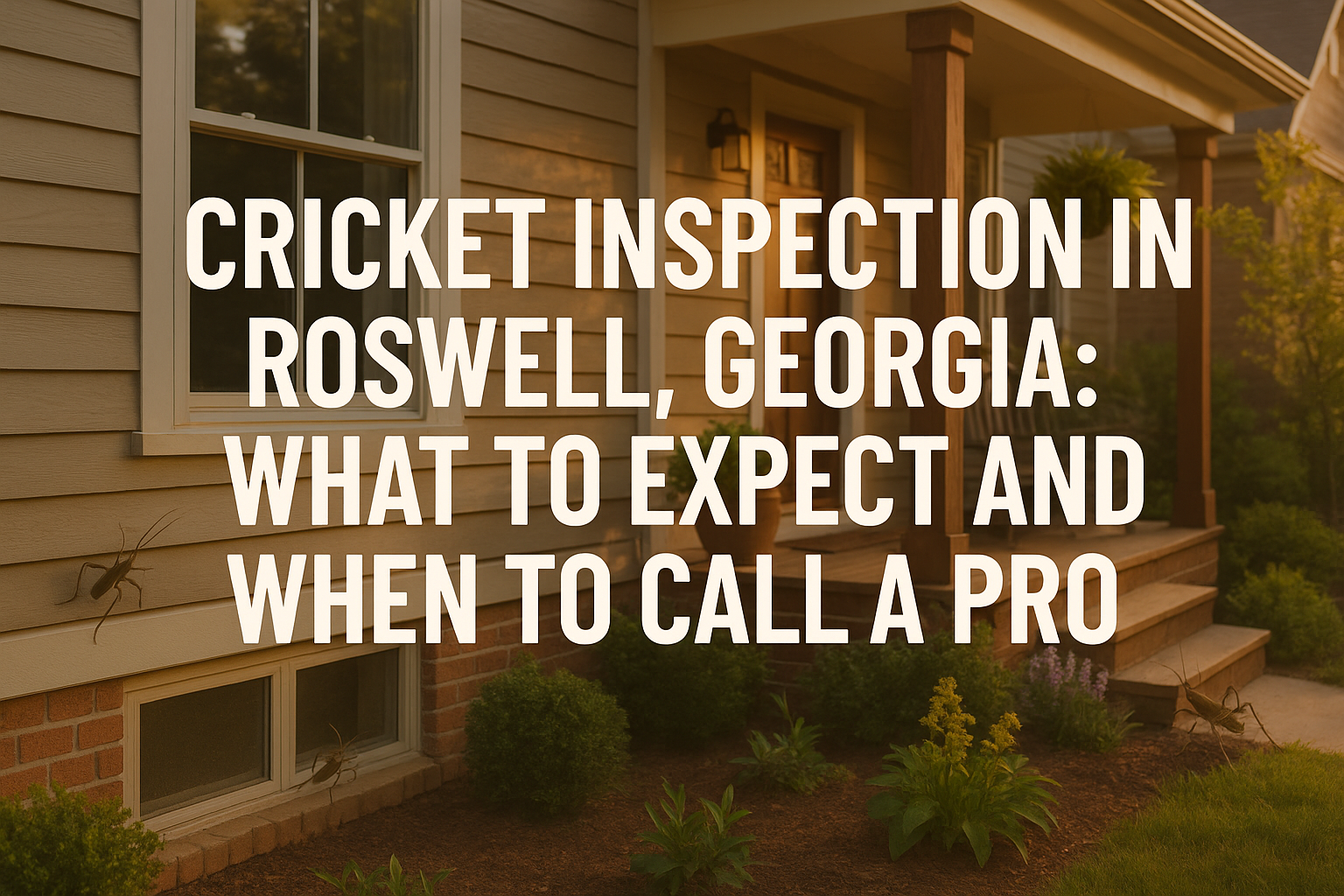
Dealing With Crickets in Roswell Homes
If you’ve ever laid awake listening to those unmistakable chirps coming from somewhere in the walls or basement, you know just how much of a headache crickets can be in Roswell, GA. Our muggy, warm weather gives house and camel crickets everything they need to thrive—and, unfortunately, plenty of chances to sneak into local homes.
While they aren’t going to bite or sting, crickets can become more than just a nuisance. Once inside, they target laundry, curtains, cardboard boxes, and even wood, leaving chewed-up patches wherever they hide. That late-night racket is only the beginning. In neighborhoods like Horseshoe Bend, Brookfield Country Club, or around the historic homes of Roswell Village, heavy landscaping and older construction just make things easier for these pests. You might not spot a cricket right away, but if you’ve seen one, chances are more are lurking in damp corners, crawlspaces, or behind baseboards—especially if there are hidden moisture spots or gaps in your foundation.
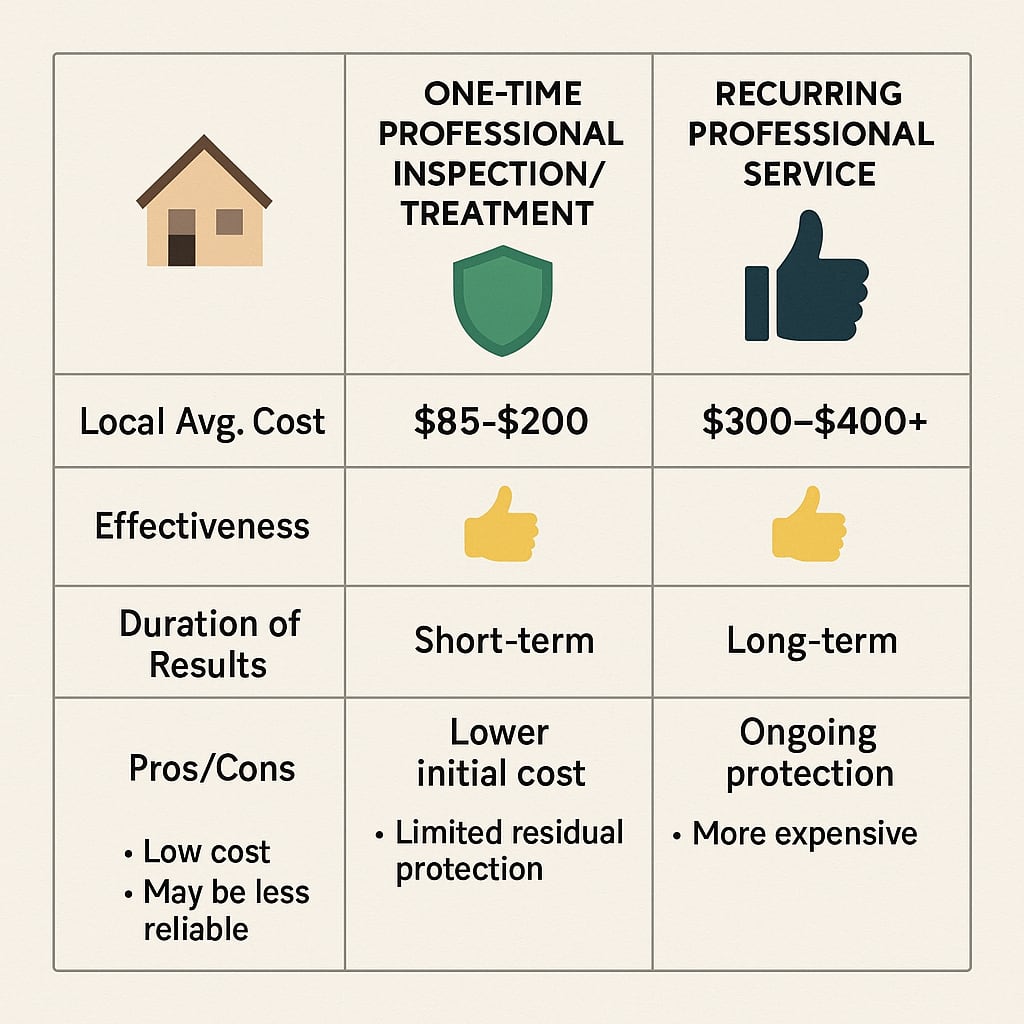
Professional help ranges anywhere from $85 for a quick spot treatment to $400+ for larger infestations, which means ignoring them can quickly turn a simple problem into an expensive one. Routine inspections catch early signs, letting you fix moisture or sealing issues before the crickets really move in. Inspections aren’t just a box to check; they’re your best chance to avoid long-term frustration, sleepless nights, and surprises in your storage bins. Plus, dealing with crickets often reveals bigger issues like leaks or poor sealing that could attract even more pests down the line.
In this guide, you’ll find everything you need to know—from how inspections are done here in Roswell to what goes into pricing and which steps you can take yourself. Whether it’s your first cricket or you’re tired of repeat invasions, we’ll help you get ahead of the problem and know when it’s time to bring in the pros.
What Really Impacts the Price of Cricket Control in Roswell?
If you’ve ever tried to figure out the cost for cricket inspection or treatment at your Roswell home, you’ll notice there’s no one-size-fits-all price tag. Let’s pull back the curtain a bit and talk honestly about what goes into those numbers local pest pros give you.
First, think about the size and layout of your property. A big home in Edenwilde or a house with a finished basement isn’t just more floor space—they often mean more hiding spots for crickets, more ground to cover for the inspection, and honestly, more time on-site. If you live in an older Roswell house with nooks, crawlspaces, or even a partially finished lower level, that’s extra work for a pest control tech with a flashlight and knee pads.
Now, the level of cricket activity matters as well. If you’re only hearing the occasional chirp, that’s a quick job. But if you’re dealing with non-stop noise, seeing real cricket clusters, or you’ve spotted nests deep in your crawlspace, the work ratchets up in both intensity and cost. Heavier infestations often need more than a quick spray—think targeted treatments, maybe even follow-up checks.
What about the methods used? There’s a big difference between a basic, one-time spot treatment (which will be the cheapest option) and a program that involves multiple visits, regular monitoring, or adding something like a vapor barrier for moisture control—that last one is often suggested for homes in damper, older parts of Roswell. These approaches take extra materials, sometimes special equipment, and they account for climate, local building styles, and what’s proven to work in this part of Georgia.
Accessibility is sometimes overlooked, but it makes a real impact on price. If your crawlspace is finished or easy to get into, it’ll be quicker to inspect and treat. If it’s tight, unfinished, or crammed with stored boxes, you can expect your technician to need extra time and effort, which pushes up labor costs.
Last but not least, the type and age of the home can play a role. Historic homes, multi-level properties, and new constructions all bring their own challenges—more entry points for crickets, different materials, or unique ventilation setups. Pest control specialists factor all this in because each house has its own quirks and risk areas.
When you put it all together, local Roswell companies generally charge anywhere from $85 for a simple spot treatment, to $400 or more if you have a major cricket problem or need ongoing prevention. The best way to get a fair price? Be upfront about what you’re dealing with and let the pros see the full picture. That way, you’ll get a quote that matches your home’s needs—nothing more, nothing less.
What Really Impacts the Price of Cricket Control in Roswell?
If you’ve ever tried to figure out the cost for cricket inspection or treatment at your Roswell home, you’ll notice there’s no one-size-fits-all price tag. Let’s pull back the curtain a bit and talk honestly about what goes into those numbers local pest pros give you.
First, think about the size and layout of your property. A big home in Edenwilde or a house with a finished basement isn’t just more floor space—they often mean more hiding spots for crickets, more ground to cover for the inspection, and honestly, more time on-site. If you live in an older Roswell house with nooks, crawlspaces, or even a partially finished lower level, that’s extra work for a pest control tech with a flashlight and knee pads.
Now, the level of cricket activity matters as well. If you’re only hearing the occasional chirp, that’s a quick job. But if you’re dealing with non-stop noise, seeing real cricket clusters, or you’ve spotted nests deep in your crawlspace, the work ratchets up in both intensity and cost. Heavier infestations often need more than a quick spray—think targeted treatments, maybe even follow-up checks.
What about the methods used? There’s a big difference between a basic, one-time spot treatment (which will be the cheapest option) and a program that involves multiple visits, regular monitoring, or adding something like a vapor barrier for moisture control—that last one is often suggested for homes in damper, older parts of Roswell. These approaches take extra materials, sometimes special equipment, and they account for climate, local building styles, and what’s proven to work in this part of Georgia.
Accessibility is sometimes overlooked, but it makes a real impact on price. If your crawlspace is finished or easy to get into, it’ll be quicker to inspect and treat. If it’s tight, unfinished, or crammed with stored boxes, you can expect your technician to need extra time and effort, which pushes up labor costs.
Last but not least, the type and age of the home can play a role. Historic homes, multi-level properties, and new constructions all bring their own challenges—more entry points for crickets, different materials, or unique ventilation setups. Pest control specialists factor all this in because each house has its own quirks and risk areas.
When you put it all together, local Roswell companies generally charge anywhere from $85 for a simple spot treatment, to $400 or more if you have a major cricket problem or need ongoing prevention. The best way to get a fair price? Be upfront about what you’re dealing with and let the pros see the full picture. That way, you’ll get a quote that matches your home’s needs—nothing more, nothing less.
Why Roswell Homes Get So Many Crickets (and What to Do About It)
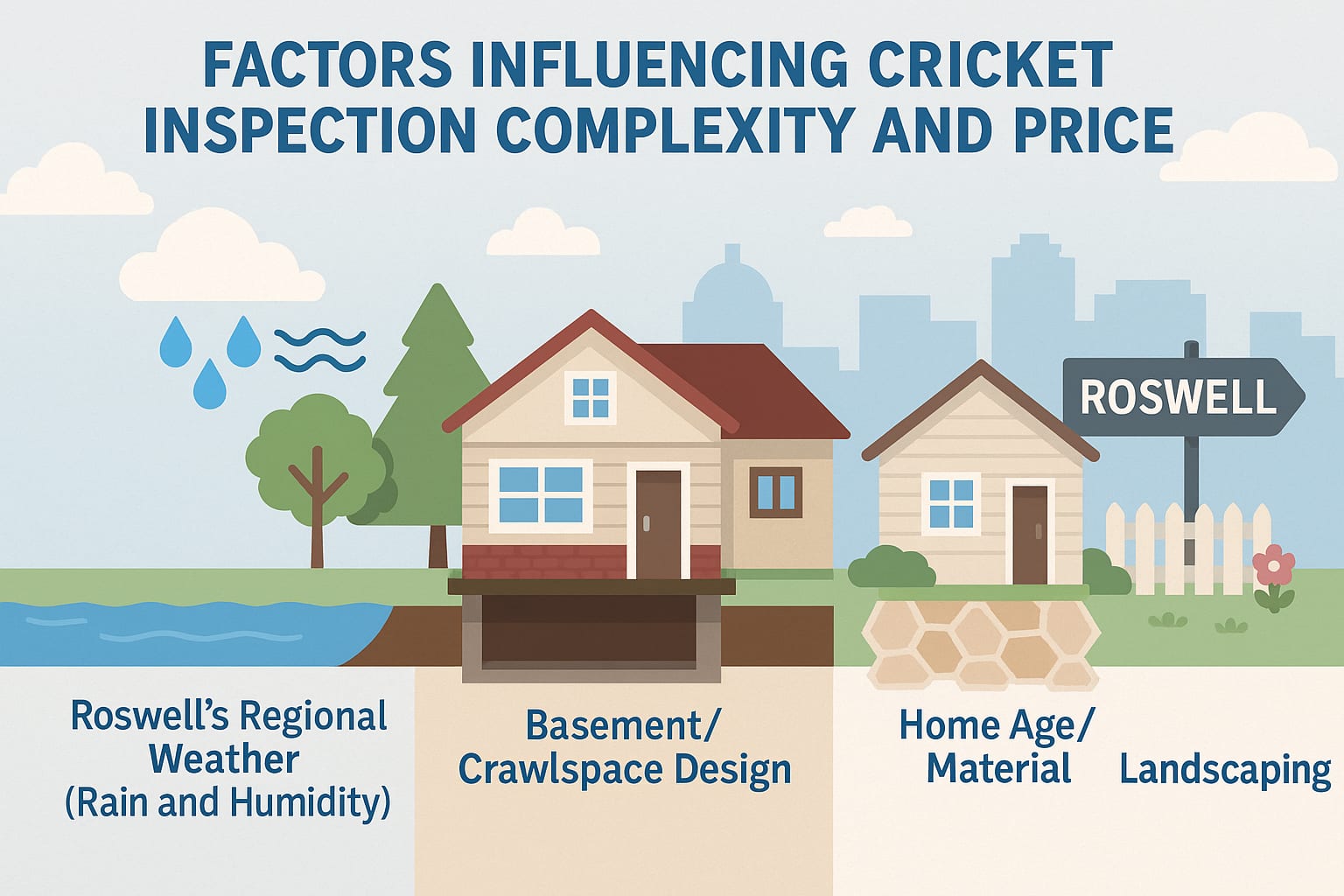
If you’ve noticed more crickets chirping around your Roswell home, you’re definitely not alone. Roswell’s hot, humid summers and heavy seasonal rains are a perfect recipe for cricket explosions every year. These little guys especially love crawlspaces and basements—two features you’ll find in lots of neighborhoods here, from North Pointe to Saddle Creek. When the air stays damp and the ground never quite dries out, crickets move in fast, looking for a cool, moist spot to nest.
Older Roswell homes have their own set of challenges. If your house has aging window seals, a porous foundation, or mature landscaping close to the foundation, crickets see these as open invitations. Thick mulch beds, overgrown shrubs, and poorly sealed entry points create ideal shelter. Once crickets find a shady, moist area, they don’t want to leave.
The structure and materials that make up your house can also make a big difference. Crickets are tricky—they sneak in where brick meets old mortar, wiggle under cracks in wood siding, or slip behind loose stucco. And if your attic isn’t venting properly or your yard doesn’t drain well, that extra moisture is like a welcome mat for pests.
It all adds up to this: no two cricket problems in Roswell are exactly alike. Someone in a brick home might only see a few crickets now and then, while a neighbor in a wood-sided house with poor drainage could be dealing with a full-blown infestation. That’s why a one-size-fits-all approach doesn’t work here. Local conditions—like rainfall, humidity, yard drainage, and the way your home was built—should always shape the cricket inspection, the treatment, and even the overall costs.
- Crawlspaces and damp basements: Top cricket hotspots, especially after summer storms
- Old foundations, loose seals, and thick landscaping: Hidden entryways for sneaky pests
- Material matters: Brick, stucco, or wood each offer different cricket access points
- Yard and attic moisture: Poor drainage or ventilation means more crickets
If you want a cricket inspection or treatment that actually works, make sure your pest control plan fits your exact home and neighborhood conditions. That’s the Roswell way—and what makes all the difference for long-term relief.
Keep Crickets Out and Money in Your Pocket: Smart Tips for Roswell Homes
If you’ve had crickets chirping you awake at night or spotted them hopping in your basement, you’re not alone. The good news? You don’t have to spend a fortune every season to keep these noisy pests in check. A few regular habits can make a huge difference and save you from paying for constant professional treatments.
- Seal It Up: Crickets slip through the tiniest cracks—so grab some caulk and check foundations, doors, and window frames. In Roswell’s older split-levels and ranch-style homes, those gaps add up faster than you think.
- Fight Moisture, Fight Crickets: Check for leaky pipes or faucets, and run a dehumidifier in basements. If you’ve got a crawlspace, think about a vapor barrier—damp areas are like a cricket resort.
- Clean Up the Yard: Firewood stacked on the ground, leaf piles, and tall grass are cricket magnets. Store your firewood off the soil, keep things tidy, and mow regularly—especially after lots of rain.
- Protect Your Food: Crickets will sneak inside for pet food, bird seed, and even pantry items. Use sealed plastic containers and clean up spilled food quickly.
- Regular Checks Pay Off: Get into the routine of inspecting your home—especially right after those spring or summer storms and as the season starts warming up. Catching issues early can save you hassle and cash down the line.
- Small Fixes, Big Savings: Replacing a torn window screen or patching a gap in your garage door might feel minor, but these fixes are your front line of defense. Tiny investments now help delay or even skip recurring pest control bills.
You don’t need to outsmart the crickets overnight—just out-hustle them bit by bit. With these simple steps, your Roswell home stays quieter, cleaner, and pest-free on your terms. Stick around for our handy seasonal checklist, coming up next.
Timing Your Cricket Inspections in Roswell
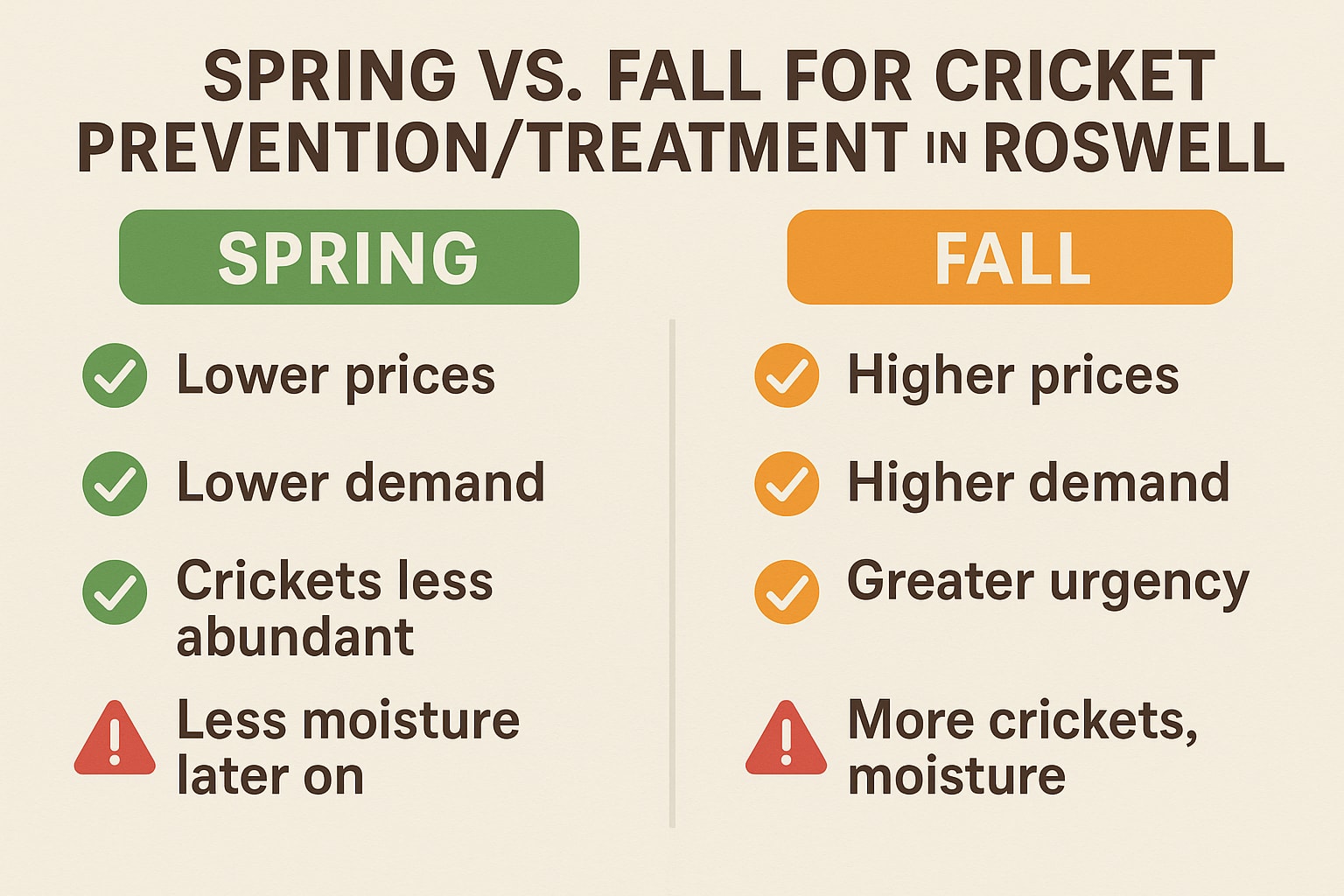
If you’ve lived in Roswell for any length of time, you know crickets love to make themselves at home when things heat up. Most folks start spotting (or hearing!) these chirpy pests from late spring all the way through early fall. The rising temps and humidity push crickets to crawl indoors seeking cooler, damper spots to hide—your basement or crawl space is prime real estate for them.
The real secret to staying ahead of an infestation? Don’t wait until you hear that telltale chirping in July or August. The best move is to book your cricket inspection before the summer rush hits. Aim for April or May. Not only is service usually faster this time of year, you might also catch some off-season pricing before everyone else is battling bugs. Think of it like beating the summer traffic—early birds get the best deals and peace of mind.
Let’s talk neighborhood quirks. Living near the Chattahoochee River or tucked into one of Roswell’s older, tree-lined streets? Cricket activity can start earlier in these spots thanks to extra moisture and shade. In these cases, being proactive goes a long way—book that inspection a little sooner if you’ve had cricket issues in the past. And after those heavy Georgia rains or the first cool snap in September, keep your ears open; spikes in cricket numbers are pretty common around these times.
- Book ahead: Schedule checks in April or May for best pricing and availability.
- Watch the weather: Heavy rain or cool nights can jumpstart cricket issues—don’t wait to see what happens.
- Repeat offenders: If you’ve had crickets before, yearly spring inspections are a smart habit.
- Know your neighborhood: Near the river or big old trees? You might need an earlier start.
Catching crickets before their boom season not only saves you headaches but usually saves a little cash, too. If you want to keep things stress-free (and cricket-free) at home, getting ahead of the crowd is the way to go.
Stop Cricket Problems Before They Get Worse
If you’re tired of cricket chirps keeping you up or worried about damage to your home, now’s the perfect time to bring in local help you can trust. Anthem Pest has a team of Roswell experts who live and work right here with you, ready to take care of any cricket issues—big or small. There’s zero risk or commitment because we offer a free, no-obligation inspection. We’ll check every corner of your property so you know exactly what’s going on and what it takes to fix it.
Find out just how affordable professional protection can be. Give us a call at 877-3718-5196 or check out our local cricket service page to request your inspection. Let our trusted team take the stress off your plate—we’ll handle the pests so you can relax and enjoy your home again.
Top Questions About Cricket Control in Roswell—Answered
Let’s be honest, nobody wants to lay awake at night listening to constant cricket chirping or open a pantry and find one hopping around. If you’re dealing with crickets in your home or just suspect you might be, here are the straight answers to the questions folks in Roswell ask most.
- How do I know if I’ve got a real cricket issue?
Occasionally spotting a cricket isn’t a big deal, but if you’re regularly hearing chirping after dark, seeing them wander around indoors, or finding little black droppings or eggs in out-of-the-way spots like the basement or crawlspace, you’re not just bumping into the odd stray—you’ve got a pest problem. - Which crickets are most common around here?
Camel crickets (those jumpy, humped ones you find in musty corners) and house crickets (the classic chirpers that follow warmth and moisture) are the usual suspects in Roswell homes. These guys love dark, damp areas, so basements, laundry rooms, and kitchens are key hotspots. - Are crickets dangerous, or do they just keep you up at night?
Good news: crickets won’t bite or sting. Bad news: they will chew through fabrics, paper, and sometimes even your plants. And frankly, if you’re seeing lots of them, it’s a sign you may have a moisture or weatherproofing issue somewhere, too. - Can I handle a cricket problem myself?
If you’re just seeing a few, sealing up cracks, keeping things dry, and cutting down clutter may do the trick. But if you’ve been chasing these bugs around for weeks (or if they keep coming back), it’s time to call in the pros. Some infestations need targeted treatments and a trained eye to really get resolved. - How long does a cricket inspection or treatment actually take?
Most home inspections are done in 30 to 90 minutes depending on size and layout. If you need treatments, bigger houses or heavy infestations might need a return visit or two—but usually, you’ll see improvement within a day or two. - What should I expect service to cost?
On average, a one-time cricket inspection and treatment in Roswell runs $85–$200. For big, older homes—or if you want ongoing service plans—expect to budget a little more, sometimes $400+ for year-round coverage. - What do the pros do differently than DIY?
Pest control companies in Roswell don’t just squirt spray and go. They’ll ID exactly which species you’re dealing with, find nesting areas, check for the root cause (usually moisture), and treat where it matters. Plus, they back up work with guarantees local homeowners trust. - When should I call for help?
If you’ve tried sealing, cleaning, and drying things out but the crickets still party all night, don’t wait. Persistent chirping or repeat invasions mean it’s time for a professional—before they do any more damage or crank up the noise another notch.
If you’ve got any other questions or need fast help getting crickets out of your Roswell home for good, just reach out to a local pro. They’ll be glad to get you sleeping soundly again—chirp free.