Why Crickets Become a Homeowner’s Nuisance in Marietta, GA

Common Species and Their Life Cycle
In Georgia the most frequently encountered crickets are the House Cricket (Acheta domesticus) and the Field Cricket (Gryllus assimilis). Both species hatch from eggs laid in moist soil or leaf litter, pass through six nymphal stages, and reach adulthood in late spring. Adult females can lay up to 200 eggs over a three‑month period, and each generation matures in about six weeks when temperatures stay above 70°F (21°C). This rapid turnover means a small spring population can balloon into thousands by midsummer.
Marietta’s Warm, Humid Climate and Suburban Landscape
Marietta’s average summer temperature hovers near 85°F with nightly humidity often exceeding 70 %. Those conditions mirror the crickets’ natural habitat, allowing eggs to incubate without delay. Suburban lawns, mulched flower beds, and wood chip pathways provide the perfect shelter and food sources—grass roots, decaying organic matter, and the occasional garden insect. Even well‑kept yards become a breeding ground when moisture accumulates under decks or in gutter overflows.
Typical Household Problems
- Noisy chirping: Male crickets produce a loud, rhythmic song to attract mates. In a quiet living room the sound can be startling, especially at night when the chirps echo off walls.
- Damage to indoor plants: Crickets chew tender foliage and may gnaw on the roots of potted plants, causing wilting or stunted growth.
- Unsightly droppings: Each cricket leaves small, dark fecal pellets that can stain countertops, floors, and pantry shelves.
- Food contamination: When crickets wander into kitchens they can contaminate stored grains, pet food, or open containers, prompting a thorough clean‑up.
Health Considerations
While crickets are not known vectors of serious disease, they do trigger allergic reactions in some individuals. Their shed skins and droppings contain proteins that can become airborne, irritating the eyes, nose, or skin of sensitive residents. In rare cases, crickets may carry bacteria from decaying matter, raising a minor risk of food‑borne illness if they infiltrate food storage areas.
The Importance of Early Detection
Because a single female can produce hundreds of eggs, waiting until you hear the first chorus often means you’re already facing a full‑blown infestation. Spotting a few nymphs in basements, under appliances, or around outdoor lighting gives you a crucial window to intervene with targeted treatments before the population explodes. Prompt action not only protects your home’s comfort but also reduces the need for more aggressive, costly control later in the season. Early, professional inspection can confirm entry points and guide a preventive plan that keeps crickets out year after year.
Spotting Cricket Activity and Seasonal Peaks
Crickets often hide until they’re forced to reveal themselves. In Marietta homes the first visual cue is a wing‑less cricket scurrying across a basement floor or tucked into a damp corner. These juveniles lack fully developed wings, so they stay close to where they hatch. Look for tiny dark specks near light fixtures—crickets love the warmth of bulbs—and small pellet‑shaped droppings directly beneath them. A steady nighttime chirp is another giveaway; the sound comes from males rubbing their wings together, indicating several insects share the same space.
Indoor vs. Outdoor Hotspots
Inside, crickets favor foundation cracks, crawl‑space vents, and piles of stored firewood. These spots stay cool and moist, mimicking the outdoor environments they love. Outdoors, the shaded side of the foundation, leaf‑laden garden beds, and wet mulch act as bridges that let crickets move toward the house. If you notice clusters near the perimeter, they’re likely using the soil as a pathway to get inside.
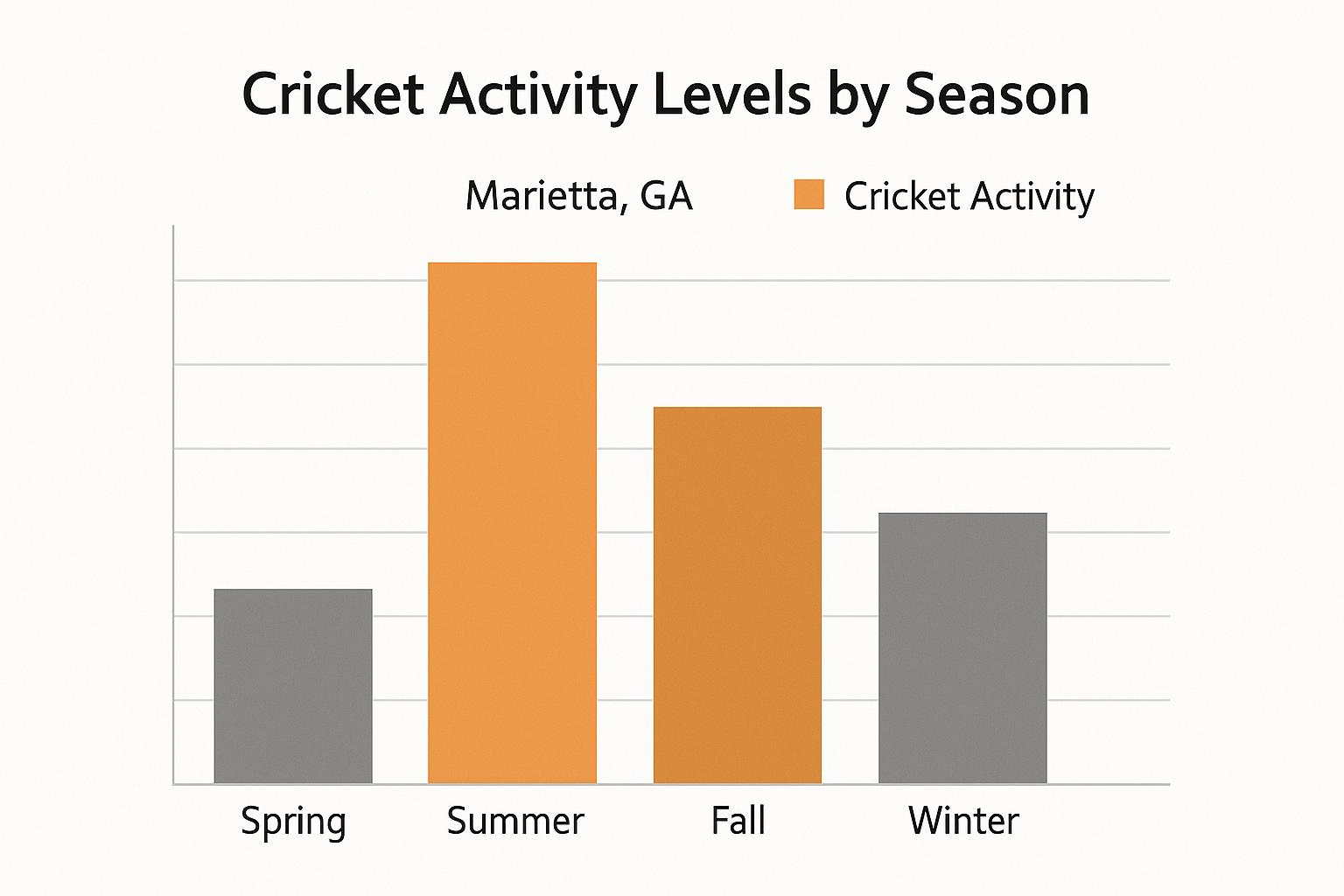
Seasonal Activity Chart Explained
The chart above breaks down the typical life‑cycle in Georgia:
- Spring (Mar‑Apr): Eggs hatch, nymphs emerge, and activity begins to rise.
- Summer (Jun‑Aug): Warm, humid conditions trigger a population explosion; nightly choruses are loudest.
- Fall (Sep‑Oct): Adults seek shelter and numbers slowly decline.
- Winter (Nov‑Feb): Most crickets enter dormancy deep in the soil or insulated crawl spaces, making sightings rare.
How Weather Shapes Each Season
Rainfall and temperature are the primary drivers. A wet spring after a Georgia thunderstorm creates ideal breeding conditions, accelerating hatch rates. Dry summer spells can suppress numbers, but a sudden rainstorm will cause a rapid surge as crickets scramble for moisture. Temperatures above 85°F speed development, while prolonged cold snaps stall it. Recognizing these patterns lets you anticipate when a low‑level problem might become an invasion.
Tips for Monitoring
Adopt a simple routine to stay ahead of the infestation:
- Place sticky traps along foundation walls and in crawl‑space corners; check them weekly.
- Spend a few minutes each night listening near exterior lights—rising chirp volume signals growing activity.
- Visually inspect stored firewood, under appliances, and around window sills every two weeks during summer.
- Record any droppings or dead insects; a steady increase means the population is establishing.
If these signs persist for more than a month, contact Anthem Pest Control for a targeted inspection and treatment plan designed for Marietta’s climate.
Understanding Cricket Control Options and Methods

Prevention Basics
Before you even see a single cricket, the best defense is a well‑sealed home. Inspect the foundation for cracks and gaps, then caulk or fill them to block entry points. Good drainage keeps moisture away from walls—standing water attracts the insects that lay eggs nearby. Remove leaf piles, mulch, and other debris that create humid hideouts, and trim shrubs or vines at least a foot from the house. These simple steps cut off the habitat crickets need to thrive.
Professional Treatment Methods
When prevention isn’t enough, Anthem Pest Control offers several proven approaches:
- Perimeter spray: A low‑toxicity insecticide is applied in a continuous band around the exterior walls, creating a barrier that kills crickets before they can cross.
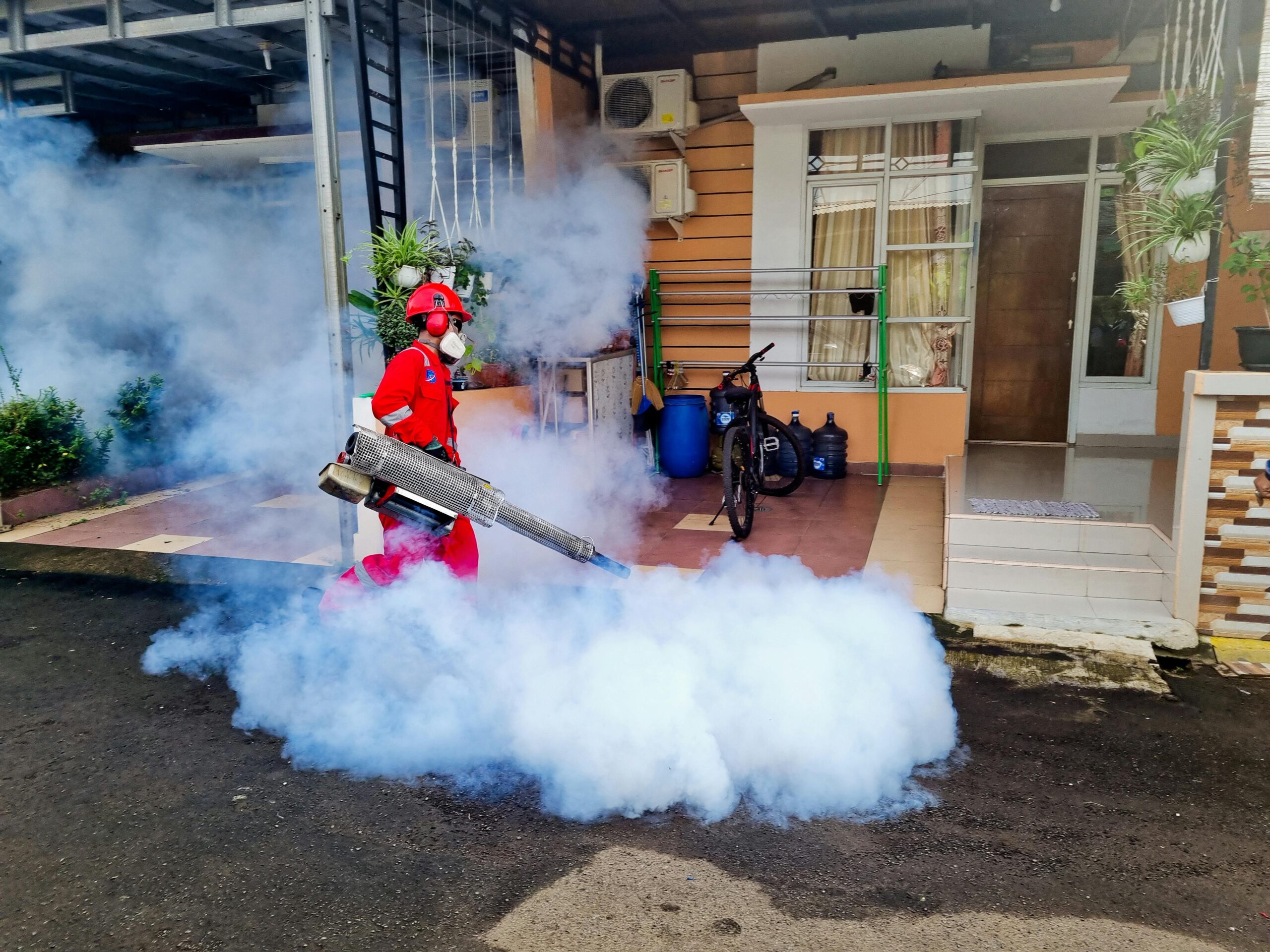
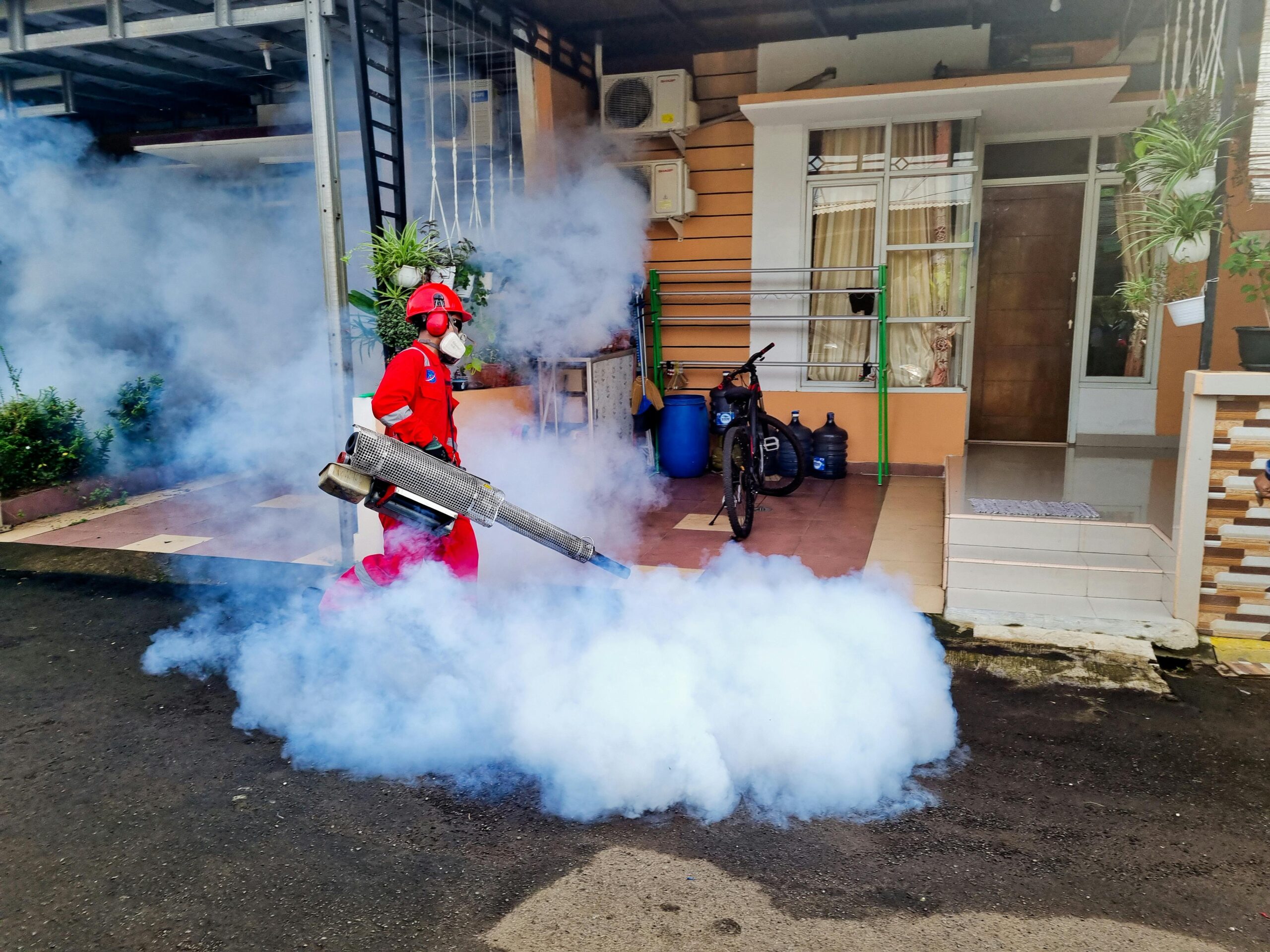
- Indoor fogging: A fine mist reaches cracks, vents, and ceiling voids where crickets hide, providing rapid knock‑down without heavy residues.
- Bait stations: Strategically placed bait attracts crickets and other jumping insects, delivering an oral toxin that works silently over days.
- Targeted spot‑treatments: For localized infestations, technicians focus on entry points, baseboards, and indoor corners with a precision spray.
Chemical vs. Non‑Chemical Options
Homeowners often ask whether they need harsh chemicals. Modern pest programs balance efficacy with safety:
- Low‑toxicity insecticides: Formulated to target insects while posing minimal risk to humans and pets when applied correctly.
- Natural oils: Products containing neem, peppermint, or citrus oils can deter crickets without synthetic compounds, though they may require more frequent re‑application.
- Ultrasonic devices: These emit high‑frequency sound waves that are uncomfortable for crickets but inaudible to most people. Effectiveness varies, so they’re best used as a supplemental measure.
Timing Considerations
Crickets emerge in late spring, and their numbers peak in early summer. Scheduling a pre‑emptive perimeter treatment in late May or early June hits the population before it explodes, reducing the need for repeated indoor interventions. Early action also protects outdoor entertaining spaces when families are most likely to enjoy the yard.
Safety Protocols for Families, Pets, and the Environment
Anthem’s technicians follow strict safety guidelines:
- All chemicals are applied at label‑recommended rates and only after confirming no children or pets are in the treatment zone.
- After indoor fogging, rooms are ventilated for at least 30 minutes before re‑entry.
- Pet‑friendly zones (e.g., litter boxes, food prep areas) are covered or temporarily relocated during application.
- We use biodegradable carriers whenever possible, minimizing impact on soil and groundwater.
By combining diligent prevention, targeted professional treatments, and responsible product choices, homeowners can keep crickets at bay while safeguarding loved ones and the environment.
Cricket Control Cost Breakdown for Marietta Homeowners
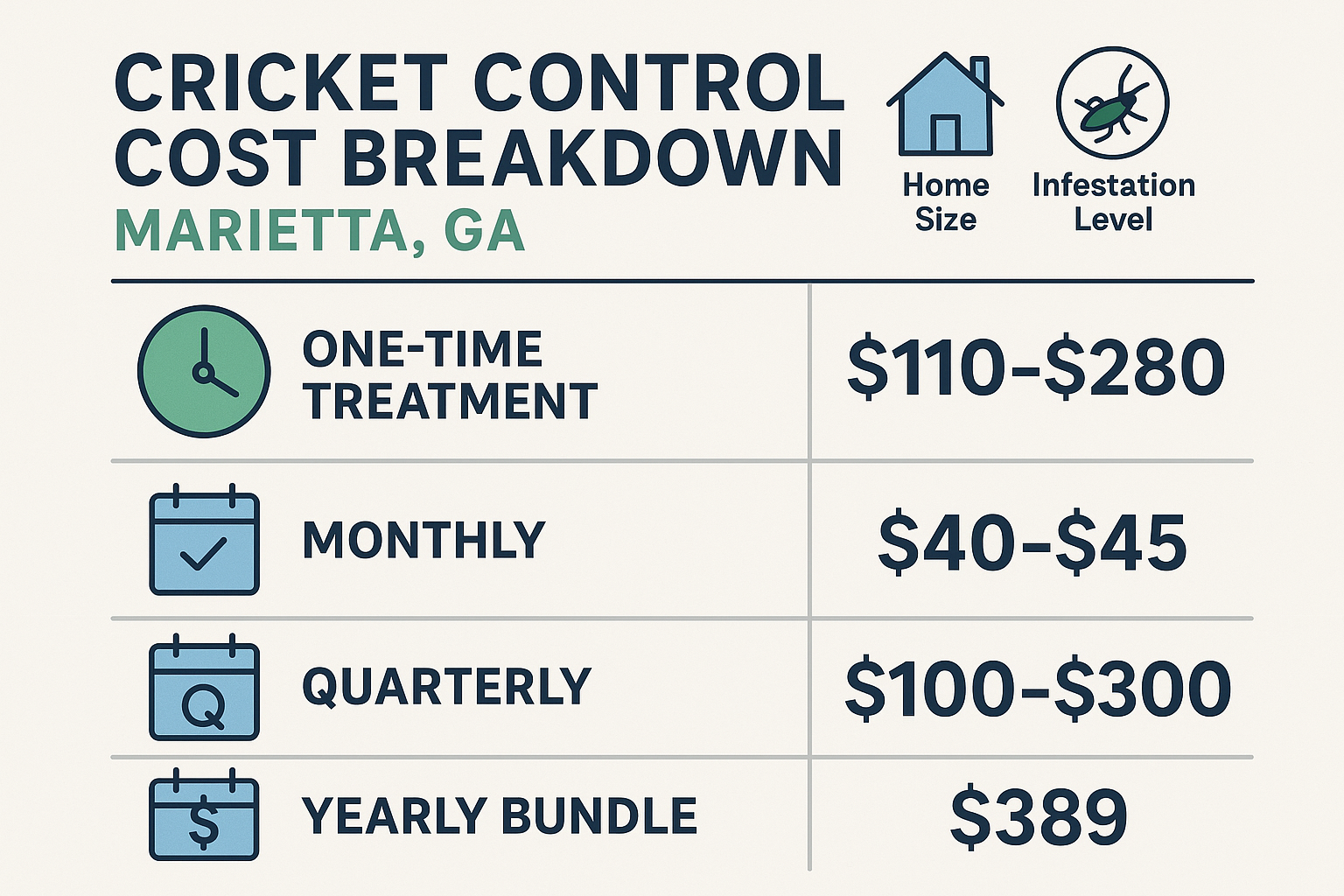
When it comes to cricket control in Marietta, the price you pay reflects the size of your home, the severity of the infestation, and the type of service you choose. According to the Pest‑Control Cost Guide, most homeowners see a total spend ranging from $110 to $389 per year, depending on how proactive they want to be.
One‑time Treatment
A single, comprehensive cricket eradication session typically costs between $110 and $280. Smaller homes (under 1,500 sq ft) with light infestations land on the lower end, while larger properties or those battling a heavy cricket population can approach the upper limit. This option includes an initial inspection, targeted pesticide application, and a follow‑up visit to ensure the pests are gone.
Monthly Service Plans
For homeowners who prefer ongoing protection, monthly plans run about $40–$45 per month. Each month you receive a scheduled inspection, a preventative treatment, and any necessary spot‑treatments for new activity. This steady approach helps keep crickets from re‑establishing, especially during the warm months when they’re most active.
Quarterly Treatments
If a full‑time plan feels excessive, quarterly visits are a solid middle ground. Expect to pay $100–$300 per quarter, which includes a thorough inspection, a full‑coverage treatment, and a post‑treatment check. This schedule works well for moderate infestations and for homes that have already taken some DIY steps but still need professional reinforcement.
Yearly Bundle
The most cost‑effective route for high‑risk properties is the annual bundle, priced at $389 total. This package bundles four quarterly treatments, two additional spot‑checks, and a comprehensive home seal‑up to block future cricket entry points. It delivers the best value when you consider the per‑visit cost drops dramatically compared with buying each service separately.
What Drives the Final Quote?
- Square footage: Larger homes require more pesticide and longer labor time.
- Infestation severity: Heavy cricket populations demand higher concentrations and possibly multiple applications.
- Service type: One‑time, monthly, quarterly, or bundled plans each carry distinct labor and material costs.
Quick Cost vs. Frequency Comparison
| Service Type | Cost Range | Frequency | Best For |
|---|---|---|---|
| One‑time Treatment | $110 – $280 | Single visit | Light infestations, short‑term relief |
| Monthly Plan | $40 – $45 / month | 12 visits/year | Continuous protection, high activity seasons |
| Quarterly Treatment | $100 – $300 / quarter | 4 visits/year | Moderate infestations, balanced budget |
| Yearly Bundle | $389 total | 4+ visits/year | High‑risk homes, maximum value |
By understanding these pricing tiers and the factors that influence them, Marietta homeowners can set a realistic budget and choose the plan that aligns with their cricket‑control needs. Whether you opt for a one‑off knock‑out or a year‑long shield, Anthem Pest Control ensures transparent pricing and reliable results.
Choosing the Right Pest Professional for Effective Cricket Management
Crickets may seem harmless, but a large infestation can turn your backyard into a noisy, unsightly nuisance. Selecting a qualified pest‑control provider in Marietta ensures you get a solution that’s safe, lasting, and priced fairly. Below are the key factors every homeowner should evaluate before signing a contract.
Verify Licensing, Certifications, and Insurance
Georgia requires pest‑control companies to hold a state‑issued license. Ask to see the provider’s current Georgia Pest Control License and any industry certifications such as National Pest Management Association (NPMA) or Integrated Pest Management (IPM) credentials. Proper insurance protects you from liability should an accidental exposure occur during treatment.
Local Expertise Matters
Marietta’s climate creates distinct seasonal patterns—crickets typically emerge in late spring and thrive through early fall. A company that has operated in the area for several years will know the common entry points (e.g., gaps around foundation vents, screened porches, and attic openings) and can tailor a treatment plan to your specific neighborhood conditions.
Transparent Pricing and Detailed Quotes
Beware of vague estimates that lump all costs together. Request a written quote that breaks down:
- Labor fees for the initial visit and any follow‑up appointments
- Products used (type of insecticide, concentration, and safety data)
- Equipment charges, if any
- Travel or service call fees
This level of detail lets you compare providers without hidden surprises.
Service Guarantees and Warranty Policies
A reputable firm will stand behind its work. Look for a clear warranty that covers re‑infestation within a reasonable timeframe (typically 30‑90 days). Understand what triggers a free re‑treatment—whether it’s a return of crickets or a failure to meet the agreed‑upon pest‑level thresholds.
Customer Reviews and Testimonials
Online reviews on Google, Yelp, and the Better Business Bureau provide real‑world insight into reliability, punctuality, and professionalism. Pay attention to patterns: consistent praise for thorough inspections and respectful technicians is a strong indicator of quality service.
Important Questions to Ask During the Initial Consultation
Before the technician begins, ask these targeted questions to gauge expertise and fit:
- “What treatment plan do you recommend for my home size and layout?”
- “Will you conduct a pre‑treatment inspection, and can I see the findings?”
- “Which products will you use, and are they safe for children and pets?”
- “How many follow‑up visits are included, and what do they involve?”
- “What is your warranty policy for a possible re‑infestation?”
The Value of a Thorough Pre‑Treatment Inspection
A detailed inspection is the foundation of any successful cricket control program. Technicians should identify hot spots, assess structural vulnerabilities, and document findings with photos. This visual record not only validates the need for treatment but also helps you track progress over time.
By applying these criteria and asking the right questions, you’ll partner with a pest‑control professional who delivers effective, affordable cricket management—protecting your home and peace of mind throughout the season.
Protect Your Home with Anthem Pest Control Today
Crickets may seem harmless, but in Marietta they become a seasonal nuisance that can infiltrate your home, damage landscaping, and create noisy evenings. Their activity peaks from late summer through early fall, and the longer you wait, the more they multiply and the harder they are to eradicate. Timely, professional intervention stops the problem before it spreads, preserving your comfort and protecting your property.
Why Choose Anthem Pest Control?
Anthem brings a blend of local expertise and nationwide standards that sets us apart:
- Licensed technicians: Every technician holds the proper state licenses and undergoes ongoing training on the latest cricket control methods.
- Local knowledge: We understand Marietta’s climate, the species that thrive here, and the most effective treatment windows for each season.
- Transparent, affordable pricing: Our estimates are clear, with no hidden fees, so you know exactly what you’re paying for.
Safe, Effective Treatments & Satisfaction Guarantee
Our approach prioritizes safety for your family, pets, and the environment. We use EPA‑approved products applied with precision to target crickets while minimizing exposure to non‑target areas. Every service includes a satisfaction guarantee—if crickets return within the treatment window, we’ll re‑treat at no extra cost.
Free, No‑Obligation Inspection
We invite you to schedule a complimentary inspection. One of our specialists will assess your home, identify entry points, and recommend a customized plan that fits your budget. The inspection is entirely free and comes with no obligation to proceed, giving you the confidence to make an informed decision.
Take Action Today
Don’t let crickets turn a quiet night into a chorus of chirps. Call Anthem Pest Control now at 877‑371‑8196 for a free quote and professional inspection. Our friendly team will tailor a treatment plan that safeguards your family and property without breaking the bank.
Visit Anthem Pest Control online to learn more about our services, read customer testimonials, and schedule your inspection in just a few clicks.