Recognizing Centipedes in Your Georgia Home
What Centipedes Look Like
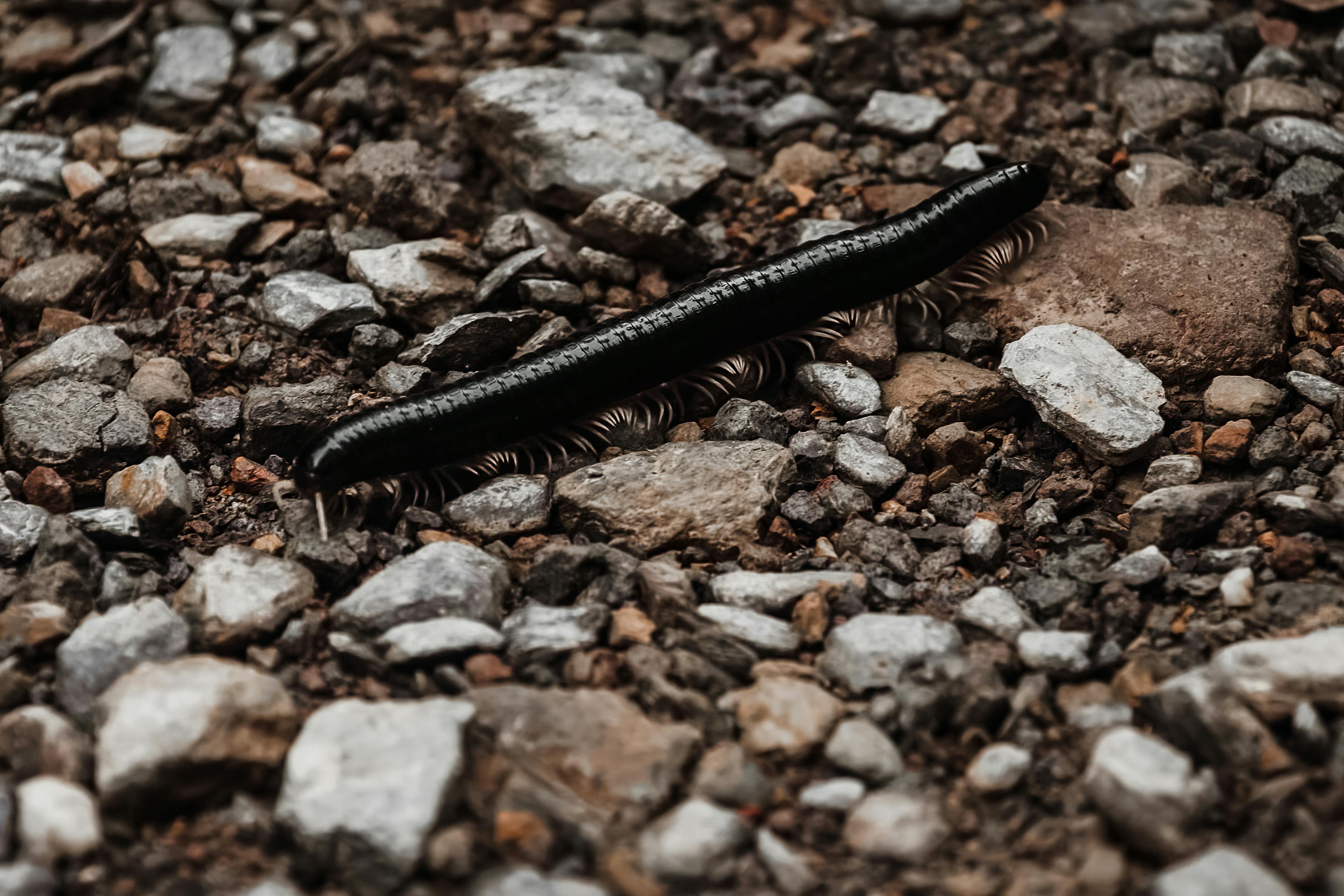
Centipedes are elongated arthropods that range from 1 inch to over 4 inches in length, depending on the species. Their bodies are uniformly dark—often brown, reddish‑brown, or black—and covered in a series of distinct segments, each bearing a single pair of long, jointed legs. The legs give the creature a “crawling” appearance, and they move with a rapid, unsettling scuttle that can surprise anyone watching.
Key Identification Clues
The close‑up photo above highlights three tell‑tale features: a dark, glossy exoskeleton; clearly visible, evenly spaced body segments; and numerous, slender legs that extend from each segment. Unlike many insects, centipedes lack wings and antennae that are noticeably longer than their heads. They also prefer damp, cool surfaces, often appearing on stone, concrete, or the ground where moisture accumulates.
Where You’ll Find Them
In Georgia homes, centipedes gravitate toward environments that stay moist year‑round. Basements and crawl spaces are prime real estate because of the constant humidity and occasional water leaks. Bathrooms, especially under sinks or near shower stalls, provide the same conditions. Outdoors, they hide in mulch beds, leaf litter, and behind stone walls where the soil stays damp. If you notice them near doorways or window sills, it’s usually because they’re seeking a pathway to these preferred indoor habitats.
Centipedes vs. Look‑Alikes
It’s easy to confuse centipedes with millipedes or certain spiders. Millipedes have two pairs of legs per body segment and move much more slowly, often curling into a defensive ball when disturbed. Spiders, on the other hand, possess eight legs and lack the segmented, leg‑by‑leg body structure of centipedes. Additionally, spiders produce silk and may be seen building webs, a behavior never exhibited by centipedes.
Why Proper ID Matters
Accurately identifying a centipede is the first step toward an effective treatment plan. While centipedes are generally harmless to humans—delivering a mild, painless bite only when provoked—they can indicate underlying moisture problems that attract other, more destructive pests like termites or carpenter ants. Knowing you’re dealing with centipedes helps a pest professional target the right areas with appropriate control methods, such as moisture reduction, sealing entry points, and applying targeted insecticide treatments.
Quick Checklist for Homeowners
- Dark, elongated body with distinct segments.
- One pair of long legs per segment, giving a rapid, scuttling motion.
- Found in damp places: basements, bathrooms, mulch, stone walls.
- Different from millipedes (two legs per segment, slower) and spiders (eight legs, web‑building).
- Identification guides treatment—focus on moisture control and targeted pesticide application.
When Are Centipedes Most Active in Georgia?
Georgia’s subtropical climate creates the perfect backdrop for centipedes to thrive. Warm, humid days followed by cool, damp evenings give these nocturnal hunters the moisture they need to stay active. In Marietta, average summer highs hover around 90°F (32°C) with humidity often exceeding 70 %, while winter lows rarely dip below 30°F (‑1°C). This temperature swing, coupled with frequent summer thunderstorms, directly influences when centipedes emerge from their hide‑outs and start hunting around your home.
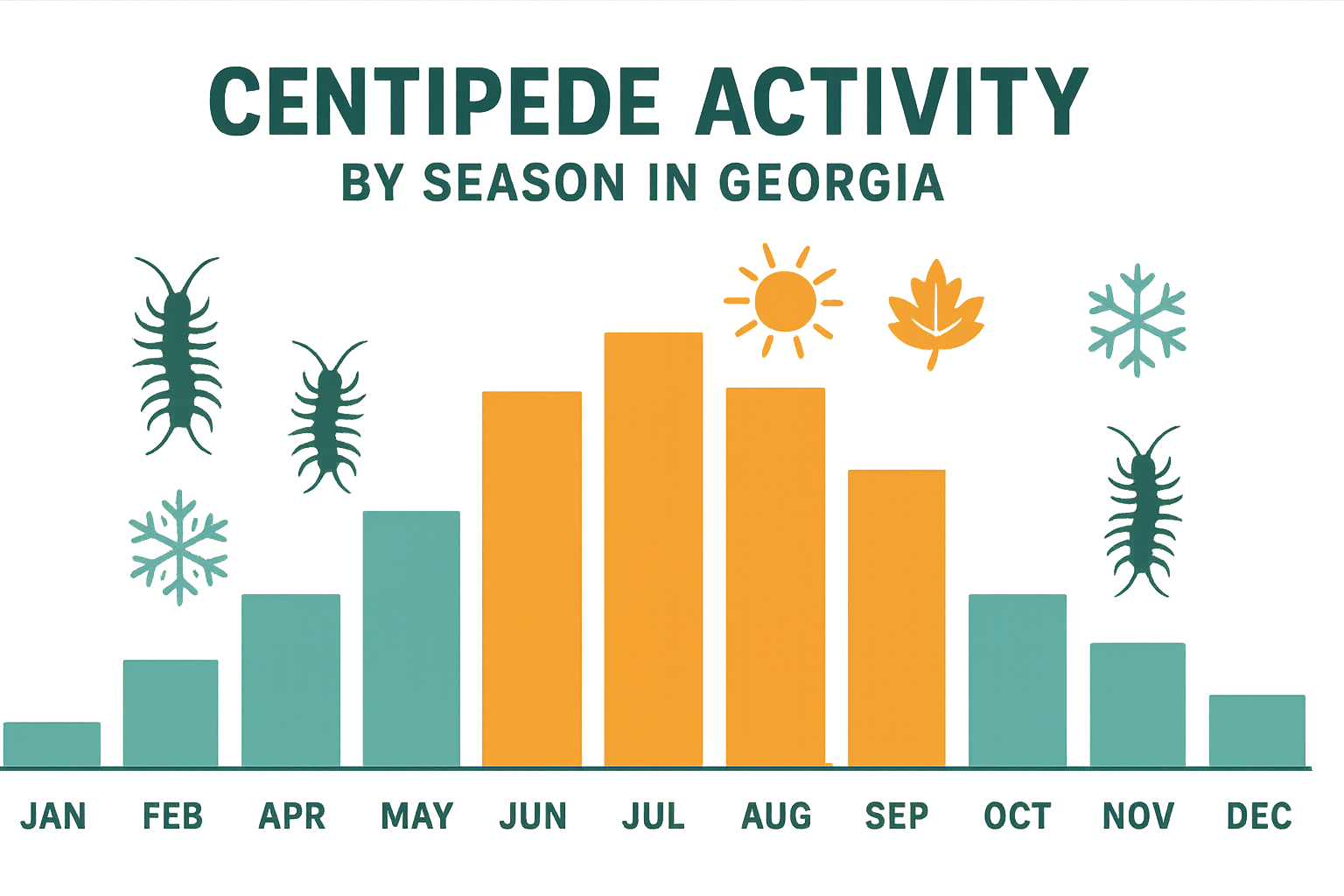
Reading the Seasonal Activity Infographic
The chart above breaks down centipede activity into three distinct phases:
- Peak Activity (April – September): Warm temperatures and nightly rain spikes push centipedes onto the surface. This is when you’ll most likely see them scurrying across basements, bathrooms, and crawl spaces.
- Moderate Activity (October – November, March): Cooler evenings still retain enough moisture for centipedes to wander out, especially after a rainstorm.
- Low Activity (December – February, early March): Cold snaps and reduced humidity drive them deeper into the soil, making indoor sightings rare.
Why Rain and Cool Evenings Matter
Centipedes breathe through moist skin, so they avoid dry conditions. A single heavy rain can saturate the ground, forcing them to seek drier shelter—often the damp corners of your home. Likewise, cooler evenings lower surface temperatures, encouraging them to move toward the warmth of indoor plumbing and basements. In Georgia, the rainy season (May – July) and the occasional late‑summer thunderstorms create short bursts of heightened activity, even during the broader “peak” window.
Timing Your Inspections and Treatments
To stay ahead of a centipede surge, schedule a professional inspection during the early‑spring window (late March – early April). This timing lets technicians identify entry points before the peak season begins. A follow‑up treatment in mid‑summer (July) can address any new activity sparked by late‑season rains. If you notice a sudden increase after a heavy storm, a supplemental spot‑treatment can be arranged quickly.
For homeowners who prefer a DIY approach, set a reminder to check basement corners, bathroom tiles, and crawl‑space vents each month from April through September. Look for the tell‑tale signs—silky trails, shed exoskeletons, or the occasional centipede sighting.
Local Data Supports the Trend
Community Pest Solutions, a trusted Marietta pest‑control provider, reports that centipede complaints spike by 38 % in May and again by 27 % in August, aligning closely with the infographic’s peak months. Their field data, collected from over 1,200 residential service calls last year, underscores the importance of timing inspections before and during these high‑risk periods.
By syncing your inspection schedule with Georgia’s climate patterns and the seasonal activity chart, you’ll catch centipedes when they’re most vulnerable—right before they move indoors. This proactive approach not only reduces the chance of an infestation but also helps keep treatment costs predictable and manageable.
Health Concerns and Property Impact of Centipedes
Bite Symptoms You Might Notice
Centipede bites typically cause a sharp, localized sting that feels similar to a bee sting. Within minutes, the area may swell, turn red, and become tender. Most healthy adults experience only mild discomfort that fades within a few hours. In rare cases, an allergic reaction can trigger itching, hives, or difficulty breathing, which warrants immediate medical attention.
Myth‑Busting: Are Centipedes Disease Carriers?
Contrary to popular folklore, centipedes do not transmit diseases to humans. They are predators that feed on insects, not blood‑sucking pests. However, their sudden appearance can stir anxiety, especially for those who are already uneasy around crawling insects. Understanding that they are harmless beyond the bite helps reduce unnecessary panic.
Potential Property Damage
While centipedes don’t chew wood like termites, they often seek shelter in damp, decaying wood and crevices. Their presence can indicate excess moisture, a condition that encourages rot and mold growth. Additionally, centipedes attract other pests—spiders, ants, and even silverfish—by leaving behind shed skins and prey remnants, creating a cascading pest problem.
Psychological Impact on Homeowners
Seeing a fast‑moving centipede scuttle across a countertop can trigger a visceral fear of crawling insects. This fear can affect sleep, discourage the use of certain rooms, and even lead to heightened stress levels. For families with children or pets, the mere sight of these arthropods can become a constant source of worry.
When Professional Help Becomes Essential
If you notice multiple centipedes in a single area, experience repeated bites, or discover signs of a growing infestation—such as clusters of shed exoskeletons or an increase in other small pests—it’s time to call a licensed exterminator. Professional treatment not only reduces the immediate bite risk but also addresses underlying moisture problems and blocks entry points, providing long‑term peace of mind.
Why Early Intervention Saves Money
Addressing centipede activity early prevents the need for extensive moisture remediation or secondary pest control measures later on. A targeted treatment plan from a trusted company like Anthem Pest Control can eliminate the insects, seal cracks, and advise on proper ventilation, protecting both your health and the structural integrity of your home.
Effective Treatment Options for Centipede Control
Centipedes thrive in the dark, damp corners of a home, so a successful control plan must attack from several angles. At Anthem Pest Control we combine proven chemical methods with targeted non‑chemical tactics, ensuring the treatment is both safe for your family and effective against the infestation. Below is a breakdown of the options we use and why a professional approach makes a difference.
Chemical Treatments
When we reach for chemicals, we choose products that target centipedes while minimizing exposure to people and pets.
- Perimeter sprays: Applied around the foundation, these low‑toxicity aerosols create a protective barrier that stops centipedes from entering through cracks or gaps in the exterior walls.
- Crack‑and‑crevice applications: Using a fine‑mist nozzle, we treat the exact voids where centipedes hide—baseboards, window sills, and the seams of stone pathways. The concentrated dose stays where the pests travel, reducing the amount of product needed.
- Low‑toxicity options: Modern EPA‑registered formulations, such as pyrethrin‑based sprays or botanical extracts, provide rapid knock‑down without lingering residues. They’re especially useful in homes with children or pets.
Non‑Chemical Approaches
Not every homeowner is comfortable with chemicals, and centipedes can be suppressed through physical and environmental methods alone.
- Heat treatment: Raising the temperature in infested zones to 120 °F for a short period drives centipedes out of hiding and disrupts their life cycle.
- Vacuum removal: A high‑efficiency shop‑vac can physically extract centipedes from visible hiding spots. We follow up by sealing the vacuum bag to prevent re‑release.
- Habitat modification: Reducing moisture is the single most effective long‑term strategy. We advise homeowners to fix leaky pipes, improve drainage, and replace soggy mulch with coarse, well‑draining material.
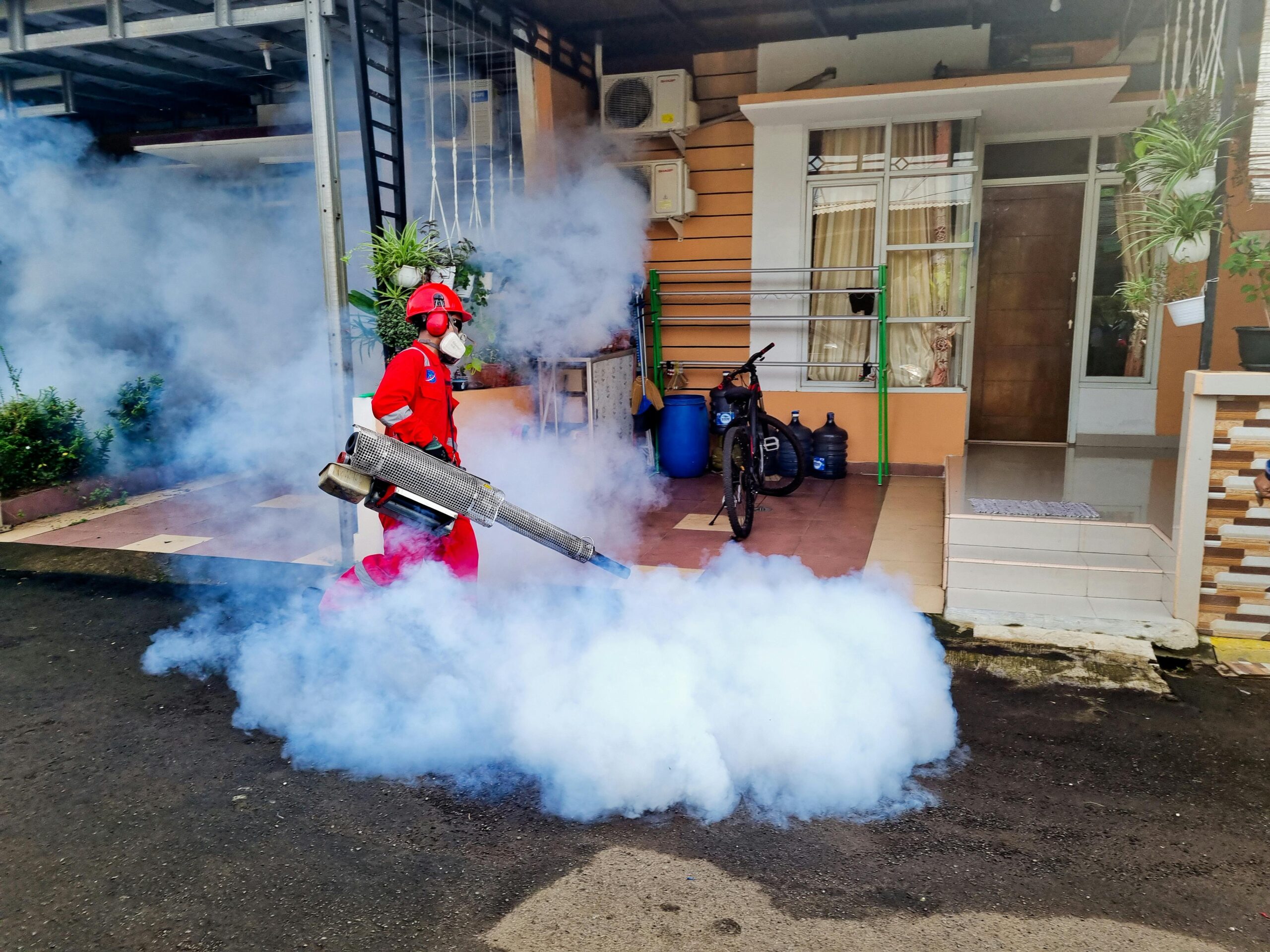
Professional Smoke Application Technique

Our technicians are trained to use a specialized smoke generator that disperses a fine, insect‑repellent vapor into cracks, voids, and under stone pathways. The smoke penetrates deep where liquid sprays might miss, delivering a residual effect that continues to deter centipedes for weeks. Because the smoke dissipates quickly, there’s no residue left on surfaces—making it ideal for indoor use in living rooms or kitchens.
Treating Both Indoor and Outdoor Zones
A centipede problem rarely stays confined to one area. We always start with the foundation—applying perimeter spray and smoke to the exterior wall base. Next, we address the mulch beds and stone pathways, which retain moisture and provide perfect hiding spots. Inside the home, we focus on:
- Baseboard and crown molding cracks
- Under‑sink cabinets and laundry room flooring
- Bathroom and kitchen grout lines
By creating a continuous barrier from the outside in, we eliminate the “entry‑and‑exit” routes that allow centipedes to shuttle between the yard and your living space.
Follow‑Up Schedule and Why Repeat Visits Matter
Centipedes have a resilient life cycle; eggs can hatch weeks after the initial treatment. Our standard protocol includes:
- Initial visit: Full assessment, chemical and/or non‑chemical application, and smoke treatment.
- Two‑week check‑in: Inspection of treated zones, spot‑treat any new activity, and reinforce barrier where needed.
- One‑month follow‑up: Final evaluation, advice on long‑term moisture control, and optional maintenance spray for ongoing protection.
These repeat visits increase success rates dramatically—studies show a 70% reduction in re‑infestation when a second visit is scheduled within three weeks of the first. The follow‑up also gives us a chance to fine‑tune habitat modifications, ensuring the environment stays hostile to centipedes long after we leave.
Choosing a professional service like Anthem Pest Control means you get a coordinated plan that blends chemistry, physics, and preventive maintenance—all tailored to the unique layout of your Marietta home. The result is a centipede‑free environment that stays that way.
Understanding the Cost of Professional Centipede Services
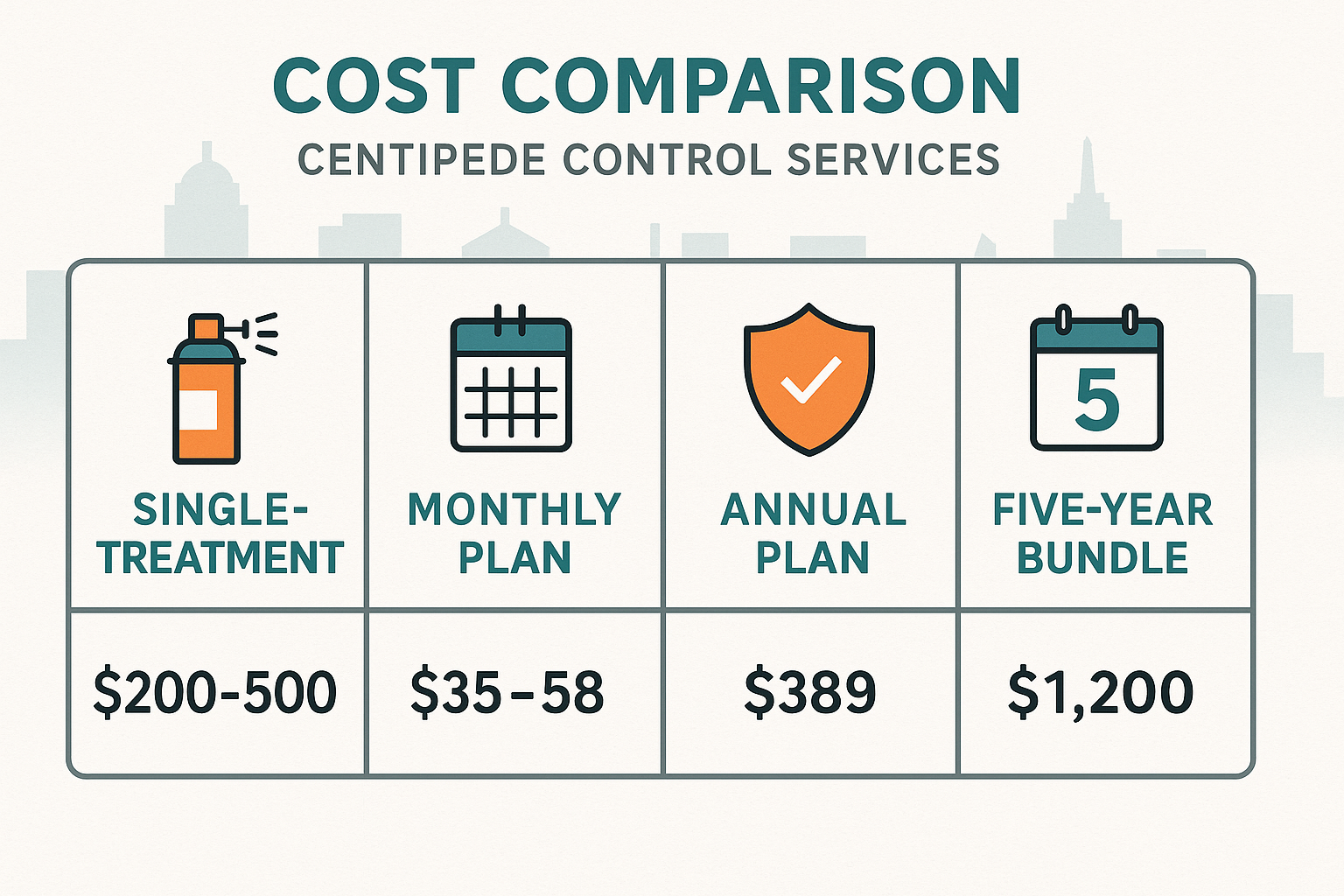
When you call a pest‑control pro, the first question is usually “how much will this set me back?” At Anthem Pest Control we keep pricing transparent so you can plan your budget with confidence. Below is a quick guide to the four service tiers we offer for centipede control in Marietta, Georgia, and what you actually get for each price point.
Service Tier Breakdown
- Single‑Treatment – One‑time application, ideal for a small, isolated outbreak. Includes a thorough inspection, a single treatment, and a 30‑day guarantee.
- Monthly Plan – Four visits per year (one per season). Each visit covers treatment, monitoring, and a 60‑day guarantee after every service.
- Annual Plan – Twelve visits spread across the year (monthly). You receive continuous treatment, quarterly inspections, and an extended 90‑day guarantee on each visit.
- Five‑Year Bundle – 60 visits over five years, locked‑in pricing. This bundle combines all the benefits of the Annual Plan plus a “no‑surprise” price freeze, priority scheduling, and a lifetime pest‑free guarantee for centipedes.
What Each Tier Includes
Beyond the number of visits, each tier adds layers of protection:
- Number of Visits: From a single touch‑up to monthly touchpoints that keep centipedes from re‑establishing.
- Monitoring: Ongoing visual checks and bait station inspections to catch early signs before they become a problem.
- Guarantee Periods: Longer guarantees mean we’ll return at no extra charge if centipedes reappear within the specified window.
- Documentation: Detailed service reports after each visit, so you know exactly what was done and where.
Factors That Influence the Price
While the tier structure sets a baseline, a few variables can shift the final cost:
- Property Size: Larger homes or extensive landscaping require more product and labor.
- Infestation Severity: Heavy infestations may need additional treatments or stronger formulations.
- Treatment Type: Traditional spray, low‑odor foggers, or eco‑friendly baits each carry different material costs.
- Access Challenges: Hard‑to‑reach crawl spaces or multi‑level decks add time to the job.
Why Bundled Plans Offer Better Value
Choosing a bundled plan isn’t just about spreading payments—it’s about long‑term protection. A one‑time fix can leave hidden centipedes in wall voids, leading to repeat calls and extra fees. Bundles lock in a lower per‑visit rate, reduce the need for emergency visits, and often include premium services (like soil treatment) at no additional charge. Over five years, the bundle can save a homeowner up to 30 % compared with repeatedly purchasing single‑treatments.
Tips for Getting the Best Quote
- Ask for a detailed written estimate that breaks down labor, products, and guarantees.
- Inquire about any seasonal discounts or promotional codes.
- Verify whether the quote includes follow‑up monitoring visits.
- Request references from neighbors who have used the same provider.
Key Questions to Ask Your Pest‑Control Provider
- What specific products will you use, and are they safe for pets and children?
- How many visits are required for a complete eradication based on my home’s size?
- What is the length of the guarantee, and what does it cover?
- Do you offer a price‑lock guarantee for multi‑year plans?
- Are there any additional fees for access issues or after‑hours service?
Armed with this information, you can compare quotes confidently, choose the tier that matches your budget, and enjoy a centipede‑free home year after year.
Take the Next Step to Stop Centipedes Today
By now you should be able to recognize the most common centipede clues—swift, many‑legged runners hiding in damp basements, bathrooms, or under porch lights. You also know that the peak activity window in Marietta runs from late spring through early fall, when humidity and temperature create the perfect breeding ground. Remember that while centipedes rarely bite humans, their presence can signal excess moisture and may trigger allergic reactions for sensitive family members. We’ve walked you through the safest, most effective treatment options—from targeted baits and residual sprays to environmentally‑friendly barrier applications—and explained how transparent pricing lets you compare costs without hidden fees.
Why Choose Anthem Pest Control?
Anthem Pest Control brings a blend of scientific rigor and local know‑how to every job in Georgia. Our certified technicians are trained to assess the unique conditions of your home, apply treatments that target centipedes while protecting pets and children, and follow up with a clear, itemized quote. We use EPA‑approved products that work quickly and stay effective, and we back every service with a guarantee of satisfaction. Because we operate on a transparent pricing model, you’ll never be surprised by extra charges—just a straightforward rate that reflects the scope of work and the season.
Ready for a Free, No‑Obligation Inspection?
Taking the next step is simple. Give our friendly team a call at 877‑371‑8196 and schedule a complimentary inspection. One of our specialists will visit your property, confirm the centipede activity, and provide a customized action plan—all at no cost to you. When you’re ready, you can also request a free, detailed quote through our website. Just click the link below, fill out the short form, and we’ll get back to you within 24 hours.