Why House Flies Are a Growing Concern in Marietta
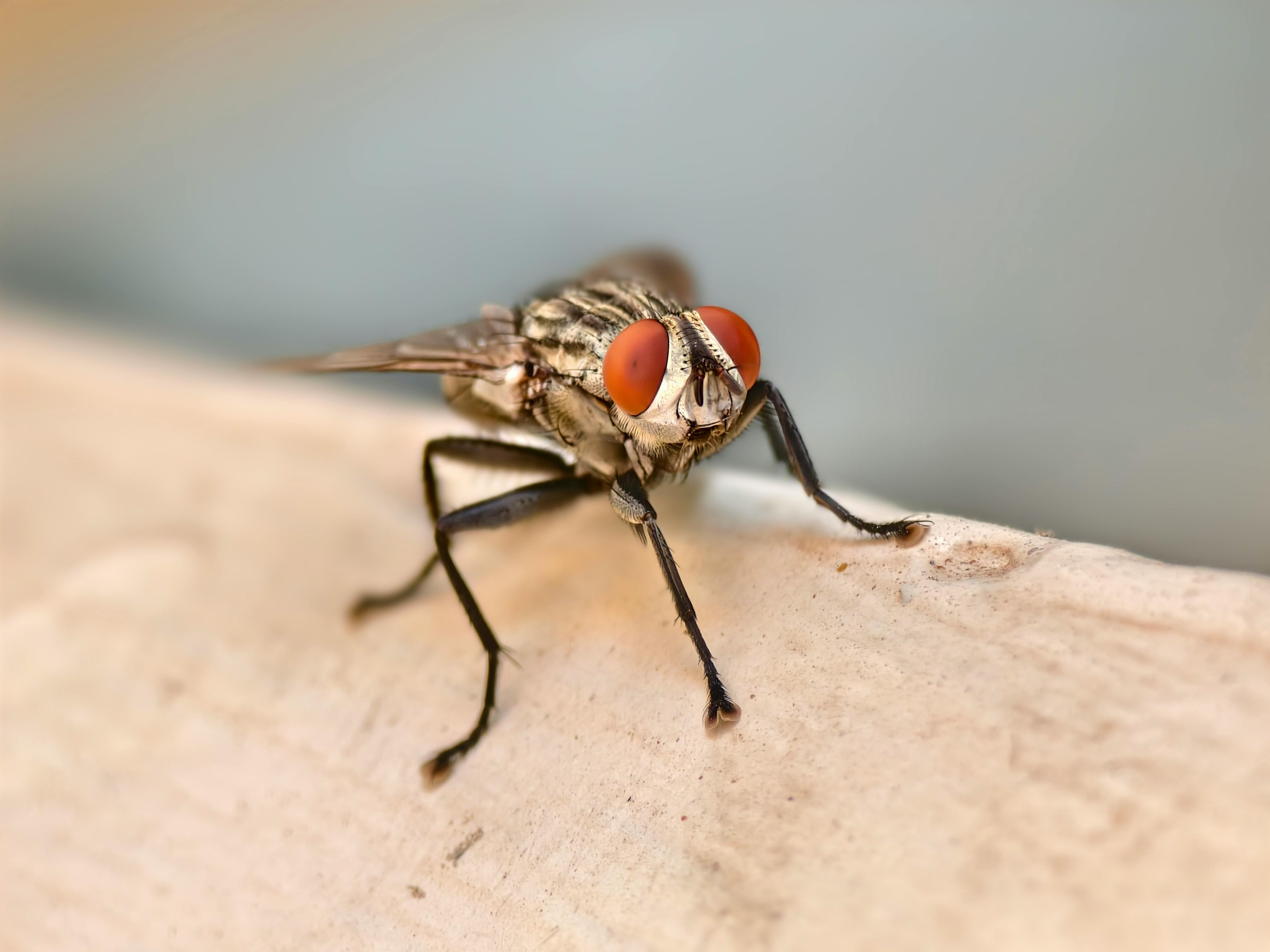
House flies (Musca domestica) may seem harmless at first glance, but their biology makes them perfect opportunists in suburban neighborhoods like Marietta. A single female can lay up to 500 eggs in just a few days, and those eggs hatch into larvae that thrive on organic waste—think kitchen scraps, pet waste, and decaying plant matter. Because they develop quickly and reproduce in large numbers, even a modest increase in food sources can turn a quiet yard into a buzzing fly hotspot.
Marietta’s climate is a prime catalyst for fly proliferation. Warm summers regularly push daytime highs above 85°F (29°C), while the region’s humidity levels hover around 70% during peak months. These conditions accelerate the fly life cycle, shortening the time from egg to adult to as little as seven days. Moreover, the city’s abundant green spaces and well‑kept lawns provide ideal resting spots, while frequent summer gatherings create extra food and waste that flies love to exploit.
Beyond the annoyance of constant buzzing, house flies pose genuine health risks. They are mechanical vectors for more than 100 pathogens, including Salmonella, E. coli, and Shigella. When a fly lands on a garbage can, then on a countertop or a child’s snack, it can transfer bacteria in a split second. The resulting food contamination can lead to gastrointestinal illnesses that are especially concerning for young children, seniors, and anyone with a weakened immune system. Add to that the foul odors that accumulate when flies congregate near trash or pet areas, and you have a recipe for a less comfortable home environment.
Homeowners don’t have to wait for an infestation to become obvious. Early warning signs often appear well before flies become a full‑blown nuisance:
- Increased activity near entryways: Flies are attracted to light, so a sudden surge of flies hovering around doors and windows is a red flag.
- Clusters around garbage bins or compost piles: If you notice flies constantly circling your trash cans, it indicates that organic waste is providing a breeding ground.
- Presence around pet feeding stations: Pet food left out can quickly become a fly magnet, especially in humid weather.
- Unusual buzzing in indoor kitchens: Flies that manage to slip inside often gather near food prep surfaces, signaling that they’ve found an easy food source.
These signs are tightly linked to seasonal patterns. Fly numbers typically surge in late spring, peak in midsummer, and taper off as cooler fall temperatures set in. However, Marietta’s mild autumns can extend the breeding season, meaning that timely intervention—ideally before the first wave of eggs hatch—can prevent a summer spike from turning into a year‑round problem. Acting early not only reduces the immediate nuisance but also cuts down on the risk of disease transmission and the long‑term costs of more aggressive control measures.
Spotting a Fly Infestation – Inspection Tips for Homeowners

Step‑by‑step exterior walk‑through
Start at the front door and walk clockwise around the house. Look for any gaps around doors, windows, and utility openings that are wider than a quarter‑inch. Pay special attention to screens that are torn or missing. Check the roof eaves, soffits, and any vent caps for debris or moisture – flies love damp, sheltered spots for laying eggs. While you’re outside, glance at the trash cans, compost bins, and any outdoor pet feeding stations. A pile of rotting organic matter is a red flag.
Step‑by‑step interior walk‑through
Inside, begin in the kitchen where food residues are most common. Open cabinets, pull out pantry shelves, and inspect the underside of countertops for crumbs or spilled liquids. Move to the dining area, then the living room, and finally the bedrooms. In each room, watch for flies landing on walls, lights, or windows. Use a timer: count how many flies you see in a one‑minute span. If the number feels excessive, note the exact locations.
High‑risk zones to scrutinize
- Entry doors and windows – cracked seals or worn weather‑stripping invite flies.
- Vents and exhaust fans – especially in the kitchen and bathroom.
- Garbage areas – outdoor bins without lids or indoor trash cans left open.
- Pet feeding stations – leftover food or water bowls can become breeding grounds.
- Indoor plants – moist soil and decaying leaf litter are perfect for larvae.
Normal fly activity vs. a breeding problem
A few flies buzzing around on a hot day is normal; they’re simply attracted to light and scent. A breeding problem shows up in three tell‑tale ways:
- Larvae or maggots – tiny, white, wriggling bodies in garbage, drains, or soil.
- Foul, decaying odors – a sour smell near trash, pet waste, or rotting fruit.
- Fly clusters – groups of more than five flies congregating on a single surface for extended periods.
If you spot any of these signs, the infestation is likely beyond casual control.
When to call a pest‑control technician
Professional help is warranted when one or more of the following thresholds are met:
- More than 20 flies per hour inside the home, even after basic cleaning.
- Visible breeding sites such as maggot‑filled trash, damp soil with larvae, or clogged drains teeming with flies.
- Persistent fly clusters near doors, windows, or food prep areas despite eliminating obvious attractants.
These indicators suggest an established population that requires targeted treatment and ongoing prevention.
Documenting what you find
Before you dial Anthem Pest Control, take a few minutes to record your observations. Snap clear photos of problem areas—open doors, trash cans, any larvae you locate, and the interior spots where flies gather. Jot down the time of day you noticed the most activity and any recent changes (new pets, recent landscaping, or construction). This documentation speeds up the technician’s assessment, helps them pinpoint breeding hotspots, and ensures you receive a precise, transparent quote.
Seasonal Fly Activity in Marietta and Optimal Treatment Timing
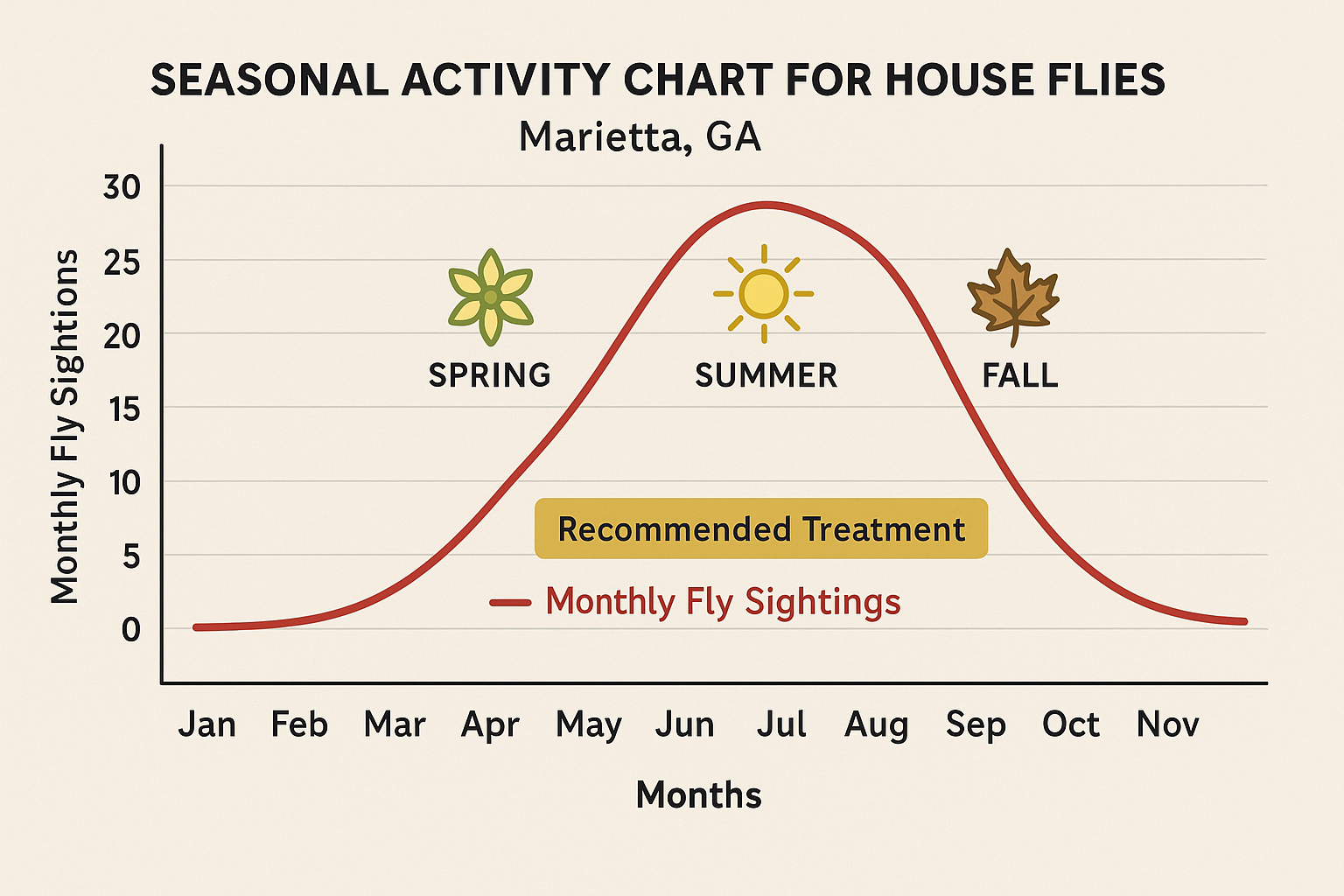
When you glance at the seasonal activity chart above, a clear pattern emerges: house fly sightings in Marietta begin to climb in March, surge dramatically through May and June, and then taper off after September. On average, the city records roughly 120 sightings per month during the peak summer window, compared to under 30 sightings in the cooler months of December through February.
Why Spring and Early Summer Spark the Sharpest Rise
House flies (Musca domestica) are opportunistic breeders. As temperatures rise above 65 °F, female flies lay up to 150 eggs in a single day, preferring moist, nutrient‑rich sites such as animal waste, rotting organic matter, and uncovered trash. In Marietta, the combination of blooming gardens, outdoor barbecues, and increased pet activity creates a buffet of breeding sites. By late April, the larvae hatch, mature, and emerge as adults within a week, causing the exponential spike you see in May.
Additionally, human behavior amplifies the problem. Longer daylight hours encourage more outdoor gatherings, which often leave food residues and sugary drinks that attract adult flies. This feedback loop—more flies, more food sources, more flies—drives the rapid escalation during spring and early summer.
Recommended Treatment Windows
- Late March (pre‑emptive spray): Target adult flies before they begin laying eggs. A perimeter treatment around doors, windows, and outdoor entertaining areas creates a protective barrier.
- May (follow‑up application): As larvae emerge, a second round of residual insecticide inside garages, pet shelters, and trash enclosures helps break the breeding cycle.
- Quarterly checks (June – September): Conduct inspections and spot‑treat high‑risk zones every 6–8 weeks to stay ahead of any resurgence.
When Weather Throws a Curveball
Unusually warm winters—think daytime highs in the mid‑50s °F in January—can accelerate fly development months earlier than usual. In such years, you may notice the first uptick in sightings as early as February. If local forecasts predict an extended warm spell, shift your pre‑emptive spray forward by two to three weeks to keep the flies from gaining a foothold.
Homeowner Tips for Reducing Attractants During Peak Months
- Secure all trash cans with tight‑fitting lids and empty them nightly.
- Rinse pet food bowls after each meal and store dry food in sealed containers.
- Maintain clean pet areas: regularly wash bedding, vacuum fur, and clean litter boxes.
- Install or repair screen doors and windows to block entry points.
- Remove standing water from bird baths, plant saucers, and clogged gutters.
By aligning your preventive measures with Marietta’s seasonal fly rhythm, you’ll cut down on nuisance flies, protect your family’s health, and avoid the surprise costs of emergency treatments later in the year. For a tailored plan that fits your home’s unique layout, give Anthem Pest Control a call at 877‑371‑8196 or visit anthempest.com.
House Fly Control Costs in Marietta – Pricing Comparison
What a typical house‑fly service looks like
Most pest‑control companies break a fly‑control program into three clear steps. The initial visit includes a thorough inspection, identification of breeding sites, and a first round of treatment. A follow‑up visit, usually scheduled one to two weeks later, ensures that any missed eggs or larvae are taken care of and that the treatment is holding. Finally, many homeowners opt for a quarterly maintenance plan, which spreads preventive applications over the year to keep flies from returning during the warm months.
These three components are the baseline you’ll see on any price sheet, but the exact cost can shift dramatically based on the provider, property size, and severity of the infestation.
Pricing infographic
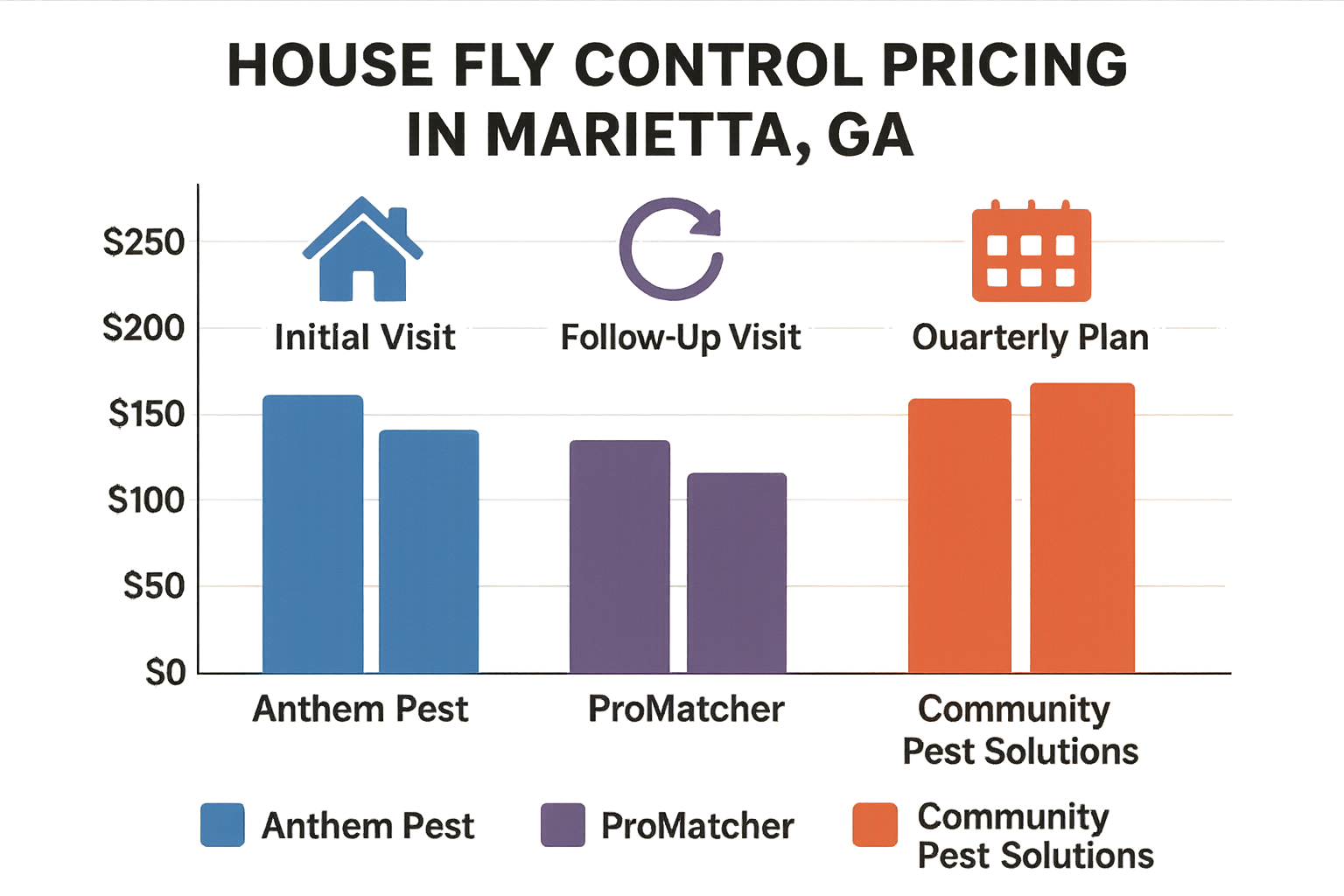
The infographic above lines up the three service tiers—initial visit, follow‑up, and quarterly plan—for three local operators. Here’s a quick read‑out of each column:
- Initial visit cost: The amount you pay for the first on‑site inspection and treatment.
- Follow‑up cost: The fee for the second appointment, which typically includes a re‑treatment if needed.
- Quarterly plan cost: The bundled price for four preventive visits spread across the year.
Side‑by‑side price table
| Company | Initial Visit | Follow‑up Visit | Quarterly Plan |
|---|---|---|---|
| Anthem Pest | $119 | $79 | $269 |
| ProMatcher | $135 | $89 | $295 |
| Community Pest Solutions | $149 | $95 | $320 |
Why Anthem Pest stands out
Comprehensive treatment is the hallmark of Anthem’s approach. Our technicians don’t just spray the interior; they seal entry points, treat outdoor breeding zones, and provide a detailed sanitation checklist for the homeowner. If flies persist after the follow‑up, we offer a guarantee that includes an extra visit at no charge.
Safety matters, too. All products are EPA‑registered and applied at concentrations that protect children, pets, and the environment. Because Anthem has been serving the Marietta area for years, our crews know the local climate patterns that drive fly activity, allowing us to time treatments for maximum impact.
Factors that can shift the price
While the table gives a clean baseline, real‑world quotes often vary based on three key variables:
- Property size: Larger homes or multi‑unit buildings require more product and more labor, raising both the initial and quarterly costs.
- Infestation severity: A light, occasional fly problem may be solved with a single treatment, whereas a heavy, year‑round infestation could need additional follow‑ups or stronger formulations.
- Additional services: Many homeowners pair fly control with sanitation services—trash‑bin cleaning, gutter maintenance, or animal‑deterrent installations. Each add‑on adds a modest fee but can dramatically improve long‑term results.
When you request a quote, ask the technician to break down these factors. Transparent pricing means you’ll see exactly what you’re paying for, not a vague “flat rate.”
Source of pricing data
The numbers in the infographic and table are drawn from publicly available estimates on the Anthem Pest website for the neighboring Roswell market, which closely mirrors Marietta’s cost structure. For full details, see the original source: Anthem Pest House Fly Control Cost – Roswell, GA.
Take Action Today – Protect Your Home with Anthem Pest Control
House flies may seem harmless, but in Marietta they bring more than annoyance. They can spread bacteria from waste to food, trigger allergic reactions, and make indoor gatherings uncomfortable. When flies multiply, they signal a breakdown in sanitation or an entry point that could invite other pests.
Because flies are most active from late spring through early fall, the ideal window for treatment is before the first warm days of May and again in late August, before the seasonal surge. A quick visual inspection—checking screens, door seals, and outdoor trash areas—can reveal gaps that let flies slip inside.
Anthem Pest Control stands out with transparent, flat‑rate pricing that covers inspection, a customized treatment plan, and follow‑up visits. Homeowners can choose a one‑time “Fly‑Free Summer” package or enroll in a year‑round protection plan that adds guard against ants, mosquitoes, and rodents. All services use EPA‑approved products applied by certified technicians, so you know exactly what’s happening in your home and at what cost.
If you’ve spotted any of the warning signs—persistent buzzing near windows, fly larvae in garbage, or unexplained odors—our team is ready to step in. We’ll perform a thorough inspection, identify entry points, and apply a targeted treatment that keeps flies at bay without compromising family safety.
Give us a call at 877‑371‑8196 or visit anthempest.com for a free, no‑obligation quote. Our friendly specialists will walk you through the process, answer any questions, and schedule a service at a time that fits your busy life.
Don’t wait for the next fly invasion to overwhelm your kitchen or patio. Acting now protects your health, preserves your home’s comfort, and saves you money on future emergency treatments. Reach out today—let Anthem Pest Control give you the peace of mind that comes with a fly‑free home.
Here are three quick steps you can take right now to reduce fly activity while you wait for a professional visit:
- Seal entry points: Inspect window screens, door sweeps, and any cracks in the exterior siding; repair or replace them to block flies from slipping inside.
- Manage attractants: Keep outdoor trash cans tightly covered, clean up food spills promptly, and store pet waste in sealed containers.
- Eliminate breeding sites: Remove standing water from birdbaths, plant saucers, and clogged gutters, as flies often lay eggs in moist environments.