Why Kennesaw Homeowners Need to Worry About Termites
When you buy a home in Kennesaw, the biggest hidden expense isn’t the mortgage—it’s the damage termites can silently inflict. Georgia’s warm, humid climate creates an ideal playground for two of the most destructive species in the United States: subterranean termites and drywood termites. Subterranean termites live underground and travel through soil‑moisture tunnels to reach the wooden structures above, while drywood termites live directly inside the wood they consume, needing no soil contact. Both can chew through structural members, flooring, and even furniture, often leaving a property owner with costly repairs that could have been avoided.
How Much Damage Are We Talking About?
Nationwide, termite damage exceeds $5 billion each year, according to the National Pest Management Association. In Georgia, the average homeowner faces an estimated $2,500–$3,000 in repair costs after a single infestation is discovered. For Kennesaw residents, the risk is even higher because many neighborhoods feature older homes with wood framing and generous mulch beds—both attractive to termites. A single colony can destroy up to 1,000 square feet of wood in just a few years, turning a modest repair bill into a full‑scale renovation project.
Spotting the Early Warning Signs
Termites are masters of stealth, but they do leave clues. Homeowners should keep an eye out for these tell‑tale signs:
- Mud tubes – slender, pencil‑diameter tunnels made of soil and saliva that lead from the ground to the wood.
- Wood damage – hollowed or “tunneling” sound when tapping wood, or small, blister‑like patches on surfaces.
- Winged swarmers – the short‑lived reproductive termites that appear in large numbers during the spring and early summer.
- Discarded wings – thin, translucent wings left behind near windows, doors, or light fixtures.
Finding any of these indicators warrants an immediate professional inspection. Ignoring them can let a colony grow unchecked, dramatically increasing repair costs and the time needed for eradication.
Why Georgia’s Climate Fuels the Problem
Kennesaw experiences a humid subtropical climate: hot summers, mild winters, and ample rainfall throughout the year. These conditions keep soil moisture levels high, which is essential for subterranean termites that require a damp environment to survive. Even during cooler months, the ground remains warm enough for colonies to stay active, meaning the threat is essentially year‑round. Drywood termites, on the other hand, thrive in the warm, dry interiors of homes, especially when wood is left untreated or exposed to moisture fluctuations.
Local Building Practices That Invite Termites
Many Kennesaw homes are built with traditional wood framing, a material termites love to eat. Add to that the common landscaping choice of wood mulch—often piled against foundations for aesthetic appeal—and you have a perfect feeding ground. Mulch retains moisture, creating a bridge between the soil and the house’s wooden components. Moreover, older homes may have cracks in the foundation or gaps around utility penetrations, providing easy entry points for subterranean colonies.
Understanding these local factors helps homeowners see why termite vigilance isn’t optional—it’s a necessary part of protecting one’s biggest investment. By recognizing the species present, the financial stakes, the visual clues of infestation, and the climate and construction elements that favor termites, Kennesaw residents can take proactive steps before a minor problem becomes a major expense.
How a Professional Termite Inspection Works in Kennesaw
Scheduling the Appointment
When you call Anthem Pest Control, the first step is setting a convenient time for the inspection. The scheduler will ask for basic details such as the home’s construction year, any prior termite treatments, and recent landscaping changes that could affect moisture levels. This information helps the inspector tailor the visit, ensuring no hidden entry points are missed and that the inspection aligns with the property’s unique history.
Exterior Walk‑Around
Upon arrival, the technician conducts a systematic visual sweep of the foundation, crawl spaces, and grading around the house. They look for mud tubes, damaged wood, and signs of water pooling that attract termites. Proper grading directs water away from the structure, so any low spots are noted for correction. This exterior assessment sets the stage for a deeper interior evaluation.
Interior Assessment
Inside the home, the inspector probes wooden framing, baseboards, and window sills with a calibrated steel probe. Any soft spots or hollow sounds indicate potential termite activity. Moisture meters are run across suspect areas because high wood moisture is a red flag for colonies. The technician also checks under sinks, behind appliances, and in attic joists—common hideouts that homeowners often overlook.
Specialized Tools
Beyond the basics, Anthem’s technicians bring advanced equipment to catch hidden infestations:
- Infrared cameras: Reveal temperature differences in walls that suggest termite tunnels.
- Acoustic emission devices: Listen for the faint ticking sounds termites make as they chew through wood.
- Termite detection dogs (optional): Trained canines can sniff out active colonies even deep within structures.
Reporting Format
After the walk‑through, the inspector compiles a detailed report. It includes a clear risk rating—low, moderate, or high—based on the extent of damage and environmental conditions. Photographs of key findings are embedded, and each recommendation is broken down into immediate actions (e.g., moisture remediation) and longer‑term treatment options. This transparent format lets homeowners see exactly what’s at stake and how Anthem plans to protect the property.
Importance of Documenting Findings
Having a professional inspection on record is valuable for two reasons. First, insurance companies often require documented evidence of pest activity before approving a claim for damage repair. Second, when it comes time to sell, a clean inspection report can boost resale value and speed up negotiations, as buyers trust a home with a verified pest‑free history. Keeping the report in a safe place ensures you’re prepared for both scenarios.
Treatment Options and How They Differ
When it comes to safeguarding a Kennesaw home from termites, there isn’t a one‑size‑fits‑all solution. The most effective strategy often blends several methods, each designed to target a specific stage of a colony’s life cycle. Below, we break down the four primary approaches—plus supplemental tools—so you can weigh benefits, understand drawbacks, and decide what fits your budget and timeline.

Barrier (Soil) Treatments
Barrier, or soil, treatments involve a professional applying a liquid termiticide in a continuous trench around the home’s foundation. The chemical forms an invisible shield that termites must cross to reach the structure, disrupting their foraging paths and killing any intruders that attempt to breach it. This method is prized for its long‑lasting protection—most products remain effective for 5‑10 years when applied correctly.
Drawbacks include the need for excavation, which can be messy and may require temporary landscape restoration. Additionally, if the soil chemistry changes (e.g., heavy rainfall or landscaping work), the barrier can degrade, necessitating re‑application sooner than the advertised lifespan.
Baiting Systems
Bait stations are discreet boxes placed at strategic points around the property, each filled with cellulose material laced with a slow‑acting insect growth regulator. Termites collect the bait and share it with the colony, eventually collapsing the queen’s reproductive capacity. Monitoring visits every 3‑6 months let technicians adjust bait placement and track progress.
The primary advantage is minimal disruption to the yard—no trenches, no chemicals sprayed directly on soil. However, baiting can take several months to achieve full colony elimination, especially in large or hidden infestations. Success hinges on diligent monitoring, which is why a professional service is recommended over a DIY approach.
DIY Kits
Do‑it‑yourself termite kits typically include a spray or foam concentrate, a handheld applicator, and basic instructions for treating cracks, gaps, and exposed wood. They can be tempting for budget‑conscious homeowners facing a minor, localized problem.
While kits may temporarily suppress activity, they rarely provide the comprehensive protection a licensed termiticide offers. DIY products often lack the residual power to create a lasting barrier, and improper application can leave gaps that termites exploit. For anything beyond a superficial sighting, professional oversight is essential to avoid costly re‑infestations.
Fumigation and Tenting
Fumigation—commonly known as tenting—is reserved for severe dry‑wood infestations where termites have colonized structural members, furniture, or even entire buildings. A sealed tent encloses the home, and a gas (usually sulfuryl fluoride) penetrates every void, eradicating the colony in a single, controlled exposure.
Safety is paramount: the home must be vacated for 24‑48 hours, and all pets, plants, and food items are removed or sealed. The process is costly and invasive, but it offers a definitive solution when other methods would be ineffective. After fumigation, a post‑treatment barrier is typically applied to prevent re‑infestation.
Supplemental Methods: Smoke Machines and Others
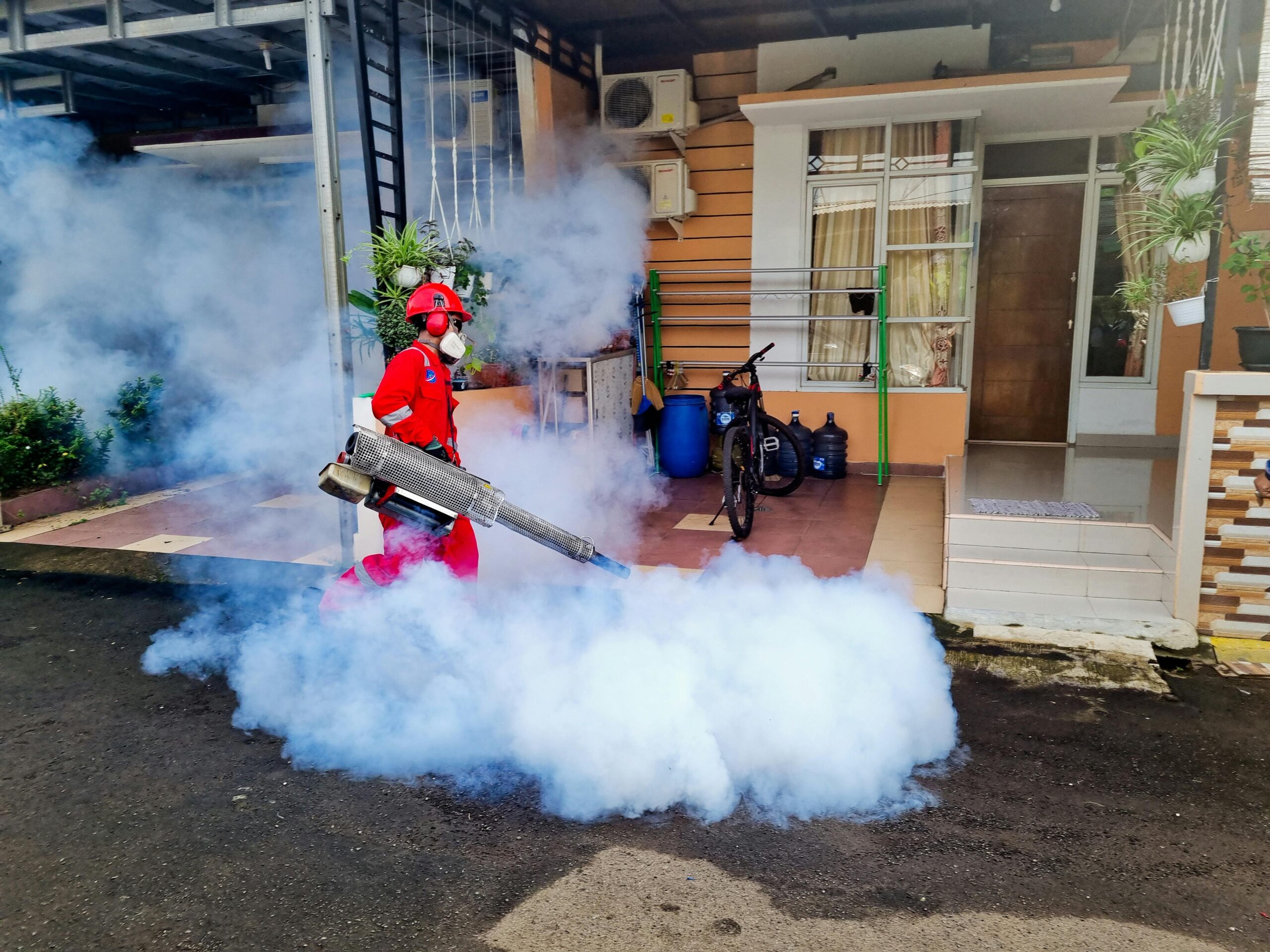
Smoke machines generate a dense, non‑toxic vapor that can temporarily drive termites out of concealed galleries, making them easier to locate during inspections. While not a stand‑alone treatment, smoke can complement baiting or barrier applications by exposing hidden activity.
Other supplemental tools include wood‑boring insect detectors, moisture meters, and protective sealants. These aid in early detection and help maintain the integrity of existing barriers, but they should always be paired with a primary control method for lasting results.
Re‑treatment Frequency & Warranty Considerations
Most professional barrier treatments carry a 5‑year warranty, provided the homeowner follows maintenance guidelines (e.g., no major landscaping changes that disturb the treated zone). Baiting systems usually require annual inspections, with bait replacement as needed; many companies offer a 3‑year guarantee on colony elimination.
Fumigation warranties are typically shorter—often 1‑2 years—because the treatment eradicates the existing colony but does not prevent new colonies from establishing. DIY kits rarely come with warranties beyond the product’s shelf life. When evaluating quotes, ask for a clear breakdown of re‑treatment schedules and what the warranty actually covers; transparent terms are a hallmark of trustworthy pest‑control providers like Anthem Pest Control.
Cost Comparison of Termite Treatments in Kennesaw
Average Market Prices in Kennesaw
Based on the latest market data from Got‑Bugs, homeowners in Kennesaw typically spend between $800 and $1,800 for a full‑service termite control program. Prices fluctuate depending on the size of the property, the severity of the infestation, and the specific treatment method chosen. Understanding these ranges helps you set a realistic budget before you call a professional.
Barrier Treatment
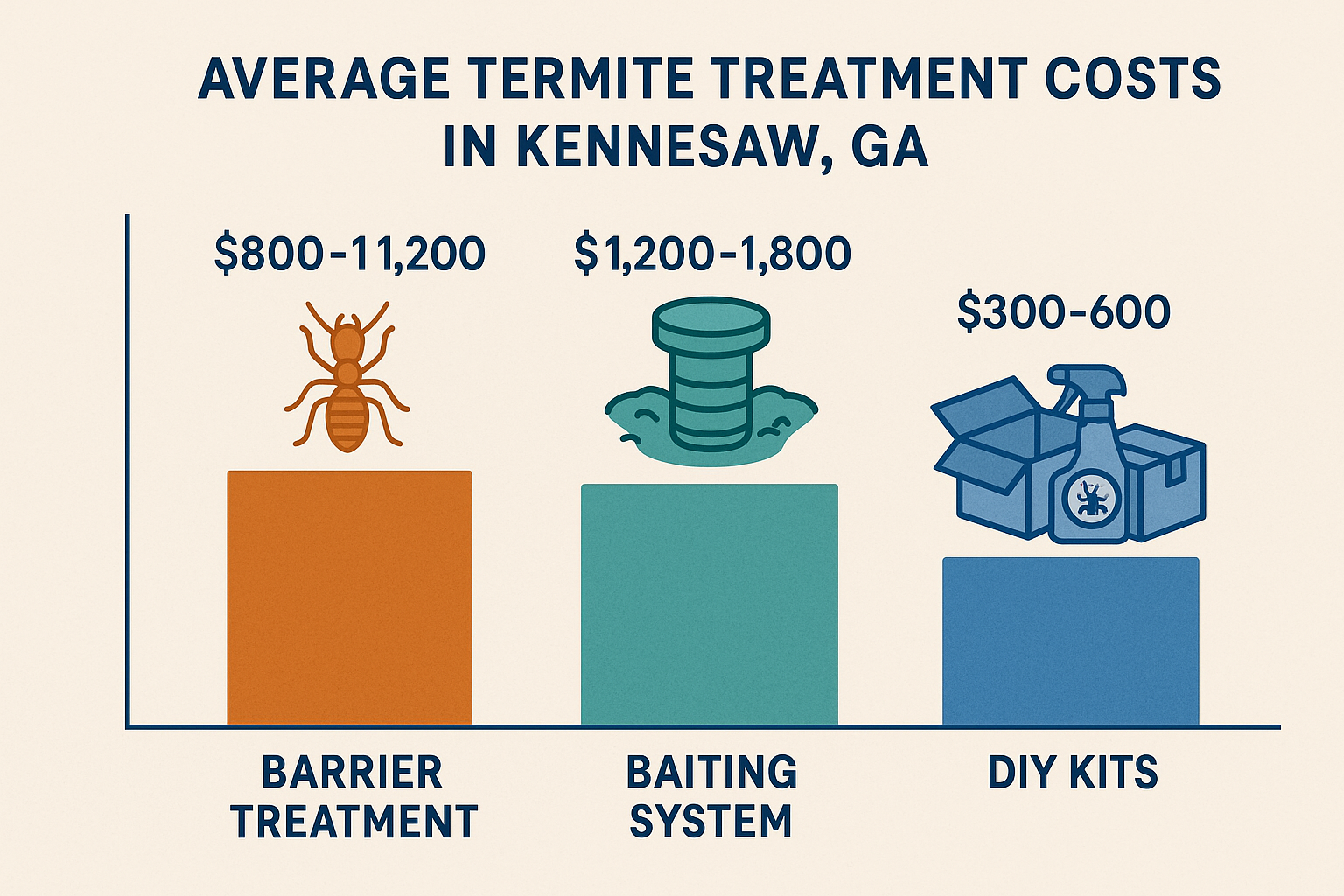
A barrier treatment creates a protective chemical wall around the foundation, preventing termites from entering the structure. In Kennesaw, the average cost falls between $800 and $1,200. This fee usually includes:
- Pre‑treatment inspection and preparation of the site.
- Application of a liquid termiticide to soil and crawl spaces.
- A one‑year warranty that covers re‑treatment if termites are detected.
Because the chemicals are applied by trained technicians, the barrier method offers immediate, long‑lasting protection with minimal homeowner effort.
Baiting System
Bait stations are installed around the perimeter of the home and monitored regularly. The total investment for a complete baiting system in Kennesaw ranges from $1,200 to $1,800. This price covers:
- Initial installation of multiple bait stations.
- Monthly or quarterly monitoring visits by a pest‑control professional.
- Replacement of bait as needed and a multi‑year guarantee of termite suppression.
While the upfront cost is higher than a barrier treatment, the ongoing monitoring helps catch new colonies before they cause structural damage.
DIY Termite Control Kits
Do‑it‑yourself kits are the most budget‑friendly option, typically priced between $300 and $600. Kits usually contain:
- Termiticides in granular or liquid form.
- Application tools such as spreaders or sprayers.
- Basic instructions for treating soil and wood.
However, hidden expenses can quickly add up. Homeowners often need to hire a professional for a follow‑up inspection, purchase additional safety gear, or replace equipment that wears out after a few uses. Those extra costs can erode the initial savings.
Additional Fees You Might Encounter
- Inspection charge: $75‑$150, usually credited toward the treatment if you proceed.
- Travel surcharge: $20‑$50 for properties located outside the technician’s typical service area.
- Preventive add‑ons: Moisture barriers, wood‑treating sprays, or termite‑resistant landscaping can add $100‑$300.
Cost‑Benefit Analysis: Professional vs. DIY
Professional treatments—whether barrier or baiting—may appear pricey at first glance, but they often save money in the long run. A well‑executed barrier can prevent costly structural repairs that average $3,000‑$7,000 per incident. Baiting systems, with their continuous monitoring, reduce the likelihood of a repeat infestation, saving you repeated DIY purchases and the time spent troubleshooting.
Conversely, DIY kits can be tempting for a tight budget, yet repeated applications are common when termites re‑establish themselves. Over a five‑year span, the cumulative cost of buying new kits, hiring occasional inspectors, and repairing damage can easily surpass the $1,200‑$1,800 price tag of a professional solution.
In short, if you value peace of mind and want to protect the structural integrity of your home, investing in a professional service is usually the smarter financial decision.
Seasonal Timing for the Most Effective Termite Control
Georgia’s warm, humid climate gives termites a long window to feed, reproduce, and spread. Understanding when the insects are most active lets you schedule inspections and treatments when they’ll be most effective, saving you money and protecting your home before damage becomes visible.
Georgia’s Termite Activity Calendar
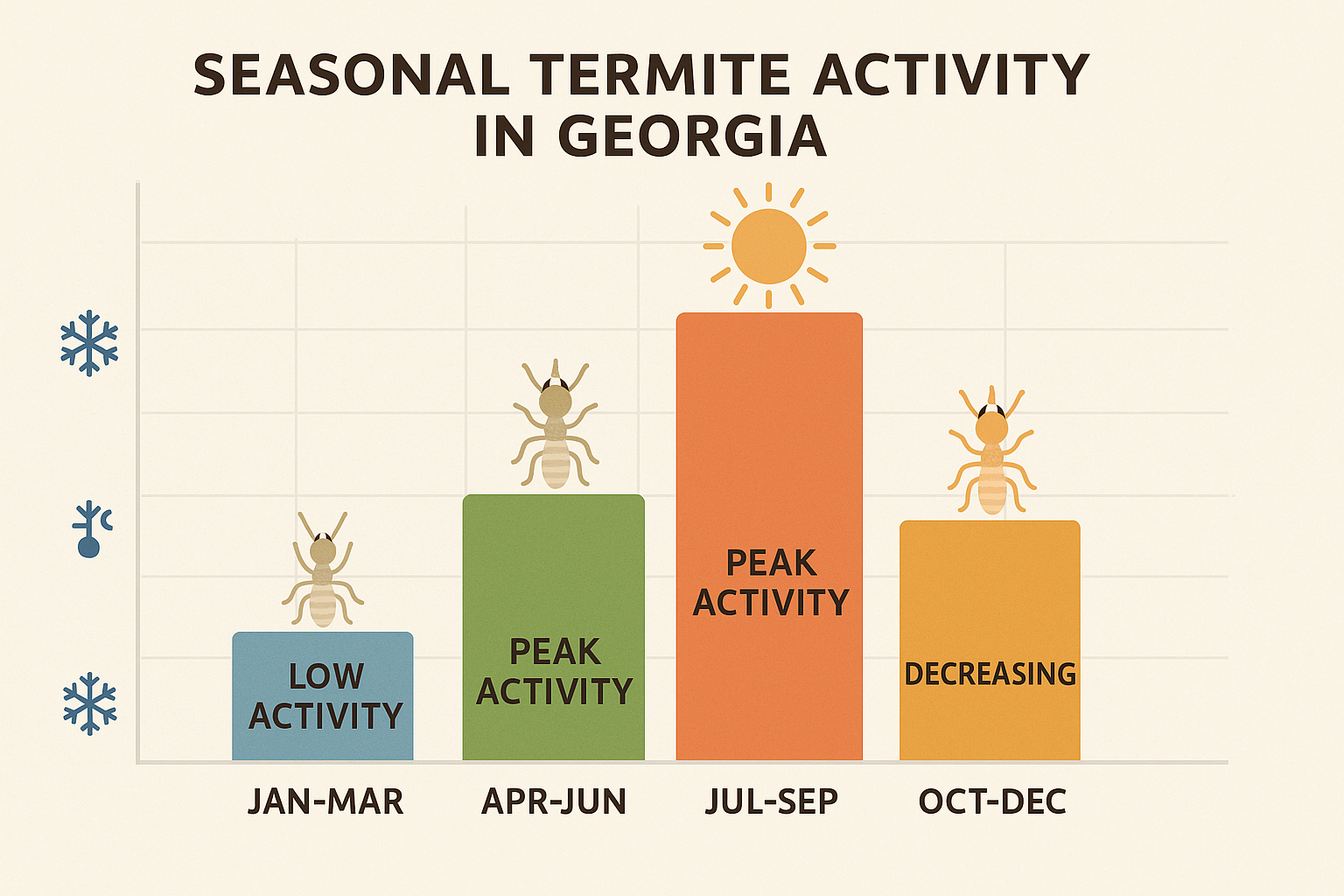
Termite colonies follow a predictable rhythm in the Peach State:
- Low activity (January – March): Cool soils and limited moisture keep colonies dormant.
- Rising activity (April – June): Soil warms, rains replenish moisture, and workers begin foraging more aggressively.
- Peak activity (July – September): Consistently high temperatures and humidity drive the fastest colony growth.
- Decline (October – December): Cooler evenings and reduced rainfall slow foraging, but colonies remain viable.
Why Early Spring Is the Sweet Spot for Barrier Treatments
During April and May the soil in Kennesaw is moist from winter rains yet still warm enough for termiticides to flow freely. This combination allows a liquid barrier to penetrate deeper—often 12‑18 inches—creating a continuous shield around the foundation. Moist soil also helps the chemical bond with clay particles, extending its residual life well into the hot summer months.
Baiting Systems Shine During the Growing Season (Apr‑Jun)
As colonies expand in spring, workers venture farther from the nest to locate food sources. Placing bait stations at this time gives termites a higher chance of discovering and transporting the active ingredient back to the colony. The result is a “slow‑kill” effect that can collapse the entire infestation without the need for extensive soil treatments.
The Pitfalls of Waiting Until Peak Summer
By July, termite activity is at its zenith. Workers are deeper in the soil and inside structural wood, making them harder to reach. High temperatures can also accelerate the breakdown of some termiticides, reducing their residual effectiveness. Delaying treatment often means you’ll need a larger volume of product, multiple applications, or a more invasive approach—both of which raise costs.
Homeowner Action Plan
- Schedule an inspection in early spring (late March‑early April). A professional will locate any existing activity before colonies fully expand.
- Apply a barrier treatment before the summer heat arrives. This locks in protection when the soil is most receptive.
- Consider bait stations during April‑June. They work best while the colony is actively foraging.
- Plan a follow‑up in the fall (October‑November). A post‑summer check ensures the barrier remains intact and any new activity is caught early.
Weather’s Role in Termiticide Performance
Rainfall and temperature swings directly affect how well a termiticide works. Heavy rains shortly after a liquid barrier is applied can wash the product away if the soil isn’t saturated enough to hold it. Conversely, a dry spell can cause the chemical to crust on the surface, limiting penetration. Consistently warm nights (above 70°F) keep the soil moist longer, enhancing both barrier and bait effectiveness. For this reason, many homeowners pair a spring application with a light rain forecast to maximize absorption.
By aligning your termite control schedule with Georgia’s natural cycles, you give Anthem Pest Control the best possible conditions to protect your home—while keeping the overall cost down.
Protect Your Home Today with Anthem Pest Control
Why Termites Matter in Kennesaw
In Kennesaw’s humid climate, termites can chew through wood, drywall, and even concrete foundations within months. A small colony hidden behind a wall can weaken structural beams, leading to costly repairs that most homeowners only discover after visible damage appears. Early detection is the single most effective defense—spotting mud tubes, discarded wings, or subtle wood hollowing can stop an infestation before it spreads. Because the threat is constant, proactive monitoring is essential for protecting the safety and value of your home.
Anthem’s Expertise at Your Service
Anthem Pest Control deploys licensed technicians who specialize in Georgia’s termite species. Our teams arrive equipped with state‑of‑the‑art inspection tools, including moisture meters, infrared cameras, and acoustic emission devices that locate activity hidden deep inside walls or foundations. Once a problem is identified, we apply proven treatment methods tailored to your property: a comprehensive barrier treatment that creates an invisible shield around the structure, targeted baiting stations that eliminate the colony at its source, and, when needed, low‑odor smoke applications that penetrate hard‑to‑reach voids. This multi‑layered approach ensures long‑lasting protection while minimizing disruption to your daily life.
Transparent Pricing for Every Budget
We understand that cost is a major factor when choosing a pest‑control partner. That’s why Anthem offers clear, upfront pricing that aligns with the cost ranges discussed earlier in this guide. Whether you need a one‑time barrier treatment starting around $800, a seasonal baiting program ranging from $1,200 to $1,800, or a customized plan that blends multiple methods, we provide a detailed quote before any work begins. No hidden fees, no surprise add‑ons—just a straightforward estimate that lets you plan your finances with confidence.
Safe, Eco‑Friendly Solutions & Guarantees
Our commitment to safety extends to the products we use. Anthem selects EPA‑registered, low‑toxicity termiticides that protect your family, pets, and the surrounding environment. All applications are performed according to strict industry standards, and we offer a satisfaction guarantee that includes a follow‑up inspection to verify that the treatment remains effective. If termites reappear within the warranty period, we’ll re‑treat at no additional charge, giving you peace of mind that your investment is truly protected.
Take the First Step – Free Inspection
Ready to safeguard your home before the peak termite season arrives? Schedule a free, no‑obligation inspection with Anthem Pest Control today. Our friendly specialists will assess your property, discuss the most suitable treatment options, and provide a detailed, written quote tailored to your budget. Call us now at 877‑371‑8196 or visit Anthem Pest Control to book online. Acting early not only prevents damage but also locks in the best pricing for the year—so don’t wait until you see the first signs of damage. Protect your home, protect your peace of mind.