Spotting Cockroaches in Everyday Home Spaces
Even the most meticulous homeowner can miss the subtle signs of a cockroach invasion. By learning where these pests love to hide and what they leave behind, you can catch an infestation before it spreads to every corner of your Kennesaw home.
Why Cockroaches Love Your Home
Cockroaches are opportunistic survivors. They thrive on food crumbs, moisture, and shelter—resources that are abundant in residential settings. Warm temperatures accelerate their life cycle, while the darkness under cabinets or behind appliances offers a perfect refuge for nesting and breeding.
High‑Risk Areas to Inspect
While cockroaches can appear anywhere, certain rooms become hotspots:
- Kitchens – especially under sinks, behind stoves, and inside pantry shelves.
- Bathrooms – around drains, under tubs, and in tile grout.
- Basements – damp corners, utility closets, and laundry areas.
- Pantry shelves – where packaged foods sit undisturbed for weeks.
What a Modern White Kitchen Looks Like

In a sleek, white‑finished kitchen, the contrast can make cockroach activity harder to spot. Look closely under the glossy countertop edge, behind the refrigerator, and inside the narrow gaps of cabinet doors. These shadowy niches provide the cool, protected environment roaches crave.
Visual Cues That Say “Infestation”
Early detection hinges on recognizing four key signs:
- Live roaches – Small, fast‑moving insects, often seen at night near lights.
- Egg casings – Oval, brownish‑tan ovals about 0.5 cm long, usually tucked in cracks.
- Droppings – Tiny, pepper‑shaped specks resembling ground coffee, often found near food sources.
- Faint oily scent – A musty, oily odor that becomes noticeable in heavily infested areas.
Quick Visual Sweep Checklist
Grab a flashlight and run through this short checklist each month. If you spot any of the items below, it’s time to call a professional.
- Check under kitchen appliances, especially the refrigerator and stove.
- Inspect the backs of pantry shelves and the corners of cabinet interiors.
- Look for droppings near sinks, drains, and behind toilets.
- Search for egg casings in cracks around baseboards and wall joints.
- Smell for a faint, oily scent in dark, damp areas.
- Observe any live roaches during nighttime, particularly near lights.
Health Risks and Warning Signs of a Cockroach Problem
Allergens and Pathogens Carried by Common Species
Cockroaches are more than a nuisance; they are biological vectors. The German, American, and Oriental roaches that dominate Kennesaw homes each harbor a cocktail of allergens and disease‑causing microbes. Their bodies and feces contain proteins that trigger allergic reactions, while their saliva and shed skins can spread bacteria such as Salmonella, E. coli, and Staphylococcus aureus. These pathogens survive on kitchen surfaces, countertops, and even in pantry items, turning a simple sighting into a potential health hazard.
Symptoms Homeowners May Experience
When cockroach allergens infiltrate indoor air, sensitive individuals often notice a flare‑up of asthma symptoms—wheezing, shortness of breath, and persistent coughing—especially at night when roaches are most active. Skin irritation is another common complaint; bites or contact with droppings can cause itching, redness, and hives. Ingesting contaminated food may lead to food‑borne illnesses, presenting as nausea, vomiting, diarrhea, or abdominal cramps. These signs are frequently dismissed as unrelated, but a pattern of recurring episodes should raise suspicion of a hidden infestation.
Behavioral Warning Signs
Beyond health symptoms, cockroaches give clear behavioral clues that a population is taking root. Homeowners often report an increase in nocturnal sightings—tiny silhouettes scurrying across walls or ceilings after lights go out. Faster, more erratic movement indicates that the insects have become accustomed to human presence and are confident enough to explore larger territories. The presence of shed exoskeletons, or molted skins, is a tell‑tale sign of breeding; each molting cycle represents a new life stage, and a pile of skins signals a growing colony.
One‑Time Sightings vs. Established Colonies
A solitary cockroach in a rarely used basement may simply be a wanderer, especially if it disappears after a brief encounter. However, if sightings occur in multiple rooms, during different times of day, or are accompanied by the warning signs above, the odds point to an established colony. Look for clusters of droppings (tiny dark specks resembling coffee grounds), a faint oily odor, and damage to cardboard or paper products. When these indicators accumulate, the infestation is likely self‑sustaining and will continue to expand without professional intervention.
Why the Health Impact Matters
According to data compiled by HomeYou, households dealing with untreated cockroach problems can face not only escalating extermination costs but also increased medical expenses linked to asthma attacks and food‑borne illnesses. Early detection of the warning signs outlined above can dramatically reduce both the financial and health burdens, allowing homeowners to act before the pest population—and the associated risks—gets out of control.
Seasonal Cockroach Activity in Kennesaw, GA
Why temperature and humidity drive cockroach life cycles
In Kennesaw’s humid subtropical climate, cockroaches thrive when warmth and moisture combine. Temperatures above 70°F (21°C) accelerate egg development, while relative humidity above 60 % prevents desiccation, allowing nymphs to mature quickly. When the weather cools or dries out, metabolism slows, reproduction stalls, and many insects seek shelter in protected indoor spaces. Understanding this temperature‑humidity relationship lets homeowners anticipate when roaches are most likely to multiply and when they’re vulnerable to treatment.
Year‑round activity levels in Kennesaw
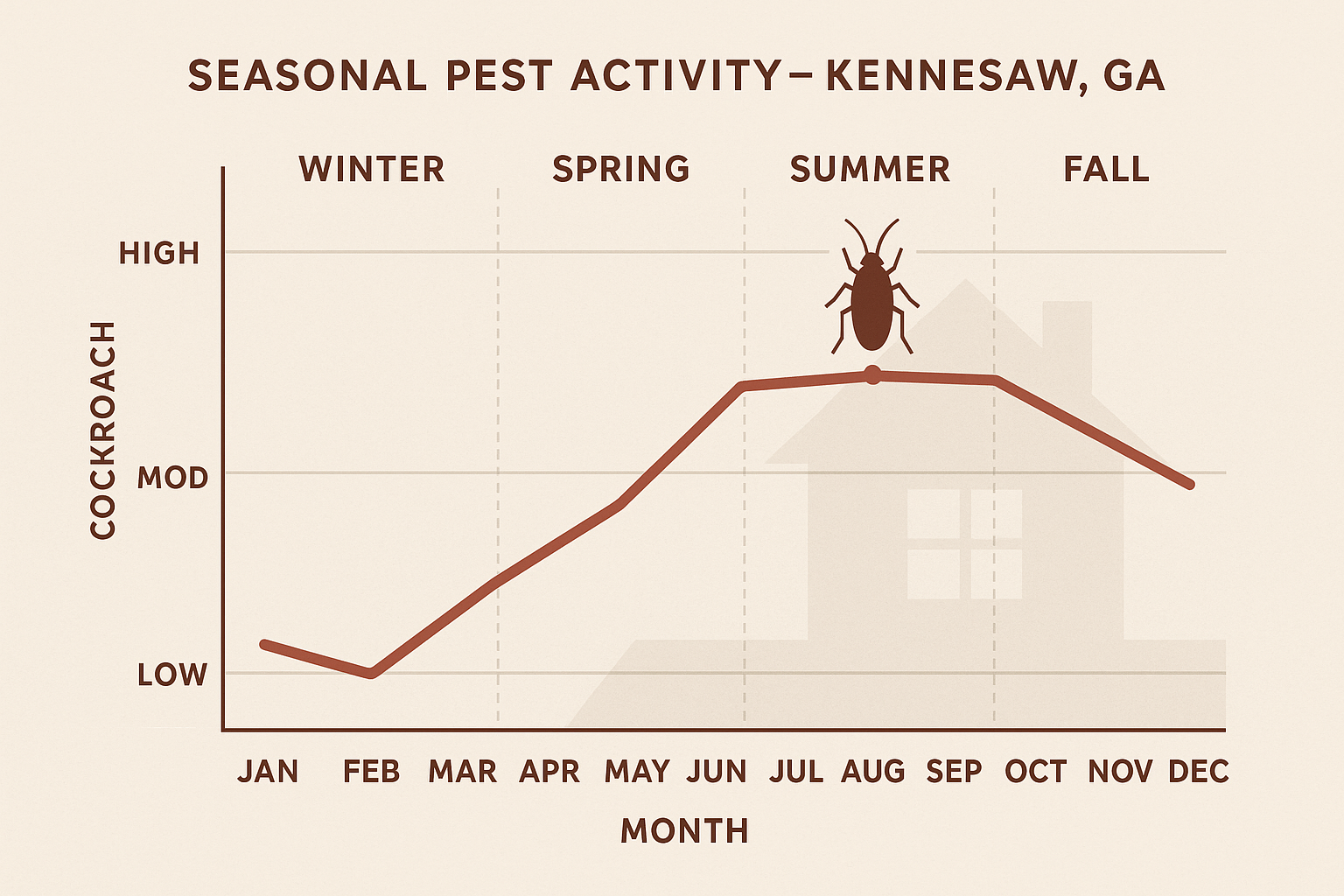
Based on local monitoring data, cockroach activity follows a predictable pattern:
- Winter (December‑February): Activity drops to its lowest point. Cold nights and reduced indoor humidity limit breeding, but a few survivors hide in cracks, plumbing, or appliances.
- Spring (March‑May): Moderate activity returns as temperatures rise and spring rains raise indoor moisture. Eggs laid over winter hatch, and you may start seeing occasional sightings.
- Summer (June‑August): This is the peak season. Consistently warm days, high humidity, and abundant food sources create ideal conditions for rapid population growth.
- Fall (September‑November): Activity tapers but remains moderate. As temperatures dip, roaches begin seeking shelter for the cooler months, often moving deeper into wall voids and basements.
Practical tips for seasonal prevention
Aligning your home‑maintenance calendar with the cockroach life cycle can keep populations from exploding.
- Before summer (late April‑May): Seal cracks around doors, windows, and utility penetrations. Install door sweeps and repair damaged screens to block entry when insects become most active.
- During summer (June‑August): Reduce indoor moisture by fixing leaky faucets, running dehumidifiers in basements, and wiping down condensation on appliances. Keep countertops clean and store food in airtight containers.
- Early fall (September): Perform a thorough inspection of crawl spaces and attic insulation. Apply a thin layer of insect‑grade silicone caulk to any newly discovered gaps.
- Winter months (December‑February): Even though activity is low, maintain a dry environment. Run exhaust fans in kitchens and bathrooms, and consider a low‑dose perimeter treatment to eliminate any overwintering survivors.
By matching inspection and treatment schedules to these seasonal trends, Kennesaw homeowners can stay one step ahead of cockroaches, minimizing infestations and keeping control costs predictable. If you notice a sudden uptick in sightings despite preventive measures, a professional assessment from Anthem Pest Control can pinpoint hidden hotspots and apply targeted interventions before the next peak season arrives.
Treatment Options and Pricing Packages for Cockroach Control
Overview of Treatment Modalities
Anthem Pest Control uses four proven methods to knock out cockroach infestations:
- Chemical Sprays: Fast‑acting residual insecticides applied to cracks, crevices, and baseboards where roaches hide.
- Gel Baits: Low‑dose poison in a tasty gel that roaches carry back to the colony, eradicating the nest from the inside.
- Dusts: Silica‑based or diatomaceous earth powders placed in wall voids and under appliances; they work silently and stay effective for months.
- Integrated Pest Management (IPM): A holistic approach that combines sanitation advice, structural sealing, and targeted treatments to keep roaches from returning.
Single‑Treatment vs. Multi‑Treatment Approaches
A single‑treatment plan works well for light sightings—typically a one‑time spray or bait placement followed by a thorough clean‑up. When the infestation is moderate to severe, or when roaches have established a hidden harbor, a multi‑treatment schedule is advisable. Multiple visits allow us to rotate products, monitor bait uptake, and address any new activity that surfaces after the first application.
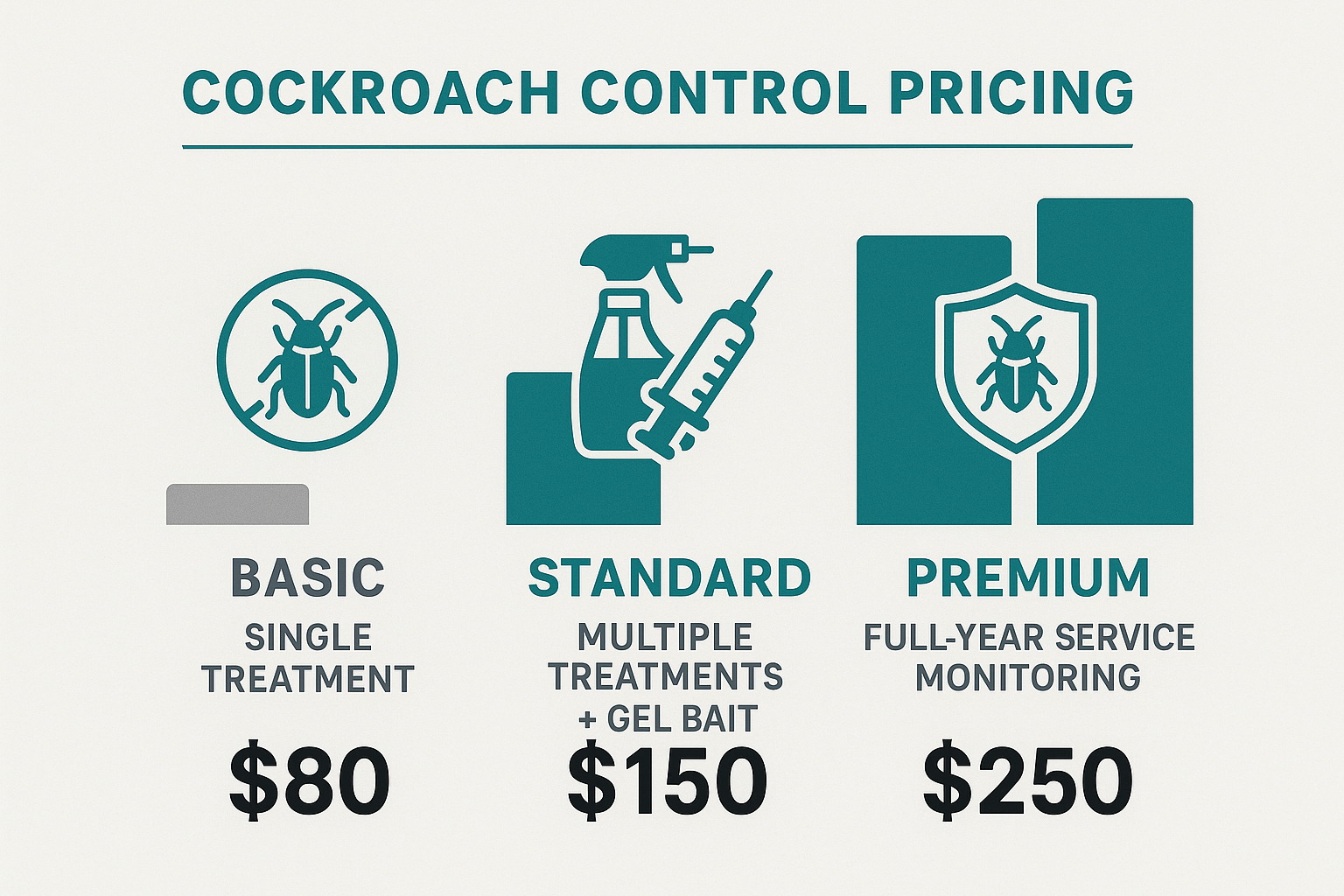
Pricing Tiers: Basic, Standard, Premium
To make budgeting simple, we bundle our services into three transparent packages. Each tier includes a set number of treatments, monitoring visits, and a guarantee period that reflects the level of protection you receive.
| Tier | Cost (per home) | # of Treatments | Core Services | Monitoring & Guarantee |
|---|---|---|---|---|
| Basic | $99 | 1 | Chemical spray + gel bait placement | 30‑day re‑visit if roaches persist |
| Standard | $179 | 3 (spaced 2 weeks apart) | Spray, gel bait, and dust application | 60‑day monitoring visit + 90‑day guarantee |
| Premium | $259 | 5 (including IPM assessment) | All of the above plus structural sealing recommendations and a full‑home IPM plan | 90‑day monitoring visits + 1‑year guarantee |
How to Evaluate Value
Choosing the right tier isn’t just about the price tag; consider these factors:
- Number of Treatments: More visits usually mean deeper penetration into hidden colonies.
- Monitoring Frequency: Regular check‑ins let technicians adjust tactics before roaches rebound.
- Guarantee Period: A longer guarantee reflects confidence in the solution and protects your investment.
- Severity of Infestation: Light sightings may be resolved with the Basic plan, while heavy activity often justifies Standard or Premium.
By matching the severity of your cockroach problem with the appropriate tier, you get the most effective control without overpaying. If you’re unsure, our friendly technicians can perform a quick on‑site assessment and recommend the package that delivers the best return on your money.
Protect Your Home with Professional Help Today
By now you’ve learned how to spot the tell‑tale signs of a cockroach invasion, why these pests pose health risks, the best seasons to act, and the range of DIY treatments available. While those steps are useful, the most reliable way to end a cockroach problem—and keep it from returning—is a professional inspection.
Why a Professional Inspection Matters
A certified technician can pinpoint the exact species, locate hidden harborages, and place baits or sprays where they’ll be most effective. Mistaking a German cockroach for an American one, for example, can lead to the wrong product choice and wasted effort. A thorough, science‑backed assessment eliminates guesswork, ensuring every corner of your home is treated correctly the first time.
Anthem Pest Control: Your Kennesaw Partner
Anthem Pest Control combines local knowledge of Kennesaw’s pest cycles with a commitment to safety and transparency. Our technicians use EPA‑approved products that protect your family and pets while delivering rapid knock‑down of cockroach populations. Pricing is clear‑cut—no hidden fees, just a straightforward quote that matches the scope of work.
Because we serve homeowners across the United States, we bring a wealth of experience to every job, yet we understand the unique challenges of the Georgia climate. From humid summer months that encourage breeding to cooler periods when roaches seek shelter indoors, we tailor each treatment plan to the seasonal patterns that affect Kennesaw neighborhoods.
Take the First Step—Free, No‑Obligation Quote
Ready to reclaim your kitchen, bathroom, and living spaces? Scheduling a free inspection takes just a few minutes, and there’s no pressure to commit. Our friendly team will walk you through the findings, explain the recommended approach, and answer any questions you may have.
Give us a call at 877‑371‑8196 or visit Anthem Pest Control to request your complimentary quote. Let us put our expertise, safe products, and local insight to work for you—so you can enjoy a cockroach‑free home without the stress.