Recognizing Carpet Beetles and Their Damage
Carpet beetles are tiny, oval‑shaped insects that love the fibers we use every day. Though they’re often overlooked, their larvae can chew through wool, silk, feathers, and even synthetic blends, leaving unsightly holes and weakening cherished items. For a homeowner in Kennesaw, Georgia, spotting these pests early can save both money and sentimental value.
What Exactly Is a Carpet Beetle?
Carpet beetles belong to the family Dermestidae, and the most common species in homes are the black carpet beetle (Attagenus unicolor) and the varied carpet beetle (Anthrenus verbasci). Adult beetles are less than a quarter‑inch long, often spotted as tiny specks moving across walls or windows. While the adults themselves cause little damage, it’s the voracious larvae that eat away at natural fibers, turning a pristine rug into a patchwork of missing threads.
The Four‑Stage Life Cycle and Its Role in Damage
Understanding the beetle’s life cycle helps you know when and where the damage will appear:
- Egg – Females lay 30‑50 eggs in dark, undisturbed spots such as carpet seams or inside closets. The eggs hatch in 1‑3 weeks, but the damage is still invisible at this point.
- Larva – This is the destructive stage. Larvae are creamy‑white, covered in tiny hairs, and they feed for 2‑4 months, chewing fibers and leaving behind fine, powdery frass (excrement).
- Pupa – After the larva is full, it spins a cocoon and pupates for 1‑2 weeks. No feeding occurs, but the beetle remains hidden in the same spot.
- Adult – The fully formed beetle emerges, lives for a few weeks, and focuses on mating and laying more eggs. Adults may be seen fluttering near windows, but they rarely cause further damage.
Where Carpet Beetles Like to Hide
Carpet beetles thrive in any area that offers a steady food source and minimal disturbance. In a typical Kennesaw home you’ll often find them in:
- Carpets and area rugs, especially along edges and under furniture.
- Upholstered chairs, sofas, and ottomans with fabric or leather overlays.
- Wool blankets, throws, and decorative pillows stored in closets.
- Seasonal clothing—think sweaters, scarves, and coats—kept in attic boxes or under beds.
- Pet bedding and plush toys, which provide both protein (from shed skin) and fiber.
Visual Clues That Something’s Wrong
Early detection hinges on recognizing the tell‑tale signs of a carpet beetle invasion:
- Small, round holes (¼‑½ inch) in fabric, often appearing in clusters.
- Shed skins (exuviae) that look like translucent shells near the damage.
- A fine, powdery residue—sometimes called “beetle dust”—that collects on the floor or on the back of a pillow.
- Irregular patches where fibers are missing, leaving a fuzzy or ragged edge.
How to Differentiate Carpet Beetle Damage from Other Pests
Not all holes in fabric are caused by beetles. Here’s a quick way to separate carpet beetle damage from that of moths or silverfish:
- Moths – Their larvae also eat natural fibers, but you’ll usually see larger, irregular holes and silk webbing. Moth damage tends to concentrate on woolen garments left in dark closets.
- Silverfish – These insects prefer paper, glue, and starches. Damage appears as irregular, chewed edges on book pages or wallpaper, not the clean, round holes typical of carpet beetles.
- Carpet beetles – The hallmark is the combination of tiny holes, shed skins, and powdery frass, often near the base of a carpet or inside a seam.
Quick Inspection Checklist for Homeowners
Use this short list during a seasonal walk‑through or when you first move into a new home. It takes less than five minutes but can catch an infestation before it spreads.
- Check carpet seams, under furniture, and along baseboards for tiny holes or frass.
- Lift and examine the back of upholstered cushions for shed skins.
- Inspect wool blankets, stored clothing, and attic boxes for missing fibers.
- Look for adult beetles near windows, light fixtures, or ceiling fans.
- Note any powdery residue on the floor or on fabric surfaces.
If you spot two or more of these signs, it’s time to call a professional. Anthem Pest Control offers targeted carpet beetle treatments that focus on the larvae’s hiding spots while keeping your family and pets safe.
How Carpet Beetles Affect Homes in Kennesaw, GA
Kennesaw sits squarely in Georgia’s humid subtropical zone, where summers are long, warm, and often humid. Those conditions aren’t just pleasant for outdoor activities—they’re a breeding ground for carpet beetles. The insects thrive when temperatures stay above 70°F (21°C) and humidity hovers around 60% or higher. In this climate, a single beetle can complete its life cycle—from egg to adult—in as little as six weeks, meaning populations can explode before homeowners even notice the first sign.
Indoor Environments That Invite Beetles
Most Kennesaw homes share a few common features that make indoor spaces irresistible to carpet beetles:
- Carpeted floors and rugs: Natural fibers like wool, silk, and even synthetic blends retain moisture and provide a constant food source for larvae.
- Wool blankets and throws: These are often draped over sofas or stored in closets, offering a warm, protected haven.
- Seasonal clothing stored in attics or basements: Unused sweaters, scarves, and coats sit undisturbed for months, giving beetle larvae ample time to munch unnoticed.
- Upholstered furniture: Fabric cushions and slipcovers can hide eggs and larvae, especially in homes with pets that bring in pollen and shed hair—additional food for beetles.
Because Kennesaw homeowners tend to keep homes comfortable year‑round, these items rarely experience the cold‑dry periods that would otherwise slow beetle development. The result is a perfect indoor climate that mirrors the outdoor humidity, allowing beetles to flourish inside walls, under floorboards, and within storage boxes.
What Damage Looks Like
When carpet beetles strike, the evidence is often subtle at first, then becomes unmistakable:
- Shredded carpet fibers: Look for tiny, irregular holes that expand over time, leaving a frayed, thread‑like edge.
- Holes in wool sweaters and blankets: The damage usually appears as small, circular bites that can quickly turn a favorite garment into a ragged mess.
- Stained upholstery: Beetle larvae excrete waste that leaves dark spots on couch fabric, and the feeding activity can thin the material, making it prone to tears.
- Fine, silky webbing: Larvae spin a thin web as they move, which can be seen in corners of closets or beneath furniture.
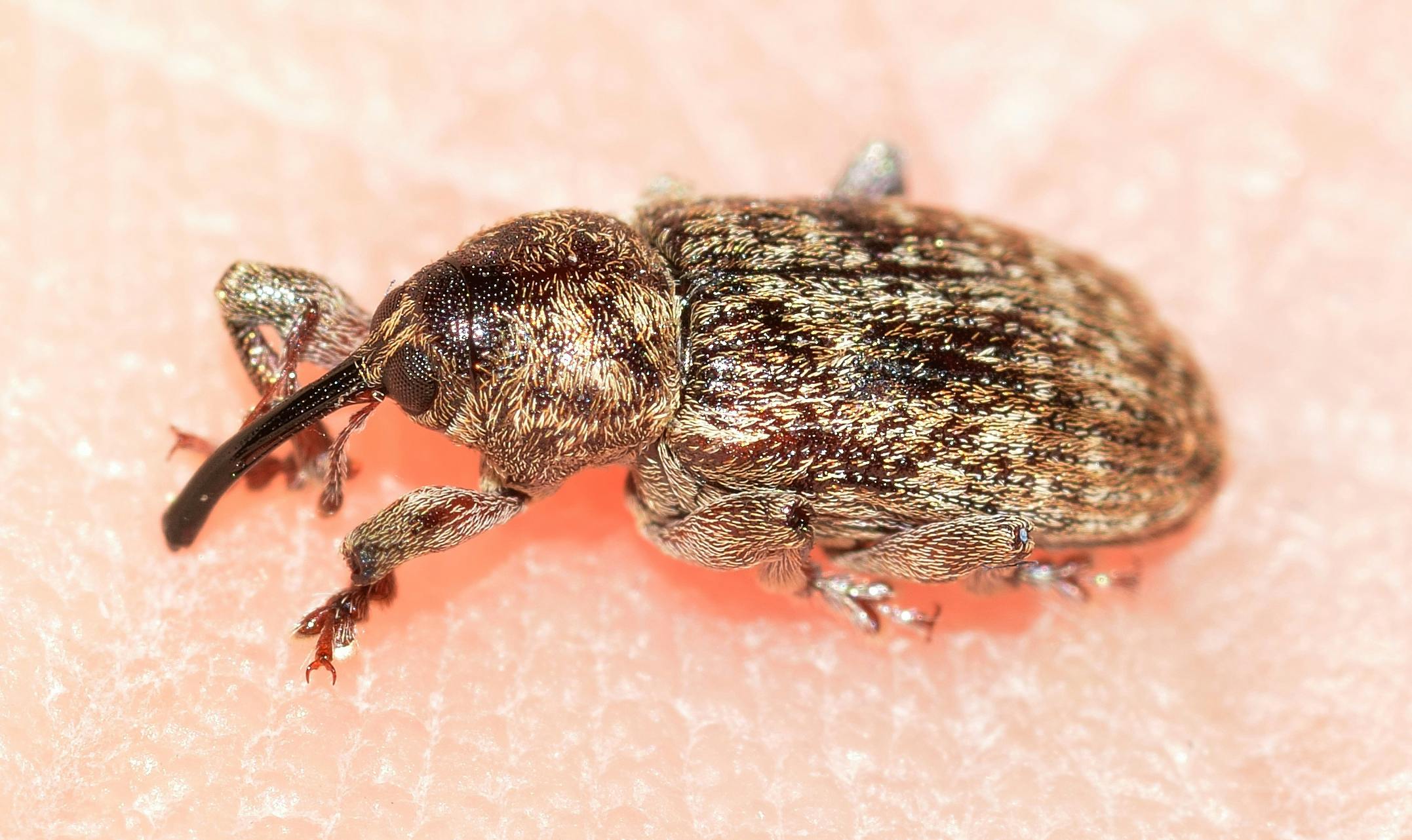
The photograph above shows exactly what homeowners are looking at when they discover a beetle or its larvae. Those tiny, mottled insects may seem harmless, but their larvae are the real culprits, chewing through natural fibers with relentless efficiency.
Economic Impact of Ignoring an Infestation
Untreated carpet beetle problems quickly become a financial headache. Replacing a damaged area rug can run $200–$500, while a high‑quality wool sofa may cost $1,500 or more to repair or replace. Add to that the cost of professional treatment—an initial inspection and a comprehensive spray program can start around $250, but repeat visits become necessary if the infestation spreads.
Beyond direct replacement costs, there’s the hidden expense of increased treatment frequency. A small, early infestation might be resolved with a single service, but once larvae have infiltrated multiple rooms, pest technicians must treat each affected zone, often requiring more potent chemicals and longer labor hours. Homeowners can see total expenses balloon to $1,000 or more within a single season.
In Kennesaw’s climate, the sooner you act, the less you’ll spend. Early detection—spotting those tiny beetles in a closet or noticing the first frayed carpet edge—lets Anthem Pest Control intervene with targeted treatments that protect your belongings and keep future costs down.
Treatment Options and Cost Comparison for Kennesaw Homeowners
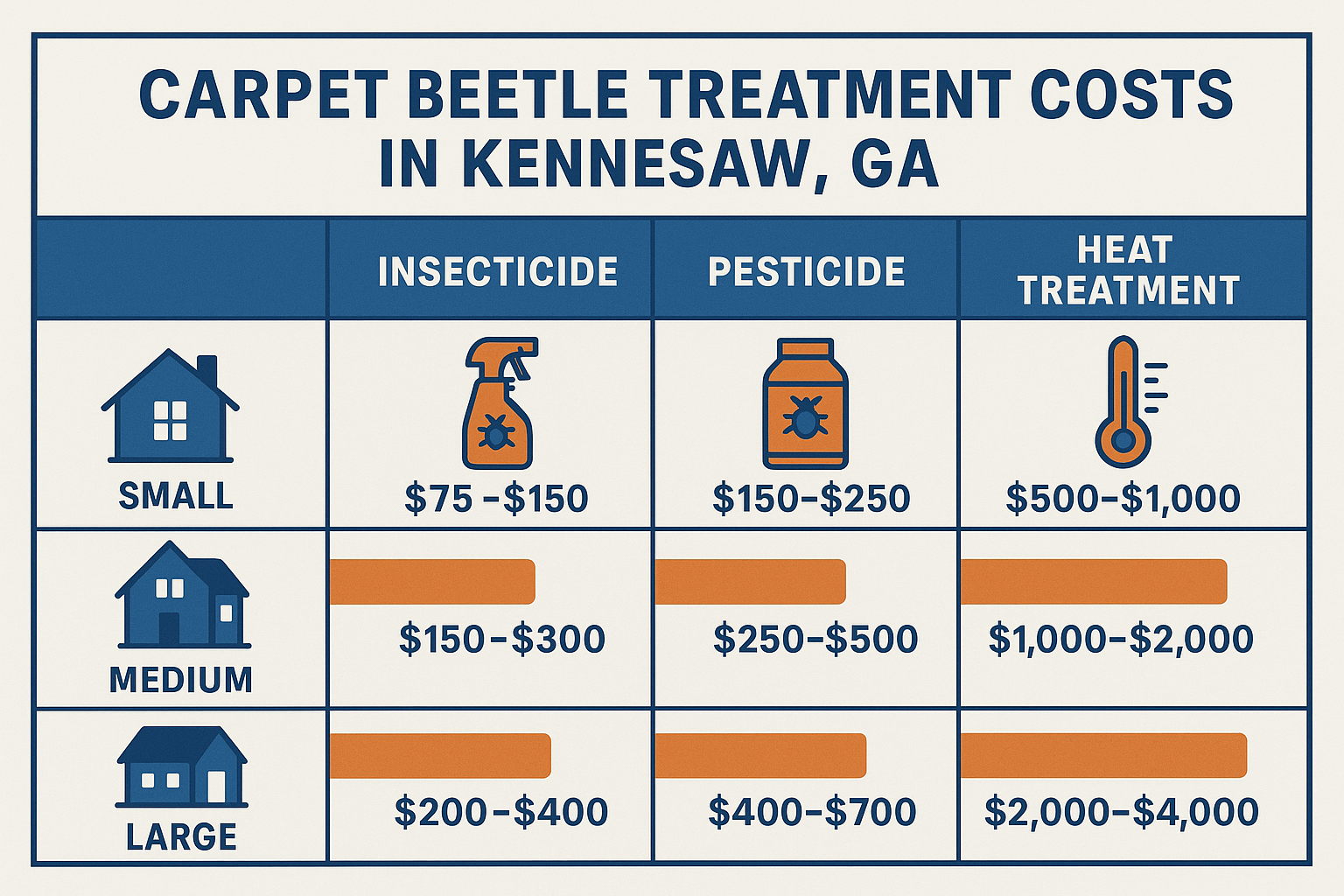
Chemical Treatments
Broad‑spectrum insecticides such as pyrethroids and organophosphates are the workhorses of professional carpet beetle control. These chemicals target the adult beetles and larvae by disrupting their nervous systems. Technicians typically apply them as a spray or fogger in baseboards, closets, and carpeted areas, creating a residual barrier that remains active for several weeks. Targeted pesticides, like boric acid dust, are placed directly in cracks and crevices where beetles hide, offering a focused attack with minimal exposure to occupants.
Safety considerations: Licensed technicians follow strict EPA guidelines, wearing protective gear and ensuring proper ventilation. Residents with pets, small children, or respiratory sensitivities should discuss low‑odor formulations and post‑treatment re‑entry times before scheduling a visit.
Non‑Chemical Options
Heat treatment is the cleanest alternative because it eliminates every life stage—eggs, larvae, pupae, and adults—without leaving chemical residues. Professionals raise room temperatures to 135 °F (57 °C) for 2–4 hours, a level lethal to carpet beetles but safe for most household items when monitored correctly. This method is especially valuable for homes with extensive carpeting, stored textiles, or for families seeking a chemical‑free environment.
While highly effective, heat treatment requires specialized equipment and can be more expensive upfront. It also demands that homeowners temporarily relocate valuables that cannot withstand high temperatures, such as certain plastics or delicate fabrics.
DIY vs. Professional Services
Do‑it‑yourself kits typically include aerosol sprays, dusts, and traps. They can reduce a light infestation for under $100, but their reach is limited, and they rarely provide a lasting guarantee. Homeowners must repeat applications every few weeks, and missing hidden hotspots often leads to resurgence.
Professional services, on the other hand, combine thorough inspection, precise application, and a warranty—often 30 days to a year—covering re‑treatment if beetles return. The added expertise means fewer missed areas, proper safety handling, and a strategic follow‑up plan that protects against future outbreaks.
Cost Breakdown by Home Size
| Home Size | Chemical Treatment (Professional) | Heat Treatment (Professional) | DIY Kit |
|---|---|---|---|
| Small (1‑2 bedrooms, ~800‑1,200 sq ft) | $180 – $250 | $350 – $450 | $70 – $120 |
| Medium (3‑4 bedrooms, ~1,200‑2,000 sq ft) | $250 – $350 | $500 – $650 | $120 – $180 |
| Large (5+ bedrooms, >2,000 sq ft) | $350 – $500 | $750 – $950 | $180 – $260 |
Sources: Fixr, HomeGuide, PCI Pest Control.
Best Value for the Typical Kennesaw Household
For most Kennesaw homeowners—especially those with medium‑sized homes and families concerned about chemical exposure—the sweet spot is a professional chemical treatment combined with a targeted follow‑up. At $250 – $350, it offers comprehensive coverage, a warranty, and minimal disruption. If a chemical‑free approach is non‑negotiable, heat treatment becomes the next‑best choice, delivering a one‑time eradication at a higher price point.
DIY kits can be a cost‑effective stopgap for very small apartments or for homeowners comfortable with regular re‑applications, but they rarely match the reliability and long‑term protection of a licensed service. Choosing the right method ultimately hinges on budget, safety preferences, and how quickly you need the infestation eliminated.
Seasonal Activity and Prevention Strategies
Carpet beetles in Kennesaw follow a predictable yearly rhythm that mirrors the region’s climate. In winter, both adults and larvae retreat into cracks, stored fabrics, and insulated spaces, resulting in low activity. As temperatures rise in spring, you’ll notice a moderate increase as adult beetles emerge to mate and lay eggs. Summer brings the peak of the cycle—warm, humid conditions fuel rapid larval growth and extensive feeding. When autumn cools down, activity tapers to another moderate phase before the insects hunker down again for winter.
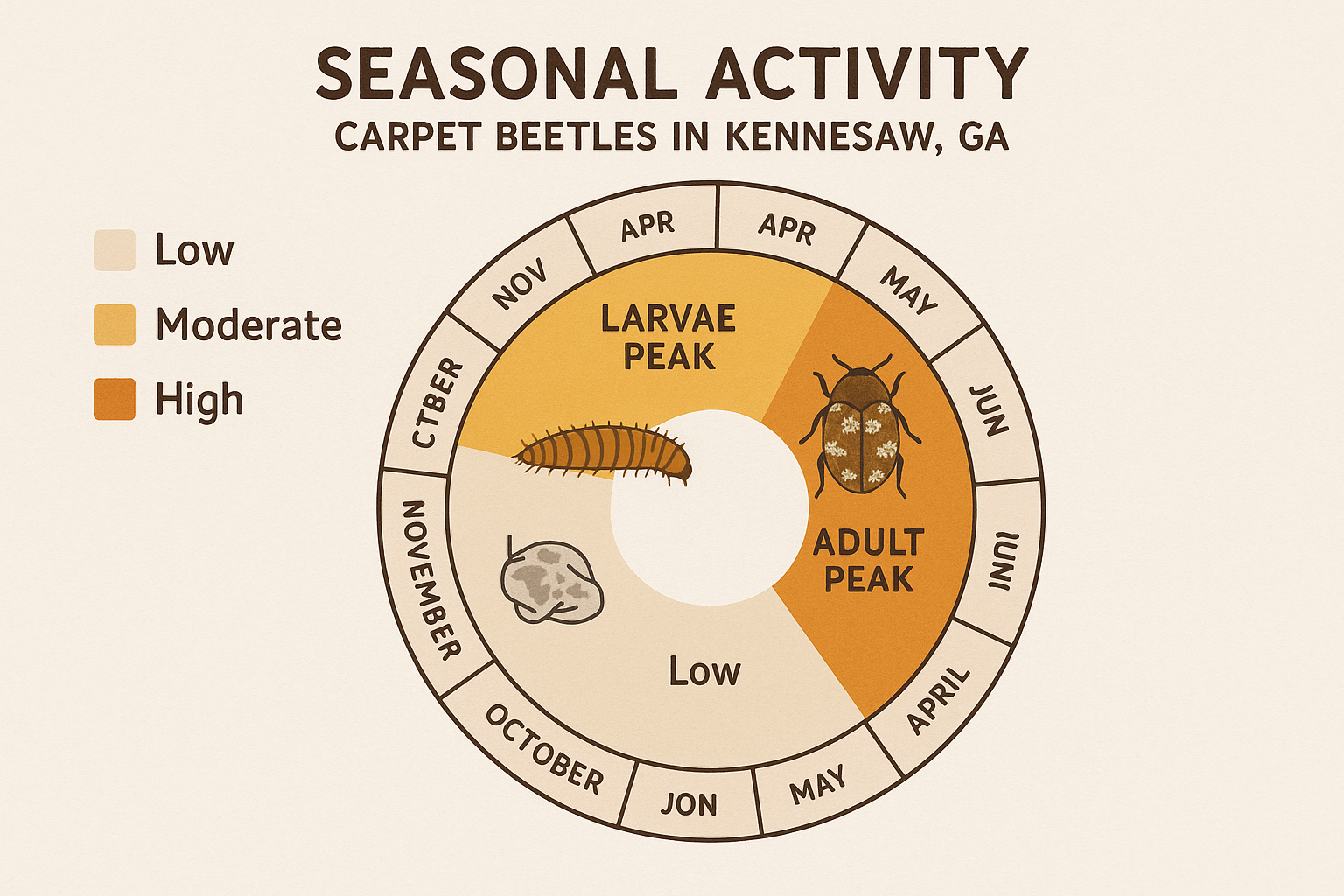
Why Larvae Cause the Most Damage in Warm Months
Adult carpet beetles are primarily reproductive; they live only long enough to locate a suitable site, lay a batch of eggs, and die. The real trouble‑makers are the larvae, which feed on natural fibers such as wool, silk, and even pet hair. Warm summer temperatures accelerate their metabolism, allowing them to consume more material in a shorter period. By the time fall arrives, a single infestation can have shredded entire blankets, upholstery, or stored clothing if left unchecked.
Seasonal Prevention Checklist
- Winter: Store off‑season clothing, blankets, and seasonal décor in sealed, heavy‑duty plastic bags or airtight containers. Vacuum carpets, baseboards, and upholstered furniture weekly to remove any dormant adults or early‑stage larvae.
- Spring: Before bringing new furniture, rugs, or textiles indoors, give them a thorough inspection. Shake out fabrics outdoors, brush off debris, and consider a light mist of preventive insecticide on the underside of cushions and frames.
- Summer: Keep indoor humidity below 50 % using dehumidifiers or air‑conditioning. Apply a preventive spray—preferably a low‑toxicity, EPA‑registered product—to high‑risk zones such as closets, under stairs, and along baseboards.
- Fall: Conduct a deep‑cleaning sweep before turning on the heating system. Steam‑clean carpets, wash all removable covers in hot water, and replace any damaged or heavily infested fabrics.
Additional Tips for Sealing Entry Points and Ongoing Protection
Carpet beetles can slip through the tiniest cracks around windows, doors, and utility openings. Use caulk or expanding foam to seal gaps, and install door sweeps on exterior doors. Natural repellents such as cedar blocks or lavender sachets can deter adults, but they should complement—not replace—chemical barriers.
For homeowners who prefer a hands‑off approach, scheduling a professional inspection before the summer surge is wise. A certified technician can identify hidden hotspots, apply targeted treatments, and set up a year‑round monitoring plan. Acting before the peak activity period not only reduces the amount of pesticide needed but also limits the potential for costly fabric damage.
Timing Is Everything
Remember, the most effective defense is timing. Treating your home in early spring or late fall gives the pesticide a chance to work while beetles are still in their low‑activity phase. This pre‑emptive strike creates an inhospitable environment for the next generation, keeping your carpets, blankets, and cherished heirlooms safe throughout the year.
Protect Your Home with Professional Carpet Beetle Services
Carpet beetles leave a trail of damage that’s easy to miss until your favorite fabrics start to show holes, a fine powdery residue appears, or you spot the tiny, rounded larvae crawling along baseboards. In Kennesaw’s humid, warm climate, these pests can multiply quickly, especially after the rainy spring months when moisture creates an ideal breeding ground. Acting fast not only stops the current infestation but also prevents future generations from turning your home’s carpets, upholstery, and stored items into a buffet.
That’s why a professional approach matters. Anthem Pest Control brings local knowledge of Kennesaw’s seasonal patterns together with proven, safe treatment methods. Our technicians are fully licensed, undergo regular training specific to the region, and use EPA‑approved products that target carpet beetles at every life stage while protecting your family and pets.
Why Choose Anthem Pest Control?
- Safe and effective solutions: Integrated pest‑management techniques combine targeted chemicals with thorough inspections to eradicate beetles without over‑treating your home.
- Affordable, transparent pricing: We provide a clear, itemized quote before any work begins, so you know exactly what you’re paying for.
- Local expertise: Our team understands how Kennesaw’s humidity and temperature swings affect beetle activity, allowing us to schedule treatments at the most impactful times.
- Full satisfaction guarantee: If beetles return within the warranty period, we’ll re‑treat your property at no extra cost.
Scheduling a free, no‑obligation quote is simple. One of our locally trained specialists will visit your home, identify any signs of carpet beetle activity, and recommend the most cost‑effective treatment plan tailored to your situation. This proactive step helps you avoid costly damage to carpets, clothing, and stored belongings.
Ready to protect your home? Call us today at 877‑371‑8196 for a complimentary assessment, or click the link below to request a quote online. Our friendly staff is standing by to answer your questions and book a convenient appointment.
Visit Anthem Pest Control and take the first step toward a beetle‑free home.