Tick Risks for Homeowners in Peachtree City, GA
Climate and habitats that welcome ticks
Peachtree City’s humid subtropical climate creates the perfect environment for ticks to thrive, which is why a routine tick inspection Peachtree City homeowners schedule is so important. Warm summers, mild winters, and abundant rainfall keep grass, shrubs, and leaf litter moist—conditions that ticks love. The city’s network of greenways, wooded parks, and residential gardens provides a continuous ribbon of habitat where ticks can hide, hunt, and reproduce.
Statewide tick‑borne disease statistics
Georgia ranks among the top states for tick‑borne illnesses. According to the Georgia Department of Public Health, there are roughly 1,200 reported cases of Lyme disease each year, with the majority occurring in the northern and central regions, including Peachtree City. Rocky Mountain spotted fever (RMSF) accounts for about 300 confirmed cases statewide annually, while ehrlichiosis and babesiosis add several hundred more. Even though many infections go unreported, the data illustrate a clear public‑health risk for anyone spending time outdoors.
How ticks infiltrate your yard
Ticks don’t need to hitch a ride on you to reach your property; they often arrive on their own. Wildlife corridors—deer, raccoons, opossums, and squirrels—move freely between forested patches and suburban backyards. As these animals brush against tall grass, brush borders, or piles of leaf litter, they drop off unfed ticks. Overgrown lawns, shaded mulched beds, and untreated woodpiles become ideal staging grounds for the next generation of ticks, ready to climb onto a passing pet or person.
What Anthem Pest says about local tick control
“Our tick control program includes a thorough yard inspection, targeted treatment, and ongoing monitoring to keep your family safe,” explains Anthem Pest Control, highlighting how a professional tick inspection Peachtree City homeowners rely on forms the foundation of effective long-term protection.
This statement underscores the importance of a professional, systematic approach rather than a one‑time DIY spray. A comprehensive inspection identifies hot spots—such as dense borders or animal pathways—so treatments can be applied precisely where ticks are most likely to congregate.
From risk to readiness
Understanding the climate, disease prevalence, and entry routes sets the foundation for proactive protection. The next step is learning how to spot ticks on yourself, your children, and your pets, and recognizing early bite symptoms. By staying informed and partnering with a trusted local expert, Peachtree City homeowners can dramatically reduce the chance that a tiny parasite turns into a serious health concern.
Identifying Ticks and Recognizing Bite Symptoms
Life‑Stage Overview
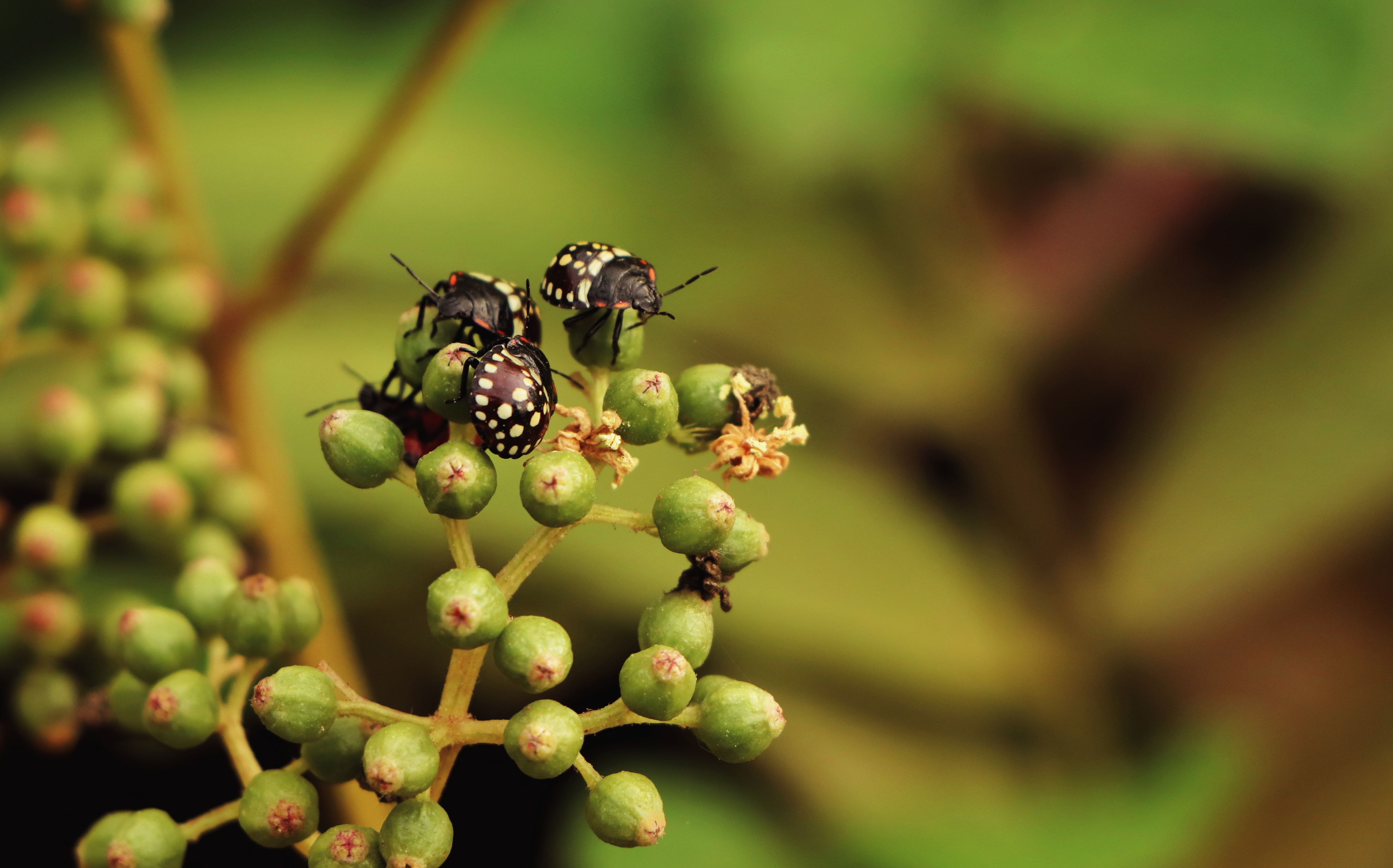
Ticks go through four distinct stages: egg, larva, nymph, and adult. Each stage looks different, which helps you spot them before they bite.
- Larva (seed tick): About the size of a grain of sand, light brown or reddish, and often missed because they’re barely visible to the naked eye.
- Nymph: Roughly the size of a poppy seed, darker in color, and more mobile. Nymphs are the most likely to slip under clothing unnoticed.
- Adult: Ranges from 3 mm (female) to 5 mm (male) when unfed—about the size of a pencil eraser. Adults are darker, with a noticeable oval body and eight legs.
Common Georgia Species
In Peachtree City, two tick species cause the most trouble:
- Black‑legged (deer) tick (Ixodes scapularis): Typically brown‑gray with a reddish‑brown back. The scutum (shield) is solid, and the legs are long and slender.
- Lone‑star tick (Amblyomma americanum): Recognizable by the distinctive white “star” spot on the female’s back. They’re generally reddish‑brown and slightly larger than deer ticks.
Both species thrive in wooded edges, tall grass, and leaf litter—areas you’ll encounter while gardening or walking your dog.
Where Ticks Attach
Ticks gravitate toward warm, moist spots on the body. The most common attachment sites are:
- Ankles and lower legs—especially after mowing the lawn.
- Scalp and hairline—ticks can crawl under hair and hide.
- Behind the ears and neck—areas often missed during a quick self‑check.
Regularly inspect these zones after outdoor activities, and don’t forget to check your pets, as they can bring ticks indoors.
Early Warning Signs
After a tick bite, the body may react within hours to a few days. Look for:
- A small, red bump that can develop into a bull’s‑eye rash (especially with Lyme disease from deer ticks).
- Flu‑like symptoms—fever, chills, headache, muscle aches, and fatigue.
- Localized swelling or itching around the bite site.
If any of these signs appear, note the date of the bite and seek medical advice promptly.
Safe Removal Technique
Removing a tick correctly reduces the chance of disease transmission, and knowing when to follow up with a professional tick inspection Peachtree City homeowners trust can further reduce health risks. Follow these steps:
- Grab a pair of fine‑tipped tweezers and position them as close to the skin as possible, gripping the tick’s head, not the body.
- Pull upward with steady, even pressure—avoid twisting or jerking, which can leave mouthparts embedded.
- After removal, clean the bite area with rubbing alcohol or soap and water.
- Dispose of the tick by placing it in a sealed container, submerging it in alcohol, or flushing it down the toilet.
Post‑Removal Monitoring
Even after a clean removal, symptoms can surface 2–4 weeks later. Keep a small diary noting any fever, rash, or joint pain that develops during this window. Early detection is key; if you notice anything unusual, contact your healthcare provider and mention the tick exposure.
By learning to identify tick life stages, recognizing the species common to Georgia, and knowing the early signs of bite‑related illness, you’ll feel more confident protecting your family and home. And when in doubt, Anthem Pest Control is just a call away—our experts can assess your property and recommend preventive measures to keep ticks at bay.
Seasonal Tick Activity and Optimal Inspection Timing

Ticks follow a four-stage life cycle—egg, larva, nymph, and adult—that is tightly linked to the region’s temperature and humidity. In Peachtree City, the cycle accelerates once daily highs consistently reach 55 °F (13 °C) and the soil remains moist, making a timely tick inspection Peachtree City homeowners schedule especially important during these conditions. Warm, damp environments trigger larvae and nymphs to quest for hosts, while hot, dry spells push them into a dormant “questing” posture, reducing visible activity. Understanding this rhythm helps homeowners anticipate when ticks are most likely to appear in the yard.
The seasonal chart above visualizes those patterns. Activity climbs in early March, peaks in late May through June, then dips slightly during the intense July heat before rising again in late August. October sees a secondary surge as cooler evenings and higher humidity revive nymphal movement. The lowest activity occurs from mid‑December to late February, when cold snaps force ticks into a state of inactivity. By reading the chart, you can pinpoint the exact windows when a treatment will hit the most vulnerable stages of the tick population.
Timing Your Yard Treatments
- Early spring (March‑April): Apply a pre‑emptive acaricide before larvae and nymphs emerge. This creates a protective barrier that stops the first wave of questing ticks.
- Late summer (July‑August): A second application targets any survivors that withstood the spring treatment and addresses the resurgence of nymphs as humidity rises.
- Early fall (late September‑early October): A final touch‑up can curb the October spike, especially in shaded or heavily vegetated zones.
Weather anomalies can shift these timelines. A wet winter—think above‑average rainfall and milder temperatures—often leads to an earlier start, with larvae appearing as soon as February. Conversely, an unusually dry spring may delay the peak until May. Homeowners should monitor local forecasts and adjust treatment dates accordingly, rather than relying solely on the calendar.
Aligning professional inspections with peak tick activity maximizes efficacy. When a certified technician visits during May‑June or late August, they can identify the exact life stage present, tailor the pesticide choice, and verify that the treatment reaches the zones where ticks congregate. This strategic timing not only improves control results but also reduces the number of applications needed, saving time and money for the homeowner.
What to Expect During a Professional Tick Inspection
Initial Consultation & Property Assessment
When the technician arrives, the first few minutes are spent gathering context. You’ll be asked about recent outdoor activities—family hikes, gardening projects, or weekend barbecues—as well as any pets that spend time in the yard. These details help the inspector pinpoint where ticks are most likely to show up and tailor the inspection to your household’s habits.
Visual Sweep of High‑Risk Zones
The inspector then conducts a systematic walk‑through, focusing on the “hot spots” where ticks love to hide:
- Shaded areas: Under trees, dense shrubbery, and low‑lying foliage.
- Wood piles & mulch beds: Moist, decomposing material is a perfect breeding ground.
- Fence lines & property borders: Edge habitats often connect to neighboring woods.
- Pet hangouts: Dog houses, cat shelters, and favorite resting spots.
Each zone is examined at ground level, because ticks are tiny and cling to low vegetation where they can latch onto passing hosts.
Tools of the Trade
Anthem Pest technicians rely on a few specialized tools to make the invisible visible:
- Tick drag cloths: A white fabric dragged across vegetation to collect any crawling ticks for close inspection.
- Magnifying lenses: A handheld 10× lens reveals the tiny legs and body segments that differentiate species.
- Handheld detectors: Some technicians use electronic devices that emit a low‑frequency signal to attract certain tick species, increasing detection accuracy.
Documentation of Findings
Every observation is recorded in real time. The inspector takes high‑resolution photos of problem areas, notes the exact species identified, and rates the infestation level on a simple scale (low, moderate, high). This documentation creates a baseline for treatment effectiveness and serves as a reference if you ever need to discuss the findings with insurance or a veterinarian.
Customized Treatment Plan Discussion
With the data in hand, the technician walks you through a tailored plan. Options may include:
- Chemical treatments: EPA‑approved acaricides applied to soil, foliage, and perimeter zones for rapid knock‑down.
- Organic alternatives: Neem‑based sprays, diatomaceous earth, or botanical extracts for homeowners who prefer a greener approach.
- Integrated tactics: Combining habitat modification (e.g., removing leaf litter) with targeted treatments for long‑term control.
Costs, application frequency, and safety precautions—especially around children and pets—are explained transparently so you can make an informed decision.
Follow‑Up Schedule & Warranty Coverage
After the initial service, Anthem Pest sets a clear follow‑up timeline. Typically, a re‑inspection occurs 2–4 weeks later to verify that the tick population has been reduced to acceptable levels. If the infestation persists, additional treatments are scheduled at no extra charge within the warranty period, which usually spans one year for residential tick control.
All warranty details, including what’s covered (treatment, re‑inspection, and any necessary retreatments) and any exclusions (e.g., extreme weather events), are outlined in writing. This ensures you know exactly what to expect and when to call back for further assistance.
Tick Inspection Pricing Tiers Explained
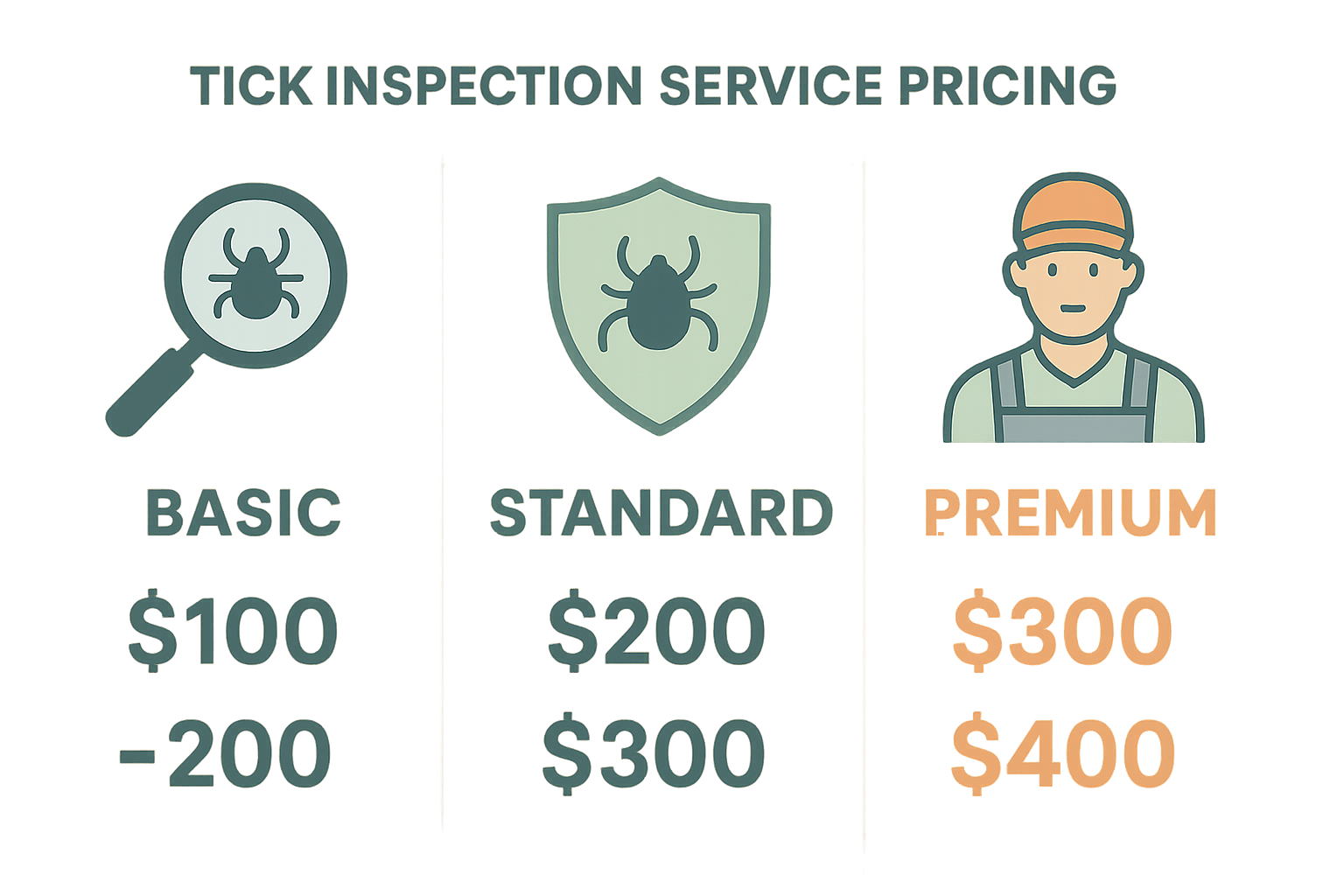
When it comes to protecting your Peachtree City yard from ticks, Anthem Pest Control offers three clear-cut service tiers built around a professional tick inspection Peachtree City homeowners can rely on. Each tier is designed with a specific level of inspection frequency, treatment intensity, and post-service support, allowing you to match the plan to your yard size, past tick activity, and budget.
Basic Tier – “Essential Guard”
Price: $99‑$149 per year.
- One comprehensive inspection visit per season.
- Single application of a standard tick‑repellent barrier.
- One follow‑up check to verify treatment effectiveness.
- Basic technician guarantee (service re‑application if ticks persist within 30 days).
Standard Tier – “Season‑Ready Shield”
Price: $149‑$199 per year.
- Two inspection visits (early spring and late summer).
- Two applications of a higher‑potency, shield‑type treatment that penetrates grass roots and leaf litter.
- One complimentary follow‑up check after each treatment.
- Extended technician guarantee (service re‑application within 60 days).
- Priority scheduling for any urgent re‑treatments.
Premium Tier – “All‑Season Fortress”
Price: $199‑$249 per year.
- Four inspection visits covering pre‑season, peak, post‑peak, and winter assessments.
- Four applications of the most advanced shield‑type formulation, including a perimeter barrier around structures.
- Unlimited follow‑up checks throughout the year.
- Lifetime technician guarantee (re‑treatment at no extra cost if ticks are found).
- Express priority scheduling and a dedicated account manager.
Beyond the core services, each tier adds value‑add features that can tip the scales. Shield‑type treatments create a longer‑lasting barrier, technician guarantees protect your investment, and priority scheduling ensures you’re never left waiting during a sudden tick surge.
Choosing the right tier is simple when you weigh three factors:
- Yard size: Small (<½ acre) homes often find the Basic tier sufficient, while larger properties (>1 acre) benefit from the Standard or Premium plans.
- History of infestations: If ticks have been a recurring problem, the added visits and stronger barriers of the Standard or Premium tiers provide peace of mind.
- Budget comfort: The Basic tier offers essential protection at the lowest cost; the Premium tier is an investment for homeowners who want a hands‑off, year‑round shield.
By aligning your specific needs with the tier that fits, you get transparent pricing, reliable protection, and the confidence that your family can enjoy the outdoors without worrying about tick bites.
DIY Yard Maintenance to Reduce Tick Populations

Even if you’ve scheduled a professional tick inspection, everyday yard work can make a huge difference in keeping those tiny pests at bay. The good news? Most of the steps are low‑cost, require only a little time, and can be woven into your regular lawn‑care routine.
1. Landscape Modifications
Ticks love cool, damp environments where they can wait for a host. By keeping your grass trimmed to a uniform 3‑4 inches, you eliminate the humid micro‑climate they thrive in. Regular mowing also makes it easier to spot any hitchhikers on your shoes or pets.
In addition, remove leaf litter, pine needles, and any accumulated debris each fall. Those layers act like a blanket, protecting ticks from sunlight and drying out. Thin out dense brush and low‑lying shrubs, especially near the house, to create an open space that discourages tick movement.
2. Create Tick‑Free Zones
Designate high‑traffic areas—playgrounds, patios, and outdoor dining spots—as tick‑free zones. A simple barrier of wood chips or gravel, about 2‑3 feet wide, acts as a physical deterrent. Ticks can’t easily cross dry, abrasive surfaces, so they’ll stay on the periphery instead of venturing onto your family’s favorite gathering spots.
3. Targeted Repellents
For spots that remain high‑risk—like the edge of a wooded area or a shady corner—apply tick‑repellent sprays that contain permethrin or natural oils such as rosemary and eucalyptus. Follow the label directions and reapply after heavy rain.
Another homeowner‑friendly option is diatomaceous earth. Sprinkle a thin layer in cracks, under decks, and along fence lines. The microscopic silica particles damage the tick’s exoskeleton, dehydrating and killing them without harming pets or children.
4. Keep Pets Protected
Pets are the most common tick carriers in a yard. Ensure they wear a veterinarian‑approved collar or receive a topical medication every month. Even the best preventive won’t hurt if you give your dog or cat a quick visual check after every outdoor adventure—look for tiny, dark specks along the ears, neck, and between toes.
5. Inspect Family Members
Make a habit of checking every family member’s skin and hair after returning from the yard, especially after a hike or a weekend at a park. Early detection means you can remove a tick before it has a chance to attach and transmit disease.
6. When DIY Isn’t Enough
Despite diligent yard work, tick populations can rebound, especially after a wet season. If you notice a steady increase in tick sightings or if a family member develops a rash after a bite, it’s time to call in the pros. A professional re‑inspection will pinpoint hotspots you may have missed and allow Anthem Pest Control to apply targeted treatments that keep your yard safe year‑round.
Protect Your Home with Expert Tick Control from Anthem Pest
Ticks in Peachtree City are more than a nuisance; they carry Lyme disease, Rocky Mountain spotted fever, and other serious illnesses that can affect anyone who spends time outdoors. A timely inspection catches infestations early, prevents the spread to pets and children, and protects your property from the long‑term health costs associated with tick‑borne diseases.
Why Anthem Pest Is the Local Authority on Tick Management
Our technicians live and work in the Peachtree City area, so they understand the specific habitats—such as tall grass, wooded edges, and suburban yards—where ticks thrive. All staff are certified pest‑management professionals who follow the latest state‑approved protocols. Transparent pricing tiers let you see exactly what each service includes, from a basic perimeter treatment to a comprehensive indoor‑outdoor protection plan.
Safe, Effective Treatments Backed by a Satisfaction Guarantee
We use EPA‑registered products applied with precision equipment to target ticks while minimizing exposure to humans and pets. Our integrated approach combines chemical barriers, habitat modification, and ongoing monitoring. If you’re not completely satisfied with the results, we’ll re‑treat the area at no additional cost—your peace of mind is our priority.
Key Benefits of Choosing Professional Tick Control
- Rapid reduction of tick populations before they establish a foothold.
- Reduced risk of disease transmission for your family and pets.
- Long‑lasting protection that outperforms DIY sprays.
- Expert advice on landscaping and yard maintenance to keep ticks away year‑round.
Ready to safeguard your home? Contact Anthem Pest today for a free, no‑obligation quote. Our friendly team will walk you through the process, answer any questions, and schedule a treatment that fits your calendar.
Call now at 877‑371‑8196 or visit Anthem Pest Control to claim your complimentary inspection. Let us handle the ticks so you can enjoy the outdoors with confidence.