Why Gnats Become a Summer Nuisance
When you see tiny, buzzing insects dancing around your patio lights or hovering over a potted plant, you’re probably looking at garden gnats—not mosquitoes or house flies. Gnats belong to the family Chironomidae or Sciaridae, and unlike their larger cousins they neither bite aggressively nor spread disease. Their primary goal is to find moist environments where they can lay eggs and where their larvae can thrive.
Where Gnats Like to Hide
- Soil and potting mixes – Over‑watered flower beds, vegetable gardens, and indoor potted plants create the perfect damp substrate for gnat eggs.
- Compost and organic mulch – Decomposing organic matter releases moisture and nutrients that attract adult females looking for a place to reproduce.
- Drains and standing water – Kitchen sinks, bathroom drains, and any area with slow‑draining water become hidden breeding chambers.
- Shade‑rich corners – Dark, humid spots under decks or in garage corners provide a safe haven for larvae to develop unnoticed.
How to Spot an Infestation
Gnats are small, but a growing population makes them hard to ignore. Look for these tell‑tale signs:
- Swarming around outdoor lights or indoor fixtures during dusk.
- Itchy, almost imperceptible bites on exposed skin, especially around the face and neck.
- Stunted seedling growth or “mushy” roots in potted plants, caused by larvae feeding on organic matter.
- Faint, sweet‑smelling odors near compost piles or over‑watered soil.
Why DIY Solutions Often Miss the Mark
Many homeowners reach for store‑bought sprays or sticky traps, but these methods rarely address the root cause. The biggest challenges are:
- Hidden breeding sites – Adult gnats can travel several feet from where they emerged, so treating only the visible area leaves the source untouched.
- Rapid reproduction – A single female can lay up to 300 eggs in a week. By the time a DIY spray dries, a new generation is already emerging.
- Resistance to common chemicals – Over‑use of broad‑spectrum insecticides can lead to tolerant gnat populations, making future control even harder.
Even diligent homeowners may miss a clogged drain or a soggy mulch bed, allowing the colony to rebound after each attempted fix.
Why Professional Assessment Makes a Difference
At Anthem Pest Control, our technicians start with a thorough inspection to locate every hidden breeding hotspot—from indoor drains to the deepest garden beds. We then apply targeted, low‑toxicity treatments that interrupt the life cycle at multiple stages, ensuring the next generation never gets a foothold. This strategic approach not only eliminates the current swarm but also builds a preventive barrier for the rest of the summer.
Understanding the biology and preferred habitats of gnats is the first step toward lasting relief. The next step—partnering with a qualified pest‑control professional—delivers the comprehensive solution homeowners need to enjoy a gnat‑free yard and home.
Spotting Gnat Hotspots in Your Home and Garden

Indoor Inspection Checklist
Gnats love moisture and organic matter, so start where those conditions hide inside your house. Walk through each room with a flashlight and ask yourself these quick questions:
- Kitchen drains and garbage disposals: Are they slow to empty or emitting a sour smell? Food particles can turn drains into breeding chambers.
- Houseplants: Is the soil constantly wet? Over‑watering creates a perfect larval habitat.
- Humidifiers and misting devices: Do they sit unused for long periods, allowing water to pool?
- Pet water bowls: Are they refilled daily and kept clean?
Outdoor Inspection Checklist
Outside, gnats thrive in any place that stays damp for a few days. Scan your yard with these pointers in mind:
- Potting soil and garden beds: Check if the surface is soggy after watering.
- Mulch and wood chips: These retain moisture and can harbor larvae.
- Standing water: Bird baths, clogged gutters, or forgotten kiddie pools are instant hotbeds.
- Compost piles: Fresh organic waste releases the same nutrients gnats love.
How Weather and Watering Habits Influence Gnats
Warm, humid days accelerate the gnat life cycle. If you notice a sudden spike after a rainy spell, it’s likely the soil and mulch stayed wet longer than usual. Likewise, daily over‑watering—especially in the early evening—doesn’t give the soil a chance to dry, inviting gnats to lay eggs. Adjusting irrigation to early morning and allowing the top inch of soil to dry between sessions can break the cycle.
Simple Preventive Steps You Can Take Right Now
Before you call in a professional, try these low‑cost actions that often stop gnats in their tracks:
- Repair any leaky faucet or pipe; even a slow drip adds up.
- Let indoor plant soil dry for 24‑48 hours before watering again.
- Place a shallow dish of apple cider vinegar with a drop of dish soap near problem areas—gnats are attracted, get trapped, and die.
- Replace mulch every 12‑18 months to avoid compacted, water‑logged layers.
- Ensure all outdoor containers (bird baths, plant trays) are emptied and refilled daily.
When to Call a Professional
If you’ve tackled the checklist and gnats persist, it’s time for a deeper evaluation. A professional exterminator can:
- Identify hidden breeding sites such as wall voids or underground drainage.
- Apply targeted, low‑toxicity treatments that reach larvae where DIY methods can’t.
- Provide a customized prevention plan that aligns with your home’s layout and local climate.
At Anthem Pest Control, our technicians know the Peachtree City micro‑climate and can quickly pinpoint the source, ensuring lasting relief without unnecessary chemicals.
Gnat Control Options and Pricing Explained
Understanding the Treatment Modalities
When gnat activity spikes in Peachtree City, the first step is choosing a method that matches the infestation’s severity and your household’s needs. The most common approaches we employ at Anthem Pest Control include:
- Residual Sprays – A professional‑grade insecticide is applied to indoor and outdoor surfaces where gnats rest. The formulation clings to walls, ceilings, and landscaping, offering protection for weeks after a single application.
- Foggers (Space‑Saturating Treatments) – A fine mist is dispersed throughout a room or covered patio, instantly knocking down active gnats and reaching hidden crevices that sprays might miss.
- Bait Stations – Discreet, tamper‑proof containers hold a slow‑acting attractant. Gnats feed, carry the toxin back to breeding sites, and the colony collapses over several days.
- Biological Controls – Products containing Bacillus thuringiensis (Bt) target gnat larvae in soil or standing water without harming pets, children, or beneficial insects.
Benefits of Each Method
Choosing the right tool depends on speed, longevity, and safety considerations. Below is a quick comparison:
| Method | Speed of Relief | Duration of Effect | Pet/Child Safety |
|---|---|---|---|
| Residual Spray | Immediate (within minutes) | 2–4 weeks | Low – EPA‑approved, applied by certified tech |
| Fogger | Instant | 1–2 days | Moderate – requires brief evacuation |
| Bait Station | Delayed (24‑48 hrs) | 4–6 weeks | High – sealed, non‑contact |
| Biological Control (Bt) | Gradual (3‑5 days) | Up to 8 weeks | Very High – naturally occurring bacterium |
Pricing Models: One‑Time vs. Subscription
Anthem Pest offers two transparent pricing structures designed to fit any budget:
- Single‑Treatment Quote – Ideal for homeowners who need an urgent knock‑down. Prices are calculated per 1,000 sq ft of coverage, typically ranging from $120 to $180 for a standard residual spray.
- Monthly Subscription Service – Provides ongoing protection with quarterly visits, priority scheduling, and a 10 % discount on all chemicals. The subscription starts at $99 per month and includes up to 2,500 sq ft of treatment area.
Both options include a thorough inspection, a detailed treatment plan, and a post‑service report so you know exactly what was done.
Infographic: Cost, Coverage, and Frequency
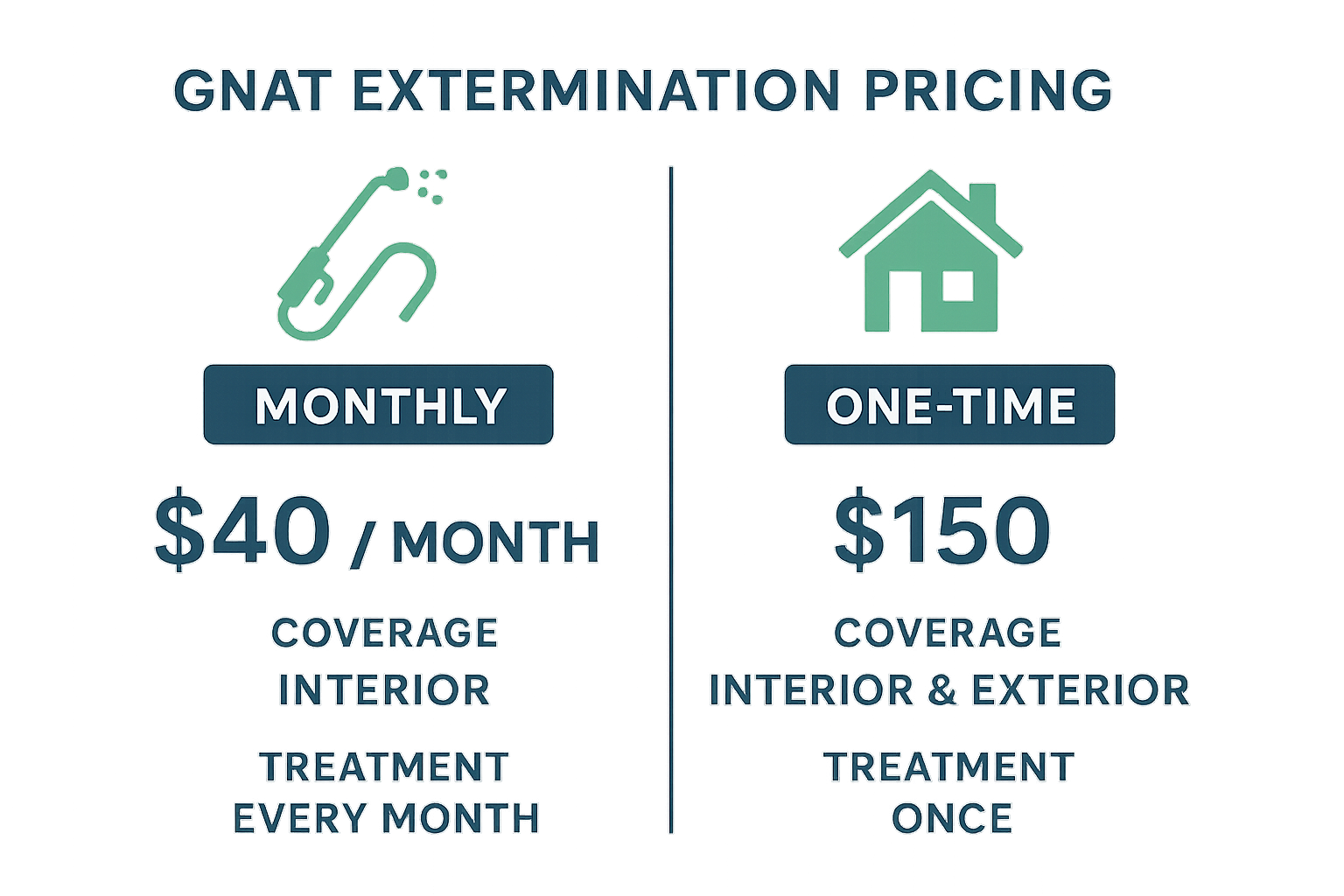
The graphic above breaks down the three most common packages we provide in Peachtree City. Notice how the “Premium Quarterly Plan” offers the widest coverage (up to 5,000 sq ft) while keeping the per‑visit cost under $80, thanks to the subscription discount.
External Reference for Up‑to‑Date Pricing
For the latest regional price adjustments, you can consult the Anthem Pest Gnat Control Cost page. It’s updated monthly to reflect changes in material costs and seasonal demand.
Factors That Influence the Final Price
While the baseline rates give you a solid starting point, the final invoice may vary based on a few key factors:
- Property Size – Larger homes or extensive landscaping require more product and labor.
- Infestation Severity – Heavy breeding sites (e.g., clogged drains, over‑watered gardens) often need additional treatments or a combination of methods.
- Follow‑Up Needs – Some cases benefit from a second visit within 7‑10 days to ensure the colony is fully eradicated.
- Special Requests – Pet‑only zones, allergy‑sensitive areas, or eco‑friendly product preferences can affect material costs.
Our technicians assess these variables during the initial walk‑through and provide a clear, itemized quote before any work begins. This transparency helps you make an informed decision without hidden fees.
Seasonal Gnat Activity and the Best Time to Treat
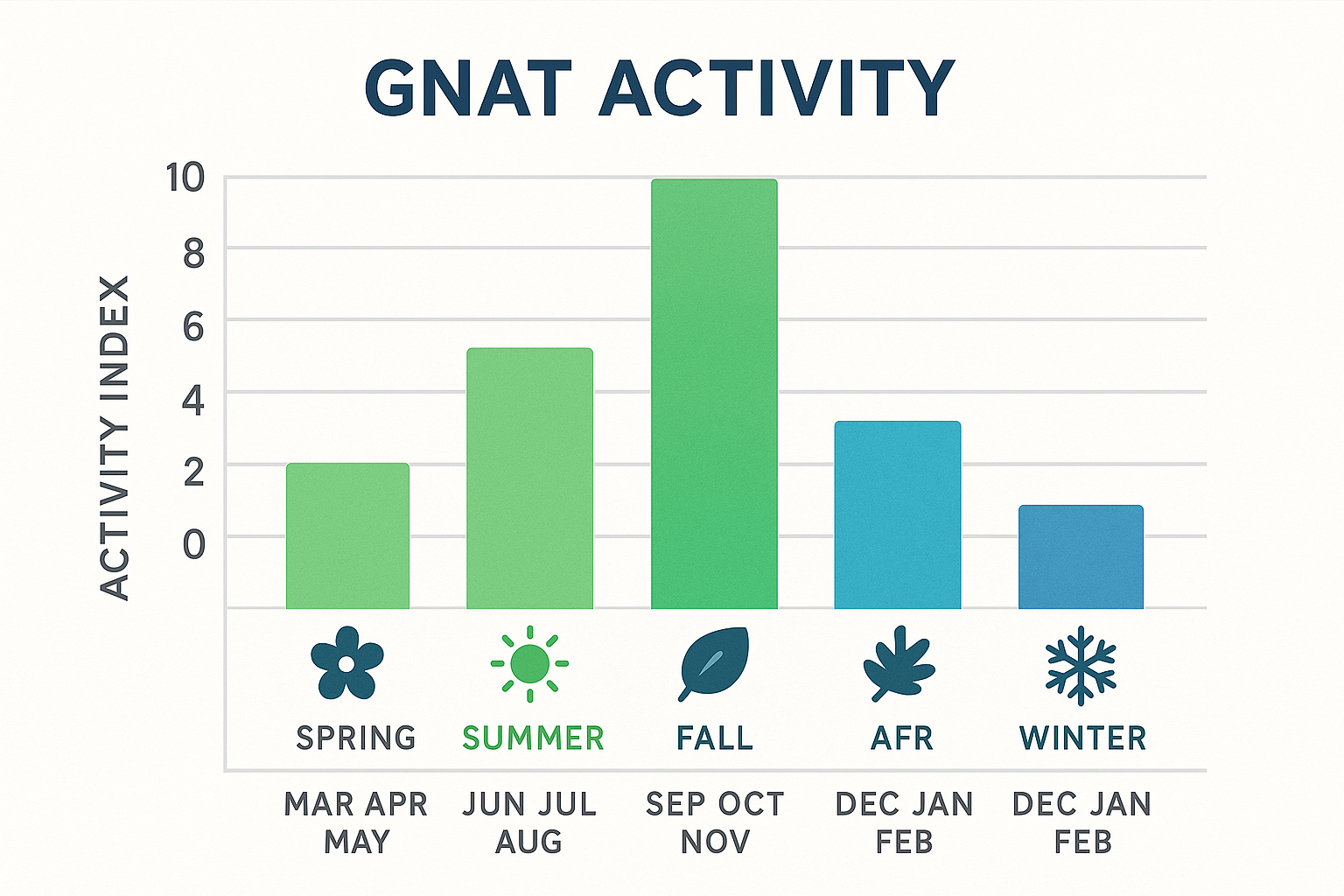
The bar chart above paints a clear picture: gnat sightings in Peachtree City spike sharply in late spring and peak during the warmest weeks of summer. As temperatures dip in autumn, activity drops, and by winter the numbers are barely detectable. This seasonal rhythm isn’t random—it mirrors the region’s climate and the insects’ life cycle.
Temperature, Humidity, and Breeding Cycles
Gnats thrive when daytime highs hover between 70°F and 85°F and relative humidity stays above 60%. Warm air accelerates egg development, while moisture provides the ideal substrate for larvae to feed on organic matter in soil, mulch, or standing water. When a cool front arrives, development slows dramatically, and adult emergence wanes. That’s why the spring‑summer window is a breeding bonanza, and why fall‑winter months offer natural suppression.
Why Early‑Season Treatment Pays Off
Addressing gnats before they reach full reproductive capacity can shave weeks off a potential infestation. An early‑season spray or soil treatment disrupts the first generation of eggs, preventing the exponential growth that typically follows a warm, humid spell. Homeowners who act in March or early April often notice far fewer swarms in July, saving both time and the cost of multiple follow‑up visits.
Recommended Treatment Schedule
- Pre‑season inspection (late February – early March): A certified technician evaluates moisture sources, identifies breeding hotspots, and recommends a preventative treatment tailored to your property.
- Mid‑season follow‑up (June): As temperatures climb, a second application targets any late‑emerging larvae and reinforces the barrier around high‑risk zones such as patios, garden beds, and drainage areas.
- Post‑season wrap‑up (late September – October): A final treatment clears residual populations before winter, reducing the chance of overwintering adults that could jump‑start the next spring.
Sticking to this three‑step schedule aligns with the natural ebb and flow of gnat activity, delivering consistent relief without unnecessary chemical use.
Anthem Pest’s Local Climate Tailoring
Anthem Pest Control doesn’t rely on a one‑size‑fits‑all calendar. Our technicians monitor Peachtree City’s micro‑climate data—daily temperature highs, humidity trends, and recent rainfall—to fine‑tune each visit. If an unusually wet spring arrives, we may advance the mid‑season treatment; a cooler summer could allow us to skip a step altogether. This adaptive approach ensures you receive just the right amount of protection, when you need it most.
Protect Your Home with Professional Gnat Control
Gnats may seem harmless, but a swarm can quickly turn your porch, patio, or kitchen into an uncomfortable zone. Their tiny size lets them slip through cracks, while their breeding habits—often in damp soil, compost, or clogged drains—mean an infestation can spread before you even notice. Proper identification, timely intervention, and targeted treatment are the three pillars that stop gnats in their tracks and keep your living spaces pleasant.
When you correctly identify the species—whether it’s fungus gnats in houseplants or fruit flies attracted to overripe fruit—you can choose the right control method. Early detection lets you act before the larvae multiply, and a well‑timed treatment, applied during the peak activity window, maximizes effectiveness while minimizing chemical use.
Anthem Pest Control brings that expertise right to your doorstep. Our locally‑trained technicians know the seasonal patterns of gnat activity in Peachtree City, GA, and they use industry‑approved, low‑impact products that protect your family, pets, and the environment. We never rely on guesswork; every service begins with a thorough inspection to pinpoint the source and choose the most efficient solution.
Transparency is a core value at Anthem. Before any work starts, you’ll receive a clear, itemized quote that outlines exactly what’s included—no hidden fees, no surprise add‑ons. Our pricing model is designed to be affordable for homeowners while delivering the high‑quality results you expect from a national pest‑management leader.
Our technicians are not just pest‑control pros; they’re your neighbors. Trained on the latest Integrated Pest Management (IPM) techniques, they balance chemical treatments with preventive measures such as moisture control, proper drainage, and plant health advice. This holistic approach ensures that gnats stay gone long after the initial service.
If you’re ready for a gnat‑free yard, give us a call for a free, no‑obligation quote. Our friendly team is standing by at 877‑371‑8196 to discuss your specific situation and schedule a prompt inspection.
Visit our website to learn more about our comprehensive pest‑control services and read testimonials from satisfied homeowners across the region: Anthem Pest Control.