Why Georgia Homeowners Should Worry About Spiders
Georgia’s warm, humid summers and mild winters create an ideal playground for a wide variety of spiders. From the pine‑covered hills of the Piedmont to the marshy lowlands near the Chattahoochee River, the state offers abundant shelter, moisture, and insect prey—everything a spider needs to thrive. Outdoor spaces such as gardens, decks, and even crawl spaces become year‑round habitats, and it’s not uncommon for those same spiders to wander inside when doors are left open or when they follow a trail of insects into your home.
According to the Centers for Disease Control and Prevention, the Southeast accounts for roughly 45 % of all reported spider bites in the United States. While most bites are harmless, the venom of a few species—like the Southern black widow and the brown recluse—can cause severe pain, tissue damage, or systemic reactions that require medical attention. In Georgia alone, emergency rooms see an estimated 1,200 spider‑bite visits each year, a number that rises sharply during the late summer months when spider activity peaks.
Beyond health concerns, spider infestations can have a tangible economic impact. Homeowners often spend between $150 and $600 on professional extermination after a single sighting, and repeated treatments can quickly add up. More subtle, yet equally damaging, is the emotional toll: a single sight of a large, unfamiliar spider can trigger anxiety, especially in families with children or elderly members. The fear of hidden nests in basements, attics, or closets can disrupt daily routines and reduce the overall sense of safety in one’s own home.
In the sections that follow, we’ll dive into the most common Georgia spiders—such as the black widow, brown recluse, and the ubiquitous house spider—highlighting their seasonal patterns, preferred hiding spots, and the signs that indicate an infestation is taking hold. Knowing when these critters are most active (typically May through September) and what to look for will empower you to act early, before a simple sighting turns into a costly, stressful problem.
Common Spiders Found in Georgia and How to Identify Them
Georgia’s warm climate is a haven for a variety of spiders, some harmless and others that can cause medical concerns. Knowing the visual cues of the most common species helps you act quickly and decide when a professional inspection is warranted.
Brown Recluse (Loxosceles reclusa)
The brown recluse is the only medically significant spider in Georgia that is often mistaken for harmless house spiders. Look for a uniformly light‑brown body about ¼ inch long, with a distinct dark “violin” or hourglass shape on the dorsal side of the cephalothorax. Its six eyes are arranged in a U‑shaped pattern, unlike the typical eight‑eye layout of most spiders. The legs are slender and lack the pronounced spines seen on cellar spiders.
Black Widow (Latrodectus mactans)
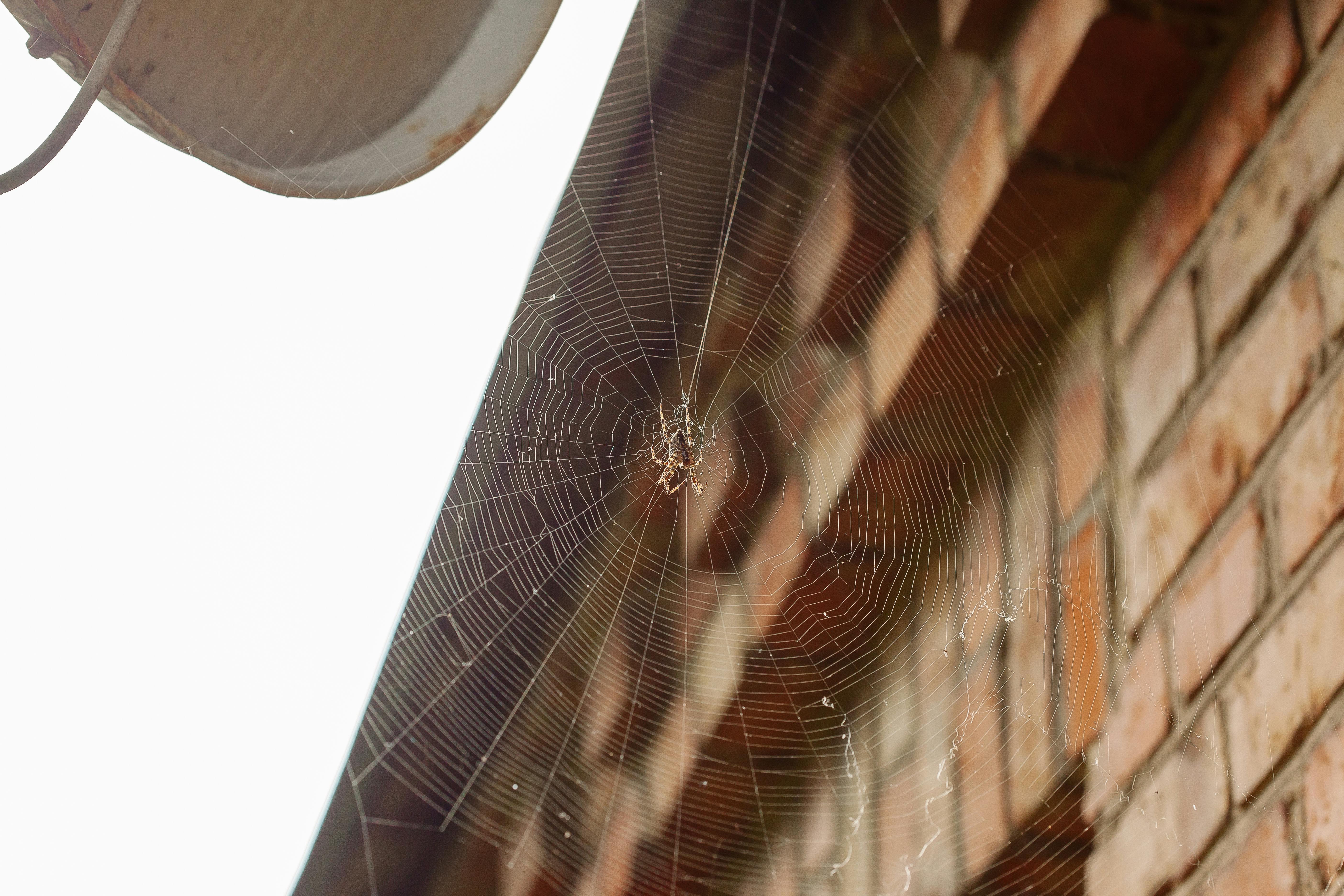
Black widows are instantly recognizable by their glossy, jet‑black bodies and the bright red hourglass that hangs from the underside of the abdomen. Females are larger—up to 1.5 inches with a round, bulbous abdomen—while males are smaller and more slender. Their webs are irregular, sticky, and usually found in dark corners, garages, or outdoor sheds.
Cellar Spider (Pholcidae family)
Often called “daddy‑long‑legs,” cellar spiders have extremely long, thin legs and a small, teardrop‑shaped body. Their webs appear messy and are typically suspended in basements, crawl spaces, and corners of closets. While they may look intimidating, cellar spiders are harmless and actually help control other pests.
House Spider (Parasteatoda tepidariorum)
House spiders are small (about ½ inch), with a brownish‑gray abdomen marked by faint, irregular patterns. They spin classic, orderly orb webs in quiet indoor spots such as window frames and ceiling corners. These spiders are non‑aggressive and pose no health risk.
Tips for Spotting Webs, Egg Sacs, and Bite Marks
- Web type: Irregular, sticky webs in dim areas often signal black widows or cellar spiders; neat, circular orb webs point to house spiders.
- Egg sacs: Brown recluse egg sacs are brown, silky, and attached to hidden crevices; black widow sacs are pale, teardrop‑shaped, and hang from webs.
- Bite clues: A brown recluse bite may start as a painless pinprick that later turns into a red, blistering lesion with a possible necrotic center. Black widow bites cause immediate pain, sweating, and muscle cramps.
- Location matters: Recluse spiders favor undisturbed indoor spaces like closets, attics, and under furniture, while black widows prefer outdoor dark shelters but can wander indoors.
- Take a photo: Capturing a clear image of the spider or its web helps professionals confirm the species and recommend the right treatment.
By familiarizing yourself with these key identification points, you can quickly assess whether a spider sighting is a minor nuisance or a sign that a professional inspection from Anthem Pest Control is needed.
Health Risks and What the CDC Says About Spiders
Venom Effects of Common Dangerous Spiders
In Georgia, the two species homeowners worry about most are the brown recluse and the black‑widow. A brown‑recluse bite typically produces a painless puncture that can turn into a painful, necrotic wound within a few hours. The venom contains enzymes that break down tissue, leading to redness, swelling, and sometimes a “bullseye” pattern around the bite.
Black‑widow venom, on the other hand, is neurotoxic. Victims often feel a sharp sting followed by muscle cramps, abdominal pain, and a characteristic “latched‑on” feeling in the arms or legs. While most healthy adults recover without lasting effects, the pain can be intense enough to require a visit to the emergency room.
Recognizing Symptoms and When to Seek Care
Knowing what to look for can make all the difference. Watch for these red‑flags after a suspected spider bite:
- Severe or spreading pain that doesn’t subside within an hour
- Rapidly expanding redness or a necrotic lesion
- Muscle weakness, tremors, or uncontrolled shaking
- Fever, chills, or a feeling of “flu‑like” malaise
- Difficulty breathing or swallowing
If any of these symptoms appear, especially in children, the elderly, or anyone with a compromised immune system, call your doctor or head to the nearest urgent‑care facility immediately. Prompt medical attention can prevent complications and speed recovery.
CDC Data and Prevention Tips
The Centers for Disease Control and Prevention (CDC) tracks spider‑related injuries nationwide. According to their latest figures, spider bites account for fewer than 1 % of all reported venomous injuries in the United States, and fatalities are exceedingly rare. The CDC emphasizes that most bites occur when spiders are unintentionally disturbed—often while cleaning storage areas, basements, or closets.
Key prevention recommendations from the CDC include:
- Keep homes clutter‑free; spiders love dark, undisturbed corners.
- Seal cracks around windows, doors, and foundations to block entry.
- Wear gloves when handling firewood, gardening tools, or stored boxes.
- Consider professional inspections if you suspect a brown‑recluse or black‑widow presence.
For the full CDC guidance, visit the official page: CDC Spider Safety. Armed with this information, you can feel confident that the risk is low, but staying vigilant and knowing when to act keeps your family safe.
Seasonal Spider Activity in Georgia
Georgia’s climate gives spiders plenty of opportunities to thrive, but their numbers don’t stay constant all year. In the spring, adult females emerge from their winter hideouts, lay egg sacs, and the hatchlings quickly disperse. Warm temperatures and abundant insects create a perfect feeding ground, so you’ll notice a noticeable spike in web‑building activity throughout April and May. By early summer, those young spiders mature, and the landscape can feel a little “spider‑y,” especially around outdoor lights and garden structures.
Why Spring and Summer See the Biggest Bursts
- Temperature rise: Most Georgia spiders become active when daytime highs consistently hit 70°F (21°C) or above.
- Food supply: Summer insects—mosquitoes, flies, and beetles—provide a buffet that fuels rapid growth.
- Reproduction cycle: Female spiders spin multiple egg sacs during these months, releasing hundreds of spiderlings each.
Fall and Winter: The Great Indoor Migration
As temperatures dip in September, many spider species start seeking shelter from the cold. They gravitate toward the warmth of homes, especially basements, attics, and corners near heating vents. While you might see fewer webs outside, indoor sightings can increase, often prompting homeowners to wonder if a professional inspection is needed.

Reading the Seasonal Activity Chart
The chart above breaks down spider activity by month. The tall green bars (April‑July) signal when outdoor webbing and bite‑risk are highest—ideal times to schedule a pre‑emptive inspection and treatment. The orange bars (October‑December) highlight the shift indoors; this is when you should consider a follow‑up service focused on interior cracks, vents, and stored items.
By aligning your pest‑control plan with these seasonal trends, you can catch spider populations before they become a nuisance. If you notice increased webbing in early summer or a sudden indoor surge in the fall, give Anthem Pest Control a call. Our local expertise lets us target the right species at the right time, keeping your home spider‑free year‑round.
What to Expect During a Professional Spider Inspection

Pre‑inspection preparation tips for homeowners
Before the technician arrives, take a few minutes to clear pathways and remove clutter from high‑traffic areas. This doesn’t mean a full‑scale cleaning—just enough to let the inspector move freely around baseboards, under sinks, and behind appliances. Close any exterior doors and windows that aren’t needed for the visit, and gather any recent pest activity records (photos, bite reports, or sightings) to share with the technician.
Step‑by‑step walkthrough
When the licensed inspector steps onto your property, the process typically follows a predictable pattern designed to leave no stone unturned:
- Exterior perimeter scan: The technician walks the house’s outer shell, checking for cracks, gaps around utility penetrations, and damaged siding that could serve as spider entry points.
- Entry‑point focus: Doors, windows, vents, and foundation cracks receive extra attention. The inspector may use a handheld flashlight to peer into dark voids where spiders often hide.
- Indoor vulnerable zones: Areas such as basements, crawl spaces, attics, closets, and under appliances are examined. These spots retain moisture and provide the quiet corners spiders love.
- Moisture and humidity check: Using a moisture meter, the inspector identifies damp spots that encourage spider webs and prey insects.
- Final sweep: A quick review of the entire home ensures nothing was missed, and the technician notes any signs of spider activity—webs, egg sacs, or shed exoskeletons.
Tools and technology used
Professional inspectors rely on a blend of classic tools and modern tech to get an accurate picture:
- High‑lumens flashlight: Illuminates hidden corners without disturbing the resident’s daily routine.
- Moisture meter: Detects hidden dampness that can attract spiders and their insect prey.
- Digital camera or tablet: Captures photos of problem areas and logs them directly into a report.
- Inspection checklist app: Guarantees a systematic approach, ensuring every potential entry point is evaluated.
How findings are documented and communicated
Every observation is recorded in a digital report that includes annotated photos, measurements, and a risk rating for each inspected zone. The technician reviews the findings with you on the spot, explaining the significance of each discovery in plain language. You’ll receive a printable summary that outlines:
- Current spider activity levels.
- Specific entry points that need sealing.
- Recommended treatment options, from targeted sprays to preventive barriers.
- Maintenance tips to keep future infestations at bay.
This transparent handoff not only builds confidence in Anthem Pest Control’s expertise but also empowers you to make informed decisions about protecting your Peachtree City home.
Treatment Options and Pricing for Spider Control
When a spider infestation shows up in a Peachtree City home, the first question is “how will it be taken care of?” At Anthem Pest Control we offer a menu of proven treatments—both chemical and non‑chemical—so you can choose the level of protection that fits your budget and comfort level.

Chemical Treatments: Sprays, Dusts, and Perimeter Barriers
Our most common chemical approach combines three layers:
- Targeted sprays—applied directly to webs, corners, and entry points for immediate knock‑down.
- Dust formulations—placed in voids, wall cavities, and under appliances where liquids can’t reach.
- Perimeter barriers—a low‑residue spray around the home’s foundation that creates a protective moat, reducing re‑invasion.
All products are EPA‑registered and applied at concentrations safe for children and pets.
Non‑Chemical Options: Exclusion and Habitat Modification
For homeowners who prefer a chemical‑free strategy, we start with a thorough inspection to locate gaps, cracks, and moisture sources that attract spiders. Sealing these entry points, trimming vegetation away from the house, and reducing indoor clutter are the core steps. In many cases, exclusion alone can keep spider numbers at bay for months.
Service Tiers: Standard vs. Premium Inspection Plans
We’ve packaged our treatments into two clear tiers. Both include a licensed technician, a detailed report, and a warranty, but the depth of service differs.
| Feature | Standard Plan | Premium Plan |
|---|---|---|
| Initial inspection | Single‑visit visual assessment | Comprehensive inspection with moisture testing |
| Chemical treatment | Targeted spray only | Spray + dust + perimeter barrier |
| Non‑chemical measures | Basic exclusion tips | Full exclusion service (sealants, habitat cleanup) |
| Follow‑up visits | One 30‑day re‑check | Two 30‑day re‑checks + annual maintenance |
| Warranty | 60‑day guarantee | 12‑month guarantee |
| Price (approx.) | $149 per treatment | $269 per treatment |
Why Follow‑Up and Warranty Matter
A spider’s life cycle can span several weeks, so a single application rarely eliminates every egg sac. Our follow‑up visits let us verify that the population is truly suppressed and apply a touch‑up if needed. The warranty backs that work—if spiders return within the covered period, we’ll retreat at no extra charge.
Choosing the right tier depends on your home’s condition, how quickly you need relief, and your budget. Either way, Anthem Pest Control guarantees transparent pricing, a clear service outline, and the expertise of local technicians who know Peachtree City’s spider species inside and out.
DIY Prevention Tips to Reduce Spider Encounters
Clear the Clutter
Spiders love quiet corners where they can spin undisturbed. Start by removing storage boxes, piles of laundry, and cardboard that sit on the floor. Keep seasonal items in sealed plastic containers rather than cardboard boxes, and vacuum regularly under furniture and in closets. A tidy home eliminates the hidden nooks that spiders use as daytime hide‑aways, making your space less inviting.
Seal the Gaps
Every crack around doors, windows, and foundation is a potential entry point. Apply a silicone‑based caulk to gaps in baseboards, around pipe penetrations, and behind exterior trim. Install door sweeps on all exterior doors and replace damaged weather‑stripping. Repair torn or missing window screens promptly. By creating a continuous barrier, you block both spiders and the insects they prey on from slipping inside.
Light and Landscape Management
Outdoor lights attract flying insects, which in turn draw spiders looking for a meal. Swap bright white bulbs for amber or sodium‑vapor fixtures, and position lights away from doors and windows. Keep vegetation trimmed at least two feet from the house foundation; dense shrubs and leaf litter provide perfect hunting grounds. Removing debris, mulching with coarse wood chips, and maintaining a clear perimeter reduces the food source that lures spiders onto your property.
Safe Cleaning of Webs and Egg Sacs
When you spot a web, use a damp cloth or a vacuum with a hose attachment to remove it. Avoid crushing the web, as broken strands can release egg sacs. If you encounter an egg sac, place it in a sealed bag and dispose of it in an outdoor trash container. Wearing gloves protects your skin, and a mild detergent solution helps remove any lingering silk without leaving a chemical residue.
Know When to Call a Pro
DIY steps work well for occasional sightings, but persistent infestations, large numbers of egg sacs, or species like brown recluse or black widow require professional intervention. If you notice webs in multiple rooms, frequent bites, or spiders returning despite regular sealing and cleaning, it’s time to contact a licensed technician. A targeted treatment plan can address hidden colonies and give you peace of mind throughout the season.
Take Action with Anthem Pest Control Today
Spiders may seem harmless, but in Georgia they can quickly become a nuisance, especially when species like the brown recluse or black widow set up shop inside homes. A professional spider inspection pinpoints hidden entry points, identifies the species present, and recommends a treatment plan that protects both your family and your property. Skipping that step often leads to repeated bites, property damage, and costly DIY attempts.
Anthem Pest Control’s team is built on licensed, EPA‑registered technicians who know the seasonal patterns of Georgia’s spider population. Our transparent pricing means you’ll see exactly what’s included—no hidden fees, no surprise charges. Because we service the region year‑round, we understand when spiders are most active and can tailor preventative measures to keep them out before they become a problem.
Ready to take the next step? Schedule a free, no‑obligation quote today. Just pick up the phone and call 877‑371‑8196. Our friendly representatives will arrange a convenient time for a certified technician to visit, assess your home, and walk you through the recommended solution.
When you choose Anthem, you’re opting for safe, effective treatments that fit any budget. We use low‑toxicity products that protect pets and children while delivering lasting results. Whether you need a one‑time spider removal or an ongoing prevention program, our customized plans give you peace of mind without breaking the bank.
Don’t let spiders take over your living space. Visit Anthem Pest Control to learn more about our services, read customer testimonials, and start the process of a spider‑free home.