Identifying Common Household Spiders

Knowing which spider you’re dealing with is the first step toward a safe and effective response and a key part of proper spider control Suwanee homeowners rely on. Not all eight-legged visitors are dangerous, but a misidentification can lead to unnecessary panic or, worse, an untreated bite from a venomous species. By learning the visual cues of the most common indoor spiders in Suwanee, you’ll be better equipped to decide whether a simple DIY cleanup will suffice or if it’s time to call in Anthem Pest Control for professional assistance.
House Spider (Parasteatoda tepidariorum)
The humble house spider is the most frequent sight in Georgia homes. It measures about ½ inch (12 mm) when fully extended, with a rounded abdomen that sports a mottled brown‑gray pattern. Its web is the classic messy, sheet‑like structure you often find in corners, basements, or behind furniture. These spiders are harmless; they rarely bite and actually help control other pests.
Cellar Spider (Pholcidae family)
Also called “daddy‑long‑legs,” cellar spiders have extremely long, thin legs that can span up to 2 inches (5 cm). Their bodies are small, typically light brown or gray, and they spin irregular, tangled webs in dim, damp areas such as basements, crawl spaces, and closets. While they can bite if provoked, their venom is weak and poses no serious health risk to humans.
Brown Recluse (Loxosceles reclusa)
The brown recluse is the spider most homeowners fear. It measures ¼‑½ inch (6‑12 mm) with a uniformly brown, violin‑shaped marking on the dorsal side of its cephalothorax. Its legs are short and robust, and it prefers undisturbed, dry places like closets, attics, and under stored boxes. Bites can cause necrotic lesions and systemic symptoms, so any suspected brown recluse sighting should be reported to a professional immediately.
Black Widow (Latrodectus mactans)
Black widows are easily recognized by their glossy black bodies and the iconic red hourglass shape on the underside of the abdomen. Females are larger, reaching up to 1½ inches (38 mm) with long, slender legs. They favor dark, sheltered spots such as woodpiles, garages, and outdoor sheds, but they occasionally wander indoors during extreme weather. Their neurotoxic bite can cause severe muscle cramps, nausea, and respiratory distress, warranting prompt medical attention and professional pest control.
How to Capture a Clear Photo for Identification
- Use a smartphone with a macro or close‑up mode; tap the screen to focus on the spider’s body.
- Place a white sheet of paper or a light‑colored surface beneath the spider to improve contrast.
- Avoid flash if possible; natural light or a steady lamp reduces glare on the exoskeleton.
- If the spider is in a web, gently coax it onto the paper with a soft brush or a piece of cardboard, then snap the photo before it retreats.
- Take multiple angles—top view of the abdomen and side view of the legs—to capture key markings.
Warning Signs of a Venomous Spider or Growing Infestation
Even if you can’t immediately identify the species, certain clues signal a higher risk:
- Webs clustered in corners, especially thick, dense sheets that cover large surface areas.
- Seeing several spiders of the same size and color in a short period, indicating a breeding population.
- Unexplained bites that cause severe pain, swelling, or necrotic lesions—particularly if they occur at night.
- Presence of egg sacs, which look like small, flattened, creamy‑white capsules attached to webs or hidden in crevices.
When any of these red flags appear, it’s wise to involve a trained technician who can confirm the species, assess the extent of the problem, and recommend a targeted treatment plan.
For a deeper dive into local spider species and emergency response options, visit Anthem Pest Emergency Spider Control – Johns Creek. Our team in Suwanee is ready to help you reclaim a safe, spider‑free home.
When a Spider Encounter Turns Into an Emergency
Defining “Emergency” in Spider Control
Not every spider sighting warrants a panic call, but certain situations cross the line into true emergencies—especially when spider control Suwanee homeowners depend on becomes urgent. In pest-management terms, an emergency occurs when a spider poses an immediate health risk, creates a structural hazard, or threatens vulnerable occupants such as children, seniors, or pets. Typical red-flag scenarios include:
- Confirmed bites from venomous species (e.g., black‑widow or brown‑recluse).
- Massive, actively expanding nests in living spaces, especially bedrooms or kitchens.
- Identification of aggressive, fast‑moving species that do not retreat when disturbed.
- Evidence of a sudden surge of spiders after a weather event, indicating a possible infestation.
- Any situation where a child or pet has been in direct contact with a spider and shows signs of distress.
Real‑World Examples That Demand Immediate Action
Imagine a five‑year‑old playing on the floor when a black‑widow drops from a ceiling corner and bites the child’s forearm. The bite is painless at first, but within minutes the area swells, turns red, and the child begins to feel muscle cramps. This is a classic emergency that requires prompt medical attention and professional spider removal.
In another case, a homeowner discovers a dense, sheet‑like web covering the entire headboard and side of a bedroom mattress. The web belongs to a cellar‑spider colony that has multiplied overnight. While cellar spiders are not deadly, their sheer numbers can cause sleepless nights, allergic reactions to shed skins, and a psychological sense of infestation that can quickly become a health‑and‑safety concern.
After a severe thunderstorm, many neighborhoods report a sudden influx of spiders crawling along walls and into basements. The storm often drives outdoor spiders inside seeking shelter, and if they find cracks or gaps, they can establish new colonies in minutes. This rapid escalation is a clear signal that professional intervention is needed before the problem spreads.
Health Implications of Venomous Bites and Allergic Reactions
Venomous spider bites can trigger a range of medical issues, from localized pain and necrosis to systemic reactions such as muscle spasms, fever, and, in rare cases, anaphylaxis. According to the Centers for Disease Control and Prevention (CDC), black‑widow bites may cause severe abdominal cramps, hypertension, and respiratory difficulty, while brown‑recluse bites can lead to tissue necrosis that requires surgical debridement.
Even non‑venomous species can cause problems. Spider silk, shed exoskeletons, and droppings are common allergens that exacerbate asthma or trigger hives in sensitive individuals. A sudden increase in spider activity can therefore heighten the risk of allergic reactions for anyone in the home.
Immediate Steps Homeowners Can Take While Waiting for a Professional
While you wait for Anthem Pest Control’s emergency response team, follow these quick actions to limit exposure and prevent the situation from worsening:
- Isolate the area: Close doors, seal off vents, and keep family members, especially children and pets, out of the affected room.
- Limit entry points: Use towels or cardboard to block gaps under doors and windows where spiders might crawl.
- Avoid disturbance: Do not shake or disturb webs, as this can provoke aggressive behavior or cause hidden spiders to scatter.
- Keep lighting low: Many spiders are attracted to bright lights that draw insects; dimming lights reduces their food source.
- Document the encounter: Take clear photos of the spider, bite marks, or web structure. This helps the technician assess the severity and select the appropriate treatment.
Why Prompt Response Matters
Delaying treatment can allow a small problem to snowball into a full‑blown infestation. Venomous spiders reproduce quickly, and a single adult female can lay hundreds of eggs. An unchecked nest can expand to cover entire rooms, increasing the likelihood of bites, allergic reactions, and even structural damage from webs that trap moisture and attract other pests.
Moreover, early professional intervention often means a less invasive, more cost‑effective solution. Anthem Pest Control uses targeted, low‑toxicity treatments that focus on the source, reducing the need for repeated visits and extensive chemical applications.
In short, when a spider encounter meets any of the emergency criteria outlined above, treat it as a priority. Quick, decisive action protects your family’s health, preserves your home’s integrity, and ensures that the problem is resolved by experts who understand the local spider landscape in Suwanee, Georgia.
Professional Emergency Spider Control Methods

When a spider invasion turns from nuisance to emergency, the difference between a quick resolution and a lingering problem lies in how the situation is assessed and treated—especially with spider control Suwanee homeowners depend on during urgent situations. Certified technicians from Anthem Pest Control bring a systematic, science-backed approach that homeowners simply can’t replicate with over-the-counter products. By starting with a thorough inspection, they pinpoint the exact source of the infestation, identify the species involved, and gauge how extensive the problem really is.
Inspection: Finding Nests, Identifying Species, Assessing Severity
The inspection begins with a visual sweep of both interior and exterior zones. Technicians look for tell‑tale signs such as silk strands, egg sacs, and web anchors, then trace those clues back to hidden nests in wall voids, attics, or crawl spaces. Using a handheld magnifier and, when needed, a low‑power UV light, they can distinguish harmless house spiders from more concerning species like brown recluse or black widow. This species identification is crucial because it dictates the potency and type of treatment required.
Targeted Treatment Options
Once the inspection is complete, technicians deploy a blend of immediate‑action and long‑lasting solutions. The goal is to knock down the current population while erecting a barrier that prevents re‑entry.
- Spot‑on insecticide sprays – Applied directly to nests and visible spiders, these fast‑acting formulations deliver an instant knock‑down. The aerosolized droplets penetrate silk and reach hidden crevices, ensuring that even the most concealed spiders are affected within minutes.
- Residual barrier treatments – A low‑drift, EPA‑registered concentrate is sprayed around foundation cracks, door thresholds, windows, and other entry points. This creates a protective layer that remains effective for weeks, killing any spider that attempts to cross the threshold.
- Indoor fogging or misting – For widespread infestations, a calibrated fogger releases a fine mist that blankets entire rooms, reaching behind furniture, under appliances, and into ceiling voids. The fog penetrates deep into spider hideouts without leaving a heavy residue on surfaces.
- Structural modifications – Sealing cracks, repairing damaged screens, and removing clutter are non‑chemical steps that close off the pathways spiders use to invade homes. Technicians may also recommend installing door sweeps and weather‑stripping to further limit access.
Safety Protocols Technicians Follow
Every emergency response is performed with safety at the forefront. Technicians don full personal protective equipment (PPE), including nitrile gloves, safety goggles, and respirators when fogging indoors. They also assess ventilation needs, temporarily shutting off HVAC systems to prevent chemical drift into other rooms. Before treatment, families are advised to relocate pets and children to a safe area, and all products used are EPA‑registered for indoor use, guaranteeing they meet strict health and environmental standards.
DIY Sprays vs. Professional‑Grade Products
Many homeowners reach for a canned spray from the hardware aisle, but those products are formulated for surface cleaning, not for penetrating spider nests. Professional‑grade concentrates contain a higher concentration of active ingredients, are specifically labeled for spider control, and undergo rigorous EPA registration that validates both efficacy and safety when applied by trained personnel. In contrast, DIY sprays often lack residual activity, evaporate quickly, and can leave behind sub‑lethal doses that encourage resistance.
Another key difference is application technique. Certified technicians use calibrated sprayers and foggers that deliver the exact amount of product needed for each situation. Over‑application or under‑application can both reduce effectiveness and increase health risks. By adhering to label directions and employing industry‑standard equipment, professionals ensure a uniform treatment that DIY methods simply cannot match.
Why a Service Contract Makes Sense
Even after an emergency is resolved, spiders are opportunistic and can return if conditions become favorable again. A professional service contract provides scheduled monitoring visits, during which technicians re‑inspect vulnerable areas, refresh residual barriers, and adjust structural recommendations as needed. This proactive approach catches early signs of re‑infestation before they turn into another emergency, saving homeowners both stress and money in the long run.
In addition, contract holders often receive priority scheduling for any future emergencies, discounted rates on follow‑up treatments, and access to the latest low‑toxicity products that keep families and pets safe. For Suwanee homeowners who value peace of mind, partnering with Anthem Pest Control turns a one‑time crisis into an ongoing partnership for a spider‑free home.
Emergency Spider Control Pricing Comparison
Hourly vs. Flat‑Fee Packages
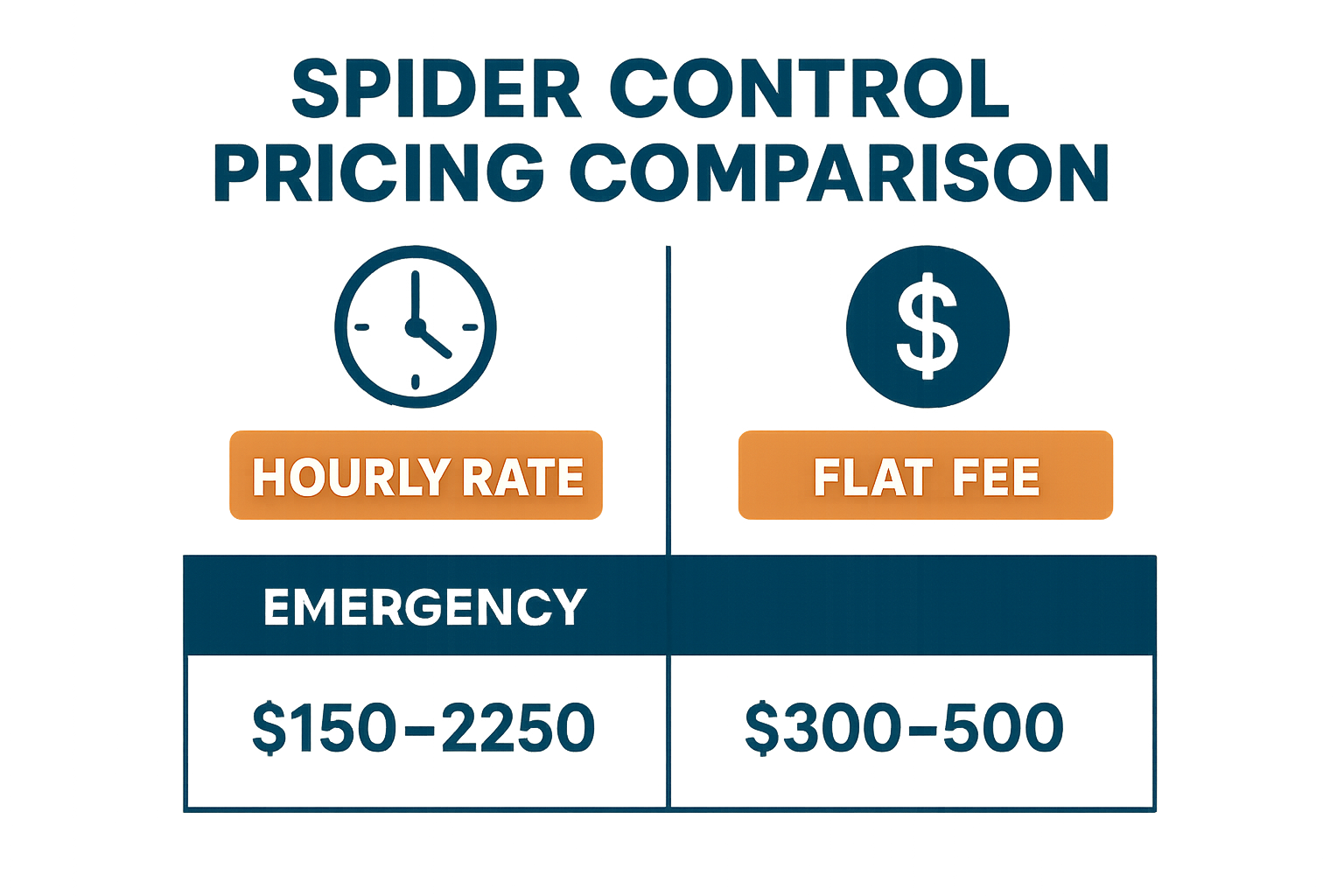
When a spider infestation spikes after dark, most pest companies offering spider control Suwanee homeowners rely on provide two pricing routes. The first is an hourly rate, where the technician bills for each minute spent on-site. This model is flexible for small, localized problems but can become pricey if the job drags on. The second is a flat-fee emergency package, a one-time charge that covers a full treatment, equipment, and often a follow-up visit. Homeowners typically choose the flat fee when they need same-day relief and want to avoid surprise costs.
| Pricing Model | Typical Rate | What’s Included |
|---|---|---|
| Hourly | $80–$120 per hour | Labor, materials, travel time only |
| Flat‑Fee Package | $250–$400 (same‑day service) | Full treatment, equipment, warranty, one follow‑up |
What Drives the Cost?
Even within these ranges, several factors can shift the final bill for spider control Suwanee homeowners may need during an emergency:
- Severity of the infestation: A handful of lone spiders costs far less than a dense web network covering multiple rooms.
- Square footage: Larger homes demand more product and longer exposure times, nudging the price upward.
- Species involved: Venomous or hard‑to‑reach species (e.g., brown recluses) often require specialized chemicals and extra safety precautions.
- Need for follow‑up visits: Some situations call for a second treatment to break the life cycle, which may be bundled or billed separately.
Anthem Pest Control’s Transparent Pricing
Anthem Pest Control structures its emergency spider service around clarity and value. Homeowners receive a single, upfront quote that bundles:
- All labor and travel costs
- Premium, low‑toxicity insecticide specifically formulated for spiders
- A 30‑day guarantee that covers any re‑infestation
- One complimentary follow‑up visit to ensure the treatment held
The flat‑fee typically lands between $260 and $380 for same‑day response in Suwanee, aligning with the industry range while eliminating hidden hourly charges. Anthem also offers a “price‑lock” option for customers who schedule a preventive plan within 30 days of the emergency visit.
Smart Ways to Evaluate a Quote
When you receive estimates, keep these checkpoints in mind:
- Inclusive services: Verify that the quote covers inspection, treatment, disposal of any debris, and the guarantee period.
- Guarantee length: Longer guarantee windows (30‑60 days) usually indicate confidence in the treatment’s effectiveness.
- Hidden fees: Look out for extra travel surcharges, after‑hours premiums, or “equipment fees” that aren’t spelled out.
- License and insurance: A reputable provider will list their state license number and proof of liability coverage.
- Customer reviews: Compare the quoted price with feedback from local homeowners; consistent praise for “no surprise costs” is a good sign.
By understanding the two pricing models, the variables that influence cost, and Anthem Pest Control’s straightforward approach, you can budget confidently and choose the plan that delivers rapid relief without unwelcome surprises.
Seasonal Spider Activity and Timing for Treatment
Spider Life Cycle Basics
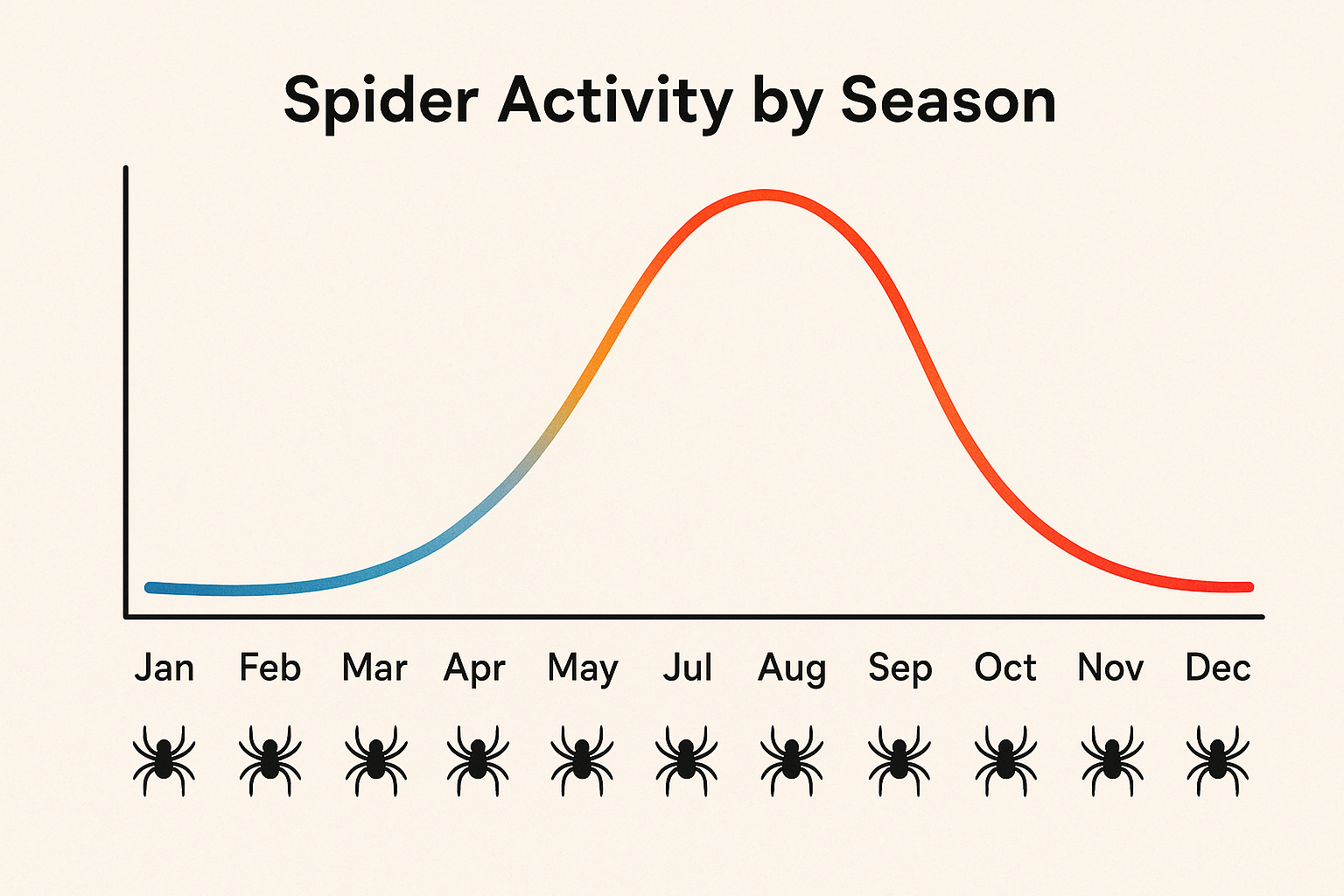
Spiders in Suwanee follow a predictable life cycle that hinges on temperature and humidity. Eggs hatch in late spring when soil warms above 55°F, producing spiderlings that disperse on silk threads. As summer temperatures climb, these juveniles mature quickly, mate, and lay a second batch of eggs. Cooler fall nights and lower humidity slow growth, pushing many species into a dormant overwintering stage—either as adults hidden in leaf litter or as eggs protected in silk sacs.
Reading the Seasonal Activity Chart
The chart above breaks the year into four activity zones. Peak months (June – August) show the highest outdoor movement, coinciding with abundant insects that serve as spider prey. Early spring (March – May) marks the emergence of newly hatched spiderlings, while late fall (October – November) reflects a gradual decline as adults seek shelter. Winter (December – February) registers the lowest activity, though indoor populations can linger if conditions stay warm and humid.
Regional Nuances in Suwanee
Unlike northern Georgia, Suwanee’s mild climate rarely drops below freezing for extended periods. This means spiders can remain active year‑round, especially in homes with steady heating and moisture. Basements, crawl spaces, and sun‑lit corners become micro‑habitats where humidity stays high, allowing species like the brown recluse or cellar spider to persist even during the coldest months.
Optimal Treatment Windows
Understanding the life cycle lets you time interventions for maximum impact:
- Early Spring (March‑May): Apply a pre‑emptive barrier spray around the foundation, windows, and door frames. This stops wandering spiderlings from crossing into your home as they search for food.
- Late Summer/Early Fall (August‑October): Conduct a targeted indoor treatment after outdoor populations have peaked. Focus on corners, closets, and utility rooms where spiders set up nesting sites.
Recommended Treatment Schedule
| Season | Primary Goal | Typical Treatment |
|---|---|---|
| Early Spring (Mar‑May) | Prevent entry of emerging spiderlings | Barrier spray around exterior perimeters |
| Mid‑Summer (Jun‑Jul) | Monitor outdoor activity spikes | Visual inspections; spot treatments as needed |
| Late Summer/Early Fall (Aug‑Oct) | Address indoor nesting after outdoor surge | Indoor residual spray; focus on corners and basements |
| Winter (Dec‑Feb) | Maintain low indoor populations | Annual follow‑up treatment; de‑humidify problem areas |
Why Regular Monitoring Matters
Even with a well‑timed treatment plan, spider sightings can still occur if a new entry point opens or humidity spikes after a rainstorm. Scheduling quarterly inspections lets a professional spot early signs—such as silk webs in hidden corners or small egg sacs—before an infestation escalates into an emergency. Early detection means fewer chemicals, lower costs, and peace of mind for you and your family.
By aligning your spider control strategy with the natural ebb and flow of spider activity, you’ll keep your home safe year‑round while avoiding the panic of a sudden, large‑scale invasion.
Protect Your Home with Anthem Pest Control
When a spider invasion strikes, the difference between a quick fix and a lingering problem often comes down to two things: correctly identifying the species and responding without delay. Misidentifying a harmless house spider as a venomous one can cause unnecessary panic, while waiting too long on a true threat gives it time to establish nests and increase the risk to your family.
That’s why Anthem Pest Control’s emergency service is built around speed and accuracy. Our licensed technicians are trained to spot the subtle markings that separate a harmless orb weaver from a dangerous brown recluse or black widow. Armed with EPA‑approved products, they can safely eliminate the pests while protecting children, pets, and indoor air quality. Transparent pricing means you’ll know exactly what you’re paying for before any work begins, and our 24/7 availability guarantees that a night‑time spider sighting won’t leave you waiting until morning.
If you’ve spotted a dangerous spider or notice a sudden increase in activity, our team is ready to act fast, protect your family, and give you peace of mind. We combine rapid response with thorough follow‑up inspections, ensuring the problem stays solved and not just temporarily suppressed.
Don’t let an unwelcome eight‑legged guest linger in your home. Call us now at 877‑371‑8196 for a free, no‑obligation quote. Our friendly staff will schedule an emergency visit that fits your schedule, day or night.
Ready to reclaim your space? Visit Anthem Pest Control online to learn more about our comprehensive spider control Suwanee homeowners trust and other pest-prevention services.