Why Fruit Flies Matter in Peachtree City Homes
Fruit flies may be tiny, but they’re unmistakable. For homeowners considering fruit fly inspection Peachtree City, the most common species in Georgia is Drosophila melanogaster, a speck-sized fly with a tan-brown body and bright red eyes. Their life cycle is lightning-fast: eggs hatch in 24 hours, larvae develop in another 3–4 days, and adults emerge ready to reproduce within a week. This rapid turnover means a single pair can generate hundreds of offspring before you even notice a problem.
How They Get Inside
- Kitchen drains and sink traps – moist organic matter in pipes provides a perfect breeding ground.
- Trash cans and compost bins – rotting food scraps attract females looking for a place to lay eggs.
- Over‑ripe fruit and vegetables – anything left out on countertops or in fruit bowls becomes a nursery.
- Houseplants – damp soil can harbor larvae if the plant is over‑watered.
Health and Hygiene Concerns
While fruit flies don’t bite, they are vectors for bacteria and yeast. As they shuttle between decaying matter and your food, they can contaminate surfaces, spreading microbes that cause stomach upset or allergic reactions. Moreover, their presence often signals a larger sanitation issue, inviting other pests such as ants, cockroaches, or even rodents that are drawn to the same food sources.
Economic Impact
Every week, a family in Peachtree City can lose several dollars to spoiled produce, especially during the summer when fruit trees are in full bloom. The cost of constantly discarding over‑ripe items adds up, and the extra cleaning required to keep drains and countertops fly‑free can increase utility bills for hot water and chemical cleaners. In the long run, an unchecked fruit‑fly infestation can lead to more extensive pest‑control treatments, which are far pricier than a simple preventive approach.
Local Relevance
Peachtree City’s warm, humid climate and the abundance of backyard fruit trees create an ideal environment for fruit flies to thrive year‑round. The combination of outdoor fruit drop and indoor kitchen moisture means homeowners are constantly at risk, especially during the peak growing months of June through August. Understanding this local dynamic is the first step toward effective management.
For a deeper dive into fruit‑fly biology and the risks they pose, see the expert guides from Smart Solutions Pest Control and Burroughs Pest Control. Recognizing why fruit flies matter helps you decide when a professional inspection is the smartest move for a healthy, fly‑free home.
Spotting Fruit Fly Infestations Early
Fruit flies are tiny, but their presence can quickly become a nuisance. The first clue is often visual: you might notice a few specks of black buzzing around a fruit bowl, hovering near open trash cans, or darting out of the kitchen sink. These insects are attracted to fermenting sugars, so even a single fruit left out too long can become a magnet.
Visual Cues to Watch For
- Small, dark flies hovering near fruit, vegetables, or compost bins.
- Swarms gathering around drains, especially after a sink has been used.
- Fine black specks on countertops—these are often the flies’ droppings.
Signs of Breeding
Fruit flies lay eggs in moist, fermenting environments. Check for:
- Sticky residue or a film in sink traps where food particles collect.
- Over‑ripe or bruised produce that’s starting to soften or smell sweet.
- Damp garbage disposals that haven’t been run in a while.
Behavioral Patterns
These pests are most active in warm weather, especially after rain when humidity rises. You’ll notice a spike in activity during late spring through early fall. If you’ve just experienced a rainstorm, give your kitchen a quick sweep—fruit flies love the extra moisture.
DIY Inspection Checklist
- Inspect drains: Look for film, slime, or tiny flies emerging from the water.
- Check trash cans: Ensure lids are sealed and liners are changed regularly.
- Examine fruit storage: Store produce in the refrigerator or in sealed containers.
- Clean countertops: Wipe down any sugary spills immediately.
- Review compost: Keep outdoor compost bins away from doors and windows.
When to Call a Professional
If you’ve followed the checklist and still see repeated sightings, it’s time to bring in the experts. Call a pro when you notice:
- Large swarms that won’t dissipate after cleaning.
- Evidence of larvae or pupae in drain lines or garbage disposals.
- Persistent activity despite thorough sanitation.
Professional treatment can target hidden breeding sites that are difficult to reach with DIY methods. For detailed guidance on identifying fruit flies and understanding local control costs, visit Anthem Pest – Fruit Fly Control Cost Peachtree City. Acting early not only protects your kitchen but also prevents a small annoyance from turning into a full‑blown infestation.
Professional Drain Inspection and Removal

Why Drains Are Prime Breeding Grounds
Fruit flies thrive in damp, organic-rich environments—exactly what a kitchen or bathroom drain provides. For homeowners scheduling a fruit fly inspection Peachtree City, moisture keeps the larvae hydrated, while the thin film of soap scum, food particles, and hair creates a constant food source. The darkness of a pipe also protects the tiny insects from predators, making drains a hidden sanctuary where a few unnoticed flies can quickly turn into a full-blown infestation.
Step‑by‑Step of a Professional Inspection
- Camera inspection: A licensed technician inserts a high‑resolution waterproof camera into each suspect pipe. The live video feed reveals blockages, standing water, and any signs of larvae or pupae that are invisible to the naked eye.
- Measuring moisture levels: Using a moisture meter, the tech records the humidity inside the drain. Elevated readings confirm the environment is conducive to fruit fly development.
- Identifying blockages: The camera footage helps pinpoint organic buildup, hair clogs, or broken seals that trap water and organic matter—exactly the conditions fruit flies love.
- Documenting findings: All observations are logged, photographed, and compared to industry benchmarks so the homeowner receives a clear, actionable report.
Tools Used by Certified Technicians
- Inspection cameras: Flexible, LED‑lit scopes that navigate tight bends and transmit high‑definition video to a handheld monitor.
- High‑pressure water jets: Deliver a controlled burst of water to dislodge debris without damaging pipe integrity.
- Enzymatic cleaners: Biologically active solutions that break down organic matter, removing the food source that fuels fruit fly larvae.
How Technicians Differentiate Fruit Fly Larvae from Other Pest Larvae
Fruit fly larvae are typically transparent to light‑tan, measuring 2‑4 mm, and they move in a characteristic “wiggle‑and‑crawl” pattern. In contrast, cockroach nymphs are larger, darker, and have distinct segmentation. The technician also checks the location: fruit fly larvae are found near the water line or within the slime layer, whereas other pests prefer dryer, more exposed surfaces. This visual and behavioral cue set allows the pro to target the exact species with the appropriate treatment.
Immediate Actions Taken During the Visit
Once the breeding site is confirmed, the technician proceeds with a two‑pronged approach:
- Thorough cleaning: High‑pressure jets flush out standing water and organic buildup, while enzymatic cleaners dissolve remaining residues.
- Residual treatment: A EPA‑approved, low‑odor insect growth regulator (IGR) is applied directly to the pipe interior. This product interrupts the life cycle, preventing any remaining eggs or larvae from maturing.
The homeowner receives a written summary of the work performed, including product names, application rates, and safety precautions.
Safety Considerations for You and Your Home
All products used are listed on the EPA’s “Approved Pesticides for Residential Use” roster, ensuring they meet strict toxicity and environmental standards. Technicians wear protective gear, isolate the treatment area, and ventilate the space to protect occupants, pets, and indoor air quality. Moreover, any residual chemicals are applied at concentrations well below the threshold of concern for humans, providing peace of mind while delivering lasting control.
For a deeper look at the standards guiding these inspections, see the DPCA Your Home – Pest Control Peachtree City GA guidelines. Following these industry‑approved protocols ensures that every drain inspection not only eliminates fruit flies but also upholds the highest safety and efficacy benchmarks.
Post‑Inspection Sanitation and Home Prevention
After a professional fruit fly inspection Peachtree City, the real work begins in your kitchen. A clean, dry environment is the single most effective barrier against reinfestation, so treat the inspection findings as a checklist for daily habits that keep fruit flies out for good.
Immediate cleaning tasks
- Empty all trash cans and replace liners; fruit‑fly larvae can thrive in the soggy residue left behind.
- Discard any over‑ripe or bruised fruit, and store the rest in the refrigerator or in sealed containers.
- Give sink drains a hot‑water blast: pour a kettle of boiling water down each trap to melt organic buildup that attracts flies.
Recommended household products
For ongoing protection, keep a few proven products on hand. Enzyme‑based drain cleaners break down food particles without harsh chemicals, making them safe for pets and kids. Natural repellents—like a simple apple cider vinegar trap—are inexpensive and effective while you wait for professional treatments to kick in.
Ongoing maintenance schedule
Weekly: scrub sink basins and faucet aerators with a brush and hot water. Monthly: remove the trash can liners, wash the interior with a mild disinfectant, and let the container dry completely. Fruit storage: keep produce in the fridge or in a fruit bowl covered with a breathable mesh.
Kitchen layout and ventilation
Moisture loves hidden corners. Ensure countertops are clear of standing water, and wipe up spills immediately. If possible, arrange appliances so there’s space for air to circulate; a small under‑cabinet fan can dramatically reduce humidity, denying fruit flies the breeding grounds they crave.
DIY apple cider vinegar trap
While waiting for a professional treatment to take full effect, set up a quick trap:
- Fill a 16‑oz glass with ½ cup apple cider vinegar.
- Add a few drops of dish soap—this breaks the surface tension so flies can’t escape.
- Cover the glass with plastic wrap, poke tiny holes with a toothpick, and place it near the sink or trash area.
Check the trap daily and replace the solution every 2–3 days for maximum capture.
Further reading
For a step‑by‑step sanitation guide, visit Anthem Pest – House Fly Control Peachtree City. The page breaks down each task with photos and printable checklists, making it easy to stay on track.

Seasonal Fruit Fly Activity in Georgia
Georgia’s warm, humid climate is a perfect incubator for fruit flies. The state’s mild winters allow a few hardy individuals to survive, while hot summers accelerate their life cycle from egg to adult in as little as seven days. Understanding how temperature swings and humidity spikes shape these insects’ breeding patterns helps homeowners anticipate problem periods before they become noticeable infestations.
Reading the Seasonal Activity Chart
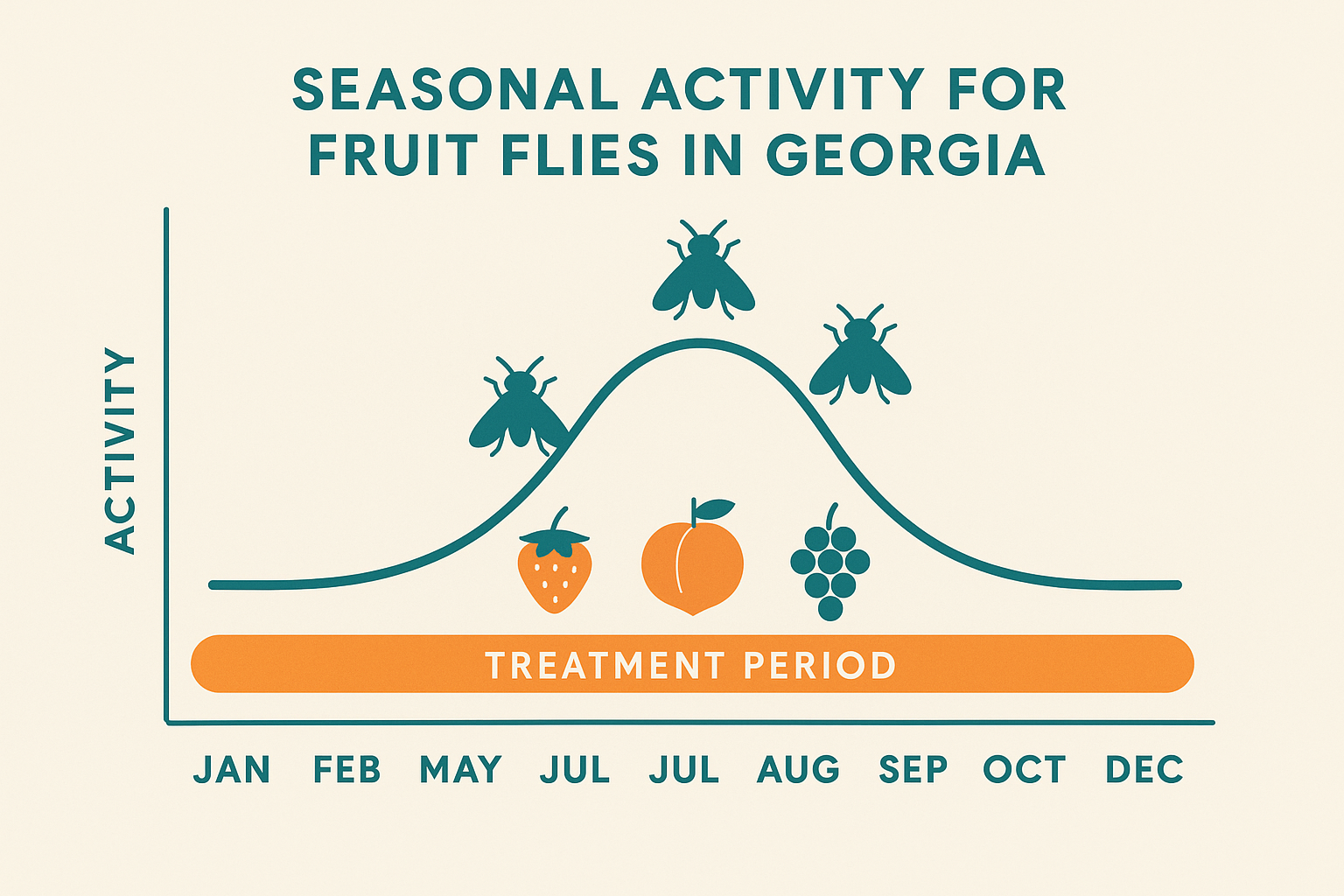
The chart below visualizes fruit fly activity throughout the year. Peak activity occurs from June through August, when daytime highs regularly top 85°F (29°C) and humidity hovers above 70%. A secondary surge appears in April and again in September, aligning with the “shoulder” seasons when early‑season fruit ripens and the first autumn harvests begin.
Temperature, Humidity, and Breeding Rates
Fruit flies thrive when temperatures stay between 75°F and 85°F (24‑29°C). In this range, a single female can lay up to 500 eggs over her two‑week lifespan. Humidity above 65% keeps the surrounding environment moist, which is essential for egg viability. When a heatwave pushes temperatures above 90°F, activity may dip briefly as flies seek cooler microhabitats, only to rebound once conditions normalize.
Optimal Treatment Windows
- Early spring (mid‑March to early April): Apply a pre‑emptive barrier around fruit‑bearing trees and garden beds. This stops the first wave of overwintering adults from establishing new colonies.
- Mid‑summer (late June to early August): Conduct a follow‑up treatment targeting mature populations that have multiplied during the peak months. Focus on drainage areas and compost piles where larvae develop.
- Fall (late September to early October): Perform a final sweep to eliminate late‑season breeders before cooler temperatures halt reproduction. This step also reduces carry‑over to the next year.
Using Weather Forecasts to Schedule Service
Short‑term forecasts are a practical tool for timing professional interventions. Aim for a window of 3‑5 consecutive days with daytime highs between 78°F and 85°F and relative humidity above 60%. Scheduling during these stable conditions maximizes the efficacy of residual insecticides, ensuring they remain active when flies are most active.
By aligning treatment plans with Georgia’s climate rhythm—pre‑empting the April bump, reinforcing control during the scorching summer, and sealing the deal in September—homeowners can keep fruit fly populations at bay year‑round. When the forecast matches the recommended parameters, give Anthem Pest Control a call at 877‑371‑8196 or visit our website to schedule a service that fits your calendar and your budget.
Pricing, Treatment Options, and Value Comparison
When it comes to fruit fly control in Peachtree City, Anthem Pest offers a clear, upfront price structure that removes the guesswork. For homeowners scheduling a fruit fly inspection Peachtree City, a standard inspection and treatment typically falls between $149 and $199, depending on the size of the property and the severity of the infestation. This range includes a thorough visual inspection, a one-time chemical spray, and a 30-day guarantee that the flies won’t return.
Regional Cost Snapshot
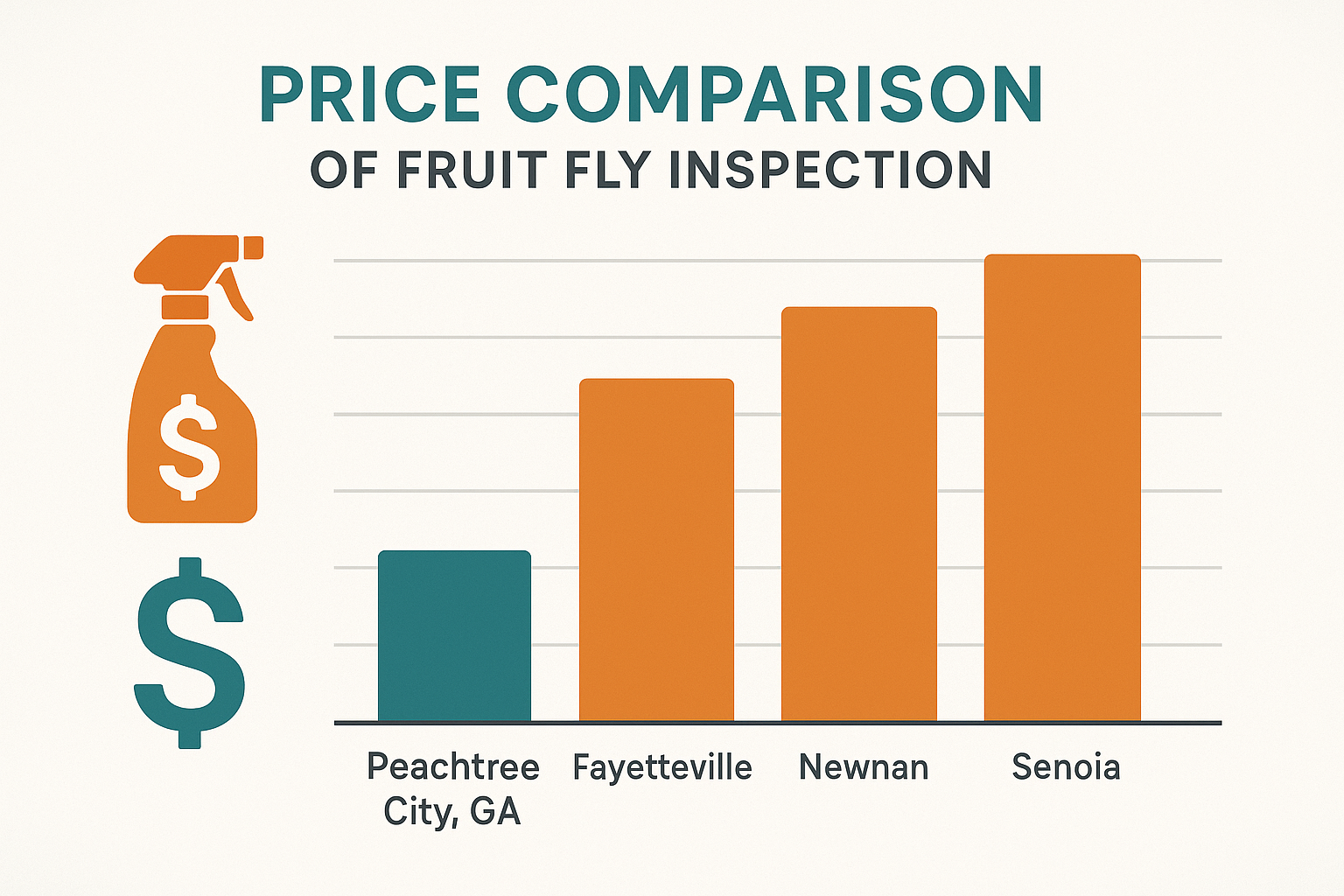
| City | Standard Inspection & Treatment | Monthly Barrier Program (12 mo.) | Eco‑Friendly Organic Option |
|---|---|---|---|
| Peachtree City, GA | $149 – $199 | $179 – $229 | $219 – $269 |
| McDonough, GA | $159 – $209 | $189 – $239 | $229 – $279 |
| Locust Grove, GA | $164 – $214 | $194 – $244 | $234 – $284 |
| Newnan, GA | $169 – $219 | $199 – $249 | $239 – $289 |
Treatment Modalities Explained
- One‑time chemical spray: Fast‑acting pyrethroid or organophosphate products applied to problem zones. Ideal for acute infestations.
- Monthly barrier programs: A scheduled series of low‑dose treatments that keep fruit flies at bay year‑round. Best for larger properties or homes near orchards.
- Eco‑friendly organic options: Plant‑based insecticides (e.g., neem oil, spinosad) combined with habitat modification. Perfect for families seeking minimal chemical exposure.
What’s Included in Each Service Tier
| Tier | Inspection | Treatment | Follow‑up Visits | Guarantee |
|---|---|---|---|---|
| Basic (One‑time spray) | 30‑min visual assessment | Single application | None (optional add‑on) | 30‑day re‑treatment if flies return |
| Standard (Monthly barrier) | 30‑min visual assessment | 12 scheduled applications | Quarterly progress checks | 12‑month guarantee |
| Premium (Eco‑friendly) | 45‑min comprehensive assessment | Organic spray + habitat cleanup | Monthly monitoring | 12‑month guarantee with free retreat if needed |
Factors That Influence the Final Price
Several variables can shift the quoted amount:
- Property size: Larger homes or multi‑unit buildings require more product and labor.
- Infestation severity: A light presence may be handled with a single spray, while a heavy outbreak often needs a barrier program.
- Seasonal timing: Treating during peak fruit‑fly season (late summer) can be more expensive due to higher demand.
Cost‑Benefit Analysis: Professional Service vs. DIY
Attempting a DIY approach might save a few dollars upfront, but the hidden costs quickly add up. For homeowners considering fruit fly inspection Peachtree City, uncontrolled fruit flies can contaminate stored produce, leading to food waste that easily exceeds $100 per household each season. Moreover, a thriving fruit-fly population often invites secondary pests—ants, wasps, and mold-bearing flies—escalating remediation expenses. By investing in a professional plan, homeowners protect their pantry, reduce health risks, and avoid the cumulative price of repeated DIY treatments.
For a deeper dive into pricing specifics, visit Anthem Pest’s Top‑Rated Fruit Fly Control in Peachtree City page or explore the regional overview from Centurion Pest Management.
Protect Your Home with Anthem Pest Control
Fruit flies are tiny but relentless. You’ve learned how to spot their tell‑tale swarms, why they surge in the warm months, and that a DIY spray often only masks the problem. A professional inspection pinpoints the breeding sites, evaluates hidden entry points, and designs a treatment plan that stops the infestation before it spreads to your kitchen, pantry, or even your yard.
Why a Professional Inspection Is Worth It
Trained technicians bring tools and knowledge that homeowners simply don’t have. They can differentiate fruit flies from other small insects, assess moisture levels, and locate breeding sources hidden inside drains, garbage disposals, or over‑ripe fruit that you might miss. This thorough approach saves you time, money, and the frustration of repeated DIY attempts.
Anthem Pest’s Local Expertise
- Licensed technicians: Every crew member holds state certification and ongoing training on the latest pest‑management techniques.
- EPA‑approved treatments: We use products that meet strict safety standards while delivering fast, lasting results.
- Transparent pricing: No hidden fees—just a clear, upfront quote that fits a homeowner’s budget.
- Peachtree City knowledge: We understand the local climate, common fruit‑fly hotspots, and the best timing for preventative work in Georgia.
Safety & Satisfaction Guaranteed
Our methods are safe for children, seniors, and pets, and we back every service with a satisfaction guarantee. If fruit flies return after our treatment, we’ll re‑inspect and re‑treat at no extra charge, ensuring your home stays fly‑free.
Get Your Free, No‑Obligation Quote Today
Ready to protect your kitchen and family from fruit-fly invasions? For expert fruit fly inspection Peachtree City, call us now at 877-371-8196 for a complimentary, no-obligation quote. Have questions about the process? Our friendly staff is happy to explain every step.
Take the first step toward a healthier home—Visit Anthem Pest Control and schedule your inspection today.