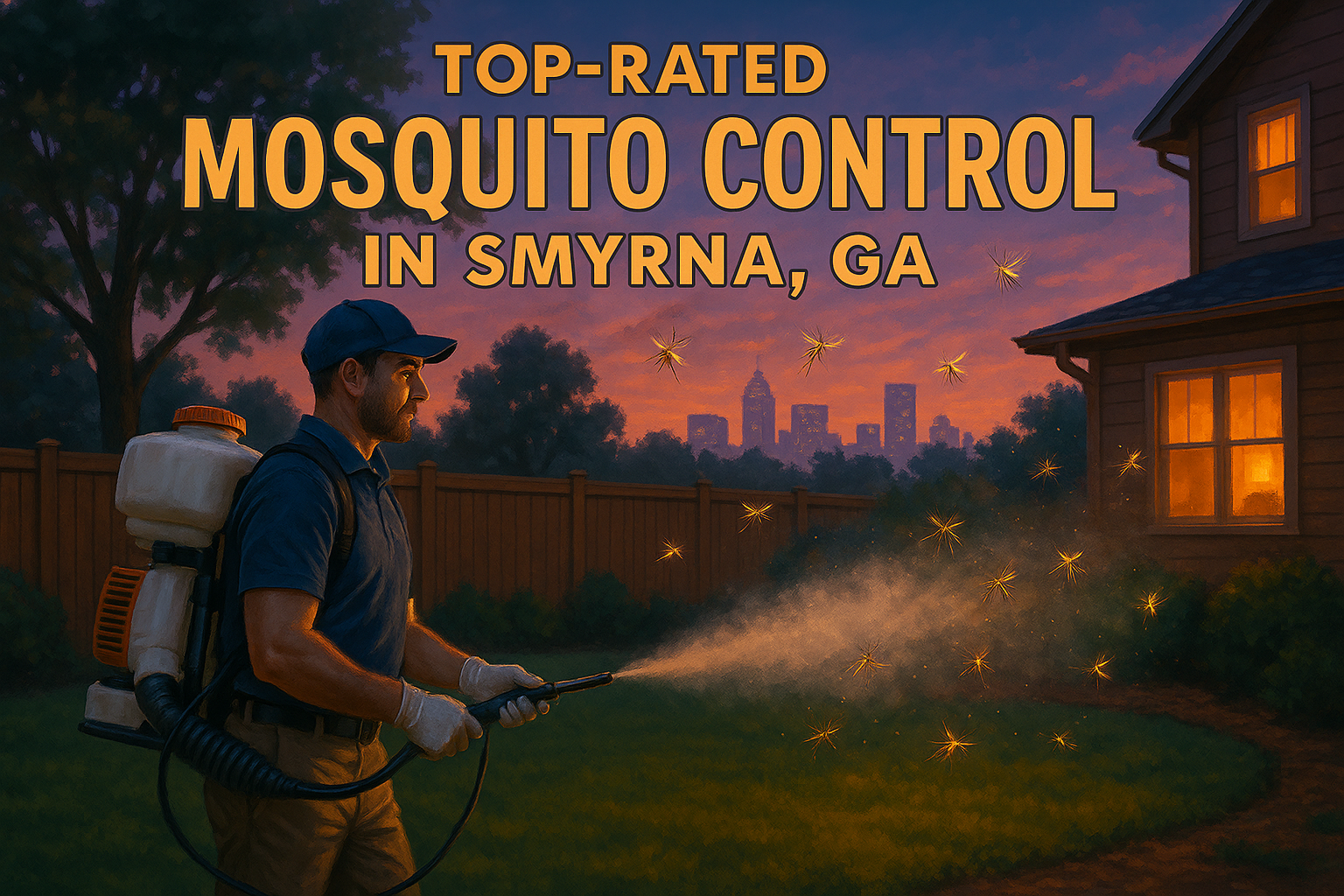
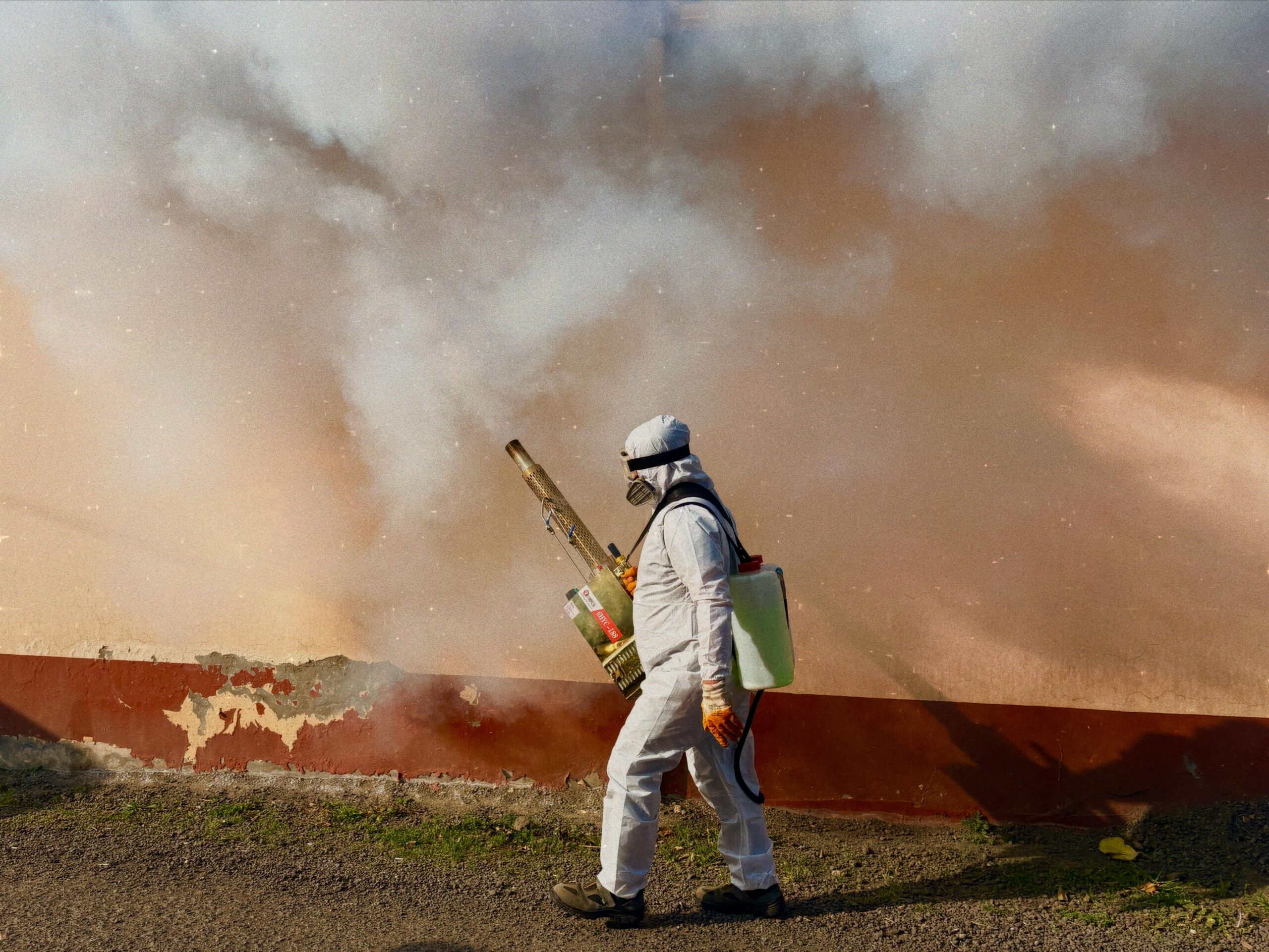
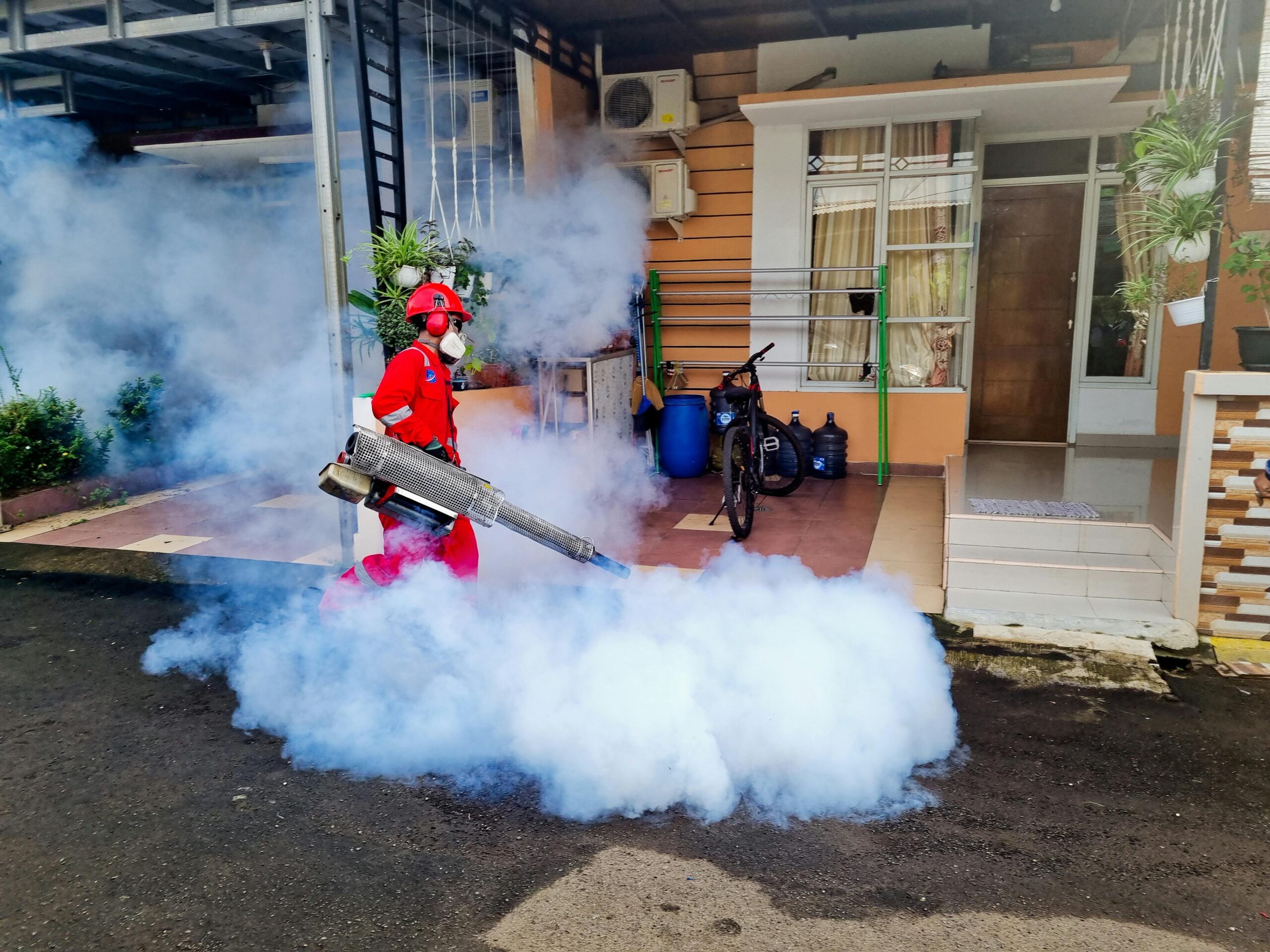
Understanding Silverfish and Why They Matter
Silverfish (Lepisma saccharina) are small, wingless insects that most homeowners recognize by their silvery-gray, fish-like scales and a tapered, carrot-shaped body that typically measures ½ to ¾ inch long—making silverfish control Suwanee an important concern when these pests appear indoors. Their quick, darting movements and preference for dark, humid spots give them a reputation for being elusive, but they’re far more common than many realize.
Where You’ll Find Them at Home
- Bathrooms and kitchens – the moisture from sinks, showers, and leaky pipes creates an ideal environment.
- Basements and crawl spaces – cool, damp conditions allow them to thrive year‑round.
- Closets and wardrobes – fabric fibers and occasional spills provide food sources.
- Pantries – grains, cereals, and dried fruit can attract silverfish looking for carbohydrates.
Because they favor undisturbed corners and crevices, you’ll often spot silverfish hiding behind baseboards, under appliances, or inside the folds of stored clothing.
Why They’re Considered Nuisance Pests
Unlike cockroaches or rodents, silverfish are not disease vectors. They don’t carry pathogens that pose direct health risks to humans or pets. Their primary impact is aesthetic and material damage, which is why they’re classified as nuisance pests.
Potential Damage to Your Home
Silverfish feed on carbohydrates and proteins found in everyday household items, which is why silverfish control Suwanee homeowners prioritize becomes essential as infestations grow over time. Over time, they can:
- Leave irregular, silvery stains on books, paper, and photographs.
- Chew tiny holes in clothing, especially natural fibers like cotton, silk, and wool.
- Damage wallpaper, especially the glue and backing layers.
- Contaminate stored foods such as cereals, pasta, and dried fruit, rendering them unsuitable for consumption.
While the damage is usually superficial, a large infestation can become costly, especially for homeowners with valuable collections of books or heirloom garments.
Putting Silverfish in Perspective
When you compare silverfish to more infamous household invaders—such as the German cockroach, which can spread bacteria and trigger severe allergies—their threat level appears modest. A macro photograph of a cockroach often highlights its size and aggressive nature, making the tiny, shy silverfish seem almost harmless by contrast. Yet, ignoring a silverfish problem can lead to gradual, hidden damage that’s harder to detect until it’s already done.
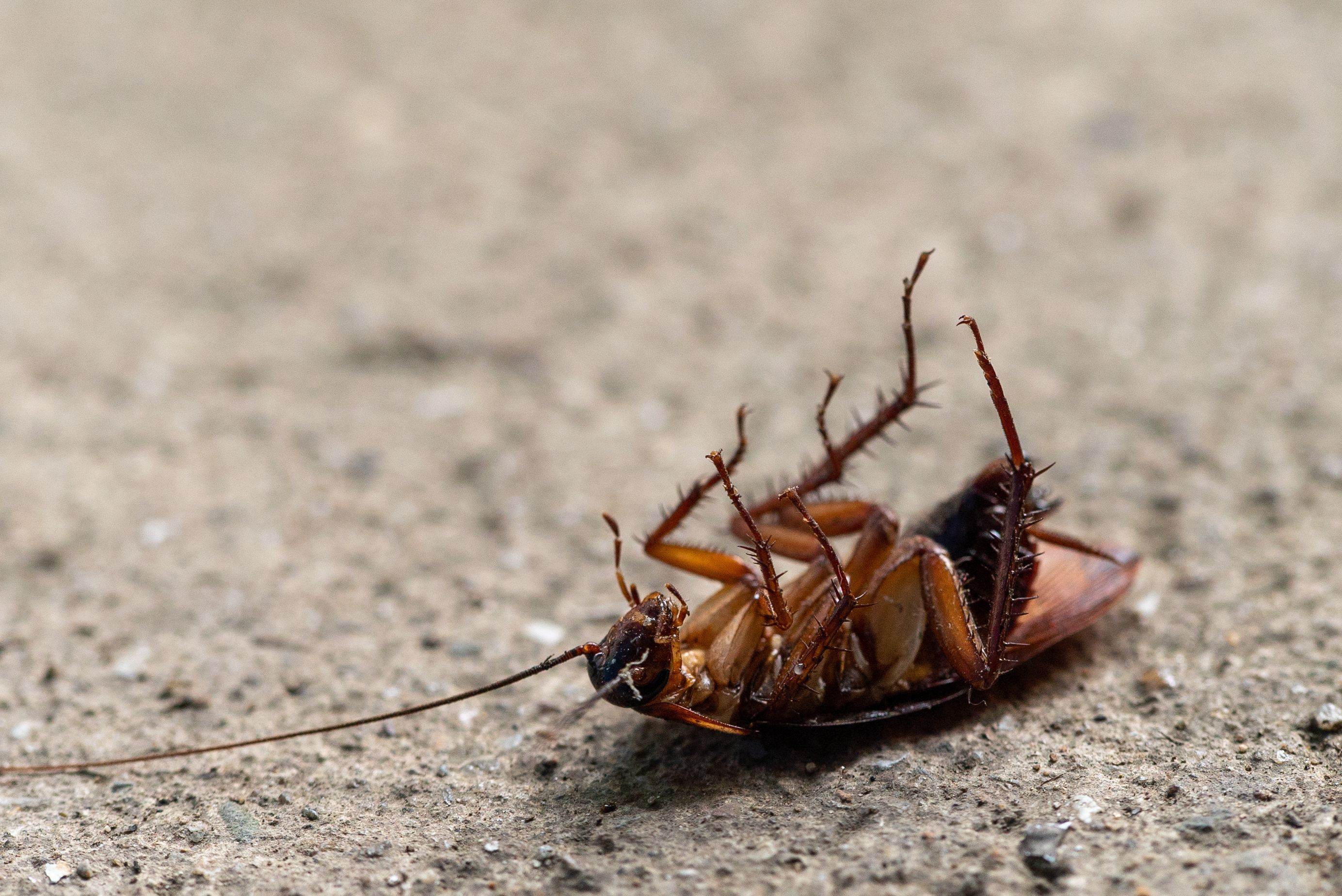
Understanding the biology and habits of silverfish equips you to recognize early signs of an infestation—tiny shed skins, small silvery tracks, or the occasional sighting in damp corners. Early detection is the first step toward effective, safe control.
For homeowners who prefer to manage pests responsibly, the EPA’s pesticide information provides guidance on selecting products that are both effective against silverfish and safe for families and pets.
Spotting Silverfish Infestations and Health Concerns
Visual clues you can’t afford to ignore
Silverfish are tiny, silvery‑gray insects that dart away when lights flick on. Their presence is most often confirmed by a handful of tell‑tale signs: live sightings, delicate shed skins that look like tiny fish scales, and pepper‑like fecal pellets about the size of a grain of sand. In damp corners you may also notice faint yellowish stains where their excrement has accumulated. These marks are not just unsightly—they’re the first breadcrumb trail pointing to a hidden colony.
How to run a quick, DIY inspection
Start in the kitchen, where moisture and food crumbs create a perfect buffet. Open cabinets, pull out pantry boxes, and shine a flashlight into the back of the pantry and under the sink. Next, move to the bathroom—check around the tub, behind the toilet, and inside tile grout. Finally, scan storage areas such as closets, basements, and laundry rooms; focus on cardboard boxes, paper stacks, and any area that feels cool and damp.

While you’re inspecting, use a small piece of tape to gently lift suspected debris. If you see shed skins or tiny black specks on the tape, you’ve likely confirmed activity. Keep a notebook or your phone handy to jot down the exact locations; this information will be gold when you call a professional.
Myths vs. reality: health risks you should know
Contrary to popular folklore, silverfish are not disease vectors like cockroaches or rodents. They don’t carry pathogens that cause serious illnesses. However, they can still pose health concerns. Their fecal pellets and shed skins may trigger allergic reactions in sensitive individuals, and their habit of feeding on starches and sugars can lead to food contamination—especially in flour, cereal, or pet food.
So while you won’t need to worry about life‑threatening diseases, you should treat a silverfish problem seriously to protect food safety and reduce the risk of allergic flare‑ups.
Early warning signs of a growing infestation
- Increasing number of shed skins in a single area.
- New yellowish stains appearing on walls or baseboards.
- Faint, musty odor that intensifies near moisture sources.
- More frequent sightings during nighttime when lights are on.
If you notice any two of these signs within a week, it’s a clear indicator that the colony is expanding and professional intervention is warranted—making silverfish control Suwanee homeowners rely on an urgent next step.
Documenting evidence before you call a pro
Take clear, close‑up photos of each sign—live insects, shed skins, pellets, and stains. Label the images with the room and exact spot (e.g., “Kitchen cabinet back panel”). A short video of an active silverfish can also help a pest technician gauge the severity of the problem. Compile these visuals in a single folder and note the dates you first observed each sign. When you reach out to Anthem Pest Control, this documentation speeds up the assessment and ensures you receive a targeted treatment plan.
Seasonal Patterns that Influence Silverfish Activity
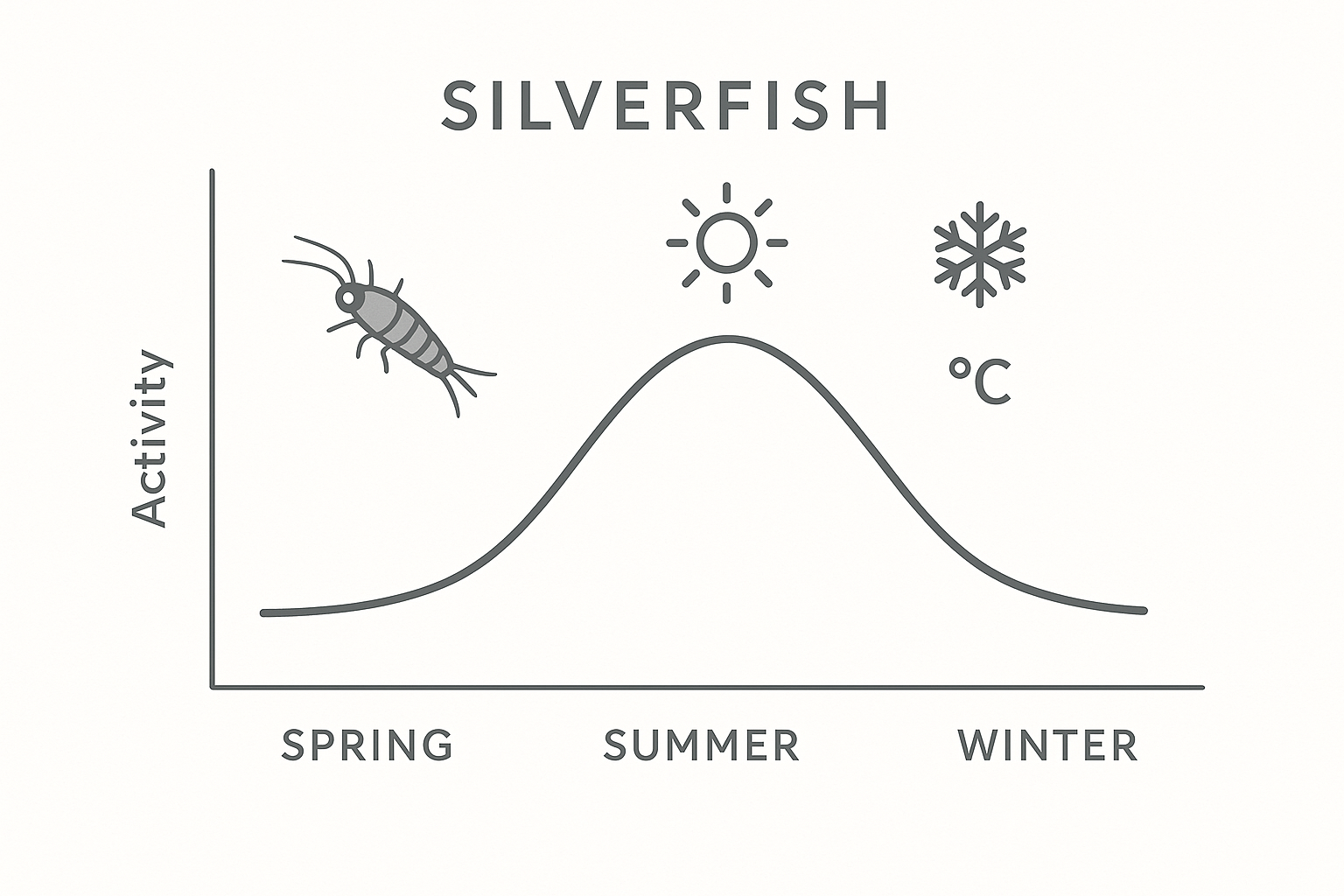
Silverfish are small, wingless insects that thrive on moisture. Their eggs hatch in as little as two weeks when the surrounding environment stays damp, and the nymphs continue to grow for up to three years, molting many times. Because they absorb water directly through their skin, even a slight rise in humidity can accelerate their development, while dry conditions slow it to a crawl. Understanding this moisture dependence is the first step in timing your control efforts.
What the Seasonal Activity Chart Shows
The chart below summarizes typical indoor silverfish activity across the calendar year. Notice the sharp climb in the spring and summer months, when ambient humidity and indoor moisture levels peak. Activity tapers off in the fall and drops to its lowest point during the colder, drier winter months.
| Month | Activity Level |
|---|---|
| January | Low |
| February | Low |
| March | Moderate |
| April | High |
| May | High |
| June | Very High |
| July | Very High |
| August | High |
| September | Moderate |
| October | Low |
| November | Low |
| December | Low |
How Regional Weather Shapes Indoor Humidity
In the humid Southeast, summer rain and high outdoor humidity often seep into basements, closets, and crawl spaces, keeping indoor moisture levels above 60 %. In contrast, the arid Southwest sees indoor humidity stay below 30 % for most of the year, which naturally suppresses silverfish numbers. The Midwest experiences a swing: warm, moist springs followed by drier autumns. Knowing your region’s weather pattern lets you predict when indoor humidity will rise enough to invite silverfish.
Practical Steps to Dry Out Your Home During Peak Months
- Ventilate regularly. Open windows and use exhaust fans in kitchens and bathrooms to expel humid air.
- Deploy a dehumidifier. Aim for indoor humidity below 50 % in basements, laundry rooms, and attics.
- Fix leaks immediately. Dripping pipes, roof leaks, or condensation on cold surfaces create perfect breeding grounds.
- Seal cracks. Use caulk around windows, doors, and foundation gaps to stop moisture infiltration.
When to Schedule Preventive Treatments
For most homeowners, the optimal window for a professional silverfish preventative treatment is late April to early June—just before the activity spike. If you live in a region with a prolonged humid season (e.g., the Gulf Coast), consider a second treatment in late August to catch any late‑season resurgence. Pair these applications with the moisture‑control steps above, and you’ll keep silverfish numbers at bay year‑round.
Treatment Options, Pricing, and What to Expect
DIY Approaches: Quick Wins or Temporary Fixes?
Many Suwanee homeowners reach for the pantry when silverfish appear. Boric acid works by dehydrating the insects, but it must stay dry and out of reach of pets. Diatomaceous earth is a fine powder that punctures the silverfish exoskeleton, yet it loses potency in humid basements. Sticky traps provide visual confirmation of activity, but they do nothing to stop a growing infestation. When it comes to silverfish control Suwanee, the upside of DIY is cost—often under $30—but the downside is inconsistent coverage and the need for repeated applications.
Professional Methods: Why a Licensed Technician Makes a Difference
Anthem Pest’s certified technicians bring EPA‑approved formulations that penetrate cracks, voids, and wall cavities where silverfish hide. Targeted sprays create a residual barrier on baseboards and under appliances. Dust applications (such as silica‑based dust) stay active for months, ideal for attics and crawl spaces. Structural treatments involve treating insulation, joist spaces, and even HVAC ducts to eliminate hidden colonies. A follow‑up inspection ensures the treatment hit its mark and catches any late‑emerging survivors.
Safety First: EPA‑Approved Products and Homeowner Precautions
All professional products we use are registered with the EPA and labeled for indoor use. Technicians wear protective gear, and we advise homeowners to keep children and pets away from treated zones for at least two hours. Ventilation is a simple step—open windows after a spray—to speed off any lingering odor. If you opt for a DIY method, always read the label, store chemicals out of reach, and avoid mixing products.
Service Tiers and Transparent Pricing
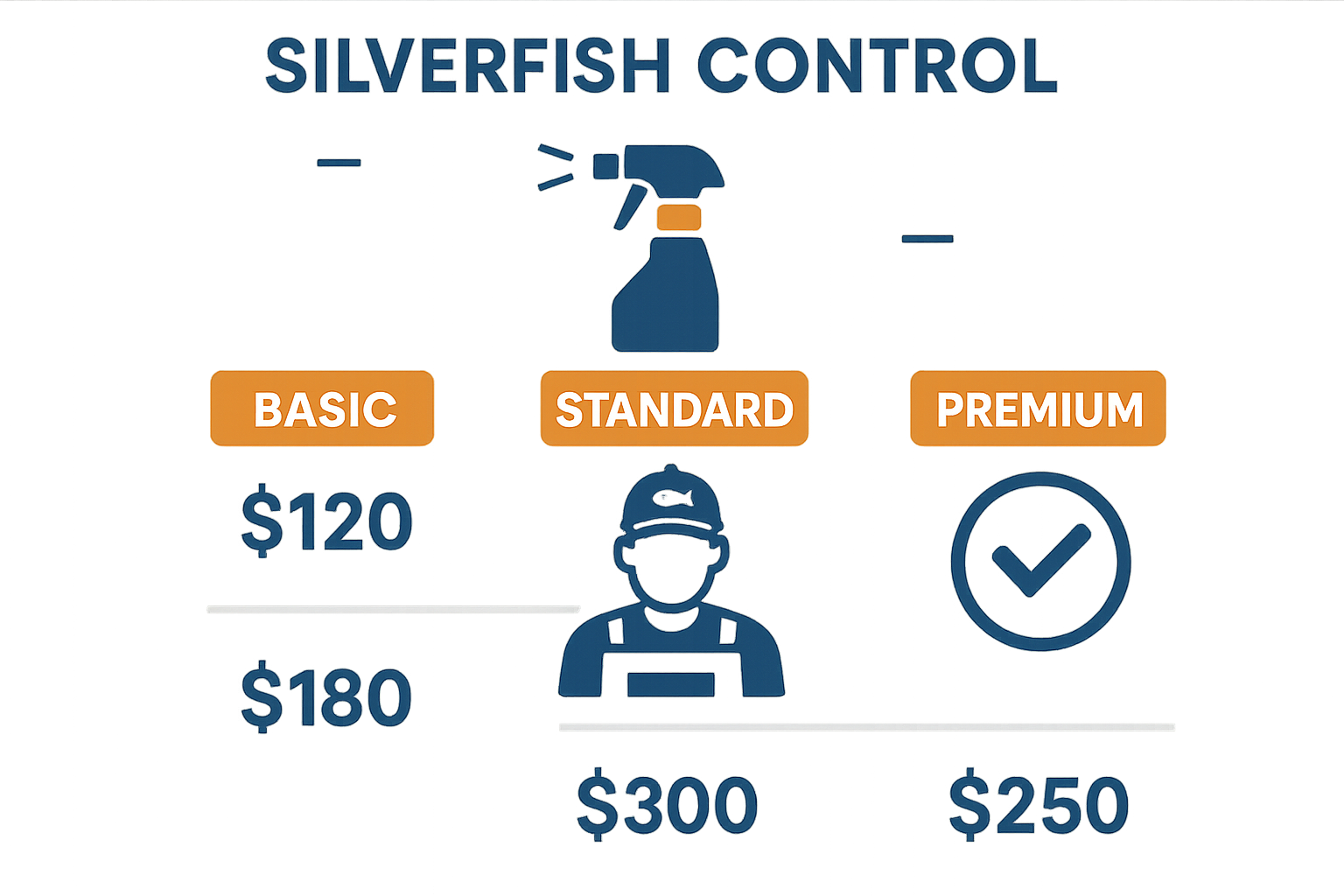
| Tier | Price | Typical Home Size |
|---|---|---|
| Basic | $120 | Up to 1,500 sq ft |
| Standard | $180 | 1,500 – 2,500 sq ft |
| Premium | $250 | 2,500 sq ft and larger |
What Each Tier Includes
- Basic ($120) – One full‑service visit, a licensed technician, spot‑on spray and dust in high‑risk areas, and a 30‑day guarantee.
- Standard ($180) – Two visits spaced two weeks apart, comprehensive spray & dust coverage, a follow‑up inspection, and a 60‑day warranty.
- Premium ($250) – Three visits, full‑home structural treatment (including attic and crawl space), premium EPA‑approved products, a post‑treatment walkthrough, and a 90‑day guarantee.
Choosing the Right Tier for Your Home
If you’ve spotted a few silverfish in a single bathroom, the Basic tier often suffices. A moderate infestation—multiple sightings across the kitchen, laundry, and basement—warrants the Standard package to ensure the colony is fully addressed. For larger homes, especially those with finished basements or extensive crawl spaces, the Premium tier provides the most thorough protection and the longest warranty, giving silverfish control Suwanee homeowners peace of mind during Georgia’s humid summer months.
FAQs
- How often should silverfish be treated? Most homes need a single comprehensive treatment, followed by a 30‑ to 90‑day check‑up depending on the tier. Severe cases may require quarterly visits for the first year.
- Are the products safe for pets? Yes. All EPA‑approved chemicals we use are low‑toxicity when applied correctly. Pets should stay out of treated rooms for two hours, after which normal activity can resume.
- What should I expect after treatment? You may notice a mild odor that dissipates within an hour. Traps will continue to catch any surviving silverfish, giving you visual confirmation that the treatment is working.
- Do I need to prep my home before a technician arrives? Clear clutter from baseboards, move lightweight items off the floor, and ensure easy access to crawl spaces and under‑appliance areas. This speeds up the process and improves coverage.
Choose Anthem Pest Control for Reliable Silverfish Solutions
Early detection and prompt, proper treatment are the cornerstones of keeping silverfish at bay. The sooner you spot the tell‑tale signs—tiny fish‑shaped scales, damage to paper or clothing, and those rapid, darting movements—the easier it is to intervene before the infestation spreads throughout your home. Acting quickly not only protects your belongings but also limits the amount of pesticide needed, preserving the safety of your family and pets.
Why Anthem Pest Control Is Your Best Bet
Anthem Pest Control brings years of specialized experience to every silverfish call, whether you’re in Suwanee, Georgia, or any of our nationwide service areas. Our technicians are trained to identify silverfish hotspots, assess moisture issues that attract them, and apply the most effective treatment protocols. Because we serve homeowners across the United States, you benefit from a proven, scalable approach that combines local knowledge with a national standard of excellence.
Safe, EPA‑Compliant Products & Transparent Pricing
We only use products that meet EPA safety standards, ensuring a treatment that is both potent against silverfish and gentle on the indoor environment. Our pricing is laid out in clear tiers so you know exactly what you’re paying for:
- Basic Tier: Inspection, targeted spot treatment, and a follow‑up visit.
- Standard Tier: All Basic services plus perimeter barrier and moisture‑control recommendations.
- Premium Tier: Comprehensive coverage with quarterly monitoring, guaranteed pest‑free results, and a satisfaction guarantee.
Education, Satisfaction Guarantees, and Ongoing Support
Anthem doesn’t stop at the spray can. We empower homeowners with practical tips on reducing humidity, sealing entry points, and storing food properly—steps that keep silverfish from returning. Every service comes with a satisfaction guarantee: if you’re not happy with the results, we’ll re‑treat at no extra cost. Our commitment to clear communication means you’ll always understand what’s happening and why.
Ready for a Free, No‑Obligation Quote?
If you suspect silverfish in your home or simply want to prevent a future invasion, let Anthem Pest Control take the next step for you. Our trained technicians will assess your situation, explain the best service tier for your needs, and schedule a safe, effective treatment tailored to silverfish control Suwanee homeowners can trust. Call us now at 877-371-8196 for a free quote, or visit Anthem Pest Control to request your no-obligation estimate online.