Recognizing Ticks and Their Risks
Common Tick Species in the United States
Homeowners in Decatur seeking reliable tick control Decatur GA solutions most often encounter three tick species that are capable of transmitting disease:
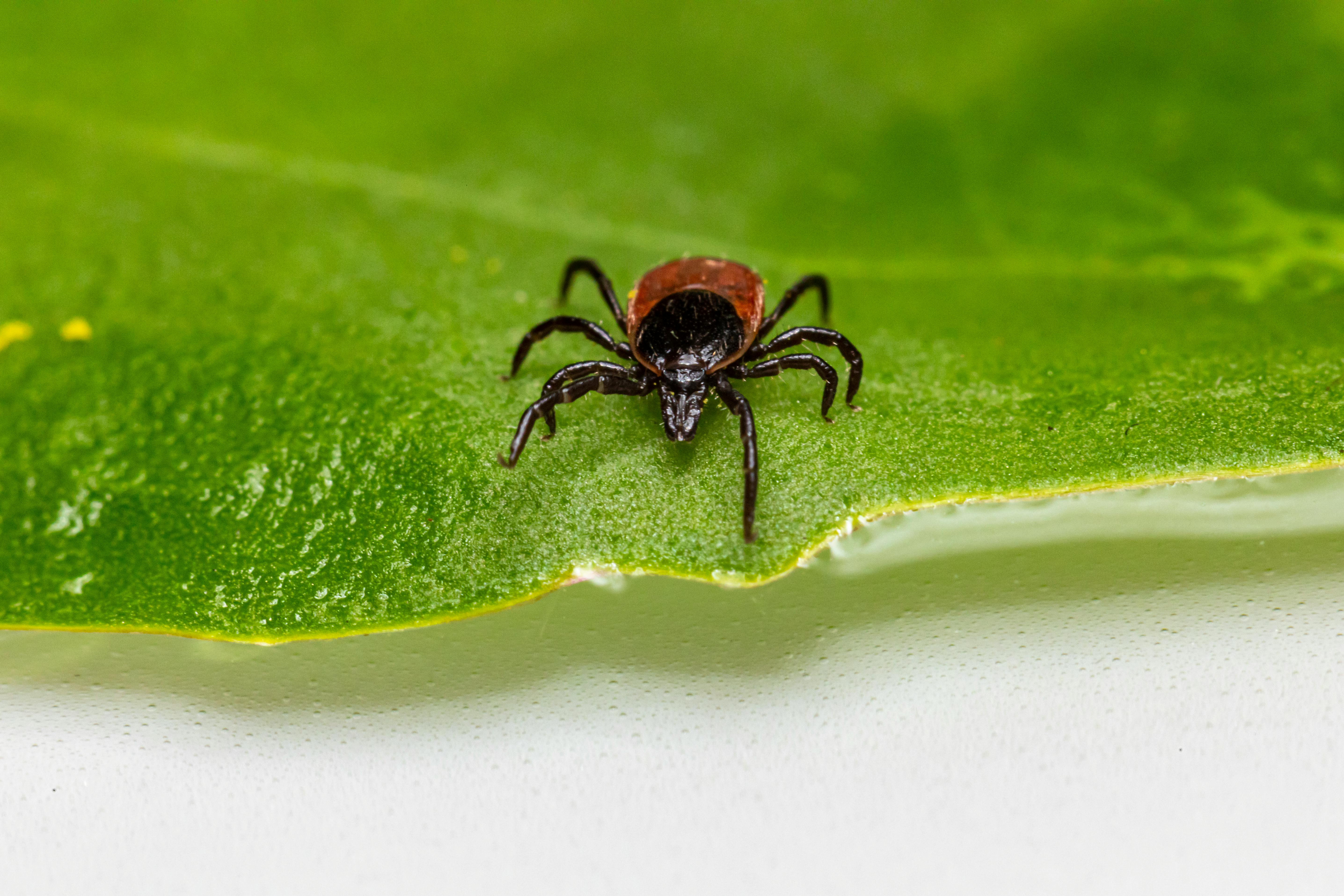
- Black‑legged (deer) tick – the primary vector for Lyme disease; typically 2–3 mm when unfed, turning reddish‑brown after a blood meal.
- American dog tick – larger, about 4–5 mm, with a grayish‑white scutum and a reddish‑brown abdomen.
- Lone star tick – recognizable by a single white “star” spot on the female’s back; ranges from 2–6 mm depending on life stage.
Key Visual Identifiers
All ticks share a few tell‑tale features that make them easier to spot:
- Size: From the size of a poppy seed (larvae) to a small grape (adult females).
- Color: Varies from light brown to dark reddish‑brown; some species have distinct markings.
- Body segmentation: A flat, oval body divided into two main parts – the front capitulum (head) and the larger idiosoma (body).
- Shield shape: The scutum on the back looks like a tiny shield; in females it covers only part of the abdomen, allowing them to expand after feeding.
Where Ticks Hang Out
Ticks thrive in humid micro‑environments where they can latch onto a passing host. In and around Decatur, look for them in:
- Wooded edges and forested patches – especially where leaf litter is thick.
- Tall grasses and meadow‑like areas, including the borders of your lawn.
- Leaf litter and mulch beds in backyard gardens.
- Under low shrubs, garden trellises, and even in decorative rock gardens.
Quick Visual Inspection Checklist
After any outdoor activity—whether you’re hiking, gardening, or just playing with the kids—run through this short inspection:
- Pets: Run your hands over the animal’s neck, ears, and between toes. Use a fine‑toothed comb if needed.
- Clothing: Shake out jackets, pants, and socks. Pay special attention to seams and cuffs.
- Skin: Stand in front of a mirror and examine the scalp, behind ears, underarms, and the groin area. Ticks often attach in warm, hidden spots.
What to Do If You Find a Tick
Act fast, but stay calm. Follow these steps for safe removal:
- Grab a pair of fine‑tipped tweezers. Position them as close to the skin as possible, grasping the tick’s head (the mouthparts).
- Pull upward with steady, even pressure. Avoid twisting or jerking, which can leave mouthparts embedded.
- After removal, clean the bite area with rubbing alcohol or soap and water.
- Disinfect the tweezers, then place the tick in a sealed container. If you’re unsure about the species, you can forward the specimen to your local health department for identification.
- Monitor the bite site for a rash or flu‑like symptoms over the next 2–3 weeks. If anything feels off, contact a healthcare professional promptly.
For a deeper dive into tick identification, consult the CDC Tick Identification Guide. Knowing exactly what you’re dealing with is the first line of defense against tick‑borne illnesses.
Health Hazards Linked to Tick Bites
Ticks may be tiny, but the illnesses they carry are anything but. Understanding the medical risks helps you act fast, protect your family, and keep your home a safe haven.
Tick‑borne diseases you should know
- Lyme disease – caused by Borrelia burgdorferi, the most common tick‑borne infection in the U.S.
- Rocky Mountain spotted fever – a rickettsial disease that can become life‑threatening if untreated.
- Anaplasmosis – affects white blood cells and can cause flu‑like symptoms.
- Babesiosis – a malaria‑like illness that attacks red blood cells.
- Ehrlichiosis, Southern tick‑associated rash illness (STARI) and other regional infections.
Symptoms that signal a problem
- Fever or chills
- Rash, especially the classic “bull’s‑eye” (erythema migrans) around the bite site
- Unexplained fatigue or malaise
- Joint or muscle aches
- Neurological signs – headache, facial palsy, or confusion
How quickly can illness appear?
The incubation period varies by disease. Some infections, like Rocky Mountain spotted fever, can show symptoms within hours to a few days. Others, such as Lyme disease, often take 5‑14 days to manifest. In rare cases, Babesiosis may not appear for several weeks. Knowing this timeline lets you monitor your health and act before the infection spreads.
Who’s most vulnerable?
Children, outdoor workers, and pet owners face the highest risk. Kids spend time playing in tall grass where ticks wait, while landscapers, park rangers, and construction crews are regularly exposed. Pets can bring ticks into the house, increasing the chance of a bite for everyone.
When to call a doctor
If you notice any of the symptoms above within a few weeks of a tick bite, seek medical attention promptly. Physicians typically order blood tests for Borrelia antibodies (Lyme), PCR or serology for Rickettsia (Rocky Mountain spotted fever), and complete blood counts to check for anemia or low platelets (Babesiosis). Early diagnosis dramatically improves treatment outcomes.
Beyond pest control: extra safeguards
Even with professional tick control, personal protection adds a vital layer of defense. Consider these steps:
- Wear long sleeves, long pants, and light‑colored clothing to spot ticks easily.
- Use EPA‑registered repellents containing DEET, picaridin, or oil of lemon eucalyptus.
- Check your skin and clothing after outdoor activities; remove attached ticks with fine‑tipped tweezers.
- Vaccines are available for certain diseases (e.g., a Lyme vaccine under development), so stay informed about emerging options.
- Maintain a tidy yard—keep grass trimmed, remove leaf litter, and create a barrier of wood chips or gravel to deter ticks from migrating onto your property.
By pairing professional tick control Decatur GA services with vigilant personal habits, you reduce the chance that a tiny bite turns into a serious health concern.
DIY Tick Prevention for Your Yard
Before you call in a professional, there are several low‑cost steps you can take right in your own yard to keep tick numbers down. These actions focus on habitat reduction, targeted treatments, and personal protection, giving you a solid first line of defense while you decide whether a full‑scale service is needed.
Landscape Management
Ticks thrive in humid, shaded environments where they can wait for a host. By managing the landscape, you remove the very places they love to hide.
- Keep grass trimmed: Mow your lawn to a height of 3‑4 inches at least once a week during peak tick season.
- Clear leaf litter and debris: Rake away fallen leaves, pine needles, and any organic mulch that sits directly against the house.
- Establish a 3‑foot mulch barrier: Use wood chips, gravel, or stone around the foundation of your home. This creates a dry zone that discourages ticks from crossing onto your porch or patio.
- Trim vegetation: Prune shrubs and low‑lying branches so that they are at least 3 feet away from walkways and play areas.
Tick‑Killing Treatments You Can Apply Yourself
When the yard is properly maintained, a few spot‑on treatments can give you extra peace of mind.
- Diatomaceous earth: Sprinkle food‑grade diatomaceous earth along fence lines and under mulch. Its abrasive particles dehydrate tiny arthropods, including ticks.
- Cedar oil sprays: Mix cedar oil with water and apply to shaded corners and leaf litter. The natural scent repels ticks without harming pets.
- Pet‑safe repellents: Look for products labeled safe for dogs and cats that contain ingredients like neem oil or essential‑oil blends. Apply according to the label for maximum effect.
Invite Natural Tick Predators
Encouraging birds, amphibians, and beneficial insects can provide ongoing biological control.
- Install birdhouses and bat boxes to attract insect‑eating species.
- Leave a small, rock‑filled “refuge” area for ground‑dwelling birds such as chickadees and wrens.
- Plant native flowering herbs like lavender and rosemary, which attract predatory insects that hunt tick larvae.
Protect Yourself and Your Family
Even with a tidy yard, occasional bites can happen. Proper personal protection reduces that risk.
- Wear long sleeves and pants: Tuck pants into socks or boots to block tick entry points.
- Use skin‑applied repellents: Choose DEET (10‑30%), picaridin (20 %), or oil of lemon eucalyptus (30 %). Reapply every 3‑4 hours.
- Permethrin‑treated clothing: Treat shirts, socks, and hats with a permethrin spray or purchase pre‑treated garments for long‑lasting protection.
Check Pets and Kids After Outdoor Play
Make a habit of inspecting clothing, shoes, and exposed skin before entering the house. For pets, run a quick tick check along the ears, neck, and between toes. Prompt removal reduces the chance of disease transmission.
When DIY Isn’t Enough
Home‑grown methods are effective for low‑level infestations, but watch for warning signs that professional help is warranted:
- Persistent tick clusters despite regular yard maintenance.
- Frequent bites on multiple family members or pets.
- Presence of tick‑borne illness symptoms such as fever, rash, or joint pain.
- Large, wooded properties where ticks can hide beyond the reach of DIY treatments.
If you notice any of these indicators, it’s time to contact a licensed pest‑control provider for a comprehensive assessment and targeted treatment plan.
Professional Tick Control Options and Pricing
Service Tiers
Anthem Pest Control structures its tick control Decatur GA management program into three clear tiers, so you can match treatment intensity to your yard’s needs and your budget.
- Basic – A single‑treatment perimeter spray that creates a protective barrier around the outer edges of your property.
- Standard – The Basic perimeter spray plus targeted spot treatments on high‑risk zones such as garden beds, pet areas, and shaded wood piles.
- Premium – Full‑property coverage that treats every inch of lawn, mulch, and hardscape, followed by two scheduled “touch‑up” visits during the peak tick season.
Treatment Methods
Each tier uses a combination of proven, EPA‑registered solutions and environmentally responsible options:
- Residual insecticide barriers – A long‑lasting spray that adheres to grass blades and soil, killing ticks that crawl through the treated zone for up to 12 weeks.
- Tick‑targeted granules – Granular formulations spread across lawns and under shrubs; they release a micro‑dose of insecticide that penetrates the soil where tick larvae develop.
- Organic‑friendly alternatives – For homeowners who prefer a greener approach, we offer pyrethrin‑based or neem‑oil granules that disrupt tick feeding without harming beneficial insects.
Why Choose a Professional Application?
DIY sprays often miss hidden hotspots and can leave you exposed to unsafe concentrations. Our licensed technicians bring three key advantages:
- Thorough coverage – We map your property, identify micro‑habitats, and apply product at the optimal rate for each zone.
- Safety compliance – All products are applied according to state regulations, with protective gear and precise equipment to protect you, your family, and pets.
- Expert follow‑up – Technicians inspect the treatment area after each visit, adjusting dosage if tick pressure spikes.
Transparent Pricing

The infographic above breaks down the cost per treatment, seasonal discounts, and coverage area for each tier. For quick reference, the table below summarizes the typical price range for a standard 5,000‑sq‑ft yard.
| Tier | Price per Treatment | Seasonal Discount | Coverage Area |
|---|---|---|---|
| Basic | $149 | 10% when booked for 3 + years | Perimeter only (≈30 ft buffer) |
| Standard | $229 | 15% for early‑spring scheduling | Perimeter + spot treatments (≈75 % of yard) |
| Premium | $349 | 20% off when bundled with mosquito control | Full‑property (100 % coverage) + 2 follow‑ups |
Choosing the Right Tier for Your Property
Use these three questions as a quick decision guide:
- How large is your yard? Smaller parcels (under 2,000 sq ft) often get sufficient protection from the Basic tier, while larger lawns benefit from Standard or Premium.
- What’s the tick pressure? If you’ve seen frequent tick sightings or have nearby wooded areas, the added spot treatments in Standard or the comprehensive coverage in Premium are worth the extra investment.
- What’s your budget? The Basic tier delivers a solid barrier at the lowest cost. Premium offers peace of mind for high‑risk homes, especially those with children or pets that spend time outdoors.
Booking Process & What to Expect on Service Day
Scheduling is simple: call 877‑371‑8196 or visit anthempest.com to select your tier, preferred date, and any add‑on services. Once booked, you’ll receive a confirmation email with a pre‑treatment checklist (e.g., keep pets indoors for two hours after spraying).
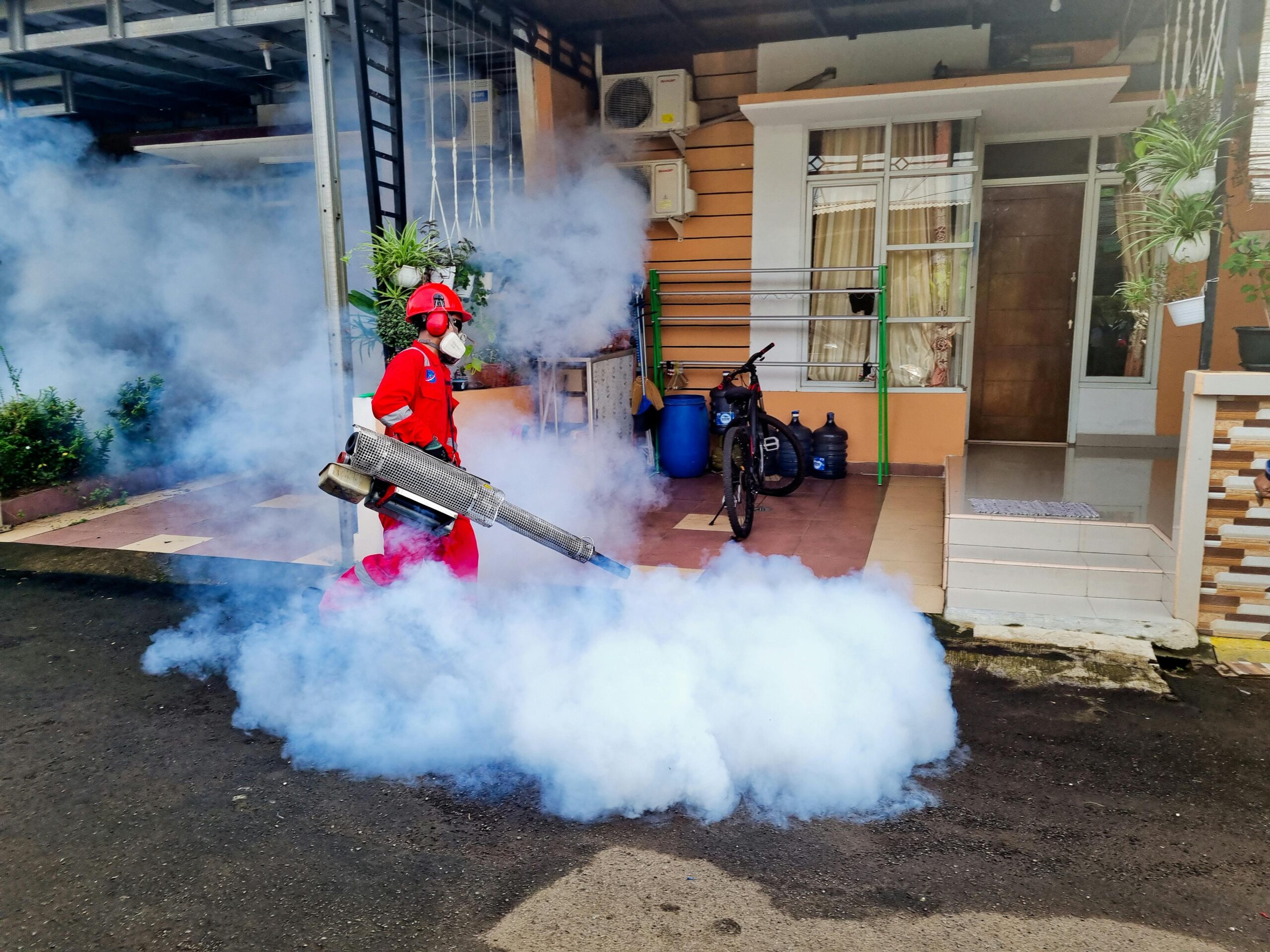
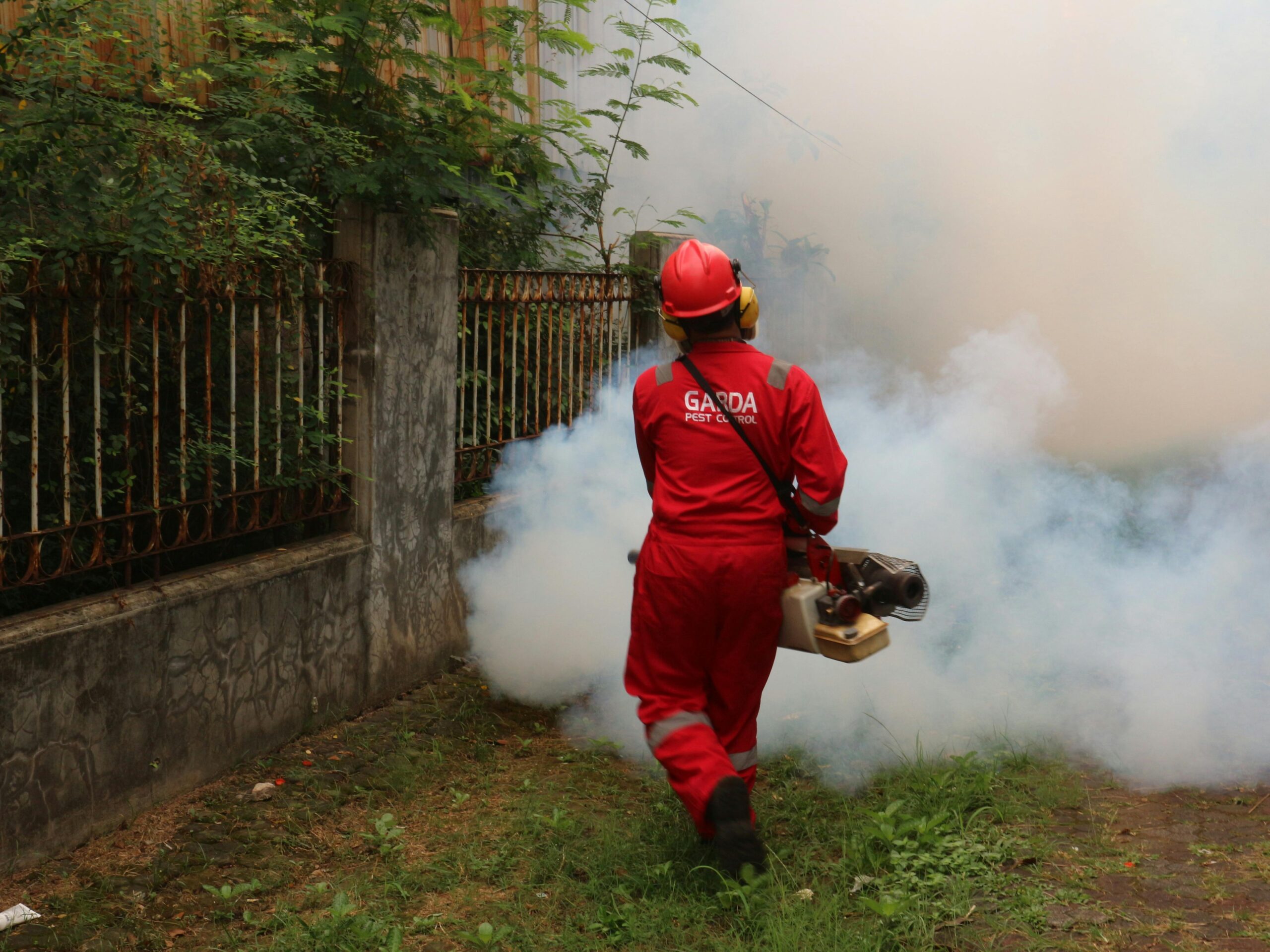
On the day of service, our technician will arrive in a clearly marked vehicle, conduct a brief walk‑through, and explain where each product will be applied. They’ll wear protective gear, use calibrated sprayers or spreaders, and finish with a short Q&A to address any concerns. After treatment, you’ll get a digital receipt that details the products used, the exact coverage map, and the date of your next recommended visit.
Seasonal Tick Activity and Timing Your Treatment
Ticks don’t appear at random—they follow a predictable rhythm driven by temperature and humidity. Knowing when each life‑stage peaks lets you time professional sprays for maximum impact, protecting your family and pets before the insects become a problem.
Understanding the Tick Life Cycle
Ticks move through four stages: egg, larva, nymph, and adult. Eggs hatch when soil moisture is high, usually in late winter. The tiny six‑legged larvae emerge in early spring; they need a humid day to climb onto a host. After a blood meal, they molt into eight‑legged nymphs, which are the most aggressive stage and thrive when daytime highs sit between 65 °F and 85 °F. Adults, the larger, black‑legged insects most people recognize, become active in late summer and fall, seeking larger hosts such as deer or humans. Each stage stalls if temperatures drop below 40 °F or if humidity falls under 50 %.
When Ticks Are Most Active in Decatur
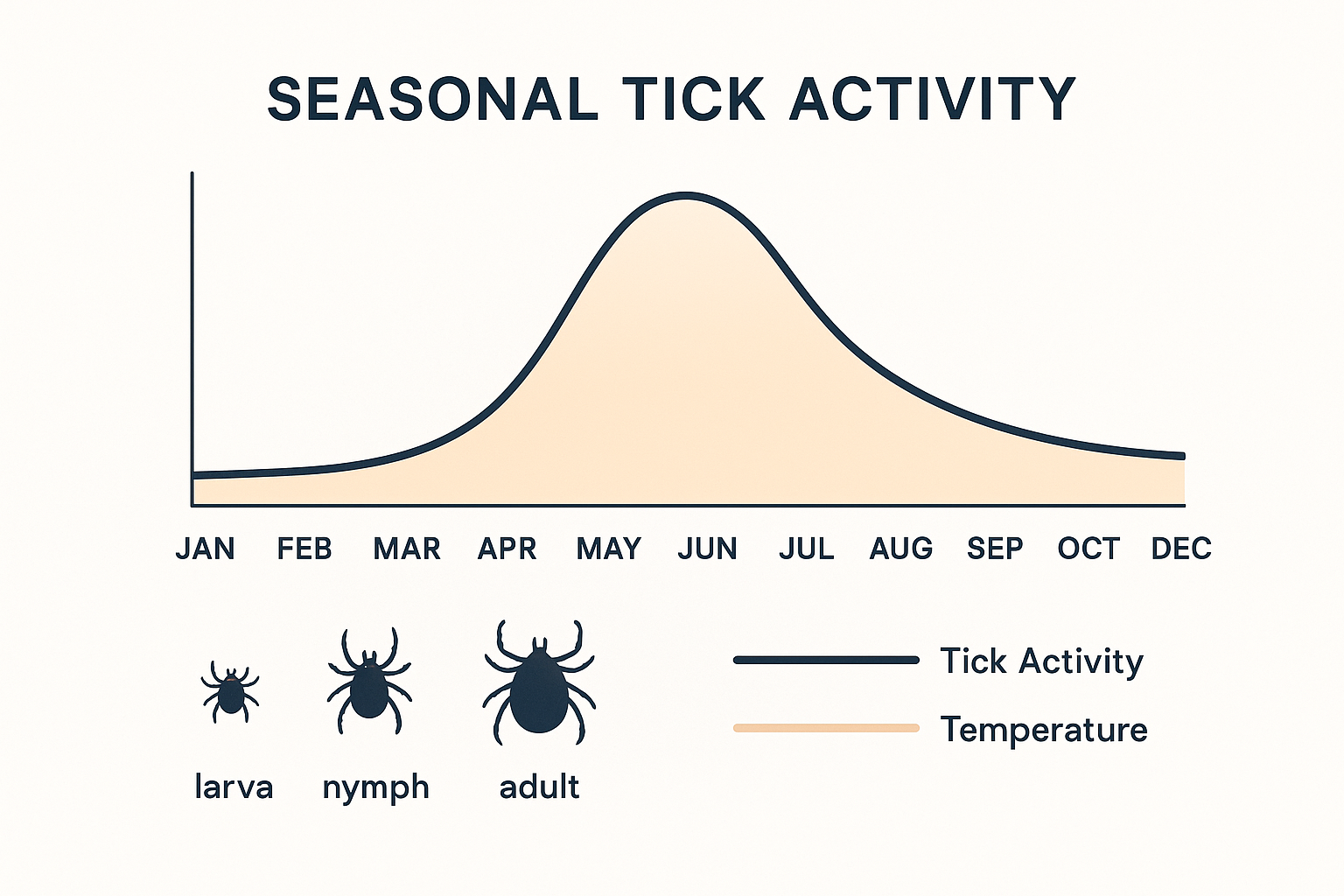
| Month | Avg. Temp (°F) | Activity Level |
|---|---|---|
| January | 42 | Low |
| February | 46 | Low |
| March | 55 | Medium |
| April | 64 | High |
| May | 73 | High |
| June | 80 | High |
| July | 84 | High |
| August | 82 | Medium |
| September | 75 | Medium |
| October | 63 | Low |
| November | 53 | Low |
| December | 45 | Low |
Regional Variations: North vs. South
In northern states, the tick window often stretches from May through September because cooler springs delay larval emergence. In the deep‑south, milder winters push activity earlier—sometimes as soon as February—so the “April‑July” peak in Decatur is a bit later than in Georgia’s coastal counties. Adjust your calendar if you travel or own property across state lines.
Optimal Treatment Schedule
- Early Spring (late March‑early April): A pre‑emptive perimeter spray targets emerging larvae and newly hatched nymphs before they can latch onto pets.
- Mid‑Summer (mid‑July): A follow‑up application tackles the adult surge, reducing the chance of humans picking up ticks during backyard activities.
- Fall Maintenance (late September‑early October): A final treatment eliminates any lingering adults and prepares the yard for the cooler months, preventing overwintering eggs.
Weather Shifts and Staying Alert
Unusually warm winters or early springs can accelerate the life cycle, causing larvae to appear weeks ahead of schedule. Keep an eye on local forecasts; a string of 60 °F days in February is a clear sign to move your pre‑emptive spray forward. Likewise, a dry summer may suppress nymph activity, but a sudden humidity spike can reignite it.
Combine with DIY Steps for Year‑Round Protection
Part 3 covered homeowner tasks like mowing, leaf removal, and regular yard inspections. Pair those daily habits with Anthem Pest Control’s professionally timed sprays, and you’ll create a layered defense that stays effective no matter how the weather behaves. A coordinated approach means fewer bites, lower disease risk, and peace of mind throughout the year.
Protect Your Home with Anthem Pest Control
Finding a tick early in the season can mean the difference between a simple removal and a serious health risk. Prompt identification and timely, season‑wide treatment keep your yard and home free of disease‑carrying pests, giving you peace of mind for the whole family. Ticks can transmit Lyme disease, Rocky Mountain spotted fever, and other illnesses, so catching them early protects both children and pets.

Anthem Pest Control brings more than just a spray can to the job. Our licensed technicians are trained to spot hidden tick hotspots, use EPA‑approved products that protect pets and children, and follow a transparent pricing structure that lets you see exactly what you’re paying for. All treatments are applied using calibrated equipment to ensure even coverage, and we follow strict safety protocols to keep your landscaping intact. Whether you need a single‑zone treatment or a full‑property barrier, we have a solution that matches your home’s layout and your budget.
We make the first step completely risk‑free: request a free, no‑obligation quote and choose a treatment window that fits your schedule. Our online portal and friendly call center let you book the service at a time that works for you—morning, afternoon, or evening—so you never have to rearrange your day. If you need a same‑day appointment, just let us know—our crews often have openings within 24 hours, and every job includes a satisfaction guarantee.
Whether you’re dealing with a few lone ticks or a full‑property infestation, our team is ready to tailor a plan that fits your needs and budget. We combine thorough inspections, targeted applications, and a follow‑up visit to ensure the results last month after month. We also give you a simple post‑treatment checklist to keep your yard tick‑free, and our technicians are ready to answer any follow‑up questions.
Take action now for trusted tick control Decatur GA homeowners rely on. Call Anthem Pest Control at 877-371-8196 for your free quote, or visit Anthem Pest Control to schedule your treatment today.