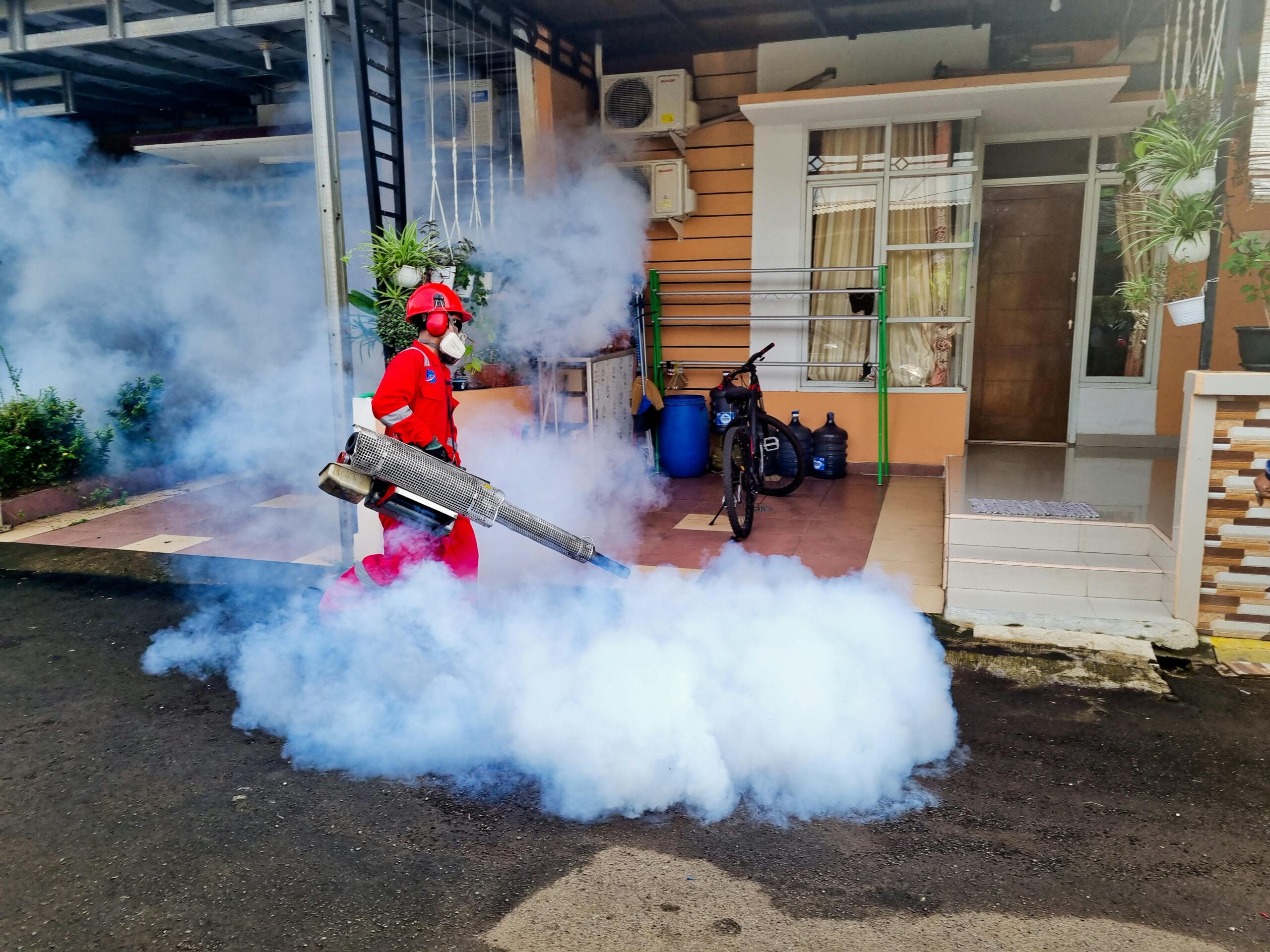
House Fly Identification and Risks in Peachtree City
House fly inspection Peachtree City homeowners schedule often begins with understanding the common house fly (Musca domestica), a familiar yet often underestimated visitor in many Georgia homes. While its buzzing may seem harmless, this tiny insect can quickly become a conduit for disease and a nuisance during the warm months. Understanding what the fly looks like and why it thrives locally gives you a solid first line of defense.
Life Cycle Overview
A house fly completes its development in four distinct stages: egg, larva (maggot), pupa, and adult. An adult female can lay up to 150 eggs on moist organic material—think garbage, animal waste, or decaying food. Within 24 hours, those eggs hatch into larvae that feed voraciously for 3–5 days, growing through three instars. The larvae then form a puparium, where they metamorphose into adults over another 3–5 days. Under optimal conditions, the entire cycle can finish in just a week, allowing populations to explode if breeding sites are left unchecked.
How to Spot a House Fly
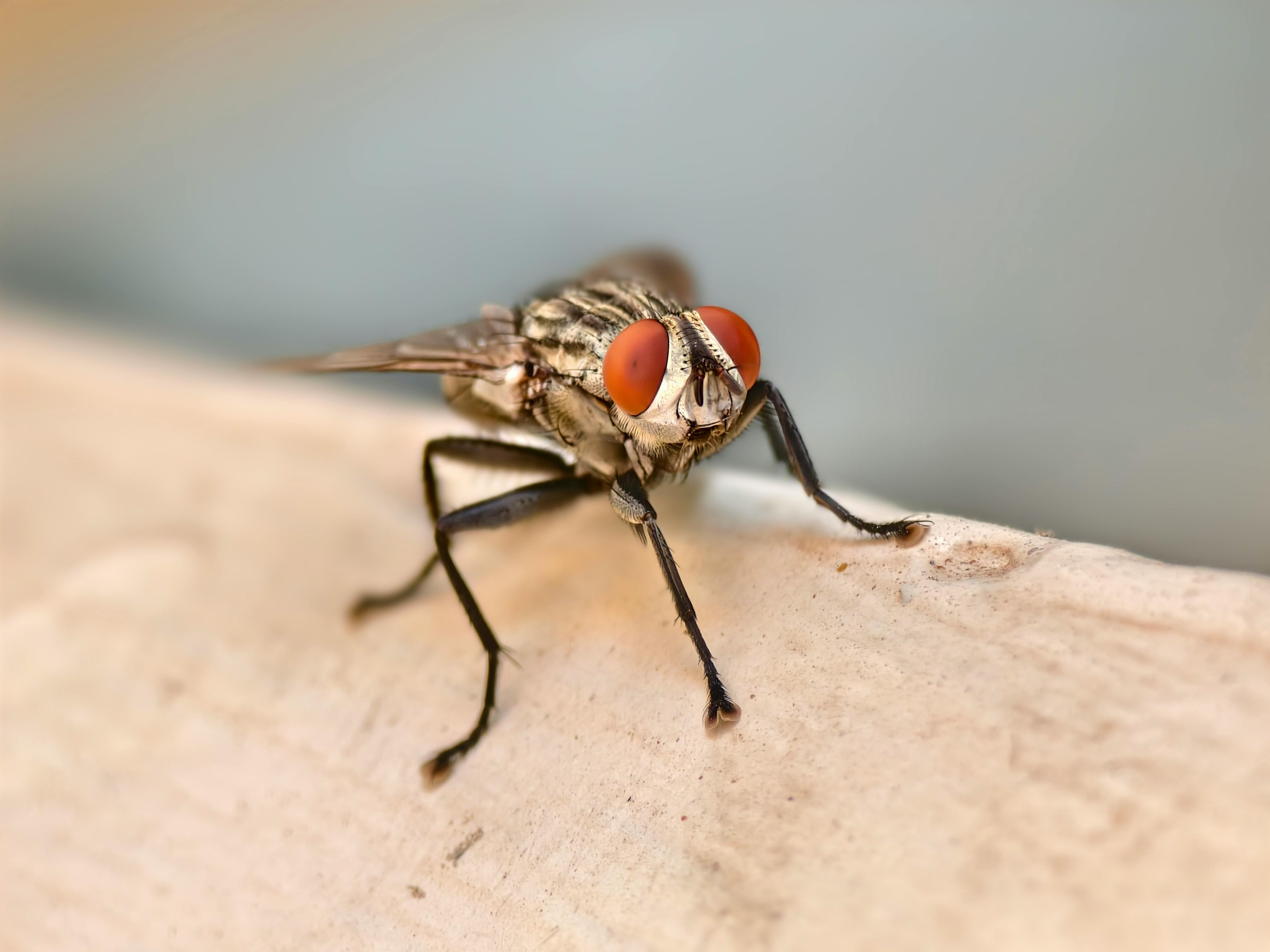
- Size: roughly 6‑7 mm in length, about the width of a pencil eraser.
- Eyes: striking bright red compound eyes that catch the light.
- Body: gray‑black, slightly shiny, with a smooth texture.
- Thorax: four dark, longitudinal stripes running along the back.
- Wings: rapid, almost invisible wing beats—up to 200 flaps per second.
Health Risks for Your Home
House flies are notorious mechanical vectors. As they land on feces, decaying matter, or rotting food, they pick up bacteria on their legs, mouthparts, and body hairs. When they later alight on kitchen counters, uncovered dishes, or pet food, they can deposit pathogens such as E. coli, Salmonella, and Shigella*. These microbes can cause gastrointestinal illness, especially in children, the elderly, or anyone with a weakened immune system.
Beyond bacteria, fly droppings and regurgitated fluids contain allergens that may trigger respiratory irritation or exacerbate asthma. In a kitchen environment, even a few flies can contaminate a single slice of bread, turning a harmless snack into a health hazard.
Why Peachtree City Is a Fly‑Friendly Zone
Peachtree City’s climate—warm summers with daytime highs often above 85 °F (29 °C) and moderate humidity levels around 60 %—creates an ideal breeding ground for house flies. The warmth accelerates egg development, while the humidity prevents desiccation of larvae and pupae. Seasonal outdoor activities, such as barbecues and community events, generate abundant food waste, providing perfect oviposition sites. Even indoor environments can become attractive when moisture accumulates in drains or pet areas.
According to the U.S. Environmental Protection Agency, indoor air quality can be compromised by the presence of flies, which introduce microbial contaminants and increase the overall bio‑aerosol load in homes (EPA, Indoor Air Quality). Maintaining a clean, dry environment and sealing entry points are essential steps to keep these insects at bay.
What to Expect During a Professional Fly Inspection
Pre‑inspection preparation
Before the technician steps through your front door, a quick tidy-up can make a house fly inspection Peachtree City homeowners schedule smoother and more accurate. Remove any pet waste, seal food in airtight containers, and clear clutter where flies love to hide—think under the sink, behind appliances, and in unused drawers. These steps don’t replace the professional’s work, but they eliminate false positives and let the inspector focus on true breeding hotspots.
Arrival of the inspector
When the Anthem Pest Control specialist arrives, you’ll recognize them by a high‑visibility vest and a tablet slung under the arm. The tablet isn’t just for show; it’s a mobile data hub where the inspector logs observations, snaps photos, and generates a real‑time report. The technician follows a systematic, room‑by‑room approach, starting at the entryway and moving clockwise through the home. This method ensures no corner is missed and gives you a clear picture of where flies are most active.
Visual cues and activity hotspots
During the walk‑through, the inspector looks for three main clues:
- Fly activity zones – kitchens, garbage storage, and pet areas are prime real estate for adult flies. Look for clusters of flies hovering near countertops or lingering around pet doors.
- Breeding sites – anything that’s rotting or overly moist can serve as a nursery. Compost bins, over‑ripe fruit, and even damp mop buckets are red‑flag items.
- Structural attractors – open drains, cracked tiles, and outdoor lighting that shines directly onto the house can lure flies inside.

How inspectors locate breeding sites
Finding the source is half the battle. The technician will:
- Inspect kitchen drains and garbage disposals for organic buildup.
- Lift trash cans, check liners, and examine recycling bins for residue.
- Examine pet shelters, litter boxes, and feeding stations for leftover food or waste.
- Survey outdoor areas—especially under deck railings, near compost piles, and around outdoor lights that attract flies after dusk.
- Probe hidden moisture pockets such as under sinks, behind appliances, and in seldom‑used basements.
Reporting and next steps
At the end of the inspection, the technician compiles a detailed summary. This report includes:
- High‑resolution photos of each problem area, clearly labeled on the tablet.
- A written description of the fly activity level—low, moderate, or high.
- A customized action plan that outlines immediate remediation (e.g., trap placement, drain cleaning) and longer‑term prevention measures.
- Transparent cost estimates broken down by service, so you know exactly what you’re paying for.
With this information in hand, you can make an informed decision about treatment timing, budgeting, and any follow‑up visits. Anthem Pest Control’s goal is to give you a clear roadmap that eliminates flies now and keeps them out for good.
Comparing House Fly Inspection Costs in Peachtree City
When you call a pest-control professional, the first thing you want to know is the price. Transparent pricing eliminates surprise invoices and lets you decide whether a service fits your budget before any work begins. In the world of house fly inspection Peachtree City homeowners rely on, costs can vary from street to street, so having a clear visual reference helps homeowners make an informed choice.
What the chart shows
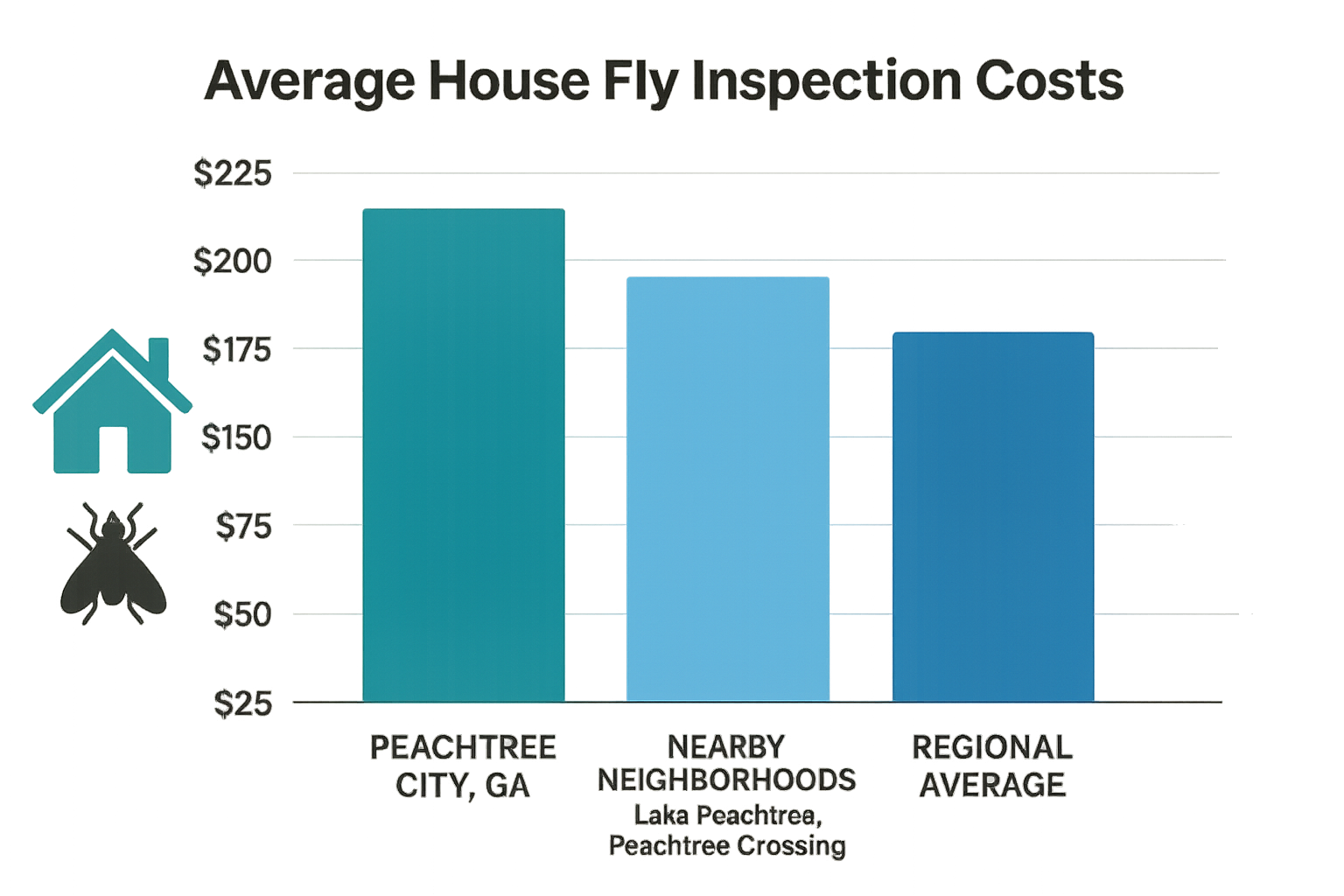
The bar‑chart infographic breaks down average inspection fees for four key areas:
- Peachtree City: $120 per inspection
- Lake Peachtree: $130 per inspection
- Peachtree Crossing: $115 per inspection
- Regional average: $125 per inspection
These figures come from a recent survey of licensed providers and reflect typical rates for a standard, one‑hour fly inspection that includes a detailed report and recommendations.
Why prices differ
Several factors drive the price gaps you see across the map for a house fly inspection Peachtree City homeowners schedule:
- Property size – Larger homes or multi‑unit dwellings require more time to survey, raising labor costs.
- Infestation severity – A light, occasional fly presence costs less to assess than a heavy, year‑round problem that may need additional sampling.
- Service package inclusions – Some companies bundle the inspection with a follow‑up treatment plan, while others charge strictly for the inspection itself.
Quick reference table
| Area | Average Inspection Cost (USD) |
|---|---|
| Peachtree City | 120 |
| Lake Peachtree | 130 |
| Peachtree Crossing | 115 |
| Regional Average | 125 |
Value‑adding tip
Many local providers, including Anthem Pest Control, offer a cost‑effective bundle: the initial house‑fly inspection is paired with a one‑year treatment guarantee. This package not only locks in today’s price but also protects your home from future fly spikes without the need for separate follow‑up visits. Ask your technician about the bundled option to maximize value and keep your home fly‑free year‑round.
Seasonal Fly Activity Trends in Peachtree City
Below is a line‑chart infographic that visualizes the average house‑fly activity you can expect each month, from January through December. The chart is based on local climate data, waste‑management patterns, and historic pest reports for Peachtree City. Use it as a quick reference when planning inspections, treatments, or seasonal clean‑up tasks.

Peak Summer Months (June – August)
During the warmest part of the year, humidity climbs and outdoor gatherings become frequent. These conditions create an ideal breeding ground for house flies, pushing activity levels to their highest point on the chart. You’ll notice more flies around trash cans, pet areas, and patio dining spaces. This is the window when a professional inspection is most critical—any existing infestations can multiply rapidly, and preventative treatments deliver the greatest return.
Moderate Activity Periods (April – May & September – October)
Spring and early fall bring milder temperatures and occasional rain, which still support fly reproduction but at a lower intensity than midsummer. Activity spikes in April and May as the first generations emerge, then tapers off again in September and October as cooler nights set in. Scheduling a mid‑season check‑up during these months helps catch early signs before the summer surge, allowing you to apply targeted controls before flies become a nuisance.
Low‑Season (November – March)
Winter’s cooler, drier air dramatically slows fly life cycles. The chart shows a pronounced dip from November through March, reflecting reduced breeding and fewer adult flies. While the risk is low, it’s not zero—flies can survive in insulated garages or near heated compost piles. An off‑season preventative inspection can identify hidden harborage sites and seal entry points, keeping your home fly‑free when the next warm season arrives.
Connecting Trends to Homeowner Actions
Understanding these seasonal patterns lets you align your sanitation efforts with the fly’s natural rhythm. In summer, intensify trash‑bin management, keep food covered, and schedule professional treatments early in June. In spring and fall, conduct a quick visual sweep for breeding sites and consider a pre‑emptive spray. During the low‑season, focus on sealing cracks, cleaning gutters, and removing any standing water that could become a springtime reservoir for flies.
Seasonal Quick‑Check Checklist
- Winter (Nov‑Mar): Inspect and seal exterior cracks, clean gutters, store compost indoors.
- Spring (Apr‑May): Remove rotting fruit, tighten trash‑bin lids, schedule a pre‑summer inspection.
- Summer (Jun‑Aug): Secure all garbage containers, limit outdoor food exposure, book a professional treatment early in June.
- Fall (Sep‑Oct): Clear fallen leaves from around the house, check pet waste stations, consider a post‑summer follow‑up service.
Effective Treatment and Prevention Strategies for House Flies
Overview of Treatment Options
When a house fly infestation takes hold, the quickest way to restore comfort is to choose the right treatment. The three most reliable options are:
- Professional insecticide sprays – Technicians can apply a residual spray that clings to walls, ceilings, and window frames, providing weeks of protection, or an immediate knock‑down spray that eliminates active flies on contact. Residual products are ideal for high‑traffic indoor areas, while knock‑down formulas are perfect for rapid relief during a sudden surge.
- Bait stations and fly traps – Sticky ribbons and UV light traps work silently in kitchens, garages, and outdoor patios. Bait stations attract flies with a food‑based lure, then trap them in a sealed container, reducing the need for widespread chemical use.
- Biological controls – For homeowners who prefer a low‑toxicity approach, parasitic wasps (e.g., Spalangia spp.) can be released in attics or crawl spaces where fly larvae develop. Larvicidal agents, such as bacterial products containing Bt (Bacillus thuringiensis), target maggots without harming pets or people.
How Anthem Pest Control Customizes Treatment
Every inspection reveals a unique set of conditions—whether it’s a cracked window screen, a cluttered trash area, or a damp basement. Anthem’s technicians use those findings to build a tailored plan:
- Identify the primary breeding sites and entry points.
- Select the most effective product class (residual spray, bait, or biological agent) based on the location and severity.
- Apply treatments in a strategic sequence, often starting with a residual spray for long‑term protection, followed by targeted bait stations in hot spots.
- Provide a written action plan that outlines when and where follow‑up visits will occur.
This customized approach ensures you’re not paying for unnecessary chemicals and that the solution addresses the root cause, not just the symptoms.
Preventive Measures Homeowners Can Implement
Even the best professional treatment can be undone by simple oversights around the home. Adopt these year‑round habits to keep flies at bay:
- Proper waste management – Use sealed, foot‑pedal trash cans and empty them at least twice a week. Compost bins should be kept away from the house and covered tightly.
- Eliminate standing water and damp organic debris – Check pet water dishes, bird baths, and plant saucers daily. Clean up fallen fruit, leaf litter, or mulch that can become a breeding medium.
- Install and maintain screens and door sweeps – Mesh screens on doors and windows act as a physical barrier. Inspect them for tears and replace as needed. Door sweeps prevent flies from slipping under entryways.
- Choose outdoor lighting wisely – Flies are attracted to bright white or blue light. Swap conventional bulbs for yellow LED or sodium‑vapor lights, which are far less enticing to flying insects.
Regular Maintenance Visits: The Long‑Term Solution
House flies reproduce quickly; a single missed breeding site can spark a new outbreak within days. Anthem recommends quarterly or bi‑annual maintenance visits, depending on the season and property risk factors. During these visits, technicians:
- Re‑inspect known hotspots and adjust treatment zones.
- Refresh residual sprays that may have faded.
- Replace bait stations and traps that have reached capacity.
- Offer homeowners a quick checklist to keep the property fly‑free between appointments.
Consistent follow‑up not only preserves the efficacy of the initial treatment but also builds a defensive shield that discourages flies from re‑establishing a foothold.
Additional Resources
For homeowners who want to dive deeper into best practices, the U.S. Environmental Protection Agency provides comprehensive guidance on indoor fly management. See the EPA’s recommendations here: EPA Indoor Fly Management.
Protect Your Home Today with Anthem Pest Control
Before you call in the pros, it helps to know what you’ve already learned about house flies. Here’s a quick refresher to keep the key points top of mind:
- Identification: House flies are the common, gray‑black insects you see buzzing around food, trash cans, and pet areas.
- Inspection: Look for breeding sites such as uncovered garbage, pet waste, and damp organic material inside or near the home.
- Cost awareness: Typical inspections range from $75‑$150, while treatment plans vary based on severity and season.
- Seasonal timing: Flies thrive in warm months; early summer is the ideal window for preventive action.
- Treatment options: Options include targeted sprays, bait stations, and environmentally‑friendly fly traps.
Keeping these fundamentals in mind makes it easier to understand why a professional approach can save you time, money, and endless swatting.
When you choose Anthem Pest Control, you’re partnering with a team that turns those basics into a seamless, worry‑free experience. Our local advantages include:
- Locally trained technicians: Our experts know the Peachtree City climate and the specific fly hotspots in the area.
- Transparent pricing: No hidden fees—just a clear estimate before any work begins.
- Eco‑friendly products: We prioritize low‑toxicity solutions that protect your family, pets, and the surrounding environment.
- Satisfaction guarantee: If flies return within the warranty period, we’ll re‑treat at no extra charge.
That combination of local knowledge, honesty, and safety is why homeowners trust us to keep their homes fly‑free.
If you’ve noticed flies buzzing around your kitchen or backyard, let our experts handle the problem quickly and safely. We’ll assess your home, recommend the right plan, and keep your family comfortable. Our technicians arrive on time, explain every step, and leave your space cleaner than when they arrived.
Ready to reclaim your indoor and outdoor spaces? Call us now for a free, no-obligation quote at 877-371-8196, or schedule a house fly inspection Peachtree City homeowners trust online at Anthem Pest Control. A swift, professional solution is just a phone call away—let’s get your home back to the comfort you deserve.