Recognizing Rat Activity in Your Home

Typical visual clues
Rats are tidy creatures, but they leave unmistakable evidence when they feel safe enough to explore your home—signs a rat inspection Suwanee homeowners schedule early is designed to catch. Fresh droppings are the most common visual cue. Look for dark, rice-shaped pellets about ¼ inch long; they’ll often appear in clusters near food sources, behind appliances, or along baseboards. If the droppings are still moist, they’ll have a glossy sheen and may crumble when disturbed.
Gnaw marks tell a similar story. Rats need to keep their teeth sharp, so they’ll chew on wood, plastic, and even electrical wiring. Notice irregular, shallow grooves with rough edges—especially on exposed studs, PVC pipes, or the outer sheathing of cords. A fresh gnaw will have clean, bright edges, while older damage may appear weathered.
Behavioral signs you can hear
Rats are nocturnal, so the quiet of night can be punctuated by their activity. Scratchy or scurrying noises emanating from walls, ceilings, or attic spaces often indicate a hidden nest. These sounds are usually rhythmic—think of a tiny drumbeat as they move along insulation or climb through ducts.
Another subtle indicator is a lingering, musky odor. Rats mark their territory with scent glands, leaving a faint, oily trail that can become noticeable in enclosed spaces like closets or crawl spaces.
Hidden evidence behind the walls
When rats build a nest, they’ll shred soft materials for bedding. Look for tufts of shredded insulation, cotton, or fabric tucked into wall cavities, behind baseboards, or under floorboards. Grease or oil stains along baseboards are another red flag; as rats travel, their oily fur leaves a dark, smudged line that can be especially visible on light‑colored trim.
Exterior burrows are a clear sign of an outdoor entry point. Small, funnel‑shaped holes in the foundation, under decks, or near garden beds often lead straight to the interior. Follow these tunnels to locate the exact spot where the critters are slipping inside.
How to inspect common entry points
Armed with a flashlight and a magnifying glass, start at the lowest level of your home and work upward. Shine the light along baseboards, checking for tiny holes, chewed paint, or droppings. Use the magnifier to examine any suspicious marks—rat teeth leave a distinctive V‑shaped bite that differs from squirrel or mouse gnawing.
Don’t forget the less obvious portals: gaps around utility pipes, vent openings, and even the space behind the refrigerator. A quick visual sweep of these areas can reveal fresh gnaw marks or droppings that are easy to miss without close inspection.
Safety tip: protect yourself while you investigate
Rat droppings can carry hantavirus, leptospirosis, and other pathogens. Before you touch anything, put on disposable gloves and a mask that filters fine particles. If you need to clean a droppings pile, dampen it with a disinfectant solution first—this prevents dust from becoming airborne. After the inspection, wash your hands thoroughly and dispose of gloves in a sealed bag.
By learning to spot these visual, auditory, and hidden signs, you’ll catch a rat problem before it spreads. Early detection not only saves you from costly damage but also makes professional treatment—like the services offered by Anthem Pest Control—more effective and less invasive.
Health Risks and Why Prompt Action Matters
Rats may seem like a nuisance, but they are also a serious health threat to you and your family—one of the key reasons a rat inspection Suwanee homeowners schedule promptly is so important. Their bite, droppings, and urine can turn a seemingly harmless infestation into a medical emergency. Acting quickly not only protects your loved ones from disease, it also shields your home’s structure and your wallet from costly damage.
Diseases Carried by Rats
Rodents are vectors for several serious illnesses. According to the CDC’s rodent‑borne disease overview, the most common include:
| Disease | Cause | Typical Symptoms |
|---|---|---|
| Hantavirus Pulmonary Syndrome | Inhalation of aerosolized rodent urine, droppings, or saliva | Fever, muscle aches, shortness of breath; can be fatal |
| Leptospirosis | Contact with water or soil contaminated by infected urine | High fever, headache, chills, muscle pain; may affect kidneys |
| Salmonellosis | Ingestion of food or water contaminated with feces | Diarrhea, abdominal cramps, fever; can be severe in children |
| Rat‑bite Fever (Streptobacillosis) | Direct bite or scratch from an infected rat | Fever, rash, joint pain; untreated cases can lead to complications |
These illnesses are not just statistics—they can strike anyone who shares a living space with rodents. Prompt inspection and professional removal dramatically lower the chance of exposure.
Allergens and Asthma Triggers
Beyond infectious disease, rat urine and dander are potent allergens. When particles become airborne, they can irritate the respiratory tract, triggering asthma attacks and chronic bronchitis, especially in children and seniors. Removing the source and thoroughly cleaning contaminated areas are essential steps to restore indoor air quality.
Structural Damage and Fire Hazards
Rats gnaw on almost anything that resembles a food source, including electrical wiring. Severed wires can spark, creating a fire risk that endangers both property and lives. Additionally, their nests compromise insulation, forcing your HVAC system to work harder and driving up energy bills. Early remediation prevents these hidden costs from escalating.
Legal, Insurance, and Liability Concerns
Many local ordinances require homeowners to maintain a pest‑free residence. Failure to address a rat infestation can lead to fines or even legal action if neighbors suffer health impacts. Moreover, insurance policies may deny claims for fire or water damage that stem from an untreated rodent problem, leaving you financially exposed.
EPA Guidelines for Safe Rodent Control
The EPA’s rodent‑control recommendations stress the importance of using approved, low‑toxicity rodenticides and following label instructions precisely. Professional pest managers, like Anthem Pest Control, are trained to apply these products safely, minimizing risk to pets, children, and the environment while delivering effective eradication.
In short, a rat problem is a ticking time bomb for health, safety, and finances. By recognizing the medical dangers and acting without delay, you protect your family, preserve your home’s integrity, and stay on the right side of the law.
How Professionals Inspect for Rats
When a homeowner in Suwanee suspects a rat problem, the first step isn’t setting traps—it’s a systematic inspection performed by a certified technician. At Anthem Pest Control, we follow a proven, step‑by‑step process that maximizes detection accuracy while keeping your family and pets safe.
1. Initial Walkthrough – Visual Assessment
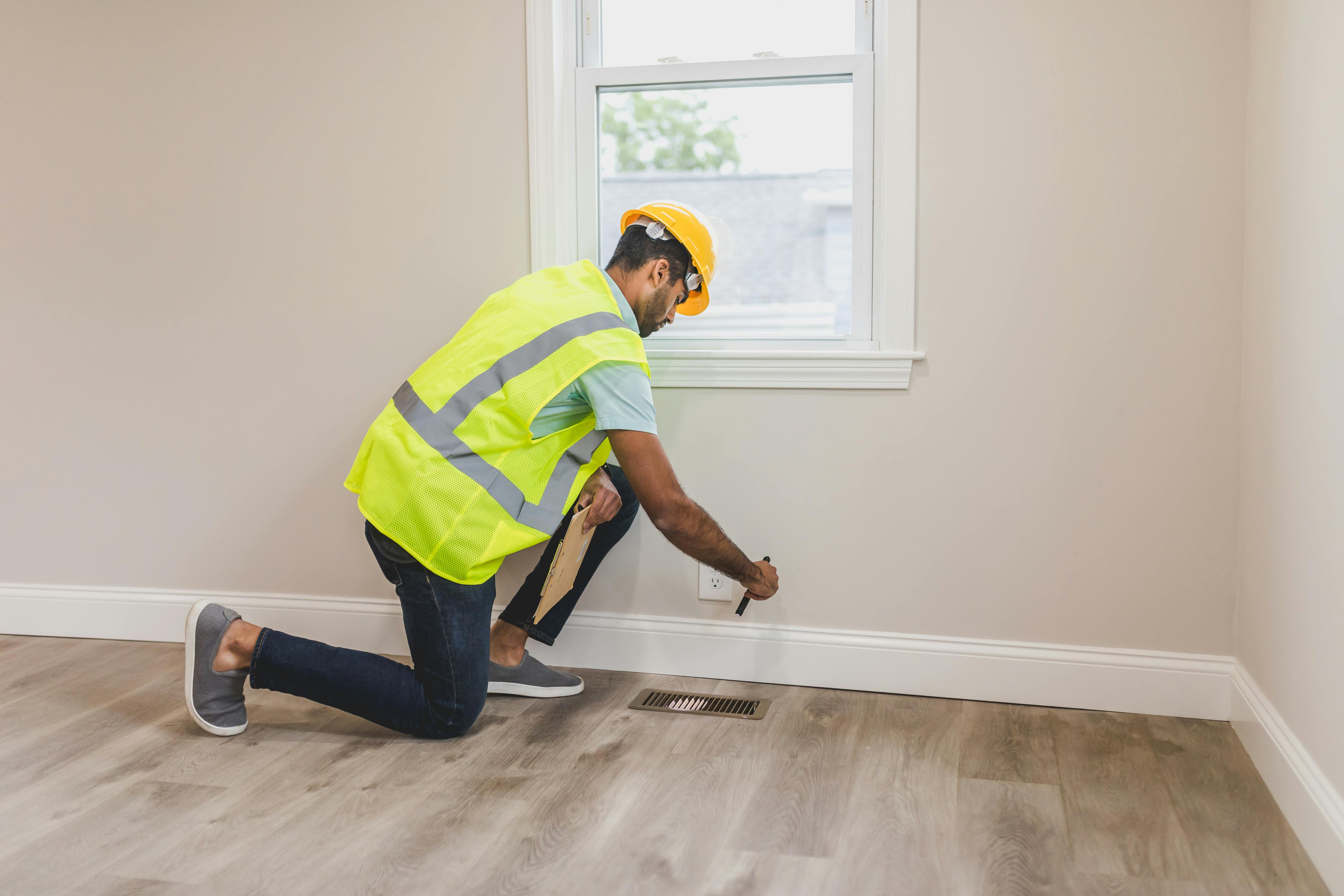
The inspection begins with a thorough visual sweep of both the interior and exterior of the property. Technicians look for classic signs of rat activity: gnaw marks on wood or plastic, droppings in hidden corners, and shredded insulation. Equally important is identifying potential entry points—gaps around utility lines, cracked foundation walls, or unscreened vents. By cataloguing every possible ingress, we can target the most vulnerable spots before any traps are set.
2. Infrared Thermal Imaging – Seeing What the Eye Can’t
Rats are masters at staying hidden, especially in wall voids and attics. To locate them, we deploy handheld infrared thermal cameras. These devices capture heat signatures that reveal warm bodies behind insulation, in crawl spaces, or within ceiling joists. A cluster of elevated temperatures often indicates a nesting site, while a single hotspot can pinpoint an active foraging rat. The thermal image is captured in real time, allowing the technician to map hot zones directly onto the floor plan for later reference.
3. Trapping and Monitoring – Verification in Action
Once potential hotspots are identified, we strategically place a combination of traps and bait stations:
- Snap traps – positioned along walls and near identified entry points for rapid kill.
- Live‑catch traps – used when homeowners prefer a humane removal option.
- Bait stations – secured in tamper‑proof containers, these provide ongoing monitoring and help confirm activity over several days.
Each device is labeled, and its exact location is recorded on a detailed floor‑plan map. After 24–48 hours, the technician returns to assess captures, replace bait, and adjust trap placement as needed. This iterative approach ensures we don’t miss a single rat, even if it’s hiding deep within a wall cavity.
4. Documentation – A Transparent Floor‑Plan Map
Transparency is key to homeowner confidence. Our technicians create a digital floor‑plan that marks:
- All observed entry points and structural vulnerabilities.
- Heat‑signature hotspots captured with the infrared camera.
- Exact trap and bait station locations, along with capture results.
This map is presented to the homeowner during the post‑inspection walkthrough. It not only illustrates where rats have been found but also guides any recommended exclusion or repair work, turning a vague “rat problem” into a concrete action plan.
5. Certified Technician – Compliance and Safety
Rats are not the only concern; the methods we use must comply with Georgia’s local regulations and safety standards. A certified technician brings:
- Knowledge of state‑mandated pest‑control licensing requirements.
- Training in the safe handling of traps, baits, and personal protective equipment.
- Understanding of environmental best practices, ensuring that any chemicals or devices used do not pose a risk to children, pets, or neighboring properties.
Choosing a certified professional guarantees that the inspection, any subsequent treatment, and the documentation all meet legal and ethical benchmarks. It also means you’re protected if an unexpected issue arises—our team is fully insured and backed by Anthem Pest Control’s guarantee of service.
Why This Process Matters for Suwanee Homeowners
Suwanee’s humid subtropical climate creates ideal nesting conditions for Norway rats and roof rats alike. By combining a visual assessment with cutting‑edge thermal imaging, strategic trapping, and meticulous documentation, we dramatically increase the odds of catching an infestation early—before it spreads to structural damage or health‑risk contamination. Moreover, the involvement of a certified technician ensures that every step respects local ordinances and prioritizes the safety of your household.
In short, a professional rat inspection is more than a quick glance; it’s a data‑driven, evidence‑based investigation that turns hidden problems into visible solutions. If you notice signs of rodent activity, call Anthem Pest Control at 877‑371‑8196 and let our experts bring this thorough inspection process to your doorstep.
Understanding Inspection Costs Across Georgia
What makes up the price of a rat inspection?
When you call a professional for a rat inspection Suwanee homeowners rely on to assess a rodent problem, the invoice isn’t a single “flat fee.” Most Georgia pest companies break the cost into four transparent components:
- Travel fee: Covers mileage, fuel, and the time the technician spends driving to your address.
- Hourly labor: The core of the bill—technicians charge for the time spent inspecting, identifying entry points, and discussing next steps.
- Equipment usage: Specialized tools such as infrared cameras, moisture meters, and trap‑placement kits are factored into the rate.
- Report preparation: A detailed, written inspection report (including photos, findings, and recommendations) is compiled after the visit.
Typical price ranges in key North‑Atlanta suburbs
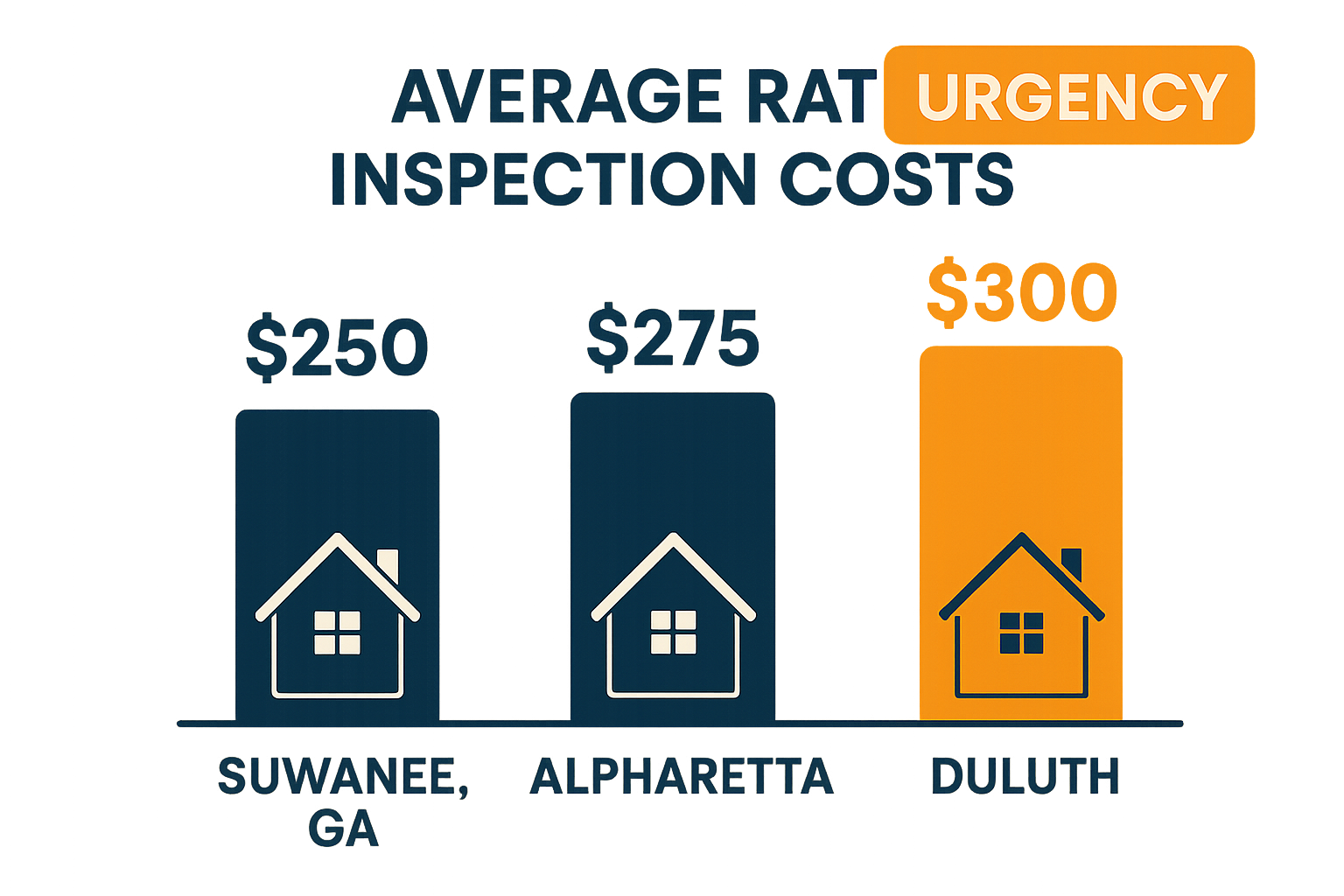
The following bar‑chart infographic visualizes the average total cost you can expect for a standard residential rat inspection in three fast‑growing areas of Gwinnett and Fulton counties.
| City | Low End | Typical Range | High End |
|---|---|---|---|
| Suwanee | $150 | $180 – $230 | $260 |
| Alpharetta | $140 | $170 – $220 | $250 |
| Duluth | $155 | $185 – $240 | $275 |
Factors that can push the cost up or down
Even within the same city, the final price can swing based on three primary variables:
- Property size: Larger homes or multi‑unit buildings require more inspection time and additional equipment.
- Infestation severity: A light sighting may only need a quick walk‑through, while a heavy, multi‑point infestation demands extensive trapping and follow‑up.
- Required follow‑up treatments: Some companies bundle a single‑visit inspection with a treatment plan; others charge separately for each subsequent service.
How Anthem Pest Control’s pricing stacks up
Anthem Pest Control follows a “no hidden fees” philosophy. Our standard inspection package for Suwanee, Alpharetta, and Duluth aligns with the mid‑range figures shown above, typically landing between $185 and $230. What sets us apart is the inclusion of a comprehensive, written report at no extra charge and a clear, itemized breakdown of each cost component before any work begins. Compared with the industry average, our travel fee is capped at $20, and our hourly labor rate is a flat $85, regardless of the day of the week.
Getting a reliable, no‑surprise quote
To avoid unexpected add‑ons, follow these three simple steps when requesting an estimate:
- Ask for a written estimate that lists travel, labor, equipment, and reporting fees separately.
- Confirm whether the quote includes any guarantees or follow‑up visits, and ask how those are billed.
- Request clarification on what triggers extra charges—such as additional square footage or a second infestation level—so you can budget accordingly.
By understanding the cost structure and asking the right questions, you’ll be better equipped to budget for a professional rat inspection and choose a provider that values transparency as much as you do.
Seasonal Patterns and Timing Your Treatment
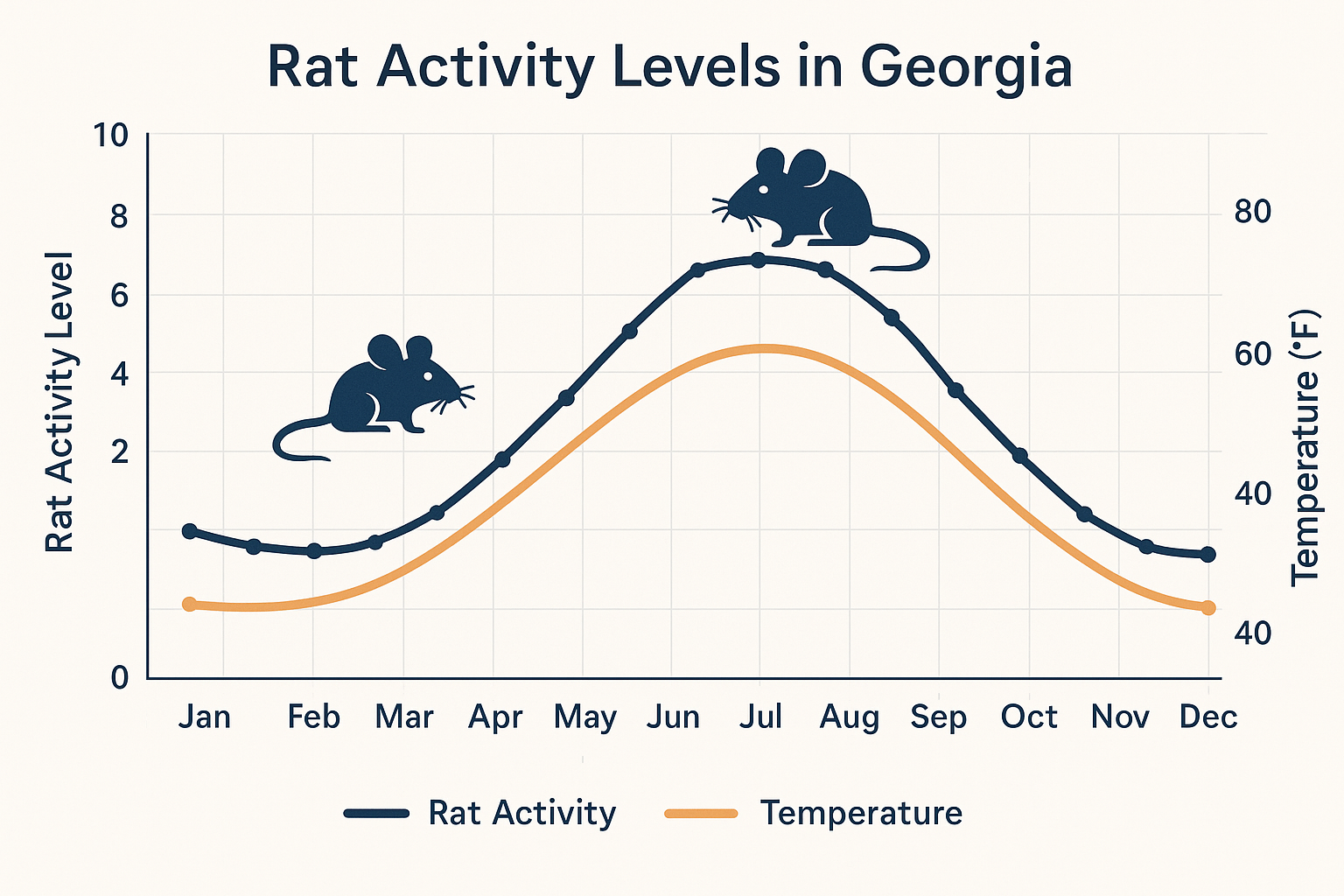
Take a look at the line chart above: it maps rat activity month‑by‑month across a typical year in Suwanee. The line climbs steadily as spring warms, spikes in midsummer, and then tapers off as cooler fall weather returns. By visualizing these trends, homeowners can see at a glance when the rodent pressure is likely to be highest and plan their inspections accordingly.
What Drives the Peaks?
Two natural forces push the numbers upward. First, temperature spikes in late spring and summer accelerate rat breeding cycles, shortening gestation and producing multiple litters in a short span. Second, the local harvest calendar—think ripe tomatoes, corn, and backyard gardens—creates an abundance of food. When crops are ready to pick, rats spill out of their burrows to exploit the easy buffet, pushing population levels to their seasonal apex.
Identifying the High‑Risk Window
In Georgia, the data consistently point to a high‑risk window from mid‑July through early October. During these weeks, you’ll notice the chart’s line cresting, indicating the greatest likelihood of sightings, gnaw marks, and droppings. Conversely, the lull period runs from late December through February, when colder temperatures and scarce food keep rodent numbers low. Targeting treatments during the lull can be more cost‑effective, as fewer animals mean fewer chemicals and less labor.
Pre‑Emptive Inspections: Your Best Defense
Don’t wait for a rat to scurry across your kitchen floor. Schedule a professional inspection before the high‑risk window opens—ideally in late May or early June. This timing lets technicians seal entry points, trim vegetation that bridges roofs to trees, and set up bait stations while the population is still manageable. Early action not only reduces the chance of an infestation but also locks in lower service rates before the summer surge drives demand (and prices) higher.
When Climate Throws a Curveball
Unusually warm winters or early springs can shift the entire curve forward. A mild December may see rats remaining active when you’d normally be in “off‑season” mode. Keep an eye on local temperature reports; if average highs stay above 60°F for several consecutive weeks, treat the upcoming months as if they were part of the summer peak. In those cases, a supplemental inspection in early March can catch an early‑season buildup before it snowballs.
- Mark the peak months (July‑October) on your calendar.
- Schedule a pre‑emptive inspection in May‑June.
- Monitor local weather—warm spells in winter call for earlier treatment.
- Consider a follow‑up service in early fall to mop up any late‑season activity.
Effective Rat Control Solutions and How Anthem Can Help
Integrated Pest‑Management (IPM): A Balanced Approach
When it comes to rats, a single‑method fix rarely works for the long haul. The most reliable way to keep these nocturnal intruders out is the Integrated Pest‑Management (IPM) framework. IPM blends four core pillars—exclusion, sanitation, trapping, and targeted baiting—so you attack the problem from every angle while minimizing chemicals and disruption to your family.
Professional Exclusion Techniques
Rats are master squeezers; a gap the width of a pencil is enough for a determined rodent. Licensed technicians start by sealing every potential entry point. This means:
- Crack sealing: Polyurethane caulk or steel wool is applied to foundation cracks, utility penetrations, and gaps around pipe sleeves.
- Door sweeps: Heavy‑duty sweeps are installed on exterior doors to block the tiny space beneath the threshold.
- Vent cover reinforcement: Mesh screens are fitted over vents, dryer exhausts, and attic louvers to stop rats from slipping through while still allowing airflow.
These upgrades create a physical barrier that makes your home uninviting, even before a single bait is placed.
Safe Baiting Options Approved by the EPA
When exclusion alone isn’t enough, baiting provides the decisive edge. EPA‑registered rodent baits are formulated to be low‑toxicity to non‑target animals when used correctly. Professionals at Anthem:
- Choose low‑dose anticoagulant blocks that require a rat to consume multiple pieces, reducing accidental exposure.
- Place bait stations in tamper‑resistant units, typically behind appliances, in wall voids, or along baseboard pathways—areas out of reach of children and pets.
- Monitor stations regularly, removing any that become compromised and rotating baits to prevent resistance.
The result is a targeted kill‑zone that protects your loved ones while eliminating the colony.
Why a Licensed Technician Makes All the Difference
DIY traps and off‑the‑shelf bait can seem tempting, but a certified pest‑control professional brings three critical advantages:
- Strategic placement: Technicians use inspection tools—like thermal cameras and rodent activity detectors—to locate hidden pathways and position bait stations where rats travel most.
- Ongoing monitoring: After the initial treatment, Anthem schedules follow‑up visits to assess effectiveness, adjust bait locations, and ensure no new entry points have formed.
- Warranty guarantees: Our service agreements include satisfaction guarantees and protection plans, giving homeowners peace of mind that the job stays done.
Quick‑Start Checklist for Homeowners
Even before the first technician arrives, you can boost your defense with a few simple steps:
- Remove all food debris: Store pantry items in airtight containers, clean crumbs from counters, and empty pet food dishes overnight.
- Trim vegetation: Cut back shrubs, tree branches, and vines that touch the foundation, eliminating “bridges” rats use to reach your roof.
- Schedule an inspection: Call a local expert to assess your property, identify vulnerable spots, and map out a customized IPM plan.
Take the Next Step with Anthem Pest Control
If you suspect rats in your home or simply want to protect your property before the next peak season, schedule a rat inspection Suwanee homeowners trust with Anthem Pest Control. Our certified technicians use the latest inspection tools, transparent pricing, and safe, effective treatments to keep your home rodent-free. Call us today at 877-371-8196 for a free, no-obligation quote and peace of mind. You can also visit our website to learn more about our affordable, locally focused solutions.