Understanding Termite Risks in Decatur, GA
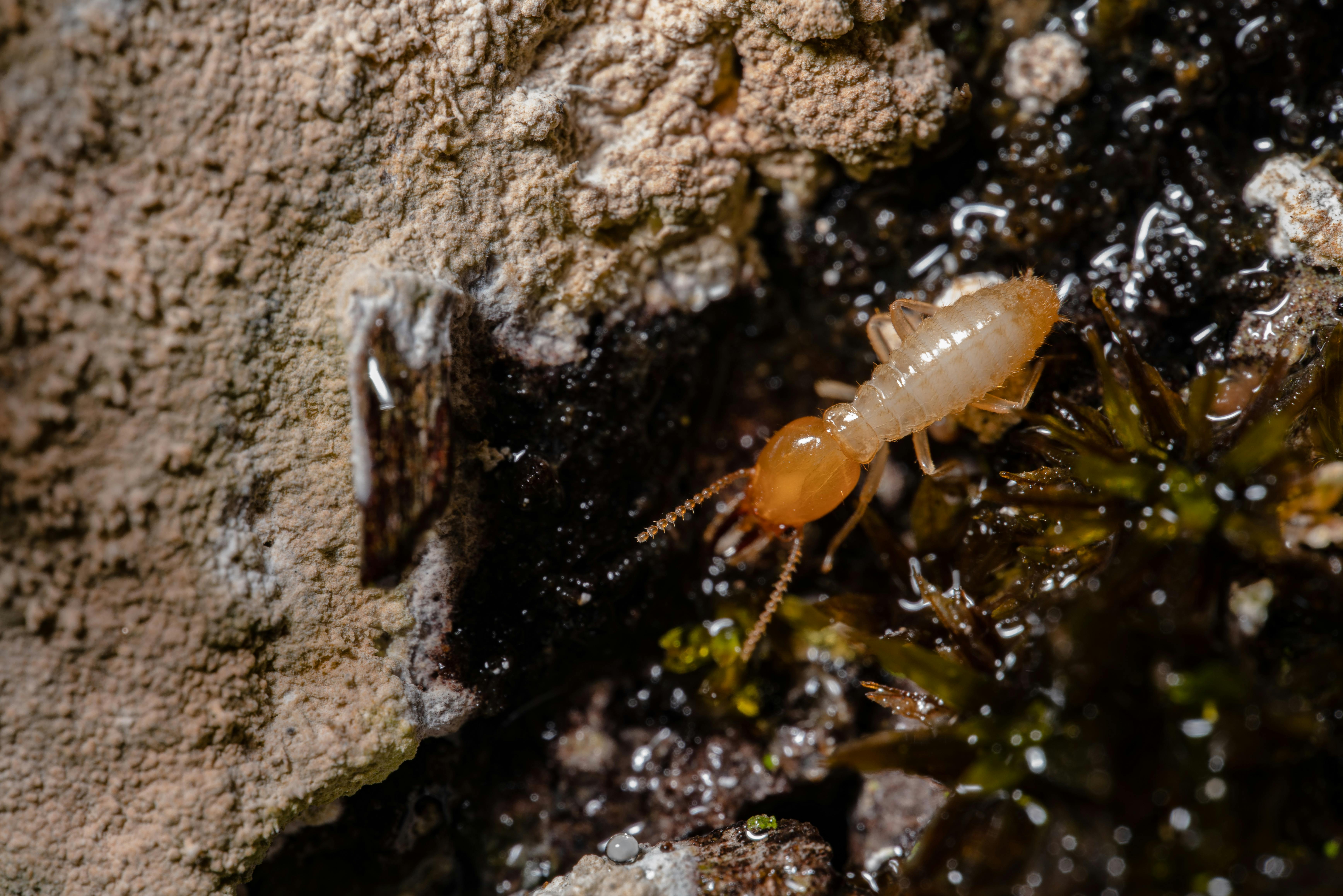
When you hear “termite,” most homeowners picture a tiny insect that silently eats away at wood. In Decatur, GA, that picture is a very real threat. The Southeast hosts three primary termite culprits: subterranean termites, which build mud tubes from the soil into your home; drywood termites, which live entirely inside the wood they consume; and carpenter ants, often mistaken for termites but equally destructive. Knowing which species you’re likely to encounter is the first step toward effective protection.
Why Decatur’s Climate and Soil Invite Termites
Decatur’s warm, humid summers create an ideal environment for termite colonies to thrive. Temperatures regularly hover above 75°F (24°C), while humidity levels stay high enough to keep soil moisture optimal for subterranean termites. Add to that the region’s prevalent clay soils, which retain water and provide a stable, protected tunnel network for colonies to expand. In short, the local climate and ground conditions act like a five‑star hotel for these pests.
Cost of Damage: National and Local Perspectives
The U.S. Environmental Protection Agency estimates that termites cause more than $5 billion in property damage each year nationwide. In Georgia, the average homeowner spends roughly $1,000–$2,500 on repairs after a single infestation, according to the Georgia Department of Agriculture’s pest‑damage report. Decatur’s own municipal records show a steady rise in reported termite cases over the past five years, underscoring the financial risk of ignoring early warning signs.
Long‑Term Impact on Home Value and Structure
Beyond immediate repair costs, untreated termite activity erodes a home’s structural integrity. Compromised joists, weakened support beams, and hidden damage to load‑bearing walls can reduce resale value by up to 15 %. Moreover, the longer an infestation goes unnoticed, the more extensive—and expensive—the remediation becomes. Proactive inspections and timely treatment are not just about comfort; they’re an investment in preserving your property’s worth.
Did you know? A single drywood termite colony can consume up to 1 cubic foot of wood in just one year—enough to hollow out a 2 × 4 stud completely.
Understanding these risks equips Decatur homeowners to act before termites turn a beloved house into a costly repair project. At Anthem Pest Control, we combine local expertise with fast, affordable solutions, ensuring you stay one step ahead of the infestation.
Identifying Termite Species and Signs of Infestation
Common Termite Species in Decatur
Decatur homeowners most often encounter three termite species, each with its own look and habits:
- Eastern Subterranean Termite (Reticulitermes flavipes) – Light‑brown to creamy bodies, ¼‑inch long, and a distinct straight antenna. They build mud tubes from soil to wood, preferring damp, untreated timber that contacts the ground.
- Formosan Subterranean Termite (Coptotermes formosanus) – Larger (up to ½‑inch), darker, and highly aggressive. They thrive in moist foundations and can damage both structural and decorative wood within months.
- Drywood Termite (Incisitermes minor) – Reddish‑brown, winged alates appear in swarms during warm, dry periods. Unlike the subterranean varieties, they live entirely within the wood they consume, often targeting furniture, framing, and exposed beams.
Understanding which species you’re dealing with helps determine the most effective treatment plan (EPA Termite Guide).
Visual Cues of an Active Colony
Termites leave unmistakable clues. Keep an eye out for:
- Mud tubes – Pencil‑thin, earthen tunnels on foundations, crawl spaces, or siding.
- Hollow‑sounding wood – Tap a piece of wood; a dull thud often means it’s been hollowed out.
- Discarded wings – After a swarm, you’ll find clusters of translucent, oval wings near light sources.
- Frass piles – Small, pellet‑like droppings resembling sawdust, especially near drywood colonies.
- Bubbling or blistered paint – Moisture from termite activity can cause paint to lift or bubble.
Termite Damage vs. Other Wood‑Eating Pests
Carpenter ants and beetles also chew wood, but their damage looks different. Carpenter ants remove wood in clean, smooth tunnels and often leave behind sawdust that’s darker and more fibrous. Beetle galleries tend to be larger, irregular, and may be accompanied by frass that smells oily. Termite damage, by contrast, is usually uniform, with a fine, powdery frass and the characteristic mud tubes linking the colony to the wood (NPMAPestWorld).
DIY Inspection Checklist
Use this step‑by‑step list to scan both interior and exterior zones before calling in a pro:
- Exterior perimeter: Walk the foundation, looking for mud tubes, cracks, or damp spots. Shine a flashlight on siding and trim for any wet spots or bubbling paint.
- Basement and crawl space: Lift floor joists and check for hollow sounds, mud tubes, or moisture accumulation. Feel wood for soft spots.
- Attic and roof: Inspect exposed beams for frass, hollowed wood, or discarded wings near windows.
- Interior rooms: Tap door frames, window sills, and baseboards; listen for a dull thud. Look for paint bubbles on walls and ceilings, especially in humid corners.
- Landscaping: Ensure mulch, firewood, and wooden decks are at least 6 inches away from the house to reduce moisture transfer.
- Record findings: Note the location, type of evidence, and any moisture sources. Photos help professionals diagnose faster.
When to Call a Professional
Even a thorough DIY inspection can miss hidden colonies. Call Anthem Pest Control immediately if you encounter any of these red flags:
- Extensive mud tube networks or tubes spanning more than a few feet.
- Large piles of frass or multiple clusters of discarded wings.
- Visible damage to structural members such as joists, support beams, or load‑bearing walls.
- Rapidly spreading paint bubbles or moisture stains that suggest active water intrusion.
- Any evidence of Formosan or drywood termites, which require specialized baiting or localized treatments.
Professional technicians can perform moisture meters, infrared scans, and targeted bait placement that go beyond what a homeowner can safely achieve. Early intervention not only protects your home’s integrity but also saves you money on extensive repairs later.
Seasonal Activity and Timing for Treatment in Georgia
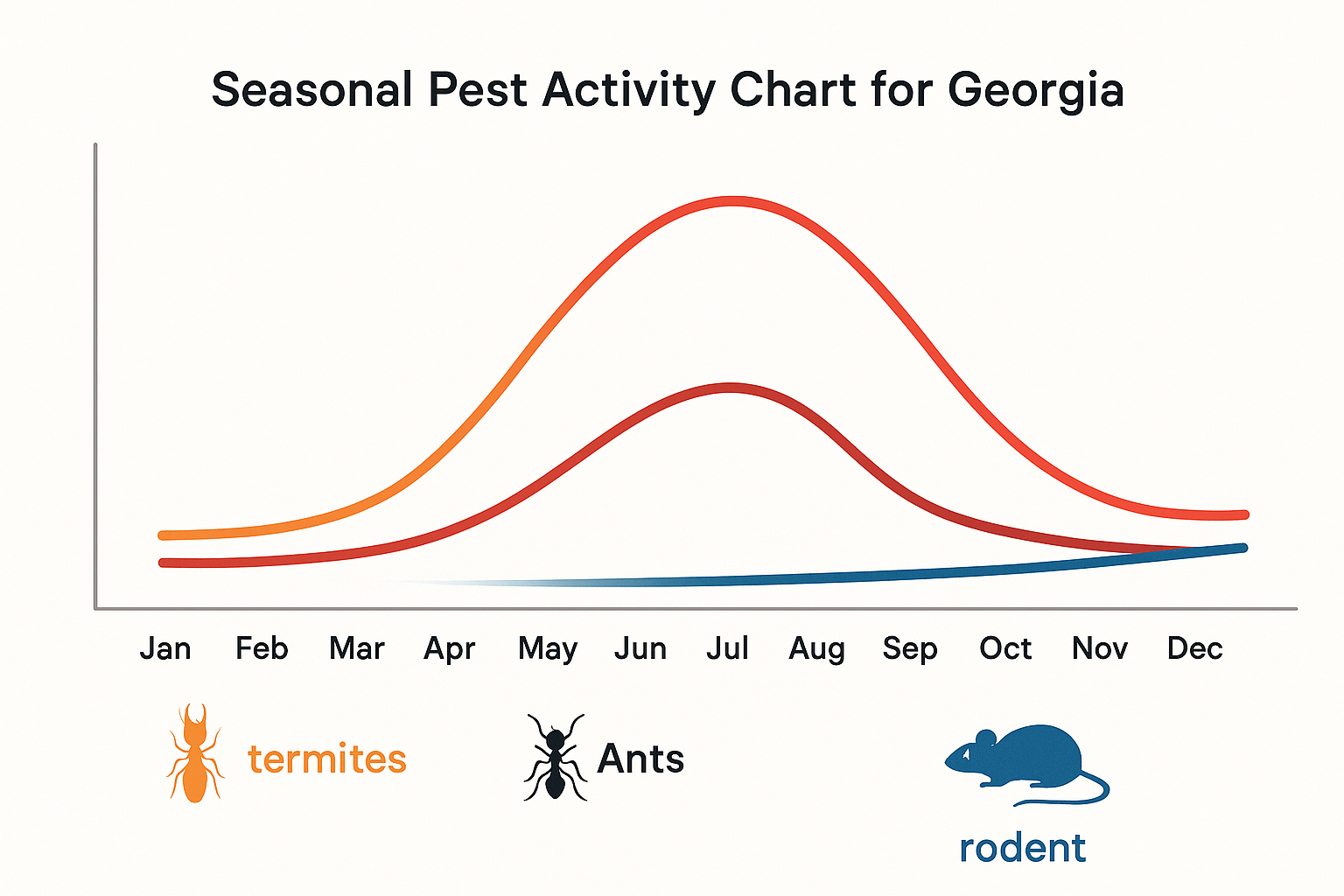
Georgia’s climate is a humid subtropical swing that drives the life cycle of subterranean termites. Warm days above 75°F (24°C) and nightly humidity above 60 % create the perfect environment for termites to forage, swarm, and expand colonies. In the cooler months, activity slows dramatically, but the insects remain alive underground, waiting for the next warm spell. Understanding this calendar helps you plan inspections before the pests become a visible problem.
Reading the Seasonal Pest Activity Chart
The chart above highlights three critical windows:
- Spring (March–May): Termite swarms often appear after the first heavy rains, when soil moisture rises.
- Summer (June–August): This is the peak for termite foraging; colonies are most active and can cause rapid damage.
- Fall (September–November): Activity tapers off, but moisture from autumn storms can still push termites toward foundations.
Ants and rodents follow similar patterns, so a comprehensive inspection in these windows catches multiple threats at once.
Why Early Spring and Late Fall Are Prime Treatment Times
Treating in early spring, before the first swarm, gives you a head‑start. The colony is still relatively small, making barrier applications more effective and often less costly. Late fall, after the summer surge, allows the chemicals to cure over the cooler months, creating a protective shield that remains active when the next warm season arrives.
The Risks of Waiting Until Summer
If you postpone treatment until the summer heat peaks, termites have already established extensive tunnel networks. The larger the colony, the more product you’ll need, and the higher the chance of hidden damage that isn’t visible until after the fact. Summer humidity also speeds up wood decay, so any existing damage can worsen quickly.
Homeowner Monitoring Tips
Staying proactive is simple:
- Inspect your foundation and crawl spaces after any heavy rain—look for mud tubes or damp wood.
- Check for discarded wings near windows in early spring; they signal a swarm.
- Use a moisture meter in basement walls; readings above 20 % warrant a closer look.
- Schedule a professional inspection at the start of each season, especially before summer.
Local Resources in Decatur
The City of Decatur’s Public Health Department posts quarterly pest alerts on its website, highlighting emerging hotspots and recommended treatment windows. Signing up for their email notifications ensures you receive timely reminders tailored to your neighborhood’s micro‑climate.
By aligning your inspections and treatments with Georgia’s seasonal rhythm, you keep termites—and the damage they cause—well out of your home’s story.
Treatment Options, Methods, and Cost Overview
Chemical Barrier Treatments
When a termite colony is lurking beneath your foundation, a liquid chemical barrier is often the first line of defense. Technicians drill shallow holes around the perimeter of the home and inject a termiticide that spreads through soil pores, creating an invisible wall that termites won’t cross. The application typically takes 30‑45 minutes, and most products remain effective for 3‑5 years, depending on soil conditions and weather exposure. Because the chemicals are applied below ground, they pose minimal risk to occupants and pets when applied by a licensed professional.
Baiting Systems
Bait stations are placed discreetly in the soil or crawl spaces, each containing cellulose material laced with a slow‑acting growth regulator. Termites feed on the bait, share it with the colony, and eventually collapse the population from within. The advantage over liquid chemicals is two‑fold: you avoid heavy soil disturbance, and the system continuously monitors activity. Technicians visit every 3‑6 months to replace consumed bait and download data, ensuring the colony is fully eradicated before it can cause structural damage.
Fumigation (Tenting) for Severe Dry‑Wood Infestations
Dry‑wood termites live inside the wood itself, making soil‑borne treatments ineffective. In extreme cases, a whole‑house tent is erected, and a gas such as sulfuryl fluoride is released to permeate every void. The process lasts 24‑48 hours, after which the home is aerated and cleared for re‑entry. Safety is paramount: all occupants, pets, and plants must vacate the property, and a certified fumigator oversees the operation to meet EPA standards.
Integrated Pest Management (IPM)
IPM blends the strengths of each method into a long‑term protection plan. A typical IPM program starts with a thorough inspection, follows with targeted chemical barriers or bait stations, and adds periodic monitoring. By rotating tactics and focusing on prevention, IPM reduces the chance of resistance and keeps your home termite‑free for years.
Cost Breakdown
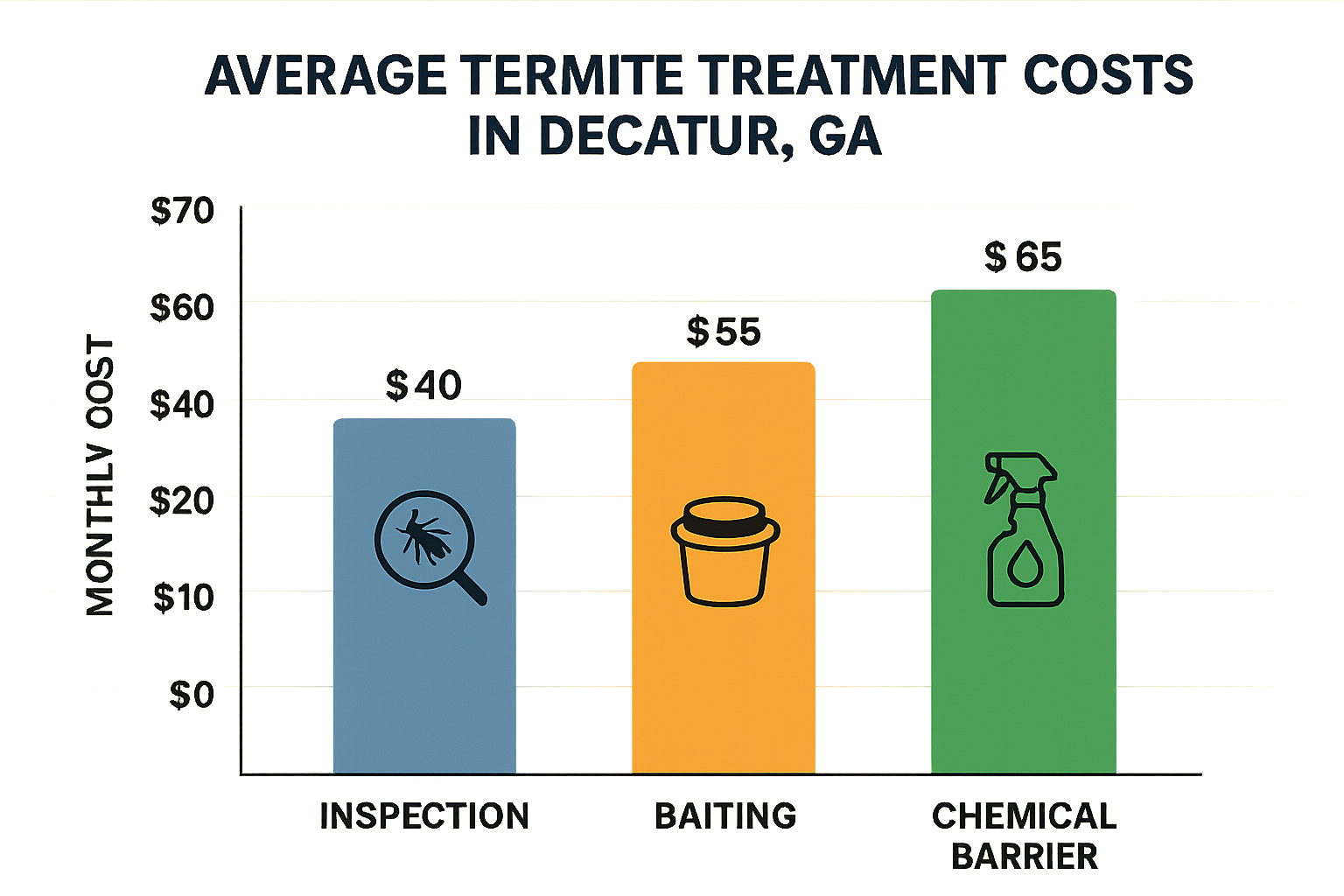
The chart above visualizes typical expenses for Decatur homeowners. For quick reference, the table below lists average price ranges for each major service.
| Service | Typical Cost Range |
|---|---|
| Inspection (including report) | $75 – $150 |
| Chemical Barrier (per treatment) | $900 – $2,200 |
| Baiting System Installation | $1,200 – $2,500 |
| Fumigation (tenting) | $2,500 – $5,500 |
Factors Influencing Price
- Home size: Larger square footage means more product and more bait stations.
- Infestation severity: A light, localized problem costs less than a full‑scale colony.
- Treatment type: Chemical barriers are generally cheaper than full‑house fumigation.
- Warranty options: Extended warranties add a modest annual fee but protect against future re‑infestations.
Financing and Guarantee Options
Reputable companies like Anthem Pest Control often partner with financing providers to spread the cost over 12‑24 months, with little or no interest. Most plans include a written guarantee that covers retreatment if termites return within the warranty period, typically 2‑5 years depending on the service. Homeowners should ask for a clear, itemized estimate and confirm any financing fees before signing.
Choosing a Professional Service and What to Expect
When termites threaten your Decatur home, the first decision you’ll make is who to trust with the job. Not every pest‑control outfit is created equal, and a few key credentials can separate a seasoned professional from a fly‑by‑night operation. Look for a state‑issued license, proof that the company uses EPA‑registered products, and solid liability insurance. Certifications from organizations such as the National Pest Management Association (NPMA) or local university extension programs add an extra layer of credibility, showing the technicians stay current on the latest treatment science.
Why Local Expertise Matters
Decatur’s climate, soil type, and historic building styles create a unique termite pressure map. A technician who lives and works in the area knows which species—most often Formosan or subterranean termites—are active this time of year, and which entry points (like crawl‑space vents or older wooden foundations) they love to exploit. That local knowledge translates into faster detection, more targeted treatments, and fewer surprise re‑infestations.
Typical Service Workflow
A professional appointment usually follows a predictable, transparent sequence:
- Initial Inspection: The technician conducts a thorough visual sweep, uses moisture meters, and may employ a probing tool or infrared camera to locate hidden colonies.
- Report Delivery: Within minutes, you receive a written assessment that outlines infestation hotspots, risk level, and recommended actions.
- Treatment Plan: Options—soil‑borne termiticides, bait stations, or localized fumigation—are explained, and you choose the approach that fits your budget and timeline.
- Follow‑Up Visits: Most companies schedule a post‑treatment inspection 30 days later, then quarterly checks for at least a year to verify the colony remains suppressed.
Customer Service Factors to Watch
Transparent pricing should be presented up front, with a clear breakdown of labor, product costs, and any optional add‑ons. A written warranty—often 1‑year for termiticides and 2‑years for baiting systems—protects you against future damage. Finally, ask whether the provider offers post‑treatment monitoring, such as remote sensor alerts or periodic visual checks, to ensure the solution stays effective.

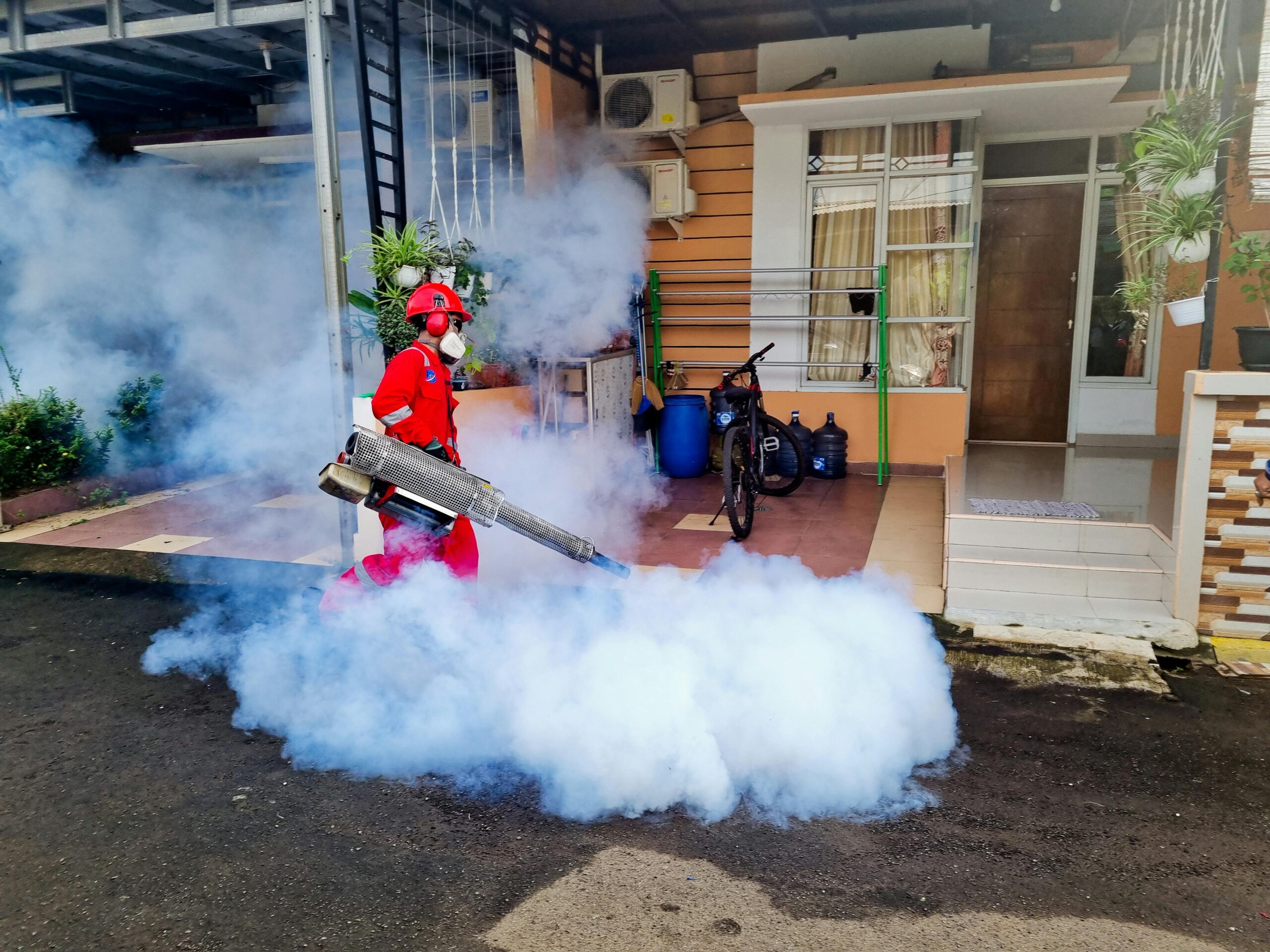
The image above captures a common professional technique: a smoke‑machine treatment applied to the home’s exterior. The dense, non‑toxic fog penetrates cracks and voids where termites hide, delivering a quick‑acting barrier while demonstrating the technician’s commitment to thoroughness and safety.
Homeowner Checklist for the Quote Call
- Is the company licensed in Georgia and does it carry liability insurance?
- Do they use EPA‑registered products, and can they show the product labels?
- What certifications or continuing‑education programs do their technicians hold?
- Can they provide a written inspection report and a detailed treatment plan?
- What is the total cost, and does it include follow‑up visits and warranty coverage?
- How soon can they schedule the initial inspection, and what is the typical turnaround for treatment?
- Do they offer post‑treatment monitoring or a satisfaction guarantee?
Armed with this checklist, you’ll feel confident asking the right questions and comparing quotes. Choosing a reputable, locally‑knowledgeable provider not only safeguards your home against costly structural damage but also gives you peace of mind that the job will be done right—fast, safe, and with a clear line of communication from start to finish.
Protect Your Home – Get a Free Quote Today
In Decatur, the termite season hits its stride each spring and early summer, when warm, humid conditions give colonies the perfect environment to spread. One unchecked infestation can cost a homeowner thousands in structural repairs, so waiting even a few weeks can turn a manageable problem into a financial nightmare.
Remember the three main treatment pathways we covered:
- Liquid termiticides – a barrier that stops workers from crossing into your foundation.
- Foam and dust applications – ideal for hard‑to‑reach voids and wall cavities.
- Bait stations – a low‑impact, long‑term solution that targets the colony at its source.
Each option works best after a thorough, professional inspection. A certified technician can identify hidden activity, map out the infestation, and recommend the most cost‑effective plan for your home’s unique layout.
That’s where Anthem Pest Control comes in. As a locally‑focused service provider, we combine deep knowledge of Decatur’s termite hotspots with transparent pricing and EPA‑approved, pet‑safe products. Our technicians are trained to deliver fast relief without compromising your family’s health or your budget.
Ready to protect your investment? Schedule a free, no‑obligation inspection today, and we’ll provide a detailed cost estimate on the spot. Simply call 877‑371‑8196 or visit our online portal at Anthem Pest Control to book your appointment.
Our same‑day service window ensures you won’t wait weeks for treatment, and our guarantee protects you against future termite activity for up to two years.
Don’t let termites take advantage of the seasonal surge—act now and secure peace of mind for your home.
Anthem Pest Control is ready to help you reclaim a termite‑free living space.