Recognizing the House Fly in Your Home
Physical description
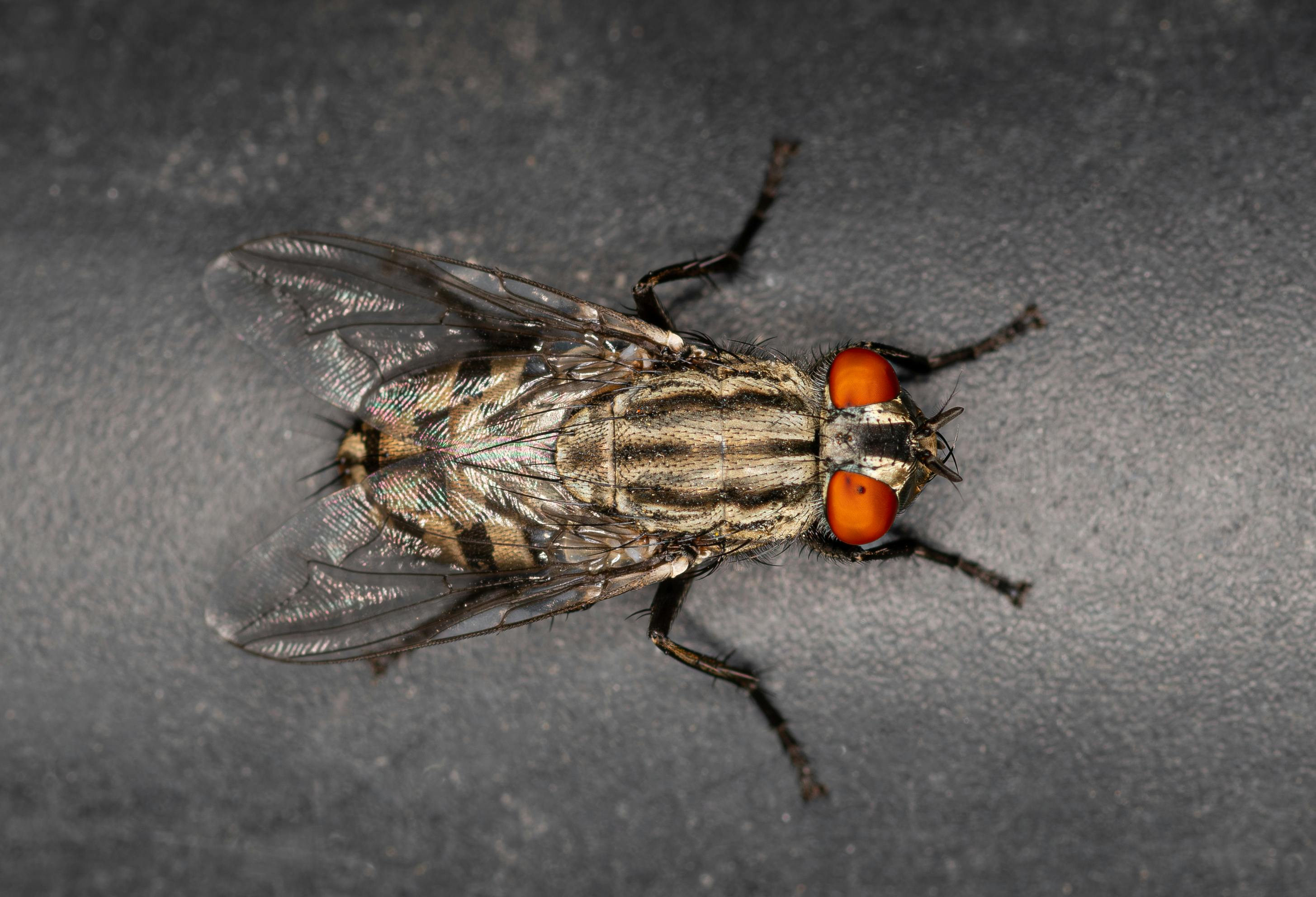
The common house fly, Musca domestica, is the pest most homeowners encounter on a daily basis. Adults measure about 6–7 mm in length—roughly the width of a pencil eraser—and display a uniform gray‑tan body covered in tiny, fine hairs. Their most striking features appear in a close‑up (macro) view: bright red compound eyes that dominate the head, a pair of clear, veined wings with a faint mottled pattern, and a three‑segment abdomen that tapers toward the rear. These characteristics make the house fly instantly recognizable once you know where to look.
Where you’ll find them indoors
House flies are attracted to the same places humans gather food and waste. In a typical Decatur home, they congregate around:
- Kitchens – especially near countertops, sinks, and open food containers.
- Garbage areas – bins, compost pails, and any spot where organic debris accumulates.
- Windows and doors – flies use light and drafts to enter, so you’ll often see them perched on screens or sills.
Spotting a fly repeatedly in any of these zones is a strong indicator that a breeding site is nearby and that a treatment plan may be needed.
Distinguishing house flies from look‑alikes
Not every small, buzzing insect is a house fly. Two common look‑alikes are fruit flies and blow flies:
- Fruit flies (Drosophila spp.) are much smaller—about 3 mm—and have a tan body with red eyes that sit closer together. They’re usually found near ripe fruit or fermenting liquids, not around garbage.
- Blow flies (Calliphoridae family) are larger (up to 12 mm) and sport a metallic blue‑green sheen on their thorax and abdomen. Their wings often appear slightly darker, and they’re attracted to decaying animal matter rather than kitchen scraps.
By comparing size, body color, and preferred habitats, you can quickly rule out these other species and focus on the house fly.
Quick visual checklist
- Size: 6–7 mm (about the width of a pencil eraser)
- Color: Uniform gray‑tan body with fine hairs
- Eyes: Bright red, prominent, and well‑separated
- Wings: Clear with faint mottling; vein pattern visible
- Habitat: Kitchens, garbage zones, windows, and doors
- Behavior: Constantly buzzing, landing on food surfaces, and resting on walls
Use this checklist the next time you spot a flying nuisance. If the insect matches most or all of these points, you’re likely dealing with a house fly and should consider a professional inspection from Anthem Pest Control to prevent a full‑blown infestation.
Health Risks Posed by House Flies
Most homeowners think of house flies as merely annoying buzz‑killers, but these tiny insects are actually efficient disease vectors. The Centers for Disease Control and Prevention (CDC) reports that a single fly can carry dozens of pathogens on its legs, mouthparts, and body hairs, turning a clean kitchen into a breeding ground for illness.
Pathogens a Fly Can Transport
- Bacteria: Salmonella, Escherichia coli, Shigella, and Vibrio cholerae
- Viruses: Rotavirus, hepatitis A, and certain enteric viruses
- Parasites: Giardia and Cryptosporidium cysts
Illnesses Directly Linked to Flies
When flies land on exposed food, countertops, or utensils, they deposit the microbes they’ve picked up from garbage, animal waste, or feces. The CDC links house flies to outbreaks of:
- Acute diarrheal disease
- Dysentery
- Typhoid fever
- Food‑borne bacterial infections
These conditions can cause severe dehydration, especially in children, and may require medical attention. For a complete list of CDC‑verified data, see the CDC House Fly Fact Sheet.
How Flies Acquire and Spread Microbes
Flies are attracted to decaying organic matter—think rotting fruit, pet waste, or uncovered trash. As they feed, their sponging mouthparts become coated with pathogens. A single fly can visit dozens of surfaces in minutes, mechanically transferring bacteria from a garbage can to a sandwich, or from a pet’s litter box to a kitchen counter.
Vulnerable Populations at Greater Risk
While anyone can become sick, children, the elderly, and immunocompromised individuals are especially susceptible. Their weaker immune systems struggle to fight off the bacteria and parasites that flies introduce, leading to more serious or prolonged illness.
Why Prompt Control Matters
Because flies reproduce quickly—up to 500 offspring in a month—a small infestation can explode into a health hazard within days. Effective, timely fly control not only restores comfort but also protects your family’s wellbeing. By eliminating breeding sites, sealing entry points, and using professional treatments, you reduce the chance that a harmless‑looking fly becomes a carrier of dangerous disease.
Seasonal Activity of House Flies in Decatur, GA
Why Decatur’s Climate Attracts Flies
Decatur sits in the heart of Georgia’s humid subtropical zone, meaning mild winters and long, hot summers. Average summer highs hover between 88°F and 92°F, while humidity often stays above 70%. These conditions create an ideal environment for house flies, which thrive when warmth and moisture accelerate their life cycle.
Reading the Seasonal Activity Chart
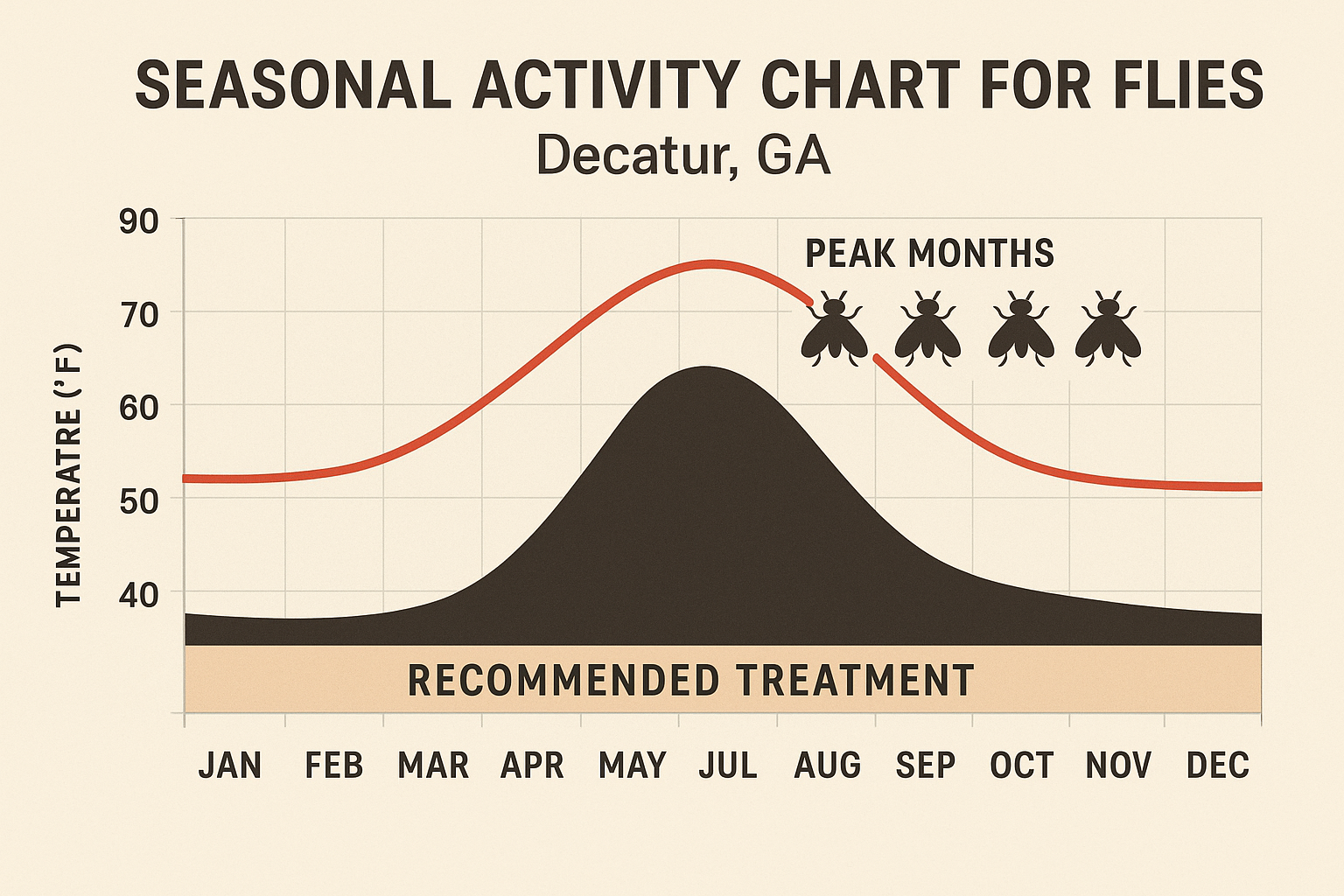
The chart above overlays fly counts with monthly average temperatures. You’ll notice a sharp rise beginning in late May, peaking from June through August, then tapering off as temperatures dip in September. The highest fly density aligns with the 90°F‑plus window, confirming that heat drives the surge.
Temperature, Humidity, and Breeding Cycles
House flies lay eggs in moist organic material—think rotting food, pet waste, or damp compost. At 80°F, a single female can produce up to 150 eggs in just a few days, and those eggs hatch in under 24 hours. When humidity climbs above 65%, larval development speeds up, shortening the generation time to roughly 7‑10 days. In cooler months, the cycle stretches, and populations naturally decline.
Optimal Treatment Windows
Before peak (April‑May): Schedule a preventive treatment to target overwintering adults and early‑season breeding sites. This creates a barrier before flies explode in number.
During peak (June‑August): Deploy a focused spray or bait program every 3‑4 weeks. This keeps the adult population in check while you continue sanitation efforts.
After peak (September‑October): Apply a final treatment to mop up lingering adults and prevent a late‑season resurgence as temperatures remain warm enough for a few more generations.
Seasonal Prevention Tips
- Secure all trash cans with tight‑fitting lids and empty them at least twice a week during summer.
- Repair or replace door and window screens; a single tear can become a fly highway.
- Keep pet feeding areas clean and store food in sealed containers to eliminate attractants.
- Clear standing water from gutters, birdbaths, and plant saucers to reduce humidity near your home.
- Schedule regular professional inspections in early spring and again in early fall to catch any hidden breeding hotspots.
Effective Treatment Methods for House Flies
DIY Approaches
Most homeowners start with sanitation and simple traps because they’re inexpensive and easy to implement. Removing food residues, sealing garbage bins, and wiping down countertops cut off the flies’ breeding sites. Sticky traps or UV‑light devices can catch a few adults, while natural repellents such as essential‑oil sprays (e.g., eucalyptus or peppermint) may deter flies for short periods. The downside is that DIY methods rarely break a full infestation’s life cycle; flies can quickly repopulate if the source isn’t eliminated.
Chemical Options
When sanitation alone isn’t enough, chemical controls step in. Residual sprays contain adulticides that cling to walls, ceilings, and window frames, killing flies for weeks after application. Foggers disperse a fine mist that contacts flying insects instantly, providing rapid knock‑down but limited residual effect. Bait stations combine attractants with slow‑acting toxins, allowing flies to feed and return to breeding sites, spreading the poison to others. All three work by disrupting the fly’s nervous system, but they must be used according to label directions to avoid health risks.
Professional Service Steps
A licensed technician follows a systematic protocol to ensure thorough eradication:
- Inspection: Identify breeding hotspots, such as pet waste, compost, or clogged drains.
- Targeted Fogging: Apply a calibrated fogger in high‑traffic zones, delivering a quick, uniform coverage.
- Residual Barrier Application: Spray a long‑lasting adulticide on baseboards, door frames, and other perimeters where flies rest.
Below is a snapshot of a technician performing the fogging step.

Why Hire Licensed Technicians?
Professional exterminators bring several advantages that DIY solutions can’t match. They calculate the correct dosage for the size of your home, ensuring effectiveness while minimizing exposure to occupants and pets. Licensed technicians are trained to select the most appropriate product for your specific fly species and resistance patterns. After the initial treatment, they schedule follow‑up visits to verify results and adjust the plan if new activity appears, providing peace of mind and long‑term protection.
Post‑Treatment Maintenance
Even after a successful application, ongoing vigilance is essential. Keep trash tightly sealed, clean up pet waste daily, and repair any window screens or door seals that allow flies inside. Monitor trap counts for a few weeks; a sudden rise may signal a missed breeding site. Most professionals recommend a repeat residual spray every 3–4 months during peak fly season to maintain a protective barrier. Pairing these habits with periodic professional check‑ins keeps the fly population at bay year‑round.
Choosing the Right House Fly Control Plan
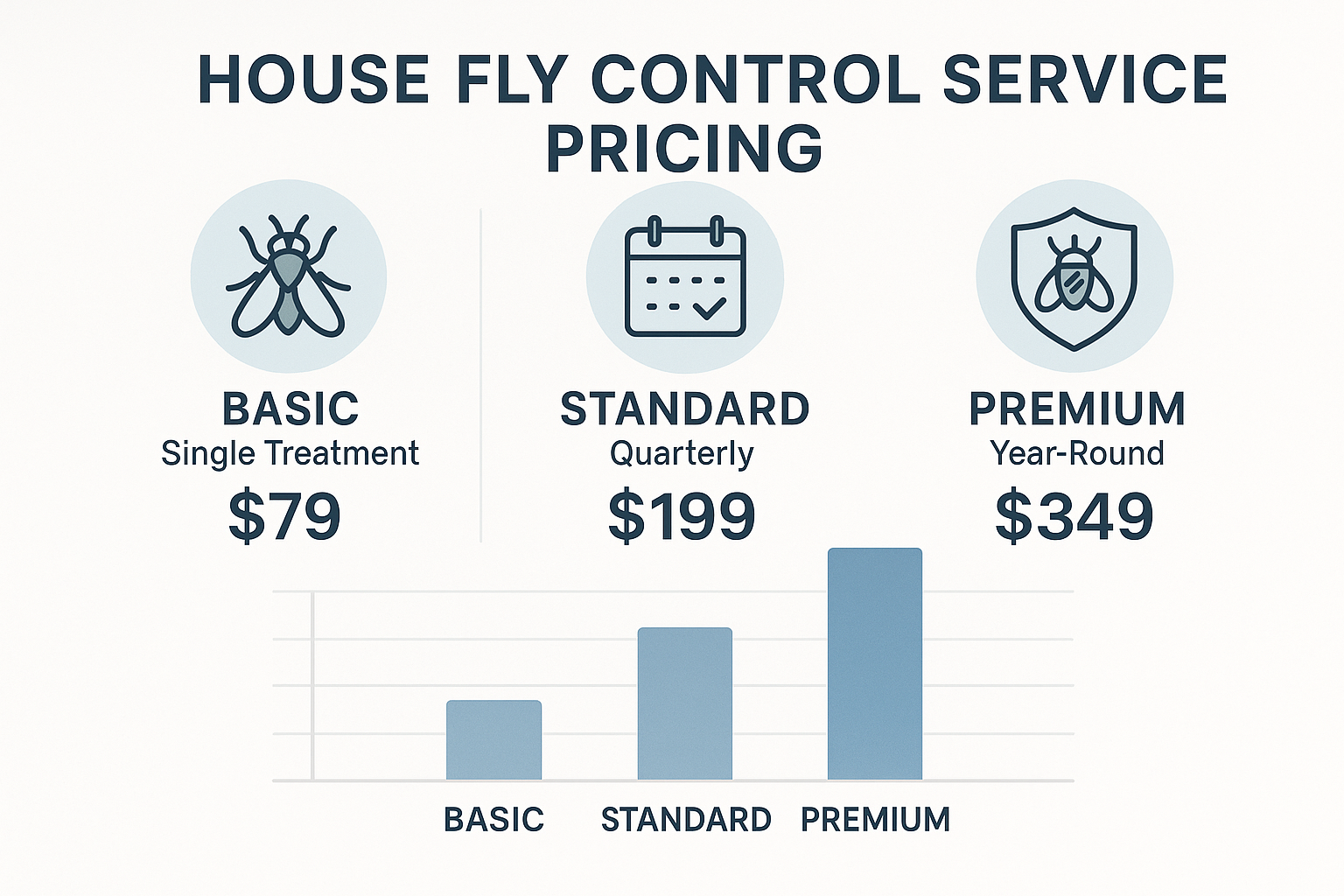
Every Decatur homeowner faces a different level of house‑fly activity, so a one‑size‑fits‑all approach just won’t cut it. Anthem Pest Control offers three clearly defined service tiers—Basic, Standard, and Premium—so you can match the level of protection to your home’s size, infestation severity, and budget.
Service Tiers at a Glance
| Tier | Treatments per Year | Visit Frequency | Warranty | Ideal For |
|---|---|---|---|---|
| Basic | 2 | Every 6 months | 30‑day re‑treat guarantee | Small homes, low‑level activity |
| Standard | 4 | Every 3 months | 60‑day re‑treat guarantee | Average‑sized homes, moderate infestations |
| Premium | 6 | Every 2 months | 90‑day re‑treat guarantee + free follow‑up | Large properties, heavy or recurring problems |
Basic Plan
The Basic tier provides two thorough treatments per year—once in early summer and once in late fall. Each visit includes a comprehensive inspection, targeted fly‑busting sprays, and a 30‑day warranty that covers a free re‑treat if flies return.
Standard Plan
With four treatments annually, the Standard plan adds a spring and a late‑summer visit to the Basic schedule. Homeowners benefit from a 60‑day warranty, plus a complimentary interior inspection during each service to catch any early signs of re‑infestation.
Premium Plan
The Premium tier is the most aggressive option, delivering six treatments that cover every critical point in the fly life cycle. In addition to a 90‑day warranty, this plan includes a free follow‑up visit after any warranty claim and a yearly exterior perimeter barrier to keep new flies from entering.
What to Consider When Picking a Plan
- Home size: Larger square footage often means more entry points and hiding spots.
- Infestation severity: A light nuisance may only need the Basic tier, while a chronic problem calls for Standard or Premium.
- Budget flexibility: Higher‑frequency plans spread cost over more visits, reducing the per‑visit price.
- Seasonal activity: If your yard is a hotspot during summer, a plan with more frequent spring and summer visits pays off.
Why Anthem Pest Control Ensures Transparent Pricing and Value
Every tier is presented with a fixed, all‑inclusive price—no hidden service fees or surprise add‑ons. Before any work begins, a certified technician walks you through the exact services included, explains the warranty terms, and answers any questions. This upfront clarity lets you weigh the cost against the protection level, ensuring you invest only in the coverage your home truly needs.
Protect Your Home Today with Anthem Pest Control
By now you’ve learned how to spot a house‑fly infestation, why these pests pose health risks, the best times of year to act, and the treatment options that work in Decatur. Let’s pull those pieces together so you can see the full picture and take the next step.
- Identification: Look for the characteristic gray‑black bodies, rapid flight, and the tell‑tale buzz around food or trash areas.
- Health Risks: Flies can transfer bacteria like E. coli and Salmonella, contaminating meals and surfaces.
- Seasonal Timing: Warm, humid months (April through October) are prime fly season, but eggs can hatch year‑round in sheltered spots.
- Treatment Options: DIY traps, proper sanitation, and professional interventions such as residual sprays and baits.
While occasional DIY measures can knock down a small population, only a professional, year‑round protection plan eliminates the cycle of recurring fly problems. Consistent monitoring, targeted applications, and barrier treatments keep flies from re‑establishing, safeguarding your family and your home throughout every season.
At Anthem Pest Control, our certified technicians use safe, EPA‑approved solutions tailored to Decatur homes. We offer transparent pricing, flexible plans, and a satisfaction guarantee. Whether you need a one‑time treatment or an ongoing maintenance program, we design a strategy that fits your budget and your schedule.
Ready to enjoy a fly‑free home? Call us today at 877‑371‑8196 for a free, no‑obligation quote. Our friendly team will assess your situation, recommend the best plan, and set up service at a time that works for you.
Take the first step toward lasting protection—visit Anthem Pest Control and discover how easy it is to keep flies out of your life.