Why Mosquitoes Matter to Homeowners in Druid Hills

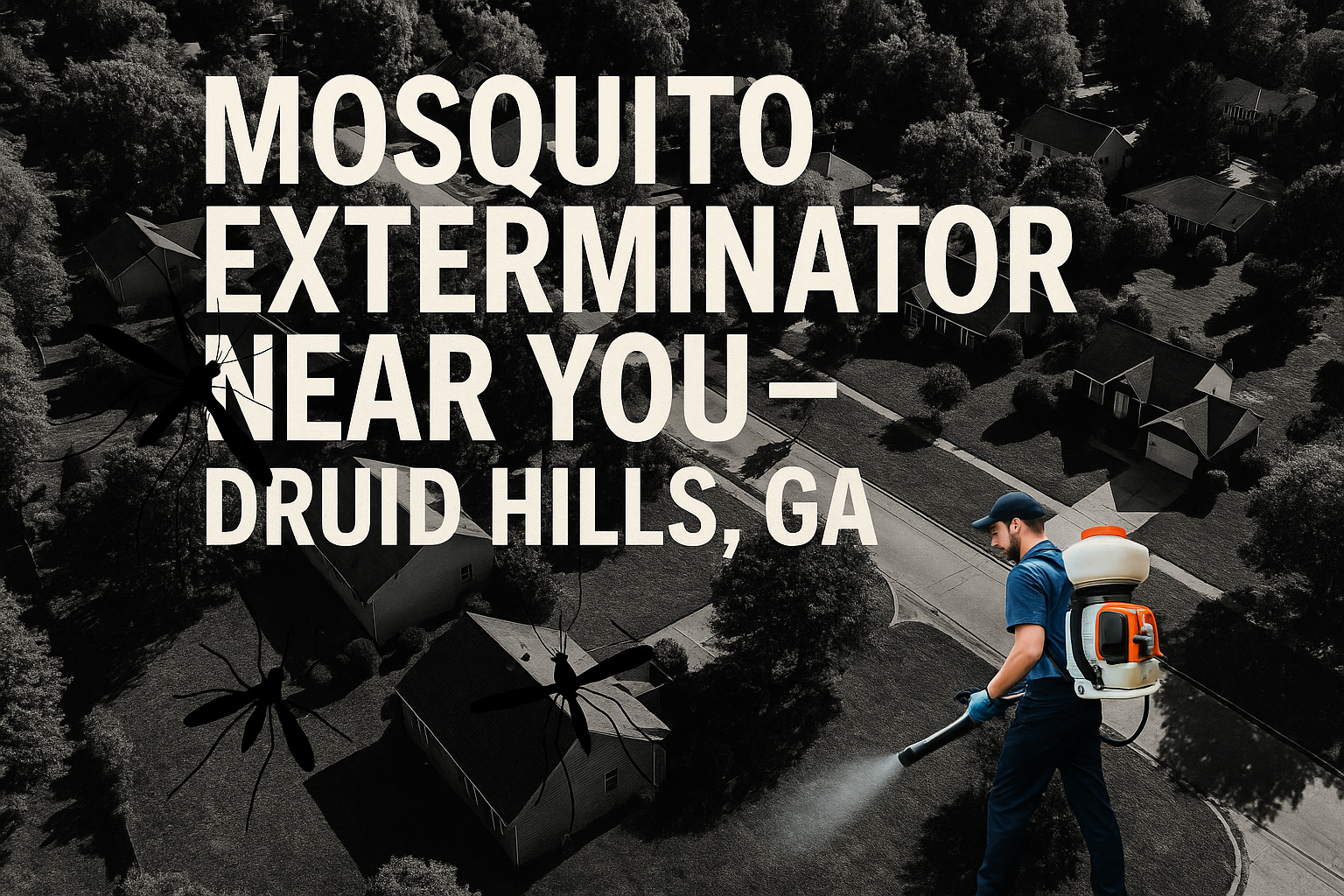
Druid Hills sits in the heart of Georgia’s humid subtropical zone, where warm summers, frequent rain showers, and abundant shade create the perfect recipe for mosquito breeding—making effective mosquito control Druid Hills homeowners rely on essential each season. The neighborhood’s tree-lined streets, ornamental ponds, and well-maintained lawns hold pockets of stagnant water—ideal larval habitats that can turn a pleasant evening on the porch into a relentless battle with buzzing pests.
Nationally, mosquito‑borne illnesses remain a public‑health concern. According to the CDC, the United States recorded over 2,300 cases of West Nile virus in 2023, and more than 1,200 confirmed cases of Zika worldwide, with a portion traced back to local mosquito activity. While Georgia reports fewer cases than some southern states, the risk is never zero, especially in areas like Druid Hills where the environment encourages rapid mosquito proliferation.
The Nuisance Factor
Beyond disease, mosquitoes are a daily annoyance for homeowners:
- Unwanted bites: A single bite can leave a red, itchy welt that lingers for days, disrupting sleep and outdoor relaxation.
- Allergic reactions: Some individuals experience severe swelling, hives, or even anaphylaxis after multiple bites.
- Reduced outdoor enjoyment: Families often forego backyard barbecues, evening walks, or pool parties because the constant hum and threat of bites make outdoor spaces feel unsafe.
These factors combine to lower property value perception and increase stress for residents who simply want to enjoy their homes without constant pest interference.
Setting the Stage for Effective Control
Understanding the local climate and health implications is the first step toward a comprehensive mosquito management plan. The remainder of this article will walk you through:
- Proactive prevention strategies—such as source reduction and barrier treatments—that keep mosquito populations low before they become a problem.
- Targeted treatment options, including larvicides and adulticide applications, tailored to Druid Hills’ seasonal patterns.
- Optimal timing for interventions, ensuring that homeowners act during peak breeding periods rather than reacting after an infestation has taken hold.
Local Expertise You Can Trust
Anthem Pest Control has been serving the Druid Hills community for years, combining local knowledge with proven, EPA‑approved solutions. Their technicians understand the neighborhood’s unique landscape—knowing exactly where water collects, which plantings attract mosquitoes, and how to apply treatments safely around families and pets. By partnering with Anthem, homeowners gain a reliable ally in the ongoing effort to protect health, comfort, and outdoor enjoyment.
Mosquito Biology and Health Risks
Understanding the life cycle
Every mosquito you see starts as a tiny egg, usually laid on the surface of still water. Within 24‑48 hours, the egg hatches into a worm‑like larva that feeds on organic matter and microorganisms in the water. After a few molts, the larva transforms into a non‑feeding pupa, a resting stage that can last from one to several days depending on temperature. The final metamorphosis produces the familiar adult mosquito, which emerges ready to fly, feed, and reproduce. Each stage occurs in a specific environment: eggs and larvae need water, pupae stay in water, while adults live on land but return to water to lay the next batch of eggs.
Georgia’s most common culprits
In Druid Hills and the surrounding Georgia region, three genera dominate: Aedes, Culex, and Anopheles. Aedes species, such as the aggressive Aedes albopictus (Asian tiger mosquito), are most active during daylight, especially early morning and late afternoon. Culex mosquitoes, including Culex quinquefasciatus, prefer dusk and night hours and are often found near shaded, humid areas. Anopheles, the malaria‑vector genus, is less common here but can appear during the cooler months, typically feeding from dusk into the night. Knowing when each group is most active helps homeowners plan protective measures.
Disease vectors and why they matter
Mosquitoes are not just a nuisance; they are efficient disease carriers. In Georgia, the primary health threats include West Nile virus, transmitted mainly by Culex species, and the Zika and dengue viruses, which Aedes mosquitoes can spread. Although malaria is rare in the United States, Anopheles species remain potential vectors for imported cases. For a comprehensive list of mosquito‑borne illnesses, consult the CDC’s mosquito‑borne illnesses page. Understanding which species carry which pathogens enables targeted control strategies.
How weather fuels breeding
Standing water is the single most important factor for mosquito reproduction. A forgotten birdbath, clogged gutter, or even a damp leaf pile can become a nursery. Warm temperatures accelerate development; at 80 °F (27 °C), a mosquito can complete its life cycle in as little as a week, while cooler weather extends the timeline. Rainfall adds new breeding sites and raises water levels in existing ones, creating a cascade effect that can turn a quiet summer into a mosquito boom. Monitoring these environmental cues is essential for timely action.
The value of early intervention
Breaking the mosquito life cycle before it reaches the adult stage is the most cost‑effective way to protect your home. Treating standing‑water sources with larvicides or eliminating them outright stops eggs from hatching. Adulticide sprays applied at dusk, when most adult mosquitoes are resting, reduce the immediate biting threat. By acting early—ideally when you first notice larvae or after a heavy rain—homeowners can prevent a small problem from escalating into a full‑blown infestation that raises both discomfort and health risks.
Regularly inspecting your property each week can catch new breeding spots before they flourish.
Common Breeding Sites and DIY Prevention Tips
Mosquitoes are opportunistic—if they find a stagnant water source on your property, they’ll turn it into a nursery. By learning where these tiny pests love to lay their eggs, you can cut off their life cycle before it even begins. Below are the most frequent hotspots around a typical Druid Hills home and practical, homeowner‑friendly steps to make each one inhospitable.
Typical Breeding Hotspots
- Birdbaths – Shallow water that isn’t changed regularly becomes a perfect egg‑laying site.
- Clogged gutters – Leaves and debris trap rainwater, creating hidden pools.
- Flower‑pot saucers – Water that collects under potted plants rarely gets noticed.
- Pet water dishes – Bowls that sit outdoors for long periods can turn stagnant.
- Backyard pools and spas – Even a small splash zone around the edge can hold enough water for larvae.

Step‑by‑step DIY Actions
- Empty and scrub containers weekly. Remove water from birdbaths, pet dishes, and plant saucers at least once a week. Use a brush and mild detergent to scrub away biofilm where mosquito larvae cling.
- Maintain proper drainage. Clear leaves from gutters and downspouts every few weeks, especially after autumn storms. Consider installing gutter guards to prevent future clogs.
- Trim overgrown vegetation. Mosquitoes rest in cool, shaded foliage during the day. Keep grass under 6 inches, prune hedges, and thin out dense shrubbery to improve air flow and sunlight penetration.
- Apply larvicides where appropriate. For water features you can’t eliminate—like ornamental ponds—use EPA‑registered larvicides (e.g., Bti tablets). Follow label directions; these products target mosquito larvae without harming fish, birds, or pets.
Natural Deterrents and Safe Chemical Options
Even after you’ve tackled standing water, adding repellents creates a second line of defense. Here are two categories you can mix and match:
- Plants that repel mosquitoes – Citronella grass, lavender, marigold, and catnip release volatile oils that mosquitoes find unpleasant. Plant them around patios, decks, or near entryways for continuous scent coverage.
- EPA‑approved chemical repellents – If you prefer a more immediate effect, look for outdoor sprays labeled for “mosquito control” that contain DEET or Picaridin at concentrations below 30 %. Apply only to surfaces, not directly on skin, and follow the safety instructions on the label.
Remember, DIY measures dramatically reduce mosquito numbers, but they rarely eradicate a full‑blown infestation on their own. Stubborn breeding sites, especially those hidden in hard‑to‑reach areas, often require professional treatment. Anthem Pest Control can assess your property, apply targeted adulticide fogging, and set up long‑term monitoring to keep the buzz at bay.
Professional Treatment Options and Pricing Tiers
How Anthem Tackles Mosquitoes
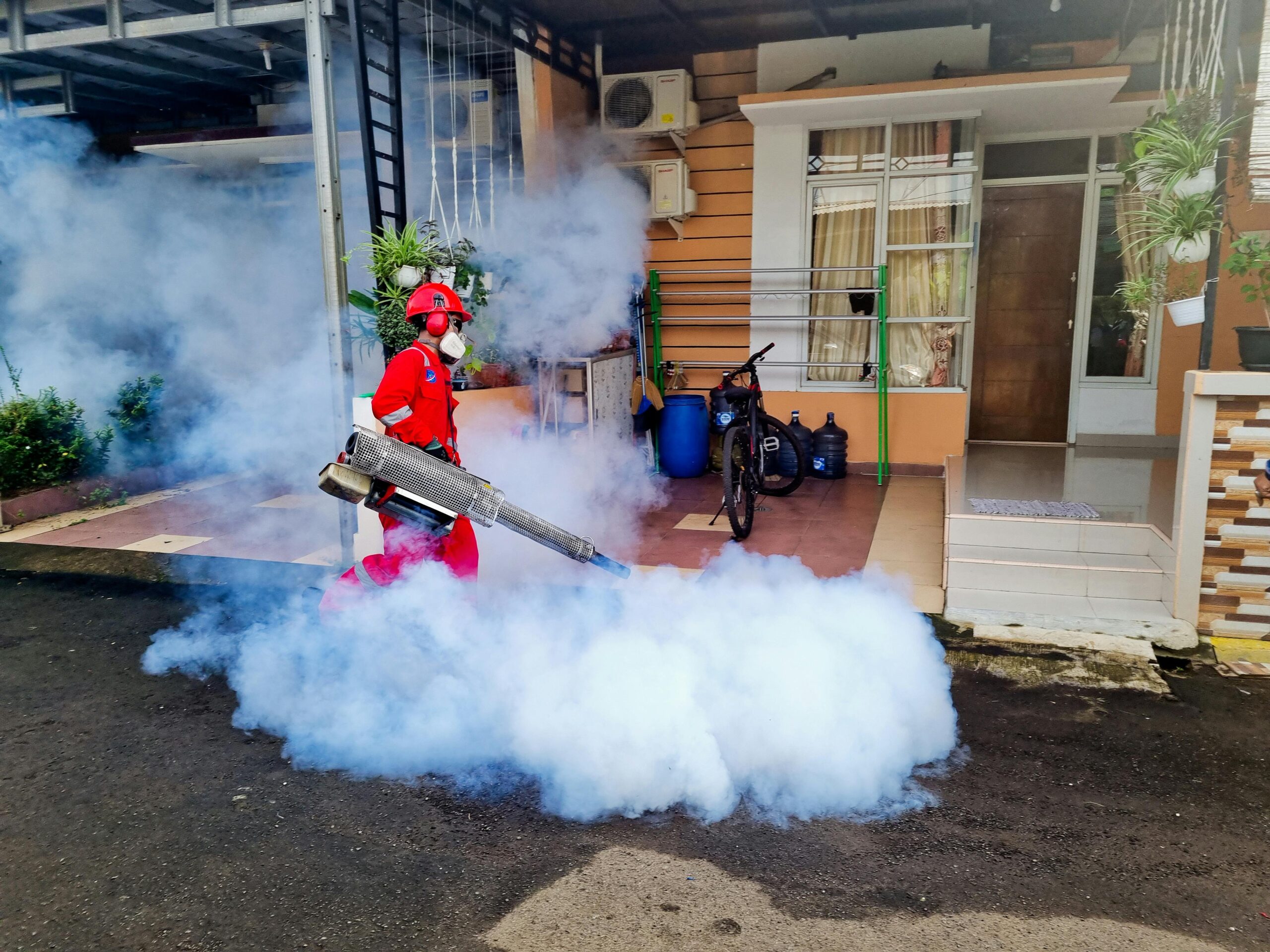
Anthem Pest Control relies on three proven treatment methods, each engineered to hit mosquitoes where they’re most vulnerable as part of a comprehensive mosquito control Druid Hills homeowners trust. Barrier sprays create a protective “wall” of residual insecticide on foliage, decks, and outdoor structures, killing adult mosquitoes on contact and keeping them away for weeks. Larvicide applications target the watery nurseries where mosquito larvae develop, using EPA-registered bacterial agents that dissolve in standing water and prevent the next generation from emerging. Finally, misting systems dispense fine droplets of fast-acting spray on a scheduled basis, delivering a consistent dose that suppresses adult populations even during peak activity periods.
Each method attacks a different life stage:
- Eggs & larvae – larvicides dissolve in rain barrels, bird baths, and low‑lying puddles, stopping growth before the insects become flyers.
- Adult mosquitoes – barrier sprays and misting systems knock down flying insects the moment they land on treated surfaces.
- Resting habitats – misting systems reach hidden spots like under eaves and dense shrubbery where adults often hide during the day.
Anthem’s Three Pricing Packages
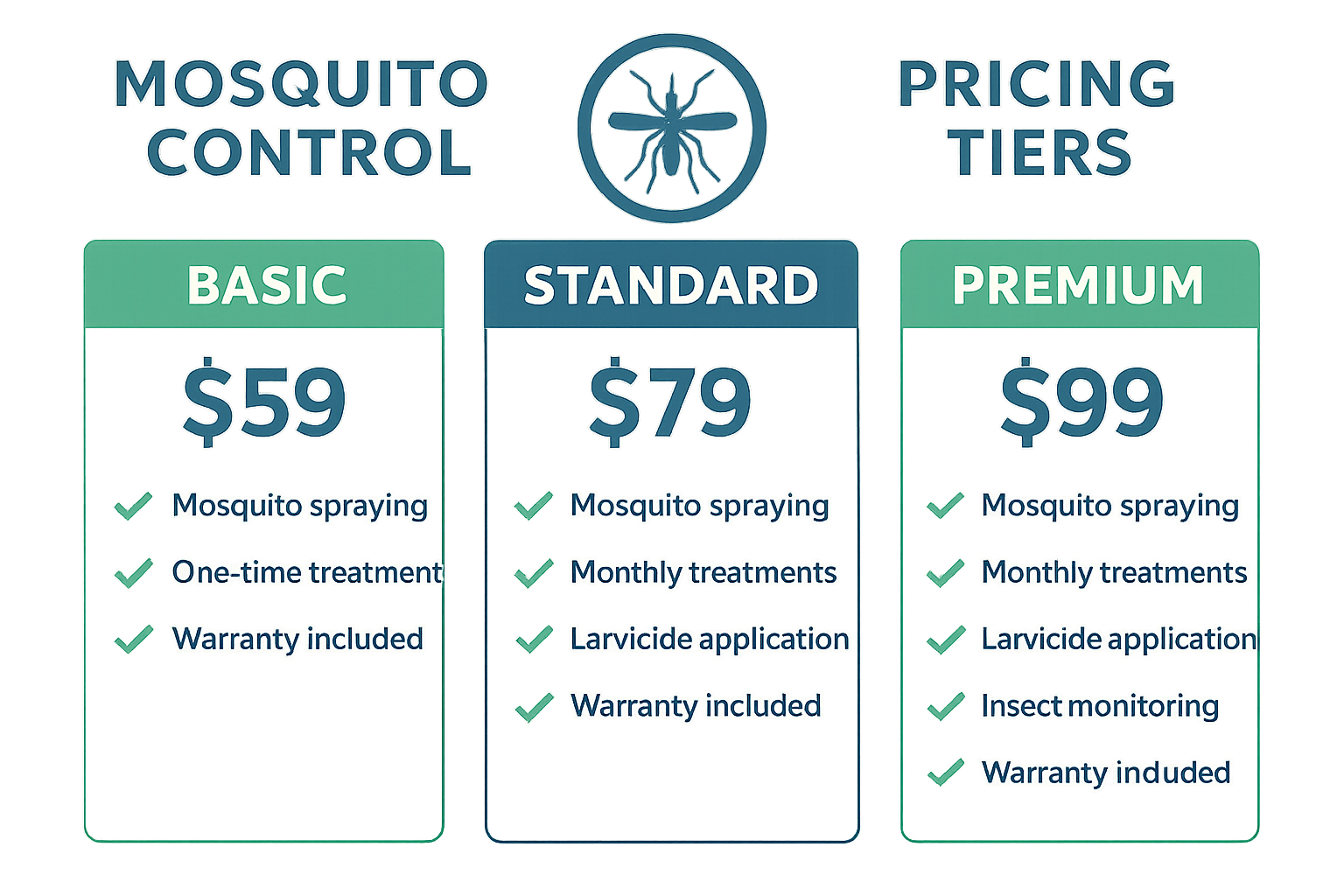
All three packages are built around the same core treatments, but they differ in frequency, coverage, and added guarantees. Choose the tier that matches your yard size, budget, and how aggressive you want the protection to be.
| Package | Visits per Season | Coverage Area | Follow‑up Inspections | Warranty | Typical Price (per season) |
|---|---|---|---|---|---|
| Basic | 2 | Up to 2,500 sq ft | Phone check‑in after each visit | 30‑day re‑treatment guarantee | $149–$199 |
| Standard | 4 | Up to 5,000 sq ft | On‑site inspection after every second visit | 60‑day re‑treatment guarantee | $279–$339 |
| Premium | 6 + optional misting add‑on | Up to 10,000 sq ft | Quarterly on‑site inspections + annual property assessment | Lifetime re‑treatment guarantee (subject to annual renewal) | $449–$529 |
Why Professional Service Beats DIY
Home‑store sprays may look cheap, but they often lack residual power, require frequent re‑application, and can miss hidden breeding sites. EPA‑registered products used by Anthem are formulated for longer hold‑time and are applied by certified technicians who know exactly where mosquitoes hide. Over a full summer, the Basic package typically saves a homeowner $120–$180 compared with buying multiple over‑the‑counter sprays, while delivering a 70‑% higher reduction in bite activity.
Beyond efficacy, professional treatments follow strict EPA safety guidelines. Technicians wear protective gear, calibrate equipment to the exact dosage, and record every application for traceability. This level of control eliminates the guesswork and reduces the risk of over‑exposure to children, pets, or pollinators—something DIY kits can’t guarantee.
Quick FAQ
- How often should my property be treated? For most Druid Hills yards, a minimum of two barrier‑spray visits (early June and late July) keeps adult populations low. The Standard and Premium tiers add mid‑season boosts to cover late‑summer spikes.
- Is it safe for pets and kids? Absolutely. All products are EPA‑approved for residential use and are applied at concentrations proven safe for humans and animals. We advise keeping pets indoors for 30 minutes after each spray, just as a precaution.
- When will I see results? Most customers notice fewer bites within 24–48 hours of the first barrier spray. Larvicide effects become evident after a week, as the next generation fails to hatch.
- What if I’m not satisfied? Each package includes a warranty period (30‑, 60‑, or lifetime). If mosquito activity remains high, we’ll re‑treat at no extra charge within the warranty window.
Seasonal Mosquito Activity in Druid Hills and Timing Your Service
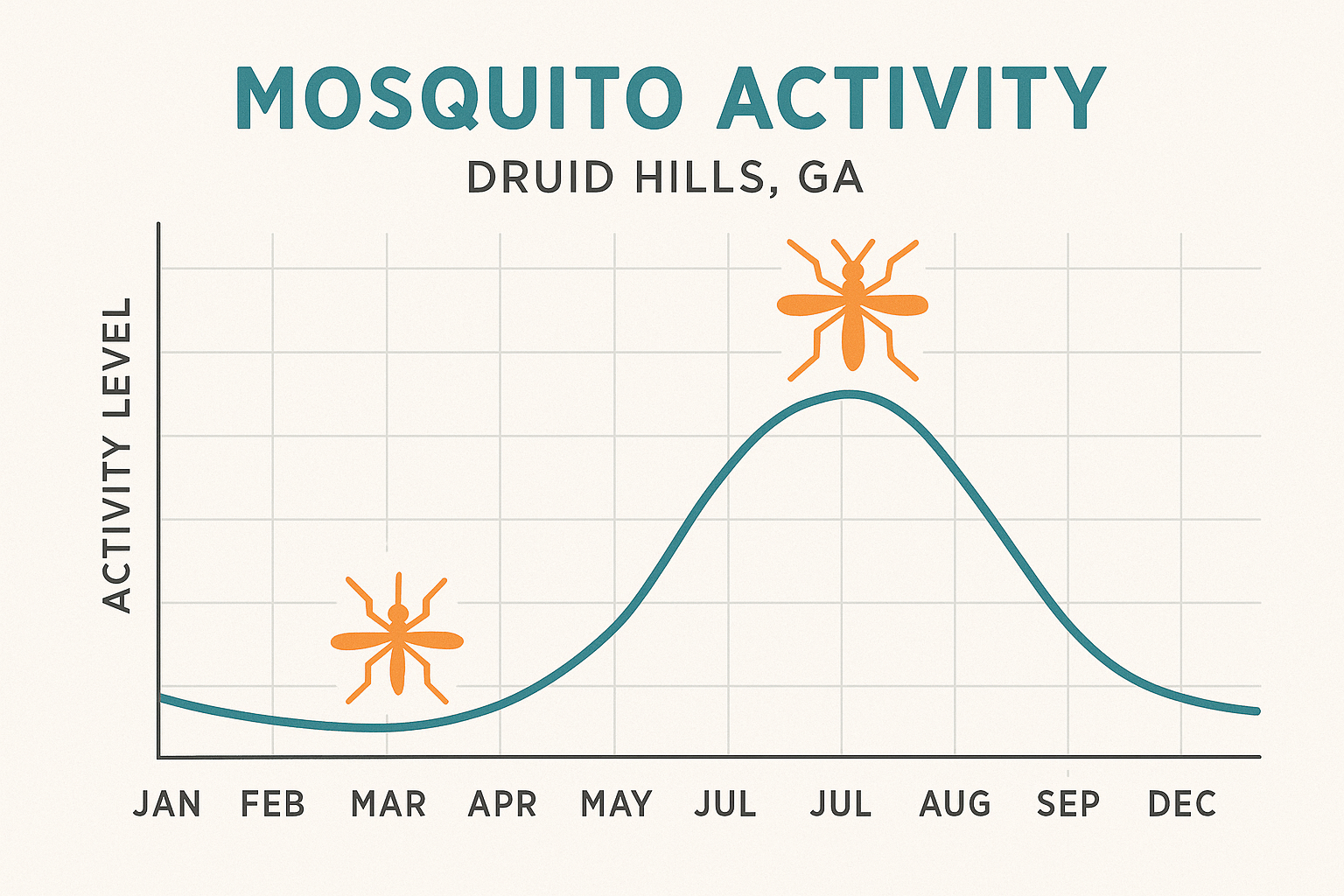
Living in Druid Hills means enjoying lush gardens and mature trees—perfect mosquito habitats when the weather warms up, which is why proactive mosquito control Druid Hills homeowners rely on becomes especially important. The EPA’s climate data for our area shows average highs climbing from the mid-60s °F in April to the high 80s °F by July, with rainfall spiking during May and August. Those temperature and moisture trends line up directly with the peaks you see in the chart above.
Why early‑season treatments (April‑May) matter
Mosquitoes start their life cycle as tiny eggs laid in standing water. By early spring, the eggs hatch, and the first adult females begin to bite. Treating your yard in April or early May hits the population before it can reproduce in large numbers. A single treatment at this stage can suppress the adult count by up to 80 %, meaning fewer bites and a dramatically lower chance of a midsummer swarm.
The secondary summer surge
Even with an early‑season application, Druid Hills typically sees a secondary activity spike in late August. Heavy thunderstorms replenish breeding sites, and the warm nights accelerate larval development. A follow‑up treatment—ideally scheduled for the second week of August—targets the new generation before it peaks, keeping your patio and pool area comfortable through the final stretch of the season.
Connecting temperature, rain, and treatment windows
EPA records indicate that Druid Hills averages about 45 inches of rain annually, with May and August each contributing roughly 4–5 inches. When a rain event exceeds half an inch, mosquito eggs can hatch within 48 hours. Pair this with average daytime temperatures above 75 °F, and you have ideal conditions for rapid population growth. By aligning your service dates with these climate cues—early‑spring before the first rain‑induced hatch and late‑summer after the August storms—you maximize the chemical barrier’s effectiveness.
Scheduling with Anthem: discounts, flexibility, and peace of mind
- Early‑season booking discount: Reserve your April‑May treatment before March 15 and receive a 10 % price reduction.
- Flexible rescheduling: Weather in Georgia can be unpredictable. Anthem lets you shift your appointment up to 7 days without penalty, ensuring you never miss the optimal window.
- Warranty period: Every mosquito service includes a 30‑day satisfaction guarantee. If you notice a resurgence within that time, Anthem will re‑treat at no extra cost.
When you call Anthem at 877‑371‑8196 or book online, mention the “Seasonal Timing Package.” Our technicians will review the EPA temperature and rainfall forecasts for the upcoming weeks, then tailor the treatment schedule to your property’s specific risk factors—whether you have a shaded creekside garden or a sun‑baked backyard pool.
Quick checklist for homeowners
- Mark your calendar for an early‑season service in the first two weeks of May.
- Eliminate standing water after each rainstorm (birdbaths, plant saucers, clogged gutters).
- Schedule the secondary August treatment for the week of the 10th‑15th.
- Take advantage of Anthem’s early‑booking discount and warranty protection.
By syncing your mosquito control plan with Druid Hills’ seasonal climate patterns, you’ll enjoy a bite‑free summer without the guesswork. The right timing—not just the right product—keeps your family safe, your yard pleasant, and your wallet happy.
Protect Your Home Today with Anthem Pest Control
Mosquitoes thrive when we overlook the small details—standing water, overgrown foliage, and unchecked breeding sites. Spotting these risks early, removing stagnant water, and acting before the season peaks are the first lines of defense for any Druid Hills homeowner.
- Identify and eliminate potential breeding habitats.
- Implement early‑season interventions to curb population growth.
- Maintain a proactive approach to keep your yard mosquito‑free year‑round.
Professional treatment takes those DIY steps to the next level. Anthem delivers comprehensive coverage that reaches hidden larval zones, adheres to strict safety regulations, and provides the peace of mind that comes from knowing experts have your home protected.
What sets Anthem apart in Druid Hills is our local expertise combined with transparent pricing. Our technicians know the neighborhood’s unique challenges, and we use EPA‑approved solutions that are both effective and safe for families and pets. You’ll receive a clear, upfront quote with no hidden fees, and a treatment plan tailored to your property’s specific needs.
Ready to take the next step? Schedule a free inspection and quote today—just call us at 877‑371‑8196 or fill out the easy contact form on our website. Our friendly team will walk you through the process and set up a treatment schedule that fits your calendar.
Call us at 877-371-8196 or visit Anthem Pest Control for a complimentary quote on trusted mosquito control Druid Hills homeowners rely on to protect their families this season.