Understanding Common Household Pests

Every homeowner in the United States eventually meets an unwelcome guest—whether it’s a marching line of ants in the kitchen or a silent infestation of bed bugs in the bedroom. The most prevalent culprits—ants, termites, mosquitoes, rodents, cockroaches, and bed bugs—share one common denominator: they can quickly turn a comfortable house into a health risk, a repair nightmare, or a source of constant anxiety. Recognizing which pests you’re dealing with is the first step toward effective control.
Ants
Ants are the most visible indoor pests. While many species are harmless, carpenter ants can hollow out wooden structures, and fire ants may deliver painful stings. Their presence often signals moisture problems or food sources that attract other insects. According to the CDC, ant bites can cause allergic reactions in sensitive individuals.
Termites
Termites work silently, feeding on cellulose in wood, drywall, and even cardboard. A small colony can cause thousands of dollars in structural damage before you notice any signs. The EPA estimates that termites are responsible for more than $5 billion in property damage annually across the U.S.
Mosquitoes
Mosquitoes are more than a summertime nuisance; they are vectors for diseases such as West Nile virus, Zika, and dengue fever. A single bite can trigger itching, swelling, and, in rare cases, severe allergic reactions. The WHO notes that mosquito-borne illnesses account for over 700,000 deaths worldwide each year.
Rodents
Rodents—including mice and rats—chew through wiring, insulation, and even plumbing, creating fire hazards and costly repairs. Their droppings carry pathogens like Hantavirus and Salmonella, posing serious health threats. The NPMA reports that rodent infestations are the leading cause of homeowner complaints about pest damage.
Cockroaches & Bed Bugs
Cockroaches thrive in warm, humid environments and can trigger asthma and allergies, especially in children. Their shed skins and droppings contaminate food surfaces. Bed bugs, on the other hand, hide in mattresses and furniture, feeding on human blood and causing itchy welts, insomnia, and emotional distress. Both pests are notoriously difficult to eradicate without professional intervention.
Why Early Detection Matters
Spotting a pest problem early dramatically reduces treatment costs and limits damage. Simple signs—such as tiny ant trails, wood hollowed out by termites, mosquito breeding sites near standing water, gnaw marks on wires, cockroach droppings, or tiny blood spots on sheets—should prompt immediate action. Homeowner education is essential; knowing what to look for empowers you to call a trusted partner like Anthem Pest Control before an infestation spirals out of control.
By staying informed about the health risks, property damage potential, and comfort issues each pest brings, you lay the groundwork for targeted identification and effective treatment. The next sections will dive deeper into how to recognize specific signs and choose the right control strategy for your home.
Identifying Pest Warning Signs in Your Home

Common pest indicators you can’t ignore
- Termites: Small mud tubes on foundation walls, wood frames, or in crawl spaces. The tubes are a smooth, ear‑shaped passage that termites use to stay moist.
- Rodents (mice & rats): Fresh droppings that look like tiny rice grains (mouse) or larger dark pellets (rat). Look these up in pantry corners, behind cabinets, and in stored‑food boxes.
- Cockroaches: Shedding of the exosarskeleton (a translucent, dried skin) and a faint oily, “musty” odor. These are often found near sinks, garbage areas, and warm warm spots.
- Ants: A continuous trail of live ants, especially in the kitchen or near entry points. Some species leave a faint “pulp” residue where they’ve foraged.
- Bed‑ bugs: Tiny, Dark red spots on sheets, a crisp “scent” of crushed bugs, or a small, a “mattress‑like” shed skin.
Seasonal variations affect where and when you see signs
Quick a home inspection routine
Use a systematic “room‑by‑room” approach to keep the process fast but a thorough:
- Kitchen: Check the backs of appliances, the underside of the sink, and pantry corners for ant trails, droppings, or cockroach hide‑outs.
- Basarium (basement): Look for moisture spots, mud tubes, and rodent droppings near the foundation’s concrete floor.
- Attic or crawl space: Scan for termite damage on wood, any shed skins, and small piles of rodent droppings.
- Exterior: Inspect the foundation foundation for cracks, gaps, or mud tubes. Pay attention to door‑thresholds and window screens for any insect activity.
Doing this quick visual sweep for about 10 minutes each month can catch early signs before they spread.
Simple tools that make a difference
Even a basic flashlight (a LED bulb works best) and a magnifying glass can reveal hidden evidence. A flashlight shines a beam into dark corners where you’ll spot the faint glow of termite mud tubes or see the tiny droppings of rodents. A magnifying glass helps you examine the texture of a shed skin or identify the tiny legs of an ant trail. For a more professional touch, a “pest‑detective” kit from a local hardware store often includes a small infrared light that highlights termite activity.
For detailed best practices, consult the University of Georgia Extension’s guide on pest identification, which provides a comprehensive list of visual clues for each common household pest.
Treatment Options and How They Work
When an ant invasion turns urgent, knowing the toolbox at your disposal can save time, money, and peace of mind. Below we break down the most common treatments, how they eliminate colonies, and what you should weigh before signing off on a service.

Chemical Treatments: Sprays, Baits, and Foggers
Residual sprays are applied along baseboards, entry points, and around foundations. The active ingredient adheres to surfaces and remains lethal for weeks, striking ants that crawl over the treated area. Ant baits work on a different principle: workers carry a slow‑acting poison back to the nest, sharing it with the queen and brood. This method is prized for its ability to eradicate hidden colonies without widespread surface contamination.
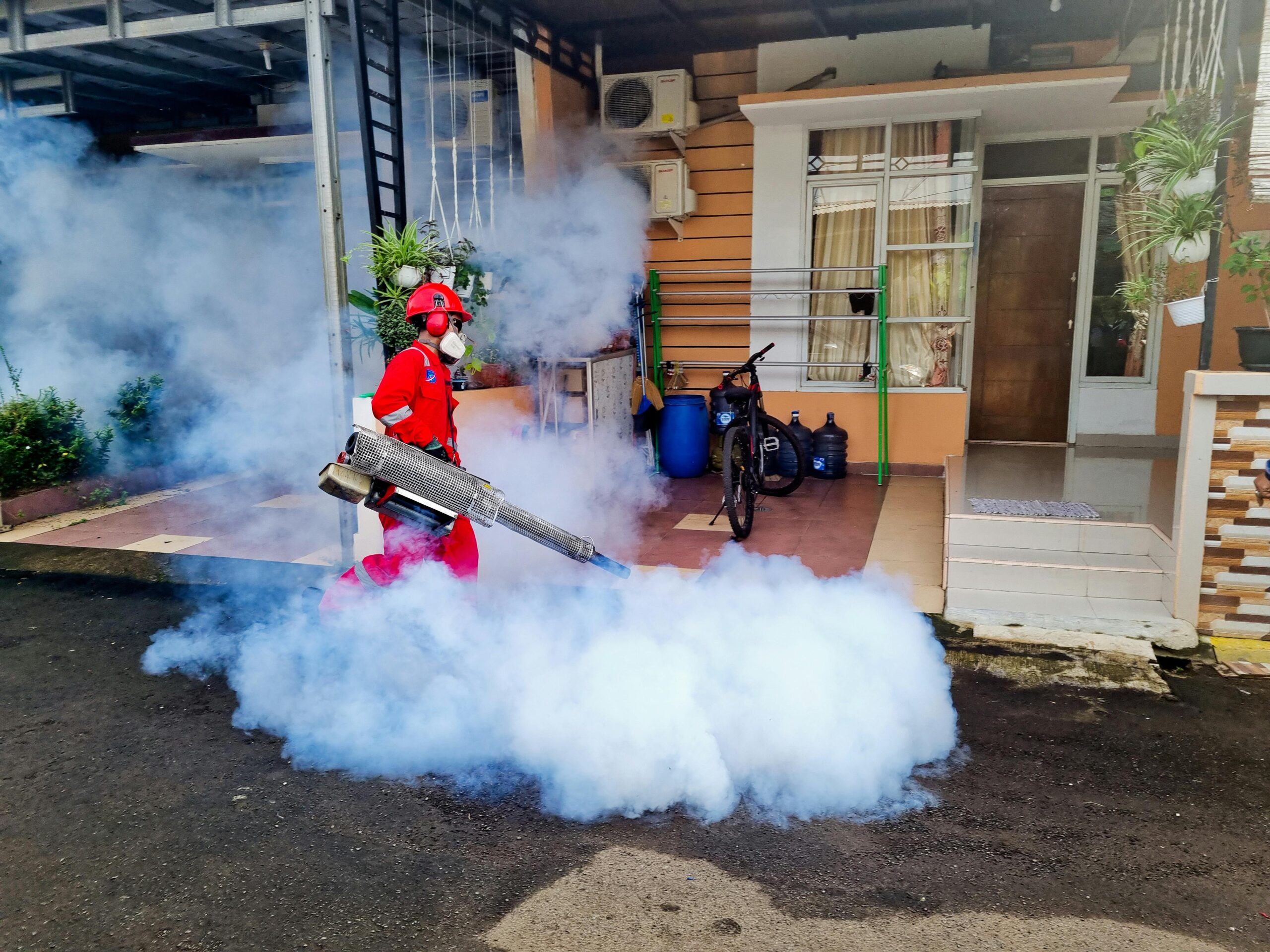
Foggers (sometimes called “boom sticks”) disperse a fine mist that can reach cracks and crevices where ants hide. While effective for rapid knock‑down, foggers pose inhalation risks and can affect non‑target insects, so proper ventilation and protective gear are essential. All chemical options must comply with EPA regulations, and reputable technicians—like those at Anthem Pest—follow the label directions to protect children, pets, and indoor air quality.
Non‑Chemical Approaches: Heat, Cryonite, and Mechanical Exclusion
Heat treatment raises the temperature of infested zones to 120‑130°F, a range lethal to ants at all life stages. Because no chemicals are introduced, this method is ideal for families concerned about residues, though it requires professional equipment and may be costlier.
Cryonite uses a carbon dioxide‑based freeze spray that instantly freezes and kills ants on contact. It’s especially useful for delicate items or areas where chemicals could damage surfaces.
Mechanical exclusion focuses on sealing entry points—cracks, gaps around utility penetrations, and faulty screens. By eliminating the pathways ants use to invade, you create a long‑term barrier that works hand‑in‑hand with other treatments.
Integrated Pest Management (IPM) Principles
The EPA and the National Pest Management Association (NPMA) champion Integrated Pest Management as the gold standard. IPM blends monitoring, accurate identification, cultural controls (like removing food sources), and targeted treatments. Rather than defaulting to broad‑spectrum sprays, IPM tailors interventions to the specific ant species, infestation level, and home environment, reducing unnecessary chemical exposure while maximizing efficacy.
Cost Considerations and Typical Pricing
Pricing varies by treatment type, infestation severity, and geographic factors. Below is a snapshot of average residential costs in the Decatur area:
| Treatment Type | Typical Cost Range |
|---|---|
| Residual spray (single visit) | $80 – $150 |
| Ant bait stations (installation + 30‑day monitoring) | $120 – $200 |
| Fogger application | $100 – $180 |
| Heat treatment (whole‑home) | $350 – $700 |
| Cryonite spot treatment | $90 – $160 |
| IPM inspection & customized plan | $150 – $250 (initial) |
Many companies, including Anthem Pest, offer bundled packages that combine baits, sprays, and exclusion work, delivering better value and a more comprehensive defense.
Advanced Technologies: Smart Monitoring and Data‑Driven Control
Modern ant management is increasingly digital. Smart monitoring devices—tiny sensors placed near known entry points—track ant activity in real time and send alerts to a homeowner’s smartphone. The data helps technicians pinpoint hot spots, adjust bait placement, and verify treatment success without unnecessary repeat visits.
Some providers integrate these sensors with cloud‑based analytics, allowing predictive modeling of seasonal ant pressures. This futuristic approach not only reduces labor costs but also aligns with IPM’s emphasis on precise, evidence‑based interventions.
For homeowners seeking a balance of safety, effectiveness, and transparency, understanding these options empowers you to choose the right solution. Whether you prefer a quick chemical knock‑down, a residue‑free heat treatment, or a tech‑savvy IPM program, Anthem Pest Control can tailor a plan that meets your budget and protects your family.
Seasonal Pest Patterns and Timing Your Service
In Decatur, Georgia, the rhythm of pest activity follows the local climate like clockwork. Understanding when each nuisance peaks lets you act before infestations become emergencies, saving you time, stress, and money. Below is a quick guide to the seasonal surges you’ll see around the city and the optimal windows for inspections and treatments.
Spring Surge: Ants, Termites, and Mosquito Breeding
As temperatures rise above 60°F, ant colonies emerge from winter nests, and termite swarms take flight in search of new wood to colonize. Simultaneously, standing water from spring rains becomes a breeding ground for mosquitoes. Early spring—typically late February through early April—is the critical period to schedule a comprehensive inspection. Catching termites before they establish new colonies and treating ant entry points now reduces the likelihood of costly structural damage later in the year.
Summer Peak: Mosquitoes, Flies, and Bed Bugs
Summer heat fuels mosquito activity, while flies thrive around outdoor gatherings and garbage. Bed bugs, often introduced through travel, also become more noticeable as people spend more time at home. A barrier treatment applied in late May or early June creates a protective shield that repels flying insects and reduces the chance of a bed‑bug outbreak. Pair this with regular outdoor maintenance—trimming vegetation and removing standing water—to keep the summer pests at bay.
Fall Focus: Rodents Seeking Shelter and Cockroach Migrations
When nights grow cooler, rodents start scouting for warm indoor shelter, and cockroaches migrate from outdoor habitats into homes to escape the cold. Scheduling a fall inspection in September or early October helps seal entry points, install bait stations, and treat interior cracks where cockroaches hide. Proactive rodent control at this stage prevents the winter surprise of gnawing damage and health hazards.
Winter Considerations: Indoor Pest Persistence
Even in the chill of December through February, indoor pests like ants, spiders, and stored‑product insects remain active. With doors and windows sealed, any existing colonies can expand unnoticed. A winter preventive service—focused on interior treatments and monitoring devices—keeps these populations under control until the next seasonal surge.

Year‑Round Pest Management Calendar
- February–April: Early‑spring inspection; termite and ant barrier; mosquito larvicide.
- May–June: Summer barrier treatment; fly control; bed‑bug monitoring.
- September–October: Fall inspection; rodent exclusion; cockroach interior spray.
- December–January: Winter indoor preventive service; trap checks; seasonal follow‑up.
By aligning your service schedule with these seasonal patterns, you stay one step ahead of the pests that thrive in Decatur’s humid subtropical climate. For detailed EPA guidance on seasonal pest management, visit the EPA Seasonal Pest Guidance page.
Protect Your Home with Professional Help
Quick recap: what you’ve learned
By now you should be able to spot the common signs of an ant invasion, choose the most effective treatment—whether it’s a bait, spray, or barrier—and understand why timing matters. Early detection in the spring or fall gives you a window when colonies are most vulnerable, while delaying action lets the problem spread deeper into walls, foundations, and even your food pantry.
Why a trained technician makes all the difference
Professional pest‑control technicians bring three critical advantages that DIY methods simply can’t match:
- Safe application: Certified experts know how to handle chemicals, apply them at the right concentration, and target hidden entry points without endangering your family or pets.
- Guaranteed results: Our service agreements include follow‑up visits and monitoring, ensuring the ant colony is fully eliminated and stays that way.
- Transparent pricing: You’ll receive a clear, itemized estimate before any work begins—no hidden fees, no surprise charges.
Anthem Pest Control: your local ant‑fighting partner
Anthem Pest Control isn’t just another pest‑control company; we’re a nationwide team of specialists who have tackled every common household pest—ants, termites, mosquitoes, rodents, cockroaches, bed bugs, and more. Our technicians stay current on the latest EPA‑approved products and integrated‑pest‑management strategies, so you receive a solution that’s both effective and environmentally responsible.
A gentle invitation to protect your home
If you’ve identified an ant problem, noticed early warning signs, or simply want to fortify your home against future invasions, we’re ready to help. Requesting a free, no‑obligation quote takes just a few minutes and gives you a clear picture of the steps needed to safeguard your space.
Call us today at 877‑371‑8196 or visit our website to schedule a thorough inspection. Our certified technicians will design a customized plan that fits your home’s layout, your budget, and your timeline—so you can breathe easy knowing your family is protected.