Carpet Beetle Threat Overview for Dunwoody Homeowners
Carpet beetles are small, oval‑shaped insects that belong to the Dermestidae family. Though they measure only a half‑inch at most, they earn the nickname “silent destroyers” because their larvae chew through natural fibers, upholstery, wool blankets, and even stored pantry items without leaving obvious signs until damage is extensive.
Dunwoody’s charm lies in its tree‑lined streets and many homes built before the 1970s. Those older constructions often feature plush wall‑to‑wall carpeting, natural‑fiber rugs, and attic spaces that retain moisture during the humid Georgia summers. The combination of aged textiles and a climate that hovers around 70‑80°F creates a perfect breeding ground for carpet beetles to thrive unnoticed.
This guide is designed to walk you through exactly what to expect during a professional carpet beetle inspection in Dunwoody, from the initial visual walk‑through to the subtle signs that only an experienced eye will catch. By understanding each step, you can gauge the severity of an infestation early and decide whether a DIY approach will suffice or if it’s time to call in a specialist.
Throughout the article, Anthem Pest Control will serve as your trusted reference point. With years of experience handling carpet beetle problems across Georgia’s varied climates, Anthem offers safe, effective treatments and clear pricing so you know exactly what you’re signing up for. Keep reading to learn the tell‑tale clues of an infestation and the moments when a professional’s expertise becomes essential.
Detecting carpet beetles early prevents hidden larvae from turning a minor spot into expensive fabric damage, especially on heirloom quilts.
Common Carpet Beetle Species and Life Cycle in Georgia
Key Species in the Southeast
Varied Carpet Beetle (Anthrenus verbasci) – Often called the “garden beetle,” it sports a mottled brown‑black pattern and loves feeding on animal‑based fibers such as wool, silk, and dried pet food. Black Carpet Beetle (Attagenus unicolor) is uniformly dark, thrives on the same protein‑rich materials, and is especially common in basements and attic spaces where humidity is higher. Both species are attracted to the warm, undisturbed corners of carpets, upholstered furniture, and stored textiles, making Georgia’s humid climate a perfect breeding ground.
Life‑Cycle Overview
The life cycle proceeds egg → larva → pupa → adult. A female lays 30‑50 tiny, white eggs in hidden crevices; they hatch in 5‑10 days. The larval stage is the real damage engine—cylindrical, covered in bristly hairs, and it feeds for 2‑5 months, sometimes up to a year in cooler spots. Once fully grown, the larva spins a silken cocoon and transforms into a pupa, a dormant phase that lasts 1‑3 weeks. Adult beetles emerge, live only a few weeks, and focus on mating and finding new oviposition sites, often drifting in on clothing or luggage.
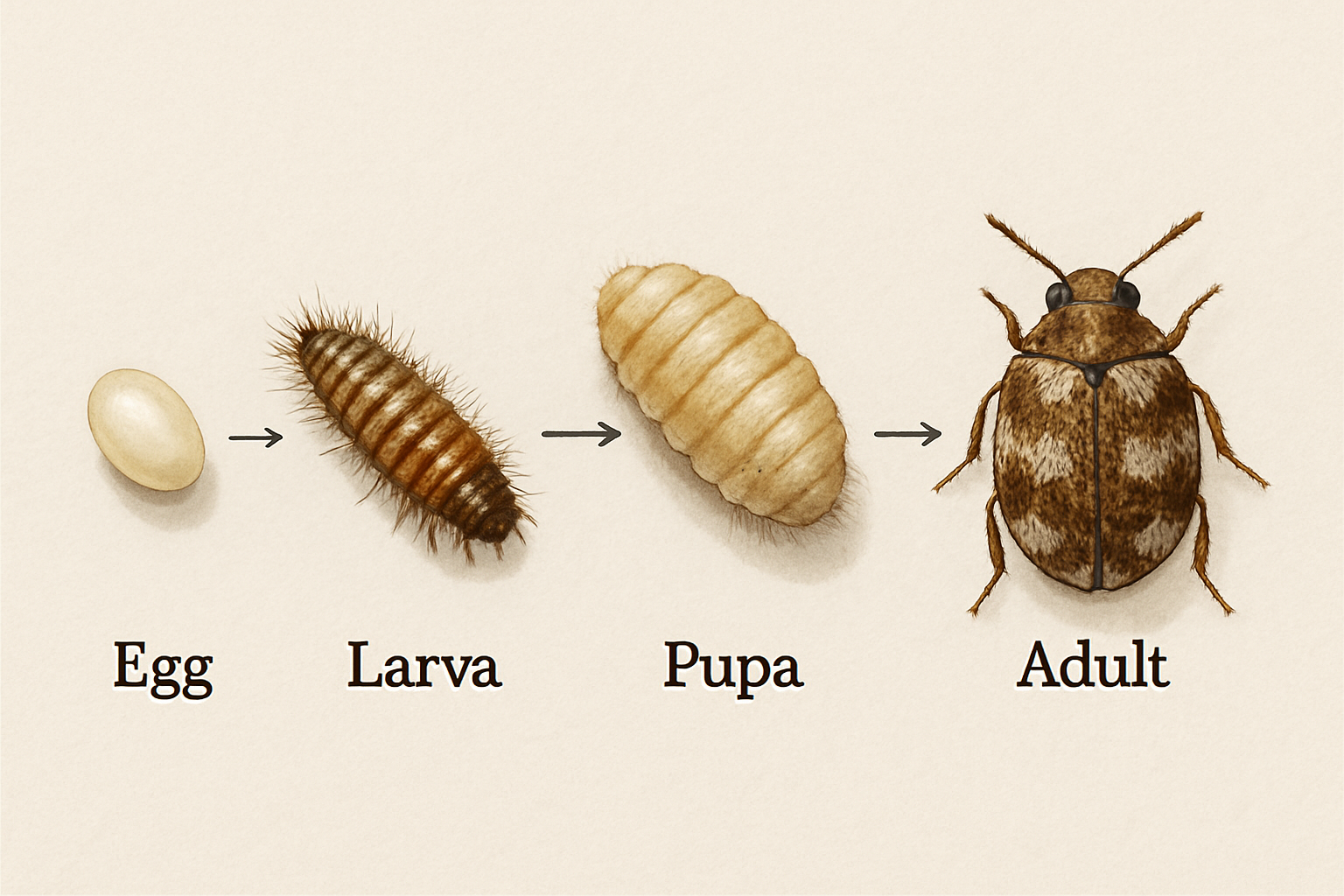
According to EPA/NPMA data, carpet beetles account for ~30 % of indoor beetle complaints in the Southeast, underscoring how common these pests have become in Georgia homes. The life‑cycle diagram above visualizes each stage and the typical indoor habitats—carpets, upholstery, and stored textiles—so you can match what you see to the right point in the cycle and act before the larvae cause irreversible damage.
Look for tell‑tale signs such as small, round holes in fabrics, shed larval skins, or the distinctive “cigarette‑butt” frass left behind. Spotting these clues early lets you request a professional inspection before an outbreak spreads.
How to Spot a Carpet Beetle Infestation
Carpet beetles are tiny, but the damage they cause can be unmistakable. Knowing what to look for early can save you the cost of replacing cherished fabrics and prevent a small problem from becoming a full‑blown infestation. Below are the visual and behavioral signs that most homeowners in Dunwoody notice before the damage spreads.
Physical evidence
- Shed skins (exuviae) – As larvae grow, they leave behind delicate, translucent shells that often accumulate in corners of closets or under furniture.
- Fecal pellets – Small, pepper‑shaped droppings appear as dark specks on carpet fibers, upholstery, or near baseboards.
- Irregular holes or thinning – Look for ragged edges on wool blankets, silk curtains, or the backing of area rugs where beetles have chewed away fibers.
- Visible adult beetles – The adults are 2‑5 mm long, oval, and often spotted in windowsills or on light fixtures during the warm months.
Behavioral clues
Carpet beetle larvae are attracted to light and organic debris, so you may notice subtle changes in the activity of pets or birds. A sudden increase in birds perching near a window, or a cat repeatedly batting at a sunny spot on the floor, can signal that larvae are present and moving toward the light source. Similarly, you might hear a faint rustling sound as larvae crawl across fabric when you disturb a pile of laundry. You may also find larvae congregating near lampshades or behind picture frames where dust accumulates.
Real‑world example from Dunwoody
During a July thunderstorm, a homeowner in the historic Brookhaven neighborhood noticed a large, vintage Persian rug soaked by rainwater. While drying the rug on the patio, they discovered dozens of creamy‑white larvae hidden in the backing and a network of tiny holes along the fringe. The storm had simply lifted the rug’s underside, exposing the infestation that had been silently feeding for months. A professional inspection confirmed the presence of carpet beetles throughout the living room, prompting a targeted treatment that saved the rest of the home’s furnishings.
For a definitive checklist of beetle damage, the CDC’s guidance on carpet beetles outlines the same signs discussed here, reinforcing that early detection is the most effective defense.
What to Expect During an Anthem Pest Inspection in Dunwoody
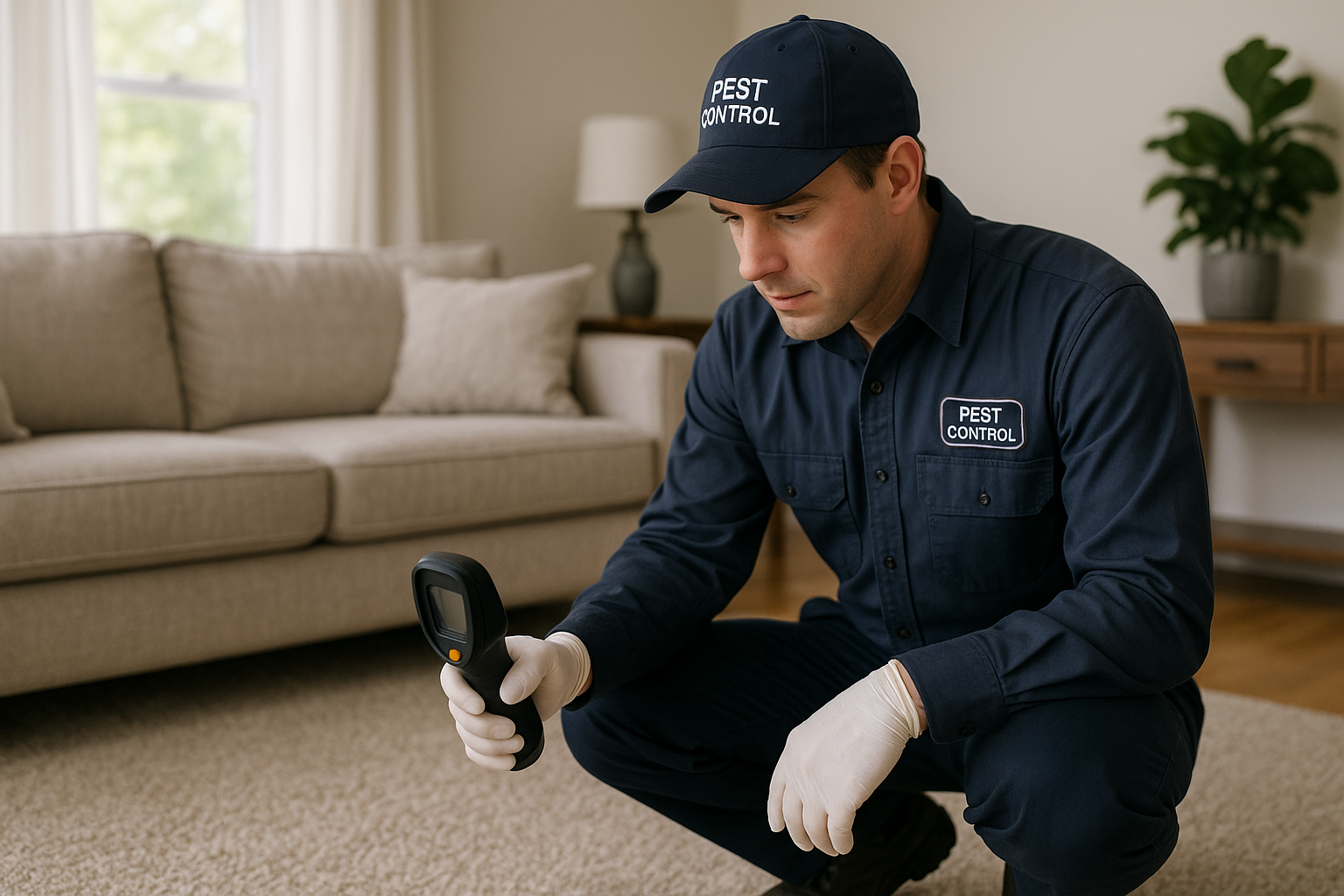
When you schedule a carpet‑beetle inspection with Anthem Pest in Dunwoody, you’ll notice a systematic, homeowner‑friendly approach that blends thoroughness with respect for your property. Our technicians arrive on time, introduce themselves, and walk you through each step before any tools are lifted.
Exterior Assessment
Technicians start at the perimeter, scanning foundation cracks, vent screens, and mulch beds for hidden entry points. They check drainage slopes to ensure water isn’t pooling near the foundation—a common attractant for beetle larvae seeking moisture. Any compromised screens or gaps are marked, and a brief recommendation is offered on sealing or landscaping adjustments that can reduce future infestations.
Interior Visual Sweep
Inside the home, the inspector moves methodically through high‑risk zones: carpeted hallways, bedroom closets, attic joists, and any storage boxes tucked under stairs. Using a flashlight, they look for the tell‑tale signs outlined in Part 3—tiny shed skins, fecal specks, and the occasional adult beetle. Particular attention is given to areas with low airflow, where larvae can thrive unnoticed for months.
Specialized Equipment in Action
Beyond the naked eye, Anthem Pest brings two key tools. A handheld UV light reveals the faint, fluorescent glow of beetle shed skins that blend into carpet fibers under normal lighting. Simultaneously, a moisture meter probes walls and underfloor spaces, pinpointing damp pockets that attract larvae. When moisture is detected, the technician notes the source—leaky pipes, poor ventilation, or compromised vapor barriers—and advises corrective steps.
Safety and Communication
Throughout the visit, the technician wears protective gloves and a mask, especially when handling potential infestations in dusty attics. Before using any UV light or moisture meter, they explain what the device does and what a positive reading means. All findings are recorded on a digital report that you receive via email, complete with photos and actionable recommendations, so you can make informed decisions without guesswork.
Inspection Duration
For a typical single‑family residence in Dunwoody, the entire process runs between 60 and 90 minutes. Larger homes or properties with extensive basements may require additional time, but the technician always respects your schedule, providing a clear estimate before extending the visit. The concise timeframe ensures a thorough assessment without unnecessary disruption to your daily routine.
Neighborhood‑Specific Nuances
Dunwoody isn’t a one‑size‑fits‑all landscape. In Brookhaven’s mixed‑style homes—often older brick structures with layered siding—the inspector focuses on window sills and decorative trim where beetles can hide behind paint cracks. Conversely, Peachtree Corners’ newer constructions feature tighter building envelopes, so the emphasis shifts to attic ventilation and sealed crawl spaces. By tailoring the inspection to each neighborhood’s architectural quirks, Anthem Pest maximizes early detection and minimizes future treatment costs.
Treatment Methods and Pricing Options for Carpet Beetles
Targeted Insecticide Sprays
Most homeowners in Dunwoody start with a focused spray that attacks adult beetles and active larvae. Technicians apply a fast‑acting insecticide directly to infested areas—carpet seams, baseboards, and storage closets. The result is a quick knock‑down, often noticeable within a day. Because the chemicals are applied only where needed, this method is both cost‑effective and minimally disruptive to your home environment. Typical price range: $250‑$350.
Heat Treatment
Heat treatment raises the interior temperature of the affected space to about 130 °F (54 °C) for a sustained period. At that heat level, carpet beetle larvae cannot survive, and eggs hatch and die as well. The process requires specialized equipment and careful monitoring, but it eliminates pests without chemicals—ideal for families with pets or sensitivities. Typical price range: $500‑$800.
Fumigation (Rare)
In extreme, widespread infestations, a whole‑house fumigation may be considered. A certified fumigant is released, permeating every crack and crevice to eradicate hidden larvae and eggs. Because it involves sealing the home and a mandatory evacuation period, fumigation is reserved for severe cases where other methods have failed. Typical price range: $800‑$1,200.
Preventive Barrier Applications
After the initial kill, many Dunwoody residents add a preventive barrier around the home’s perimeter. This spray creates a protective ring that deters beetles from re‑entering through doors, windows, and foundation cracks. It’s a proactive step that can extend the life of your primary treatment and reduce the need for repeat visits. Typical price range: $150‑$250.
| Method | How It Works | Price Range |
|---|---|---|
| Targeted Insecticide Sprays | Direct chemical application to hotspots | $250‑$350 |
| Heat Treatment | Elevates indoor temperature to 130 °F | $500‑$800 |
| Fumigation | Whole‑home gas exposure, evacuation required | $800‑$1,200 |
| Preventive Barrier | Exterior perimeter spray to block re‑infestation | $150‑$250 |
Sample quote from Anthem Pest: an initial inspection for $140, a one‑time spray treatment at $300, and a 6‑month follow‑up visit for $120. This bundled approach gives you a clear roadmap and predictable costs.
For a deeper dive into industry‑standard pricing, see the NPMA‑backed PestWorld Carpet Beetle Guide. It outlines why prices vary—factors like square footage, infestation severity, and chosen treatment all play a role. Knowing these ranges helps you budget confidently and choose the method that best fits your home and lifestyle.
Preventive Practices for Dunwoody Homeowners
Carpet beetles thrive in hidden pockets of dust, natural fibers, and moisture. By building a simple, year‑round routine, you can deny them the shelter they need and keep your home looking fresh. Below are the key actions every Dunwoody resident should incorporate into their household chores.
Weekly cleaning habits
- Vacuum high‑traffic carpet areas, stair runners, and upholstered furniture at least once each week. Use a vacuum with a HEPA filter, then immediately empty the canister into a sealed trash bag and discard it outside the home.
- Pay attention to corners, under furniture, and pet bedding where shed hair and lint accumulate.
Laundering and storage
- Wash blankets, curtains, and any seasonal clothing in water hotter than 120 °F (49 °C). The heat kills beetle eggs and larvae that may be clinging to fibers.
- When the weather turns cooler, move off‑season garments into airtight plastic containers. Add a few silica gel packets to absorb any lingering humidity, which discourages beetle development.
Seasonal actions
- Before fall: Transfer stored items from garages or sheds into closets with a dehumidifier
Seasonal Activity Patterns in Georgia
Carpet beetles in the Southeast follow a predictable rhythm driven by temperature and humidity. In Georgia, the insects reach their peak activity from May through September, when warm nights and moist air speed up larval development and adult emergence. During these months you’ll notice more beetles in closets, under furniture, and near natural fibers.
Peak Activity Months
May, June, July, August, and September constitute the high‑risk window. The combination of average daily highs above 75°F (24°C) and relative humidity above 60 % creates ideal conditions for eggs to hatch and larvae to feed voraciously on wool, silk, and pet hair. Homeowners often discover damage late in the season because the insects remain hidden until they reach the adult stage.
Recommended Inspection Windows
To stay ahead of an infestation, schedule professional inspections at two strategic points:
- Early spring (late March – early April): Detect any overwintering adults or early‑season eggs before they explode into a full‑blown problem.
- Late summer (late August – early September): Catch the last generation before beetles enter dormancy, giving you a chance to treat before they reappear next spring.
A thorough inspection includes checking attic insulation, under carpets, and stored clothing in closets, where beetle larvae love to hide.
These windows align with the CDC seasonal pest data for the Southeast, which highlights a surge in carpet beetle reports during the warm months. By timing inspections to the early and late portions of the active season, you give Anthem Pest Control the best opportunity to intervene early, protect your fabrics, and keep your home beetle‑free year after year.
Anthem Pest’s Local Expertise in Dunwoody
For more than 15 years, Anthem Pest has been a trusted name across the Atlanta metro area, with a dedicated focus on Dunwoody, Brookhaven, and the surrounding neighborhoods. Our longevity isn’t just a number—it reflects a deep understanding of the region’s unique pest pressures, from carpet beetles nesting in historic homes to seasonal mosquito spikes near the city’s parks.
Our technicians patrol Dunwoody daily, from historic homes near Dunwoody Village to newer condos by I‑285. That local presence lets us catch early signs of beetles or other pests that larger chains often overlook.
Credentials You Can Count On
- EPA‑registered applicators who follow the latest federal safety standards.
- Georgia state‑licensed technicians trained to diagnose and treat every common household pest.
- Active membership in the National Pest Management Association, keeping us aligned with industry best practices.
These certifications mean we use only approved products, apply them responsibly, and stay current on emerging pest trends that could affect your home.
“After discovering damage to my antique drapes, Anthem Pest identified the source within an hour and gave me a clear treatment plan. Their team was courteous and the results were immediate.” – Sarah L., Dunwoody homeowner
Our customers repeatedly praise the speed of our response and the transparency of our service. When a pest problem threatens your property, you deserve a partner who can diagnose, act, and explain every step.
We also work with local homeowner associations, offering free workshops on pest prevention so neighbors stay ahead of seasonal threats.
Ready to protect your home? Call us at 877‑371‑8196 or visit anthempest.com to schedule an inspection today.
Frequently Asked Questions About Carpet Beetles
How long do carpet beetles survive in a home?
Carpet beetles can linger for surprisingly long periods. Adult beetles typically live 2‑6 weeks, focusing on mating and laying eggs. The real challenge is the larval stage, which can persist anywhere from one to three years if it continuously finds food such as natural fibers, animal hair, or dead insects. Because larvae burrow into carpets, clothing, and even insulation, they stay protected from light and predators, making early detection essential. Those numbers come straight from EPA guidelines, which track pest life cycles to help homeowners plan effective interventions.[1]
Are treatments safe for pets and children?
Yes—modern pest control can be safe for both kids and pets when applied correctly. Certified technicians use EPA‑registered products that are formulated for indoor use and undergo rigorous testing for human and animal safety. After the spray dries, we advise keeping windows open for at least 30 minutes and restricting pet access to treated zones until the re‑entry time has passed. Technicians also enforce strict re‑entry intervals, usually ranging from a few hours to 24 hours, allowing any residual chemicals to settle before families resume normal activities.[2]
How often should I schedule follow‑up inspections?
A single treatment often isn’t enough to guarantee long‑term protection, so we recommend a follow‑up inspection three months after the initial service. That window lets the technician confirm that the beetle population is truly gone and that any hidden larvae have been eliminated. For ongoing peace of mind, schedule an annual inspection—especially before the high‑risk summer months—so you stay ahead of any new infestations. Dunwoody’s humid summers create a perfect environment for beetle development, so an early‑year check helps catch any hidden colonies before they spread.
Final Takeaways and Call to Action
Spotting tiny, irregular holes in clothing, finding shed beetle skins, or noticing a lingering, powdery dust are the most common warnings of a carpet‑beetle invasion. During a professional inspection, our technicians will trace these clues, examine seams, under‑furniture spaces, and stored items, and use a flashlight and magnifier to confirm activity before any damage spreads.
Acting quickly can save your carpets, upholstery, and cherished belongings from irreversible loss. A prompt inspection lets us intervene early, applying targeted treatments that eliminate the beetles and their larvae while preserving the integrity of your home.
At Anthem Pest, our Dun‑Doo‑vy team brings local knowledge, certified technicians, and transparent, upfront pricing to every job. We pride ourselves on safe, effective solutions that protect families and pets without hidden fees.
If you suspect carpet beetles or simply want peace of mind, give us a call at 877‑371‑8196 or visit anthempest.com to schedule a thorough inspection today.