Why Carpet Beetles Matter to Homeowners in Peachtree City, GA
What are carpet beetles?
Carpet beetles belong to the family Dermestidae, a group of small, oval-shaped insects that thrive in warm, humid environments and are commonly identified during a professional carpet beetle inspection Peachtree City homeowners schedule. In Georgia, the most common culprits are the black carpet beetle (Attagenus unicolor), the varied carpet beetle (Anthrenus verbasci), and the furniture beetle (Anthrenus scrophulariae). Adults are active flyers, while their larvae—often called “woolly bears”—are the real destroyers, feeding on natural fibers and protein-rich debris.
Damage you can see (and feel)
Larvae chew through clothing, blankets, upholstery, carpets, and even pet bedding. They also target stored food products such as grains, dried fruit, and pet food, leaving behind a network of holes and a tell‑tale powdery frass. Over time, an unchecked infestation can turn a cherished family heirloom into a ragged mess and can weaken the integrity of carpet padding or upholstery foam.
The economic sting
Replacing damaged textiles isn’t just an aesthetic concern; it’s a financial one. Homeowners in Peachtree City report average repair or replacement costs ranging from $200 – $1,200 per item, depending on quality and size. In severe cases, larvae infiltrate wall voids and wooden framing, creating structural weaknesses that require professional remediation—costs that can climb into the thousands.
Why Peachtree City is a beetle hotspot
The local climate—hot, humid summers and mild winters—creates an ideal breeding ground for carpet beetles. Many neighborhoods feature mid‑century ranch homes with wall‑to‑wall carpeting and abundant outdoor vegetation that drops pollen and shed skins, providing a constant food source for adult beetles. Additionally, the region’s frequent landscaping activities stir up organic debris, giving larvae more places to hide and feed.
Homeowner responsibility: early detection saves money
Spotting the first signs—tiny holes in fabrics, clusters of shed skins, or a faint, sweet odor—allows you to act before the problem spirals. Prompt inspection and targeted treatment can preserve your belongings, avoid costly repairs, and keep your home’s indoor air quality high. Anthem Pest Control recommends a quarterly visual check, especially after spring landscaping or after bringing in stored items from attics and basements.
Source: University of Georgia Department of Entomology – Carpet Beetle Biology and Management
Spotting Carpet Beetles: Identification and Warning Signs
What Adult Carpet Beetles Look Like
Adult carpet beetles are small but unmistakable once you know what to look for, and they are often first noticed during a professional carpet beetle inspection Peachtree City homeowners arrange after spotting unusual activity. They typically measure 2–5 mm in length—about the size of a grain of rice. Their bodies are rounded and covered in a mottled pattern of black, white, and sometimes reddish-brown scales. The most common species, the Varied Carpet Beetle (Anthrenus verbasci), displays a striking checkerboard of white spots on a dark background, while the Black Carpet Beetle (Attagenus unicolor) is uniformly dark with a faintly glossy sheen. These adults are active flyers, especially around windows and any source of natural light.
Larval Appearance: The “Cigar‑Shaped” Culprit
It’s the larvae that do the real damage. They are 5–10 mm long, cylindrical, and taper toward the head—giving them a cigar‑shaped silhouette. Their coloration ranges from light brown to dark amber, and they are covered in dense, bristly hairs that can look fuzzy to the naked eye. A key identifier is the set of short, hair‑like tufts near the rear end, which many homeowners mistake for a “fuzzy tail.”
Where Adults Like to Hang Out
Because adult beetles are attracted to light, you’ll often find them perched on:
- Windowsills and sills that receive direct sunlight
- Light fixtures, especially near ceiling fans or chandeliers
- Behind picture frames or wall hangings that sit close to a window
If you notice tiny, speckled beetles fluttering around these spots in late spring or early summer, it’s a strong hint that a breeding population is nearby.
Typical Signs of an Infestation
Carpet beetles leave several tell‑tale clues that can help you catch an issue before fabrics are shredded:
- Small, round holes in wool, silk, or stored‑grain products
- Shed skins (exuviae) that look like translucent, paper‑thin shells
- Fine, web‑like fibers or fuzzy debris near the damage
- “Pepper‑like” droppings—tiny dark specks that resemble ground pepper
How to Differentiate Carpet Beetles from Other Pests
While moths, silverfish, and even carpet weevils can cause similar damage, a few differences stand out:
- Moths usually leave larger, irregular holes and are attracted to light at night, but their larvae are smooth and lack the bristly hairs of carpet beetles.
- Silverfish are elongated, fish‑shaped insects that move in a rapid, wriggling motion and prefer damp areas like bathrooms—not the dry, sunlit corners favored by carpet beetles.
- Carpet weevils have a distinct snout and are more likely to be seen crawling on the floor surface rather than perched near windows.
Seasonal Timing in Peachtree City
In the Peachtree City climate, adult carpet beetles become most visible from late April through early October, a pattern often confirmed during a professional carpet beetle inspection Peachtree City homeowners schedule. Warm days accelerate their life cycle, so you’ll see a spike in activity during late spring and again in midsummer when indoor humidity is lower and fabrics are dry.
Quick Self‑Inspection Checklist
- Walk along windowsills, light fixtures, and near natural light sources; look for the speckled adults.
- Inspect wool blankets, curtains, and upholstery for tiny round holes or fuzzy webbing.
- Check baseboards and under furniture for shed skins and pepper‑like droppings.
- Compare any damage to the distinguishing features listed above to rule out moths or silverfish.
- If you spot three or more of these signs, note the locations and call a professional for a thorough inspection.
For a deeper dive into carpet beetle biology and identification, the National Pest Management Association provides an excellent, science‑backed overview.
Carpet Beetle Life Cycle and Seasonal Activity in Peachtree City
Four Developmental Stages
Carpet beetles move through four distinct phases: egg, larva, pupa, and adult. An adult female deposits tiny, oval eggs in hidden cracks or near food sources. After hatching, the larvae—often called “caterpillars”—begin the destructive phase. Once fully grown, the larva spins a cocoon, transforms into a pupa, and finally emerges as a winged adult ready to reproduce.
How Long Each Stage Lasts in Georgia
Georgia’s warm climate accelerates development, but the timeline still varies with temperature and humidity:
- Egg: 1–2 weeks. Eggs hatch faster in summer heat.
- Larva: 3–6 months, the longest stage. In cooler months the larva can pause development, extending its stay.
- Pupa: 1–3 weeks. Pupation is brief once the larva finds a safe spot.
- Adult: 2–4 weeks of active life, during which the beetle seeks mates and new oviposition sites.
Why Larvae Are the Real Problem
While adults are harmless, the larvae are voracious feeders on keratin‑rich materials—wool, silk, fur, and even feather‑filled pillows. Their tiny jaws scrape away fibers, leaving irregular holes that are often mistaken for wear. Because larvae hide in carpets, upholstery, and closets, damage can go unnoticed until it becomes extensive.
Seasonal Activity Overview
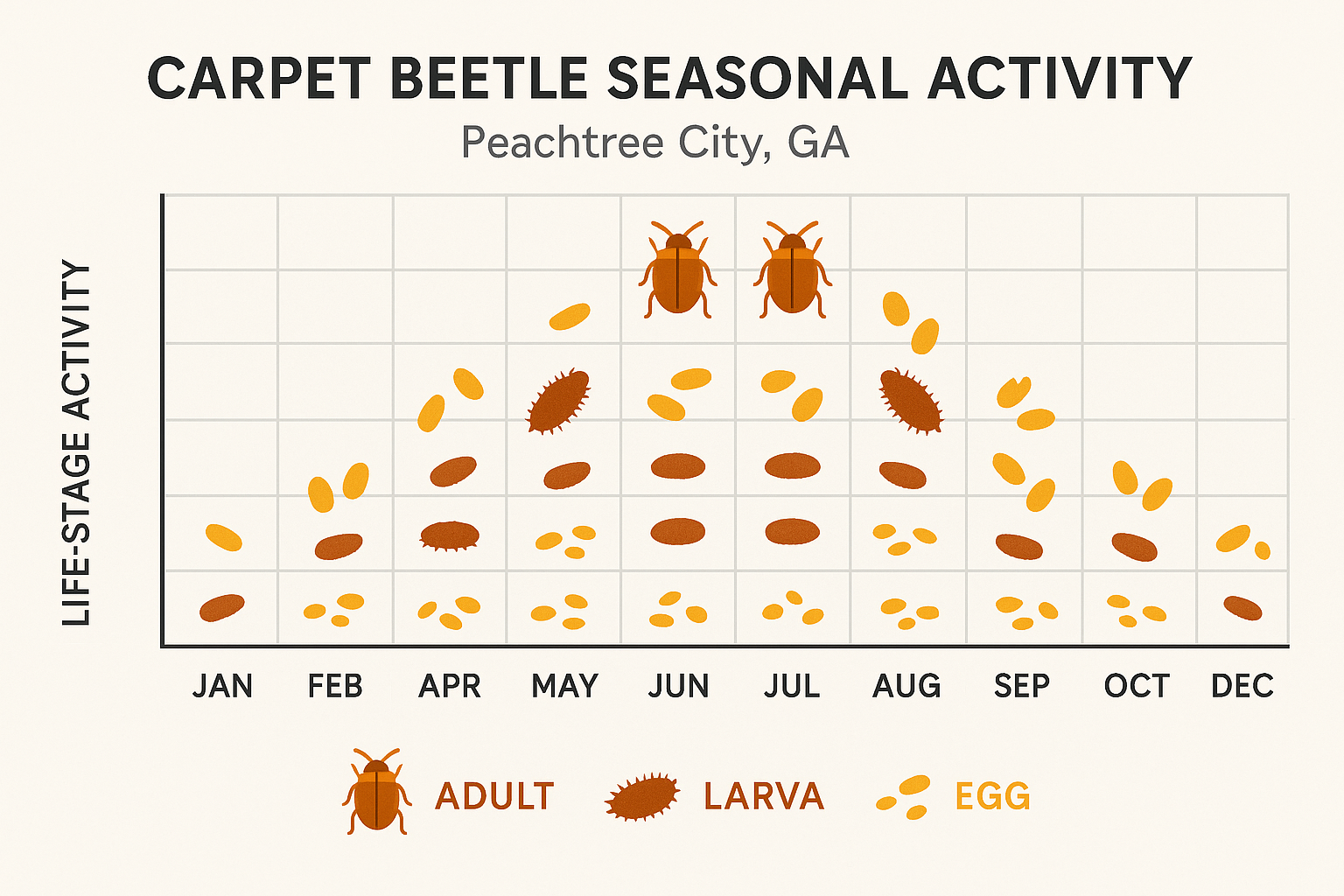
The following chart visualizes typical activity levels for each life stage throughout the year in Peachtree City. Color‑coded icons (🥚 egg, 🐛 larva, 🐚 pupa, 🦋 adult) help you spot when the beetles are most likely to appear.
| Month | Egg | Larva | Pupa | Adult |
|---|---|---|---|---|
| Jan | Low | Low | Low | Very Low |
| Feb | Low | Low | Low | Very Low |
| Mar | Moderate | Low | Low | Low |
| Apr | High | Low | Low | Low |
| May | High | Moderate | Low | Moderate |
| Jun | Moderate | High | Low | High |
| Jul | Low | High | Moderate | High |
| Aug | Low | High | Moderate | Moderate |
| Sep | Low | Moderate | High | Moderate |
| Oct | Low | Low | High | Low |
| Nov | Low | Low | Low | Very Low |
| Dec | Low | Low | Low | Very Low |
Peak Periods to Watch
Larval feeding spikes from June through August, coinciding with the hottest, most humid weeks. Adult beetles are most visible from May to September, when they emerge to mate and lay the next batch of eggs. Spotting adult beetles on windowsills or near light fixtures is a reliable early warning sign.
Indoor Conditions and Year‑Round Risk
Even when outdoor temperatures dip, indoor heating and steady humidity create a micro‑environment where larvae can stay active through winter. Central heating often raises indoor humidity to 50‑60 %, a sweet spot for beetle development. Consequently, a home that feels comfortable in December can still host a hidden larval population.
Pro Tip: Timing Your Inspection
Schedule a professional carpet beetle inspection **before** the June‑August feeding surge—ideally in late April or early May. Early detection lets you treat any existing larvae and disrupt the life cycle before damage escalates. If you’ve already spotted adult beetles, call Anthem Pest Control right away to prevent the next generation from taking hold.
How Professionals Inspect for Carpet Beetles
Before the first footstep into your home, a technician starts with a brief pre-inspection interview, a standard step in a professional carpet beetle inspection Peachtree City homeowners rely on. We ask about recent sightings—tiny specks on fabrics, unusual shed skins, or a sudden increase in pet hair. Homeowners share where they’ve noticed damage, the age of carpeting, and any recent changes in cleaning habits. This conversation helps us pinpoint likely hotspots and tailor the inspection to your unique situation in Peachtree City.
Step‑by‑step visual sweep
Armed with that background, the technician conducts a systematic visual examination of high‑risk zones:
- Closets and storage areas: Natural hiding spots for larvae among wool, down, and stored textiles.
- Under furniture and baseboards: Dark, undisturbed crevices where beetles lay eggs.
- HVAC ducts and vents: Airflow can transport larvae, so we check filters and ductwork.
- Carpet and rug seams: The most common feeding grounds for adult beetles.
HEPA‑rated vacuum for detection and removal
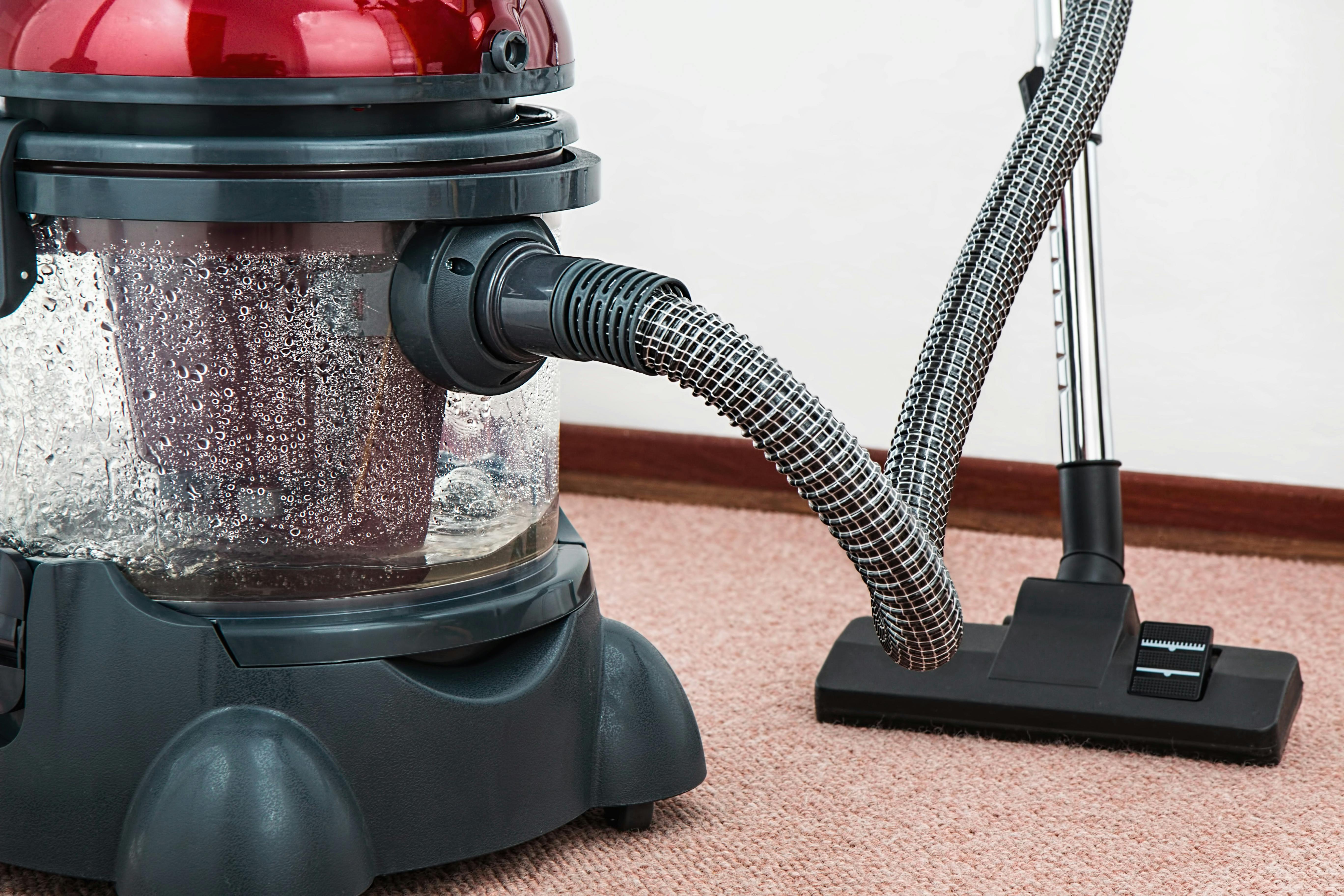
One of our core tools is a HEPA‑rated vacuum cleaner. We gently run the nozzle over seams, under furniture legs, and along baseboards, collecting any debris, shed skins, or live larvae. The vacuum’s high‑efficiency filter traps microscopic particles, preventing them from re‑entering the home. Collected material is then placed in a clear vial for a quick microscopic review on‑site, confirming the presence of carpet beetle larvae or eggs.
Moisture meter and flashlight for hidden pockets
Carpet beetles thrive in slightly humid micro‑environments. A handheld moisture meter lets us detect elevated moisture levels behind walls or under flooring—areas where larvae may be concealed. Coupled with a bright flashlight, we can illuminate tight spaces, such as the back of baseboards or the interior of HVAC ducts, ensuring nothing is missed.
Documentation and treatment planning
Every hotspot is photographed with a timestamped image, creating a visual record for you and our records. These photos are uploaded to our secure client portal, so you can see exactly where activity was found. After the walkthrough, we compile a detailed treatment plan that outlines recommended chemical or non‑chemical interventions, preventive measures, and a follow‑up schedule.
Time estimate for a typical residential inspection
For an average single‑family home in Peachtree City, the entire inspection—interview, visual sweep, vacuum sampling, moisture checks, and documentation—takes roughly 90 to 120 minutes. Larger properties or homes with extensive storage may require a bit more time, but we always aim to be thorough without disrupting your daily routine.
Safe Treatment Methods for Carpet Beetle Infestations
What the Treatment Should Achieve
The primary goal of any carpet-beetle program, following a thorough carpet beetle inspection Peachtree City homeowners depend on, is three-fold: eliminate the feeding larvae, stop new eggs from hatching, and keep the home safe for people and pets. A successful treatment leaves no hidden pockets where a beetle can re-establish, while also preserving the integrity of carpets, upholstery, and stored belongings.
Mechanical Removal – The First Line of Defense
Before chemicals are introduced, thorough mechanical action removes the majority of visible insects and their food sources.
- Vacuuming: Use a high‑efficiency vacuum with a HEPA filter. Move slowly over carpets, rugs, and upholstery, paying special attention to seams, edges, and under furniture. Empty the canister into a sealed bag after each session.
- Steam cleaning: Steam penetrates fibers at temperatures that kill larvae and eggs without chemicals. Treat high‑traffic areas and any items that can tolerate moisture, such as washable blankets and curtains.
- Isolation of stored items: Seal clothing, blankets, and seasonal décor in airtight containers for at least two weeks. This starves any hidden larvae and prevents them from spreading.
Low‑Toxicity Chemical Options
When mechanical methods aren’t enough, insect growth regulators (IGRs) provide a safe, targeted approach. IGRs such as hydroprene or pyriproxyfen interfere with the beetle’s molting process, preventing larvae from maturing into reproducing adults. Because they act on development rather than the nervous system, they pose minimal risk to humans, children, and pets when applied according to label directions.
Fogging Treatment – Reaching the Hidden Cracks
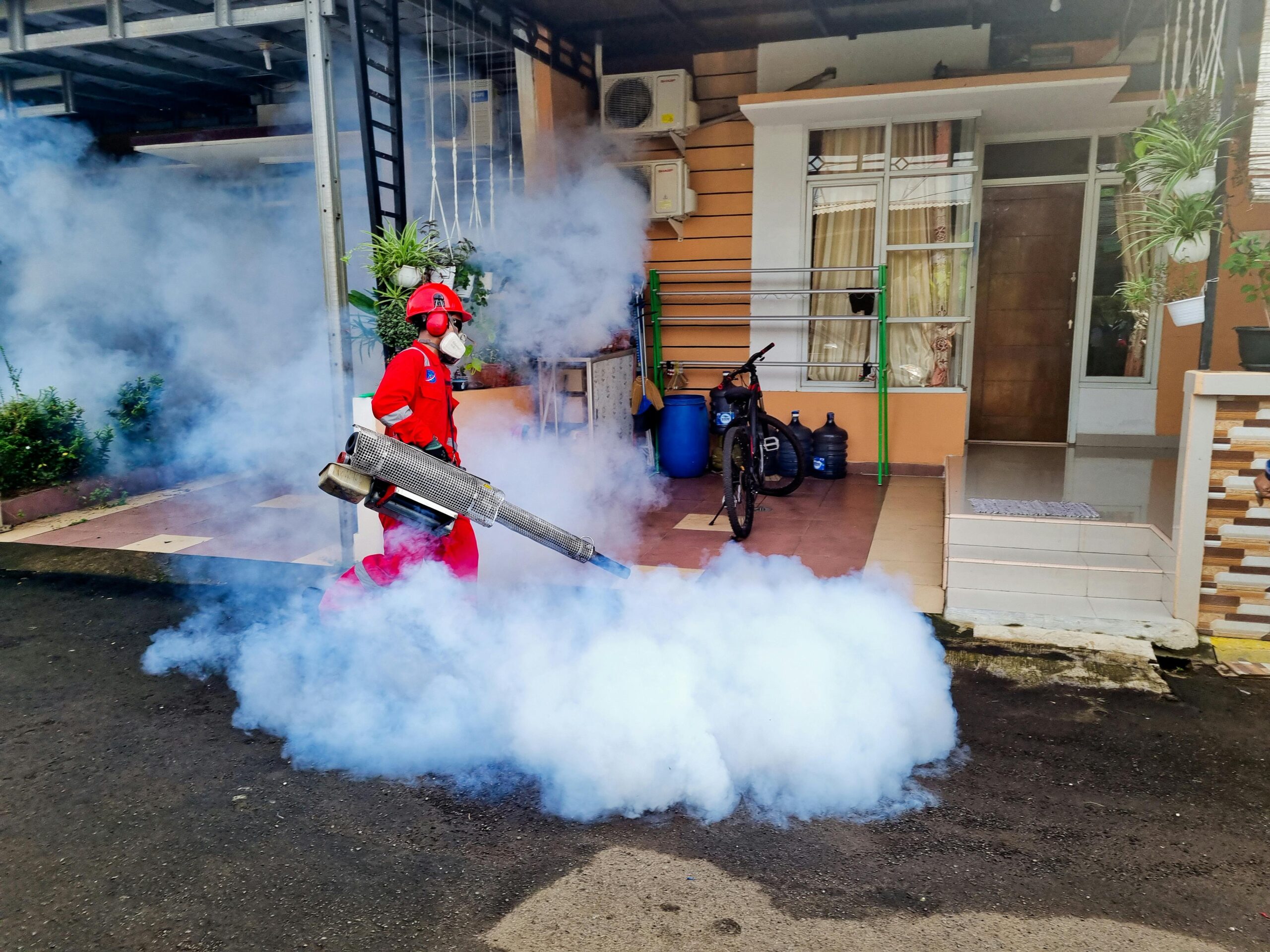
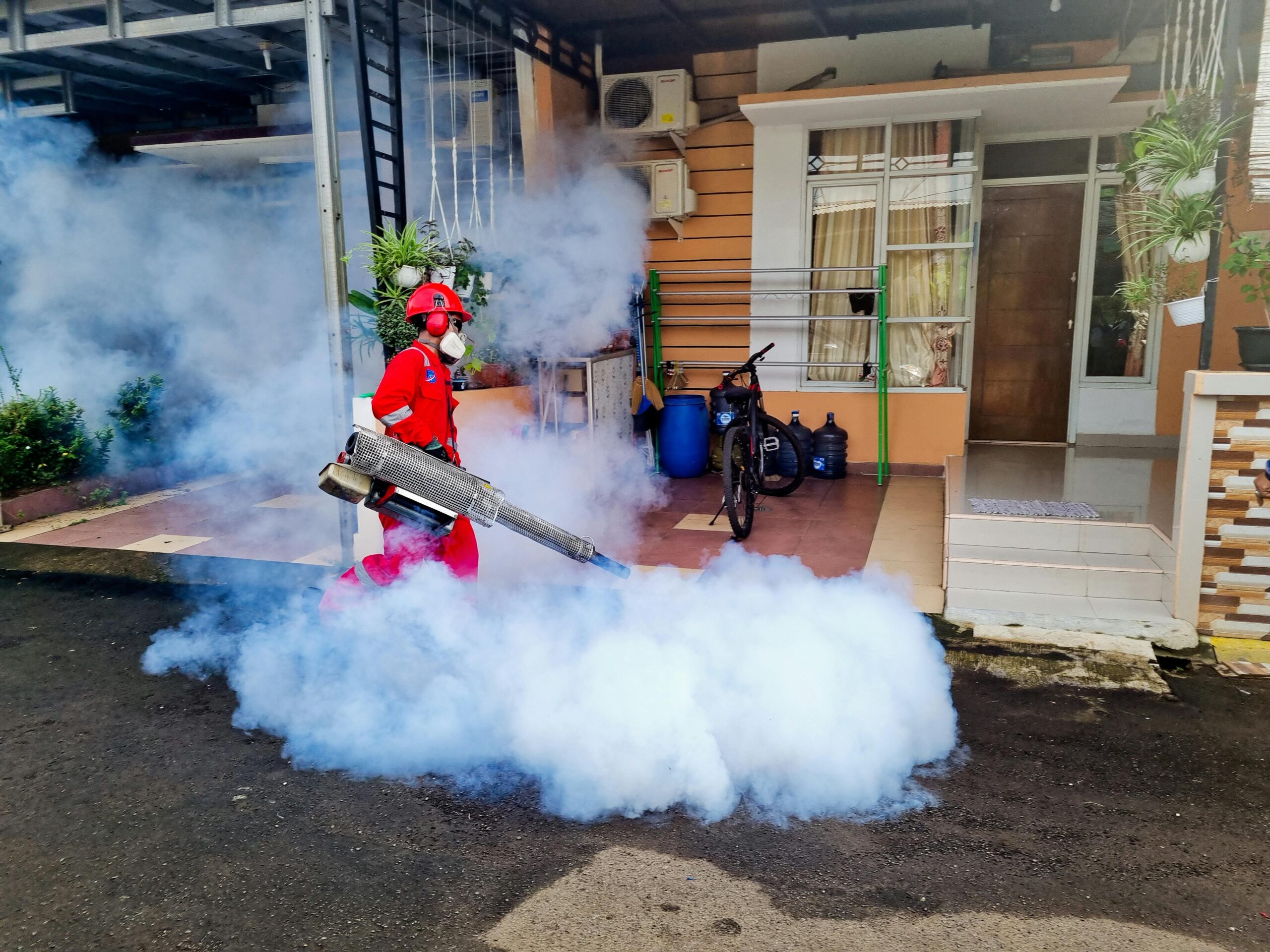
Professional technicians often employ a low‑pressure fogger to deliver a fine mist of IGR‑based solution into wall voids, baseboards, and under floorboards where carpet beetles love to hide. The fog penetrates tiny cracks that a spray bottle cannot reach, ensuring comprehensive coverage.

Spot‑Treatment for Localized Infestations
If the inspection isolates a few problem areas—such as a single rug or a closet shelf—targeted aerosol sprays or powder dusts can be applied directly. These products contain the same low‑toxicity IGRs but in a form that adheres to fabric fibers and crevices, delivering a quick knock‑down without the need for whole‑home fogging.
Post‑Treatment Recommendations
After the chemicals have dried, follow these steps to lock in the results:
- Launder affected textiles: Wash clothing, bedding, and removable rugs in hot water (≥130°F) and dry on high heat.
- Seal entry points: Use caulk or expanding foam to close cracks around baseboards, windows, and door frames.
- Maintain regular monitoring: Place sticky traps in closets and under furniture for the next 4–6 weeks to catch any stray adults that escaped treatment.
Why Professional Application Reduces Risk
Even low‑toxicity products can become hazardous if over‑applied or used in confined spaces without proper ventilation. Certified technicians know the exact dosage, placement, and dwell time required to achieve maximum efficacy while keeping exposure well below EPA safety thresholds. They also carry the equipment—such as calibrated foggers and HEPA‑rated vacuums—that homeowners typically lack.
Choosing Anthem Pest Control means you get a science‑backed plan, precise execution, and a follow‑up schedule designed to keep carpet beetles out for good, all while protecting the health of your family and furry companions.
Pricing Overview: Inspection vs. Full Treatment in Georgia
When you call a pest‑control professional in Peachtree City, the first thing on most homeowners’ minds is cost. At Anthem Pest Control we keep our pricing transparent so you know exactly what you’re paying for—whether you need a one‑time carpet beetle inspection or a full eradication package.
Standalone Inspection Fees
A typical carpet beetle inspection Peachtree City homeowners schedule in Georgia falls between $120 and $180. This fee covers the technician’s travel time, a thorough visual and tactile survey of all carpeted areas, and a detailed written report that includes photos, infestation hotspots, and recommended next steps. Most companies also bundle a free HEPA vacuum of visible beetles into the inspection cost, so you get immediate relief while the professional assessment is underway.
Full‑Treatment Cost Breakdown
| Component | Typical Cost |
|---|---|
| Labor (technician & assistant) | $150–$200 |
| Chemicals & EPA‑approved fogger | $80–$120 |
| HEPA vacuum & post‑treatment cleanup | $60–$90 |
| Follow‑up visit (30‑day guarantee) | $50–$70 |
All together, a full treatment usually runs from $340 to $480. The exact figure depends on the size of your home and how entrenched the beetle colonies are.
Understanding the Infographic
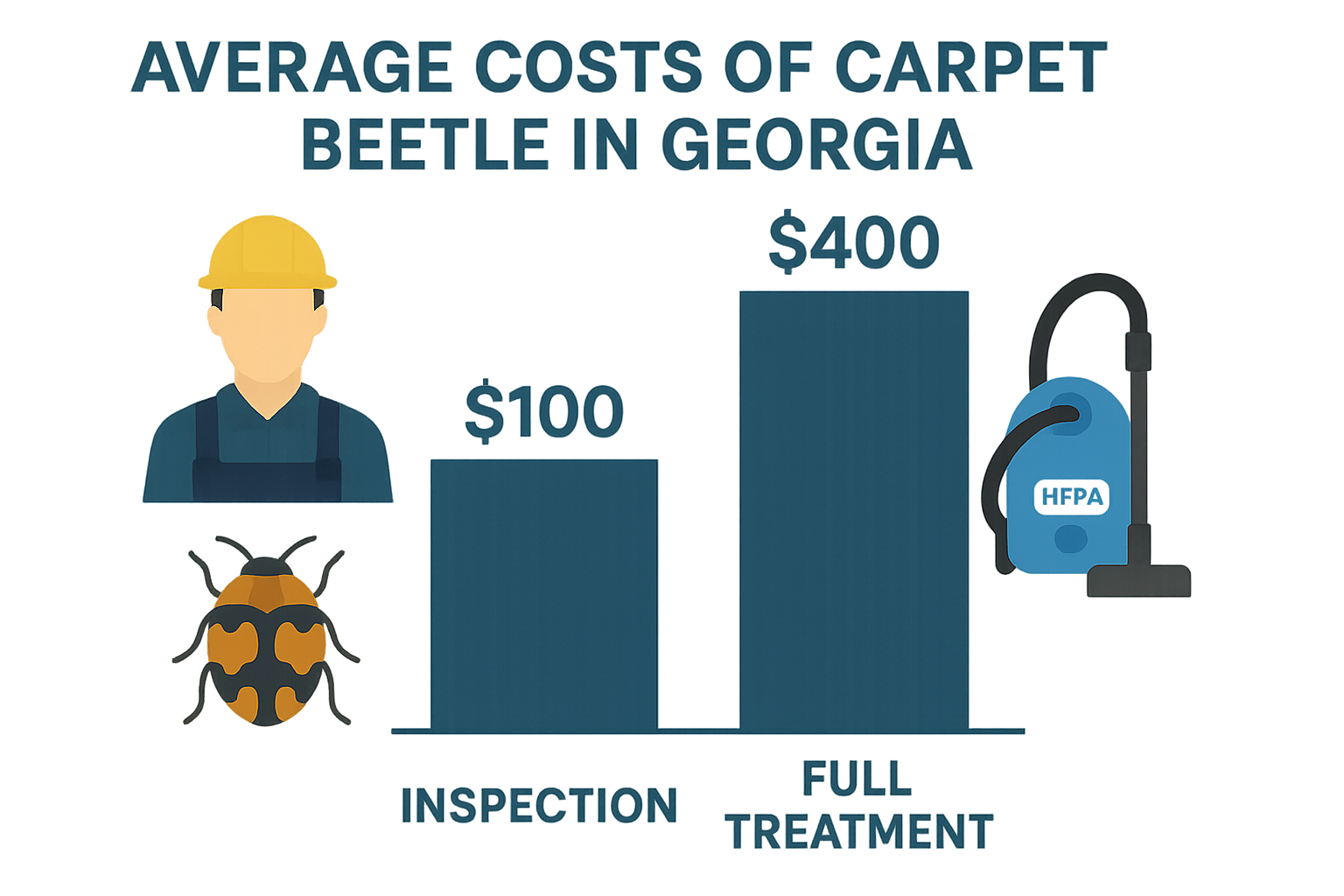
The bar chart visualizes three key cost drivers. The leftmost bar (technician) represents the inspection fee, the middle bar (HEPA vacuum) shows the added value of a professional clean‑up, and the tallest bar (beetle) reflects the total expense of eliminating an established infestation. Notice how the full‑treatment bar is roughly three times the inspection bar—highlighting the price advantage of catching beetles early.
Factors That Influence the Final Price
- Infestation severity: Heavy, multi‑room infestations require more chemicals and longer labor hours.
- Home size: Larger square footage means more surface area to treat and additional travel time.
- Season: Spring and summer are peak beetle months; demand can raise rates, while off‑season appointments may be discounted.
Why Professional Treatment Pays Off
DIY sprays may seem cheaper—often $30 to $60 for a bottle—but they rarely reach deep‑seated larvae hidden in insulation or under floorboards. A missed colony can rebound, leading to repeated purchases and potential damage to fabrics, upholstery, and even structural wood. A one‑time professional treatment eliminates the problem at its source, saving you future repair costs and the hassle of repeated applications.
Financing and Discounts
Many local firms, including Anthem Pest Control, offer flexible financing such as 0% interest for 12 months on treatment packages, as well as seasonal promotions like “10% off for first‑time customers” or bundled discounts when you pair carpet beetle treatment with other services (e.g., termite inspection). Ask your technician about current offers to stretch your budget without compromising protection.
Protect Your Home Today with Anthem Pest Control
Carpet beetles may seem harmless, but in Peachtree City they can quickly turn a tidy home into a textile nightmare. Their larvae feed on natural fibers—carpets, blankets, clothing, and even upholstery—leaving behind unsightly holes and costly damage. Spotting the first signs—tiny shed skins, fecal specks, or a faint, musty odor—allows you to intervene before an infestation spreads. Early detection not only saves money, it protects cherished family heirlooms and keeps indoor air quality high.
Anthem Pest Control brings the expertise you need. Our licensed technicians arrive equipped with HEPA‑vacuum inspections that capture even the smallest beetle fragments, ensuring a thorough assessment. When treatment is required, we apply industry‑approved foggers that penetrate cracks and crevices while remaining safe for children and pets. Every service comes with transparent pricing, so you know exactly what you’re paying for—no hidden fees, no surprises.
We also leverage deep local knowledge of Peachtree City’s seasonal beetle activity. Our team knows that adult beetles tend to emerge in late spring and early summer, which informs the timing of preventive treatments. Each homeowner receives a customized service plan that matches the specific layout of their home and the severity of the problem, guaranteeing optimal results.
Ready to act? Schedule a free, no-obligation carpet beetle inspection Peachtree City homeowners trust, or simply ask a question by calling us at 877-371-8196. Our friendly staff will walk you through the process, answer any concerns, and set up a convenient appointment that fits your schedule.
Take the first step toward a beetle‑free home today. Visit Anthem Pest Control online or pick up the phone—your peace of mind is just a call away.