Centipede Inspection Overview for Druid Hills Homeowners
Centipedes are fast‑moving, many‑legged arthropods that have become a familiar sight in homes across the Southeast, including Georgia. While most species are harmless to humans, their presence often signals excess moisture and hidden cracks where they can thrive. In Druid Hills, homeowners frequently encounter the house centipede (Scutigera coleoptrata), recognizable by its long, slender body and up to 15 pairs of legs that flash across walls and ceilings at night.

The climate and historic‑home characteristics of Druid Hills create an ideal habitat for these pests. Our area’s humid summers and mild winters keep indoor moisture levels high, especially in basements, crawl spaces, and older foundations that were built before modern damp‑proofing techniques. Cracks in brickwork, gaps around utility penetrations, and the abundant leaf litter surrounding many Druid Hills properties provide the perfect bridge for centipedes to move from the yard into your living spaces.
Understanding why centipedes appear is the first step toward effective control. This guide will walk you through everything you need to know, starting with a clear picture of the common species you’ll encounter in Druid Hills. We’ll then explain why regular inspections matter, how to spot early warning signs, and which DIY measures can reduce their numbers without harming your family or pets.
- Identifying the species: Learn the key traits of house centipedes and other local varieties.
- Why inspections are critical: Discover how a thorough check can prevent larger infestations.
- DIY prevention tips: Simple steps you can take today to limit moisture and seal entry points.
- When to call a professional: Signs that indicate it’s time to contact Anthem Pest Control for safe, effective treatment.
By the end of this article, Druid Hills homeowners will have a solid roadmap for keeping centipedes out of their homes, protecting both comfort and property value with confidence.
Common Centipede Species and Biology in Georgia
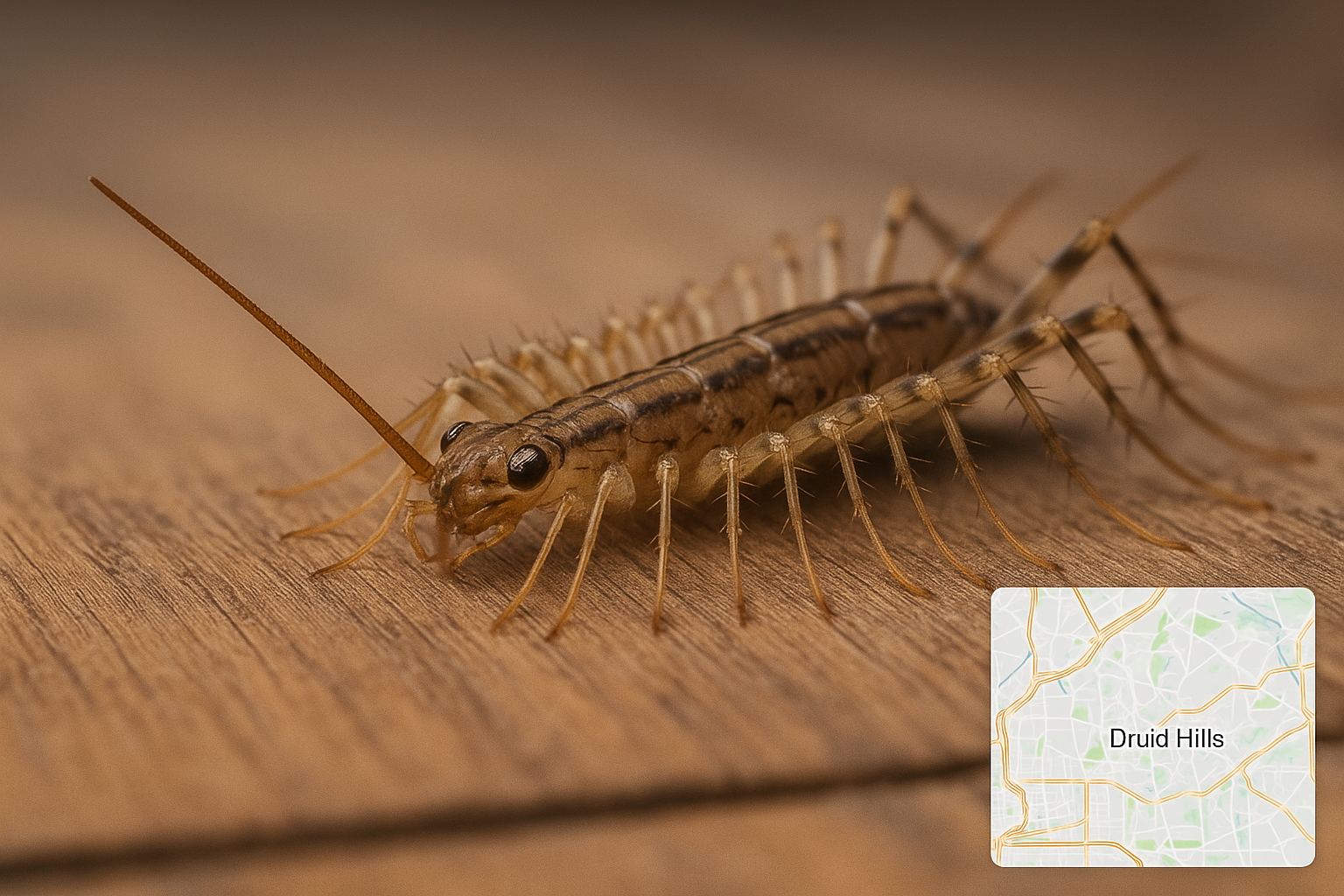
House centipede (Scutigera coleoptrata)
The house centipede is the most frequently spotted centipede in Druid Hills. Its long, slender body is covered with up to 23 pairs of delicate, feather‑like legs that give it a swift, almost spider‑like gait. Adults range from 25‑35 mm in length and are light‑brown to grayish, with a distinctive dorsal stripe. They thrive in the cool, damp micro‑environments of basements, bathrooms, and under kitchen sinks, where they hunt for flies, silverfish, and other small insects.
Giant desert centipede (Scolopendra heros)
Although better known in arid western states, the giant desert centipede occasionally wanders into northern Georgia, especially after heavy rains that push it northward. This species can exceed 150 mm, sporting a deep reddish‑brown exoskeleton and powerful forcipules (poison claws). It prefers leaf litter, wood piles, and moist garden beds, but will venture indoors if moisture levels rise or prey becomes scarce.
Life cycle and lifespan
Both species follow a similar developmental pattern: an egg clutch, multiple larval molts, and a mature adult. A female lays 30‑80 eggs in a protected soil or crevice chamber. Larvae emerge with fewer leg pairs—seven in house centipedes, ten in giant desert centipedes—and gradually add segments with each molt. Under optimal conditions, they reach adulthood in 6‑12 months. In the home, adults can live 2‑4 years, while in the wild the lifespan may extend to 5 years for the larger species.
Preferred habitats
- Moist basements and crawl spaces – steady humidity supports egg development.
- Bathrooms and kitchens – water sources attract prey and create ideal micro‑climates.
- Wood piles, leaf litter, and garden mulch – provide shelter and abundant insects.
Why centipedes enter homes
Centipedes are opportunistic hunters. They slip through cracks, gaps around windows, or utility openings in search of prey. Excess indoor moisture—often from leaky pipes or poor ventilation—mirrors their natural habitats, making homes an inviting extension of the outdoors. Once inside, they tend to stay hidden, emerging at night when lights attract their food sources.
EPA statistic: Approximately 15 % of Georgia homes report centipede sightings each year [EPA 2024]. While most encounters are harmless, recognizing species and habits helps homeowners decide when a professional inspection is the safest next step.
Why Inspections Matter in Historic Druid Hills
Druid Hills’ historic district and the surrounding Emory University neighborhoods are renowned for their charming, early‑20th‑century homes. Most of these properties sit on original stone or brick foundations, feature solid masonry walls, and rely on crawl spaces that were built before modern moisture barriers existed. While the architecture adds character, the aging construction also creates hidden vulnerabilities that can invite centipedes and other pests.
Moisture‑laden entry points
Decades of settling, roof leaks, and inconsistent drainage often leave behind subtle cracks in foundation walls and gaps around window sills. In a humid climate like Georgia’s, those fissures become reservoirs for dampness, turning crawl spaces and basement corners into ideal hideouts for centipedes. Even a small, unnoticed seep can soften wood, expand joints, and provide the moist pathways pests love.
Professional eyes catch what you can’t see
A certified inspection goes beyond a visual walk‑through. Technicians use moisture meters, infrared cameras, and calibrated probes to locate hidden saturation and structural stress points. By mapping these problem areas early, they can seal cracks, improve ventilation, and recommend targeted treatments before a centipede population establishes a foothold. Early intervention stops an infestation before it spreads to walls, floor joists, or electrical conduits.
Early detection saves money
According to the National Pest Management Association’s 2023 cost‑benefit analysis, homeowners who catch centipede activity during the inspection phase save an average of $1,250 per incident compared with those who wait for a full‑scale treatment after an infestation has taken hold. The study shows a 68 % reduction in total pest‑control expenses when inspections are performed annually in older homes.
| Detection Stage | Average Cost per Home | Potential Savings |
|---|---|---|
| Pre‑infestation inspection | $150 – $250 | $1,000 – $1,300 |
| Early‑stage treatment (few centipedes) | $400 – $600 | $650 – $900 |
| Full‑scale eradication | $1,200 – $1,800 | — |
What to Expect During an Anthem Pest Inspection
When Anthem Pest’s certified technician arrives at your Druid Hills home, you’ll notice a blend of thoroughness and respect for your property. The inspection is designed to uncover centipede activity before it becomes a nuisance, and the process follows a clear, step‑by‑step routine that takes roughly 1–2 hours.
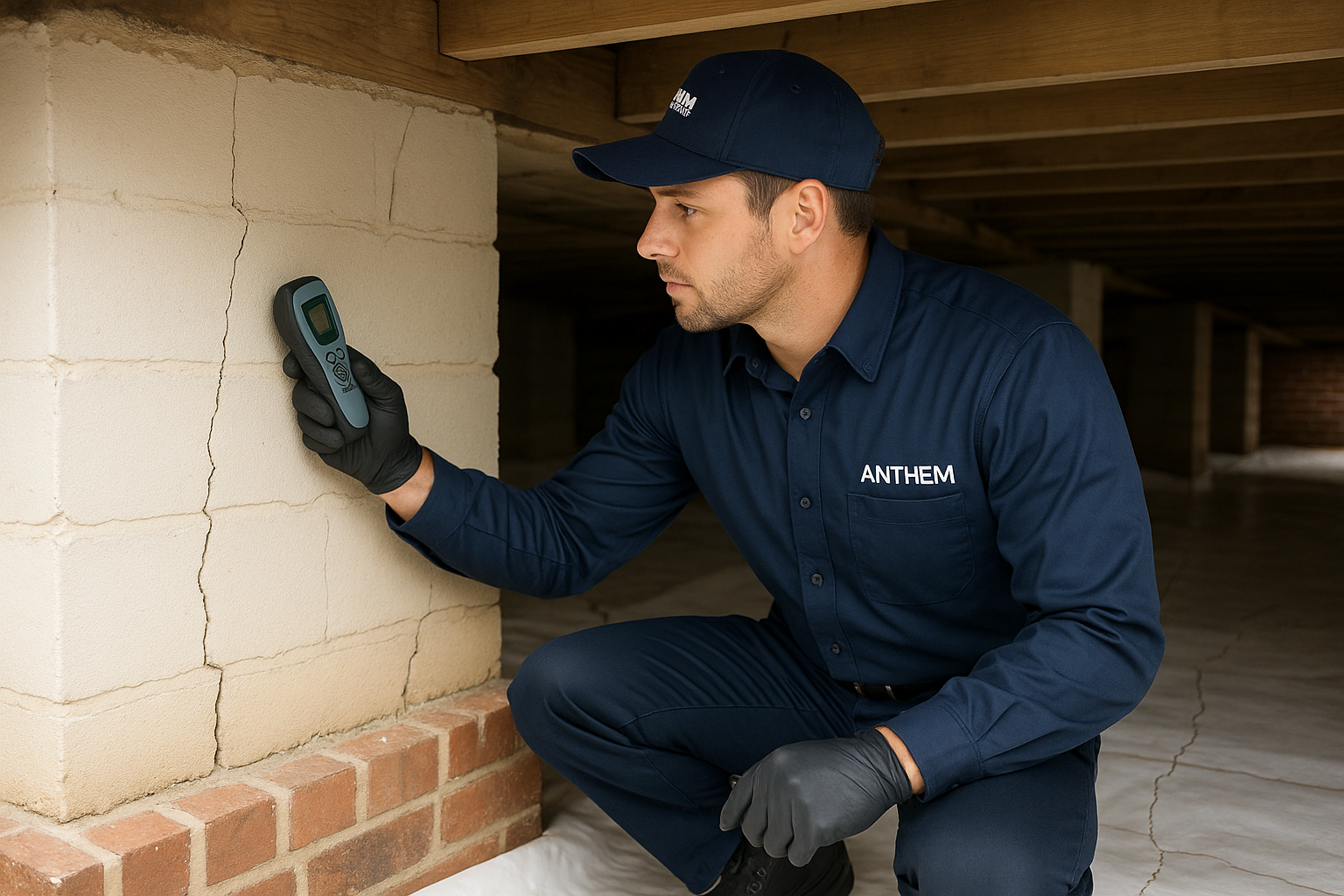
1. Exterior Perimeter Assessment
The technician starts by walking the house’s foundation, looking for cracks, gaps, or any signs of water intrusion. Proper drainage is essential because excess moisture attracts centipedes. They’ll check downspouts, grading, and landscaping that might funnel water toward the foundation, noting any areas that need repair or re‑grading.
2. Interior Survey of Vulnerable Spaces
Next, the focus moves inside. Basements, crawl spaces, bathrooms, and closets are prime real estate for centipedes seeking cool, damp environments. The inspector opens closets, lifts floorboards where possible, and peers into crawl spaces, paying close attention to seams around pipes and vents.
3. Professional Tools in Action
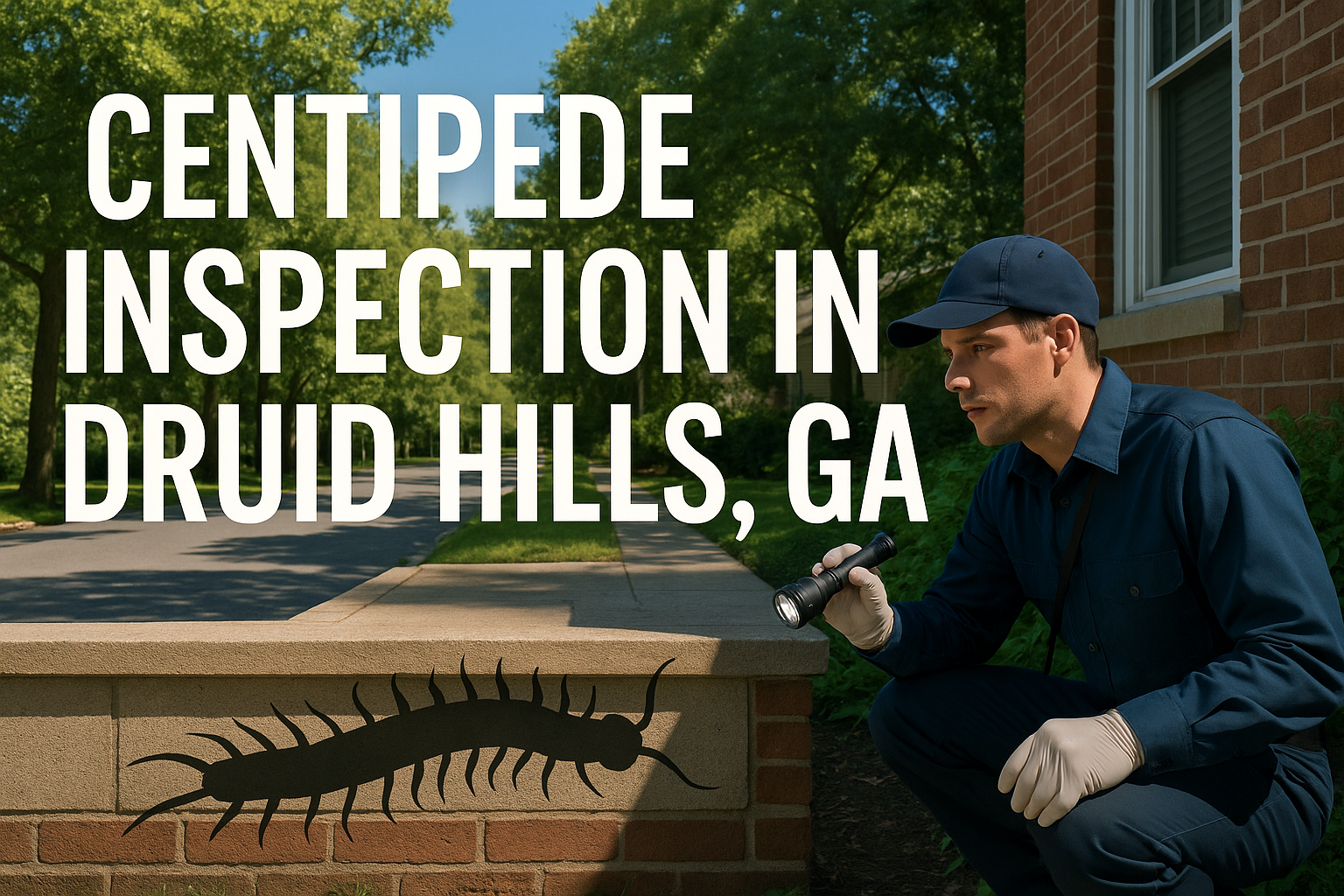
Anthem Pest relies on EPA‑approved moisture meters to pinpoint hidden damp spots that are invisible to the naked eye. A handheld flashlight helps reveal the tiny, fast‑moving centipedes that often hide in cracks or under insulation. These tools allow the technician to map “hotspots” where centipedes are most likely to congregate.
4. Identifying Activity Zones & Entry Points
Using the data gathered, the inspector marks areas of confirmed activity—such as a moist basement corner or a bathroom tile line—and then traces potential entry routes. Common entry points include gaps around utility penetrations, vent openings, and even small cracks in the foundation that a centipede can squeeze through.
5. Detailed Report & Tailored Recommendations
After the walkthrough, you’ll receive a comprehensive report. It includes:
- Photos of problem areas and moisture readings.
- A clear map of identified centipede zones.
- Specific recommendations—ranging from simple moisture‑control fixes to targeted barrier treatments.
- Estimated costs and a timeline for any follow‑up work.
Typical Duration & Safety Protocols
The entire inspection usually lasts between 60 and 120 minutes, depending on the size of your home and the complexity of the findings. Throughout the process, the technician follows strict safety protocols: wearing protective gear, using only EPA‑approved equipment, and ensuring no chemicals are applied without your explicit consent. This careful approach protects both your family and the environment while delivering accurate results.
By the end of the visit, you’ll have a clear picture of where centipedes are hiding, why they’re attracted to your home, and exactly what steps Anthem Pest recommends to keep them out for good.
DIY Prevention Strategies for Homeowners
1. Reduce Indoor Humidity
Centipedes thrive in damp environments, so lowering moisture levels is one of the simplest ways to make your home less inviting. Run a dehumidifier in basements, crawl spaces, and closets, aiming for a relative humidity below 50 %. Fix leaky pipes, drips under sinks, and any condensation on windows, and improve ventilation by using exhaust fans or opening windows when weather permits.
2. Seal Foundation Cracks
Even hair‑thin gaps in your foundation can serve as highways for centipedes and other pests. Inspect the exterior walls, basement floor, and around utility penetrations for cracks or gaps. Fill them with a silicone‑based caulk for small openings, or use an epoxy sealant for larger fissures. A well‑sealed perimeter blocks moisture and prevents insects from slipping inside.
3. Declutter and Manage Outdoor Materials
Stacks of firewood, cardboard boxes, or garden debris create perfect hiding spots close to your home’s foundation. Store firewood at least three feet away from the house and elevate it on a pallet to promote airflow. Keep storage sheds tidy, remove unnecessary clutter, and regularly sweep away leaf litter and mulch that can retain moisture.
4. Apply Natural Repellents
Diatomaceous earth (DE) is a low‑toxicity, EPA‑approved powder that damages the exoskeletons of crawling insects. Lightly dust DE along baseboards, under appliances, and in entry points; reapply after cleaning or after it gets wet. For a botanical alternative, a mixture of peppermint oil and water can be sprayed around doors and windows, though it should be used sparingly around pets.
5. Printable Homeowner Prevention Checklist
To keep these steps top of mind, Anthem Pest offers a printable “Homeowner Prevention Checklist” that you can hang on your refrigerator or in your garage. The one‑page PDF outlines each task, recommended frequency, and a quick‑look status box so you can mark completed items. Download the checklist from our website and use it as a seasonal reminder to stay one step ahead of centipedes.
When to Call a Professional Pest Service
Centipedes are more than a creepy‑crawl; they become a real problem when their presence turns frequent, painful, or starts threatening the integrity of your home. Knowing the exact point at which DIY measures stop working can save you time, money, and a lot of sleepless nights.
Frequency triggers that demand expert help
- Seeing centipedes more than three times in a single month.
- Finding bite marks or skin irritation that can be linked to centipede activity.
- Spotting large groups—especially in kitchens, bathrooms, or along baseboards.
When DIY methods fall short
- Persistent moisture problems that create a perfect breeding ground.
- Visible cracks, gaps, or voids in foundations, walls, or flooring that allow easy entry.
- Repeated infestations despite regular cleaning, traps, or over‑the‑counter sprays.
At Anthem Pest, we recognize that every extra centipede you see is a signal that the infestation is getting out of hand. Our local Druid Hills technicians are on call 24 hours a day, ready to arrive within an hour of your request. We combine region‑specific knowledge with proven treatment protocols, and we back every job with a guarantee of thorough follow‑up—so you’ll never be left wondering if the problem is truly solved. We also schedule a post‑treatment inspection within two weeks to confirm that the centipedes are gone and to address any lingering entry points.
Give us a call at 877‑371‑8196 or visit anthempest.com the moment any of the above thresholds are met. Prompt professional intervention not only eliminates the current outbreak but also fortifies your home against future centipede invasions.
Treatment Options and Pricing Overview
When a centipede invasion shows up in your Druid Hills home, the first question is “how will it be fixed and what will it cost?” At Anthem Pest we break the answer into three clear treatment pathways and pair each with transparent pricing so you know exactly what you’re paying for.
Targeted insecticide sprays
Our technicians apply EPA‑approved, low‑toxicity formulas directly to the areas where centipedes hide—baseboard cracks, wall voids, and under appliances. These sprays act quickly, killing the insects on contact while posing minimal risk to pets and children. Because the chemicals are specifically chosen for indoor use, you can breathe easy after the treatment is complete.
Perimeter barrier treatments
A perimeter barrier creates an invisible fence around your home’s foundation. By treating the exterior soil and crawl‑space with a residual insecticide, we stop centipedes from re‑entering after the initial spray. This method is especially effective in Druid Hills where the humid climate encourages centipedes to seek shelter indoors.
Integrated moisture‑control solutions
Centipedes thrive in damp environments, so moisture control is a crucial part of any long‑term plan. We evaluate your home’s drainage, recommend dehumidifier placement, and seal any water‑intrusion points. When moisture is reduced, the pests lose their preferred habitat, making chemical treatments far more durable.
Anthem Pest backs every treatment with a clear warranty. The basic inspection includes a 30‑day guarantee that the identified problem areas will remain pest‑free. Our full‑treatment tier upgrades to a 90‑day warranty, and the optional 12‑month extended warranty adds quarterly re‑applications and priority scheduling. All warranties cover repeat visits if centipedes are found within the covered period, and the cost of any additional chemicals is rolled into the service fee.
Pricing and service tiers
| Service | Price Range | What’s Included |
|---|---|---|
| Initial Inspection | $150 – $250 | Comprehensive visual check, moisture assessment, and a written report with recommended actions. |
| Full Treatment Package | $300 – $500 | Targeted sprays, perimeter barrier, moisture‑control advice, and one 30‑day follow‑up visit. |
| Extended Warranty (12 months) | +$120 | Quarterly re‑treatments, priority scheduling, and unlimited moisture‑control consultations. |
All service tiers come with a written warranty that guarantees the effectiveness of the applied products for the specified period. If centipedes reappear within the warranty window, a follow‑up visit is included at no extra charge.
Choosing the right tier depends on the severity of the infestation and how proactive you want to be about prevention. For most Druid Hills homeowners, the full treatment package paired with the 12‑month warranty offers the best balance of immediate relief and long‑term peace of mind.
Seasonal Activity Trends in Druid Hills
Centipedes in Druid Hills are most active when moisture levels rise. The damp conditions of late spring and early summer create the perfect environment for these nocturnal hunters to venture out from the soil and crawl into homes in search of prey.
According to NOAA’s 2023 climate summary, Druid Hills received a noticeable spike in rainfall from May through July. Those months recorded an average of 4.2‑5.1 inches of precipitation, compared with less than 2 inches in the winter months.
| Month | Avg Precipitation (inches) |
|---|---|
| May | 4.2 |
| June | 4.8 |
| July | 5.1 |
Temperature also plays a role; centipedes become most active when daytime highs reach 70‑80°F. In Druid Hills, those temperatures typically arrive in late April, coinciding with the rainfall increase. This overlap explains the sharp rise in sightings during that period.
Because centipedes respond quickly to moisture, the best window for a professional inspection is just before the rainfall surge—early April to early May—when the insects are beginning to stir but haven’t yet flooded your foundation.
If a heavy rainstorm occurs after your initial check, schedule a follow‑up within 7‑10 days. The extra moisture can trigger a sudden increase in activity, and a timely re‑inspection catches any new entrants before they establish a foothold.
Homeowners often first notice centipedes near damp basements, crawl spaces, or along exterior walls after a rainstorm. By aligning your inspection schedule with these seasonal patterns, you reduce the chance of surprise sightings and give Anthem Pest Control the optimal conditions to apply targeted treatments that keep centipedes at bay throughout the year.
Local Expertise – Anthem Pest Services
When you’re dealing with centipedes in Druid Hills, you need a partner who knows the area. Anthem Pest Control is state‑licensed and EPA‑approved, so every treatment meets strict safety standards.
Service Area Coverage
Our technicians patrol the entire Druid Hills community, from historic homes on Ponce de Leon Avenue to newer developments near the University of Georgia campus. Because we focus exclusively on the Atlanta metro area, we understand the local climate patterns that drive centipede activity and can tailor inspections to the specific micro‑environments of your property.
Trusted by the Community
The Better Business Bureau has awarded Anthem Pest an A+ rating, reflecting consistent customer satisfaction and transparent business practices. You can verify our standing on the BBB profile.
All of our technicians are Georgia‑certified pest management professionals who complete quarterly training on the latest centipede control techniques. We employ an Integrated Pest Management (IPM) approach that starts with a detailed inspection, identifies entry points, and applies the least invasive treatment necessary. This method not only eliminates the current infestation but also reduces the likelihood of future outbreaks, protecting your family and pets from chemical exposure.
“Anthem arrived within the hour, explained the treatment, and my basement is finally centipede‑free.” – Linda M., Druid Hills
“I appreciate the follow‑up call after service; it shows they care about lasting results.” – James T., Druid Hills
Ready to schedule a thorough inspection? Call us today at 877‑371‑8196 or visit anthempest.com to book online. Our Druid Hills team is standing by to protect your home with fast, effective, and affordable solutions.
Frequently Asked Questions About Centipedes
Do centipedes bite?
Centipedes rarely bite humans. They only bite when they feel trapped or provoked, and most species in Georgia have a mild venom that causes a small red welt, mild swelling, and a tingling sensation that fades within a few hours. An allergic reaction is uncommon, but if you notice spreading redness, intense pain, difficulty breathing, or worsening swelling, seek medical attention promptly.
Are the chemicals safe for pets?
Are the chemicals safe for pets? At Anthem Pest Control we use EPA‑approved products formulated for low toxicity to mammals while remaining lethal to centipedes. These treatments are applied in a way that minimizes exposure—usually in wall voids, baseboards, and cracks where pets don’t walk. We advise keeping animals away from treated areas for the recommended 2‑4 hour re‑entry period and storing any leftover pesticide out of reach.
How often should I schedule inspections?
How often should I schedule inspections? Because centipedes thrive in damp, cluttered environments, we recommend a professional inspection at least once a year, preferably in early spring before they become active. Extra visits are wise after heavy rains, flooding, or any major weather event that adds excess moisture to your foundation or crawl space. Monitoring lets us catch early activity and apply preventative treatments before an infestation takes hold.
Sources and References
Our guide draws on the most current, reputable sources to ensure homeowners receive accurate information about centipedes in Druid Hills.
We referenced federal, health, and industry publications that cover centipede biology, bite risks, and control best practices.
- EPA centipede fact sheet – The EPA fact sheet outlines centipede species common in the Southeast, their habitat preferences, and recommended non‑chemical prevention steps. Verified content date: 2024. [EPA 2024]
- CDC information on centipede bites – CDC’s page explains medical implications of centipede bites, typical symptoms, and guidance on when to seek professional medical care. Updated 2024. [CDC 2024]
- NPMA industry guidelines – The NPMA guideline reviews integrated pest‑management strategies, product selections, and safety considerations for residential centipede control. Report year: 2023. [NPMA 2023]
Inline citations follow a simple bracketed format: author or agency abbreviation plus year (e.g., “[EPA 2024]”). This method lets readers quickly locate the supporting source in the list above.
Protect Your Home – Schedule an Inspection Today
Early detection, simple DIY prevention steps, and prompt professional treatment are the three pillars that keep Druid Hills homes safe from centipedes. Spotting a few extra legs in the basement, sealing cracks around windows, and keeping moisture in check can stop an infestation before it spreads.
When you need a partner who understands the historic charm of Druid Hills, Anthem Pest delivers fast, effective, and affordable service. Our technicians are trained to protect the unique architecture of older homes while using safe, targeted treatments that won’t disrupt your family.
Ready to take the next step? Request a free quote or schedule an inspection today and benefit from our 24‑hour response promise. Give us a call at 877‑371‑8196 and one of our friendly experts will be on the line to set up a convenient time.
Visit Anthem Pest Control to learn more and protect your home before the centipedes strike.