Why Early Pest Identification Matters for Homeowners

In the past year, pest‑related service calls have surged by more than 15 % across the United States, according to the CDC’s 2023 vector‑borne disease report. Homeowners are reporting more encounters with mosquitoes, ticks, and indoor insects than ever before, and the data shows a direct link between these spikes and increased health complaints such as allergic reactions and disease transmission.
Spotting a problem early is the most effective way to stop a minor nuisance from becoming a costly disaster. A single termite colony can silently eat away at a home’s wooden framework, leading to structural repairs that easily exceed $5,000. Likewise, unchecked mosquito breeding sites can turn a backyard into a breeding ground for West Nile virus or Zika, putting families at serious health risk.
Studies from the National Pest Management Association estimate that homeowners who act within the first signs of infestation avoid average repair and medical costs ranging from $2,500 to $4,000 per year. Early detection not only preserves the integrity of your home but also reduces the need for aggressive chemical treatments, keeping indoor air quality safer for children and pets.
Anthem Pest Control’s mission is built around this principle: provide safe, effective, and affordable solutions before pests become a threat. Our transparent pricing model means you know exactly what you’re paying for—no hidden fees, no surprise add‑ons. Whether it’s a preventive barrier for mosquitoes or a targeted termite inspection, we equip homeowners with the right tools at the right time.
What sets Anthem apart is our deep local expertise. Our technicians are trained to recognize the pest pressures unique to each U.S. region—from the carpenter ants of the Pacific Northwest to the fire ants of the Southeast. By leveraging region‑specific knowledge, we deliver customized treatment plans that protect your home and your health, no matter where you live.
Know Your Enemy – Key Pests in Every Home

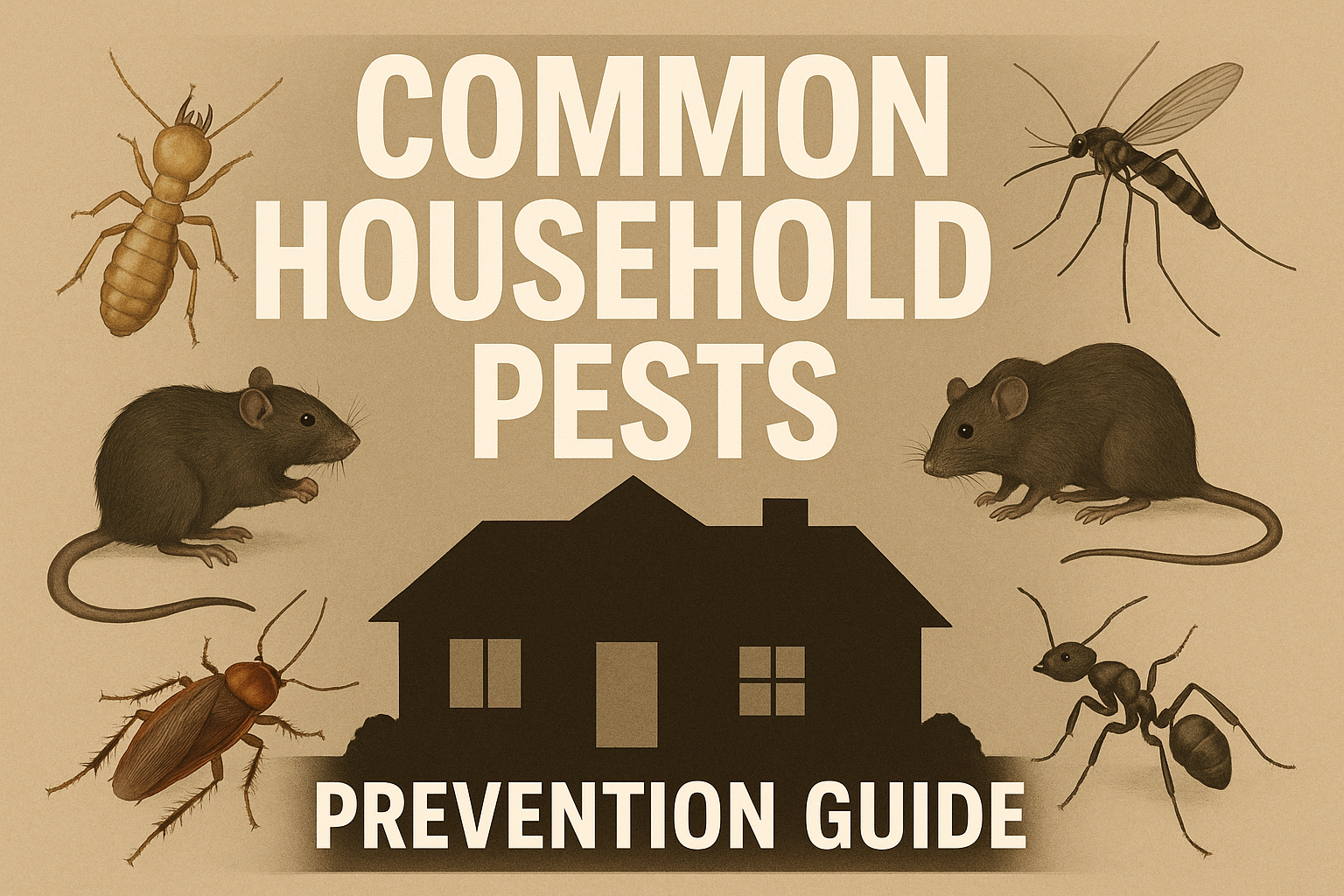
Termites
Termites reveal themselves most dramatically during a swarm: winged alates emerge in large numbers, often clustering near windows or light fixtures. Homeowners should look for discarded wings and the faint, honey‑colored dust that indicates active wood consumption. The greatest risk period runs from early spring through early summer when colonies send out reproductive swarms. According to the EPA, roughly 1.5 million residential inspections are performed each year, underscoring how widespread the threat is.
Case Study – Austin, TX: The Martinez family noticed a carpet of wings in their garage one April. A quick visual inspection revealed mud tubes along the foundation and soft spots in the deck. They called Anthem Pest Control, who performed a thorough moisture assessment, treated the perimeter with a low‑toxicity termiticide, and installed bait stations inside the crawl space. Within weeks the swarm activity ceased, and a follow‑up inspection confirmed the colony was eliminated.
Mosquitoes
Standing water is a mosquito’s nursery. Anything from a clogged gutter to a forgotten bird bath can become a breeding hotspot. Bites typically cause a red, itchy welt that may swell for several days. The CDC notes that about 30 % of U.S. households report mosquito bites each summer, and some species can transmit West Nile virus, Zika, or dengue fever. Reducing water sources and using targeted barrier sprays in the early evening are proven prevention steps.
Rodents (Rats & Mice)
Rats and mice are nocturnal opportunists. Their tell‑tale signs include gnaw marks on wood or wiring, droppings the size of grains of rice, and a faint, musky odor. These mammals are vectors for serious illnesses such as hantavirus, salmonella, and leptospirosis. Seasonal peaks occur in late fall when animals seek shelter from the cold, making it critical to seal entry points and set snap traps or bait stations before the first frost.
Cockroaches
The German cockroach is the most common indoor species in the United States. Adults are about half an inch long, reddish‑brown, and possess two dark stripes on the pronotum. They thrive in high‑humidity environments—think kitchens, bathrooms, and laundry rooms. Beyond the disgust factor, cockroach droppings and shed skins trigger asthma and allergic reactions, especially in children. Regular sanitation, de‑cluttering, and targeted gel baits are the most effective control measures.
Ants (Carpenter & Odorous House Ants)
Carpenter ants are larger, black or reddish, and create smooth, sand‑like galleries inside wood. Odorous house ants, by contrast, are smaller, dark brown, and emit a rotten‑egg smell when crushed. Both species follow pheromone trails, making them appear in lines along countertops or baseboards. Carpenter ants can compromise structural integrity over time, while odorous ants are primarily a nuisance. Foraging peaks in late summer, so pre‑emptive barrier treatments around foundations are advisable.
Quick Comparison of Key Traits
| Pest | Identifying Feature | Peak Season | Primary Health Risk |
|---|---|---|---|
| Termites | Winged alates, mud tubes, wood dust | Spring‑early summer | Structural damage |
| Mosquitoes | Standing water breeding sites, itchy bites | Summer | Vector‑borne diseases |
| Rodents | Gnaw marks, droppings, nocturnal activity | Fall (seeking shelter) | Hantavirus, salmonella |
| Cockroaches | German cockroach size & stripes, high humidity | Year‑round, spikes in summer | Allergies & asthma |
| Ants | Trail lines, odor (odorous ants), wood galleries (carpenter) | Late summer | Structural damage (carpenter), food contamination |
Proactive Barriers – How to Keep Pests Out
Keeping pests at bay starts long before a bug or rodent slips through a door. By treating your home like a well‑sealed fortress, you deny insects and mammals the entry points they need to survive. The following tactics are organized by pest type, but many overlap—so implementing the full checklist creates a layered defense that works year‑round.
General Home Maintenance
- Seal cracks and gaps. Use silicone caulk or expanding foam to close openings around windows, utility penetrations, and the foundation. Even a ¼‑inch gap can become a highway for ants and rodents.
- Install door sweeps. Bottoms of exterior doors should have rubber or brush sweeps that hug the threshold, preventing crawling insects and small mammals from slipping underneath.
- Ensure proper drainage. Gutters, downspouts, and grading should direct water at least 6 feet away from the house. Standing water near the foundation creates humid micro‑climates that attract termites, mosquitoes, and cockroaches.
- Trim landscaping. Keep shrubs, trees, and vines at least 2 feet from the siding. Overgrown vegetation offers shelter and a bridge for pests to reach the roof or walls.
Mosquito‑Specific Barriers
- Eliminate standing water in bird baths, plant saucers, and clogged gutters; mosquitoes need just a few milliliters to complete their life cycle.
- Plant mosquito‑repellent species such as citronella, lavender, or marigold around patios and entryways. While not a cure‑all, they add a natural deterrent.
- Install tight‑fitting window and door screens. Repair any tears promptly—an unchecked screen is an open invitation for hungry females seeking a blood meal.
Ant‑Specific Barriers
- Store pantry items in airtight containers made of glass or heavy‑wall plastic. Ants locate food by scent; sealed containers erase the trail.
- Vacuum crumbs and spills daily, especially in kitchen corners and under appliances. Even tiny residue can sustain a colony.
- Fix leaky pipes and drips. Moisture attracts carpenter ants, which will tunnel into wood to build nests.
Rodent‑Specific Barriers
- Trim tree branches, vines, and shrubs at least 3 feet from the foundation. Rodents use these natural ladders to climb onto roofs and crawl spaces.
- Secure garbage bins with tight‑fitting lids and store them away from the house. Food odors are a primary draw for mice and rats.
- Install metal mesh (¼‑inch hardware cloth) around vents, utility openings, and the crawl‑space entry. Rodents can chew through wood and plastic, but not metal.
Termite‑Specific Barriers
- Maintain proper ventilation in crawl spaces and basements. Stagnant, humid air accelerates wood decay, making it attractive to termites.
- Keep any wood—firewood, lumber, or decorative timber—at least 6 inches above direct soil contact. Moisture wicks upward, creating a perfect feeding zone for subterranean termites.
- Use termite‑resistant building materials (e.g., pressure‑treated lumber or steel studs) for any new construction or major remodels.
Local Focus: Phoenix, AZ (Ahwatukee)
In Ahwatukee, the summer heat drives rapid mosquito breeding in irrigation runoff and low‑lying lawn depressions. Homeowners should inspect sprinkler heads for misdirected flow and level any uneven patches that hold water after a storm. Adding a drip‑irrigation system reduces surface moisture, while strategically placed citronella plants along patios provide a mild, pleasant scent that mosquitoes tend to avoid.
Local Focus: Charlotte, NC (Myers Park)
Charlotte’s humid fall creates ideal conditions for cockroaches, which thrive in warm, damp basements and crawl spaces. While cockroaches aren’t the primary focus of this section, the same moisture‑control steps—cleaning gutters, using dehumidifiers, and sealing foundation cracks—dramatically cut their numbers. Pair these actions with regular trash removal and sealed food storage to keep the entire home ecosystem hostile to pests.
For a comprehensive, season‑by‑season checklist, see the NPMA 2023 Homeowner Prevention Checklist. Following these proactive barriers not only reduces the need for emergency treatments but also extends the life of your home’s structure and finishes.
Effective Treatments & What They Cost

Chemical Barrier for Termites
When termites threaten a home’s foundation, a chemical barrier is often the most reliable defense. EPA‑approved termiticides create a continuous, invisible shield around the structure, preventing colonies from establishing a feeding tunnel. In 2024 EPA data, the average cost for a professional chemical barrier ranges from $1,200 to $2,500, depending on square footage, soil type, and local labor rates. The price includes pre‑treatment soil testing, the full application of the termiticide, and a written warranty that outlines retreatment triggers. Because the products are EPA‑registered, homeowners can trust that the chemicals meet strict safety standards for both people and pets.
Baiting Systems for Rodents & Ants
Bait stations offer a targeted, low‑impact way to control rats, mice, and common ant species. A typical baiting system costs between $150 and $300 per unit, with most professionals installing 2‑4 stations per property. The initial price covers placement, monitoring, and a 30‑day guarantee that the bait remains effective. After the first month, stations are usually replaced or refreshed every 6‑12 months, depending on infestation pressure. This scheduled maintenance ensures the colony’s queen is eliminated, delivering long‑term suppression without the need for broad‑spectrum sprays.
Heat Treatment for Bed Bugs & Cockroaches
Heat treatment eradicates bed bugs and cockroaches by raising ambient temperature to lethal levels (above 120°F) for a sustained period. Because heat penetrates walls, furniture, and crevices, it eliminates hidden life stages that chemicals often miss. Pricing varies with the size of the space: for a typical 1,500‑square‑foot home, homeowners can expect a bill of $1,500 to $3,000. The cost includes a pre‑treatment inspection, the rental of industrial‑grade heaters, and a post‑treatment verification walk‑through. While the upfront expense is higher than chemical options, the method leaves no residue and reduces the risk of re‑infestation.
Biological Controls (e.g., Bacillus thuringiensis)
Biological agents such as Bacillus thuringiensis (Bt) target mosquito larvae without harming beneficial insects or wildlife. Application is usually performed as a seasonal spray in standing water or shaded areas where mosquitoes breed. Homeowners can expect to pay $80 to $150 per season for a professional service that includes site assessment, precise dosing, and a follow‑up visit to confirm efficacy. Because Bt is a naturally occurring bacterium, it aligns with environmentally conscious homeowners who still demand reliable control.
Anthem Pest’s Transparent Quoting & Financing
Anthem Pest Control distinguishes itself with a clear, itemized quoting process. Every estimate lists the service name, product type, labor hours, and any applicable warranties, so there are no surprise fees at checkout. For larger projects—such as a full termite barrier or a whole‑home heat treatment—Anthem offers 0% financing for up to 12 months, allowing homeowners to spread the cost without interest charges. The financing application is completed online in minutes, and approved customers receive a written payment schedule alongside their service agreement.
DIY vs. Professional ROI: Rodent Control Example
Many homeowners consider DIY traps and over‑the‑counter baits to save money. A starter kit might cost $30‑$50, but without professional monitoring, the hidden nest can persist, leading to property damage, contaminated food, and increased health risks. Over a three‑year span, a DIY approach often totals $150‑$200 in consumables, yet the probability of a repeat infestation remains high. In contrast, a professional baiting program from Anthem—averaging $250 per unit with semi‑annual checks—can cost roughly $500 over the same period. The professional route delivers a return on investment of up to 300% by eliminating the colony, preventing structural damage, and reducing medical expenses linked to rodent‑borne diseases.
Why Licensed Technicians and EPA‑Registered Products Matter
Licensed technicians undergo rigorous training, stay current with state regulations, and follow strict safety protocols. This expertise ensures that every application—whether a chemical barrier, bait station, or heat treatment—is performed correctly, maximizing effectiveness while protecting occupants. EPA‑registered products have passed extensive toxicology testing, guaranteeing they meet federal safety thresholds. When homeowners choose Anthem, they benefit from both the technical know‑how of certified professionals and the assurance that every pesticide used complies with the highest environmental standards.
When to Act – Seasonal Pest Calendar
Understanding the yearly rhythm of pest activity is the single most effective weapon a homeowner can wield. In the United States, climate zones shift the timing of infestations, but the month‑by‑month guide below gives you a reliable baseline for inspections and treatments. By aligning your calendar with the natural life cycles of termites, mosquitoes, rodents, and cockroaches, you stay one step ahead, reduce surprise invasions, and keep your home safe without unnecessary chemical use.
Early spring (March – April) is the prime window for 🪵 termite inspections. Workers emerge from the soil as the ground thaws, and any unnoticed damage can quickly become structural. A professional visual and moisture survey at this time lets Anthem Pest place a preventative barrier before colonies expand, saving you costly repairs later.
Late summer (July – August) brings peak mosquito activity, especially in the southern and mid‑Atlantic zones. Using CDC’s 2023‑2024 seasonal data, we recommend a 🦟 barrier application during these hot, humid weeks. The treatment creates a residual layer that disrupts breeding cycles and protects your family during outdoor evenings.
Fall (September – October) is when 🐭 crews start scouting for warm shelter. As leaves drop and temperatures dip, mice and rats seal gaps around foundations, vents, and crawl spaces. A thorough sealing and exclusion service now prevents winter infestations that are harder to control once rodents have settled inside.
Winter (November – February) may seem quiet, but indoor 🪳 populations can thrive in heated homes. Continuous monitoring and targeted baiting keep these resilient pests at bay while you’re focused on holiday gatherings. Even a single sighting should trigger a professional inspection to avoid a hidden outbreak.
| Month | Primary Pest(s) | Recommended Action | Region Focus |
|---|---|---|---|
| January | 🪳 Cockroaches | Indoor monitoring & bait placement | Nationwide (especially heated homes) |
| February | 🪳 Cockroaches | Follow‑up inspection & spot treatment | Nationwide |
| March | 🪵 Termites | Professional inspection & preventive barrier | South, Southeast, Gulf Coast |
| April | 🪵 Termites | Barrier re‑application if needed | South, Southeast, Gulf Coast |
| May | 🐜 Ants, 🐜 Bees | Spot treatment around entry points | Nationwide |
| June | 🦟 Mosquitoes | Pre‑season yard assessment | South, Midwest, West Coast |
| July | 🦟 Mosquitoes | Barrier spray & larvicide application | South, Midwest, West Coast |
| August | 🦟 Mosquitoes | Second‑round barrier for extended season | South, Midwest, West Coast |
| September | 🐭 Rodents | Seal entry points & set exclusion traps | Nationwide (especially Northeast & Midwest) |
| October | 🐭 Rodents | Final sealing & winterization check | Nationwide |
| November | 🪳 Cockroaches | Indoor bait stations & inspection | Nationwide |
| December | 🪳 Cockroaches | Maintain bait and monitor for activity | Nationwide |
Keep this calendar printed or saved on your phone. When a month arrives, call Anthem Pest at 877‑371‑8196 or visit anthempest.com to schedule the recommended service. Proactive timing not only protects your home—it also locks in the most cost‑effective treatments before pests reach peak levels.
Choosing a Trusted Local Provider
License and EPA‑Registered Products
Before you hand over a key, make sure the company holds a valid state pest‑control license and uses EPA‑registered products. A licensed technician has passed background checks, completed required training, and is legally authorized to apply chemicals safely. EPA registration guarantees that the formulations have been evaluated for efficacy and human health risks, so you know the treatment won’t harm your family or pets.
Verified Reviews and Guarantees
Online ratings can be misleading, but verified customer reviews—those posted by real homeowners after a completed job—provide genuine insight. Look for providers that publish both positive and negative feedback and respond to concerns publicly. A solid guarantee policy, such as a “repeat‑treatment free” promise, shows the company stands behind its work and is willing to correct any missed spots.
Anthem Pest’s Professional Credentials
Anthem Pest Control backs its service with industry‑recognized certifications:
- Member of the National Pest Management Association (NPMA), adhering to best‑practice standards.
- All technicians hold active state licenses and ongoing continuing‑education credits.
- Strict compliance with EPA‑registered product usage for every treatment.
24/7 Emergency Support & Service Area
pests don’t wait for business hours, and neither should you. Anthem’s 24/7 emergency hotline connects you to a certified technician within minutes, ensuring rapid containment of infestations. The company’s service‑area map highlights coverage across major metropolitan regions, so you can confirm that a local team is ready to respond to your doorstep.
Financing Options and Transparent Pricing
Unexpected pest problems can strain a budget, which is why Anthem offers flexible financing plans and a clear, upfront pricing structure. No hidden fees appear on the final invoice; the quoted amount includes inspection, treatment, and any follow‑up visits required by the guarantee.
“After a rodent invasion in Denver, Anthem’s quick response and clear quote saved us time and money.” – Homeowner, Denver, CO
By checking licensing, EPA product use, authentic reviews, guarantees, certifications, emergency availability, and pricing transparency, you can confidently select a local partner who protects your home without surprises. Anthem Pest Control checks every box, giving you peace of mind that the job will be done right the first time.
Take Action with Anthem Pest Control Today
Ready to protect your home from the most common invaders? Here’s a quick recap of what you’ve learned:
- Identify the top pests—termites, mosquitoes, rodents, cockroaches, ants, and bed bugs.
- Implement prevention barriers before pests gain a foothold.
- Choose the right treatment at transparent, upfront prices.
- Act according to the seasonal calendar to stay one step ahead.
- Partner with a trusted local provider who knows your neighborhood’s quirks.
If you’re ready to put that knowledge into action, Anthem Pest Control is standing by with a free, no‑obligation inspection. Our certified technicians will walk your property, pinpoint hotspots, and recommend the most effective solution—all at a price you’ll see before any work begins.
Because pests don’t wait for you, timing matters. Our seasonal calendar tells you exactly when termites emerge, when mosquitoes peak, and when rodents seek shelter—so you can act before the problem spreads.
As a locally owned partner, we understand the unique challenges of your area, from humid basements to wooded backyards. We tailor every treatment to fit those conditions, ensuring lasting protection.
We pride ourselves on affordable, professional treatments—whether you need a one‑time barrier, a seasonal plan, or a full‑scale extermination. Flexible financing options are available so you never have to compromise on safety.
Give us a call at 877‑371‑8196 or click the link below to schedule your inspection today. Our local experts are ready to safeguard your home, season after season.