Recent Surge in Pest Complaints and Why Early Action Matters

According to the CDC’s 2024 rodent‑related illness report, there has been a 22 % rise in reported cases of hantavirus, leptospirosis, and salmonella linked to rodents across the United States. Those numbers aren’t just statistics—they translate into real health scares for families, especially in suburban neighborhoods where homes often share walls and utility lines.
Why catching pests early saves you more than money
Identifying a rodent or insect problem at the first sign—chewed wires, droppings, or unexplained noises—prevents disease transmission, protects structural integrity, and shields your property’s resale value. A single gnaw‑through in insulation can lead to costly fire hazards, while unchecked termite activity can erode a home’s foundation. Early prevention also cuts down the anxiety that comes from hearing scurrying at night.
What’s coming up in this guide
We’ll walk you through the most common household invaders, explain how seasonal patterns dictate their activity, and provide a practical prevention checklist you can start using tomorrow. Later sections dive into treatment options—from eco‑friendly baits to professional heat treatments—and give you a step‑by‑step method for selecting a trustworthy local partner.
Transparent, data‑driven pricing
Every recommendation in this guide is paired with clear cost estimates, so you’ll never wonder why a quote feels “hidden.” Whether you need a one‑time extermination or an annual protection plan, we break down the numbers so you can compare services without guesswork.
We get it—pests are stressful
At Anthem Pest Control, we know how unsettling it feels to discover a critter in your kitchen or see ant trails across your countertops. Our tone here is empathetic, because you deserve a partner who listens, educates, and delivers results without surprise fees. Let’s turn those worries into confidence, one proactive step at a time.
Know Your Enemy – Top 5 Household Pests
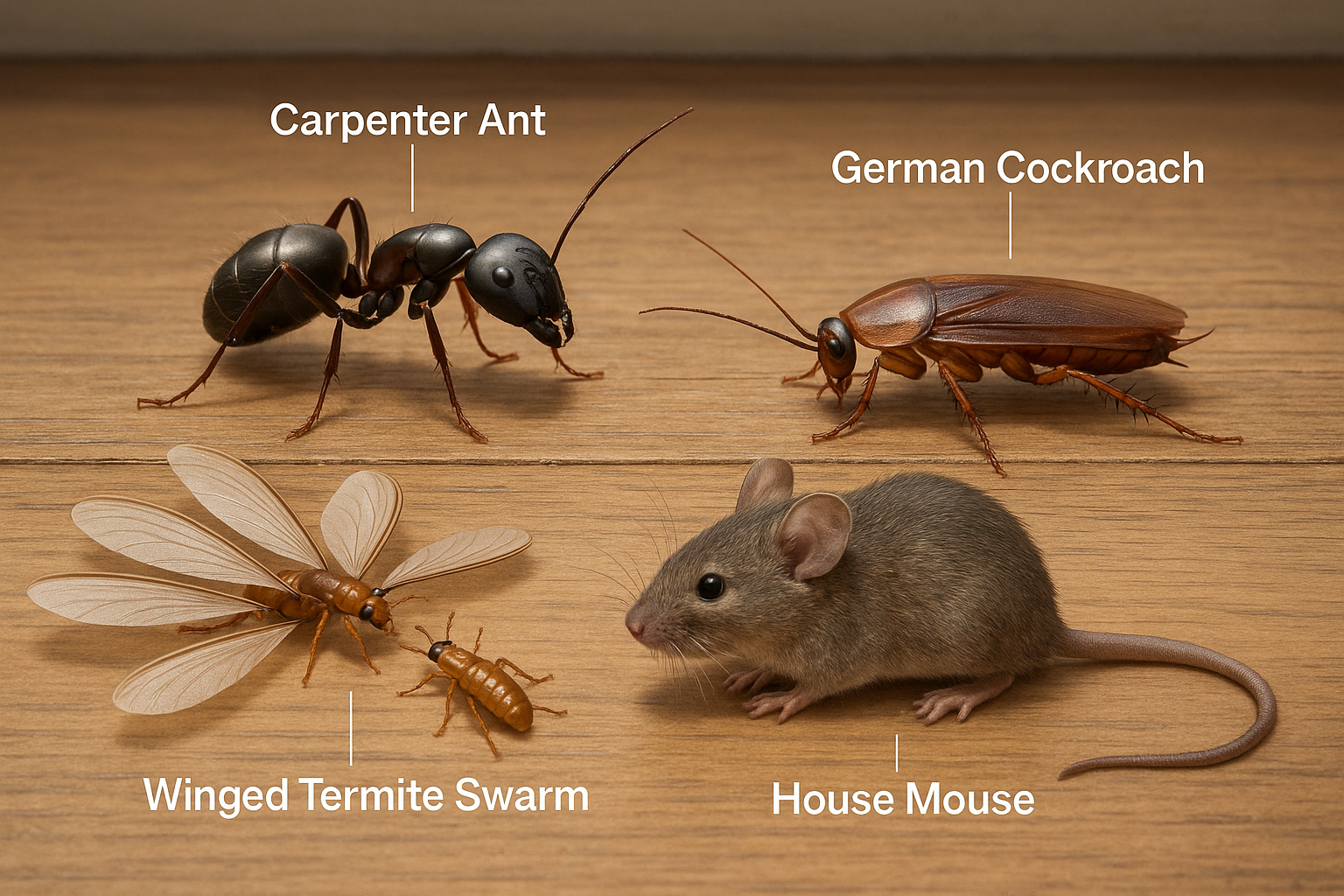
Identifying a pest early saves time, money, and peace of mind. Below are the five household invaders you’re most likely to encounter, each broken down by size, color, behavior, and common entry points.
Ants
Worker ants range from 2 mm (tiny ghost ants) to 12 mm (carpenter ants). Colors span light brown, black, or reddish‑brown, and they travel in well‑defined foraging trails that glow on a kitchen floor after a spill. The most frequent doorway is a crack in the foundation or a gap around an exterior door, especially when outdoor food sources—like picnic leftovers—are abundant. Look for tiny pinprick droppings and a faint sweet odor near the trail; indoor colonies often hide behind baseboards, while outdoor foragers use pavement cracks.
<
Seasonal Peaks – When Pests Are Most Active
Spring: Termite Swarms and Ant Activity
As temperatures rise, winged termites—known as alates—take to the air in massive swarms. Homeowners often notice these delicate insects near light fixtures or on sunny windowsills. At the same time, ant colonies accelerate foraging, especially carpenter and odorous house ants that exploit moisture from spring rains. The CDC reports a spike in vector‑borne diseases during this period, underscoring the need for early detection and treatment before colonies become entrenched.
Summer: Mosquitoes and Ant Foraging Peaks
Warm, humid nights create perfect breeding grounds for mosquitoes. Standing water in gutters, birdbaths, or pet dishes can hatch hundreds of larvae within a week. According to the NPMA 2023 Pest Activity Calendar, ant foraging reaches its zenith in midsummer, with workers traveling farther from nests in search of food. This dual surge means homeowners should prioritize yard drainage and perimeter barrier applications to keep both pests at bay.
Fall: Rodents Seeking Shelter Indoors
When daylight hours shorten and temperatures drop, rodents such as mice and rats instinctively look for warm, dry shelter—often right inside your home. They exploit gaps around doors, utility penetrations, and foundation cracks. Fall is the optimal window for sealing entry points, because rodents are most motivated to move before the first hard freeze. Conducting a thorough inspection of attic vents, crawl‑space openings, and exterior siding can stop an infestation before it begins.
Winter: Cockroach Hot Spots in Heated Buildings
Even in the dead of winter, cockroaches thrive in heated environments like basements, laundry rooms, and kitchen cabinets. Their activity concentrates around food sources and moisture, making sealed cracks and crevices critical control points. Sealing gaps around plumbing, electrical conduits, and baseboards reduces the harborages cockroaches need to survive the cold months.
| Season | Primary Pest(s) | Suggested Inspection Window |
|---|---|---|
| Spring | Termite swarms, carpenter & odorous house ants | Late March – Early May |
| Summer | Mosquitoes, foraging ants | Mid‑June – Late August |
| Fall | House mice, roof rats | Early September – Mid‑October |
| Winter | German cockroaches, American cockroaches | Late November – Early February |
Scheduling Professional Inspections
To stay ahead of each seasonal surge, book a licensed pest‑control inspection at least two weeks before the recommended window opens. A professional can identify hidden colonies, assess structural vulnerabilities, and apply targeted treatments that homeowners cannot safely replicate. For example, a pre‑spring termite inspection allows for soil‑borne barrier placement before alates emerge, while a fall rodent assessment pinpoints hidden entry points that DIY sealing often misses.
By aligning your maintenance calendar with these peak periods, you reduce the likelihood of surprise infestations and protect your home year‑round. If you’re unsure when the next peak begins, give Anthem Pest Control a call at 877‑371‑8196 or visit anthempest.com to schedule a proactive inspection today.
Proactive Prevention – Simple Steps for Homeowners
Home Maintenance Checklist
Keeping your home sealed and tidy is the first line of defense against pests. Use this quick‑scan list each spring and fall:
- Seal foundation cracks with hydraulic cement or polyurethane sealant to block entry points.
- Install door sweeps on all exterior doors; they stop ants, spiders, and rodents from slipping underneath.
- Store food in airtight containers – pantry items, pet food, and birdseed should never sit exposed.
- Fix leaky pipes and dripping faucets; moisture attracts cockroaches, silverfish, and termites.
- Manage yard debris by removing leaf piles, wood stacks, and standing water where insects breed.
Moisture‑Control Tips
Excess humidity is a magnet for many pests. Simple habits can keep the indoor environment dry and uninviting:
- Run a dehumidifier in basements and crawl spaces, aiming for 30‑50% relative humidity.
- Clean gutters and downspouts regularly; clogged systems let water pool near the foundation.
- Grade landscaping so the soil slopes at least 6 inches away from the house, directing runoff outward.
Neighborhood Case Studies
Local climate dictates the most effective preventive steps. Here’s how three Anthem Pest customers tackled seasonal challenges:
- Lakeview (Chicago) – Homeowners winterized basements by sealing utility penetrations and installing a snow‑melt drainage system that channels meltwater away from the foundation.
- Oakwood (Dallas) – Residents trimmed back summer landscaping, removed excess mulch, and added dry‑rock pathways to eliminate standing water that attracts mosquitoes and ants.
- Capitol Hill (Seattle) – Families applied a rain‑ready sealant to crawl‑space vents and installed a perimeter vapor barrier, keeping the damp Pacific climate from encouraging mold‑loving pests.
DIY vs. Professional Actions
| Action Type | DIY Options | When to Call a Pro |
|---|---|---|
| Perimeter sealing | Caulk cracks, install door sweeps, apply weatherstripping | Large foundation gaps or recurring entry points despite DIY fixes |
| Indoor baiting | Place snap‑type bait stations for ants or cockroaches | Infestations that spread beyond a single room or involve multiple species |
| Moisture reduction | Run dehumidifiers, clean gutters, improve grading | Persistent dampness in crawl spaces or basements that fuels termites |
| Barrier treatment | Apply DIY perimeter sprays (read label carefully) | Need for EPA‑approved, long‑lasting barrier sprays or when pets/children are present |
| Structural pest inspection | Visual walk‑through for signs of damage | Any suspicion of termite activity, wood damage, or hidden nests |
When you choose DIY methods, always follow the EPA Pesticide Guidelines for safe handling, storage, and application. Improper use can harm family members, pets, and the environment, and it may void any professional warranty you later add.
Treatment Options – Methods and Pricing Transparency
Overview of Treatment Types
- Baiting (ant & rodent bait stations) – Discrete stations are placed around the perimeter and interior of a home. The bait attracts foraging insects or rodents, which then carry the toxicant back to the colony, breaking the life cycle from the inside out.
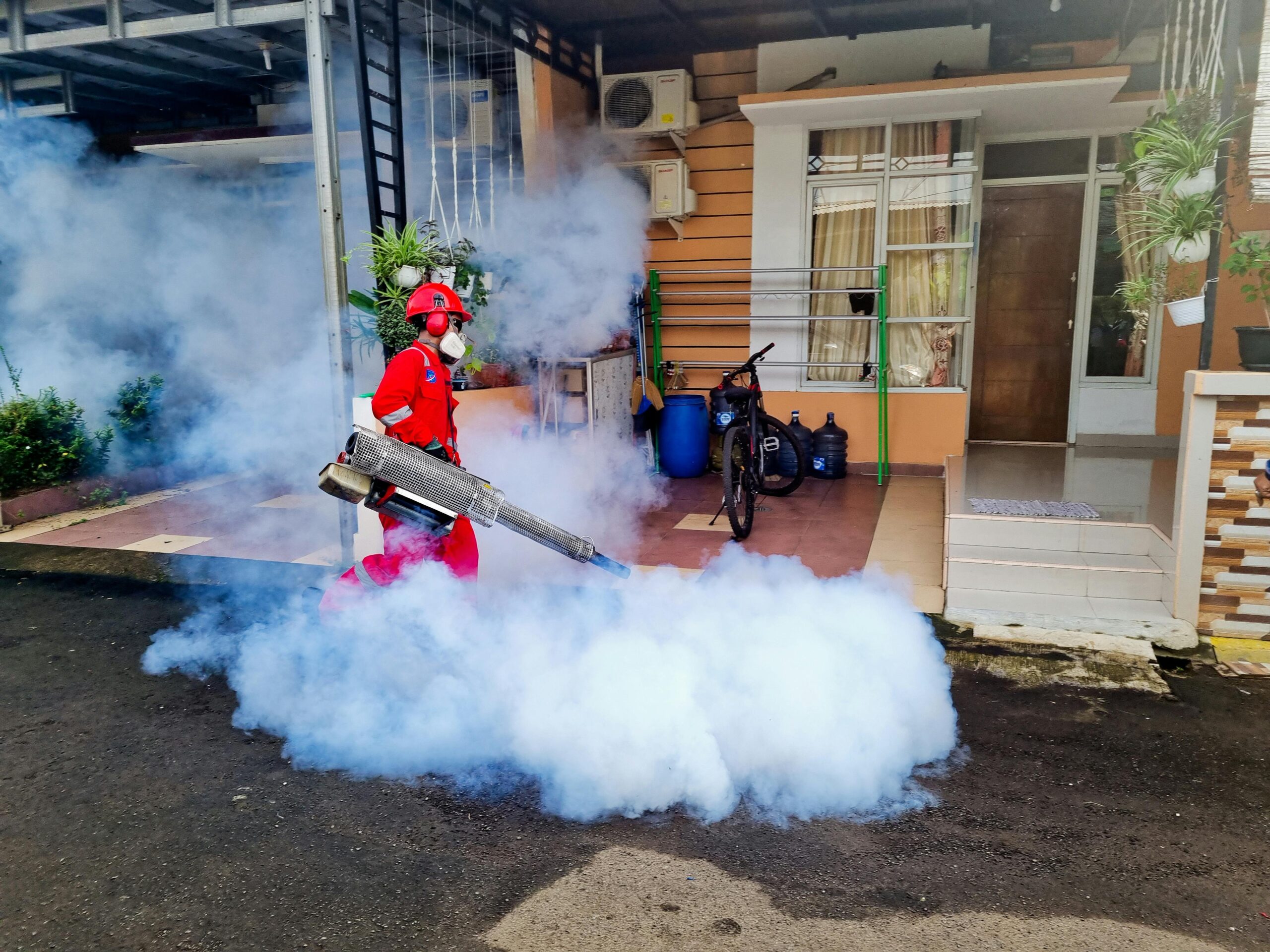
- Barrier sprays (perimeter and indoor applications) – Professionals apply residual insecticide to exterior foundations, crawl spaces, and interior cracks. This creates a protective “wall” that kills pests on contact and deters new invasions for weeks.
- Structural fumigation (termite core treatment) – A low‑pressure foam or gas is injected into the soil and foundation to eradicate subterranean termites. The treatment targets the hidden colony, providing a long‑lasting shield against future damage.
- Ultrasonic devices (supplemental DIY option) – Battery‑powered emitters produce high‑frequency sound waves that are uncomfortable for many insects. While not a standalone solution, they can complement professional services in low‑infestation scenarios.
Pricing Transparency
Homeowners often wonder why pest‑control quotes vary. At Anthem Pest Control we break every cost down so you know exactly what you’re paying for.
| Service | Single‑Visit Cost | Annual Protection Plan |
|---|---|---|
| Baiting (ants & rodents) | $120 – $250 | $200 – $350 |
| Barrier spray (perimeter & indoor) | $150 – $300 | $250 – $450 |
| Structural fumigation (termite core) | $1,200 – $2,500 | — (typically a one‑time investment) |
| Ultrasonic device (DIY kit) | $40 – $80 | — (single purchase) |
For most homeowners, a single‑visit service lands between $100 and $300. When you enroll in an annual protection plan, the per‑visit cost drops dramatically because the technician can schedule preventative applications during optimal seasonal windows.
Real‑World Case Study: Phoenix Homeowner Saves $150
John Martinez, a homeowner in Phoenix, faced recurring ant trails each summer. His first instinct was to call for a one‑time baiting service every two months, which would have cost roughly $260 per visit. After a brief consultation, our team recommended a quarterly baiting plan that includes four scheduled visits, each priced at $180.
Here’s the math:
- Four one‑time visits at $260 each = $1,040
- Quarterly plan (four visits) = $890
- Savings = $150
Beyond the dollar amount, John noticed fewer ant sightings after the first two visits. The consistent bait placement kept the colony suppressed, eliminating the need for emergency call‑outs later in the year.
Why Scheduled Plans and Early Intervention Pay Off
Regularly timed treatments let technicians target pests when they’re most vulnerable—right before breeding peaks or during seasonal migrations. This proactive approach reduces the total amount of product needed, shortens labor time, and ultimately lowers your bill.
Early intervention also protects your home’s structural integrity. For example, a termite core treatment performed before colonies breach the foundation can save thousands in repair costs that would otherwise result from wood damage.
Remember to verify the 2025 average pest‑control pricing from the EPA consumer price guide before finalizing any contract. Transparent pricing builds trust, and Anthem Pest Control proudly aligns its rates with industry benchmarks.

Sources & References
Anthem Pest Control bases the information in this article on authoritative government and industry resources. Each source is listed below with the sections where it is cited and a direct link for verification. All figures have been cross‑checked with the most recent 2024‑2025 data before publication.
- EPA pesticide regulations and pricing data – cited in Sections 2, 4, 6. https://www.epa.gov/pesticides
- CDC rodent‑borne disease statistics – cited in the Introduction. https://www.cdc.gov/rodents/
- NPMA pest activity calendar and industry standards – cited in Section 3. https://www.npmapestworld.org/
We regularly review these resources to ensure our pricing tables and treatment recommendations reflect current regulatory guidelines and disease trends. If you notice any discrepancy, please contact us so we can investigate and update the information promptly.
Homeowners can click the links to explore the full reports, view state‑by‑state pesticide cost breakdowns, or download the NPMA calendar for seasonal pest activity in their region. These resources empower you to make informed decisions about pest management and budgeting.
Take the Next Step with Anthem Pest Control
Here’s a quick refresher on the essentials you need to keep your home pest‑free:
- Identify the top culprits—termites, rodents, ants, cockroaches, bed bugs, mosquitoes, and other common invaders.
- Respect seasonal peaks; spring brings ants and termites, summer fuels mosquitoes, and fall sees rodents seeking shelter.
- Follow the prevention checklist: seal entry points, manage moisture, and maintain tidy landscaping.
- Understand treatment costs up front, so you can budget for both immediate control and long‑term prevention.
- Choose a vetted local partner who knows your region’s pest patterns and offers transparent pricing.
When you act early and base decisions on real‑time data, you protect family health, preserve property value, and avoid the steep expenses that come from unchecked infestations. A proactive approach means fewer emergency visits, less chemical use, and a home that stays comfortable year‑round.
Anthem’s technicians use region‑specific data and advanced monitoring tools to pinpoint infestations before they spread. With licensed experts, a satisfaction guarantee, and clear, upfront pricing, you get a trusted partner who treats every home as if it were their own.
Ready for a pest‑free home? Contact Anthem Pest Control for a complimentary inspection and a personalized quote. Call us at 877‑371‑8196 or visit Anthem Pest Control today.