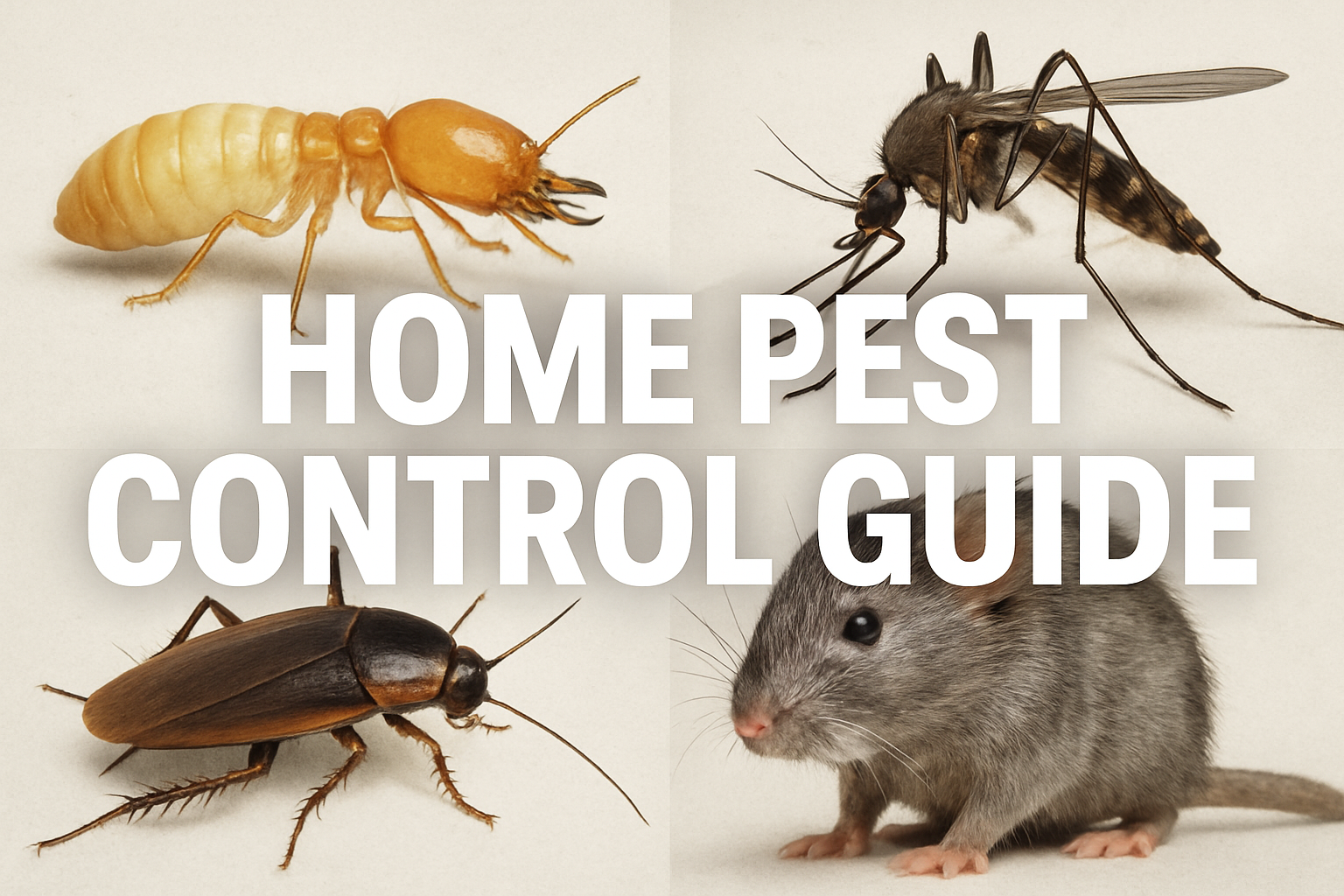
Why Proactive Pest Management Matters

Every homeowner knows the unsettling feeling of spotting a roach in the kitchen or hearing the faint scurry of mice behind the walls. Beyond the nuisance, these common invaders carry real health risks: cockroaches spread allergens that trigger asthma, rodents can contaminate food with bacteria, and mosquitoes are vectors for West Nile virus and other illnesses. Even seemingly harmless insects like ants can leave behind chemical trails that irritate sensitive skin.
When pests go unchecked, the cost quickly escalates from health concerns to financial damage. The U.S. Environmental Protection Agency estimates that pest‑related damage costs homeowners between $5 billion and $10 billion each year (EPA source). That figure includes everything from structural repairs caused by termites to lost inventory from infestations in home‑based businesses.
Proactive pest management protects not only your family’s well‑being but also your property’s resale value. A well‑maintained home with documented, routine pest inspections signals to potential buyers that the house has been cared for, often adding thousands of dollars to the final sale price. Moreover, addressing issues early reduces the need for extensive, expensive treatments later on—saving you both time and money.
In this guide we’ll walk you through every step of a smart, transparent pest‑control plan:
- Pest identification: Learn the tell‑tale signs of termites, bed bugs, rodents, and more.
- Seasonal timing: Know when each pest is most active in your region.
- Prevention tactics: Simple DIY steps that keep invaders out before they enter.
- Professional treatments: How Anthem Pest’s safe, effective services work and why pricing is clear up‑front.
- Choosing a local partner: What to look for in a pest‑control company you can trust.
- FAQs: Answers to the most common homeowner questions.
- Next steps: A clear call‑to‑action so you can protect your home today.
By staying ahead of the problem, you safeguard health, preserve property value, and enjoy peace of mind—knowing that you’ve partnered with a transparent, affordable expert who’s ready to act before pests become a crisis.
Identifying Common Household Pests and Their Risks

Termites
Termites rarely announce themselves, but the damage they cause is unmistakable. Look for mud‑filled tunnels along foundation walls or beneath concrete slabs—these are the highways termites use to travel unseen. In the spring, you may also spot winged alates, the “swarmers” that emerge in large numbers when a colony is ready to reproduce. According to the 2023 National Pest Management Association (NPMA) survey, 1 in 5 U.S. homes harbors an active termite infestation, making them the most costly indoor pest for homeowners.
Mosquitoes
Beyond the annoying buzz, mosquitoes are notorious disease vectors. In the United States, they transmit West Nile virus, Zika, and other illnesses that can lead to severe neurological complications. Mosquito activity peaks during warm, humid summer months, especially in areas with standing water. The CDC recommends eliminating standing water, using EPA‑registered repellents, and installing window screens to reduce bites. For a full list of mosquito‑borne diseases, visit the CDC mosquito diseases page.
Rodents
Rats and mice leave tell‑tale clues: dark, pellet‑shaped droppings near food sources, gnaw marks on wood or wiring, and faint squeaking sounds in wall voids. These signs signal more than a nuisance; rodents carry pathogens like hantavirus, leptospirosis, and salmonella, which can be inhaled or ingested. CDC data shows that rodent‑borne diseases account for thousands of emergency department visits each year. Prompt identification and sealing of entry points are essential to prevent both health risks and costly structural damage.
Cockroaches & Ants
Cockroaches thrive in warm, moist environments and often hide behind appliances, under sinks, or in pantry cracks. Their shed skins, droppings, and a faint oily odor indicate an infestation. Ants, especially odorous house ants, follow similar trails to food sources, contaminating surfaces with bacteria. Both pests can trigger allergic reactions and asthma attacks, particularly in children. The 2022 NPMA indoor pest prevalence report lists cockroaches as the second most common indoor pest, while ants rank third, underscoring the need for vigilant monitoring.
Quick Inspection Tip: During a routine walk‑through, check for:
- Mud tubes or hollow wood near foundations (termites).
- Standing water, especially in gutters or plant saucers (mosquitoes).
- Droppings, gnaw marks, or nesting material in attics and basements (rodents).
- Shed skins, oily spots, or ant trails along countertops and behind appliances (cockroaches & ants).
Spotting any of these signs early can save you time, money, and peace of mind.
Seasonal Pest Threats and Timing Calendar
Climate Zones and Pest Emergence
Across the United States, temperature swings and humidity levels dictate when pests come out of hiding. The USDA 2024 climate zone map divides the country into 13 zones, each reflecting average winter lows and heating‑degree days. In colder Zone 4‑5 regions, many insects stay dormant until late spring, while in warmer Zone 8‑9 areas, the same species can be active year‑round. Understanding where your home falls on this map helps you anticipate the exact weeks when termites start swarming, mosquitoes begin breeding, or rodents seek shelter.

Month‑by‑Month Pest Calendar
| Pest | Jan | Feb | Mar | Apr | May | Jun | Jul | Aug | Sep | Oct | Nov | Dec |
|---|---|---|---|---|---|---|---|---|---|---|---|---|
| Termites | ▲ | ▲ | ▲ | |||||||||
| Mosquitoes | ▲ | ▲ | ▲ | ▲ | ▲ | |||||||
| Rodents | ▲ | ▲ | ▲ | ▲ | ▲ | |||||||
| Flies | ▲ | ▲ | ▲ | ▲ | ▲ | |||||||
| Cockroaches | ▲ | ▲ | ▲ | ▲ | ▲ | ▲ | ▲ | |||||
| Ants | ▲ | ▲ | ▲ | ▲ | ▲ | ▲ | ▲ |
Actionable Timing Tips
- Termites: Schedule a professional inspection and pre‑emptive treatment in early spring (March‑April). Moisture from snowmelt often triggers swarming, so act before the first flight.
- Mosquitoes: Apply a barrier spray in late spring (mid‑May) and repeat every 4‑6 weeks through early fall. Eliminate standing water to starve larvae.
- Rodents: Conduct exclusion work in late summer (August‑September) so doors, vents, and foundation cracks are sealed before winter chill drives them indoors.
- Flies: Install fly traps and treat outdoor garbage areas in June, when temperatures consistently exceed 75 °F.
- Cockroaches: Perform a thorough interior spray in May and again in September, targeting kitchen cracks and bathroom grout.
- Ants: Early summer (May‑June) is ideal for perimeter baiting; a second round in September helps curb late‑season colonies.
Regional Variation Note
Homeowners in northern zones (4‑5) should shift the calendar forward by one to two months—treat termites in April, start mosquito barriers in June, and finish rodent exclusion by early November. In southern zones (8‑9), the same actions move earlier: termite treatments as early as February, mosquito control beginning in April, and rodent exclusion completed by August, when the heat drives pests to seek cooler indoor shelter.
Homeowner Prevention Strategies
Structural sealing
Most pests slip in through tiny gaps that are easy to miss during a casual walk‑through. Start by caulking all visible cracks around windows, baseboards, and the exterior wall‑to‑foundation joint. For doors, install sweeps that hug the threshold and replace weather‑stripping that has become brittle. If you notice larger foundation cracks or sagging sections, a modest repair—typically $150‑$500 depending on severity—can stop rodents, ants, and even termites before they find a foothold. A well‑sealed envelope forces pests to look elsewhere, buying you time before a professional visit is needed.
Landscape management
Plants and mulch look great, but they can double as a highway to your home. Keep mulch at least six inches away from the foundation; this creates a dry buffer zone that discourages termites and carpenter ants. Eliminate standing water by fixing leaky hoses, cleaning clogged gutters, and grading the yard so water drains away from the house. Trim back shrubs, vines, and tree branches that touch the roof or walls—these act as bridges for squirrels, rats, and insects. A tidy yard reduces humidity around the structure, making it far less inviting to unwanted guests.
Food storage & sanitation
Even the smallest crumb can become a beacon for cockroaches or ants. Store dry goods in airtight containers made of glass or heavy‑wall plastic, and label them with purchase dates so you rotate stock regularly. Empty trash cans nightly and use bins with tight‑fitting lids; a simple lid can cut off a food source for weeks. Wipe up spills immediately, especially sugary drinks, and give the kitchen floor a quick sweep after each meal. Consistent sanitation removes the “all‑you‑can‑eat” buffet that many indoor pests rely on.
DIY monitoring tools
Early detection is half the battle. Sticky traps placed along baseboards, under sinks, and near entry points give you a visual snapshot of what’s lurking. Brands such as Trapper and Terro offer pre‑baited, non‑toxic options that are safe around children and pets. For a more high‑tech approach, consider an infrared camera—models like the Arlo Pro 4 or Reolink Argus 3 can capture nocturnal activity without disturbing the pests. Review the trap catches or camera footage weekly; spotting a pattern lets you target the exact entry point before an infestation takes hold.
How Anthem Pest’s free home assessment fits in
All of these DIY steps are valuable, but a professional eye can spot hidden vulnerabilities that even the most diligent homeowner might overlook. Anthem Pest’s complimentary home assessment walks through each of the preventive areas we’ve covered—structural sealing, landscaping, sanitation, and monitoring. Their technicians use a checklist to grade the effectiveness of your current barriers and recommend quick fixes or upgrades where needed. The assessment also includes a brief walkthrough of your DIY monitoring setup, ensuring traps are placed in the most strategic locations. By combining your proactive efforts with Anthem’s expert evaluation, you create a layered defense that dramatically lowers the chance of a full‑scale infestation.
Professional Treatment Options and Pricing Transparency
What’s on the menu?
When you call a pest‑control pro, you’re not just getting a spray and a promise. Modern pest management is organized into clear service families that match the biology of the invader and the layout of your home. At Anthem Pest, we break those families into four main categories:
- Chemical barriers – a perimeter‑wide application that creates an invisible wall against ants, roaches, and crawling insects.
- Baiting systems – strategically placed stations that attract and poison pests such as termites, cockroaches, and rodents, delivering a slow‑acting dose that works from the inside out.
- Biological controls – living organisms, like beneficial nematodes or predatory mites, that target specific pests (think soil‑dwelling larvae or spider mites) without harsh chemicals.
- Heat treatment for bed bugs – a calibrated, whole‑room heat exposure that raises temperatures to 120‑130 °F, killing every life stage of bed bugs in a single pass.
2024 price ranges you can rely on
Transparency starts with a price list you can read without a calculator. Below are the typical ranges you’ll see on a 2024 invoice from Anthem Pest. The exact figure depends on property size, infestation severity, and any local regulatory fees, but every quote includes the same core services.
- Termite inspection & treatment: $800 – $2,200
- Mosquito yard treatment (per season): $150 – $300
- Rodent exclusion: $200 – $600
- General pest quarterly service (per visit): $150 – $250
What’s actually included?
Every line item on the invoice represents a complete service package, not just a handful of minutes on a ladder. Here’s what you can expect when you sign up for one of the above options:
- Comprehensive inspection – a certified technician walks your property, uses moisture meters, infrared cameras, and bait stations to locate hidden activity, then delivers a written report with photos and a treatment plan.
- Targeted treatment application – whether it’s a liquid barrier, a bait station network, a biological release, or a heat‑chamber cycle, the technician follows the manufacturer’s label and state regulations to the letter.
- Follow‑up visits – most programs include at least one post‑treatment check within 30 days to verify efficacy, adjust bait placement, or re‑apply a barrier if weather conditions demand it.
- Warranty and guarantee details – you receive a written warranty that spells out coverage length, what’s re‑treated at no extra cost, and the steps to claim it.
How the options stack up
Homeowners often want a side‑by‑side view of cost versus coverage. In the final article a comparison table will be inserted, but the key takeaways are:
- Chemical barriers give the fastest knock‑down for crawling insects but require annual re‑application.
- Baiting systems have a higher upfront cost but can keep colonies suppressed for months with minimal disruption.
- Biological controls are ideal for environmentally conscious homeowners and work best in outdoor or soil‑bound scenarios.
- Heat treatment is the most expensive single‑visit option, yet it eliminates bed bugs completely without chemicals, making it perfect for families with children or pets.
Anthem Pest highlights you can count on
- 30‑day guarantee: If pests return within 30 days of treatment, we’ll re‑treat at no additional charge.
- 24/7 emergency response: Nighttime ant swarms or a sudden rodent intrusion won’t wait for business hours—we’re on call.
- Transparent invoicing: Every service line, material cost, and labor hour is listed clearly, so you never see a hidden fee after the job is done.
- Locally trained technicians: Our crews know the regional pest pressures in your state, from southern termite species to northern mosquito vectors.
Putting it all together
Choosing a professional pest‑control plan is less about picking the cheapest price tag and more about understanding what you’re paying for. The categories above map directly to the biology of the pest, while the 2024 price ranges give you a realistic budget window. With Anthem Pest, the numbers on the invoice match the services you receive—inspection, treatment, follow‑up, and a solid warranty—all backed by a 30‑day guarantee and round‑the‑clock support.
When you’re ready to protect your home, start by requesting a free, no‑obligation quote. Our technicians will walk you through the options, explain the exact steps each service entails, and give you a written estimate that leaves no room for surprise charges.
Selecting a Local Pest Control Partner
Baseline Credentials You Can’t Compromise On
Before you even pick up the phone, verify that the company holds a valid state pest‑control license and carries comprehensive liability insurance. These two items protect you from illegal practices and potential property damage. Next, confirm the technicians are EPA‑registered—this shows they are trained to apply pesticides safely and in compliance with federal regulations. Finally, look for membership in the National Pest Management Association (NPMA). NPMA members adhere to a strict code of ethics and stay current on industry best practices, giving you an extra layer of confidence.
Why Local Knowledge Matters
Every region has its own climate quirks and pest pressures. A company that understands the humid summers of the Mid‑Atlantic, the scorching heat of Texas, or the high‑altitude dryness of Colorado can tailor treatments to the insects that thrive there. Local expertise means faster identification of the culprit—whether it’s carpenter ants nesting in a Virginia attic or ground‑dwelling fleas in a Denver yard—and more effective, season‑appropriate solutions.
Neighborhood Success Snapshots
- Arlington, VA: Anthem identified a hidden termite colony in a historic townhouse, applied a targeted bait system, and prevented costly structural damage within two weeks.
- Plano, TX: After a surge of fire ants after a summer storm, our technicians deployed a perimeter treatment that reduced outdoor activity by 85% in just three days.
- Denver, CO: A homeowner complained of recurring rodent sightings; Anthem’s local rodent‑proofing audit sealed entry points unique to Denver’s older brick homes, eliminating the problem permanently.
What Our Customers Say
“Anthem’s team showed up the same day I called, diagnosed the issue within minutes, and the treatment worked instantly. I finally feel safe in my own home again.” – Maria L., Arlington, VA
Frequently Asked Questions
How often should I schedule inspections?
We recommend a seasonal inspection schedule to stay one step ahead of the bugs. Plan a visit in early spring before insects emerge, another in midsummer when populations peak, a third in early fall as they seek shelter, and a final check in winter to catch any overwintering invaders. If you experience a severe storm, heavy rain, or an unusually warm snap, call us for an extra inspection within a week to address any sudden infestations.
Are treatments safe for pets and children?
Yes—our treatments are designed with families in mind. All products we use meet EPA safety standards and are classified as low‑toxicity, meaning they pose minimal risk when applied correctly. For homes with pets or small children, we often recommend granular or bait‑based solutions that stay out of reach, plus a short post‑treatment waiting period—usually 2‑4 hours—before re‑entering the space. We’ll walk you through the label instructions and answer any concerns before we begin.
What’s the typical response time for emergencies?
When a pest emergency strikes, time is of the essence. Anthem Pest backs every urgent call with a 24‑hour guarantee—meaning we’ll be on your doorstep within a full day of your request, even on weekends and holidays. Our 24/7 hotline (877‑371‑8196) connects you directly to a certified technician who can assess the situation, prioritize treatment, and dispatch a crew immediately. In most cases, we resolve the problem the same day, restoring peace of mind for you and your family.
Take Action with Anthem Pest Control Today
Why early detection and a layered defense matter
Spotting a pest problem the moment it appears, timing treatments to match seasonal activity, handling simple DIY prevention, and then calling in a professional create a comprehensive defense that keeps insects and rodents from establishing a foothold. Early detection lets us treat before an infestation spreads, saving you time, stress, and money. Seasonal timing ensures the most vulnerable stages of pests are targeted, while DIY steps—like sealing entry points and removing food sources—reduce the workload for our technicians. Together, these actions turn a reactive scramble into a proactive shield for your home.
What Anthem brings to the table
Anthem Pest Control stands out with transparent pricing you can see before any work begins, a free home assessment that identifies hidden hotspots, and a 30‑day guarantee that backs every treatment. No surprise fees, no hidden clauses—just clear, upfront costs and a promise that if pests return within a month, we’ll re‑treat at no extra charge. This combination of honesty and accountability gives homeowners the confidence to act quickly, knowing they’re protected by a trusted partner.
Tailored solutions for any situation
Whether you’re dealing with a single sighting of a roach, a buzzing mosquito problem, or you want a year‑round protection plan, our certified technicians are ready to design a solution that fits both your home and your budget. We assess the specific pest pressure in your area, recommend the most effective treatment methods, and customize a schedule that aligns with your lifestyle. The result is a personalized plan that eliminates pests now and prevents them from returning.
Ready to protect your home?
Give us a call at 877‑371‑8196 for a free inspection, or click here to schedule online. Our friendly team is standing by to answer your questions and set up a service that keeps your home pest‑free.