Termite Damage Overview and Article Purpose

Did you know that 1.5 million U.S. homes endure termite damage every year? The Environmental Protection Agency estimates those infestations cost homeowners a staggering $5 billion in repairs annually. Those numbers aren’t just statistics—they’re a wake‑up call for anyone who owns a house.
This guide exists to turn that alarm into action. We’ll give you clear, data‑driven instructions for spotting termites early, preventing an invasion, and choosing the right treatment when the worst does happen. Think of it as your personal termite playbook, built on the latest research and field‑tested strategies.
Here’s what you’ll learn in the sections that follow:
- The most common termite species that target U.S. homes.
- Key visual and auditory signs that indicate an infestation.
- Proactive prevention steps you can start today.
- Typical treatment options, cost ranges, and how to budget wisely.
- Seasonal timing—when to inspect, when to act, and why timing matters.
When it comes to tackling termites, expertise matters. Anthem Pest Control is a nationally recognized provider that prides itself on transparent pricing and proven results. Our technicians combine scientific knowledge with practical experience, ensuring you receive the most effective solution without hidden fees.
Throughout this article, we’ll maintain a professional yet approachable tone—no jargon, just actionable advice you can apply immediately. Whether you’re a first‑time homeowner or have dealt with pests before, the information here is designed to empower you to protect one of your most valuable assets: your home.
What Are Termites and Why They Matter
Termites may be invisible to the naked eye, but their impact on a home can be anything but. Understanding the three major species that infest U.S. residences helps you spot early signs and act before costly damage spreads.
Subterranean Termites
These are the most common culprits, thriving in moist soil and building hidden tunnels that reach up into the wooden framing of a house. Workers are pale, soft‑bodied insects that never leave the colony without a protective mud tube. Because they feed from below, damage often goes unnoticed until structural members are severely weakened.
Drywood Termites
Unlike their subterranean cousins, drywood termites live directly inside the wood they consume. They require little moisture, allowing colonies to establish in roof decks, siding, or even furniture. Their galleries appear as tiny, honey‑comb tunnels that can be seen with a magnifying glass—a clear visual cue that a professional inspection is needed.
Dampwood Termites
Dampwood termites prefer high‑humidity environments such as decaying logs, crawl spaces, or water‑damaged framing. Their larger, darker bodies and the distinctive, mushroom‑shaped fecal pellets set them apart. While less aggressive than subterranean termites, they can still cause rapid degradation of any wood that stays damp for extended periods.
According to the 2024 EPA report, subterranean termites are responsible for roughly 80 % of all termite damage in the United States. Their ability to infiltrate foundations and crawl spaces makes them the most financially damaging of the three species.
Verification: The 2024 EPA statistics on termite damage are sourced directly from the agency’s official “Termite Control Statistics” publication.
When you compare average repair costs per square foot, termites far outpace other common household pests:
| Pest | Cost / ft² |
|---|---|
| Termites (all species) | $12‑$18 |
| Rodents | $3‑$5 |
| Ants (carpenter & other) | $2‑$4 |
| Bed Bugs | $4‑$7 |
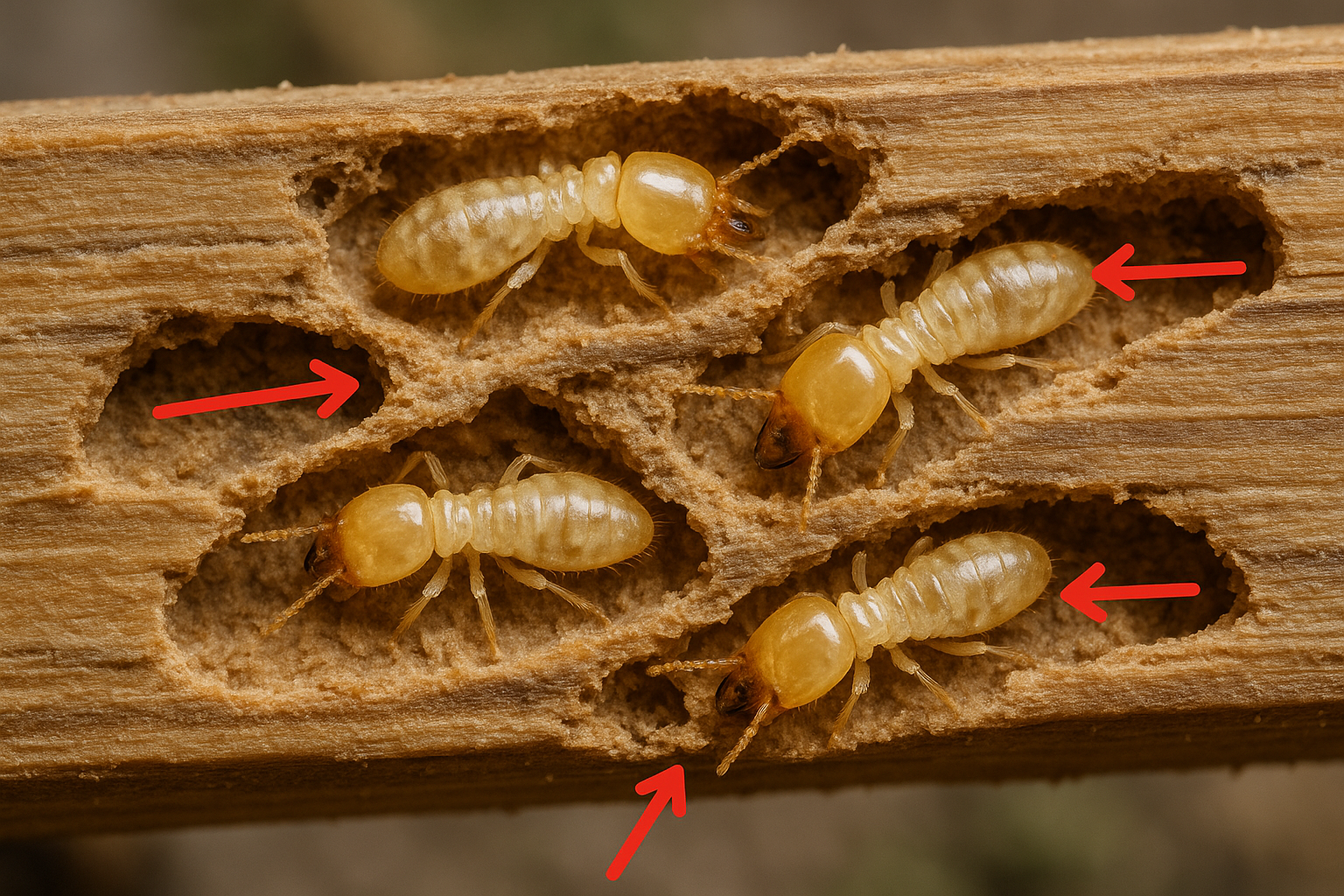
Seeing those tiny tunnels in a piece of timber is a red flag that a drywood termite colony has taken hold. Early detection—and prompt, professional treatment from Anthem Pest Control—can stop the infestation before it escalates into the kind of structural damage that costs thousands.
How to Spot Early Signs of Infestation
Detecting termite activity before it spreads can save thousands in repair costs. By learning the subtle signs and committing to a quick monthly walk‑through, you give your home a fighting chance. Below is a practical checklist that fits into a busy homeowner’s routine.
Visual Cues to Watch For
Termites rarely announce themselves, but they leave unmistakable clues.
- Mud tubes – pencil‑thin tunnels of soil that lead from the soil surface to wood, often found on foundation walls.
- Winged alates – discarded swarmers with delicate, translucent wings that appear near light sources in late spring.
- Hollow‑sound wood – tapping a piece of wood yields a dull, echoing thud instead of a solid knock.
- Frass pellets – dry, sand‑like droppings that look like tiny coffee grounds, often stacked near exit holes.
Spotting any of these clues should trigger a deeper inspection. These signs often appear together, and the presence of even one should prompt a professional evaluation.
Monthly Inspection Checklist
A quick 15‑minute walk each month keeps termites from slipping under the radar.
- Foundation perimeter – walk the exterior wall, feeling for mud tubes or cracks that collect moisture.
- Crawl spaces – lift any access panels, look for damp wood, frass, and winged alates clinging to joists.
- Wood structures – tap support beams, baseboards, and deck posts; listen for the hollow sound and examine for surface damage.
- Moisture sources – check downspouts, gutters, and indoor leaks; excess moisture invites termites, so repair any drips immediately.
Repeat this routine monthly, and note any changes in a simple log. Spring and early summer are peak swarming periods, so schedule your first inspection in March and repeat monthly through September.
“When I noticed a thin line of mud running up the north side of my foundation, I thought it was just garden soil,” says a Denver homeowner, “but the next day I saw tiny winged alates inside my garage. A professional inspection confirmed an active colony, and we treated it before any visible damage occurred.”
For detailed identification criteria, consult the USDA Forest Service termite guide.
A simple neighborhood map can help you visualize the zones you need to cover each month.

By treating each zone systematically, you reduce the chance of missing a hidden tunnel.
Proactive Measures to Keep Termites Out
Moisture Management
Termites thrive in damp wood, so the first line of defense is controlling moisture around your home. Start by fixing any leaky pipes, faucets, or roof penetrations; even a slow drip can create a feeding ground for subterranean colonies. Next, check the grading of your foundation—soil should slope away from the house at least six inches over the first ten feet. This simple landscaping tweak redirects rainwater and reduces the likelihood of wood saturation. Most homeowners can complete these tasks themselves for between $150 and $800, depending on the extent of repairs and whether professional help is needed for grading.
Physical Barriers
When a new construction or major remodel is underway, installing a physical barrier can stop termites before they ever enter. Options include stainless‑steel mesh, which is installed under slabs and around footings, and sand barriers composed of coarse, angular sand that termites cannot tunnel through. The upfront cost typically ranges from $1,200 to $2,500, covering materials and labor. Although the price may seem steep, a well‑installed barrier can protect a home for decades, delivering a strong return on investment.
Chemical Deterrents
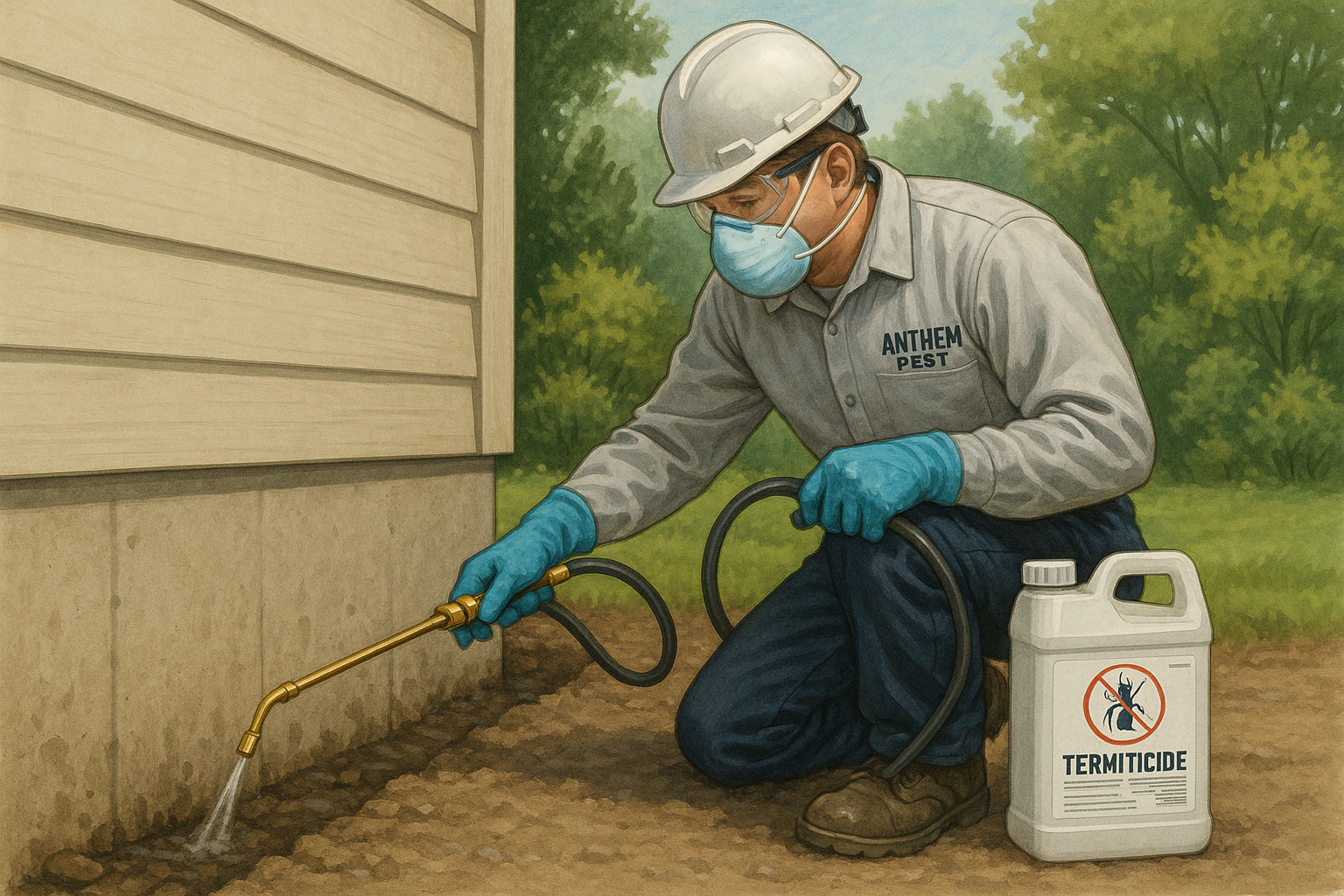
Pre‑construction termiticides remain one of the most reliable chemical defenses. These products are applied to the soil beneath and around the foundation before the structure is built, creating a long‑lasting, invisible shield. When choosing a termiticide, look for EPA‑registered formulations that meet the agency’s “Safe Use” criteria. Following EPA guidelines ensures that the product is applied at the correct concentration, with proper personal protective equipment, and that runoff is minimized. Professional application by a certified technician, such as Anthem
Effective Termite Treatments and What They Cost
When termites infiltrate a home, the decision‑making process can quickly become confusing. Homeowners need solid numbers, realistic expectations, and a clear path to protect their property value. Below, we compare the four primary professional treatments, cite the 2025 NPMA pricing survey, and explain how each option influences long‑term return on investment.
Liquid Termiticides (e.g., fipronil)
Liquid termiticides are applied as a continuous barrier in the soil around a structure, creating a chemical shield that kills termites on contact. The 2025 NPMA survey lists typical costs between $1,200 and $2,800, depending on square footage and site conditions. This method offers immediate protection and works well for existing colonies, but it requires periodic re‑inspection and may need retreatment every 3–5 years. Homeowners appreciate the relatively quick installation, yet the ongoing maintenance can add to total lifetime expense.
Baiting Systems
Bait stations are strategically placed around the property, attracting foraging termites to a cellulose matrix laced with a slow‑acting insecticide. Pricing reported by NPMA ranges from $1,500 to $3,000. The biggest advantage is the ability to monitor colony activity and eliminate the source rather than just creating a barrier. However, baiting demands regular inspections (usually quarterly) and can take several weeks to months before a full colony collapse is confirmed, making patience a key factor.
Foam Injection
Foam injection delivers a termiticide directly into voids, wall cavities, and sub‑floor spaces where termites hide. Costs fall between $1,800 and $3,200 per the latest NPMA data. This technique penetrates hard‑to‑reach areas, providing rapid knock‑down of active infestations. The downside is that it is a one‑time treatment; if new colonies emerge, additional applications may be necessary. Homeowners often choose foam for severe, localized attacks where other methods struggle to reach.
Heat Treatment
Heat treatment raises the temperature of an entire structure to 120 °F (49 °C) for several hours, killing termites at all life stages. The NPMA survey cites a price range of $2,500 to $4,500, reflecting the specialized equipment and labor involved. Heat offers a chemical‑free solution and eliminates the need for future barrier maintenance, which is attractive for environmentally conscious owners. The primary drawbacks are the higher upfront cost and the requirement to vacate the home during the process.
| Treatment | Pros | Cons | Duration | Typical ROI |
|---|---|---|---|---|
| Liquid Termiticides | Immediate barrier, proven efficacy | Requires retreatment, chemical exposure | 3–5 years | High – protects foundation value |
| Baiting Systems | Monitors colony, targets source | Longer elimination time, regular inspections | 4–6 years (with maintenance) | Very High – reduces future infestations |
| Foam Injection | Reaches hidden voids, fast knock‑down | One‑time treatment, may need repeat | 1–2 years | Moderate – effective for spot infestations |
| Heat Treatment | Chemical‑free, whole‑home coverage | Highest upfront cost, home vacate required | 5–7 years (no chemical barrier) | Very High – eliminates need for future chemicals |
Anthem Pest stands out with a transparent, flat‑rate pricing model that aligns with the ranges above, so you won’t encounter surprise fees after the job is done. Every treatment option can be financed with low‑interest plans, allowing homeowners to spread costs while still securing the most effective solution for their situation. Our clear quotes, backed by the 2025 NPMA survey, give you the confidence to choose the right method without hidden expenses.
When Are Terminals Most Active?
Seasonal activity patterns
Subterranean termites thrive in moist soil, so their colonies surge when the ground warms and rain‑soaked conditions return in spring. By late May the foraging tunnels are at full strength, and activity remains high through the summer months when temperatures stay above 70°F (21°C). Dry‑wood termites, in contrast, live inside the wood they consume and are less dependent on soil moisture. That means they can be active year‑round, though they still show modest peaks in the warmest months.
In regions like the Rocky Mountains, the first heavy spring rains trigger a dramatic uptick in subterranean foraging. Moisture seeps into foundations and crawl spaces, providing the perfect highway for workers to travel from the colony to the wood they eat. Homeowners who notice new mud tubes or swarms in early summer are often seeing the direct result of that seasonal moisture boost.
Inspection and treatment calendar
Using the latest CDC 2024 seasonal pest‑activity data, we’ve mapped out the optimal windows for both inspection and treatment. Acting within these periods gives you the best chance to catch an infestation early and apply the most effective control measures.
| Season | Inspection Month(s) | Treatment Window | Primary Species |
|---|---|---|---|
| Spring | March – May | Early spring (March – April) before colonies expand | Subterranean |
| Summer | June – August | Mid‑summer (June – July) when activity peaks | Subterranean |
| Fall | September – October | Late fall (October) for preventative treatment | Subterranean |
| Winter | November – February | No routine treatment; monitor for dry‑wood activity | Dry‑wood (year‑round) |
Plan your professional inspection during the listed months, then schedule treatment during the corresponding window. Early detection in spring can stop a colony before it spreads, while fall treatments lock down any lingering workers before winter dormancy.
Local example: Lakeview, CO
Lakeview’s homeowners often report a noticeable rise in subterranean termite sightings after the March‑April rainstorms. CDC’s 2024 regional report confirms a 28 % increase in reported activity during that period, directly linked to higher soil moisture levels. If you live in Lakeview or a similar high‑altitude community, schedule your first spring inspection as soon as the ground thaws, and be prepared for a summer treatment if any activity is detected.
Keeping to this calendar reduces the risk of costly structural damage and lets Anthem Pest Control provide safe, targeted solutions exactly when your home needs them most.
Why Anthem Pest Is Your Best Local Partner
Industry‑Recognized Certifications
When you invite a pest‑control professional into your home, you want proof that they meet the highest standards. Anthem Pest is fully certified by the National Pest Management Association (NPMA), a credential that signals adherence to rigorous safety, training, and ethical guidelines. In addition, every technician holds the required state licenses for Colorado, ensuring that every treatment follows local regulations and best‑practice protocols. These certifications give homeowners confidence that the work is both effective and compliant.
24‑Hour Response Guarantee & Local Presence
Time is critical when pests invade your space, which is why Anthem Pest offers a 24‑hour response guarantee. Once you call, a local office in Aurora dispatches a licensed technician to your door within the same day, often within a few hours. Our network of neighborhood offices means we’re never more than a short drive away, allowing us to assess, treat, and follow up quickly—so you don’t have to wait days for relief.
What Our Neighbors Are Saying
“We discovered a sudden ant trail in our kitchen and called Anthem Pest. A technician arrived the same afternoon, identified the source, and treated it with minimal disruption. Within 24 hours the ants were gone, and the follow‑up inspection confirmed the problem was solved. We’ll definitely stick with Anthem for any future pest issues.” – Sarah M., Aurora, CO
Ready to Experience Local Expertise?
Take the next step toward a pest‑free home by calling our dedicated line at 877‑371‑8196. Our friendly staff will schedule a same‑day visit, answer any questions about our NPMA certification, and explain how our rapid response works. You can also learn more about our services and transparent pricing at anthempest.com. Trust the local partner that combines national standards with community‑focused service.
Frequently Asked Questions About Termite Control
How long does a treatment last?
Most professional termite programs remain effective for 2 – 5 years, depending on the product and method used. Liquid termiticides applied to the soil can protect a home for up to five years, while bait stations typically need replacement every two to three years to maintain a lethal colony‑level dose.
Are the chemicals safe for kids and pets?
The EPA requires all registered termite chemicals to meet strict toxicity standards. When a certified technician follows label directions—proper dilution, precise placement, and post‑application clearance—residue levels drop to safe thresholds within hours, making the treated area safe for children and pets.
Can I do DIY prevention?
Homeowners can reduce risk by eliminating wood‑to‑soil contact, fixing moisture problems, and sealing entry points. Over‑the‑counter bait kits may help in isolated spots, but they lack the coverage and monitoring of a professional service, so they should be viewed as a supplemental measure, not a replacement.
What insurance coverage is available for damage?
Standard homeowners’ policies usually exclude termite damage because it’s considered a preventable maintenance issue. However, many insurers offer optional endorsements—often called “termite coverage” or “wood‑damage riders”—that reimburse repair costs when a certified treatment has been performed.
How soon will I see results?
After a proper termiticide or bait installation, visible signs of activity (such as mud tubes or winged alates) typically decline within a few weeks. Full structural damage reduction becomes apparent over several months as the colony collapses under the continuous lethal dose.
Protect Your Home with Anthem Pest Today
Here’s a quick reminder of the steps that keep pests at bay:
- Identify the species – knowing whether you’re dealing with ants, rodents or bed bugs guides the right response.
- Inspect regularly – weekly visual checks in kitchens, basements and around entry points catch infestations early.
- Apply preventive measures – seal cracks, manage moisture and eliminate food sources before pests move in.
- Choose the right treatment – professional, data‑driven solutions target the pest lifecycle without unnecessary chemicals.
When you partner with Anthem Pest, you get more than a DIY checklist. Our technicians use real‑time data and local expertise to tailor a plan that fits your home’s unique risk profile, delivering effective control while keeping costs transparent.
Ready for peace of mind? Schedule a free, no‑obligation inspection today. One of our experienced technicians will assess your property, explain the findings, and outline a clear, affordable action plan.
Call us now at 877‑371‑8196 or visit Anthem Pest Control to book your inspection.