
What Earwigs Are and Why They Matter in Peachtree City
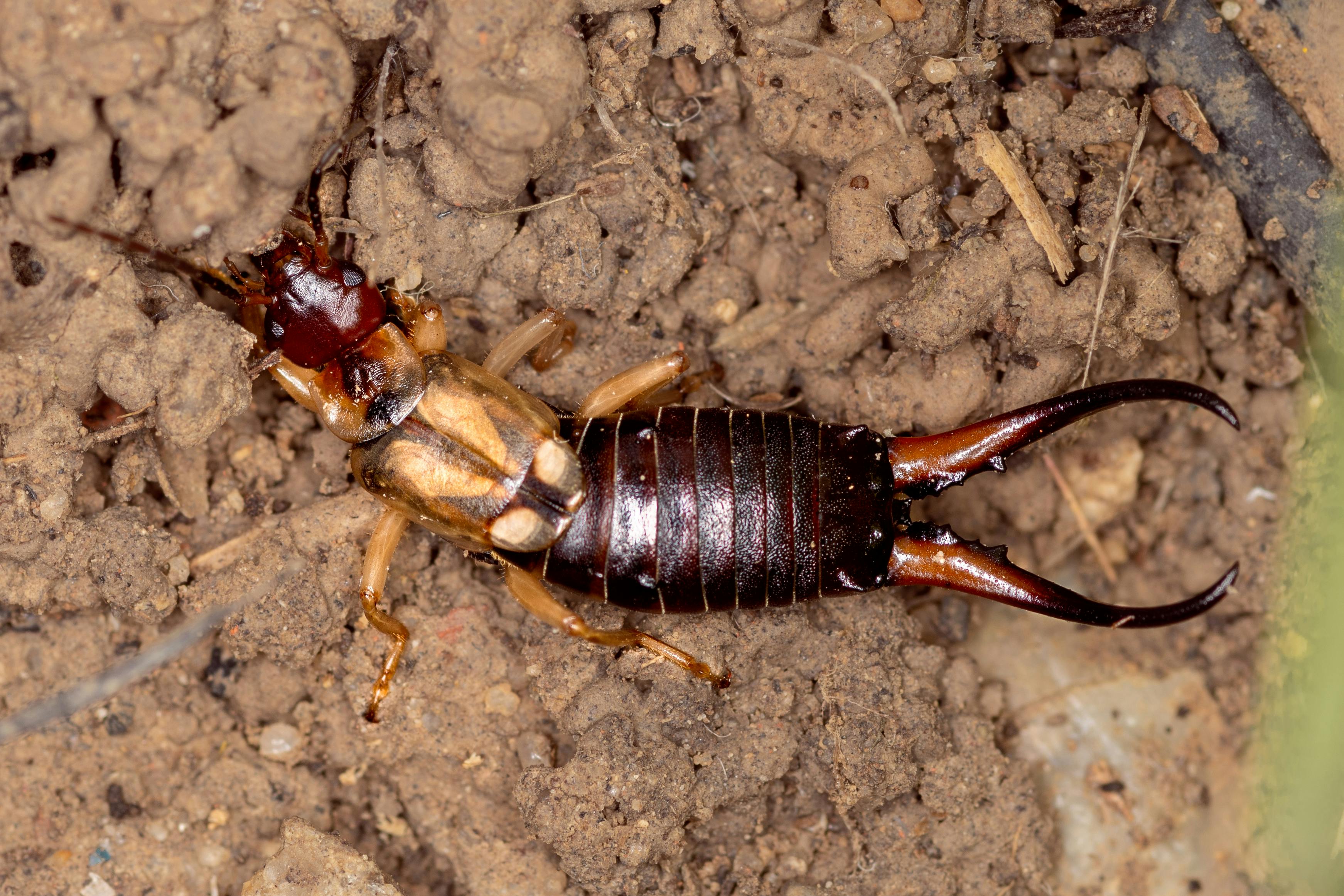
Earwigs may not be the most glamorous critters, but they’re a familiar part of the local backyard ecosystem and are often identified during a professional earwig inspection Peachtree City homeowners schedule during warmer months. The species most often encountered here is the European earwig (Forficula auricularia), a hardy insect that has adapted well to suburban landscapes across the United States.
Biology in a nutshell
Adult earwigs have elongated, flattened bodies that range from 1 to 2 inches long. Their most distinctive feature is a pair of forceps‑like pincers (cerci) at the rear of the abdomen. These pincers are used for defense, mating rituals, and even for folding their wings under a short, leathery forewing. Earwigs are primarily nocturnal; they hide in cool, damp places during the day and become active after sunset, hunting for food and water.
Where they like to hang out
In Peachtree City’s warm, humid climate, earwigs thrive in micro‑habitats that retain moisture. Typical hiding spots include:
- Mulch beds and fresh wood chips
- Leaf litter and compost piles
- Garden beds with soft soil
- Cracks and voids around home foundations, especially under siding or near drainage gutters
These environments provide the cool, damp conditions earwigs need to stay comfortable throughout the year, which is why you’ll often see them emerging from mulch or garden borders after a rain.
Why homeowners start to notice them
Earwigs are omnivores. In the garden they feed on tender seedlings, soft foliage, and decaying organic matter. A sudden surge of earwig activity can lead to:
- Chewed tips on young plants, especially lettuce, beans, and ornamental flowers
- Small, irregular holes in leaf edges that look like “bite marks”
- Occasional foraging inside homes, especially in kitchens, basements, or bathrooms where humidity is high
While earwigs rarely cause structural damage, a large population can stress delicate garden plants and create an unsettling sight for homeowners. If handled roughly, they can pinch with their cerci, delivering a mild, short‑lasting bite that feels like a pinprick.
Peachtree City’s climate makes earwigs a year‑round concern
The region’s mild winters and humid summers create an almost ideal climate for earwig activity. Unlike northern states where earwigs go dormant in cold months, Peachtree City’s temperatures often stay above the 50 °F threshold that forces many insects into hibernation. This means you can expect earwig sightings from early spring through late fall, with peak numbers after heavy rain or during humid spells.
Warning signs you shouldn’t ignore
Being proactive helps keep earwig populations in check before they become a garden nuisance. Watch for these indicators around your home:
- Increased earwig sightings on porch lights or near outdoor trash cans after dusk
- Visible damage on seedlings—especially ragged leaf edges or missing flower buds
- Small, dark droppings (tiny pellet‑shaped specks) near mulch or plant bases
- Earwigs crawling inside basements, laundry rooms, or bathroom cabinets during humid weather
If you notice two or more of these signs, it’s a good idea to schedule a professional inspection. Early detection lets pest‑control experts apply targeted treatments that protect both your garden and the interior of your home.
Learn more from trusted sources
For deeper insight into earwig behavior, control methods, and seasonal tips specific to Peachtree City, consult these reputable resources:
- Anthem Pest Control – Earwig Guide
- Smart Solutions – Earwig Information
- Noble Pest Services – Earwig Page
Seasonal Earwig Activity in Peachtree City
Earwigs (order Dermaptera) follow a simple three-stage life cycle: egg, nymph, and adult—a pattern often explained during a professional earwig inspection Peachtree City homeowners request to understand seasonal activity. Females lay clusters of eggs in moist, protected sites such as under mulch, leaf litter, or garden debris. When temperatures rise above 50 °F (10 °C) and humidity stays above 60 %, the eggs hatch, and nymphs emerge. Each nymph molts several times, growing larger and more mobile until it reaches adulthood, typically within 6 to 8 weeks. Because development is temperature-dependent, a warm, damp spring can accelerate the cycle, while a cold, dry winter stalls it.
Why Spring and Early Summer See the Highest Outdoor Activity
In Peachtree City, average spring temperatures climb from the mid‑50s to the low 80s °F, and rainfall spikes during March through May. This combination creates ideal conditions for egg hatch and rapid nymph growth. By early summer (June‑July), the population boom reaches its peak: adults are fully formed, mating occurs, and females begin laying a new batch of eggs. The abundance of food—decaying plant matter, small insects, and garden vegetables—further fuels the surge. As summer wanes and humidity drops, activity tapers off, and by late fall most earwigs seek shelter to overwinter as adults.
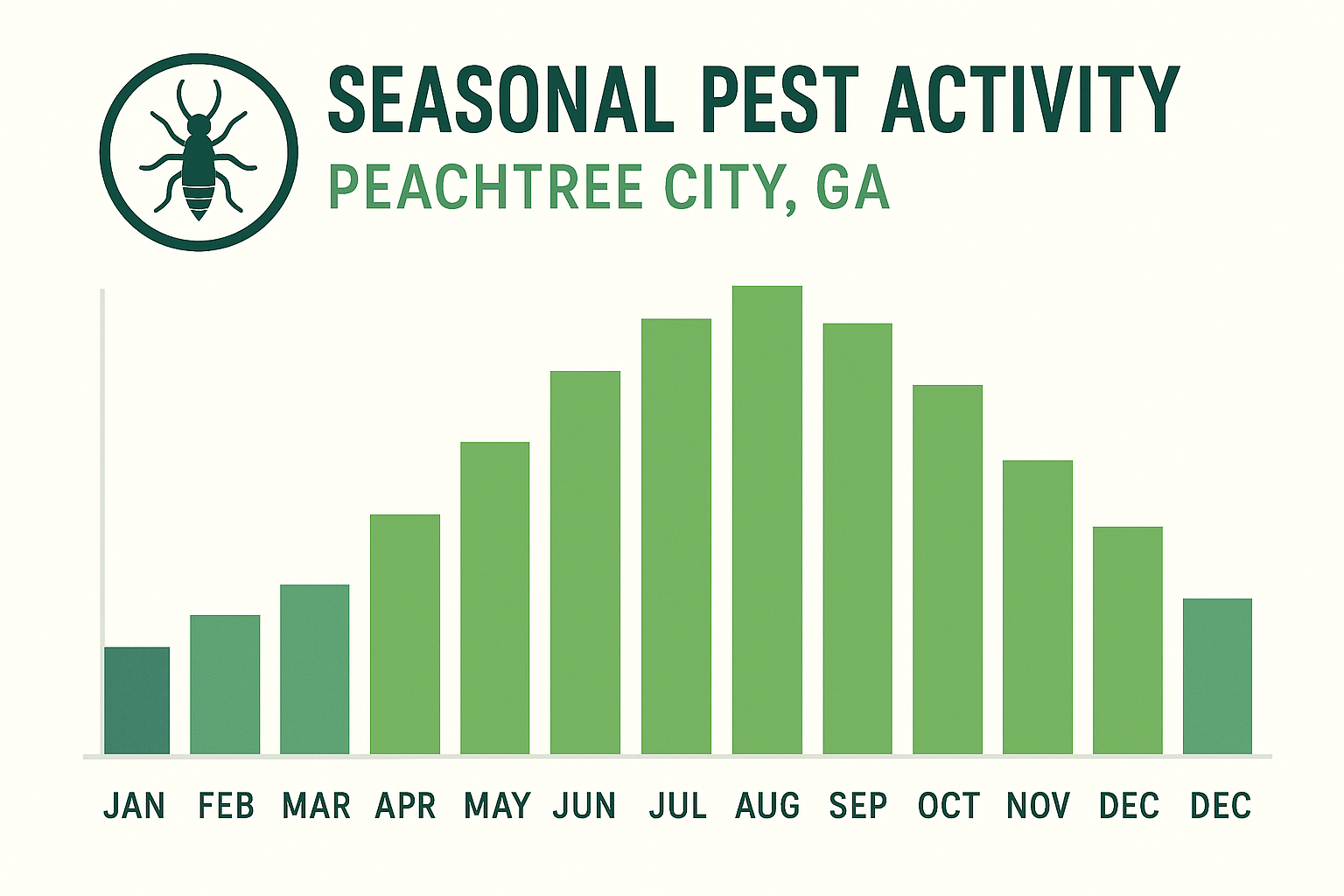
Monthly Activity at a Glance
| Month | Activity Level |
|---|---|
| January | Low |
| February | Low |
| March | Moderate |
| April | High |
| May | Very High |
| June | Very High |
| July | High |
| August | Moderate |
| September | Low |
| October | Low |
| November | Low |
| December | Low |
Timing Inspections and Treatments
Because earwigs are most active from April through July, schedule a professional earwig inspection Peachtree City homeowners rely on in early spring—ideally late March or early April. This timing lets a technician identify emerging populations before they spread into your home’s foundation or crawl spaces. If activity is already high, a targeted treatment (soil-active granules or perimeter sprays) can curb the surge and prevent indoor forays. Follow-up inspections in late June help confirm that the treatment remains effective through the peak period.
Homeowner Tips for Reducing Habitat During High‑Risk Months
- Keep mulch dry: Excess moisture attracts earwigs. Turn mulch regularly and consider using a coarser, well‑draining variety.
- Remove garden debris: Fallen leaves, rotting wood, and compost piles create perfect hiding spots. Clear them away weekly during spring.
- Seal entry points: Inspect foundation cracks, vent screens, and door sweeps; caulk gaps before May.
- Trim vegetation: Keep shrubs and groundcovers at least six inches away from the house to eliminate bridge routes.
- Manage irrigation: Water lawns early in the day and avoid over‑watering; dry soil discourages earwig nesting.
By acting early—inspecting in spring and addressing moisture issues before the May‑July peak—homeowners can stop earwigs from establishing indoor colonies. A proactive approach not only reduces the need for emergency treatments but also protects your home’s structural integrity and comfort throughout the year.
How Professionals Inspect for Earwigs Around Your Home
When an Anthem Pest technician arrives, you’ll notice a calm, methodical approach. Before any tools are pulled out, the inspector will spend a few minutes talking with you about recent sightings and what you’ve already done to tidy up the area. This brief pre‑inspection chat helps the pros focus their effort where it matters most.
Pre‑inspection preparation: Your role
- Clear clutter from foundations, porches, and garden beds. Stacks of firewood, leaf piles, or unused planters create perfect hide‑outs for earwigs.
- Note sightings – write down the date, time, and exact location of any earwig activity you’ve observed. Even a single sighting near a doorframe can guide the inspector to a hotspot.
- Secure pets and keep doors closed. This protects both your animals and the inspector’s equipment.
Primary inspection zones
Professional earwig inspections target the places where moisture, shelter, and food converge. The most common zones include:
| Inspection Zone | Why It Attracts Earwigs |
|---|---|
| Foundation walls & footing cracks | Moisture seepage creates a damp micro‑environment ideal for burrowing. |
| Mulch beds & garden borders | Organic matter offers both shelter and a food source. |
| Crawl spaces | Dark, humid spaces protect earwigs from predators. |
| Exterior doorways & window sills | Frequent traffic brings in insects that earwigs prey on. |
What inspectors look for
- Burrows and tunnels – tiny, sand‑filled passages in soil or mulch.
- Egg cases – gelatinous clusters often tucked under stones or in leaf litter.
- Damaged plant roots – gnawed roots signal a feeding population nearby.
- Moisture indicators – water stains, mold, or a musty smell that suggests a damp habitat.
Tools and techniques
Anthem Pest technicians rely on a blend of low‑tech and high‑tech gear to uncover hidden earwigs:
- Flashlights – Bright, focused beams reveal burrows in dark corners.
- Moisture meters – Handheld devices measure humidity levels in soil and wood, pinpointing the most attractive spots for earwigs.
- Tactile probes – Long, slender rods let inspectors gently feel for tunnels without disturbing the surrounding landscape.
Distinguishing earwigs from other pests
Earwigs have a signature “forceps‑like” cerci at the rear of their abdomen, a feature most homeowners miss. Inspectors compare:
- Body shape – Earwigs are flattened, oval, and typically ½‑¾ inches long.
- Color – Ranges from light brown to dark reddish‑brown, unlike the glossy black of most cockroaches.
- Movement – Earwigs tend to scuttle away when disturbed, while cockroaches run quickly and hide in cracks.
By observing these details, the technician can rule out misidentifications and recommend the right treatment.
Typical inspection duration
A thorough exterior assessment usually takes 30–45 minutes. The inspector moves systematically from the foundation outward, checking each zone, recording findings, and discussing next steps with you. If a larger property or extensive landscaping is involved, the time may stretch a bit, but the focus remains on efficiency and accuracy.
Visual reference

Seeing the layout of a typical home helps you understand why each of the highlighted zones matters. When you know where the inspector will be looking, you can better prepare your property and feel confident that any earwig problem will be caught early—before it turns into a full‑blown infestation.
Treatment Options and Pricing for Earwig Control
DIY Approaches: What You Can Do Yourself
Many Peachtree City homeowners start with cultural controls that make the yard less inviting to earwigs. Reducing excess moisture by fixing leaky gutters, improving drainage, and trimming back dense vegetation can cut down the population dramatically. Swapping organic mulch for stone or rubber mulch eliminates the damp hiding spots earwigs love.
Simple traps are another low-cost option often recommended after an earwig inspection Peachtree City confirms minor activity. A shallow dish of water with a few drops of dish soap, or a rolled-up piece of corrugated cardboard left in a shady corner overnight, will lure earwigs and drown them. These methods are inexpensive but require regular monitoring and replacement.
Low‑toxicity sprays, such as pyrethrin‑based products or botanical oils, can be applied to garden beds and entry points. They work quickly but often need re‑application after rain, and their residual effect is limited. The upside is a reduced chemical footprint; the downside is that heavy infestations may persist despite diligent effort.
Professional Methods: Why You Might Call a Pro
Anthem Pest’s technicians begin with a perimeter barrier treatment, spraying EPA‑registered chemicals around the home’s foundation, crawl spaces, and exterior doors. This creates a protective shield that deters earwigs from crossing into living spaces.
For deeper control, soil‑applied granules are broadcast into flower beds, around foundations, and under decks. The granules release a slow‑acting insecticide that targets earwigs as they burrow, providing weeks of residual protection.
Indoor residual sprays focus on cracks, baseboards, and other interior hideouts. When paired with an Integrated Pest Management (IPM) plan—regular inspections, habitat modification, and targeted treatments—homeowners receive a comprehensive strategy that adapts to seasonal changes.
Safety Considerations
All Anthem Pest products are child‑ and pet‑friendly when applied according to label directions. Our technicians are trained to use EPA‑registered chemicals that have undergone rigorous safety testing. We also prioritize low‑toxicity options for families with young children or sensitive pets, ensuring that treatment effectiveness never compromises household safety.

Pricing Comparison: Choose the Tier That Fits Your Needs
| Tier | What’s Included | Typical Price Range |
|---|---|---|
| Basic Inspection Only | One‑time visual inspection, pest identification report, no treatment | $75 – $110 |
| Standard Treatment Package | Inspection, perimeter barrier spray, soil granules, one follow‑up visit (30 days), 90‑day warranty | $250 – $350 |
| Premium Full‑Service Plan | All Standard services + indoor residual spray, quarterly inspections, unlimited follow‑ups for a year, 1‑year warranty, priority scheduling | $480 – $620 |
How to Pick the Right Tier
If you’ve only spotted a few earwigs near the foundation, the Basic Inspection can confirm whether a larger problem exists without upfront treatment costs. For moderate activity—such as earwigs in garden beds and occasional indoor sightings—the Standard Treatment Package offers a balanced mix of barrier protection and soil control, plus a safety net of a follow‑up visit.
Homeowners facing heavy, recurring infestations, or those who want peace of mind throughout the year, often benefit from an earwig inspection Peachtree City followed by the Premium Full-Service Plan. The added indoor residual spray and quarterly check-ins keep earwigs at bay while also addressing any secondary pests that may appear.
When budgeting, remember that DIY methods can add up quickly if you need to replace traps or reapply sprays every few weeks. A professional tier often delivers longer‑lasting results, reducing the total time and money spent on repeated DIY attempts. Evaluate the severity of the infestation, your comfort with handling chemicals, and your long‑term pest‑prevention goals to select the tier that aligns with both your budget and your peace of mind.
Protect Your Home with Expert Earwig Control Today
Earwigs may seem harmless, but when they gather in large numbers they can damage garden plants, chew on siding, and even find their way into cracks around doors and windows. Their activity peaks in late summer and early fall, a time when homeowners often notice increased sightings. A professional inspection catches these problems early, preventing costly damage and the nuisance of nightly encounters.
Why a Local Pro Makes All the Difference
Anthem Pest Control knows Peachtree City inside and out. Our technicians are trained to identify the specific earwig species that thrive in our climate and to target their hiding spots—whether it’s mulch, leaf litter, or the underside of porch railings. We use EPA‑approved products that are safe for children, pets, and the surrounding environment, delivering results without compromising your family’s health.
Transparent Pricing, No Surprises
We believe you should know exactly what you’re paying for. Our earwig control packages are broken down into clear tiers:
- Basic Inspection & Treatment: One‑time service covering the exterior perimeter and a single interior zone.
- Standard Protection Plan: Quarterly visits, interior and exterior treatments, and a follow‑up inspection.
- Premium Shield: Unlimited visits for a full year, priority scheduling, and a satisfaction guarantee.
All tiers start with a free, no‑obligation quote, so you can compare options before committing.
Ready to Take the Next Step?
Our team responds within 24 hours, and we stand behind every job with a satisfaction guarantee. If you’re noticing earwig activity or simply want to protect your home before the seasonal surge, now is the perfect time to act.
Give us a call at 877-371-8196 or visit Anthem Pest Control to schedule your earwig inspection Peachtree City today. Let us help you enjoy a pest-free home, so you can focus on what matters most—your family and your garden.