Mosquito Threat Overview for Orlando Homeowners

The CDC reports over 1,000 cases of mosquito‑borne diseases in Florida each year, a figure that has held steady through 2024. Those illnesses range from West Nile virus and Zika to Eastern equine encephalitis, and they disproportionately affect residents who spend time outdoors or live near water features.
Orlando’s subtropical climate creates a perfect breeding ground for mosquitoes. Average summer highs hover around 92 °F, humidity regularly exceeds 70 %, and the city’s numerous lakes, retention ponds, and ornamental water gardens provide endless standing‑water sites. Because temperatures rarely dip below the 50 °F threshold needed to halt egg development, mosquito populations can reproduce year‑round, with peaks in late spring and early fall.
To help you stay ahead of the buzz, this guide walks you through a step‑by‑step roadmap:
- How to identify mosquito species lurking around your home.
- Seasonal risk calendars that pinpoint high‑activity weeks.
- DIY prevention tactics you can start today, from source reduction to natural repellents.
- When to call a professional, what treatments Anthem Pest offers, and how they work.
- Potential health impacts of common mosquito‑borne pathogens.
- Transparent pricing tables so you know exactly what each service costs.
This roadmap is built on the latest entomology data and field experience from Anthem Pest, ensuring every recommendation is both science‑backed and practical for Orlando homeowners.
Every tip in this section is backed by state health department surveillance data and our own treatment outcome logs. When we present cost estimates, you’ll see clear line items—inspection fee, larvicide application, and any follow‑up visits—so there are no surprise charges.
Know Your Enemy – Common Orlando Mosquito Species
Identifying the exact mosquito species in your yard lets you choose the most effective control method. Not all mosquitoes bite at the same time, breed in the same places, or carry the same illnesses. Knowing which culprits are present helps you target their habitats and reduce disease risk for your family.
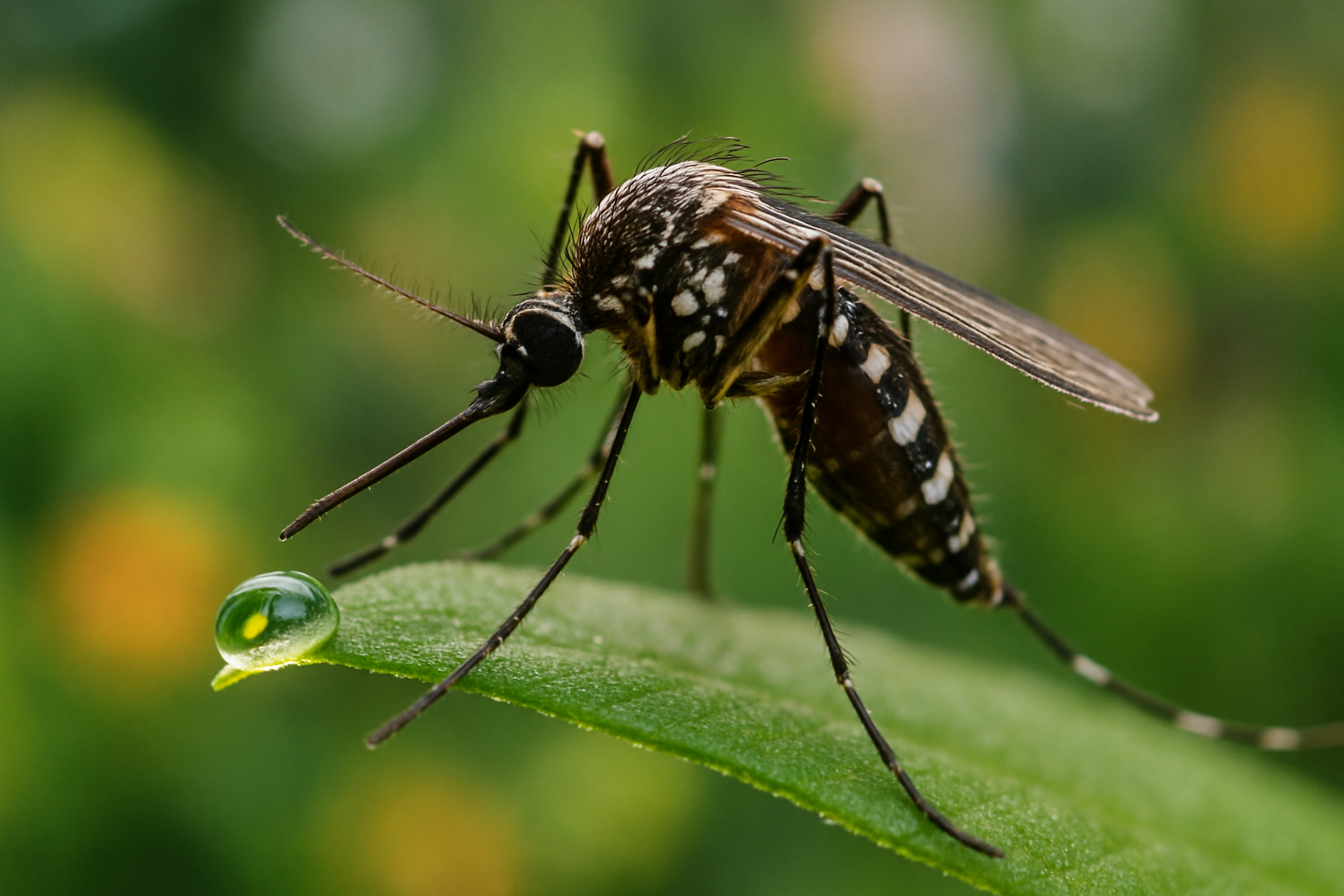
Aedes aegypti (Day‑biting)
This small, aggressive mosquito measures about 3‑4 mm in length. Its most recognizable feature is the pair of white bands on each leg and a lyre‑shaped marking on the thorax. Aedes prefers to lay eggs in clean, stagnant water found in flower pots, bird baths, or discarded tires—places you might overlook during routine yard clean‑ups. Because it bites during daylight hours, you’ll often notice bites on exposed skin in the morning or late afternoon.
From a health perspective, Aedes aegypti is the primary vector for Zika, dengue, and chikungunya viruses. The Florida Department of Health reported a 12 % rise in mosquito‑borne disease cases statewide in 2023, with most of those infections linked to Aedes activity in central Florida.
Culex quinquefasciatus (Night‑biting)
Also known as the Southern house mosquito, Culex quinquefasciatus is larger—about 5‑6 mm—and sports a dull brown, mottled abdomen. It thrives in polluted or organically rich water, making backyard ponds, clogged gutters, and even pet water dishes perfect breeding grounds. Unlike Aedes, Culex is most active at dusk and throughout the night, so you may find yourself waking up with itchy bites after a summer evening outdoors.
Anopheles (Rare)
Anopheles mosquitoes are slender with spotted wings and a distinctive resting posture—head up and abdomen angled upward. They favor clean, sun‑lit water such as shallow rain‑filled depressions or newly dug garden holes. Although they are the primary vectors of malaria worldwide, their presence in Orlando is sporadic, and local disease transmission remains low.
Fact Box: Aedes aegypti carries a high risk for Zika, dengue, and chikungunya. In 2023, Florida saw a 12 % increase in reported cases of these diseases, emphasizing the need for proactive daytime mosquito control.
Source: Florida Department of Health, 2023 Mosquito‑Borne Disease Report.
Quick Visual Cue Checklist for Homeowners
- White‑banded legs and lyre mark on thorax → Aedes aegypti
- Dull brown, larger body, active at night → Culex quinquefasciatus
- Slender, spotted wings, resting with head up → Anopheles
- Breeding sites: small containers (Aedes), polluted water (Culex), clean shallow pools (Anopheles)
Seasonal Activity & Risk Timeline in Orlando
Orlando’s subtropical climate creates a predictable mosquito calendar. From January through December, the city moves through four distinct activity phases—dormant, low, rising, and peak. Understanding these phases lets you schedule inspections, treatments, and backyard clean‑ups before the insects become a nuisance.
Month‑by‑month activity heat‑map (text description)
- January‑February: Dormant – temperatures dip below 68 °F, mosquito breeding stalls.
- March‑May: Low‑to‑moderate – warming to 70‑80 °F and spring rains spark the first wave of larvae.
- June‑September: High – sustained heat above 80 °F plus frequent thunderstorms push populations to their apex.
- October‑December: Declining – cooler evenings and reduced rainfall gradually suppress activity.
From early March, as nightly lows stay above 50 °F, eggs begin hatching and you’ll start noticing a modest increase in buzzing around dusk. By mid‑June, when daytime highs consistently hit 88‑92 °F, the life cycle compresses to just a week, allowing several generations to overlap and push counts sky‑high.
The EPA’s Mosquito Management Guidance notes that sustained daily averages above 68 °F trigger rapid egg hatch, while nightly lows under 50 °F impede development. In Orlando, those thresholds are met from early March onward, explaining the secondary rise after the spring rains.
Why a heavy May rainstorm matters
A single, intense rain event can double larval counts within two weeks. The downpour creates fresh, stagnant pools that serve as perfect oviposition sites. Eggs laid the night of the storm hatch in 24‑48 hours, and the abundant water supplies larvae with uninterrupted food, accelerating growth until the next spray cycle.
Quick seasonal checklist
- Inspect gutters, birdbaths, and plant saucers for standing water each month.
- Clear debris from pools, tarps, and pet dishes after rain.
- Schedule barrier sprays before the June‑September peak.
- Apply larvicide to known water‑holding features in March‑May.
- Trim overgrown vegetation to reduce adult resting sites.
- Keep a rain‑event log to anticipate larval surges.
DIY Prevention Strategies for Homeowners
1. Eliminate Standing Water
Adult female mosquitoes need just a few teaspoons of stagnant water to lay a batch of eggs. The CDC’s “Mosquito Prevention” fact sheet reports that removing or treating water sources that persist longer than 48 hours can cut local mosquito populations by up to 90 %.
- Empty birdbaths, plant saucers, and kiddie pools every two days.
- Clear clogged gutters and downspouts to prevent water pooling.
- Turn over any containers that collect rain—old tires, buckets, and tarps are prime breeding sites.
2. Keep the Lawn Trimmed
Adult mosquitoes rest on tall grass and weeds during the heat of the day. Research from university extension programs shows that maintaining a lawn height of 2.5 inches or less reduces resting sites by roughly 70 %.
- Mow the yard at least once a week during peak season (May‑October).
- Trim the edges of flower beds, shrubs, and hedges to the same height.
- Remove leaf litter and organic debris where humidity can linger.
3. Seal Doors and Windows
Even the best screens are useless if they have tears or gaps. A properly sealed opening stops adult mosquitoes from entering your living space, lowering indoor bite risk dramatically.
- Inspect all screens for holes; repair with fine‑mesh patch kits or replace damaged screens.
- Apply weather‑stripping around doors and windows to close any gaps.
- Use self‑adhesive door sweeps on exterior doors that see heavy traffic.
4. Treat Ornamental Water Features with EPA‑Registered Larvicides
When a decorative pond or water garden is unavoidable, applying a bacterial larvicide such as Bacillus thuringiensis israelensis (Bti) can interrupt the mosquito life cycle without harming fish, birds, or beneficial insects. The EPA recommends a dosage of 1 ounce of Bti per 1,000 gallons of water, re‑treated every 7‑10 days during warm weather.
Safety tip: Keep pets and children away from treated water for at least 30 minutes after application. Store the product out of reach, wear gloves during mixing, and follow the label’s disposal instructions to avoid accidental exposure.
5. Choose Mosquito‑Repellent Plants Wisely
Plants such as citronella (Cymbopogon spp.) and French marigold (Tagetes patula) emit volatile oils that can deter mosquitoes in a limited radius. Studies indicate a modest reduction—roughly 10‑15 %—in mosquito landings when these plants are placed near patios or doorways.
- Plant citronella in pots that can be moved to sunny spots during evening hours.
- Use marigolds as border plants around walkways or outdoor seating areas.
- Remember that plant‑based repellents supplement, not replace, water‑management and barrier methods.
Local Hotspots and Community Action
Neighborhoods such as Winter Park, Lake Nona, and College Park have reported higher than average mosquito complaints in recent city health surveys. Residents in these areas benefit most from a combined approach: regular water source checks, diligent lawn care, and community‑wide screening projects. Coordinating with local homeowners’ associations can amplify the impact—one well‑maintained block often reduces mosquito pressure for the entire street.
Health Implications & When to Seek Care
While most mosquito bites are harmless, several species carry viruses that can lead to serious illness. The most common mosquito‑borne diseases in the United States are West Nile virus, Zika, dengue, and chikungunya. Understanding their incubation periods and hallmark symptoms helps you act quickly and protect your family.
Quick disease snapshot
West Nile virus incubates for 2–14 days. Early signs include fever, headache, body aches, and fatigue; about 1 % of cases progress to neurological symptoms such as stiff neck, confusion, or muscle weakness.
Zika has a 3–14 day incubation. Most infections are mild—low‑grade fever, rash, conjunctivitis, and joint pain—but the virus can cause birth defects if a pregnant woman is infected.
Dengue appears 4–10 days after a bite. High fever, severe headache, pain behind the eyes, joint and muscle pain (“breakbone fever”), and a rash are typical. In rare cases, dengue can evolve into dengue hemorrhagic fever, which is life‑threatening.
Chikungunya incubates for 3–7 days. Sudden high fever, intense joint pain, rash, and muscle aches dominate the clinical picture, and joint pain may linger for months.
Hallmark symptoms at a glance
| Disease | Fever | Headache / Neck Stiffness | Rash | Joint / Muscle Pain | Severe Complications |
|---|---|---|---|---|---|
| West Nile | Yes | Severe (possible) | Rare | Moderate | Neurologic disease |
| Zika | Low‑grade | Mild | Often | Mild | Birth defects (if pregnant) |
| Dengue | High | Severe | Common | Severe | Hemorrhagic fever, shock |
| Chikungunya | High | Moderate | Occasional | Severe, persistent | Chronic arthritis |
When to call a doctor
The CDC advises seeking medical attention if you develop a fever above 101 °F (38.3 °C) accompanied by any of the following: severe headache, stiff neck, persistent vomiting, rash that spreads quickly, intense joint pain, or neurological signs such as confusion or weakness. Children, seniors, and pregnant women should err on the side of caution and contact a healthcare professional at the first sign of fever or unusual symptoms.
For a complete list of mosquito‑borne diseases and up‑to‑date guidance, visit the CDC Mosquito‑Borne Diseases page.
Frequently Asked Questions
How often should I have professional treatments?
For most Orlando homeowners, a quarterly schedule keeps mosquito populations in check and prevents a resurgence after the rainy season. We recommend a treatment every three months, plus an extra visit within two weeks after a heavy rainstorm or a prolonged wet spell. The additional service targets newly hatched larvae that can slip through the regular cycle, ensuring your yard stays comfortable year‑round. We also treat patio edges for added safety.
Are the chemicals safe for pets and children?
All of our products are EPA‑registered and formulated for low toxicity. We use larvicides and adulticides that break down quickly and pose minimal risk when applied by trained technicians. Still, we ask homeowners to keep pets and children off treated areas for at least 30 minutes, and to store any bait stations out of reach. Following these simple precautions lets you enjoy a pest‑free yard without compromising family safety. A safety sheet with post‑treatment tips is provided.
Can I treat my own pool?
While it’s tempting to buy a DIY fogger or granules, self‑applied chemicals often miss hidden breeding sites and can damage pool equipment. Professional larvicides are calibrated for the exact surface area and water chemistry of your pool, delivering consistent control without harming liners or filters. We recommend letting Anthem Pest handle pool treatments as part of your regular service plan for reliable, hassle‑free results. A follow‑up visit confirms the treatment worked.
What if I move to a new home in Orlando?
Moving doesn’t have to reset your pest protection. We offer a pre‑move inspection to identify any existing infestations and a transition plan that carries over your treatment schedule to the new address. Our team can coordinate with your real‑estate agent, set up a one‑time “move‑in” service, and ensure the new property is protected before you unpack, giving you peace of mind from day one. We’ll transfer existing agreements so coverage never lapses.
Do I get a discount for multiple properties?
Yes. Anthem Pest rewards homeowners who manage more than one residence with a multi‑home rate structure. The discount scales with the number of properties you enroll, and each location receives the same thorough inspection and treatment protocol. Contact our office to discuss your portfolio and we’ll tailor a pricing package that keeps all your homes protected while staying within budget. Each extra home gets a deeper discount.
Protect Your Home with Anthem Pest Control
Knowing which pest you’re dealing with, when it’s most active, and what simple steps you can take at home are the first three layers of a solid defense. Early identification lets you act before an infestation spreads, seasonal timing tells you when termites crawl, mosquitoes buzz, or rodents seek shelter, and DIY prevention—like sealing cracks and removing standing water—cuts down the odds of a problem developing. When those measures aren’t enough, professional treatment provides the final, decisive barrier.
Anthem Pest Control builds its reputation on safe, effective, and affordable solutions that never hide hidden fees. Our technicians use EPA‑approved products that protect your family and pets while eliminating pests, and our transparent pricing lets you see exactly what you’re paying for before any work begins. We also provide a written service agreement so you know exactly which treatments are included, and we offer a satisfaction guarantee that backs every job we perform.
Whether you’re dealing with a sudden surge after a rainstorm or looking for year‑round peace of mind, our trained technicians tailor a plan that fits your home and budget.
Ready for a free inspection? Call us at 877‑371‑8196 or visit Anthem Pest Control to schedule your appointment today.