Termite Threat Overview in Dallas

In the Dallas metro area, termites are a silent but relentless menace, chewing through wood, drywall, and even foundations. Dallas’s hot summers and mild winters create the perfect environment for subterranean termites, which thrive in moist soil and wood that contacts the ground.
According to Texas A&M Extension, Texas homes lose $X million annually to termite damage. The EPA lists termites among the most economically damaging pests in the United States, underscoring the financial stakes for homeowners.
Because termites work unseen, damage often isn’t discovered until costly repairs are needed. Early detection—by spotting mud tubes, hollow‑sounding wood, or discarded wings—can reduce repair costs by up to 70 % and preserve a home’s structural integrity.
Anthem Pest Control dedicates resources to monitoring Dallas‑area infestations, offering free inspections and educational tools that help homeowners recognize early warning signs. With a network of certified technicians, Anthem provides targeted baiting and barrier treatments that fit any budget, keeping your home safe before the problem escalates.
Understanding Texas Termites

Common Species in Texas
Texas homeowners most often encounter three termite families: subterranean, drywood, and dampwood. Subterranean termites live in the soil and build mud tubes to reach wood above ground, making them the most destructive of the trio. Drywood termites thrive directly inside the wood they consume, leaving no soil contact and creating smooth, paint‑peeled galleries. Dampwood termites prefer moist, decaying wood and are usually found in areas with high humidity or water intrusion.
Life Cycle Overview
A termite colony progresses through four distinct stages. The egg stage lasts a few weeks before hatching into nymphs, which molt several times while growing. Some nymphs develop into soldiers, the colony’s defenders, while others become reproductive alates—winged termites that swarm in spring to start new colonies. From egg to mature alate, a typical Texas colony can develop in 12‑18 months, depending on species and environmental conditions.
Visual Signs of an Infestation
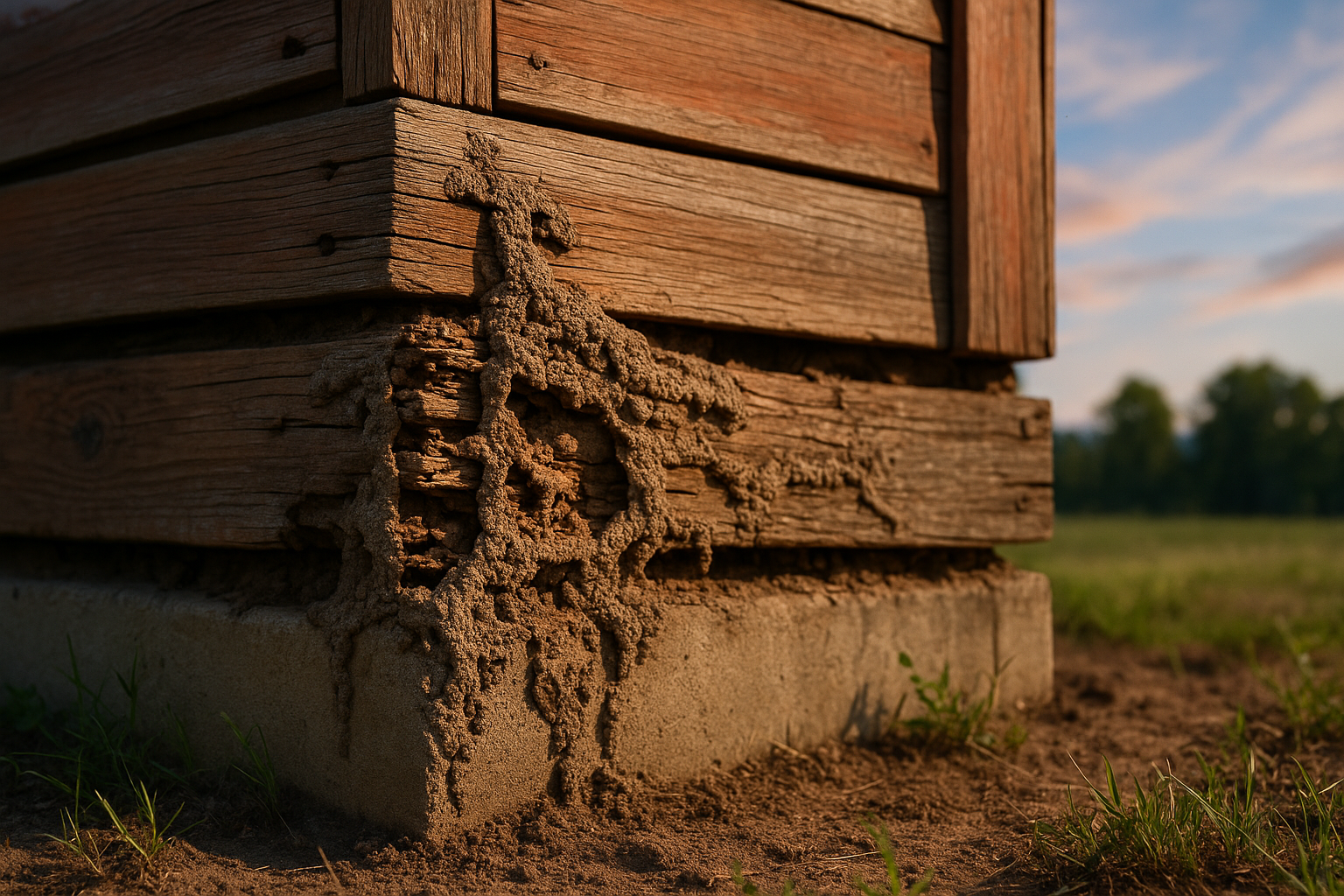
- Mud tubes along foundations, walls, or crawl spaces—clear pathways for subterranean termites.
- Hollow‑sounding wood when tapped, indicating internal galleries carved by drywood termites.
- Swarmers (alates) appearing near windows or lights in late winter and early spring.
- Frass (fine wood pellets) near entry points, especially for drywood colonies.
2024 Dallas Neighborhood Case Study
In March 2024, the Dallas Morning News reported a surge of termite activity in the Oak Cliff area after a series of heavy rains. Residents noticed extensive mud‑tube networks along their sidewalks and reported hearing a faint “hollow” echo when knocking on porch railings. Anthem Pest Control responded to over 150 calls within two weeks, confirming both subterranean and drywood infestations through moisture meter readings and visual inspections. The swift intervention prevented costly structural damage and highlighted the importance of early detection.
For official identification guidelines, consult the EPA termite identification page.
Seasonal Risks & Dallas Hotspots
Termites in Dallas are most active when the ground warms and moisture levels rise. In 2024 the NPMA reported a sharp spike in detections during April through July, with the highest weekly counts recorded in late May. Warm temperatures accelerate colony growth, while recent rains or irrigation keep the soil damp—two conditions termites love.
Peak Activity Months
Spring (April‑May) and early summer (June‑July) form the termite “golden window.” Soil temperatures above 68 °F trigger swarming flights, and any excess moisture—from natural rainfall or homeowners’ sprinkler systems—creates a conduit for workers to travel from the soil into wood. During these months you’ll notice more mud tubes along foundations, especially after a rainstorm.
Neighborhood Risk Profile
Dallas isn’t uniform; certain parcels present a higher threat:
- East Dallas – Heavy clay soils retain water longer, encouraging subterranean activity.
- Oak Cliff – An older housing stock means more cracks and gaps for termites to exploit.
- Lake Highlands – Proximity to lakes and frequent irrigation increase soil moisture levels.
Homes built before the 1990s often lack modern moisture barriers, making them prime targets during the peak season.
Practical Monitoring Tips
- Inspect foundations after each rainstorm for fresh mud tubes or hollow‑sounding wood.
- Check crawl spaces for dampness; install a dehumidifier if humidity exceeds 60 %.
- Keep vegetation trimmed at least 12 in away from the house to reduce soil moisture contact.
- Schedule a professional termite inspection before the end of May—early detection saves thousands.
For the latest statewide numbers, see the NPMA’s 2024 seasonal infestation statistics here. Staying aware of Dallas’s hot spots and timing your inspections with the spring surge can keep your home termite‑free year round.
Prevention Strategies for Homeowners
Keeping termites at bay starts with the basics—how water, wood, and air move around your house. Simple adjustments to grading, drainage, and ventilation can create an environment where pests simply won’t thrive.
Control Soil Moisture
- Grade the landscape away from the foundation. A gentle slope (about 5% grade) directs rainwater far enough to keep the soil dry at the base of your home.
- Maintain functional gutters and downspouts. Clean them regularly and install extensions so water is discharged at least 6 feet from the foundation.
- Install French drains or dry wells in areas where water tends to pool. This reduces the moisture that termites love.
Improve Ventilation & Reduce Wood‑to‑Soil Contact
Good airflow dries out wood and soil, cutting off termite food sources. Seal any direct contact between wooden siding, decks, or crawl‑space joists and the ground. Use pressure‑treated lumber for any new contact points and add vapor barriers under crawl‑space floors.
Schedule Regular Inspections
Two levels of checks keep you ahead of an infestation:
- Annual visual inspections: Walk the perimeter, look for mud tubes, hollow‑sounding wood, or shed wings.
- Professional audits: A licensed technician can spot hidden activity with moisture meters and infrared tools. Aim for a professional visit at least once every 12 months.
DIY vs. Professional Prevention
Homeowners often wonder whether a DIY approach can replace a professional service. Here’s a quick comparison:
| Aspect | DIY Prevention | Professional Treatment |
|---|---|---|
| Scope | Spot treatments (soil sprays, wood sealants) | Full‑property barrier (pre‑construction) or post‑construction foam injection |
| Product Safety | Often limited to over‑the‑counter chemicals, may lack EPA approval | EPA‑approved, low‑toxicity formulations applied by certified applicators |
| Effectiveness | Variable; depends on proper application and coverage | Consistent, engineered to protect all soil zones around the structure |
| Long‑Term ROI | Potentially higher repair costs if gaps occur | Reduced likelihood of costly structural damage; often covered by warranties |
Cost Ranges (EPA/Texas Dept. of Agriculture data)
When budgeting, keep these typical price bands in mind:
- Pre‑construction barrier: $1,200 – $1,800 per home. This is applied before the foundation is poured and creates a permanent shield.
- Post‑construction treatment: $800 – $1,500. Ideal for existing homes; a foam or liquid barrier is injected around the foundation after construction.
Both options use EPA‑approved products, ensuring safety for your family and pets while delivering long‑term protection.
Bottom Line for Homeowners
Investing in proper grading, drainage, and ventilation is the cheapest first line of defense. Pair those steps with a scheduled inspection routine, and you’ll know exactly when a professional barrier or treatment makes sense. The upfront cost of a professional service pays off by preventing structural damage, expensive repairs, and the stress of a full‑scale infestation.

Treatment Options Explained
Liquid Termiticides (Fipronil, Imidacloprid)
Liquid termiticides are the industry’s workhorse. A certified technician drills small holes in the foundation and injects a continuous barrier of chemical around the perimeter and beneath the slab. The most common active ingredients—fipronil and imidacloprid—disrupt the termite’s nervous system, preventing it from feeding and reproducing. According to the National Pest Management Association (NPMA), properly applied liquid barriers achieve a 95 % success rate in eliminating active colonies.
Pros:
- Long‑lasting protection (up to 5 years with re‑treatment)
- Effective against both subterranean and dry‑wood species
- Can be combined with baiting for a dual‑action approach
Cons:
- Requires professional installation and strict safety protocols
- Potential concerns about chemical exposure for pets and children, though EPA‑approved formulations meet strict safety standards (EPA safety data).
Baiting Systems
Bait stations are placed discreetly around the home’s perimeter, typically in the soil or crawl spaces. Each station contains cellulose material laced with a slow‑acting insecticide that termites share via trophallaxis, ultimately collapsing the colony from the inside out. Technicians monitor the stations every 3–6 months, replacing or re‑treating as needed.
Advantages over chemicals:
- Minimal environmental footprint—no large‑area chemical applications
- Reduced risk of accidental exposure for residents and pets
- Visible evidence of activity (stations show termite presence or absence)
Foam Treatments
Foam termiticides are injected into hard‑to‑reach voids such as wall cavities, hollow‑core slabs, and beneath deck boards. The expanding foam carries the active ingredient into cracks and crevices that liquid barriers can’t fully cover. This method is especially valuable in retrofits where drilling isn’t feasible.
Benefits include rapid penetration, immediate knock‑down of termites in the treated area, and the ability to seal gaps while delivering the pesticide.
Emerging Non‑Chemical Methods
Homeowners increasingly ask about alternatives to chemicals. The most promising non‑chemical options are:
- Heat treatment: Raising wood temperatures to 120 °F (49 °C) for several hours kills termites at all life stages. It’s chemical‑free but requires specialized equipment and careful monitoring to avoid damage to heat‑sensitive items.
- Microwave treatment: Focused microwave energy heats termite galleries, delivering lethal temperatures without affecting surrounding structures. Currently limited to small, localized infestations.
- Electrocution: High‑voltage pulses are applied to wood, creating a lethal electrical field. Effectiveness is still under study, and it’s best used as a supplemental tool.
Case Example: Anthem Pest in Lakewood
In a recent Lakewood project, Anthem Pest Control faced a mature subterranean colony hidden beneath a concrete slab. The team combined a liquid fipronil barrier with strategically placed bait stations. Within 30 days, monitoring showed no new activity, and a final inspection confirmed complete colony elimination. The homeowner praised the swift resolution and the company’s transparent communication throughout the process.
Choosing the right treatment depends on the infestation’s severity, the home’s construction, and the homeowner’s comfort with chemicals. Anthem Pest’s licensed technicians evaluate each factor, recommend a tailored plan, and ensure all applications comply with EPA safety guidelines.
Choosing a Local Professional
What to look for in a pest‑control company
When you’re hunting for a pest‑control partner, the cheapest quote isn’t always the safest choice. Focus on the fundamentals that protect both your home and your wallet.
- Licensing & insurance: Verify that the company holds a state‑issued pest‑control license and carries liability insurance. This proves they meet legal standards and can cover accidental damage.
- Guarantees & warranties: A solid service guarantee shows confidence in the treatment. Look for clear terms on re‑treatment windows and what’s covered.
- Local reviews: Real homeowners in your neighborhood can reveal reliability, punctuality, and effectiveness. Check Google, Yelp, and community forums for patterns.
- Response time: Pests don’t wait, and neither should you. Companies that promise a 24‑hour or same‑day response reduce the chance of an infestation spreading.
- Transparent pricing: Detailed estimates prevent surprise fees. Look for upfront cost breakdowns rather than vague “starting at” figures.
Why Anthem Pest stands out
Anthem Pest checks every box on the evaluation list, and it adds a few extras that make a real difference for homeowners.
- All technicians are Texas‑licensed and undergo continuous training on the latest EPA‑approved products.
- We guarantee a 24‑hour response window for emergency calls, so you’re never left waiting.
- Our pricing is fully transparent—no hidden fees, no surprise add‑ons.
- We back every treatment with a 90‑day warranty, giving you peace of mind after the job is done.
Feature comparison
| Feature | Anthem Pest | Generic Competitor |
|---|---|---|
| State licensing | Yes – Texas‑licensed technicians | Varies, often unclear |
| Insurance coverage | Full liability insurance | Limited or none |
| Response time | 24‑hour emergency response | 48‑72 hours |
| Warranty length | 90‑day guarantee | 30‑day or none |
| Price range (average per visit) | $120‑$180 | $150‑$250 |
Ready to protect your home?
Give Anthem Pest a call at 877‑371‑8196 or schedule your service online at anthempest.com. Our local experts are standing by to deliver safe, effective, and affordable pest control tailored to your home.
Frequently Asked Questions
Below are quick answers to the most common termite questions we hear from homeowners across the country, helping you make informed decisions about treatment and prevention.
How long does a treatment last?
A professional termiticide barrier typically remains effective for 3 to 5 years, depending on product type, soil conditions, and local climate. Regular inspections help confirm the barrier’s integrity and let us re‑treat before any loss of protection. For detailed chemical lifespan, see the EPA safety data. We also schedule a follow‑up inspection at the three‑year mark to verify continued efficacy.
Will chemicals affect pets or children?
All EPA‑registered termite products we use are formulated to minimize exposure to humans and pets when applied by certified technicians. Areas are ventilated and treated zones are restricted until the label‑specified drying time passes. Children and pets can safely return once the area is dry, as confirmed in the EPA safety data. Our technicians wear protective gear and follow strict decontamination protocols to further reduce any risk.
Can I install a DIY barrier safely?
DIY termite barriers are available, but they require precise application, proper soil preparation, and strict adherence to label instructions—mistakes can leave gaps that termites exploit. For most homeowners, a professional service ensures a uniform, long‑lasting shield while avoiding accidental over‑application. Review the product’s label on the EPA safety data page before attempting any DIY work. If you are unsure about any step, contact us for a free on‑site assessment before proceeding.
What warranty or guarantee is offered?
Anthem Pest Control backs every termite treatment with a 3‑year performance guarantee that covers re‑treatment if activity returns within the warranty period, provided routine inspections are performed as scheduled. The guarantee also includes a written warranty outlining exclusions and homeowner responsibilities. Full terms are available in the EPA safety data reference and our service agreement. The warranty also transfers to new owners if you sell your home, adding resale value.
Take Action with Anthem Pest Today
Dallas homeowners face a high termite threat—soil‑contact, subterranean, and dry‑wood species can silently damage foundations, decks, and furniture. Early detection and professional treatment are the most cost‑effective defenses, stopping infestations before they spread.
- Spot the signs: mud tubes, hollow‑sounding wood, and swelling floors.
- Act fast: a prompt inspection can save thousands in structural repairs.
- Trust local experts: our technicians know Dallas’ climate and termite behavior.
Ready to protect your home? Schedule a free, no‑obligation inspection today. Our certified technicians will assess your property, explain any findings, and outline a tailored treatment plan.
Proactive termite management not only safeguards your family’s health but also preserves your property’s resale value. By partnering with Anthem Pest, you gain access to ongoing monitoring and seasonal follow‑ups, ensuring that any new activity is caught early.
Our free inspection includes a comprehensive report, photos of any damage, and a clear, step‑by‑step action plan you can trust.
Our promise: safe, effective solutions delivered with transparent pricing, so you never face surprise costs.
Call us now at 877‑371‑8196 or visit Anthem Pest Control to book your inspection.