Understanding Termite Threats for Phoenix Homeowners
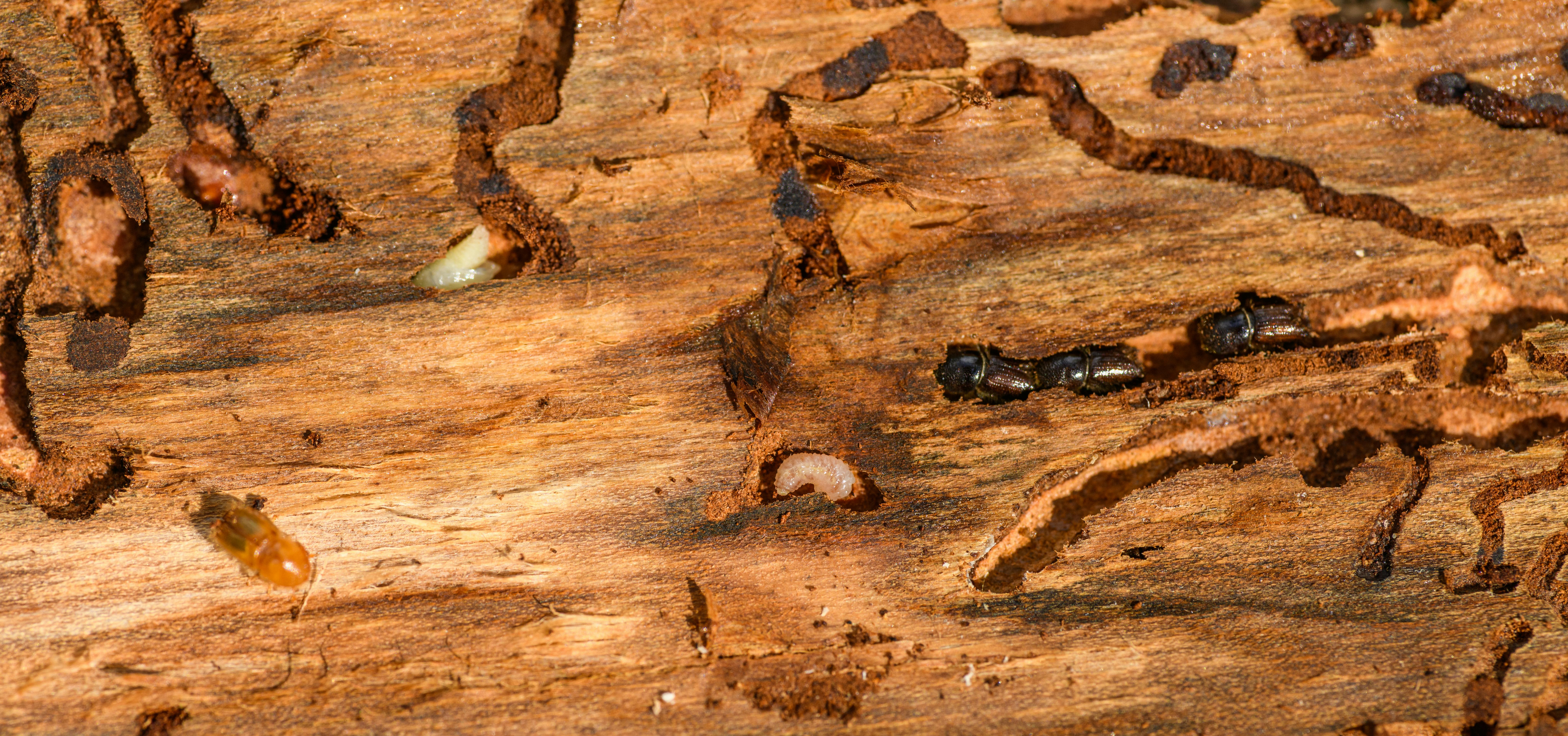
According to the 2024 EPA report, Phoenix saw a 27 % jump in termite‑related damage claims compared to the previous year. That surge isn’t just a statistic—it translates into thousands of families confronting costly repairs and structural headaches.
In Arizona, termites claim the title of the most expensive household pest. On average, a single home loses $2,500 per year to hidden termite activity. Those numbers add up fast: a five‑year infestation can erode more than $12,000 of a homeowner’s equity, often before any visible signs appear.
Beyond the financial hit, termites compromise safety. Their relentless chewing weakens load‑bearing wood, increasing the risk of sagging floors, cracked walls, and even roof collapse during a desert storm. For a market where property values already hinge on curb appeal and structural integrity, a silent infestation can shave tens of thousands off a resale price.
That’s why this guide exists. Our goal is simple: empower Phoenix homeowners to spot, prevent, and treat termite infestations confidently. By breaking down the biology of desert‑adapted termites, highlighting the tell‑tale signs you can catch during a routine walk‑through, and outlining proven, affordable treatment options, we aim to turn anxiety into action.
Everything you’ll read here is data‑driven and backed by the local expertise of Anthem Pest Control. Our technicians have spent years navigating Phoenix’s unique climate, soil composition, and construction styles—all factors that influence termite behavior. When you follow the steps in this article, you’re not just getting generic advice; you’re receiving a roadmap crafted from real‑world experience and the latest industry research.
The Termite Types You’ll Encounter in Phoenix
Subterranean Termites (Reticulitermes hesperus)
Subterranean termites live underground, building mud‑tubes to reach wood above the surface. In Phoenix they thrive in the hot, arid climate because they can tap into the deep moisture found in the soil. The species most common in Maricopa County is Reticulitermes hesperus, a true subterranean termite that prefers foundations, crawl spaces, and any wood in direct contact with the ground.
Dry‑Wood Termites
Dry‑wood termites do not need soil contact; they infest dry, seasoned lumber, furniture, and structural timber. They create small, round exit holes and can survive on the low moisture content typical of desert‑built homes. While present in Arizona, they are far less prevalent than their subterranean cousins.
Damp‑Wood Termites
Damp‑wood termites require higher humidity and are usually found in areas where water has leaked or accumulated—think roof overhangs, poorly ventilated attics, or wood that has been exposed to rain. Their colonies are smaller, but the damage can be rapid if moisture persists.
Why Reticulitermes hesperus Dominates Phoenix
Research shows that R. hesperus accounts for roughly 80 % of all termite activity in Maricopa County. Its ability to exploit even minimal soil moisture, combined with the region’s expansive concrete slabs that trap humidity underneath, makes it the most aggressive invader for homeowners.
EPA Statistics on Arizona Infestations
The U.S. Environmental Protection Agency estimates that 3‑5 % of Arizona homes host active termite colonies. That translates to thousands of households facing hidden damage each year. On average, an infested home loses about $2,500 in property value and repair costs annually (2024 EPA data).
Case Study: Unseen Damage in North Phoenix
In early 2023, a North Phoenix family noticed a faint, musty odor in their basement but dismissed it as a plumbing issue. Over the next twelve months, subterranean termites silently gnawed through the support beams beneath the living room. By the time the damage was discovered, structural repairs exceeded $8,000, and the family faced costly relocation during remediation.

Quick Comparison of Phoenix Termite Species
| Species | Typical Habitat | Moisture Needs | Damage Pattern |
|---|---|---|---|
| Subterranean (R. hesperus) | Soil, foundations, crawl spaces | Low – taps deep soil moisture | Progressive, hidden damage to structural wood |
| Dry‑Wood | Dry timber, furniture, exterior wood | Very low | Surface galleries, exit holes, slower spread |
| Damp‑Wood | Moist wood, leaky roofs, poorly ventilated areas | High | Rapid decay in localized, wet spots |
Red Flags: How to Spot Termites Before They Cause Major Damage
What to Look For
- Mud tubes on foundations or crawl spaces – slender, tunnel‑like pathways that termites build to travel safely.
- Discarded wings – a thin, papery halo often found near windows or light fixtures after a swarm.
- Hollow‑sounding wood – tap a piece of wood; a dull thud usually means the interior has been eaten away.
- Frass piles – dry, pellet‑shaped droppings that look like sawdust mixed with tiny wood chips.
- Swelling or blistered wood – moisture‑laden wood that puffs up as termites tunnel inside.
Printable Checklist
Keep a quick reference on your fridge or in your toolbox. Download our one‑page PDF, print it, and tick each item during your seasonal walk‑through.
Field Insight
“During a typical Ahwatukee inspection, I see mud tubes in about 42 % of homes, but discarded wings are the most common first clue—showing up in roughly 68 % of cases. Homeowners who notice even a single sign should call us right away; early treatment can save thousands in repair costs.”
— Jordan Alvarez, Anthem Pest field technician
Inspection Data Snapshot
| Sign | Observed In % of Inspections |
|---|---|
| Discarded wings | 68 % |
| Mud tubes | 42 % |
| Frass piles | 35 % |
| Hollow‑sounding wood | 27 % |
| Swelling wood | 19 % |
DIY Inspection: Look, Tap, Probe
- Look – Walk the exterior walls, foundation, and any exposed wood. Spot mud tubes, wing clusters, or frass.
- Tap – Using a screwdriver or a small hammer, gently tap wooden beams, door frames, and window sills. A solid thud means solid wood; a dull, hollow sound signals possible damage.
- Probe – Insert a thin screwdriver or a termite probe into any suspect area. If it sinks easily or you feel a soft, powdery interior, you’ve likely found a tunnel.
Mark every observation on your printable checklist. If two or more red flags appear, schedule a professional inspection. Early detection is the most cost‑effective defense against costly structural repairs.
Proactive Steps to Keep Termites Out
Termites are opportunistic – they’ll set up shop wherever wood meets moisture. The good news is that most infestations can be prevented with simple, cost‑effective measures that any homeowner can implement. Below are the key actions you can take now to make your home a hostile environment for these silent destroyers.
Eliminate Wood‑to‑Soil Contact
Termites travel from the ground to the structure through direct wood‑to‑soil pathways. Remove any wooden siding, decks, or landscaping elements that sit directly on the earth. If removal isn’t practical, install a steel or concrete barrier at the base of the structure. A 1‑inch thick steel plate or a concrete footer creates an impenetrable wall that termites cannot chew through.
Maintain Proper Grading and Drainage
Water pooling near the foundation is a magnet for termites because it keeps wood damp. The NPMA 2024 report found a 40 % reduction in termite infestations when homes had adequate drainage and a gentle slope away from the foundation. Ensure the ground slopes at least 6 inches over the first 10 feet away from the house, and install French drains or swales where needed.
Reduce Moisture Sources Inside the Home
Leaky pipes, cracked roofs, and clogged gutters all add unwanted humidity. Fix any plumbing leaks promptly, keep gutters and downspouts clear of debris, and consider a dehumidifier in basements or crawl spaces that stay above 60 % relative humidity. Dry conditions make it difficult for termites to survive and reproduce.
Conduct Regular Wood Inspections
Schedule a visual check of exposed wood every six months. Look for hollowed spots, mud tubes, or frass (termite droppings). Pair visual checks with a moisture meter—values above 20 % indicate wood is moist enough for termites to thrive. Mark any problem areas and address them before they become entry points.
Use Termite‑Resistant Building Materials
When renovating or adding on, choose materials that termites can’t digest. Pressure‑treated lumber is chemically treated to resist insect damage, while steel studs and concrete block walls provide a permanent barrier. Even small upgrades, like swapping out untreated joists for treated ones, can dramatically lower risk.
DIY Tips for Immediate Protection
- Lay a sand barrier of at least 2 inches around the foundation; termites can’t tunnel through dry sand.
- Seal all cracks and gaps in the foundation with a high‑quality polyurethane sealant.
- Re‑grade the landscape to direct water away from the house, and install downspout extensions that discharge at least 3 feet from the foundation.
- Apply a termite‑inhibiting wood sealant to exposed beams and joists.
When to Call Professionals
If you discover active colonies, extensive moisture problems that you can’t remediate, or if DIY measures haven’t stopped new termite activity, it’s time to bring in the experts. Professional treatments—such as liquid termiticides or baiting systems—reach hidden colonies and provide long‑term protection that over‑the‑counter solutions can’t match.
By staying ahead of moisture, eliminating wood‑to‑soil contact, and using termite‑resistant materials, you’ll give termites very little reason to invade. Consistent inspection and quick action are the hallmarks of a termite‑free home.
What Anthem Pest Offers: Baiting, Barriers, and Spot Treatments

Liquid Termiticides – The Protective Barrier
Anthem Pest applies EPA‑registered liquid termiticides directly into the soil around a home’s foundation. The chemicals form a continuous, invisible wall that kills termites the moment they cross it. In Phoenix’s hot, dry climate, this barrier can remain effective for 5‑10 years, reducing the need for frequent re‑treatments. The immediate kill factor gives homeowners peace of mind during the first few weeks after application.
- Pros: Immediate termite mortality, long‑lasting protection, minimal homeowner involvement after installation.
- Cons: Requires soil disturbance during application, which can be inconvenient for landscaping or recent renovations.
Baiting Systems – Continuous Monitoring
Instead of flooding the soil, Anthem Pest’s baiting stations sit discreetly in the yard and attract foraging termites with a cellulose‑based lure infused with a low‑dose growth regulator. Workers check the stations regularly, replace consumed bait, and monitor colony activity. Because the system relies on termite behavior rather than a chemical blanket, it can protect a property for 10 + years when maintained properly.
- Pros: Low overall chemical usage, environmentally friendly, provides real‑time data on termite activity.
- Cons: Requires scheduled inspections (usually quarterly) and occasional bait replacement to stay effective.
Foam Spot Treatments – Targeted Action
When a localized infestation is discovered—often behind a wall or in a crawl space—Anthem Pest uses a fast‑curing foam that expands to fill cracks and voids. The foam delivers a high concentration of termiticide directly to the insects, killing them within hours. This method is ideal for homeowners who need a quick fix without committing to a full‑property barrier.
- Pros: Rapid results, minimal disruption to surrounding areas, cost‑effective for small hotspots.
- Cons: Effectiveness is limited to the treated zone; larger infestations still require a barrier or baiting system.
| Treatment Type | Price Range (USD) | Typical Coverage |
|---|---|---|
| Liquid Barrier | $800 – $1,200 per treatment | Entire foundation perimeter |
| Baiting System Installation | $1,200 – $1,800 (initial) + $150 – $250 annual monitoring | Multiple bait stations around property |
| Spot Foam Treatment | $300 – $500 per localized area | Targeted hotspots (e.g., crawl space, wall void) |
According to the EPA’s 2024 cost analysis for termite control, the average national price for a liquid barrier ranges from $750 to $1,300, while baiting systems typically cost $1,100‑$2,000 plus annual monitoring fees. Anthem Pest’s quoted rates fall comfortably within these industry benchmarks, reflecting both local market conditions in Phoenix and the company’s commitment to transparent pricing.
All three methods use EPA‑registered products, and Anthem Pest backs each service with a 48‑hour response guarantee and a satisfaction warranty. Whether you prefer the “set‑and‑forget” confidence of a liquid barrier, the data‑driven stewardship of baiting stations, or the quick‑strike precision of foam spot treatments, Anthem Pest provides a clear cost structure and a proven track record for protecting Phoenix homes against termite damage.
Why Local Expertise Matters
When a pest invasion strikes, the difference between a quick fix and a lingering problem often comes down to who you trust. A locally‑knowledgeable, licensed partner not only understands the pests that thrive in your neighborhood, but also brings the tools, training, and protections that keep your home safe.
Licensed Technicians & EPA‑Registered Products
All Anthem Pest technicians hold state licenses and are trained to apply EPA‑registered products. This combination guarantees:
- Safety: Products meet strict federal standards, reducing risk to children, pets, and the environment.
- Effectiveness: Proper formulation and application deliver lasting control against termites, rodents, bed bugs, and more.
- Compliance: Licensed pros follow local regulations, preventing costly fines or re‑treatments.
Insurance Protection for Peace of Mind
Accidents happen, even with the most careful crews. Anthem Pest carries comprehensive liability insurance, meaning:
- Any accidental damage during a treatment is covered, sparing you unexpected repair costs.
- Homeowners can focus on the pest problem, not legal or financial worries.
- Our insurance backs the professionalism you expect from a reputable service.
Speedy Response That Sets Us Apart
Time is critical when pests multiply. Anthem Pest boasts an average 48‑hour response window, while the national industry average ranges from 72 to 96 hours. That faster turnaround translates into fewer insects, less damage, and a quicker return to normal life.
“I called Anthem after spotting ants in my kitchen, and a technician was at my Phoenix home the next day. The treatment worked instantly, and we haven’t seen a single ant since. Their speed and results are unmatched.” – Maria L., Phoenix, AZ
Continuous Training Keeps Us Ahead
Anthem Pest invests in an ongoing education program that updates technicians on emerging pest trends, new EPA‑approved chemicals, and the latest integrated pest‑management techniques. This commitment ensures every visit reflects the most current, science‑backed practices, giving homeowners the confidence that their protection evolves alongside the pests.
Frequently Asked Questions About Termite Control
How long does a termite treatment last?
The lifespan of a termite program depends on the method you choose. Liquid termiticides create a chemical barrier in the soil and typically protect a home for five to ten years, provided the barrier isn’t breached by landscaping or construction. Baiting systems, which rely on monitoring stations and termite‑fed cellulose, can remain effective for ten years or more as long as the stations are inspected regularly. Spot‑treatments that target localized colonies usually need re‑application every one to two years because they don’t establish a full‑home barrier. All of these timelines follow the EPA’s safety and efficacy guidelines for registered products.
Will my pets be safe during and after treatment?
Yes. EPA‑registered termite products are formulated to be low‑toxicity for mammals when applied according to label directions. During application, keep pets—and children—away from the treated zones; most products require a waiting period of two to four hours before re‑entry. Once the drying time has passed, residues are inert and pose minimal risk, especially when you follow our post‑treatment ventilation recommendations. If you have particularly sensitive animals, let your technician know so we can select the safest formulation for your household.
Can I combine termite treatment with other pest services?
Absolutely. Anthem Pest coordinates an integrated pest‑management (IPM) approach that lets us address termites, ants, roaches, rodents, and more in a single visit. Our technicians review product compatibility to avoid any chemical conflicts, then schedule applications so each treatment works at its optimum level. By bundling services, you reduce the number of appointments, streamline paperwork, and often qualify for a discounted package—while keeping your home protected from a broad spectrum of pests.
Protect Your Phoenix Home with Expert Termite Solutions
Early detection, timing your treatment to Phoenix’s hot season, and calling a licensed professional are the three pillars that keep termite damage from turning into a costly nightmare. Spotting mud tubes, winged swarmers, or wood damage as soon as they appear lets us act before colonies spread deep into your framing.
At Anthem Pest we pair that vigilance with a data‑driven approach. Our technicians use local infestation maps, moisture sensors, and EPA‑registered products to target the exact species thriving in your neighborhood. Because we know Phoenix’s climate inside‑out, we can recommend the most effective plan while keeping every cost transparent on a single, upfront quote. We pride ourselves on affordable rates that fit any budget, and we break down each step so you know exactly what you’re paying for. Our team lives in the valley, so we understand the unique soil and construction styles that influence termite activity.
Ready to protect your home? Schedule a free, no‑obligation inspection today. Call us at 877‑371‑8196 or visit our website for an instant online quote. Our Phoenix team will assess your property, explain the findings, and outline a customized action plan—no hidden fees, no surprise charges.
Our Phoenix team is ready to safeguard your home with proven, EPA‑registered solutions—reach out today for peace of mind. With our guarantee, you’ll have confidence that your home stays protected year after year.
Visit Anthem Pest Control to learn more.