Why Carpet Beetles Matter for Georgia Homeowners
Common Species in the Southeast
In Georgia, homeowners dealing with carpet beetle control Suwanee issues most often encounter the varied carpet beetle (Anthrenus verbasci) and the black carpet beetle (Attagenus unicolor). Both thrive in warm, humid homes and are attracted to natural fibers such as wool, silk, feathers, and even pet hair. Their life cycles are short enough that a single infestation can explode within months if left unchecked.
How Adults and Larvae Cause Damage
Adult carpet beetles are harmless to your belongings; they live only long enough to mate and lay eggs. The real trouble starts with the larvae, which chew through carpet fibers, upholstery, clothing, and stored goods like blankets or seasonal décor. Their tiny, bristly bodies can tunnel unnoticed, leaving behind irregular holes, yellowish frass, and a faint, musty odor.
Economic and Emotional Impact
Repairing or replacing damaged textiles can quickly add up to several hundred dollars, especially when cherished heirlooms or custom drapery are involved. Beyond the financial hit, homeowners often feel a sense of violation—knowing tiny pests are silently eating away at their personal space. The stress of discovering a hidden infestation can disrupt daily life and diminish the comfort of a home you’ve worked hard to maintain.
Why It Matters for Your Overall Pest‑Management Strategy
Carpet beetles fit squarely into the EPA’s Integrated Pest Management (IPM) program. IPM emphasizes prevention, monitoring, and targeted treatment rather than blanket pesticide use. By understanding carpet beetle habits early, you can implement cultural controls—like regular vacuuming, proper storage of fabrics, and sealing cracks—that reduce reliance on chemicals and align with sustainable pest‑management goals.
Setting the Stage for Early Detection
Recognizing the signs of a carpet beetle problem before it spreads is the most cost‑effective defense. Look for tiny, oval larvae in seams, along baseboards, or tucked inside closets. Spotting adult beetles near windows or light fixtures can also be a clue that an infestation is brewing. In the next section, we’ll walk you through the exact steps to identify these pests and catch them early, so you can protect your home and peace of mind.
Spotting Carpet Beetles – Identification Guide
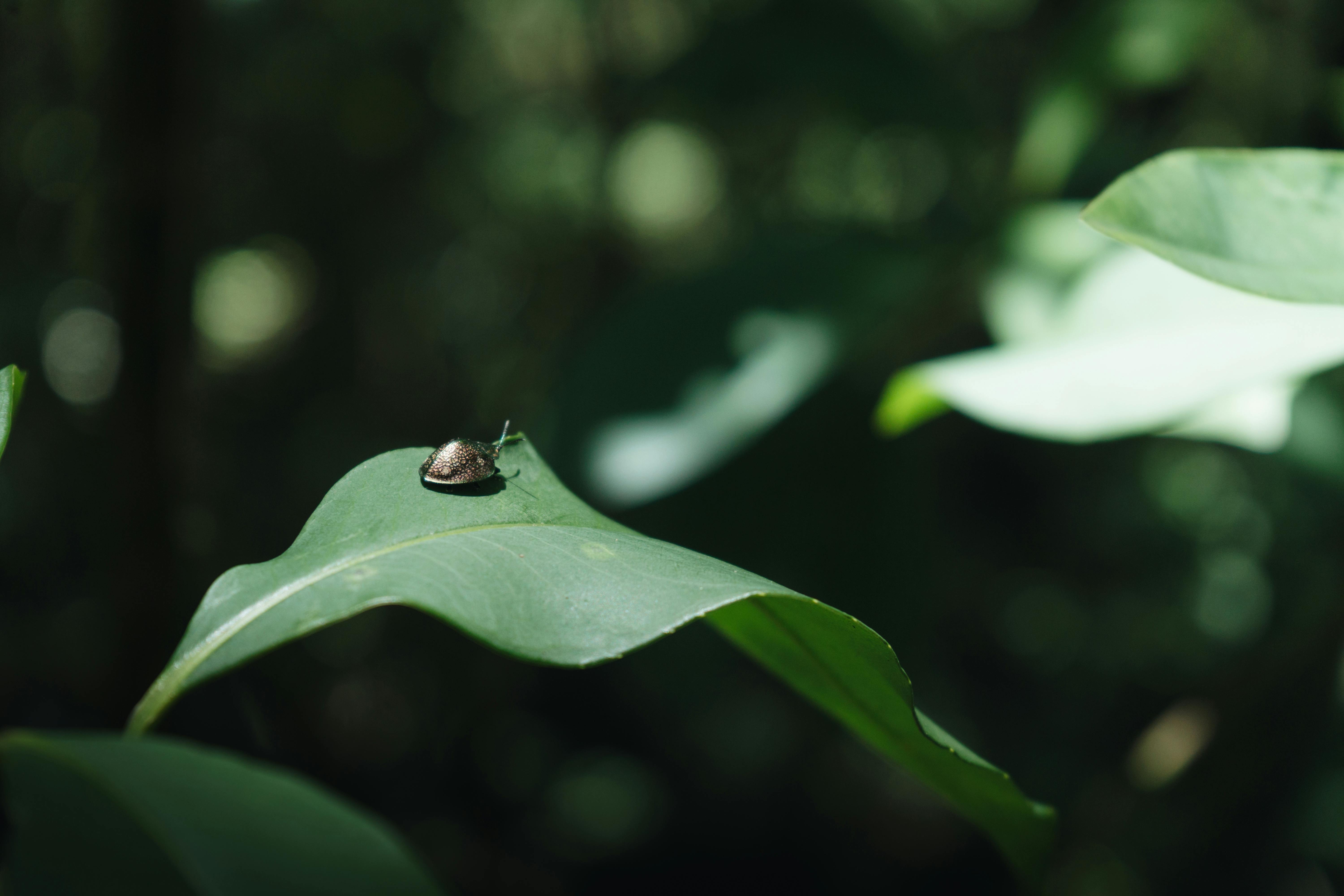
Adult Beetle: Size, Shape, and Coloration
Adult carpet beetles are small, typically ranging from 2 mm to 5 mm in length—about the size of a grain of rice. Their bodies are oval‑shaped and slightly convex, giving them a “doughnut” silhouette when viewed from above. The most distinctive feature is the mottled pattern of brown, tan, and white scales that creates a speckled appearance, helping them blend into fabrics and carpet fibers. Look closely at the antennae; they end in a subtle club that tapers slightly, a hallmark that separates carpet beetles from other household insects.
Larval Characteristics: The “Caterpillar‑Like” Stage
Carpet beetle larvae are often the real culprits behind damage, and they’re easy to recognize once you know what to look for. They are elongated, measuring up to 7 mm, with a soft, cream‑colored body covered in dense, bristly hairs that give a fuzzy, caterpillar‑like look. The hairs are usually darker at the tips, creating a striped effect along the body. Unlike the smooth adult, the larva’s head is distinct and equipped with chewing mouthparts, allowing it to gnaw on natural fibers such as wool, silk, and fur.
Habitat Clues: Where Adults and Larvae Hide
Adults are attracted to light, so you’ll often find them fluttering near windows, skylights, or any bright indoor source. They may also be spotted on ceiling fans, lampshades, or near indoor plants where they rest before laying eggs. In contrast, larvae prefer dark, undisturbed areas where they can feed undisturbed. Common hiding spots include the undersides of furniture, inside the seams of upholstered chairs, within stored blankets, and tucked into the folds of woolen clothing or rugs. If you discover a cluster of fine, hair‑like frass (insect droppings) in these spots, it’s a strong indicator of a larval infestation.
Quick Identification Checklist for Homeowners
- Adult beetles: 2–5 mm, oval, mottled brown/tan/white pattern, clubbed antennae.
- Larvae: 5–7 mm, elongated, fuzzy hair covering, cream body with darker hair tips.
- Adults near light sources: windows, lamps, ceiling fans.
- Larvae hidden in dark areas: under furniture, inside wool blankets, carpet seams.
- Presence of fine, brownish frass or tiny holes in fabrics.
- Visible damage to natural fibers—pilling, thinning, or small holes.
By comparing any insects you find to the macro photo above and running through this checklist, you can quickly determine whether you’re dealing with carpet beetles. Early identification is the first step toward effective control, helping you protect your home’s fabrics before the damage becomes irreversible.
Early Warning Signs of a Carpet Beetle Infestation
Carpet beetles are tiny, but the damage they cause can be anything but. For homeowners dealing with carpet beetle control Suwanee, catching the problem early is the difference between a quick clean-up and a costly restoration. Below are the most common clues that a carpet beetle crew has set up shop in your home.
- Shed skins and fecal pellets: As larvae grow, they molt frequently, leaving behind translucent skins that look like tiny, empty shells. Alongside these, you’ll often find fine, pepper‑like droppings on carpet fibers, under furniture, or in the corners of closets. Spotting a scattering of these on a rug or beneath a couch is a classic red flag.
- Small holes or thinning in natural fibers: Wool, silk, cotton, and even fur are prime meals for carpet beetle larvae. Over time, you may notice discreet holes, especially along seams or edges of blankets, sweaters, and upholstery. The fabric may feel thinner or develop a “worn‑out” look where the larvae have been feeding.
- Pepper‑like specks on clothing or bedding: Those tiny, dark specks are often the beetle’s fecal pellets or bits of crushed larval skins. They can appear as a fine dust on sheets, pillowcases, or the backs of chairs. If you start seeing a sprinkling of these specks after a wash, it’s worth investigating further.
- Adult beetles caught in light fixtures or windows: Adult carpet beetles are attracted to light. Finding a few small, oval‑shaped insects fluttering around ceiling fans, lamp shades, or stuck to windows is a strong indication that a breeding population is nearby.
- Seasonal spikes in activity: Carpet beetles are most active during the warmer months, typically from late spring through early fall. If you notice an uptick in any of the signs above during this period, cross‑reference the seasonal activity chart in Part 4 for a clearer picture of what to expect.
Documenting what you see makes it easier for a professional to pinpoint the source and severity of the infestation. Take clear photos of:
- Any shed skins or fecal pellets you discover.
- Holes or thinning areas on fabrics.
- Adult beetles caught in light fixtures or windows.
- The exact locations (room, furniture piece, or carpet area) where each sign appears.
When you call Anthem Pest Control, share these images and notes. Our technicians use that information to target treatment precisely, minimizing disruption to your home and saving you time and money. Early detection combined with thorough documentation is the fastest route to getting your carpets, clothing, and cherished fabrics back to a beetle‑free state.
When Are Carpet Beetles Most Active in Georgia?
Carpet beetles follow a predictable rhythm that’s tightly linked to Georgia’s warm, humid climate. The insects spend most of their lives as larvae hidden in carpets, upholstery, and stored foods, emerging to feed and reproduce when conditions are just right. In our region, temperature and humidity act like a thermostat and a humidifier for these pests—when both rise, beetle activity spikes.
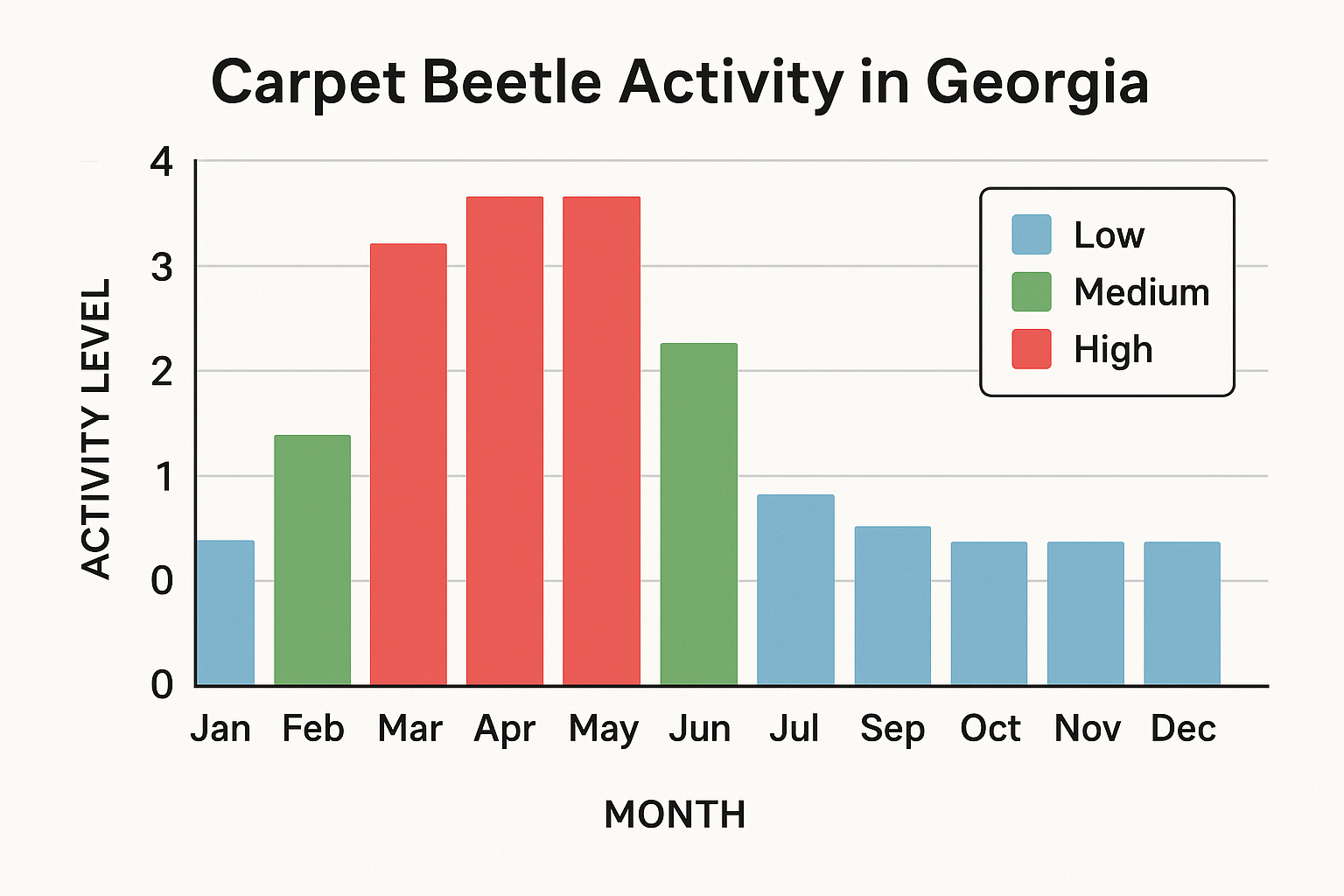
Reading the Seasonal Activity Bar Chart
The bar chart visualizes monthly activity levels, with the x‑axis representing the months and the y‑axis indicating relative beetle activity (low to high). You’ll notice a gentle rise beginning in March, a sharp climb through May and June, and the highest bars stretching from July to early September. After that, activity tapers off, reaching its lowest point from November through February.
Peak Months: Late Spring to Early Fall
In Georgia, the most vulnerable window runs from late May through early September. During this period, daytime temperatures regularly sit between 75 °F and 90 °F, and humidity often exceeds 60 %. Those conditions accelerate larval development and trigger adult beetles to lay eggs, flooding homes with fresh larvae that can quickly damage fabrics.
Lower‑Risk Periods
Winter months (December to February) and the early spring chill (March to early May) see dramatically reduced beetle activity. The cooler, drier air slows larval growth, and adults are less inclined to emerge. While infestations can persist unnoticed, the risk of new damage during these months is considerably lower.
Timing Your Inspections and Treatments
Plan a thorough inspection at the start of the peak season—late April or early May—so you can catch any hidden larvae before they explode in number. If you spot signs (e.g., shed skins, tiny beetles, or irregular holes in fabrics), schedule professional carpet beetle control Suwanee services promptly, ideally before the July-August surge. For DIY homeowners, a targeted vacuuming and application of an EPA-approved insecticide in May and again in August can keep populations in check.
By aligning your pest‑management calendar with these activity trends, you’ll reduce surprise infestations and protect your home’s carpets, clothing, and upholstery throughout the year. If you need a deeper dive or want a certified technician to handle the heavy lifting, Anthem Pest Control is ready to help you stay one step ahead of carpet beetles.
Treatment Options – From Targeted Sprays to Full‑Service Solutions
When carpet beetles strike, the first question is how quickly you can stop the damage. Homeowners often start with DIY approaches because they’re inexpensive and easy to implement. A thorough vacuum of carpets, rugs, and upholstery removes adult beetles, larvae, and eggs that are hiding in fibers. Follow the vacuuming with a hot‑wash cycle for all removable items—sheets, blankets, and clothing—using the hottest water safe for the fabric. Over‑the‑counter sprays containing pyrethrins or pyrethroids can be sprayed along baseboards and in closets, but they usually only provide short‑term knock‑down and may miss the hidden hotspots where beetles lay eggs.
Professional Targeted Spray
Our certified technicians take a data‑driven approach. First, they conduct a visual inspection and use handheld detectors to locate the exact “hotspots” where beetles congregate—often under furniture, in wall voids, or behind baseboards. Once identified, they apply a residual EPA‑approved insecticide directly to those zones. The formulation adheres to surfaces for weeks, creating a protective barrier that kills any beetle that crosses it, including newly hatched larvae.
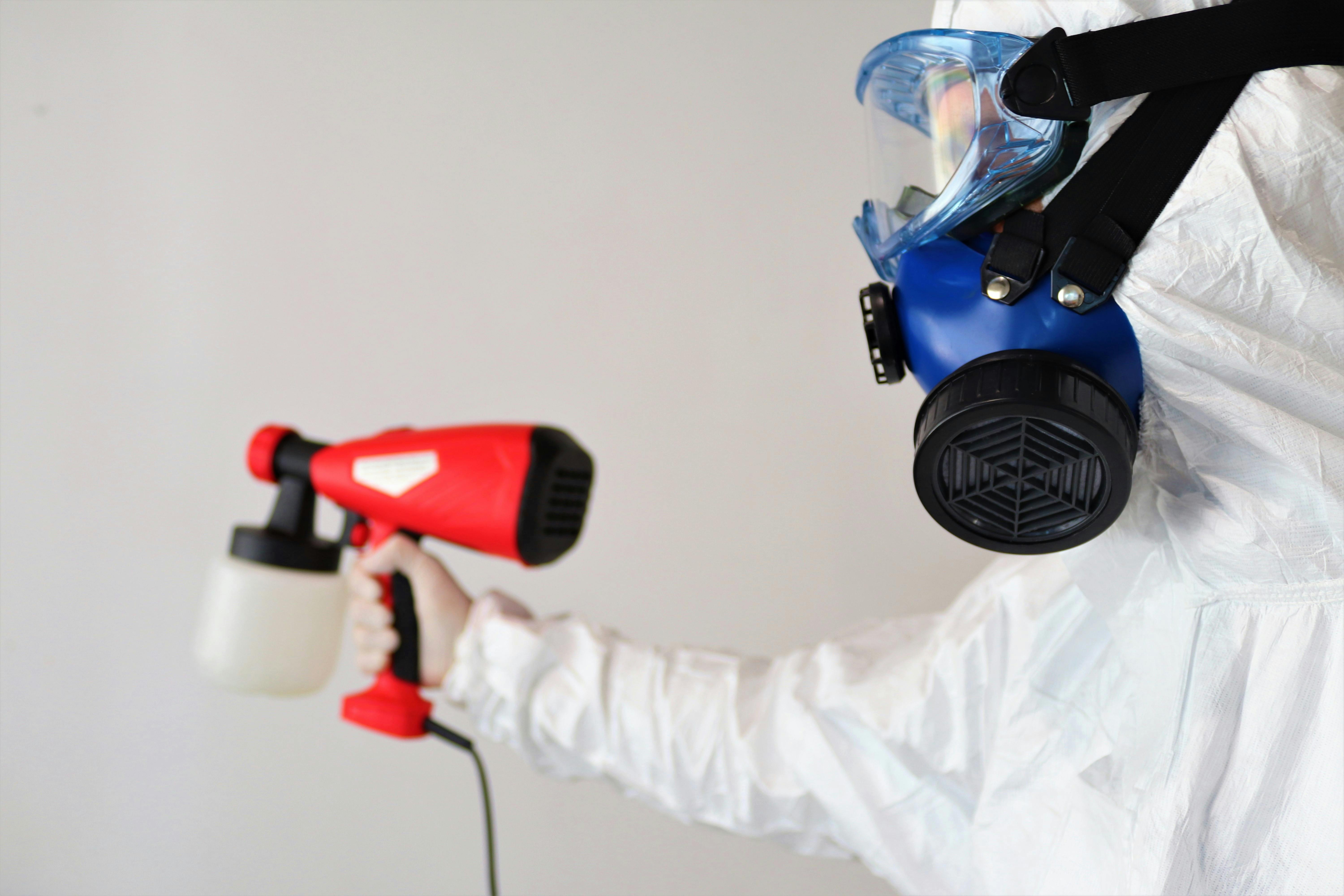
Full‑Service Plans
For moderate to severe infestations, a full-service plan is the most reliable route for carpet beetle control Suwanee homeowners. This comprehensive package blends three proven tactics:
- Targeted spray: The same residual treatment described above, covering all identified entry points.
- Heat treatment: Portable heaters raise room temperatures to 120–130°F for several hours, a level lethal to all life stages of carpet beetles without leaving chemical residues.
- Ongoing monitoring: Sticky traps and quarterly inspections keep the population in check long after the initial treatment, allowing us to intervene before a new outbreak takes hold.
Safety Considerations and EPA‑Approved Chemicals
Both DIY and professional options must respect household safety. Over‑the‑counter sprays often contain higher concentrations of pyrethrins, which can irritate skin or eyes, especially for children and pets. Our technicians exclusively use EPA‑registered products that have undergone rigorous testing for indoor use. These chemicals are applied at label‑specified rates, ensuring effectiveness while minimizing exposure risks. We also recommend keeping rooms well‑ventilated during and after application, and restricting access to treated areas for the period indicated on the product label.
Choosing the Right Method for Your Situation
Assess the severity of the infestation before deciding:
| Infestation Severity | Recommended Action | Key Benefits |
|---|---|---|
| Low – isolated spots, minimal damage | DIY vacuuming, laundering, and OTC spray | Low cost, quick implementation |
| Medium – multiple rooms, visible larvae | Professional targeted spray | Residual protection, precise hotspot coverage |
| High – widespread damage, recurring sightings | Full‑service plan (spray + heat + monitoring) | Comprehensive eradication, long‑term peace of mind |
If you’re unsure where you fall on this spectrum, give Anthem Pest Control a call. Our technicians will perform a free assessment, explain the pros and cons of each option, and tailor a plan that fits your budget and urgency. Acting promptly—whether with a DIY sweep or a full‑service treatment—prevents carpet beetles from turning a minor nuisance into a costly, fabric‑destroying problem.
How Much Does Carpet Beetle Control Cost in Suwanee, GA?
When carpet beetles start feasting on your linens, rugs, or stored clothing, the first question on most homeowners’ minds is “how much will it cost to stop them?” For homeowners researching carpet beetle control Suwanee, Anthem Pest Control offers three clear-cut service tiers that fit different budgets and levels of protection. Below you’ll see a quick price snapshot, what each tier delivers, and why the cheapest option isn’t always the best investment.
1. DIY Treatment Kit
The do‑it‑yourself kit is the most budget‑friendly entry point. It typically includes a spray bottle, a pre‑measured amount of insect growth regulator, and step‑by‑step instructions. Homeowners can expect to spend between $30 and $55 for a single kit that covers up to 1,500 sq ft. The kit provides one application and no warranty, so you’ll need to re‑apply every 30‑45 days during an active infestation.
2. Single‑Treatment Professional Visit
A licensed technician arrives, inspects the affected areas, and applies a professional‑grade formulation. Prices range from $120 to $180 for a one‑time service covering an average 2,000 sq ft home. This tier includes two targeted applications (initial and a follow‑up after two weeks) and a 30‑day guarantee that the beetles will be eliminated.
3. Full‑Service Annual Plan
For homeowners who want set‑and‑forget protection, the annual plan bundles quarterly visits, comprehensive interior and exterior treatments, and ongoing monitoring. The cost sits between $350 and $480 per year, depending on square footage and any special‑care items (e.g., delicate upholstery). Benefits include four applications, a 12‑month warranty, and priority scheduling for any flare‑ups.
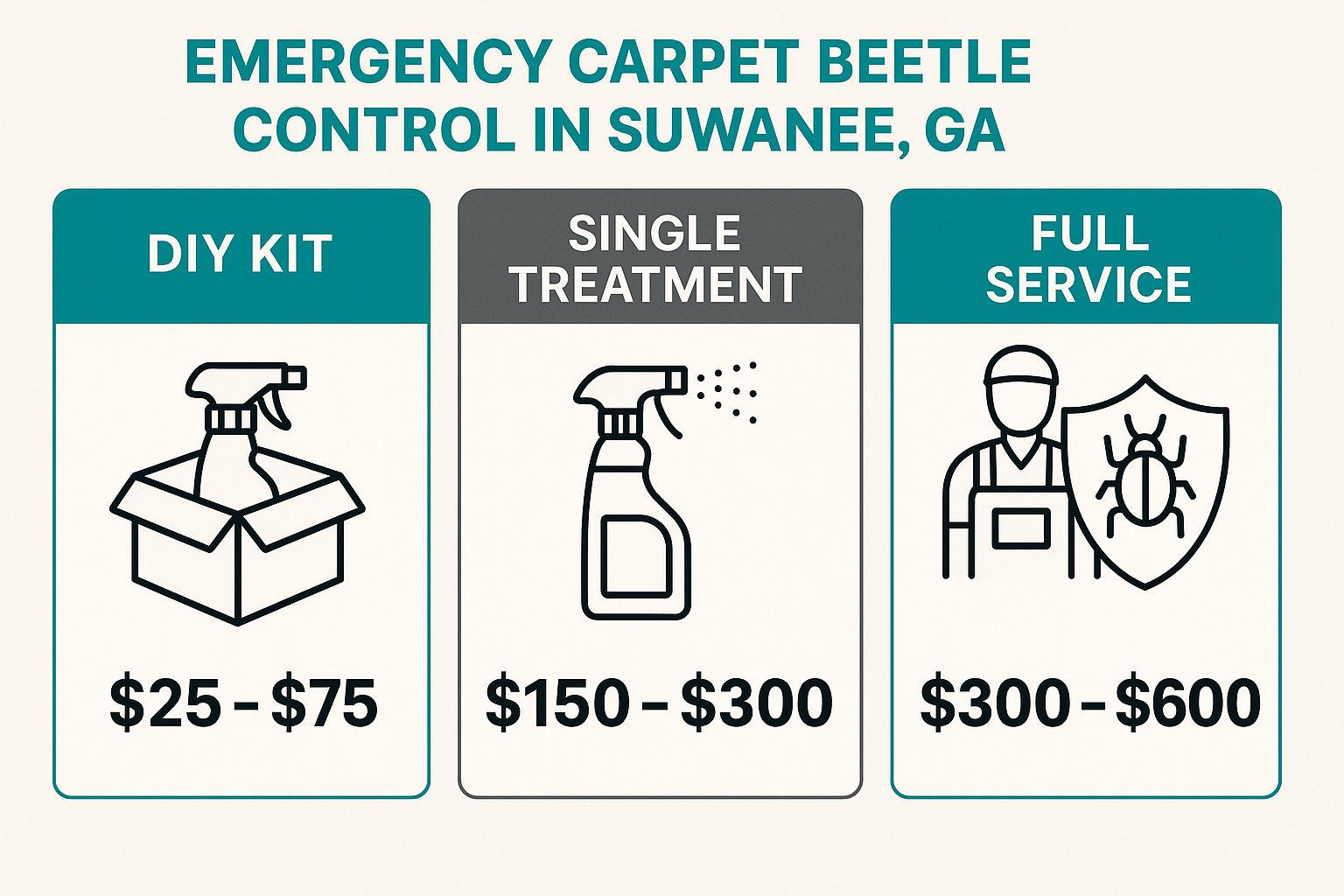
| Service Tier | Price Range | Applications Included | Warranty / Guarantee |
|---|---|---|---|
| DIY Kit | $30‑$55 | 1 (self‑applied) | None |
| Single‑Treatment Visit | $120‑$180 | 2 (tech‑applied) | 30‑day effectiveness guarantee |
| Full‑Service Annual Plan | $350‑$480 | 4 (quarterly) | 12‑month protection warranty |
Value Factors to Consider
- Effectiveness: Professional formulations penetrate deep into carpet fibers and hidden crevices, delivering higher kill rates than consumer sprays.
- Convenience: A technician handles mixing, timing, and safety precautions, freeing you from repeated DIY re‑applications.
- Long‑Term Protection: Annual plans include monitoring devices that catch early reinfestations before they become visible.
Tips for Evaluating ROI and Avoiding Cheap Pitfalls
Before you pick the lowest price, ask yourself:
- Does the solution cover the entire square footage of my home?
- Is there a guarantee that protects my investment if beetles return?
- Will the product be safe for pets, children, and delicate fabrics?
Cheaper, unbranded sprays often lack the residual activity needed for carpet beetles, meaning you’ll spend more time—and money—re‑treating. Investing in a reputable provider like Anthem Pest Control may have a higher upfront cost, but the reduced risk of repeated infestations and the peace of mind of a professional warranty usually deliver a better return on your dollars.
Protect Your Home and Call the Experts
By now you should be able to spot a carpet beetle problem before it turns your favorite garments into shredded memories. Remember the tell‑tale signs: small, round larvae hidden in seams, irregular holes in wool, and a faint, “coconut‑like” odor from damaged fibers. These pests are most active in the warm months of late spring through early fall, when indoor humidity spikes and they can complete multiple life cycles. When you notice the clues, you have three solid treatment paths: a DIY vacuum‑and‑steam routine, a targeted over‑the‑counter insecticide, or a professional, EPA‑registered spray that reaches deep into cracks and voids.
Quick Preventive Checklist
- Regular cleaning: Vacuum carpets, rugs, and upholstery weekly; empty the canister outdoors to prevent larvae from re‑infesting.
- Proper fabric storage: Keep seasonal clothing, blankets, and heirloom textiles in sealed plastic containers or vacuum‑sealed bags.
- Seal entry points: Use caulk or weather‑stripping to close gaps around windows, doors, and baseboards where adults can slip inside.
- Annual inspections: Schedule a professional walkthrough each year—ideally before the peak season—to catch hidden infestations early.
While a diligent homeowner can reduce the risk, the most reliable defense comes from partnering with a licensed, EPA‑compliant professional. Trained technicians know exactly where carpet beetles hide, can apply treatments that penetrate wall voids, and follow strict safety protocols to protect your family and pets. Their expertise also means you avoid costly trial‑and‑error with over‑the‑counter products that often miss the beetles’ hidden life stages.
Anthem Pest Control offers exactly that peace of mind. Our technicians are fully certified, use EPA‑approved solutions, and follow a transparent pricing model—no hidden fees, no surprise invoices. Because we serve homeowners nationwide, you get the same high‑quality service whether you’re in Suwanee or any other U.S. community.
Ready to take the next step? Request a free, no‑obligation quote today. Our friendly team will assess your situation, outline a customized prevention plan, and give you a clear cost estimate before any work begins.
Call us now at 877‑371‑8196 for a quick, friendly conversation. We’ll help you protect your fabrics, your home, and your peace of mind.
Visit Anthem Pest Control to learn more and schedule your carpet beetle control Suwanee inspection.