
Recognizing House Centipedes and Why They Matter
What a House Centipede Looks Like
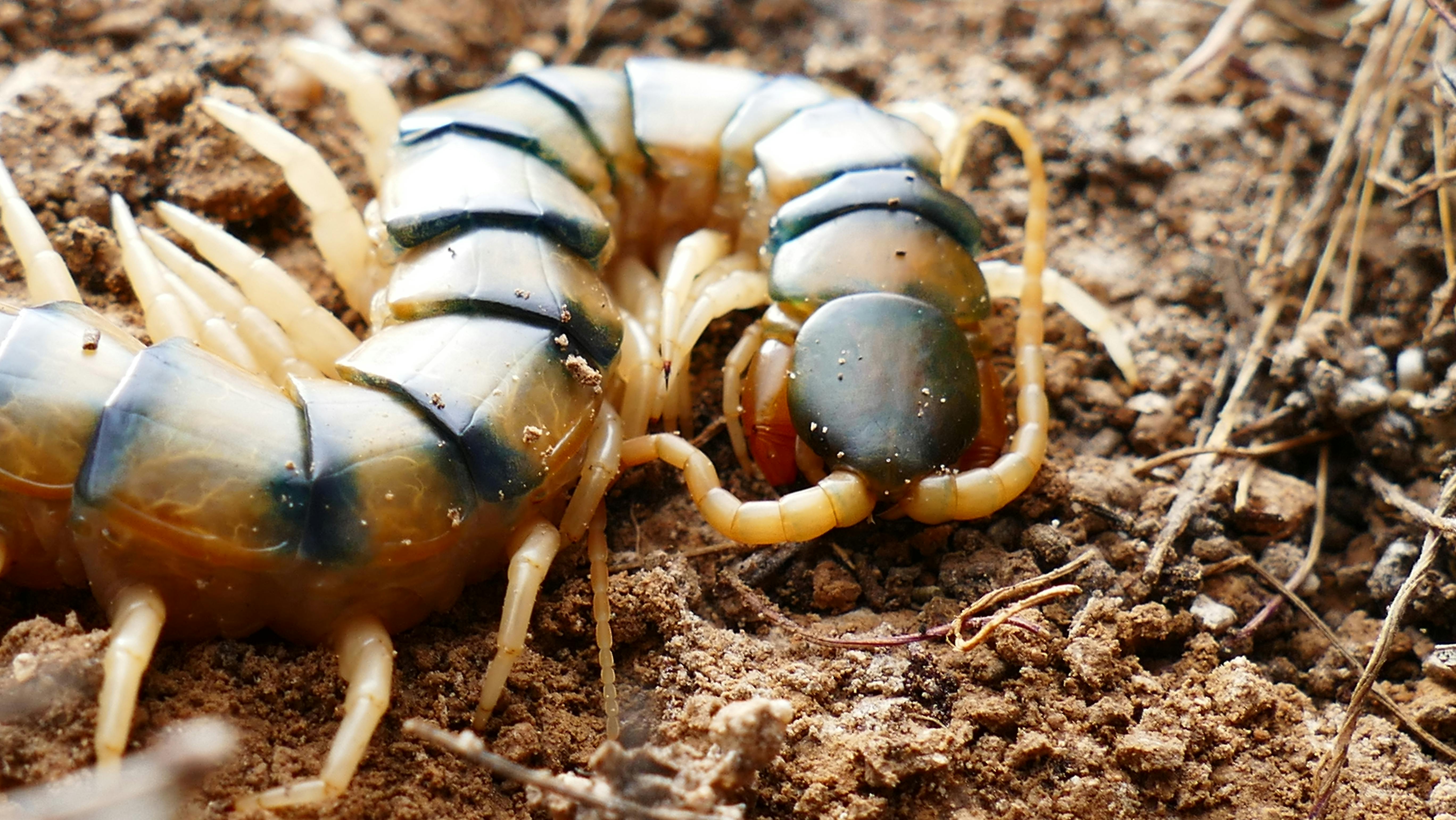
The common house centipede, Scolopendra morsitans, is instantly recognizable by its slender, pale-gray body that can stretch 1½ to 2 inches long. For homeowners focused on effective centipede control Decatur, identifying this species early is important. Its most striking feature is a set of 15 pairs of long, delicate legs that fan out from each body segment, giving it a spider-like silhouette. Unlike the bulky millipedes you might see outdoors, house centipedes move with a rapid, darting gait that can startle anyone who spots them scurrying across a bathroom tile.
Where They Hang Out Inside Your Home
These arthropods are moisture‑loving. They gravitate toward damp, cool spots where humidity stays high—think basements, crawl spaces, under sinks, and especially bathrooms. Cracks in foundation walls, leaky pipes, or standing water in shower trays provide the perfect micro‑climate for them to thrive. Because they prefer darkness, you’ll often find them near baseboards, behind cabinets, or tucked away in wall voids where the air stays moist.
Benefits vs. Risks: The Good, the Bad, and the Unsettling
House centipedes are natural predators of many household pests. They hunt cockroaches, flies, ants, and even spiders, helping to keep those populations in check without any chemical intervention. In that sense, they can be an unwelcome but useful ally.
However, there are two reasons homeowners typically worry. First, a centipede bite—while rare—can cause localized pain, redness, and swelling, similar to a bee sting. Second, the sight of a fast‑moving, many‑legged creature can trigger anxiety, especially for families with children or pets. Understanding the balance between their pest‑control benefits and the potential for bites helps you decide whether to tolerate a few individuals or call a professional.
Warning Signs of a Growing Centipede Population
- Increased sightings: Spotting more than one centipede in a week often signals a breeding colony nearby.
- Droppings: Small, black, pepper‑like specks on surfaces or in corners indicate feeding activity.
- Shed exoskeletons: As they molt, you’ll find translucent shells near entry points or under appliances.
Quick Tip for Early Detection
Place sticky traps in high‑moisture zones—under the bathroom sink, behind the washing machine, or along basement walls. Check them weekly; a single capture can alert you to an emerging problem before centipedes multiply.
What the Experts Say
The U.S. Environmental Protection Agency (EPA) recommends regular moisture control, sealing cracks, and using low‑impact traps as first‑line defenses against centipedes. For a deeper dive into EPA‑approved strategies, consult their Centipede Control guidance.
When Are Centipedes Most Active? A Seasonal Overview
Centipedes are cold‑blooded predators, so their daily hustle is tied directly to the environment around them. When the air warms above 68°F (20°C) and humidity climbs above 60%, their metabolism speeds up, allowing them to hunt, reproduce, and wander farther from the soil. Conversely, a drop in temperature or a dry spell forces them to retreat underground or into hidden cracks, where they enter a semi‑dormant state. This temperature‑humidity relationship explains why you’ll see a surge of sightings after a warm, rainy night and why they virtually disappear during a frosty, dry winter.
Seasonal Activity at a Glance
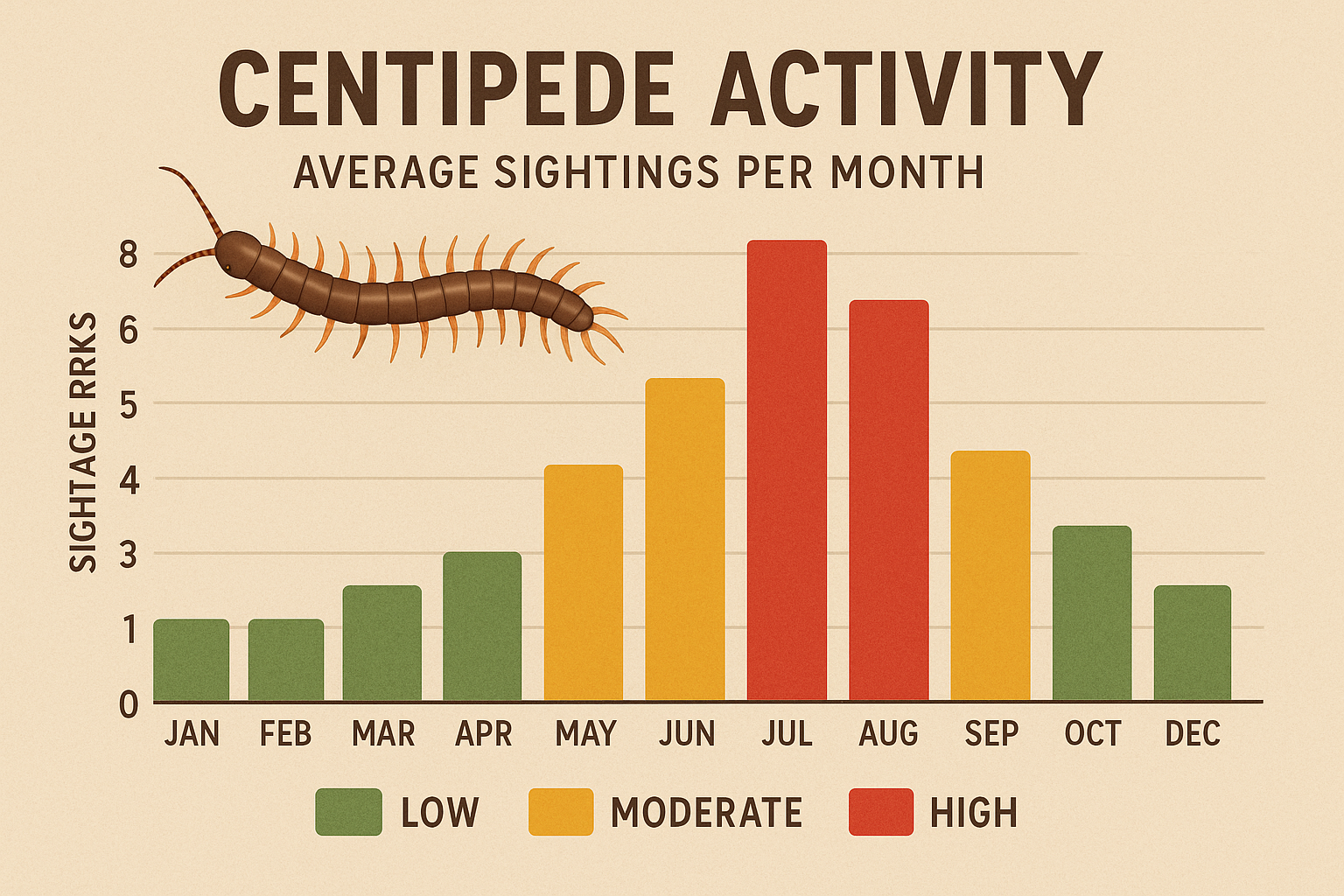
The chart above condenses ten years of local monitoring into a simple visual. Peak sightings cluster in July and August, when daytime highs regularly exceed 85°F (29°C) and nightly humidity stays above 70%. Activity tapers in May and September, then drops sharply once temperatures dip below 55°F (13°C) in late October. By December through February, centipedes are rarely encountered inside homes unless they’ve found a warm, moist refuge such as a leaky basement or a pile of stored firewood.
High‑Risk Summer Window (June – August)
June through August is the period you should treat as a red alert. During these months the combination of heat and summer storms creates ideal conditions for centipedes to migrate indoors in search of shelter and prey. Homeowners often report a sudden spike in hallway sightings, bathroom crawls, and kitchen corners where moisture accumulates. If you notice even a single centipede, it’s a signal that the surrounding environment is inviting—prompt a thorough inspection and consider a targeted treatment before the population explodes.
Seasonal Prevention Checklist
Proactive steps can keep centipedes at bay year‑round. Below is a quick, season‑specific checklist that aligns with the activity pattern described above.
| Season | Key Actions |
|---|---|
| Spring (Mar – May) |
|
| Summer (Jun – Aug) |
|
| Fall (Sep – Nov) |
|
| Winter (Dec – Feb) |
|
By aligning inspections and preventative measures with these seasonal cues, you’ll reduce the chance of an unexpected centipede invasion. Remember, the goal isn’t just to react after you see a creature crawling across the floor—it’s to create an environment where centipedes simply have no reason to enter your home.
DIY vs. Professional Centipede Control: Pros, Cons, and Best Practices
Common DIY Tactics
Many Decatur homeowners start with over-the-counter solutions before calling a pro for centipede control Decatur residents commonly attempt on their own. The most popular do-it-yourself methods include:
- Insecticidal sprays: Aerosol or ready‑mix products that claim to kill centipedes on contact.
- Diatomaceous earth: A powder that abrades the exoskeleton, leading to dehydration.
- Sticky traps: Glue‑coated pads placed along baseboards to catch wandering centipedes.
- Moisture control: Using dehumidifiers, fixing leaks, and improving ventilation to remove the damp environments centipedes love.
Safety Considerations for DIY Chemicals
Even “home‑friendly” products can pose risks if mishandled. Follow these safety steps every time you reach for a spray or powder:
- Wear chemical‑resistant gloves, goggles, and a mask to avoid skin irritation and inhalation.
- Ensure the treatment area is well‑ventilated; open windows and run fans.
- Store all pesticides out of reach of children and pets, and never apply them in areas where food is prepared.
- Read the label label carefully—some centipede sprays contain pyrethroids that can be toxic to cats and dogs.
Limitations of DIY Approaches
While DIY methods can reduce a few stray centipedes, they often fall short of delivering lasting control:
- Incomplete coverage: Sprays rarely reach hidden cracks, voids, or under‑floor spaces where centipedes hide.
- Resistance buildup: Repeated use of the same insecticide can lead to tolerant populations, making future treatments less effective.
- Recurring infestations: Without a thorough inspection, the source of moisture or entry points remains, inviting new arrivals.
Benefits of Hiring a Licensed Pest‑Control Provider
Professional technicians bring tools and expertise that most homeowners simply don’t have. When you work with a licensed company like Anthem Pest Control, you gain:
- Comprehensive inspection: Technicians use flashlights, moisture meters, and knowledge of local centipede habits to locate hidden colonies.
- Targeted, low‑risk treatments: Professionals apply EPA‑approved products in precise locations, minimizing exposure to family members.
- Warranty protection: Many service plans include follow‑up visits and guarantees that protect your investment.
- Long‑term prevention: Recommendations for structural repairs, landscaping adjustments, and moisture remediation are part of the service.
Step‑by‑Step DIY Inspection Guide
If you prefer to start with a basic self‑assessment, follow these five steps before deciding whether to call a pro:
- Identify entry points: Walk the perimeter of each room, looking for gaps around doors, windows, baseboards, and utility penetrations. Seal openings with caulk or weather‑stripping.
- Check moisture sources: Inspect under sinks, behind appliances, and in crawl spaces for leaks or condensation. Fix any drips and run a dehumidifier if humidity exceeds 50%.
- Set sticky traps: Place traps in corners, along walls, and near known hiding spots. Replace them weekly to monitor activity.
- Apply low‑risk treatments: Lightly dust diatomaceous earth in cracks and under furniture. Use a spray only in well‑ventilated areas and follow label directions.
- Document findings: Note the number of centipedes caught, locations of moisture, and any repeat sightings. This record helps you decide when professional help is warranted.
When to Upgrade to Professional Help
Even the best DIY effort can hit a wall. Consider calling Anthem Pest Control if you notice any of the following:
- Multiple centipedes appear in a single day or night.
- You or family members experience painful bites, especially on hands or feet.
- Moisture problems persist despite dehumidifiers and repairs.
- Centipedes are found in hard‑to‑reach places like wall voids, attic insulation, or under concrete slabs.
DIY vs. Professional: Quick Comparison
| Factor | DIY Approach | Professional Service |
|---|---|---|
| Initial cost | Low – purchase of sprays, traps, and protective gear. | Higher – service fee and possible follow‑up visits. |
| Coverage | Limited to visible areas. | Comprehensive – includes hidden voids and structural gaps. |
| Safety | Depends on user diligence; risk of exposure. | Handled by trained technicians with EPA‑approved products. |
| Long‑term effectiveness | Often temporary; may need repeated applications. | Integrated plan with warranty and preventive recommendations. |
| Time investment | Hours of inspection, trap placement, and re‑application. | One‑time service with optional scheduled maintenance. |
How Anthem Pest Professionals Treat Centipedes Safely and Effectively

Step 1: Homeowner Consultation & Thorough Inspection
When you call Anthem Pest Control, the first conversation focuses on what you’ve observed—scurrying centipedes in basements, damp crawl spaces, or near bathroom tiles. Our certified technician arrives with a detailed checklist, identifying the centipede species, estimating infestation density, and pinpointing moisture sources that attract these arthropods. By mapping out entry points, we can tailor a plan that targets the root cause, not just the visible critters.
Step 2: EPA‑Approved Treatment Options
Anthem relies exclusively on EPA‑registered products that balance potency with safety. Depending on the inspection findings, we may combine one or more of the following:
- Residual Sprays: Low‑toxicity insecticides applied to baseboards, wall voids, and outdoor perimeters create a lasting barrier that kills centipedes on contact.
- Baits: Strategically placed gel or granule baits attract centipedes, delivering an oral toxin that spreads through the colony.
- Structural Barriers: Silicone‑based sealants and moisture‑absorbing granules seal cracks and reduce humidity, depriving centipedes of the damp environments they love.
All formulations are chosen for rapid knock‑down while minimizing residues that could affect children or pets.
Step 3: Protective Gear & Low‑Toxicity Formulations
Our technicians wear N‑95 respirators, disposable gloves, and eye protection throughout the service. The chemicals we use are classified as low‑toxicity, meaning they break down quickly and pose negligible risk when applied according to label directions. We also offer “pet‑friendly” options that avoid pyrethroids, a common concern for owners of cats and dogs.
Step 4: Follow‑Up Schedule & Warranty Coverage
Effective centipede control doesn’t end after the first spray. Anthem schedules a post‑treatment check 7‑10 days later to assess mortality rates and address any surviving hotspots. A second inspection occurs at the 30‑day mark, during which we may apply a booster treatment if needed. All residential services come with a 90‑day warranty: if centipedes return within that window, we return at no extra charge.
Real‑World Success: A Decatur Homeowner’s Story
“We noticed centipedes crawling along our kitchen floor after a rainy week. Anthem’s technician identified a leaky pipe in the crawl space and treated both the interior and exterior. Within three days, the centipedes disappeared, and the leak was fixed. The follow‑up visit confirmed no new activity, and the price was exactly what was promised on the first call.” – J. M., Decatur, GA
Transparent Pricing & Customized Plans
Every home is unique, so Anthem provides a clear, itemized estimate before any work begins. Pricing factors include square footage, severity of the infestation, and the number of treatment zones required. For a typical 2,000‑sq‑ft residence with moderate centipede activity, the base package starts at $149, covering inspection, first‑time treatment, and the 30‑day follow‑up. Additional services—such as moisture remediation or extended warranty extensions—are listed separately, ensuring you never encounter hidden fees.
By blending meticulous inspection, EPA‑approved products, protective protocols, and a disciplined follow‑up routine, Anthem Pest Professionals deliver centipede control that’s both safe for your family and decisive against the pest. Our transparent pricing and customized approach give homeowners in Decatur confidence that the problem is handled once and stays solved.
Choosing the Right Emergency Centipede Control Package
When a centipede invasion strikes after dark, you need a solution that moves at the speed of the pest. For urgent centipede control Decatur homeowners can depend on, Anthem’s emergency response is available 24 hours a day, with a fast-acting treatment plan that gets to your door within hours of your call. Whether you’re in a compact apartment or a sprawling family home, our three service tiers are designed to match the urgency, size, and frequency of your problem.
Service Tier Comparison
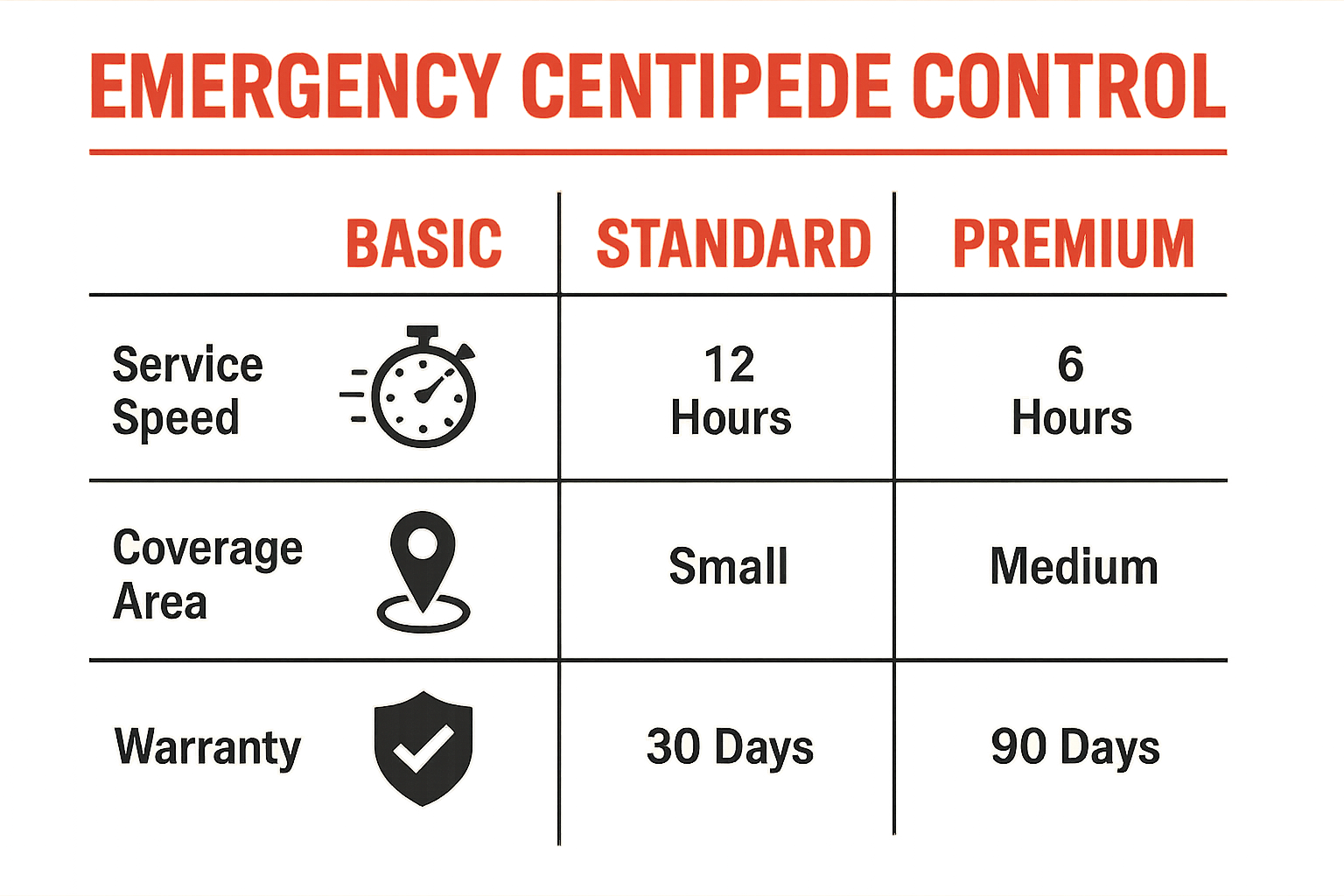
| Tier | Service Speed | Coverage Area | Warranty Length | Included Follow‑ups |
|---|---|---|---|---|
| Basic | Same‑day appointment (within 4 hrs) | Up to 1,200 sq ft | 30 days | One complimentary re‑inspection |
| Standard | Same‑day or next‑day (within 12 hrs) | Up to 2,500 sq ft | 60 days | Two re‑inspections + treatment boost |
| Premium | Immediate dispatch (within 2 hrs) | Up to 4,000 sq ft | 90 days | Unlimited re‑inspections, preventive barrier, and priority scheduling |
Which Tier Fits Your Home?
Small apartment or condo – If you’re dealing with a one‑off sighting in a space under 1,200 sq ft, the Basic package gives you rapid relief without extra frills. The single follow‑up is usually enough to confirm the centipedes are gone.
Medium‑sized family home – For houses between 1,200 sq ft and 2,500 sq ft, the Standard tier balances speed and coverage. Two follow‑ups let a technician verify that hidden cracks and baseboard gaps are sealed, reducing the chance of a repeat invasion.
Large property or recurring problem – If you own a spacious home, a multi‑unit building, or have noticed centipedes returning month after month, the Premium package is the safest bet. Unlimited re‑inspections and a 90‑day warranty ensure the pest is eradicated and stays that way, while priority scheduling means you never wait for an emergency crew.
Seasonal Discounts & Bundled Savings
During the spring and early summer months, Anthem offers a 10 % discount on any emergency centipede package when you pair it with our cockroach control bundle. This combined service not only saves you money but also addresses the shared entry points that both pests use, giving your home a more comprehensive shield against future infestations.
Protect Your Home Today – Get a Free Centipede Control Quote
Centipedes may seem harmless, but a sudden surge in their numbers can signal moisture problems, cracks, or other entry points that invite bigger pests. Spotting them early—especially during the warm, humid months when they’re most active—lets you act before a small nuisance becomes a full‑scale infestation. When moisture accumulates in basements or crawl spaces, it creates the perfect breeding ground for centipedes and other moisture‑loving insects. By sealing cracks and improving drainage now, you cut down the food source and keep future invasions at bay.
Why Professional Treatment Still Beats DIY
- Safety first: Certified technicians use EPA‑approved products that target centipedes without endangering children or pets.
- Proven effectiveness: Our integrated approach treats hidden nests, seals entryways, and reduces future risk, something most over‑the‑counter sprays can’t accomplish.
- Warranty peace of mind: A guaranteed treatment plan means you won’t be left scrambling if the pests return.
Free, Personalized Quote – No Obligation
Ready to take the next step? Simply give us a call or fill out the quick online form, and a local Anthem specialist will assess your situation, explain the best course of action, and provide a detailed, no‑cost estimate. If an emergency inspection is required, we can schedule it within 24 hours. Our technicians arrive fully equipped, wearing protective gear, and will walk you through each step so you know exactly what’s being treated and why.
What Sets Anthem Apart
Anthem Pest Control serves homeowners in every state, combining nationwide expertise with local knowledge of Georgia’s climate quirks. Our pricing is transparent—what you see is what you pay—so there are no surprise fees. Most importantly, we prioritize environmentally responsible solutions, using low‑toxicity treatments that protect your family and the surrounding ecosystem. We also back our work with a 12‑month guarantee, giving you confidence that any lingering activity will be addressed at no extra cost.
Don’t let a few centipedes turn into a night-time nightmare. For fast, reliable centipede control Decatur homeowners trust, call us today at 877-371-8196 or click here to request your free quote and secure a pest-free home.