Introduction to the Centipede Surge in Druid Hills
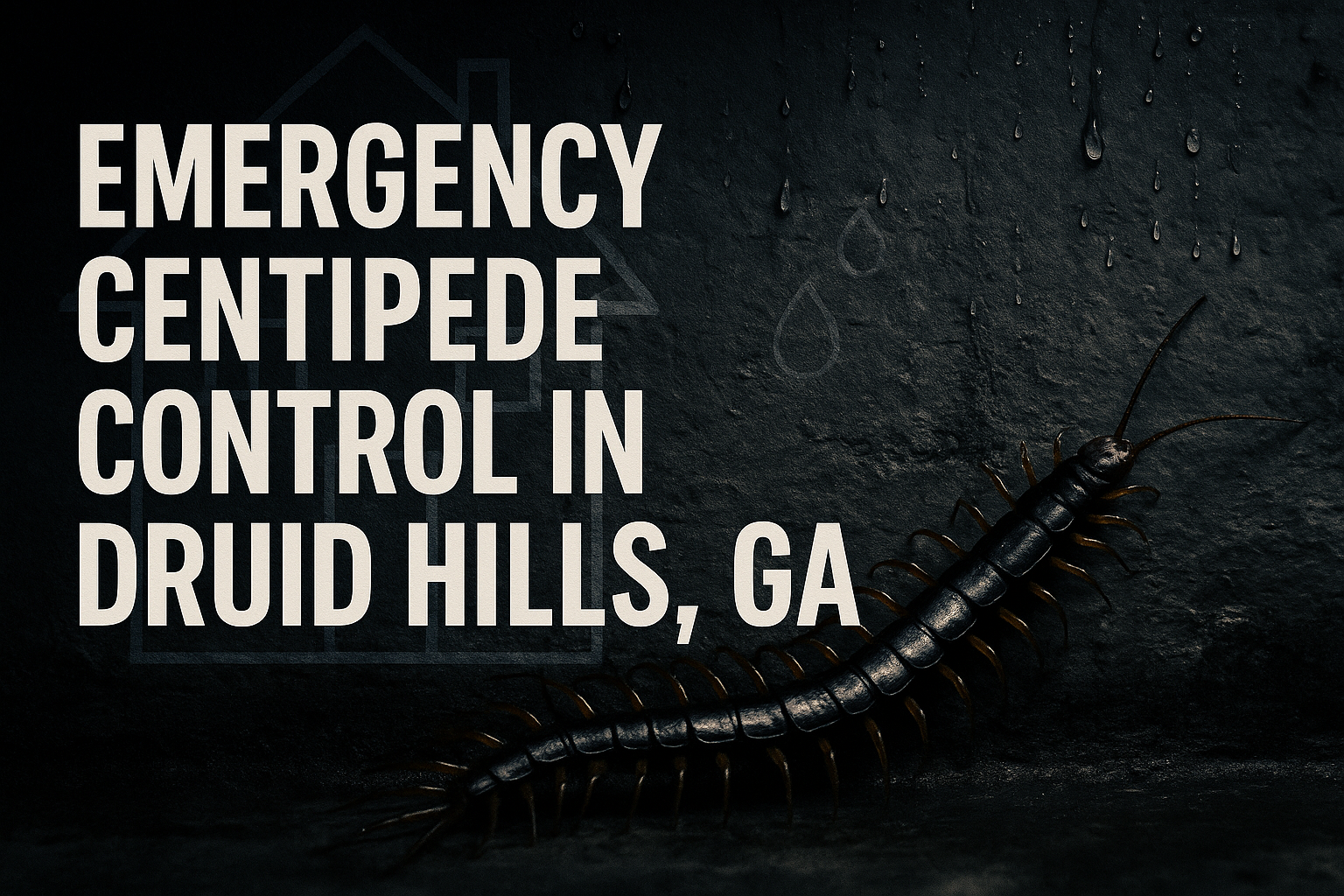
Just last week, a neighbor on Briarcliff Road called the local neighborhood watch after spotting three centipedes scurrying across his kitchen floor. In the past month, the Druid Hills Homeowners Association logged a 45% rise in centipede complaints, a spike that mirrors the region’s unusually wet spring. When a pest that usually hides in the shadows suddenly shows up in living rooms, it’s a clear signal that something in the home environment has changed.
Centipedes may look harmless, but their bite feels like a bee sting—sharp, throbbing, and sometimes accompanied by swelling. More importantly, a thriving centipede population tells you there’s excess moisture lurking behind walls, under decks, or in crawl spaces. That dampness not only invites these arthropods but also creates a breeding ground for mold, termites, and other destructive pests. In humid Georgia neighborhoods, ignoring the first few sightings can quickly turn a minor nuisance into an emergency.
Homeowners can tackle the problem with a simple four‑step response:
- Immediate actions: Reduce clutter, seal food sources, and use a vacuum to remove visible centipedes.
- Long‑term moisture control: Repair leaks, improve ventilation, and employ a dehumidifier in problem areas.
- Exclusion: Seal cracks, install door sweeps, and trim vegetation away from the foundation.
- Professional IPM: Engage a licensed pest‑management provider for a targeted, integrated treatment plan.
That’s where Anthem Pest Control steps in. As a fully licensed provider in Druid Hills, Anthem combines safe, EPA‑approved products with a proven Integrated Pest Management (IPM) approach. Their local expertise means they can pinpoint the moisture source, apply the right treatment, and give you a clear action plan—all while keeping your family and pets safe. When centipedes appear in droves, calling Anthem is the fastest way to protect your home and restore peace of mind.
Centipede Biology and Habitat in Georgia
Anatomy and Moisture Preference
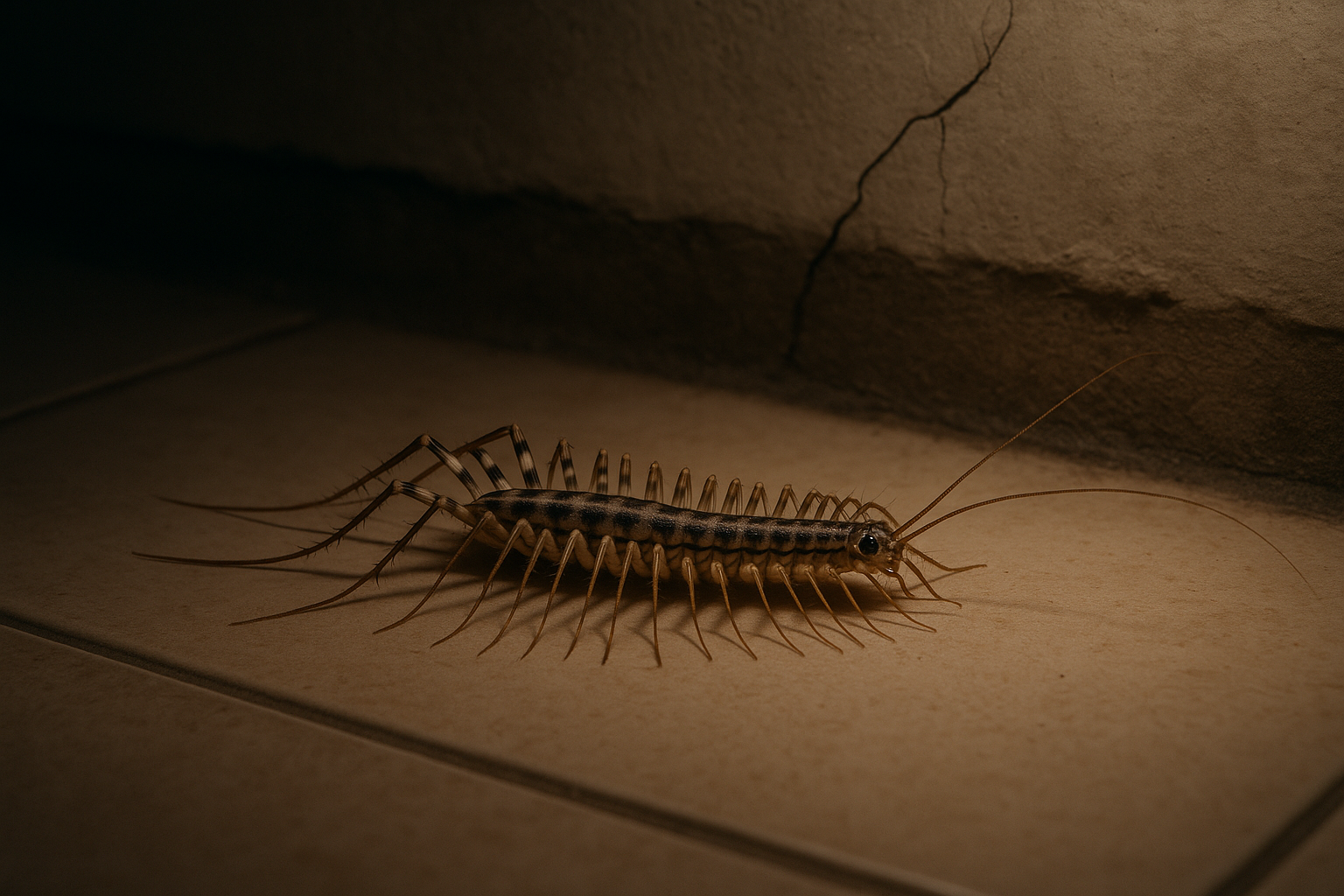
Centipedes are unmistakable with their flattened bodies, dozens of jointed legs, and elongated heads equipped with sharp, venom‑laden claws. In Georgia, the most common species—such as the house centipede (Scutigera coleoptrata)—are nocturnal hunters that feast on insects, spiders, and even other centipedes. Their skin is permeable, so they gravitate toward damp environments where humidity keeps them from drying out. Moisture not only supports their respiration but also attracts the prey they rely on, creating a perfect feeding ground.
Typical Indoor Hideouts
Because they seek out moisture, centipedes often infiltrate the same spots where homeowners notice condensation, leaks, or standing water. In Georgia homes, the most frequent indoor locations include:
- Basements and crawl spaces with poor ventilation.
- Bathrooms, especially around tubs, showers, and under sinks.
- Kitchens where dishwater may pool near the floor.
- Mulch beds or potted plants placed near foundations.
- Any area with leaky pipes, cracked tiles, or water‑damaged drywall.
Moisture‑Related Pest Data
The 2024 EPA Georgia moisture‑related pest statistics reveal that homes reporting high indoor humidity levels are 2.8 times more likely to host centipedes than drier properties. The study links elevated relative humidity (above 60%) and recurring water intrusion to a surge in centipede sightings across the state, underscoring the direct relationship between moisture control and pest prevention.
Why Druid Hills Homes Are Susceptible
Druid Hills features many charming residences built before 1990. Older foundations often develop hairline cracks over time, especially in areas with expansive clay soils common to the region. These fissures act as tiny highways for centipedes, allowing them to slip from the soil into basements or crawl spaces. Coupled with the area’s lush landscaping and frequent summer rains, the combination creates an inviting micro‑habitat that encourages centipedes to establish indoor colonies.
Understanding the biology and preferred habitats of centipedes empowers homeowners to spot the early warning signs—such as damp corners, unexplained moisture, or tiny, fast‑moving predators scurrying at night. By addressing moisture sources and sealing foundation gaps, you can dramatically reduce the likelihood of an unwanted centipede invasion.
Immediate Emergency Actions for a Centipede Infestation
Eliminate Moisture Sources
Centipedes thrive in damp environments, so the fastest way to push them out is to dry out the house. Start by fixing any leaky pipes or dripping faucets—most homeowners spend between $150 and $500 on these repairs, depending on the extent of the damage. Next, improve drainage around your foundation by clearing gutters and grading the soil away from the walls. If humidity stays high, run a dehumidifier in basements and crawl spaces; set it to maintain a relative humidity below 50 %. The drier the space, the fewer centipedes will linger.
Seal Entry Points
Even a tiny crack can become a highway for centipedes. Walk the perimeter of each room and apply silicone caulk to gaps around baseboards, window frames, and utility penetrations. For larger openings, install weather‑stripping or foam sealant. Most residential cracks measure between ¼ – ½ inch; these are easy to fill with a caulk gun and a steady hand. Sealing these routes not only blocks centipedes but also keeps out other pests that serve as their food source.
Reduce Harborage & Food
Centipedes hunt insects such as cockroaches, flies, and spiders. By cutting off that food supply, you make your home far less attractive. Remove leaf mulch and wood piles that sit against the house, and keep yard debris at least a foot away from the foundation. Inside, declutter basements, storage closets, and under‑sinks—centipedes love hiding in cardboard boxes and piles of laundry. Finally, employ a basic insect‑control spray or set sticky traps to lower the population of their prey.
Short‑Term DIY Measures
When you see centipedes scurrying across the floor, a quick vacuum can provide immediate relief. Use a hose attachment to suction them up, then discard the bag or empty the canister into a sealed container outdoors. Flushing visible insects with a strong stream of water from a hose or a bucket also works, but remember this only moves them temporarily; it doesn’t address the root cause. These actions are useful for reducing bites tonight, but they won’t eradicate an established infestation.
While these emergency steps can dramatically lower centipede activity, they are only a stop‑gap. Schedule a professional inspection with a local expert—like Anthem Pest Control—so a targeted treatment plan can be implemented before the problem returns.
Long‑Term Moisture Management Strategies
Centipedes love moist, hidden spots. While emergency treatments knock out the current invasion, lasting control depends on keeping your home dry. Maintaining indoor humidity between 30‑50 %—the range the CDC indoor air guidelines recommend—removes the food and shelter these pests need. High humidity not only invites centipedes but also encourages mold, wood decay, and other insects that can compromise your home’s health. Below are three long‑term strategies Druid Hills homeowners can adopt to stay ahead of centipedes and other moisture‑related problems.
Landscape Grading and French Drains
Direct rainwater away from the foundation by grading the soil at a minimum 6‑inch drop over the first 10 feet. This simple slope prevents water from pooling against the walls and seeping into basements or crawl spaces. When the natural grade is insufficient, install a French drain—a perforated pipe wrapped in gravel that channels groundwater to a dry well or municipal storm drain. Proper grading and drainage dramatically lower interior moisture, cutting off the damp environments where centipedes lay eggs. After installation, inspect the drainage area twice a year for clogs and clear any debris that could impede flow.
Crawl‑Space Ventilation Upgrades
A damp crawl space is a prime centipede habitat. Upgrade ventilation by adding vents on opposite walls to create natural airflow, or fit a low‑profile exhaust fan equipped with a humidity sensor. The fan runs only when relative humidity climbs above 55 %, pulling moist air out before it condenses on joists. Seal gaps around pipes and wires with expanding foam to keep humid outdoor air from entering. In especially humid seasons, a small crawl‑space dehumidifier can further reduce moisture, keeping relative humidity below the 55 % threshold. Improved airflow keeps the crawl‑space dry year‑round.
Moisture‑Absorbing Products
Desiccants are a quick fix for persistent pockets of humidity. Place silica‑gel packets in closets, cabinets and small utility rooms; replace them when they harden. For larger areas such as basements or laundry rooms, use calcium‑chloride crystals in breathable containers—each pound can pull several pints of water per day. Pair these products with a digital hygrometer so you can monitor levels and adjust placement as needed. A portable moisture meter helps you identify hidden damp spots, ensuring you place desiccants where they’re most effective.
Exclusion and Harborage Reduction Checklist
Centipedes slip through the tiniest openings and love cluttered, damp corners. By sealing entry points and eliminating shelter, you turn your home into a place they simply won’t tolerate. Follow this practical checklist before calling a professional, and you’ll dramatically cut the chances of a centipede invasion.
Step‑by‑Step Checklist
- Inspect window frames and install weather‑stripping or replace cracked caulk.
- Fit door sweeps on all exterior doors; check for gaps under thresholds.
- Seal utility penetrations (pipes, cables, HVAC ducts) with expanding foam or silicone.
- Close gaps around roof vents, chimney flues, and attic fans using metal mesh or caulk.
- Repair any rotting or cracked siding, soffits, and fascia boards.
- Remove stored cardboard, paper piles, and old magazines from basements and garages.
- Trim shrubs, trees, and garden mulch to at least 2 feet from the house foundation.
- Ensure gutters and downspouts direct water away from the foundation to keep moisture low.
Repair and Clean‑Up Tips
When you find rotting wood, replace it promptly; damp wood is a favorite hunting ground for centipedes. In closets and storage areas, keep items on raised shelves and use sealed plastic containers instead of cardboard boxes. Outside, prune vegetation so sunlight can reach the base of your home—dry, sun‑exposed surfaces deter these nocturnal hunters.
Success Story: Brookhaven Homeowner Cuts Sightings by 80 %
Sarah L., a Brookhaven resident, noticed a surge of centipedes after a rainy summer. She devoted two weeks to the exclusion checklist above, focusing on sealing window gaps, installing door sweeps, and clearing out a year’s worth of cardboard from her garage. She also trimmed the garden shrubs to within two feet of the house and repaired a small section of rotting siding.
After completing the project, Sarah logged a single centipede sighting in the following month—a drop of roughly 80 % compared to her pre‑exclusion count. She now schedules a quick annual walk‑through with Anthem Pest Control to verify that her barriers remain intact.
Professional Integrated Pest Management (IPM) Treatment
Anthem Pest’s Integrated Pest Management (IPM) program is built around three precise steps that protect your home while minimizing chemical exposure. Our certified technicians follow a proven workflow that identifies the source, applies a targeted low‑toxicity solution, and then eliminates the conditions that invite centipedes back.
Step 1 – Thorough Inspection by a Certified Technician
When you call 877‑371‑8196, a fully licensed technician arrives within the promised response window, even at midnight. Using flashlights, moisture meters, and a detailed checklist, the expert maps every entry point, harborage zone, and moisture hotspot. This inspection not only confirms centipede activity but also uncovers hidden cracks, gaps around utility lines, and any excess dampness that could serve as a future breeding ground.
Step 2 – Targeted Low‑Toxicity Treatment
After the inspection, we apply a low‑toxicity, EPA‑approved concentrate directly to the identified entry points and harborage zones. The formulation is safe for children, pets, and indoor plants, yet it creates a barrier that deters centipedes for weeks. Because we treat only where it matters, you avoid the “spray‑everything” approach that many generic pest services use.
Step 3 – Moisture Remediation Recommendations & Follow‑Up
Centipedes thrive in damp environments, so the final step is a moisture‑control plan tailored to your home. We suggest simple fixes—like fixing leaky faucets, installing vent fans, or using a dehumidifier—and schedule a follow‑up visit to verify that the humidity levels stay below the threshold that attracts these pests.
24/7 Emergency Response
Centipede invasions don’t wait for business hours. Anthem Pest offers round‑the‑clock service in Druid Hills. Whether it’s a sudden crawl‑out in the kitchen at 2 a.m. or a massive swarm discovered during a weekend barbecue, a technician is just a phone call away.
Pricing Transparency
Our emergency centipede package ranges from $250 to $450, covering inspection, treatment, and a one‑month guarantee. If you add our moisture‑control add‑on, expect an additional $150 to $300 depending on the scope of remediation required. All prices are posted on our website and reflect the 2024 rates.

| Company | Treatment Method | Warranty Period |
|---|---|---|
| Anthem Pest | Targeted low‑toxicity barrier + moisture remediation | 30 days |
| Peachtree Pest | Broad‑spectrum spray, no moisture focus | 14 days |
| Noble Pest Services | Standard chemical fogging | 7 days |
For the most accurate, up‑to‑date pricing, please verify the 2024 rates on Anthem Pest’s official site: https://anthempest.com/. Our transparent pricing, 24/7 emergency availability, and a full 30‑day warranty make Anthem Pest the clear choice for Druid Hills homeowners who need fast, safe, and effective centipede control.
Local Neighborhood Insights for Druid Hills and Surrounding Areas
Druid Hills – Historic Foundations and Moisture Hotspots
Many homes in Druid Hills were built in the early 1900s, so the foundations are often original brick or stone. Over time, settling and small cracks can let moisture seep in, especially in the “North Druid Hills” corridor that hugs the creek. When soil stays damp, centipedes find the perfect refuge under siding, in crawl spaces, and around basement walls. Homeowners who notice musty smells or occasional sightings near entry doors should suspect a moisture‑driven population surge.
Nearby Decatur and Brookhaven – Shared Climate, Shared Challenges
Decatur and Brookhaven sit just a few miles east and north of Druid Hills, sharing the same humid subtropical climate. Community board posts on both neighborhoods regularly flag a spike in centipede activity during the hot, rainy summer months. Residents report seeing the elongated, many‑legged crawlers near outdoor lighting, patios, and garden beds—areas where water collects after a storm. Because the pest pressure is regional, treatment plans that work in Druid Hills often apply just as well in these adjoining towns.
Quick Tip – Neighborhood‑Level Monitoring
Staying ahead of an outbreak is easier when you tap into local knowledge. Join your HOA’s online forum or a neighborhood Facebook group and keep an eye on any posts about “centipede sightings” or “moisture problems.” When multiple homes report activity, it’s a signal to schedule a professional inspection early—before the insects spread to your home’s foundation.
By understanding the age of your home’s foundation, the local moisture patterns, and the recent pest reports from nearby streets, you can act quickly and keep centipedes from turning your yard into their summer playground.
Safety and Health Considerations
Centipede bites are rarely life‑threatening, but they can be uncomfortable. Most homeowners notice a sharp, bee‑sting‑like pain that appears within seconds of contact. The area around the bite typically swells, reddens, and may feel warm to the touch. These symptoms usually subside within a few hours to a couple of days. Although uncommon, some individuals experience an allergic reaction that can include hives, intense swelling, or difficulty breathing.
When to seek medical care
- If pain or swelling spreads rapidly beyond the bite site.
- Signs of infection such as increasing redness, pus, or fever.
- Any difficulty breathing, wheezing, or swelling of the lips or throat.
- Persistent itching, rash, or hives that do not improve.
The CDC’s guidelines for insect bites recommend prompt medical attention for the above symptoms, especially for children, the elderly, or anyone with a known allergy to insect venom.
Environmental safety through low‑impact IPM
Integrated Pest Management (IPM) focuses on prevention and uses the smallest effective amount of pesticide. By targeting centipedes with habitat modification, moisture control, and selective baits, the overall chemical load is dramatically reduced. The EPA endorses these low‑impact treatments as a best practice for protecting both human health and the surrounding ecosystem. Choosing an IPM‑based plan from Anthem Pest Control means you’re safeguarding your family while preserving the local environment.
Frequently Asked Questions
Do centipedes spread disease?
According to the Centers for Disease Control and Prevention, centipedes are not known to transmit any human diseases. They are primarily a nuisance because of their speed and appearance, not because they carry pathogens. While they may occasionally carry harmless bacteria on their bodies, there is no evidence they cause illness in people or pets. They are harmless to humans, though their bite can cause a brief, localized skin irritation.
How long does treatment last?
A professionally applied centipede program typically provides residual protection for three to six months. The exact duration depends on factors such as the product used, the level of infestation, and how well the home maintains low moisture levels. Keeping basements, crawl spaces, and bathrooms dry, fixing leaks promptly, and reducing clutter will help the treatment’s effectiveness last toward the upper end of that range. Regular inspections after treatment can identify any resurgence early, allowing a quick booster if needed.
Can I use over‑the‑counter sprays?
OTC sprays may knock down a few centipedes, but they rarely eliminate the underlying population. Improper application can leave gaps, expose residents to unnecessary chemicals, and even attract other pests. A professional Integrated Pest Management (IPM) approach combines targeted chemicals, moisture management, and exclusion techniques for a safer, longer‑lasting solution. For best results, let a licensed technician assess your home’s moisture sources and apply a low‑toxicity product safely.
Take Action Today – Protect Your Home with Anthem Pest
Rapid bite relief, long‑term moisture remediation, and proper exclusion are the three pillars that stop a centipede emergency in its tracks. Quick treatment eases the sting you’re feeling now, while fixing leaks and sealing entry points prevents future invasions. That’s why a professional Integrated Pest Management (IPM) plan is essential.
If you’re spotting centipedes or suspect hidden moisture, let our certified technicians handle it safely and efficiently. Call 877‑371‑8196 for a free emergency inspection and a transparent quote.
Our technicians conduct a thorough moisture assessment, locate hidden sources, and apply targeted treatments that eliminate centipedes without harming your family or pets. Because we understand Druid Hills’ humid climate, we tailor each plan to your home’s unique conditions, ensuring lasting protection.
Anthem Pest is locally based in Druid Hills, offering 24/7 availability, clear pricing, and the same trusted service that protects homes across the country. Visit Anthem Pest Control to learn more.