Why German Cockroach Control Matters in Druid Hills
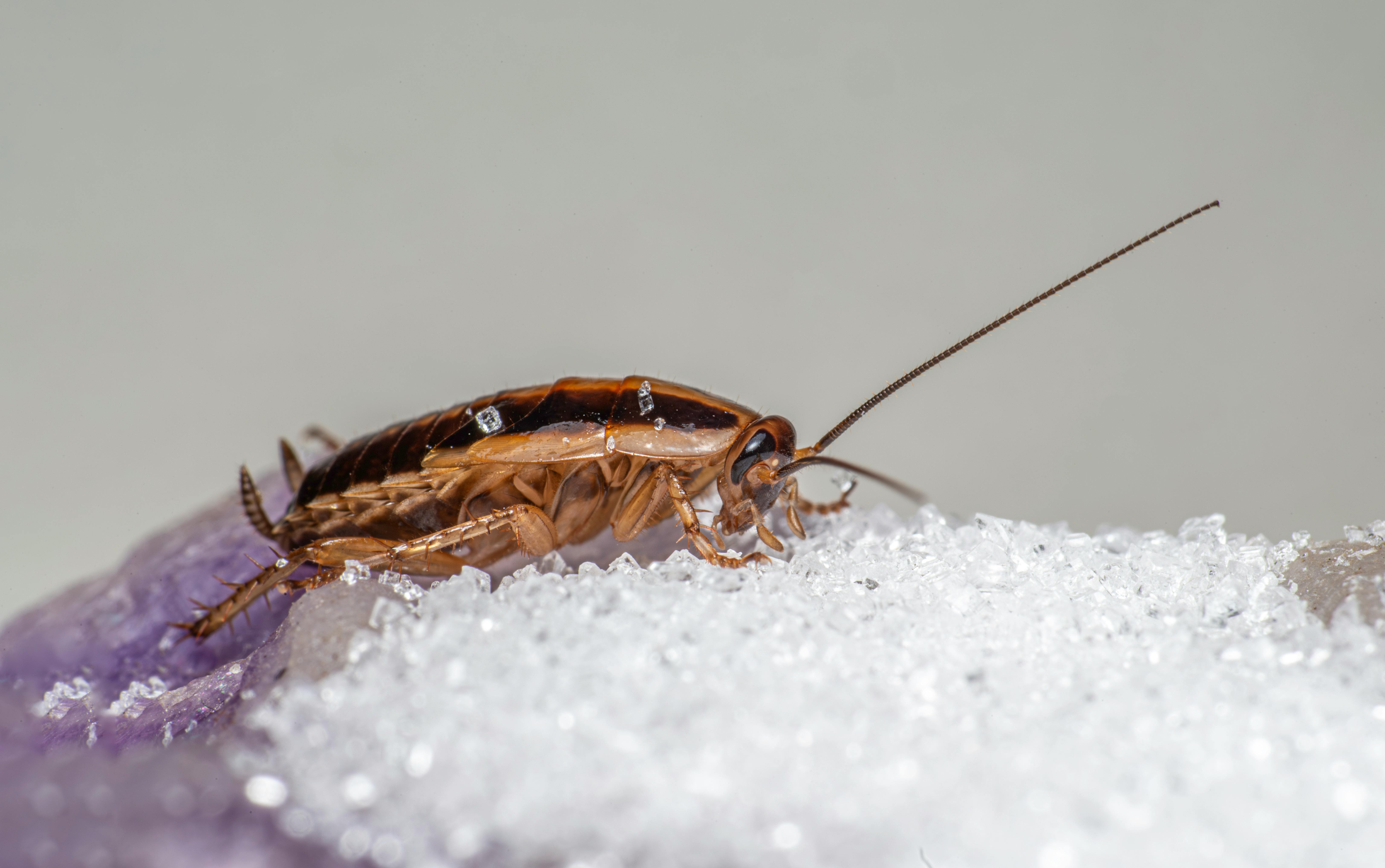
German cockroaches (Blattella germanica) are the most common indoor pest in the United States. They are small—about half an inch long—and reproduce rapidly, with a single female laying up to 40 eggs at a time, which is why emergency cockroach control Druid Hills homeowners depend on is often needed. Their preference for warm, moist environments makes kitchens, bathrooms, and pantry shelves perfect breeding grounds. Because they hide in cracks, behind appliances, and inside food containers, they can establish a hidden population before a homeowner even notices. Their ability to hide in everyday items makes detection especially tricky for busy homeowners.
Health risks you can’t ignore
Beyond the nuisance factor, German cockroaches pose serious health threats. Their shed skins, droppings, and saliva contain potent allergens that trigger asthma attacks and allergic reactions, especially in children. Moreover, they carry bacteria such as Salmonella and E. coli, contaminating surfaces and food. The U.S. Environmental Protection Agency (EPA) warns that cockroach allergens are a leading cause of indoor asthma exacerbations (EPA).
Why Druid Hills is a hotspot
Druid Hills’ humid subtropical climate provides the moisture German roaches love, while the neighborhood’s dense, historic housing stock offers plenty of cracks, crevices, and shared walls for them to travel. Many homes feature older kitchen layouts and limited ventilation, creating pockets of warmth that allow colonies to flourish year‑round.
The hidden cost of doing nothing
Ignoring an early infestation can quickly become a financial nightmare. A small population can explode into thousands, requiring multiple professional visits, extensive chemical treatments, and costly repairs to contaminated cabinetry. In contrast, proactive control—regular inspections and targeted treatments—keeps numbers low and limits damage. Homeowners who act early typically spend a fraction of the price of a full‑blown eradication, while also protecting their family’s health and the value of their property.
Spotting German Cockroaches and Early Warning Signs
Physical description you can trust
These warning signs often indicate the need for emergency cockroach control Druid Hills residents should not delay. German cockroaches are the tiniest household roaches you’ll encounter, measuring only about ½ to ¾ inch long when fully grown. Their bodies are a light tan to creamy‑brown hue, with two darker, almost light‑brown markings on each wing that give them a faint “M” pattern when the wings are spread. Unlike larger species, their wings are short and lie flat over the abdomen, so they rarely take flight.
Where they love to hide
These pests are masters of the kitchen. Look inside cabinet corners, pantry shelves, and the backs of refrigerators or stoves. They also squeeze into cracks around baseboards, under sink cabinets, and behind appliances. Any warm, moist crevice that offers a food source can become a favorite hideout.
Visual clues that scream “infestation”
- Small, dark droppings that look like coffee grounds.
- Egg casings (oothecae) – a brown, peanut‑shaped capsule about ¼ inch long.
- A faint, oily odor that becomes noticeable in heavily used kitchen areas.
Behavioral hints to keep on your radar
German cockroaches breed at a breakneck pace, producing a new generation every 30‑45 days. Their activity peaks at night, so you might spot them scurrying across countertops after lights go out. If you notice a sudden increase in sightings, the population is likely multiplying fast.
Quick self‑assessment checklist
- Do you see tiny, light‑brown roaches with two darker wing markings?
- Are there droppings or peanut‑shaped egg casings in cabinets or behind appliances?
- Is there a faint, oily smell in the kitchen, especially near food storage?
- Do you notice roaches moving after dark?
- Are there any cracks or gaps near baseboards, sinks, or appliances that could serve as entry points?
If you answered “yes” to several of these points, it’s time to act before the problem escalates. Early detection lets Anthem Pest Control deploy targeted treatments that stop German cockroaches in their tracks, keeping your home safe and comfortable.
Step‑by‑Step Home Inspection Guide
Before you pick up the phone, a quick visual sweep can give you the clues you need to tell a technician exactly where the problem lies. Grab a few basic tools, move methodically through each room, and record what you see. This hands‑on approach saves time, reduces guesswork, and often prevents a small infestation from turning into a full‑blown emergency.
Gather Your Tools
- Flashlight – a bright, narrow beam reveals hidden cracks and dark corners.
- Magnifying glass – perfect for spotting tiny egg cases or shed skins.
- Disposable gloves – protect your hands and keep samples uncontaminated.
- Notepad or smartphone – jot down locations, take photos, and note any odors.
Inspect the Kitchen
The kitchen is a cockroach hotspot because food and water are always present. Focus on these zones:
- Under the sink: look behind the pipe elbows and inside the cabinet.
- Behind the stove and refrigerator: pull appliances away if possible to check for droppings.
- Pantry shelves: examine the edges of boxes and any cracked containers.
- Trash cans: verify lids seal tightly and clean any residue at the base.
Check Bathroom and Laundry Areas
Moisture‑rich spots attract roaches looking for water. Scan:
- Under the bathtub and shower curtain tracks.
- Around the washing‑machine hose connections.
- Behind the toilet tank and base.
- Any standing water in sinks or utility closets.
Examine Baseboards, Wall Voids, and Ceiling Corners
Use your flashlight to sweep along baseboards, behind picture frames, and in ceiling corners. Pay special attention to:
- Cracks or gaps where walls meet the floor.
- Air‑vent openings and light fixtures.
- Hidden voids behind removable wall panels.
Document Findings
Take clear photos of each suspect area and label them with a brief note (e.g., “kitchen‑sink‑left”). A well‑organized set of images and notes helps the pest‑control technician pinpoint treatment zones and choose the most effective product.
Safety Tip
If you capture any insects, place them in a sealed plastic bag before discarding. This prevents accidental spreading of eggs and protects you from potential allergens.
Professional Treatment Options and How They Work

Gel Bait Stations
Gel baits are the backbone of any German cockroach eradication plan. A licensed technician places tiny droplets in cracks, behind appliances, and inside cabinets—exactly where roaches hide and travel. The gel contains fipronil or hydramethylnon, a slow‑acting insecticide that the roaches eat and then share with nestmates through grooming and droppings. This “trojan horse” effect collapses the colony from the inside out, something DIY sprays can’t achieve because they only kill on contact.
Insect Growth Regulators (IGRs)
IGRs such as hydroprene or methoprene mimic the hormone juvenile hormone. When roaches ingest them, they can’t mature into reproductive adults. Over several weeks the population ages out, providing long‑term suppression that DIY products rarely sustain. Professionals apply IGRs as a fine mist or incorporate them into bait formulations, ensuring even distribution throughout the infestation zone.
Targeted Residual Sprays
Residual sprays are formulated to cling to surfaces for weeks, delivering a lethal dose each time a cockroach walks by. Technicians focus on high‑traffic pathways—under sinks, behind the stove, and along baseboards—while respecting household safety. Products with cyfluthrin or deltamethrin are approved for indoor use and are applied at concentrations that protect pets and children yet remain deadly to roaches.
The Role of a Licensed Technician
A certified technician does more than spray. They conduct a thorough inspection to locate entry points—gaps around pipes, vent openings, and door seals. By sealing these cracks, they cut off the roaches’ easy access to your kitchen, dramatically improving treatment efficacy. This level of detail is beyond the reach of most DIY kits.
Post‑Treatment Monitoring
After the initial application, professionals set out sticky traps to gauge activity and identify any remaining hotspots. Follow‑up visits are scheduled to replace bait stations, re‑apply residuals if needed, and confirm that the infestation is truly gone. This systematic monitoring guarantees that you won’t see a resurgence weeks later.
Cost Comparison – Professional Emergency Service vs. DIY
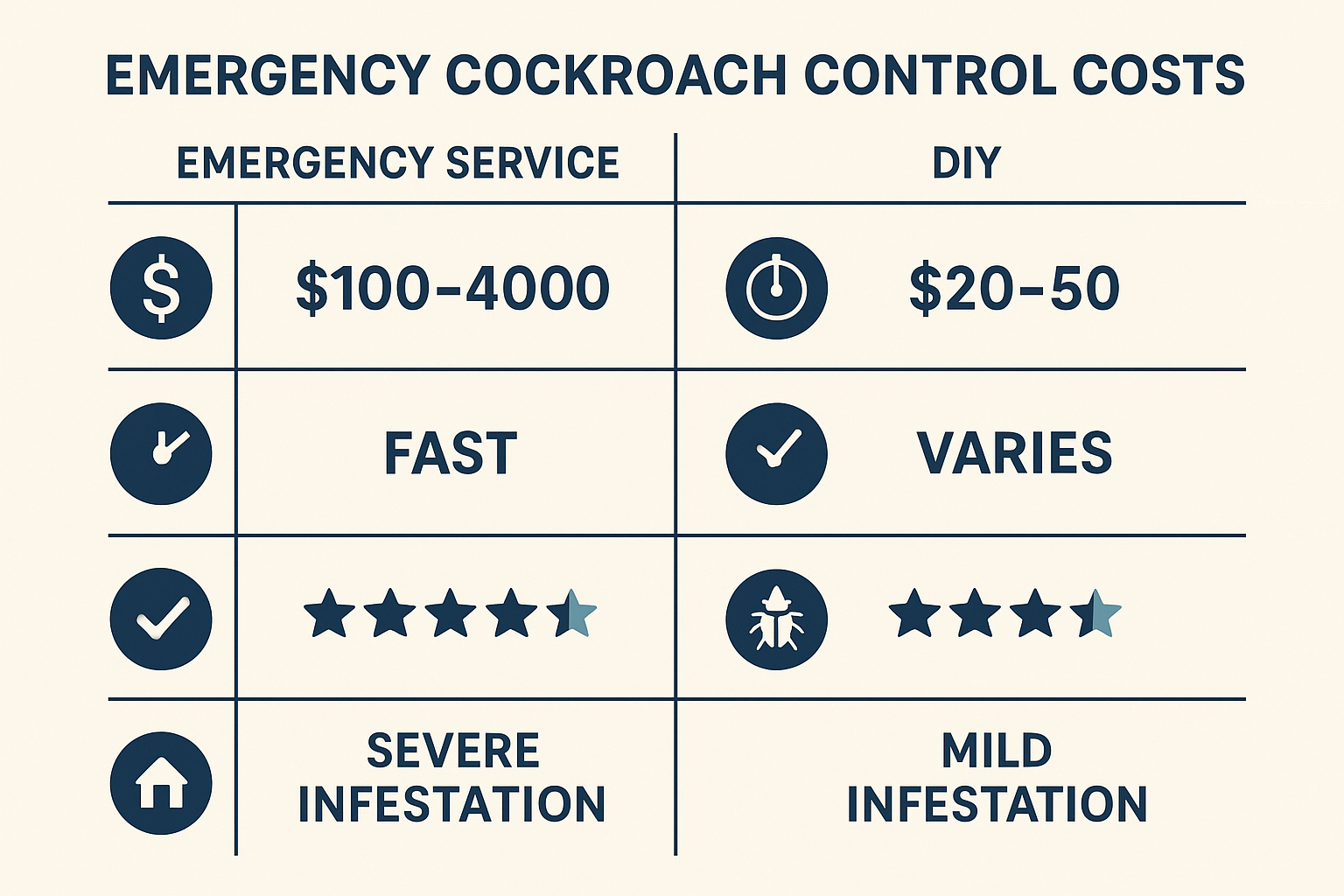
| Service Type | Price Range (USD) | Response Time | Effectiveness Rating | Recommended Scenario |
|---|---|---|---|---|
| Professional Emergency Service | $250 – $450 | 1–3 hours | 9/10 | Severe infestation, health‑sensitive households |
| DIY Store‑Bought Kits | $30 – $120 | 24–72 hours (self‑applied) | 4/10 | Minor sightings, low‑budget trial |
While the upfront price of a DIY kit looks attractive, hidden costs quickly erode that savings—especially when emergency cockroach control Druid Hills homeowners need is delayed. Homeowners often purchase multiple products because the first one fails, leading to product waste. Re-applying chemicals every few weeks adds up, and incorrect usage can damage carpets, wood finishes, or even compromise indoor air quality.
- Product waste: Unused or expired sprays and baits.
- Repeated applications: Additional purchases every 2–4 weeks.
- Potential damage: Stains, corrosion of surfaces, or health risks from over‑exposure.
Professional treatment, on the other hand, delivers long‑term savings. Certified technicians target hidden harborages, apply EPA‑approved formulations, and often include a warranty that covers re‑infestation within a set period. This reduces the need for repeat visits and protects the home’s structural integrity, translating into fewer unexpected expenses over the next year or two.
Anthem Pest Control’s pricing is transparent and falls squarely within the professional column of the table. Homeowners receive a clear, flat‑rate quote—no surprise fees for follow‑up visits—plus a guaranteed response time of under three hours for emergency calls. The company’s service package includes a 90‑day re‑treatment guarantee, ensuring that the higher initial investment protects the household from costly, recurring infestations.
Seasonal Activity Chart and Timing Your Treatment
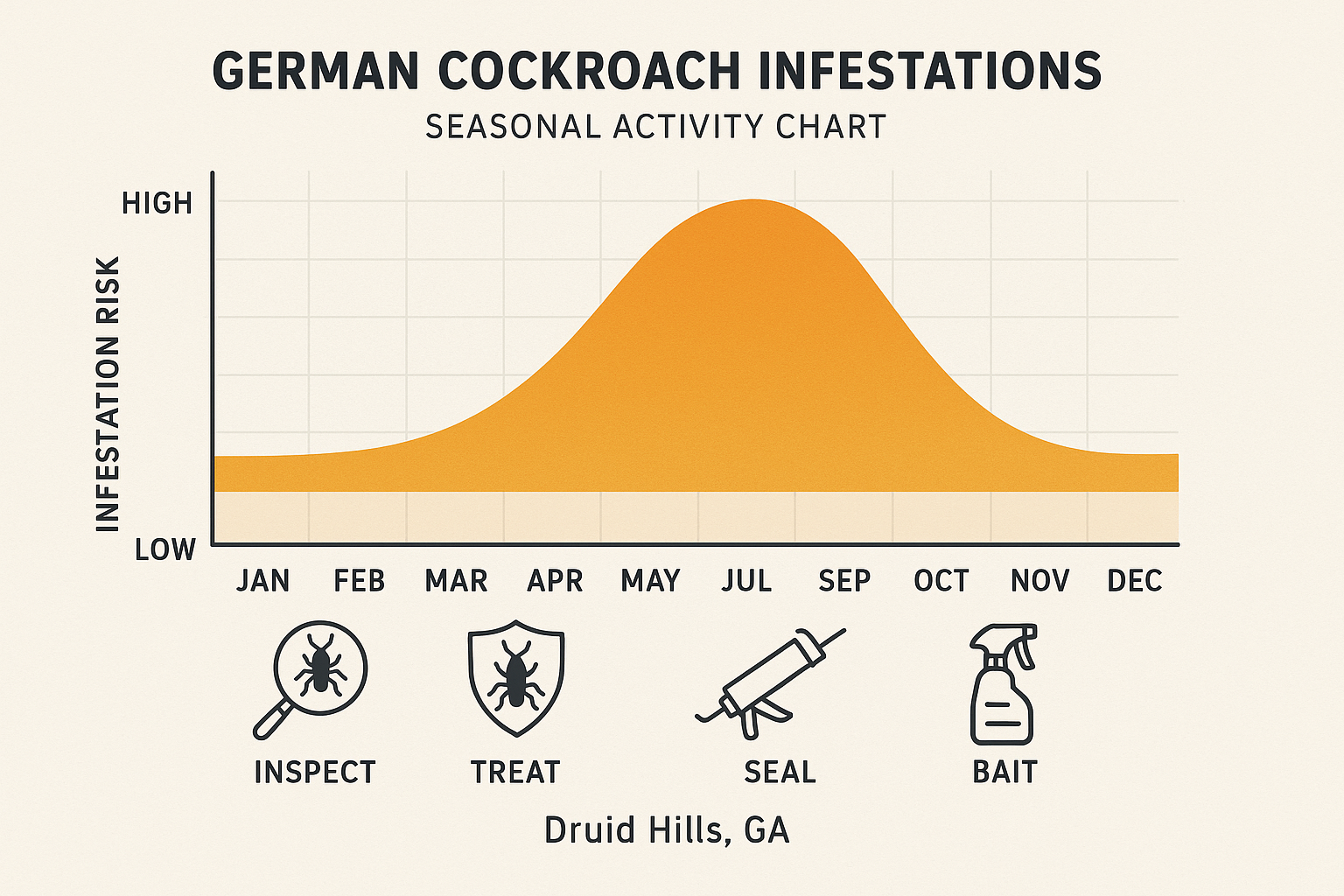
The chart above maps cockroach risk in Druid Hills from January through December. The x‑axis lists each month, while the y‑axis grades risk from low to high. Notice a sharp rise beginning in June, peaking through September, then tapering off as cooler, drier air returns.
Why June‑September is a hotspot
Summer brings higher humidity and steady nighttime temperatures above 70 °F. Cockroaches thrive in moist, warm environments because water loss slows dramatically. Kitchens, basements, and crawl spaces retain that moisture, turning them into ideal breeding grounds. That’s why you’ll see the steepest climb in the chart during these months.
Season‑by‑season action plan
- Pre‑summer (April–May): Schedule a thorough inspection. Our technicians seal cracks, trim vegetation, and set up monitoring stations before the humidity surge.
- Summer (June–September): Deploy bait stations and gel applications in high‑traffic zones. This is the most aggressive treatment window, targeting active colonies when they’re expanding.
- Fall (October–November): Conduct a follow‑up service to clear residual populations and reinforce exclusion measures before winter sets in.
How Anthem Pest Control syncs with the calendar
At Anthem, we align our service schedule with the chart’s trends. Our local Druid Hills team offers a Summer Shield Package that begins with a pre‑summer inspection, followed by weekly bait placements throughout the high‑risk period. After September, we transition to a Fall Wrap‑Up visit, ensuring any survivors are eliminated and your home stays protected through the cooler months.
By matching treatment timing to the natural ebb and flow of cockroach activity, you get maximum impact with fewer applications—and a pest‑free home year‑round.
Take Action Today – Get Professional German Cockroach Control
German cockroaches multiply fast, and once they’ve set up shop in a Druid Hills home, DIY attempts rarely provide lasting relief. The quickest way to protect your family, food, and property is to bring in a licensed professional who can eradicate the infestation and put a barrier in place for the future.
- Identify the pest: Small, tan‑brown insects with two dark stripes on the pronotum.
- Inspect thoroughly: Look for egg cases, droppings, and hidden harborage in cabinets, wall voids, and appliance cracks.
- Professional treatment: Targeted baits, residual sprays, and dusts applied by certified technicians.
- Cost‑value balance: One‑time investment prevents repeated service calls and food‑borne health risks.
- Seasonal timing: Early summer and fall are optimal windows when cockroach activity spikes.
Anthem Pest Control combines decades of local expertise with EPA‑approved products that are safe for children and pets. Our technicians follow a transparent pricing model—no hidden fees, no surprise mark‑ups—so you know exactly what you’re paying for before any work begins.
Ready to stop the crawl‑through? Call us at 877‑371‑8196 to schedule a free, no‑obligation inspection. Our team will assess the situation, outline a customized action plan, and provide a detailed quote at no cost.
Take the first step toward a cockroach-free home today by visiting Anthem Pest Control for emergency cockroach control Druid Hills homeowners can trust.