Why Cockroach Emergencies Can’t Wait
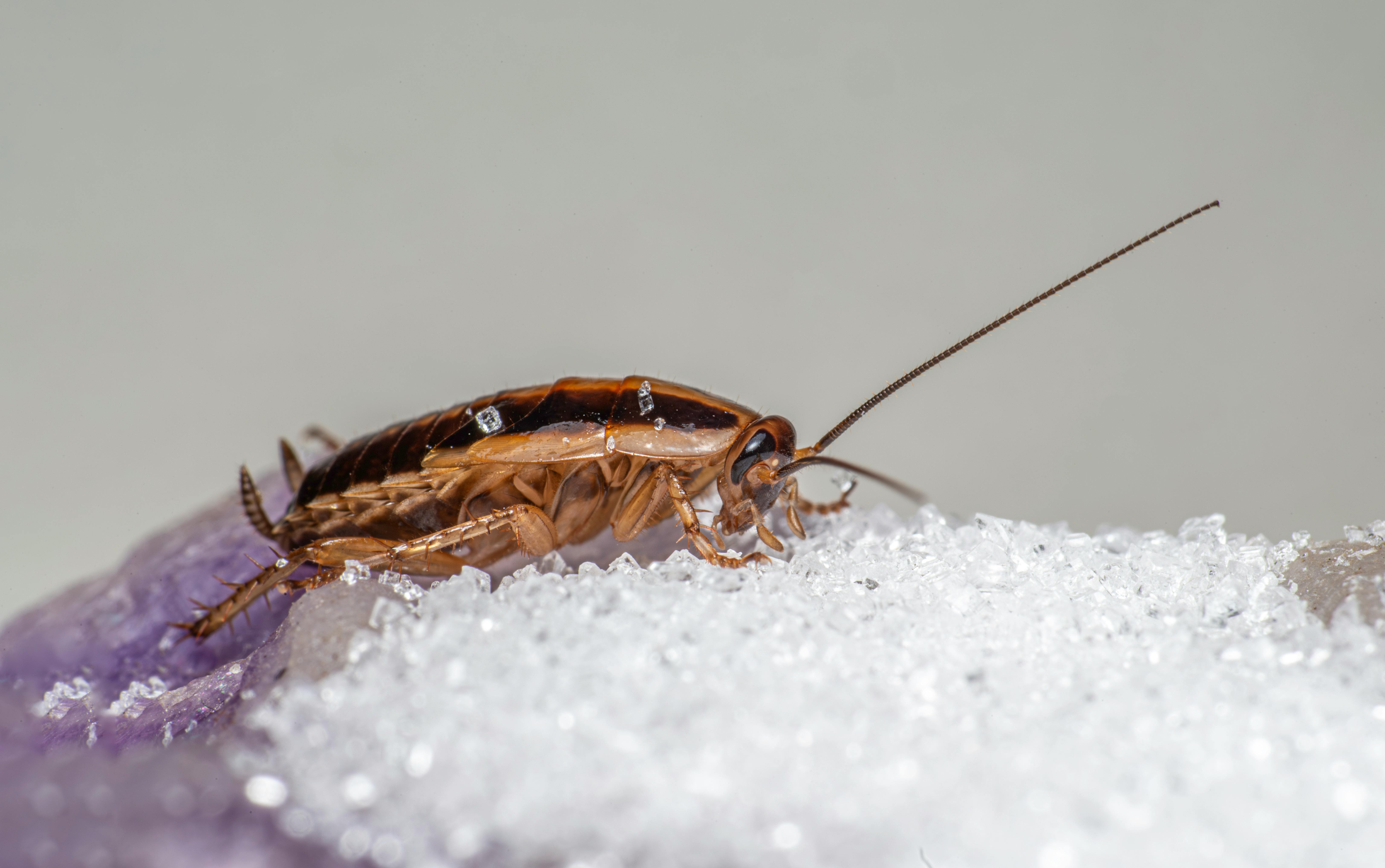
When a homeowner in Vinings spots a lone roach scurrying across the floor, it can feel like a minor nuisance. In reality, that single sighting often signals the early stages of a full‑blown emergency. Situations like this require immediate cockroach control Vinings, as roaches are actively breeding, spreading, and contaminating your living spaces. The longer you wait, the more entrenched the infestation becomes, and the higher the risk to your family’s health.
Health hazards that demand swift action
Cockroaches are more than just unsightly guests; they are carriers of allergens, asthma triggers, and disease‑causing bacteria. Their shed skins, droppings, and saliva contain proteins that can provoke allergic reactions in up to 30‑50% of inner‑city children, according to the CDC. Even adults can develop severe asthma symptoms when exposed to these allergens over time. Beyond allergies, roaches can transport pathogens such as Salmonella and E. coli, contaminating food and kitchen surfaces, which raises the likelihood of food‑borne illnesses.
Rapid breeding—why “wait and see” isn’t an option
One of the most alarming facts for Vinings homeowners is the speed at which cockroach populations can explode. According to the National Pest Management Association (NPMA), a single female German cockroach can lay up to 40 eggs, and the entire colony can double in size roughly every six weeks under optimal conditions. That means a modest sighting today could evolve into hundreds of insects within two months if left unchecked.
Vinings‑specific concerns
Vinings’ warm, humid climate, combined with the prevalence of older homes and dense neighborhoods, creates an ideal environment for roaches to thrive. Seasonal humidity spikes in late spring and early summer accelerate their breeding cycles, making prompt detection and treatment essential. Moreover, many homes in the area feature open floor plans and shared utility spaces, which facilitate rapid movement of roaches from one unit to another.
Data‑driven approach to emergency response
At Anthem Pest Control, we base every emergency plan on the latest scientific data and local conditions. Our technicians start with a thorough inspection to identify hot spots—kitchens, bathrooms, and hidden cracks where roaches hide and reproduce. Using the CDC’s allergen data and NPMA’s breeding statistics, we prioritize treatment zones that pose the greatest health risk. This targeted strategy not only curbs the current infestation but also reduces the chance of future outbreaks.
What happens if you delay?
- Escalating health risks: Increased exposure to allergens can trigger chronic asthma attacks, especially in children and the elderly.
- Exponential population growth: A six‑week delay can double the number of roaches, turning a manageable problem into a costly eradication project.
- Structural contamination: Roach droppings and shed skins embed in wall voids, cabinets, and appliances, requiring extensive deep‑cleaning after treatment.
- Higher treatment costs: Larger infestations demand more chemicals, longer labor hours, and possibly multiple follow‑up visits.
Because the stakes rise so quickly, a prompt response is not a luxury—it’s a necessity. If you suspect a cockroach problem, call Anthem Pest Control at 877‑371‑8196 or visit our website for a same‑day emergency appointment. Acting now protects your family’s health, preserves your home’s integrity, and stops the infestation before it overwhelms you.
Is It an Emergency? Recognizing a Critical Infestation
Key Indicators of an Emergency‑Level Infestation
- Nocturnal sightings: Cockroaches are primarily active at night. Spotting several individuals scurrying across countertops, cabinets, or floorboards after dark is a red flag.
- Droppings: Small, pepper‑shaped specks that look like coffee grounds often appear near food prep areas, under appliances, or in pantry corners.
- Egg cases (oothecae): These brownish, capsule‑shaped clusters contain 30‑40 eggs each. Finding even one ootheca signals that the population is reproducing nearby.
- Strong oily odor: A faint, musty, oily smell is produced by the cockroach’s defensive secretions. If the scent becomes noticeable in a kitchen or bathroom, the colony is likely large.
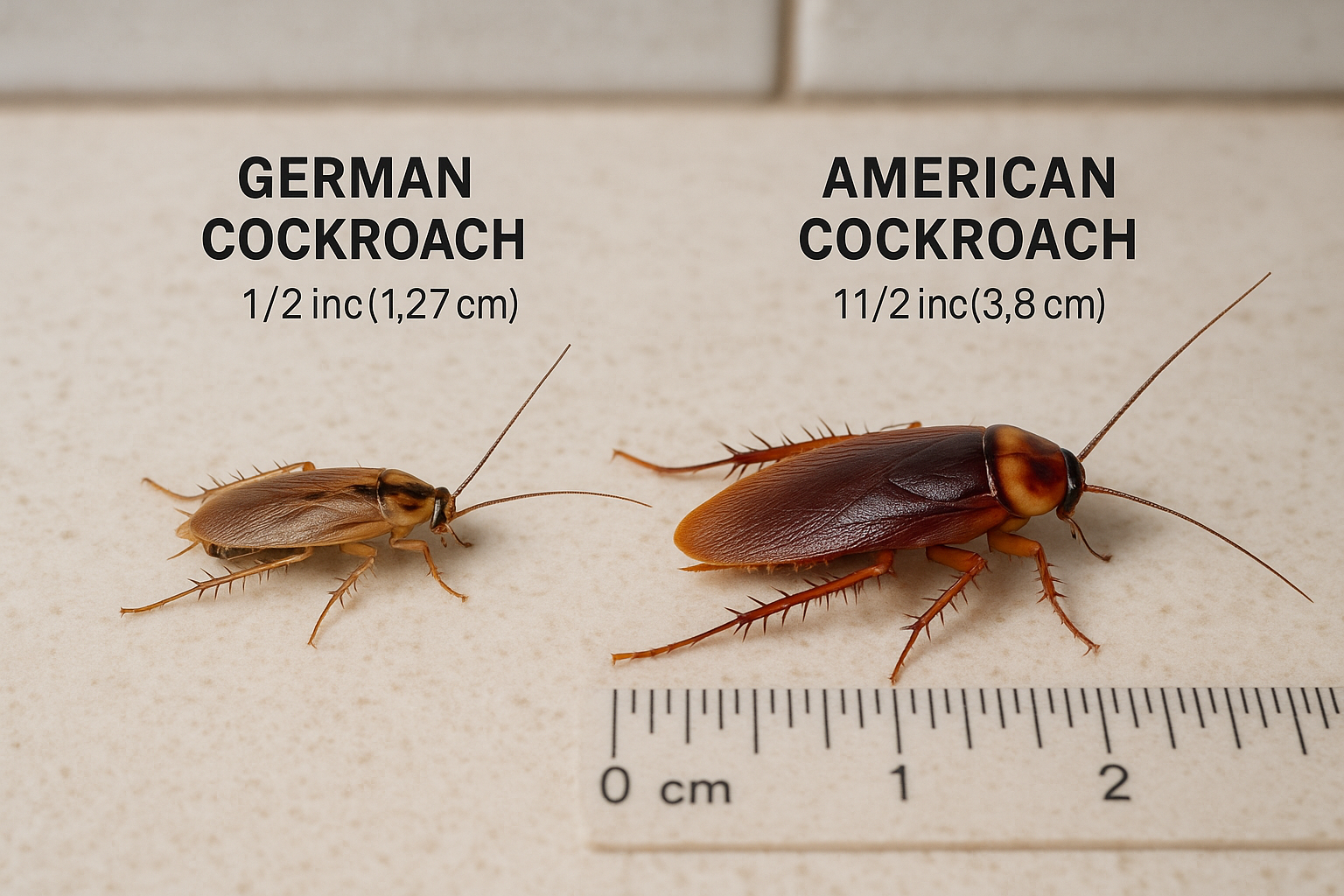
Real‑World Example from Vinings Overlook
Last month a family living in the Vinings Overlook neighborhood called Anthem Pest after discovering a swarm of roaches during a single evening. Within 12 hours they counted more than 20 live cockroaches crawling across the living room floor, kitchen counters, and even the bedroom nightstand. The homeowner reported that the insects were active despite lights being on, and they also found several oothecae tucked behind the refrigerator. By the time the pest‑control team arrived, the infestation had already spread to adjacent rooms, confirming an emergency‑level problem.
How Fast Do Cockroaches Multiply?
The National Pest Management Association (NPMA) warns that a typical German cockroach population can double every six weeks under optimal conditions. That exponential growth means a handful of insects can become a full‑blown infestation in just a few months.
| Weeks | Estimated Number of Adults |
|---|---|
| 0 (initial) | 5 |
| 6 | 10 |
| 12 | 20 |
| 18 | 40 |
| 24 | 80 |
| 30 | 160 |
Why These Signs Demand Immediate Action
Seeing roaches at night, discovering droppings, or locating an ootheca are not merely “nuisance” clues—they are evidence that the colony has established a breeding site inside your home. Each ootheca can release dozens of nymphs, which mature in just weeks and start reproducing themselves. The oily odor indicates a large, mature population that is already secreting defensive chemicals, which can affect indoor air quality and trigger allergies.
When these indicators appear together, the infestation has crossed the threshold from manageable to critical. Delaying treatment allows the population to explode, making eradication more costly and invasive. Prompt professional intervention stops the breeding cycle, removes hidden nests, and prevents the roaches from contaminating food, utensils, and surfaces.
For Vinings homeowners, recognizing these emergency signals early can mean the difference between a quick, targeted treatment and a prolonged battle that disrupts daily life. If you notice any of the listed signs, contact Anthem Pest Control right away at 877‑371‑8196 or visit anthempest.com for fast, local expertise.
Quick‑Fix Steps Before the Pros Arrive
Step 1: Eliminate Food and Water Sources
Roaches are opportunistic feeders; the moment you give them a crumb or a drip, you’re feeding an infestation. Start by transferring all pantry items into airtight containers—glass jars with screw‑top lids or heavy‑duty plastic bins work best. Wipe down countertops, cabinet interiors, and the floor with a mild detergent after each meal prep. Next, hunt down any standing water: fix leaky faucets, tighten pipe joints, and dry out the area beneath sinks. Even a slow‑dripping faucet can become a nightly watering hole for cockroaches. Finally, run a dehumidifier or open windows in damp basements and laundry rooms until the moisture level drops below 50 %.
Step 2: Seal Cracks and Gaps
Roaches slip through the tiniest openings—think pencil‑width cracks around baseboards, behind radiators, and along the perimeter of the Circle 75 area in Vinings. Grab a tube of silicone caulk, cut the tip to a 2‑mm opening, and apply a smooth bead along every visible seam. Pay special attention to pipe penetrations, vent openings, and the gap between the floor and the wall. Use a putty knife to smooth the caulk, ensuring a tight seal that will deter roaches from re‑entering while you wait for professional treatment.
Step 3: Set Up Gel Bait Stations
Gel baits are the fastest way to lure roaches into a lethal trap. Choose a tamper‑resistant bait station—these have a lock‑out cover that keeps curious kids and pets out. Squeeze a pea‑sized line of gel into each station and place them in hidden corners: under the refrigerator, behind the stove, inside the lower cabinet of the bathroom, and along the back of the pantry shelf. The gel’s sweet, protein‑rich scent draws roaches out of hiding, and the slow‑acting poison spreads through the colony when they return to their nest.
Safety Tip: Keep Children and Pets Away from Bait Stations
Even the safest bait stations can be tempting to a small hand or nose. Position stations at least 18 inches off the ground and out of direct sight lines. If you have a pet that likes to chew, consider using a pet‑safe bait formulation or placing the station inside a sealed container with a small opening only large enough for a roach to slip through. Always store the gel and any spare bait in a locked cabinet.
These quick‑fix actions buy you valuable time, but they are not a replacement for a full‑service treatment. A professional team from Anthem Pest Control will conduct a thorough inspection, identify the species, and apply a targeted, long‑lasting solution that eliminates the hidden nests and prevents future invasions. Until the experts arrive, follow the steps above to reduce the population and keep your home as uninviting as possible for those resilient cockroaches.
Local Expertise Saves Time and Money
Vinings’ Climate Keeps Cockroaches on the Move
Vinings, Georgia, sits in a humid subtropical zone where summer heat lingers well into the fall and winter rarely feels cold enough to slow insects down. That constant moisture and warmth create an ideal breeding ground for cockroaches, allowing them to remain active year‑round. When a homeowner spots a single roach, it often means a hidden population is already thriving in the walls, cabinets, or under sinks. Knowing how the local weather patterns influence pest behavior lets a professional act quickly, targeting the hottest spots before the infestation spreads.
Housing Styles Add Hidden Pathways
Much of Vinings’ residential stock consists of older wood‑frame homes and high‑traffic condominium complexes built decades ago. These structures feature gaps around plumbing, electrical conduits, and foundation cracks that act like secret highways for roaches. In a condo, one unit’s problem can easily migrate to neighboring apartments through shared ventilation shafts or utility chases. A pest‑control specialist who understands the typical construction quirks of Vinings can locate and seal these hidden pathways, cutting off the insects’ travel routes before they become a multi‑unit nightmare.
Why Anthem Pest’s Local Credentials Matter
Anthem Pest’s technicians are not only state‑licensed but also trained specifically for the pest pressures common in the Atlanta metro area, including Vinings. They carry EPA‑registered products that are proven effective against the resilient German and American cockroach species that dominate the region. Every job is backed by full insurance coverage, giving homeowners peace of mind that any accidental damage is fully protected. This combination of licensing, certified chemicals, and insurance is a safety net that generic, out‑of‑state services simply cannot match.
Proven Results Backed by Numbers
According to Anthem Pest’s 2023 press release, the company “has resolved over 1,200 cockroach emergencies in the Atlanta metro area in 2023.” Those figures reflect not just volume but speed—most calls are answered within an hour, and treatments are completed the same day. Rapid response is crucial in Vinings because every day a roach population goes unchecked increases the risk of property damage, such as chewed wiring or stained countertops, and inflates the cost of eradication.
Cost‑Benefit: Faster Fixes Preserve Your Time and Wallet
When a local expert arrives, they bring a toolbox tailored to Vinings’ unique challenges: moisture‑absorbing baits for humid basements, gel applicators that reach deep cracks in older wood framing, and heat‑tolerant sprays for high‑traffic condo corridors. This targeted approach means fewer follow‑up visits and less chemical waste, translating directly into lower overall expense. Moreover, by preventing structural damage and avoiding the need for costly repairs, homeowners save both time and money in the long run. In short, investing in a knowledgeable, locally‑trained pest‑control partner pays for itself many times over.
What Professionals Do Differently
When a cockroach infestation erupts in a Vinings home, the instinctive reaction is to grab the nearest store‑bought spray and hope for the best. At Anthem Pest, we take a far more systematic route. Our technicians combine science, local knowledge, and transparent pricing to deliver results that DIY attempts simply cannot match. By following a proven, step‑by‑step protocol, we not only eliminate the current infestation but also put in place barriers that keep roaches from returning.
Integrated Pest Management (IPM) Overview
IPM is the backbone of every Anthem service. It begins with a thorough inspection that identifies entry points, harborage sites, and food sources. Next, we set up monitoring devices—such as sticky traps and pheromone stations—to track activity levels over 24‑48 hours. Finally, we apply targeted treatment only where the data tells us it’s needed, reducing chemical use and limiting disruption to your household. This evidence‑driven cycle is repeated until cockroach numbers drop below the actionable threshold, then we transition to a maintenance plan.
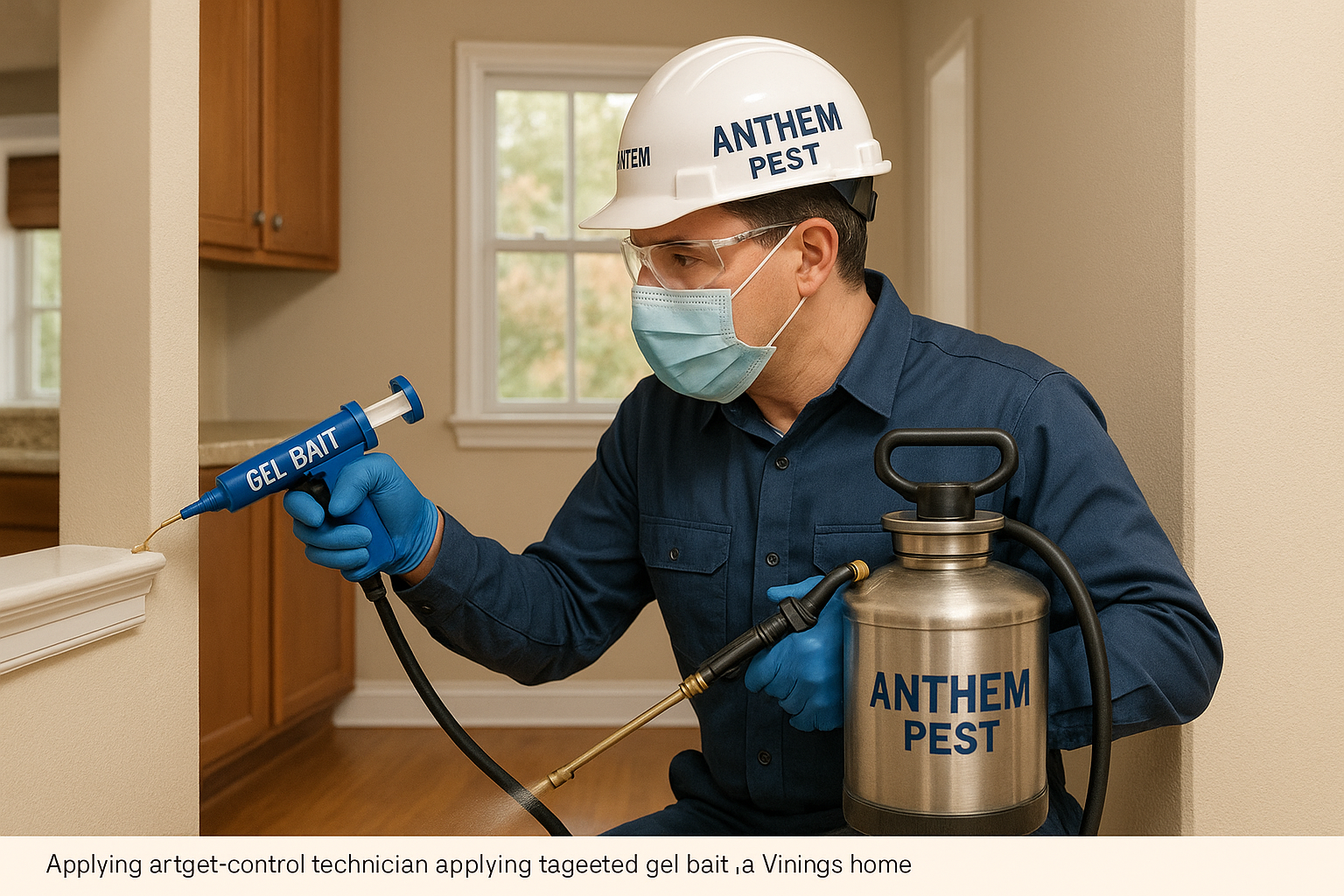
Gel Baits: Precise Placement and Active Ingredients
Gel baits are the workhorse of modern cockroach control. Anthem technicians use a strategic placement method, applying thin lines of bait in cracks, under appliances, and behind cabinets—exactly where roaches travel. Our preferred formulations contain fipronil or hydramethylnon, both of which act as slow‑acting stomach poisons. The delayed effect allows roaches to return to their nests, sharing the toxin with colony members and ultimately collapsing the population from within.
Residual Sprays: Indoor and Outdoor Perimeter Protection
For immediate knock‑down, we apply EPA‑approved residual sprays to both indoor surfaces and the exterior perimeter of the home. Inside, the spray is focused on baseboards, under sinks, and around utility connections where roaches hide. Outside, we treat foundation walls, door thresholds, and the first few feet of landscaping to create a chemical barrier. After application, we advise a 30‑minute wait before re‑entry for indoor areas and a 2‑hour wait for exterior zones, ensuring safety for residents and pets while the product cures.
Dusts and Insect Growth Regulators for Hidden Spaces
Wall voids, crawl spaces, and other concealed cavities are prime roach havens that sprays often miss. In these tight spots, we use silica‑based dusts and Insect Growth Regulators (IGRs) such as hydroprene. Dusts cling to surfaces and desiccate insects on contact, while IGRs disrupt the molting cycle, preventing juveniles from maturing into breeding adults. Both options are low‑odor, low‑toxicity, and remain effective for months, delivering a long‑term protective layer where roaches love to congregate.
Transparent Pricing for a Typical 2‑Bedroom Vinings Home
Homeowners often wonder how much professional cockroach control Vinings will cost. Anthem provides clear, upfront pricing based on the scope of work. Below is a snapshot of our 2024 rates for a standard two‑bedroom residence in Vinings:
| Service Type | Price Range (USD) | What’s Included |
|---|---|---|
| Emergency Cockroach Service | $180 – $350 | Same‑day inspection, targeted gel bait placement, one residual spray application |
| Full IPM Package | $250 – $450 | Comprehensive inspection, monitoring devices, gel baits, residual sprays (indoor & outdoor), dust/IGR treatment, follow‑up visit |
All prices are quoted before work begins, with no hidden fees. The emergency tier addresses urgent infestations, while the full IPM package offers a holistic, long‑term solution that aligns with our preventive philosophy.
EPA‑Compliant, Low‑Toxicity Formulations
Anthem Pest only uses products that meet strict EPA registration standards and are classified as low‑toxicity for humans and pets. Whether it’s a fipronil‑based gel or a silica dust, each formulation undergoes rigorous testing for efficacy and safety. Our technicians are trained to apply the minimum effective amount, following label directions to the letter. This commitment protects your family’s health while delivering the decisive control that a cockroach outbreak demands.
When Cockroaches Thrive – Seasonal Factors
Georgia’s climate is a perfect playground for cockroaches, and the rhythms of the year dictate when they become most aggressive. Understanding how temperature and humidity swing throughout the seasons helps homeowners anticipate spikes and schedule treatments before the bugs gain a foothold.
Summer heat (June‑August) accelerates breeding cycles
During the summer months, daytime highs in Vinings regularly climb above 90°F (32°C). Cockroaches are ectothermic, meaning their metabolism speeds up with warmth. At 85°F, a German cockroach can complete an entire life cycle—from egg to adult—in just six weeks; raise the temperature to 95°F and that timeline shrinks to under five weeks. Faster development translates to more generations per season, which is why you’ll notice a sudden increase in sightings after a hot spell.
Heat also shortens the gestation period of oothecae (egg cases). A single female can produce 30‑40 eggs every few weeks, and in a sustained summer heat wave, those numbers compound quickly. The result is a dense, rapidly expanding population that can overwhelm even the most diligent sanitation efforts.
Rainy spring spikes indoor humidity
Spring in Vinings brings frequent rain showers and lingering thunderstorms. While the outdoor temperature is still moderate, the increased moisture drives indoor humidity levels upward, often exceeding 60 % in basements and crawl spaces. Cockroaches thrive in humid environments because moisture is essential for egg viability and for preventing desiccation of nymphs.
When humidity spikes, you’ll notice roaches congregating near leaky pipes, under sinks, and in damp corners of kitchens. These micro‑habitats become breeding hotspots, especially for American and brown-banded cockroaches, which prefer slightly cooler, moist conditions compared to their summer‑loving cousins.
Optimal timing for treatment
- Pre‑summer check‑up (late May): Schedule a professional inspection and a preventive treatment before temperatures consistently hit the 80°F‑90°F range. This creates a barrier that reduces the number of roaches that can establish nests during the peak breeding window.
- Early‑summer follow‑up (early July): A second treatment targets any survivors and disrupts the rapid life cycles that have already begun. Targeting the population at this stage prevents exponential growth throughout August.
- Post‑rainy‑spring boost (mid‑April): After the last major rain event, apply a humidity‑focused treatment in basements, crawl spaces, and under appliances. This pre‑emptive strike curtails the spring surge before it can spill into the home.
For homeowners who prefer a DIY approach, monitoring local weather trends is crucial. Keep an eye on temperature forecasts and humidity readings; when daily highs stay above 85°F for more than a week, or when indoor humidity exceeds 60 %, it’s a strong signal to call Anthem Pest Control for an early intervention.
Access up‑to‑date climate statistics for Vinings through the NOAA climate data portal. By correlating these data points with your own pest observations, you can predict when cockroach activity will peak and act before an infestation takes hold.
Keeping Your Home Cockroach‑Free Long‑Term
Even after an emergency treatment, the battle against roaches doesn’t end when the last insect is gone. Long‑term success is built on a daily routine, smart home maintenance, and a little help from your neighbors. Below is a practical checklist you can follow every day, week, and year to keep Vinings homes cockroach‑free.
Daily Sanitation Checklist
- Wipe down countertops and tabletops after meals. Food residue is the quickest invitation for roaches.
- Vacuum crumbs and spilled food from floors, under appliances, and in cabinet corners.
- Store waste in sealed, lidded bins. Empty kitchen trash at night and keep the bin’s lid tightly closed.
- Rinse dishes promptly or place them in the dishwasher. A wet dish left out is a perfect night‑time snack.
Structural Maintenance
Roaches love the tiny cracks and gaps that give them free passage between the outside and your living spaces. A few simple repairs go a long way.
- Caulk cracks around baseboards, window frames, and behind cabinets at least once each season.
- Install door sweeps on all exterior doors to block entry points.
- Repair leaky pipes and faucets promptly; moisture is a magnet for roaches and other pests.
- Seal utility penetrations (electric, plumbing, gas) with expandable foam or steel wool.
Trash Management
Outdoor garbage can become a roach breeding ground if not handled correctly.
- Remove trash weekly from your curbside container.
- Use sealed, weather‑proof containers for outdoor waste. Choose bins with tight‑fitting lids and a rubber gasket.
- Keep the area around trash cans clean—sweep up any spillage and rinse the bins periodically.
Moisture Control in Low‑Traffic Areas
Basements, crawl spaces, and laundry rooms often stay damp, creating an ideal roach habitat.
- Lay moisture‑absorbing mats or silica gel packets on the floor of basements and crawl spaces.
- Run a dehumidifier during humid months to keep relative humidity below 60%.
- Ensure proper ventilation by opening vents or installing an exhaust fan in laundry areas.
Annual Professional Inspection & IPM Refresh
Even the most diligent homeowner benefits from a trained eye once a year. Anthem Pest Control offers a comprehensive Integrated Pest Management (IPM) review that includes:
- Identification of hidden entry points and harborage sites.
- Targeted, low‑toxicity treatments that complement your daily practices.
- Re‑application of baits and monitoring stations where needed.
- Customized recommendations based on your home’s layout and the Vinings climate.
Community‑Wide Best Practices
The Vinings Homeowners Association (HOA) encourages neighborhood cooperation to prevent roach infestations from spreading between properties. Here’s how you can align with HOA guidelines:
- Participate in the HOA’s annual pest‑control audit and share inspection reports with neighbors.
- Coordinate trash‑collection schedules to avoid overflow on shared streets.
- Encourage nearby property owners to seal exterior cracks and maintain landscaping away from building foundations.
- Use the HOA’s online resource hub for updates on local pest alerts and recommended service providers.
By integrating these daily habits, seasonal maintenance tasks, and community resources, you create multiple layers of protection that make it extremely difficult for cockroaches to re‑establish a foothold. Consistency is the key—think of it as a “roach‑proof” habit that protects your home, your family’s health, and your peace of mind for years to come.
Choosing the Right Provider
When a cockroach invasion turns urgent, the pest‑control company you call can mean the difference between a quick fix and a lingering problem. In Vinings, Georgia, homeowners need a provider that combines legal compliance, safety, clear pricing, and proven local performance. Below are the key criteria to evaluate, and why Anthem Pest stands out in every category.
License and certifications required in Georgia
Georgia law mandates that any pest‑control business must hold a valid state license issued by the Department of Agriculture. Look for the “Georgia Licensed Pest Control Operator” badge on the company’s website or marketing materials. Anthem Pest’s technicians are fully licensed, and each team member completes annual continuing‑education courses to stay current with state regulations and emerging treatment technologies.
Use of EPA‑registered, low‑toxicity products
Effective cockroach control doesn’t have to endanger your family or pets. Reputable firms rely on products that are registered with the Environmental Protection Agency (EPA) and formulated to minimize toxicity while still delivering rapid knock‑down. Anthem Pest exclusively uses EPA‑approved, low‑toxicity baits and sprays, ensuring that treatment zones remain safe for children and animals shortly after application.
Transparent pricing structures
Hidden fees are a common complaint in the pest‑control industry. A trustworthy provider will present a clear price range before any work begins. For emergency cockroach services in Vinings, Anthem Pest typically charges:
- Standard residential treatment: $150 – $300
- Emergency same‑day response: $250 – $500
- Follow‑up preventive plan (quarterly): $120 – $200 per visit
These figures are posted on the Anthem website, so you know exactly what to expect before the technician arrives.
Local reputation you can verify
Word‑of‑mouth matters, but online ratings provide a quick snapshot of community trust. Anthem Pest holds a 4.9‑star Google rating from Vinings residents, backed by dozens of verified customer reviews that highlight punctuality, professionalism, and lasting results. You can read these reviews directly on the Google Business profile to confirm the company’s track record.
Quick response times for emergencies
Cockroach infestations can spike overnight, especially after rain or a heatwave. The fastest providers dispatch a technician within an hour of the call and often arrive on‑site within two to three hours. Anthem Pest guarantees a same‑day response for emergency calls, giving Vinings homeowners the rapid relief they need to protect their homes and health.
Ready to put an end to the roach problem? Call Anthem Pest today at 877‑371‑8196 or visit our service page to schedule an immediate inspection. Our licensed experts, EPA‑registered products, and transparent pricing make us the clear choice for emergency cockroach control in Vinings.
Frequently Asked Questions
How quickly can a professional eliminate a severe infestation?
Our technicians target the heart of the problem with a focused, high‑impact treatment. In most Vinings homes, you’ll see a dramatic reduction in cockroach activity within the first 24 hours, and a full‑scale elimination is typically confirmed 24‑48 hours after the initial visit. We use fast‑acting baits and residual sprays that keep the insects from returning while we monitor the site.
Are the chemicals safe for pets?
Yes. Anthem Pest Control only applies EPA‑approved, low‑toxicity formulations that are specifically labeled for residential use. When the product is applied according to label directions—such as allowing a brief drying period and keeping pets away from treated zones—the risk to dogs, cats, and other household animals is negligible. The CDC also notes that properly applied pest‑control products pose minimal health hazards when used in occupied homes.
Will I need multiple visits?
Most emergency situations are resolved in one to two visits. The first appointment tackles the immediate infestation, and a follow‑up is scheduled roughly 30 days later to verify that the population is fully eradicated and to address any lingering hotspots. If the initial treatment encounters hidden harborage areas, a second visit may be required, but we strive to keep additional appointments to a minimum.
What safety guarantees back the treatment?
Our protocols align with both CDC recommendations for indoor pest management and EPA regulations for pesticide safety. All products are registered with the EPA, and our technicians are trained to follow the strictest application standards, ensuring that residues are well below hazardous thresholds. Homeowners receive a detailed safety data sheet after each service, so you know exactly what was applied and how long to keep children and pets away.
How do I prepare my home before the technician arrives?
Clear clutter where roaches hide—under appliances, in cabinets, and around sinks. Vacuum or sweep floors to remove food particles, and store pet food in sealed containers. This preparation maximizes the effectiveness of our treatment and reduces the number of hiding spots the insects can retreat to.
References: Centers for Disease Control and Prevention (CDC); Environmental Protection Agency (EPA).
Take Action for a Cockroach‑Free Home Today
When you spot a cockroach in the kitchen, the clock starts ticking. Every day you wait gives the insects more time to multiply, hide in cracks, and contaminate food surfaces. A single female can lay up to 50 eggs, and within weeks an infestation can spread from a hidden harbor to every room. The good news is that the quick‑stop steps we outlined—cleaning crumbs, sealing entry points, and applying a targeted DIY spray—can knock back a fledgling population before it becomes a full‑blown emergency.
Even the smartest DIY routine has its limits. Cockroaches are masters at slipping behind appliances, into wall voids, and under floorboards where over‑the‑counter products rarely reach. A licensed technician brings tools such as professional‑grade gel baits, residual sprays, and infrared detection devices that locate hidden nests with pinpoint accuracy. Because Anthem Pest’s crews are based right here in Vinings, they know the local building styles, common harbor sites, and seasonal patterns that dictate where the bugs like to hide. That local knowledge translates into treatments that last weeks, not days, and eliminates the need for repeated DIY attempts.
For Vinings homeowners who want peace of mind, Anthem Pest offers a free, no‑obligation quote and a rapid‑response team ready to protect your family. Our technicians arrive equipped with EPA‑approved products that are safe for children and pets, yet powerful enough to eradicate every life stage of the roach. We’ll walk you through a customized prevention plan, seal the most vulnerable entry points, and schedule follow‑up visits to ensure the infestation stays dead‑in‑the‑water. The result is a home where you can store food without fear and sleep knowing the crawl‑spaces are sealed.
Give us a call today at 877‑371‑8196 and let our Vinings team start the inspection within hours.
Ready to reclaim your kitchen, bathroom, and basement? Visit Anthem Pest Control now and schedule your free assessment.
Here’s a quick 3‑step checklist you can start right now:
- Seal cracks and gaps around sinks, cabinets, and baseboards with silicone caulk.
- Place gel bait stations in hidden corners, under appliances, and behind toilets.
- Run a residual spray along baseboards and behind wall voids, then keep the area clean for 48 hours.
Completing these steps buys you precious time while you arrange a professional cockroach control Vinings visit, dramatically reducing the chance of a full‑scale infestation.