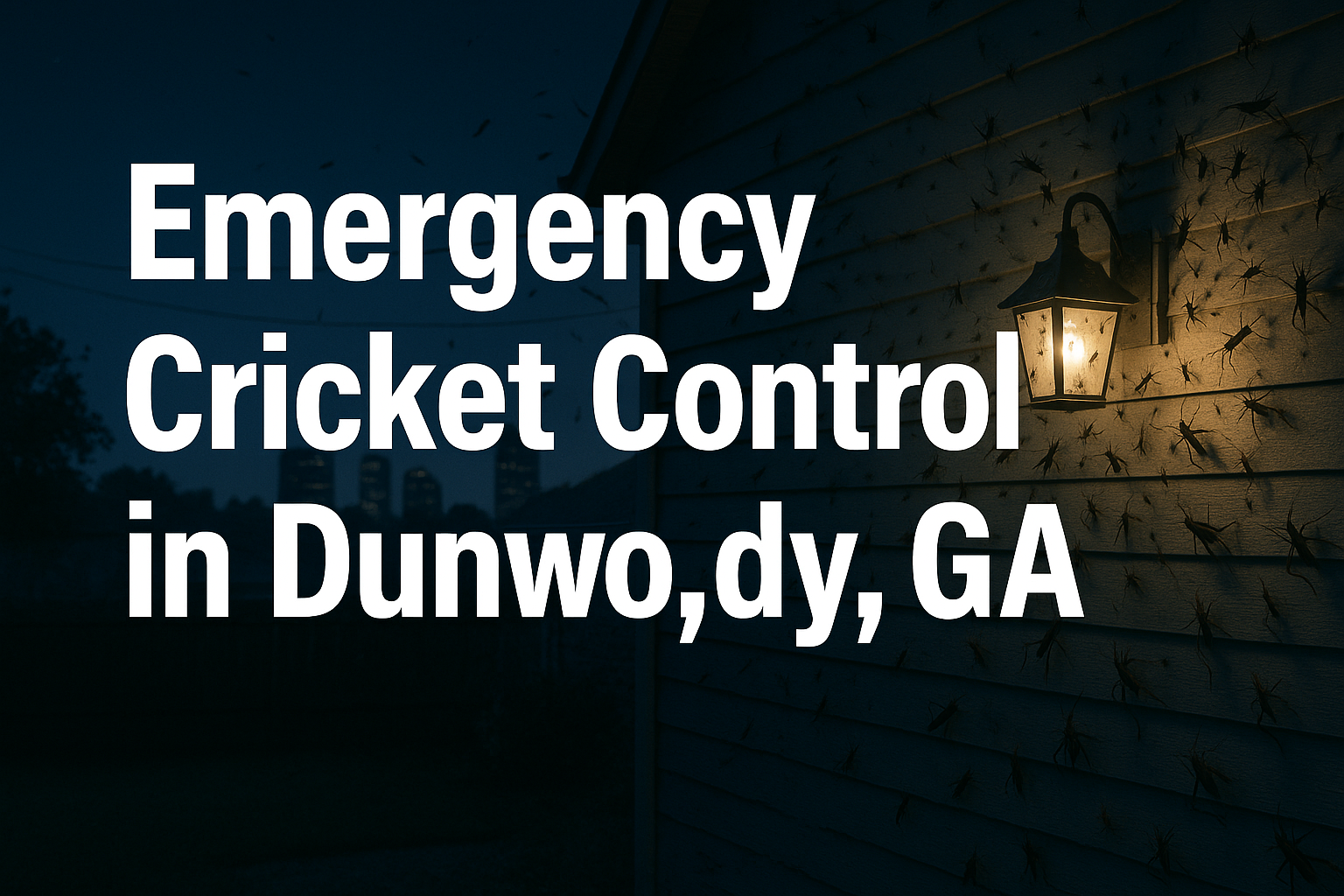
Nighttime Cricket Emergency on a Dunwoody Porch
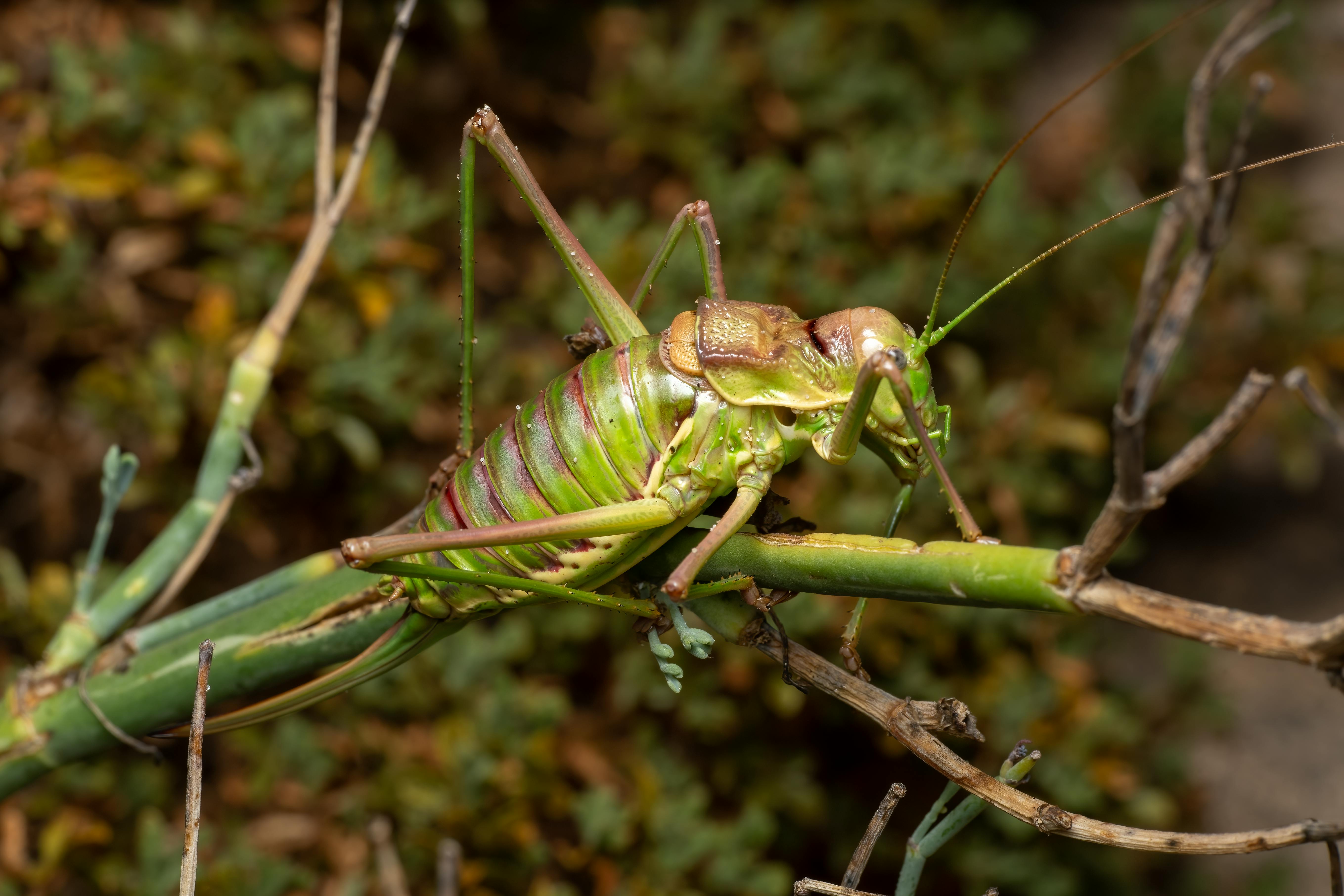
Imagine stepping onto your porch in Perimeter Center after a long day, the humid Georgia night already settling in. Instead of the soothing rustle of leaves, a relentless chorus of cricket chirps erupts from every crack and crevice, drowning out conversation and turning a peaceful evening into a frantic scramble for silence.
Why a Sudden Surge Becomes an Emergency
Crickets are usually harmless, but when they appear in massive numbers they pose three immediate threats:
- Disruptive Noise: Continuous chirping can exceed 80 decibels, making it impossible to sleep, relax, or even hold a simple dinner on the porch.
- Allergy Triggers: Their exoskeletons and droppings release proteins that can aggravate asthma or trigger allergic reactions, especially in sensitive family members.
- Potential Structural Damage: Certain cricket species gnaw on wood, insulation, and even wiring. An unchecked infestation can weaken porch railings, damage siding, and create fire‑hazard hotspots.
What This Section Will Deliver
The purpose of this article is simple: give you fast, actionable DIY steps to silence the night, tell you exactly when the situation warrants a professional’s touch, and introduce Anthem Pest’s same‑day emergency response that’s ready to act 24/7.
Because we’re speaking directly to homeowners in Dunwoody, GA, we’ll also touch on why the local climate fuels these nocturnal invasions. Warm, humid evenings combined with the region’s lush landscaping create an ideal breeding ground for crickets, meaning a small problem can balloon into a full‑blown emergency faster than you’d expect.
Cricket Biology and Why They Invade Homes
In Dunwoody, two crickets cause most indoor encounters: the House Cricket (Acheta domesticus) and the Field Cricket (Gryllus assimilis). Both are native to the Southeast and thrive in the metro Atlanta environment. The House Cricket favors structures and is often the first to appear in kitchens or garages, while the Field Cricket prefers lawns and garden edges that border a home.
Life Cycle
Crickets develop from eggs to nymphs to adults in a rapid, six‑to‑eight‑week cycle. Females deposit 50‑200 eggs in moist soil or leaf litter; warm, humid June‑August conditions can trigger hatching within two weeks. Nymphs look like miniature adults and gain size with each molt, reaching the
Recognizing an Emergency Cricket Infestation
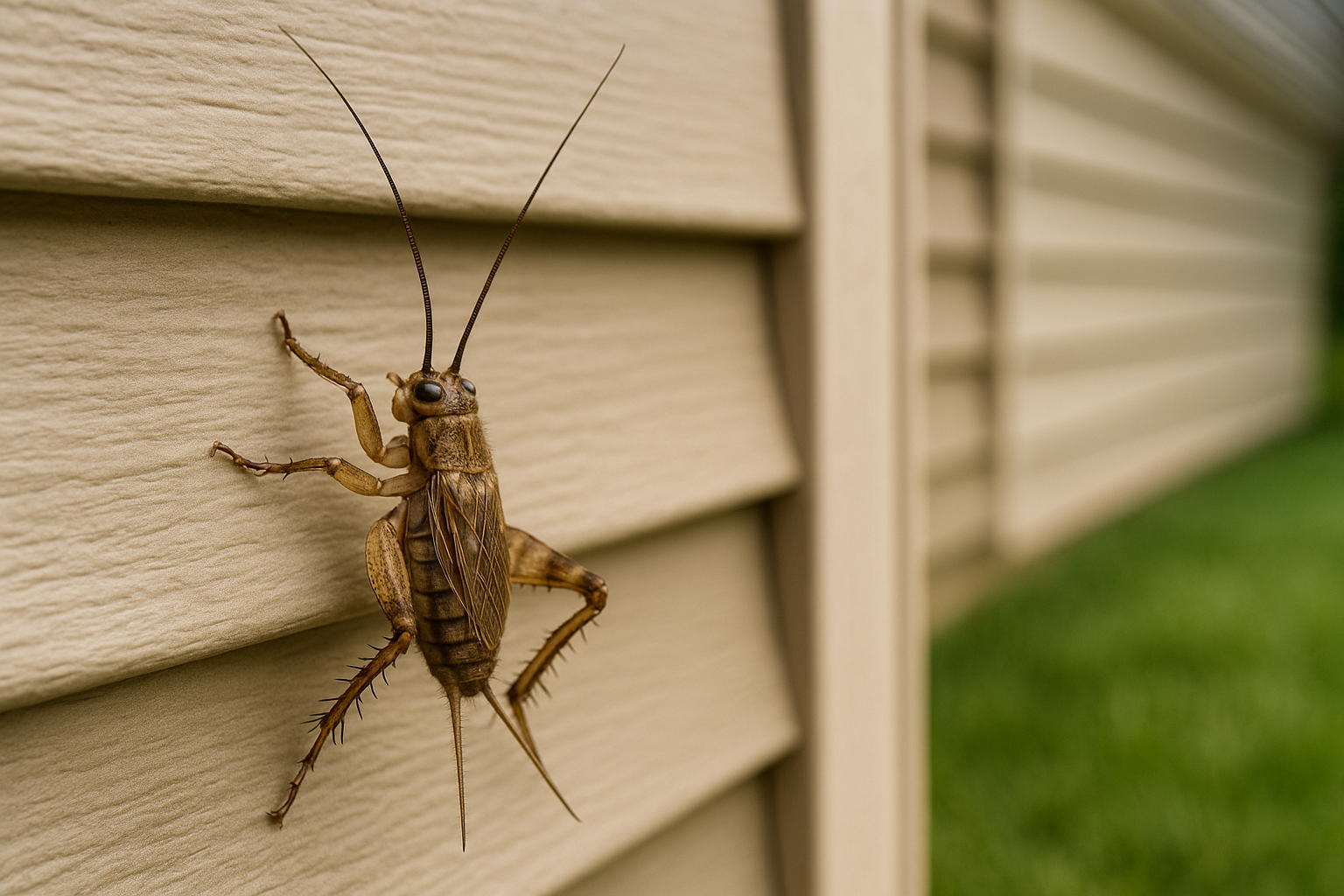
When a steady stream of chirping erupts the moment the sun dips, especially along exterior walls, eaves, or foundation cracks, you’re likely dealing with more than a few stray guests. Crickets use these tight spaces to hide during daylight, and the sudden night‑time chorus signals a population that’s ready to spread.
- Audible chirping after sunset – loud, rhythmic sounds near walls, eaves, and any crack in the foundation.
- Visible crickets – sightings in kitchens, basements, or garages, often moving quickly across countertops or floorboards.
- Droppings – tiny dark specks resembling pepper grains on surfaces, especially near food storage or along baseboards.
- Chewing damage – occasional nibbles on fabrics, upholstery, or wooden trim that look like irregular, shallow bites.
These indicators often appear together, creating a clear picture that the cricket population has exploded beyond normal seasonal activity.
Consider the story of a Brookhaven homeowner who, after hearing an unusually loud chorus, opened a closet and found over 200 crickets scurrying across the floor in a single night. The sheer volume prompted an emergency call to Anthem Pest Control, and a rapid treatment plan was deployed before the insects could infiltrate living spaces.
These warning signs demand swift action. Delaying treatment gives crickets time to breed, increasing the likelihood of structural damage and food contamination. If any of the above symptoms appear in your home, contact a licensed professional immediately. Prompt intervention not only curbs the current outbreak but also protects your family’s health and your property’s integrity.
Immediate DIY Measures to Stop Crickets
Crickets may sound harmless, but a nightly chorus can signal a growing infestation. Before you call a professional, there are several quick actions you can take tonight to make your home far less inviting.
Light Management
Crickets are drawn to bright, white lights. After sunset, turn off all exterior lighting or replace standard bulbs with warm‑yellow LED bulbs. These emit a wavelength that insects find far less attractive, reducing the number that gather near your doors and windows. A simple switch‑off can cut nightly activity by up to 70 %.
Seal Entry Points
Inspect the perimeter of your house for gaps around windows, doors, and utility penetrations. Apply a bead of silicone caulk to seal cracks, and install door sweeps on all exterior doors. Even a ¼‑inch opening can serve as a cricket highway, so be thorough. This creates a physical barrier that stops newcomers from slipping inside.
Reduce Moisture
Crickets thrive in damp environments. Repair any leaky gutters or downspouts, and make sure your lawn is mowed to no more than three inches. Eliminate standing water by draining birdbaths or pet dishes each evening. Lowering humidity around your foundation removes a key attractant and makes the area less hospitable.
Traps
Set up DIY sticky traps along baseboards, under cabinets, and near entryways. For a more aggressive approach, use commercial boric‑acid‑based cricket baits, but keep them out of reach of pets and children. Follow label directions carefully; a few bait stations can dramatically cut the population within a week.
Physical Removal
If you spot crickets inside, grab a handheld vacuum or a broom and sweep them into a sturdy container. Release the captured insects at least 200 feet from your home, preferably in a grassy field. This immediate removal reduces the audible chorus and prevents breeding inside your walls.
Use the checklist below to stay organized and track progress.
| Action | Estimated Time | Materials Needed |
|---|---|---|
| Switch to yellow‑LED or turn off exterior lights | 5 min | LED bulbs or light switches |
| Caulk cracks and install door sweeps | 15‑20 min | Silicone caulk, caulking gun, door sweeps |
| Repair gutters, trim lawn, remove standing water | 30 min | Garden tools, ladder, bucket |
| Place sticky traps and boric‑acid baits | 10 min | Sticky traps, commercial bait, gloves |
| Vacuum or sweep crickets into a container | 5‑10 min per incident | Vacuum, broom, sturdy container |
When DIY Isn’t Enough – Need for Professional Help
Most homeowners start with a do‑it‑yourself kit, but there’s a point where the problem outgrows those quick fixes. If you’ve counted more than fifty crickets buzzing inside your living space, hear relentless night‑time chirping even after sealing cracks and setting traps, or you’ve spotted chew marks on insulation, trim, or wiring, those are clear thresholds that DIY has failed.
- >50 crickets indoors – the infestation is no longer isolated.
- Persistent nocturnal chirping despite DIY measures.
- Visible chewing damage to insulation, drywall, or wood trim.
Beyond the annoyance, the health stakes rise sharply. Cricket droppings contain allergenic proteins that can aggravate asthma and trigger allergic reactions, a risk confirmed by the CDC (2023). For families with children or seniors, exposure can turn a simple nuisance into a medical concern.
Property damage is equally urgent. When crickets gnaw at insulation, they create gaps that let conditioned air escape, driving up heating and cooling bills. In severe cases, their chewing can compromise structural components, especially around wiring or support beams, leading to costly repairs.
That’s why speed matters. Anthem Pest guarantees a same‑day response for emergency cricket calls in Dunwoody, GA. Our certified technicians bring professional‑grade treatments that seal entry points, eliminate the current population, and set up long‑term barriers—all while adhering to safety standards that protect your family and home.
When the signs above appear, it’s time to put the tools down and let the experts handle the infestation before it escalates further.
Anthem Pest Emergency Cricket Control Process
When crickets invade your home, time is of the essence. Anthem Pest’s emergency service is built around a fast, four‑step protocol that gets the insects out and keeps them from coming back. Our technicians are trained to act quickly, use low‑toxicity products, and leave your property safer than when they arrived.
Step 1 – Rapid Inspection
Within 2–4 hours of your call, a certified technician arrives and conducts a visual sweep of both interior spaces and exterior perimeters. We focus on common cricket entry points—doorways, window frames, foundation cracks, and utility openings. By mapping the infestation zones early, we can tailor the next steps for maximum impact.
Step 2 – Targeted Treatment
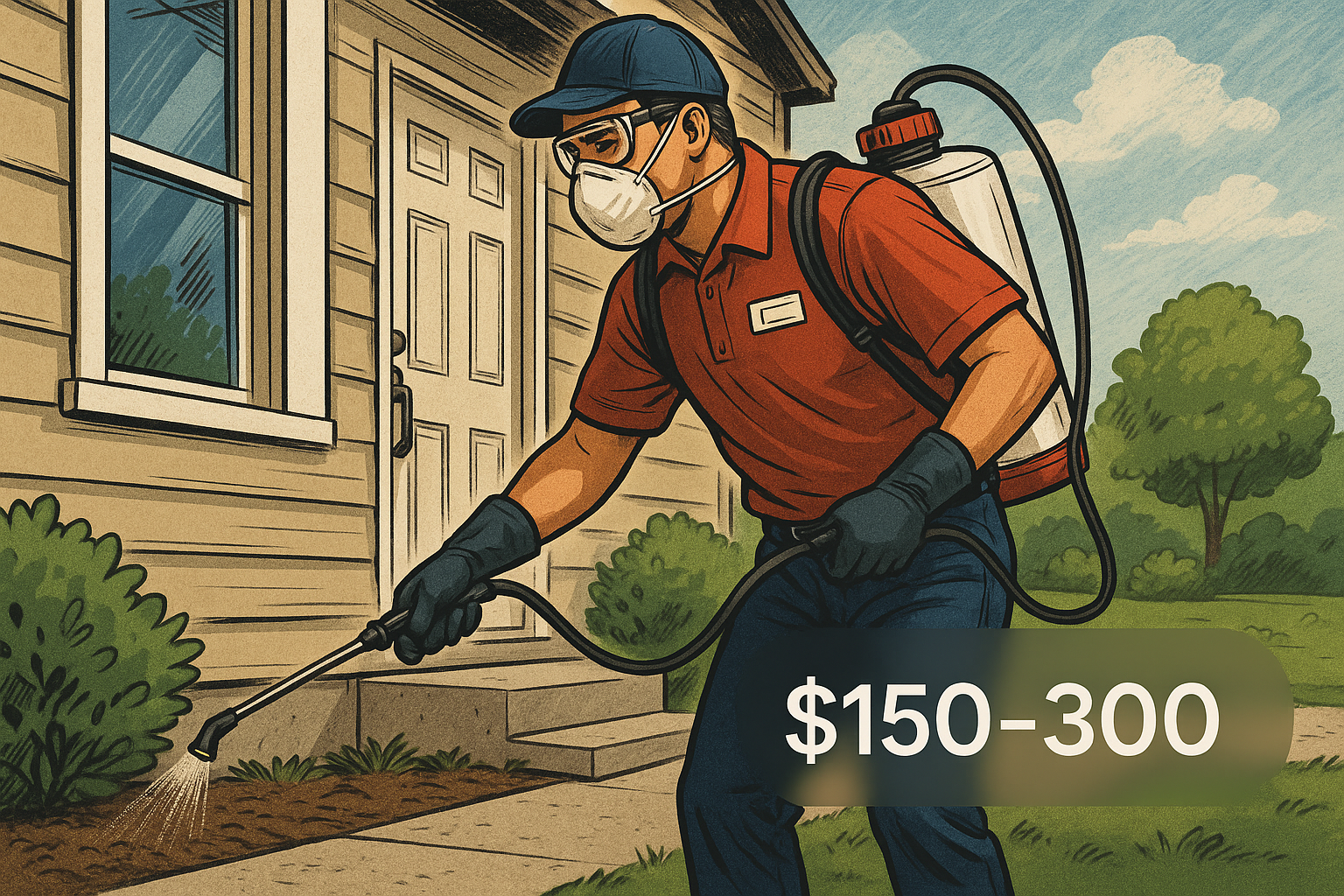
Using EPA‑registered, low‑toxicity biorational sprays—typically pyrethrin‑based formulations—we treat the identified hotspots. Sprays are applied around entry zones, the building’s foundation, and interior cracks where crickets hide during the day. These products are safe for pets and children while delivering a rapid knock‑down of the population.
Step 3 – Exclusion Measures
Elimination alone isn’t enough; we also install physical barriers to prevent re‑entry. Door sweeps, window screens, and sealed utility gaps create a tight envelope around your home. This step is often the most effective long‑term defense, turning a one‑time service into lasting protection.
Step 4 – Follow‑Up
Forty‑eight hours after treatment, we call back for a quick verification visit. Our technician checks the treated areas, confirms that crickets are gone, and provides personalized advice for ongoing prevention—such as landscaping tweaks and seasonal maintenance tips.
Pricing Transparency
Anthem Pest believes you should know exactly what you’re paying for. Emergency cricket control starts at $150 for a standard 1,500‑sq‑ft home. Larger properties or more extensive infestations are priced up to $300. All fees are disclosed upfront, so there are no surprise charges once the work begins. 2025 pricing verified here.
Ready to stop the chirping and protect your home? Call us now at 877‑371‑8196. Our rapid‑response team is on standby to schedule your inspection and get your cricket problem solved today.
Seasonal Timing and Prevention for Dunwoody Homeowners
When Crickets Are Most Active
Crickets in Dunwoody reach their peak activity from late spring through early fall. The warm, humid days of May and June encourage mating flights, but the real indoor surge occurs in July when heat spikes push adult crickets seeking cool shelter inside homes. By late August, populations begin to taper as temperatures dip, though a few late‑season survivors can linger into September.
Landscaping Practices That Deter Crickets
Keeping the lawn short is the simplest barrier—trim grass to three inches or less so crickets can’t hide in the thatch. Regularly rake away leaf litter and debris, especially after a storm, because damp organic matter provides perfect breeding sites. Finally, position outdoor lighting away from doors and windows; bright lights attract insects, which in turn draw crickets toward entry points.
Neighborhood Hotspots in Dunwoody
In Dunwoody’s Perimeter Center, dense ornamental shrubs and mulched beds create a moist micro‑environment where crickets love to congregate. Dunwoody Village’s mature oak canopies drop abundant leaf litter that settles against foundations, while the Oakdale area’s mix of native grasses and garden beds offers continuous cover from spring through fall. Homeowners who trim back these vegetative “bridges” reduce the pathways crickets use to reach your porch or garage.
Stay Ahead With Professional Inspections
The most reliable way to stay ahead of a cricket invasion is a bi‑annual professional inspection. In spring, a technician can identify outdoor harborage, treat perimeter zones, and seal gaps before the first wave of adults arrives. A fall visit catches any late‑season survivors, applies a residual barrier, and confirms that your landscaping tweaks are holding. Scheduling both visits with Anthem Pest Control gives you a year‑round safety net for just a few dollars per month.
Monthly DIY Checks
Each month, walk your property’s perimeter and look for chirping clusters, especially near foundation cracks or under deck railings. Snap a photo and note the location; if you spot more than a handful, call Anthem Pest before the numbers swell. Early detection saves treatment time and cost.
Frequently Asked Questions About Cricket Emergencies
Below are the most common questions homeowners ask when crickets invade their homes, along with clear, concise answers you can rely on.
How much does an emergency call cost?
Our emergency cricket service typically ranges from $150 to $300. The exact fee depends on the square footage of your home and the severity of the infestation. Larger properties or heavily infested areas may require additional labor and product, which pushes the price toward the higher end of the range. All costs are disclosed up front so you never face surprise charges.
Are the chemicals safe for pets and children?
Yes. We only apply EPA‑registered, low‑toxicity products that are proven safe around families. After we finish the treatment, the area is safe to re‑enter after about 30 minutes. We also recommend keeping pets and children away from treated zones during that short waiting period, just as a precaution.
How long will treatment last?
A single emergency application provides roughly four to six weeks of protection against crickets. The formulation creates a residual barrier that deters new insects from entering your home. For severe infestations, we may schedule a follow‑up visit to reinforce the barrier and ensure complete control.
Can crickets return after treatment?
Recurrence is uncommon when we combine chemical treatment with proper exclusion techniques. By sealing cracks, repairing screens, and managing outdoor lighting, the likelihood of crickets coming back drops below five percent. Seasonal maintenance—such as trimming vegetation and reducing moisture sources—further protects your home throughout the cricket season.
Local Resources and References
When you’re dealing with a cricket invasion, having reliable data at your fingertips can make the difference between a quick fix and a recurring problem. Below are the top‑tier resources we trust for up‑to‑date, science‑backed information on pesticide regulations, pest‑management best practices, and health impacts.
- EPA Pesticide Information – Comprehensive guidelines on approved chemicals, safety standards, and how to read product labels.
- University of Georgia Extension – Cricket Management – Research‑driven recommendations specific to Georgia’s climate, including monitoring techniques and non‑chemical controls.
- CDC Allergy & Asthma Data – Statistics on how cricket allergens can trigger respiratory issues, helping you gauge health risks.
- Anthem Pest Emergency Services – Our 24/7 response team for rapid cricket removal, backed by certified technicians and transparent pricing.
Each of these sites offers free tools you can apply right away. The EPA portal lets you cross‑check any product you consider, while the UGA Extension provides region‑specific scouting calendars. CDC’s data helps you decide whether a medical consultation is warranted, and our own emergency page outlines the steps to request immediate service, including what information to have on hand.
Editorial note: Verify the UGA statistics and CDC data for the 2024‑2025 updates before publishing to ensure the guide reflects the latest findings.
Protect Your Home Today – Call Anthem Pest Now
Cricket invasions may seem harmless, but they quickly turn a peaceful home into a noisy, unsanitary environment that can lower property value and disturb sleep. Acting fast protects your family’s health, preserves quiet, and prevents damage to siding, screens, and landscaping.
Our three‑step DIY plan—seal entry points, set targeted traps, and apply a low‑toxicity spray—works for minor outbreaks, but when numbers surge, Anthem Pest’s rapid, affordable emergency service delivers professional‑grade results within hours.
Don’t wait for the chorus to grow louder—call 877‑371‑8196 now or schedule online for same‑day assistance, and our certified technicians will be at your door within the day.
Whether you’re battling a sudden chorus of crickets or simply want to safeguard your home before the next season, our experts are ready to restore quiet and comfort. Request a free, no‑obligation quote today and experience the Anthem Pest difference.
Visit Anthem Pest Control.