Why Crickets Become a Homeowner’s Nightmare in Peachtree City
Crickets may seem harmless, but their biology makes them perfect tenants for the warm, humid climate of Peachtree City, Georgia. These nocturnal insects thrive when temperatures hover above 70°F and humidity stays above 60%, conditions that are common from early spring through late fall. A female cricket can lay up to 200 eggs, and the nymphs mature quickly, allowing populations to explode within weeks if left unchecked.
Once a colony establishes itself, the damage is surprisingly varied. Crickets love to chew on soft materials—think curtains, upholstery, and even stored clothing. Their mandibles can create small holes that, over time, become unsightly and costly to repair. In the kitchen, they wander onto countertops and into pantry items, contaminating food with their droppings and shed skins. The most notorious nuisance, however, is the relentless chirping. Male crickets produce a high‑pitched song by rubbing their wings together, a sound that can carry for hundreds of feet. For a homeowner trying to relax after a long day, that chorus becomes a sleepless soundtrack.
Beyond the immediate annoyance, the economic and comfort impacts can add up. A night of interrupted sleep can affect mood, productivity, and even health, especially for children and seniors. Structural concerns arise when crickets infiltrate cracks in siding, crawl spaces, or attic insulation. While they don’t chew wood like termites, their presence can indicate larger moisture problems that, if ignored, may lead to rot or mold growth. Over time, the cost of repairing fabric damage, replacing contaminated food, and addressing moisture‑related issues can quickly surpass the modest price of a professional cricket treatment.
Local data underscores the urgency. According to a recent analysis by Anthem Pest Control, the average cost of cricket control in Peachtree City ranges from $150 to $300, a fraction of the potential losses from unchecked infestations. The report also highlights that households reporting nightly chirping experience a 30% increase in sleep‑related complaints, reinforcing how a small insect can ripple into a major quality‑of‑life issue. For a deeper dive into the numbers, visit the Anthem Pest cricket‑control cost page.
Understanding why crickets flourish here and the real‑world consequences of their presence equips Peachtree City homeowners to act before the problem spirals. The next sections will explore how to spot early signs and what treatment options deliver fast, lasting relief.
Spotting the Signs of a Cricket Infestation
Crickets may seem harmless, but when they start multiplying inside your home, they can become a noisy and messy problem. Learning the early warning signs lets you intervene before the chirping turns into a full‑blown infestation.
Visual cues
One of the first things you’ll notice is a cluster of dead crickets near windows, doorways, or along baseboards. Their shed exoskeletons—those translucent, empty shells—often litter the same areas. If you hear an increase in nighttime chirping, especially near walls or under appliances, it’s a strong indicator that a colony is establishing itself nearby.
Physical evidence
Crickets love to chew soft materials, so small holes in curtains, upholstery, or outdoor furniture can be a red flag. Look for irregular bite marks on plant leaves, particularly on houseplants kept in damp corners. Droppings are another tell‑tale sign: tiny, dark specks that appear near entry points such as window screens, vents, or cracks in the foundation.
Behavioral clues
These insects are attracted to light and warmth. You may find them gathering around porch lights, under kitchen cabinets, or in bathroom cabinets where humidity is higher. If you notice a concentration of crickets near a leaky pipe or a damp basement, it’s likely they’re seeking the moisture they need to thrive.
How to differentiate crickets from other pests
- Grasshoppers: Typically larger, with longer hind legs for powerful jumps, and they are more active during the day.
- Beetles: Have hard, shiny wing covers and move in a slower, more deliberate manner; they rarely produce the rhythmic chirping that crickets do.
- Crickets: Small (½‑1 in), slender bodies, and the distinctive nighttime song produced by rubbing their wings together.
When in doubt, compare your observations with reputable pest‑control guides such as the one from Smart Solutions Pest Control. Their detailed descriptions and photos can help you verify whether you’re dealing with crickets or another intruder: Smart Solutions – Cricket Identification.
How Crickets Enter Your Home and Where to Look

Crickets aren’t just noisy summer guests; they’re opportunistic explorers that slip inside through the tiniest gaps. Understanding their favorite highways helps you close the doors before they turn your living room into a chorus line. Below, we break down the most common entry routes, why basements and crawl spaces act like backstage tunnels, and how you can perform a quick DIY sweep to catch every opening.
Common Entry Points
- Cracks in the foundation – Even hair‑thin fissures let moisture and insects travel upward.
- Gaps around utility lines – Pipes, cables, and vent stacks often pierce the slab without a proper seal.
- Open doors and windows – Screens with tears or frames that don’t sit flush become invitation cards.
- Vent openings – Bathroom, dryer, and attic vents are often fitted with simple louvers that crickets can crawl through.
Basements and Crawl Spaces: The Hidden Highways
These low‑lying areas stay cool and damp, creating the perfect refuge for crickets seeking shelter from heat and predators. Once they’ve settled in a crawl space, they can travel along joists, pipe runs, and insulation, emerging through any nearby crack. That’s why a sealed basement is as crucial as a sealed front door.
DIY Inspection Checklist
- Gather your tools: flashlight, a thin probe (like a bent nail), and a notepad.
- Exterior sweep: Walk the perimeter with the flashlight, shining it into every crack, gap, and vent opening. Mark any openings wider than ¼ inch.
- Check under siding: Use the probe to feel for soft spots or gaps behind the exterior trim. Crickets love the shadowed space.
- Inspect the foundation: Look for settlement cracks, especially near the corners of the slab. Tap the surface—hollow sounds often indicate larger voids.
- Don’t forget the crawl space: Crawl in, shine the light along joists, and feel for loose insulation or exposed earth.
- Record and prioritize: Note each opening’s size and location. Start sealing the biggest gaps first.
Sealing the Gaps
For cracks up to ½ inch, a high‑quality silicone or acrylic caulk works wonders. Larger voids, especially around pipes, benefit from expanding foam that expands to fill irregular spaces and then hardens. Apply the sealant when the surface is dry, and smooth it with a putty knife for a tight finish. Remember, a well‑sealed home not only stops crickets but also reduces drafts and energy loss.
“Homeowners who seal foundation cracks within the first week of noticing crickets cut their infestation risk by over 80 %.” – James Whitaker, Senior Entomologist, Anthem Pest Control
By systematically hunting down these entry points and sealing them, you turn your house from a cricket highway into a fortress. A quick inspection now saves you from louder nights, unwanted damage, and the cost of emergency treatments later.
Seasonal Cricket Activity in Peachtree City
Life Cycle Basics
Crickets in Peachtree City follow a classic hemimetabolous life cycle: egg, nymph, and adult. Females lay clusters of eggs in moist soil or leaf litter during the warm months. Those eggs hatch in about two weeks, releasing nymphs that look like miniature adults but lack fully developed wings. As temperatures rise, nymphs molt several times before reaching maturity, typically in 4–6 weeks. Temperature and humidity are the two master switches that accelerate or stall this progression. When daytime highs consistently sit above 70°F (21°C) and nighttime lows stay above 55°F (13°C), metabolic rates spike, and cricket populations explode.
Peak Months & Local Climate
Peachtree City’s climate creates a predictable cricket calendar. According to the National Weather Service, average monthly temperatures and relative humidity are:
| Month | Avg High | Avg Low | Avg Humidity |
|---|---|---|---|
| April | 71 | 49 | 68 |
| May | 78 | 55 | 71 |
| June | 85 | 62 | 73 |
| July | 89 | 66 | 75 |
| August | 88 | 65 | 74 |
| September | 81 | 58 | 70 |
These six months—late spring through early fall—are when cricket activity peaks. Warm nights keep the soil moist, encouraging egg hatching, while the humidity prevents desiccation of vulnerable nymphs.
Why Homeowners Notice Crickets Then
During the peak season, everyday habits line up perfectly with cricket behavior. Homeowners start opening windows and doors to enjoy the milder evenings, providing easy entry points for adult crickets seeking shelter. Backyard barbecues, patio gatherings, and evening sports increase outdoor lighting, which attracts the insects that are naturally drawn to light sources. Even routine lawn mowing creates fresh grass clippings—perfect feeding grounds for nymphs emerging from the soil.
Quick Visual Reference
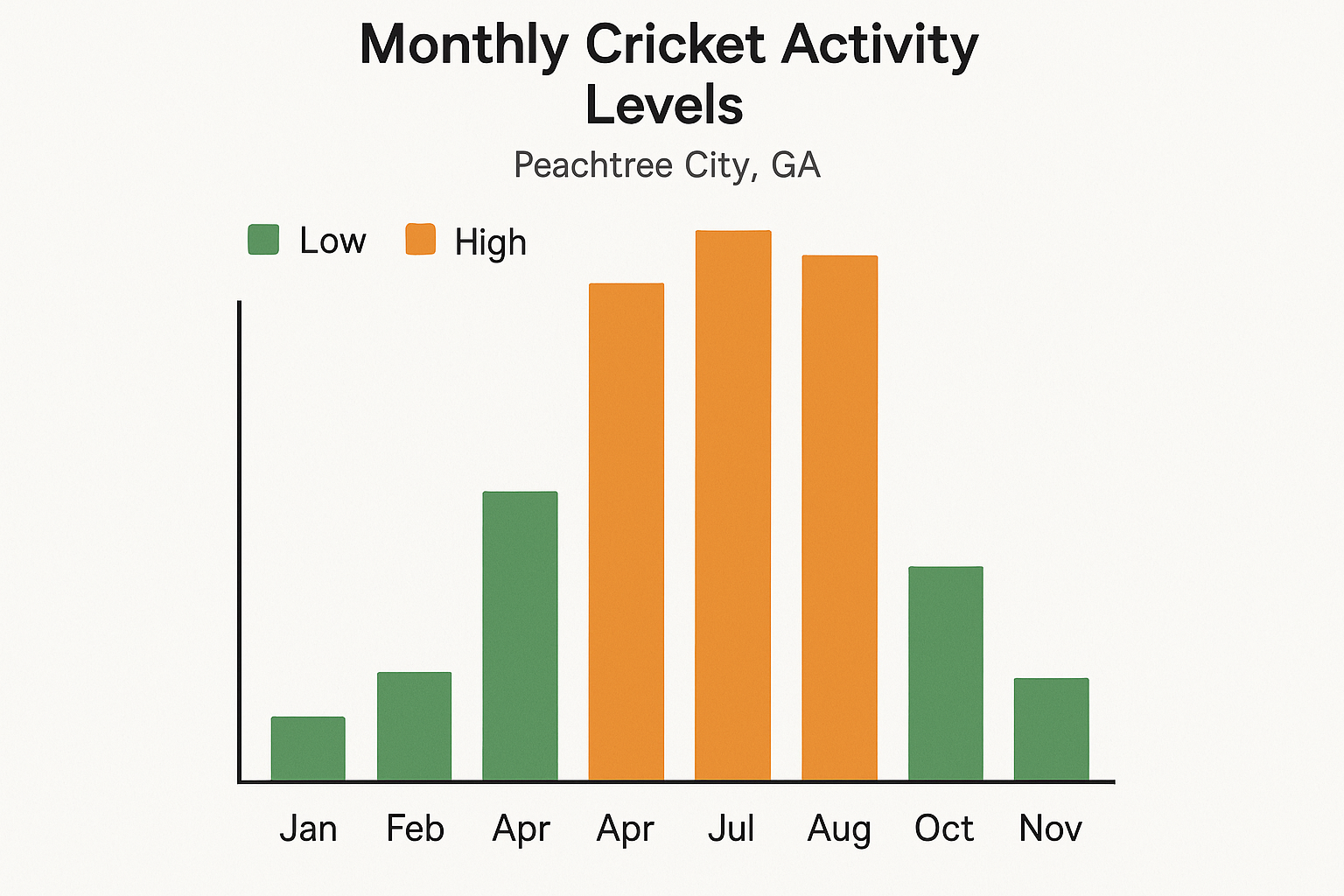
Use the bar chart above for a snapshot of when cricket numbers rise and fall. Planning a treatment before May or scheduling a follow‑up in September can keep the chirping under control.
Further Seasonal Guidance
For a deeper dive into timing, habitat modification, and treatment options, check out our seasonal pest‑management advice. Knowing the calendar lets you act proactively, turning a noisy summer into a peaceful one.
Emergency Cricket Control Services and Pricing Options
When crickets invade your porch, patio, or living space, you need more than a quick spray—you need an emergency response that guarantees results before the night’s chorus turns into a full‑blown infestation. At Anthem Pest Control, “emergency” means a same‑day visit, rapid treatment application, and a written guarantee that the crickets will be eliminated within 48 hours. Our technicians arrive equipped with eco‑friendly products, wear protective gear, and follow a strict protocol to protect your family and pets while delivering fast relief.
Crickets thrive in warm, humid evenings, and a sudden surge can happen after a rainstorm. Delaying treatment gives them time to lay eggs, turning a small nuisance into hundreds of noisy invaders. That’s why Anthem’s emergency team treats every call as a priority, arriving within hours of your request.
Service Tier Overview
We understand that every home and budget is different, so we’ve designed three clear‑cut service packages. Choose the level that matches the severity of your cricket problem and the level of ongoing protection you want.
Basic Tier – Inspection + Single Treatment
- Comprehensive indoor and outdoor inspection to locate breeding hotspots.
- One targeted treatment using low‑odor, EPA‑approved cricket control.
- Eco‑friendly formulation safe for children and pets.
- 30‑day warranty on treatment effectiveness.
- Transparent flat‑rate pricing with no surprise fees.
Standard Tier – Inspection + Two Treatments + Follow‑up
- All features of the Basic tier.
- Two strategically timed treatments (initial and 14‑day follow‑up) to break the cricket life cycle.
- Post‑treatment walkthrough and a written report.
- 60‑day warranty covering re‑infestation.
- Includes a complimentary “Cricket Activity” checklist for homeowners.
Premium Tier – Full‑Home Treatment, Perimeter Barrier, Annual Monitoring
- Full‑home interior spray covering all rooms, closets, and crawl spaces.
- Exterior perimeter barrier that deters crickets from entering the property.
- Annual monitoring visit and a seasonal “cricket‑watch” alert email.
- 90‑day warranty plus a free re‑treatment if crickets return within the warranty period.
- Priority same‑day scheduling for any future emergency calls.
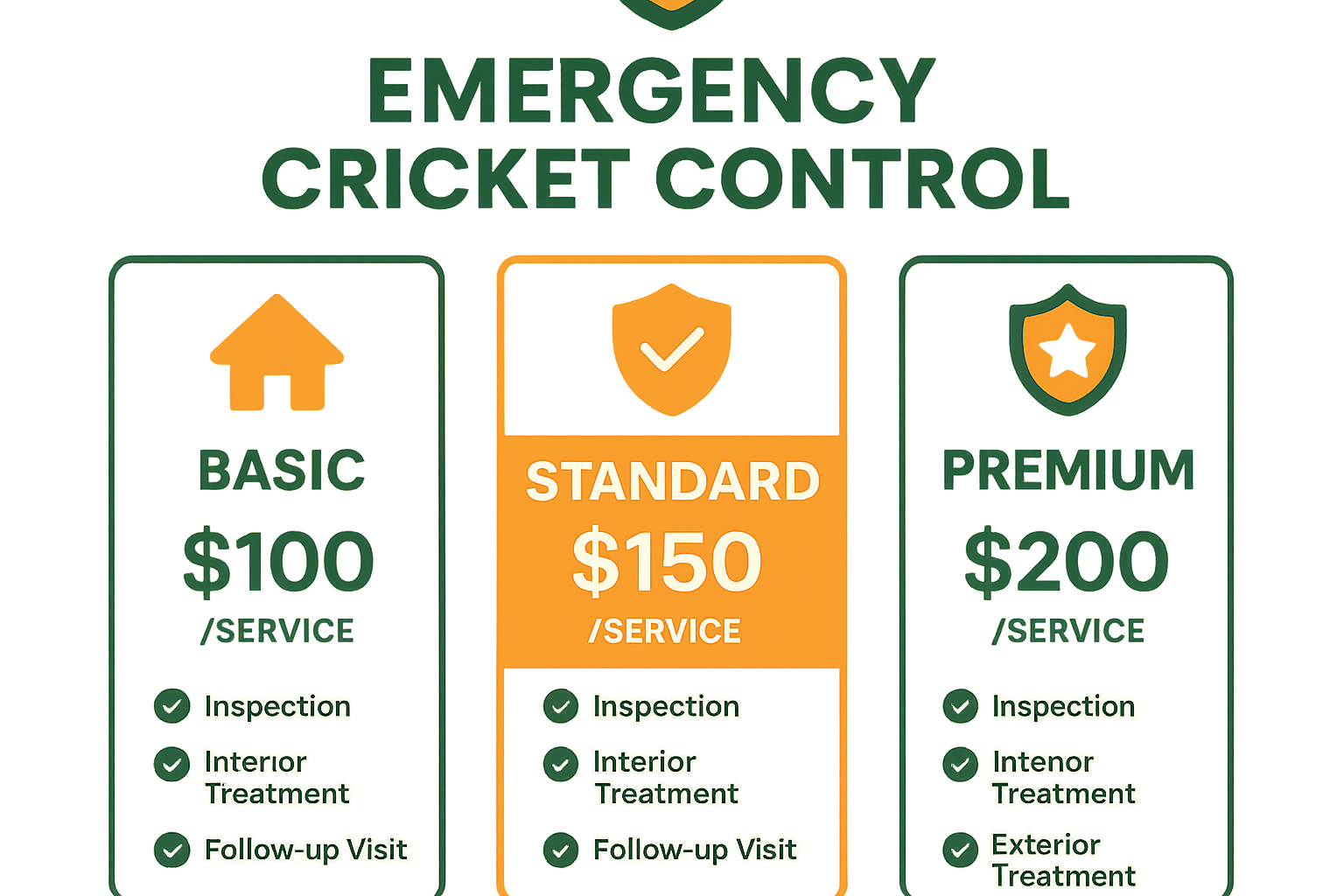
Pricing Comparison
| Tier | Price | Treatments Included | Key Benefits |
|---|---|---|---|
| Basic | $149 | 1 indoor/outdoor treatment | Eco‑friendly, 30‑day warranty, no hidden fees |
| Standard | $229 | 2 treatments + follow‑up | Extended 60‑day warranty, activity checklist |
| Premium | $399 | Full‑home spray, perimeter barrier, annual monitor | 90‑day warranty, priority scheduling, seasonal alerts |
All prices include the cost of materials, labor, and disposal of any debris. You won’t see separate line items for travel, equipment, or extra chemicals—what you see is what you pay. This upfront approach eliminates surprise invoices and lets you budget your pest‑control needs with confidence.
Choosing the right package depends on how quickly you need relief and how much long‑term protection you want. If crickets have just shown up on your porch, the Basic tier gets you back to peace of mind fast. For a moderate infestation that’s spreading to the yard, the Standard tier’s two‑step approach stops the cycle. Homeowners who want a cricket‑free season and the confidence of a yearly check‑in should opt for the Premium tier.
Ready to act? Call Anthem Pest Control at 877‑371‑8196 or visit our website to schedule your same‑day emergency service. Our technicians are standing by to deliver the fast, effective, and transparent solution your home deserves.
Professional Perimeter Treatment and What to Expect
Step‑by‑step walkthrough
When you schedule a perimeter treatment with Anthem, the first step is a thorough pre‑inspection. Our technician walks the property’s exterior, identifies entry points, and notes any existing cricket activity. Next comes the application phase: a low‑odor smoke or mist is released from a specialized machine, coating the foundation, siding, and any cracks where crickets could hide. The mist settles within minutes, and we allow a short drying period—usually 15‑20 minutes—before you can safely re‑enter the home.
Why choose professional over DIY?
DIY sprays often miss hidden gaps and can leave untreated zones, allowing crickets to return within days. A professional perimeter treatment offers complete coverage, reaching under decks, behind gutters, and into tight crevices that a homeowner’s spray can’t reach. Our formulas are calibrated for long‑term protection, creating a residual barrier that stays effective for up to three months, dramatically reducing the need for repeat applications.
Safety first
Anthem’s technicians wear protective gloves, goggles, and respirators to safeguard both themselves and your family. We use low‑toxicity, EPA‑approved chemicals that target crickets without harming pets, children, or beneficial insects. The smoke machine disperses the product in a fine mist, minimizing drift and ensuring the active ingredients stay where they’re needed—right at the perimeter.
Typical timeline
- Booking: Call or schedule online; most appointments are confirmed within 24‑48 hours.
- Pre‑treatment call: A day before, our team confirms access points and any special instructions.
- On‑site treatment: The technician arrives, conducts the inspection, and completes the smoke/mist application—usually under an hour.
- Drying & walkthrough: After the brief drying time, we walk you through the treated areas and answer any questions.
- Follow‑up: Within 7‑10 days, we call to ensure the crickets are gone and schedule any needed booster if activity persists.

By trusting Anthem’s perimeter treatment, you get a science‑backed, hassle‑free solution that protects your home’s foundation from cricket invasions—so you can enjoy a quiet evening on the porch without the constant chirping soundtrack.
Take Action to Protect Your Home from Crickets Today
Why crickets are a problem – quick recap
Crickets may seem harmless, but a large population can damage landscaping, create noisy nights, and attract secondary pests such as spiders and ants. Homeowners usually first notice them by the characteristic chirping at dusk, by finding dead insects in gutters, or by spotting nymphs crawling along foundation walls. The ideal window for treatment is early spring through late summer, when crickets are most active and before they lay eggs that will hatch in the fall.
Pricing options at a glance
- Basic Perimeter Service – one‑time exterior spray covering all entry points.
- Seasonal Protection Package – quarterly treatments that keep the perimeter sealed throughout the year.
- Full‑Home Guard – comprehensive interior and exterior coverage plus a free follow‑up inspection.
All three plans include Anthem’s EPA‑approved products, a guaranteed treatment window, and transparent, upfront pricing so you know exactly what you’re paying for.
Don’t wait – schedule a free inspection
Early action is the most cost‑effective way to stop a cricket invasion before it spreads. By booking a complimentary inspection or quote, you’ll receive a customized plan that matches your home’s layout and your budget. Our technicians will identify hotspots, recommend the optimal timing, and show you exactly how our perimeter service creates a protective barrier against future infestations.
Why choose Anthem Pest Control?
Anthem combines local expertise with safe, effective treatments that protect your family and pets. Our technicians are trained to target crickets without over‑using chemicals, and our pricing is designed to fit a homeowner’s budget. Whether you need a single spray or a year‑round protection plan, we deliver peace of mind without the hidden fees.
Ready to reclaim a quiet, cricket‑free yard? Call 877‑371‑8196 today for a free quote, or visit Anthem Pest Control to schedule your inspection. Take the first step now and keep your home safe from unwanted chirpers.