Recognizing Cricket Infestations in Your Home
Crickets are more than just noisy backyard visitors. Belonging to the family Gryllidae, they thrive in warm, damp environments such as grasslands, woodpiles, and garden mulch. When outdoor conditions become too dry or when food sources dwindle, adult crickets may seek refuge inside homes—one of the most common reasons homeowners need cricket control Suwanee GA, especially during Suwanee’s humid summer nights.
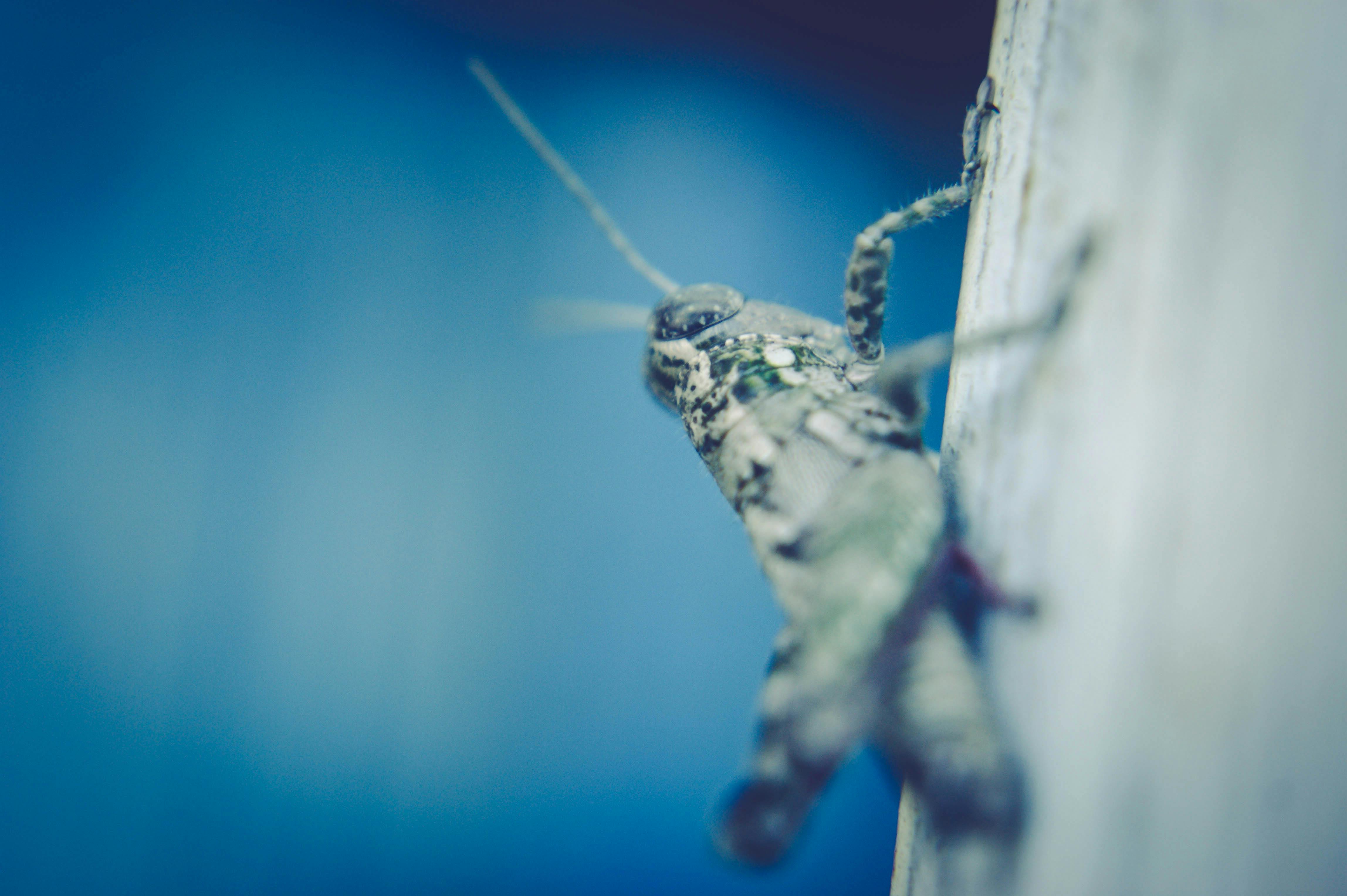
What a cricket looks like up close
Audible and visual cues
Unlike ants or cockroaches, crickets announce their presence with a distinctive chirp. The sound is produced by males rubbing their forewings together—a process called stridulation. You’ll typically hear it after sunset, especially in quiet rooms or near open windows. If the chirping is intermittent and louder in one area, it’s a strong hint that an adult is perched nearby.
- Nighttime activity: Crickets are nocturnal. Spotting a lone jumper in the kitchen after dark is a red flag.
- Winged adults: Mature males have long, transparent wings that extend beyond their abdomen. Their presence indicates a breeding population.
- Droppings: Small, dark specks resembling ground coffee grounds often appear on countertops, floors, or pantry shelves.
- Shed exoskeletons: After molting, crickets leave behind delicate, translucent shells that cling to baseboards and light fixtures.
Physical signs on surfaces
Beyond sounds, crickets leave tangible evidence. Look for tiny pinhole-sized openings in drywall or wood—these are entry points they’ve chewed to gain access. In kitchens, you might notice crumbs near pantry doors or a faint, musty odor from accumulated debris. Basements and attics are common staging areas; check for small holes in insulation, and run a flashlight along rafters to spot hidden crickets or their exuviae.
Quick visual inspection checklist
- Turn off the lights and listen for chirping for two minutes in each room.
- Inspect kitchen cabinets, especially under the sink, for droppings and shed skins.
- Examine basement walls and attic joists for tiny entry holes and exoskeletons.
- Use a flashlight to scan corners, behind appliances, and under furniture where crickets love to hide.
- Seal any visible cracks with caulk or weatherstripping to block further entry.
Detecting these signs early can stop a few stray crickets from turning into a full‑blown infestation. Prompt identification allows Anthem Pest Control to intervene with targeted, low‑impact treatments before the population multiplies, saving you time, money, and unwanted nighttime serenades.
Health and Property Risks from Crickets
Allergens and indoor air quality
Crickets may seem harmless, but a bustling colony can stir up a cloud of dust, dead bodies, and shed exoskeletons. Those tiny fragments become airborne allergens that settle on furniture, curtains, and HVAC filters. For homeowners with asthma or seasonal allergies, this can trigger sneezing, itchy eyes, and shortness of breath—much like the reaction many have to dust mites.
Food contamination concerns
Unlike cockroaches, crickets are not known carriers of serious pathogens, but they do love to explore pantry shelves. When they crawl across cereal boxes, flour bags, or open containers, they leave behind feces and body parts that can contaminate food surfaces. Even a single cricket on a bag of rice can spoil the entire batch, prompting waste and extra grocery trips.
Minor structural impacts
Crickets have strong mandibles designed for chewing plant material, yet they will gnaw soft, accessible items in a home. This includes:
- Fabric upholstery and curtains
- Paper products such as books or paperwork
- Occasionally, the insulation on exposed wiring (rare, but possible in severe infestations)
While the damage is generally superficial compared to termites or carpenter ants, a large population can accelerate wear on soft materials, especially in attics or crawl spaces where they seek shelter.
How crickets compare to other indoor pests
When you hear “pest problem,” most homeowners picture cockroaches or rodents. Cockroaches pose a higher health risk because they carry bacteria like Salmonella and E. coli, while rodents can chew through electrical wiring, creating fire hazards. Crickets, on the other hand, are primarily a nuisance with allergenic potential and minor structural wear—yet their presence often signals a moisture problem or entry points that make cricket control Suwanee GA necessary before more destructive pests move in.
What the EPA says
The U.S. Environmental Protection Agency (EPA) notes that any indoor pest can degrade indoor air quality and exacerbate health issues. Their guidelines on indoor pest control stress early detection, proper sanitation, and integrated pest management to minimize health impacts.
Tips for homeowners to monitor symptoms
- Track any uptick in sneezing, itchy throat, or asthma attacks during peak cricket season (late summer to early fall).
- Inspect pantry items weekly for cricket droppings or live insects.
- Check attics, basements, and crawl spaces for chirping sounds or clusters of exoskeletons.
- Maintain low humidity and seal cracks around windows, doors, and foundation vents.
- Consider a professional inspection if you notice more than a handful of crickets or persistent allergy symptoms.
By understanding these health and property risks, homeowners can act quickly—before a harmless chirp turns into a costly, uncomfortable infestation.
Effective Cricket Control Methods
Immediate DIY Actions
Start by cutting off the crickets’ easy access points. Inspect doors, windows, and foundation cracks, then seal gaps with caulk or weather‑stripping. Crickets are attracted to bright outdoor lights, so switch to sodium‑vapor bulbs or use motion‑sensor fixtures that stay off when you’re not outside. Finally, eliminate food sources: keep pet dishes covered, store pantry items in airtight containers, and promptly clean up crumbs or spilled drinks. These simple steps remove the invitation and can reduce chirping within a day or two.
Chemical Options (Low‑Toxicity Sprays & Baits)
If DIY measures aren’t enough, consider low‑toxicity insecticides designed for indoor and perimeter use. A spray containing pyrethrin or neem oil can be applied to baseboards, under sinks, and around entry points—just follow the label, wear gloves, and keep children and pets out of the treated area for the recommended time. For a more targeted approach, place gel or granule baits in cracks where crickets travel. The bait’s slow‑acting toxin allows the insect to return to its hideout, spreading the effect to others before dying.
Non‑Chemical Alternatives
When you prefer a chemical‑free route, there are several options, each with its own strengths and limits:
- Sticky traps – Easy to set along walls or near lights; they catch active crickets but don’t address hidden nests.
- Ultrasonic repellents – Emit high‑frequency sounds that some insects find uncomfortable; effectiveness varies widely and devices must stay plugged in continuously.
- DIY bait stations – A mixture of sugar, water, and a few drops of dish soap in shallow dishes can lure crickets, which then drown; works best for small, localized spots.
When to Call a Professional
Even the best DIY plan can fall short if the infestation is large, nests are concealed behind walls, or the nightly chirping persists after a week of home treatment. In those cases, a licensed pest‑control technician brings the expertise and equipment needed to locate hidden colonies, apply professional‑grade products safely, and guarantee long‑term relief.
What to Expect During a Professional Treatment
A typical Anthem Pest Control visit begins with a thorough inspection, an essential step in effective cricket control Suwanee GA. The technician identifies entry points, checks for moisture problems that attract crickets, and pinpoints any active nests. Next comes a targeted application of a low-odor, EPA-approved insecticide—often a micro-encapsulated spray that continues to work for weeks. After treatment, the tech will set a few sticky pads in high-traffic areas and provide a clear follow-up plan, usually a phone call or a second visit within 10–14 days to ensure the population stays suppressed.
Pricing Options and Seasonal Planning
Service Tiers
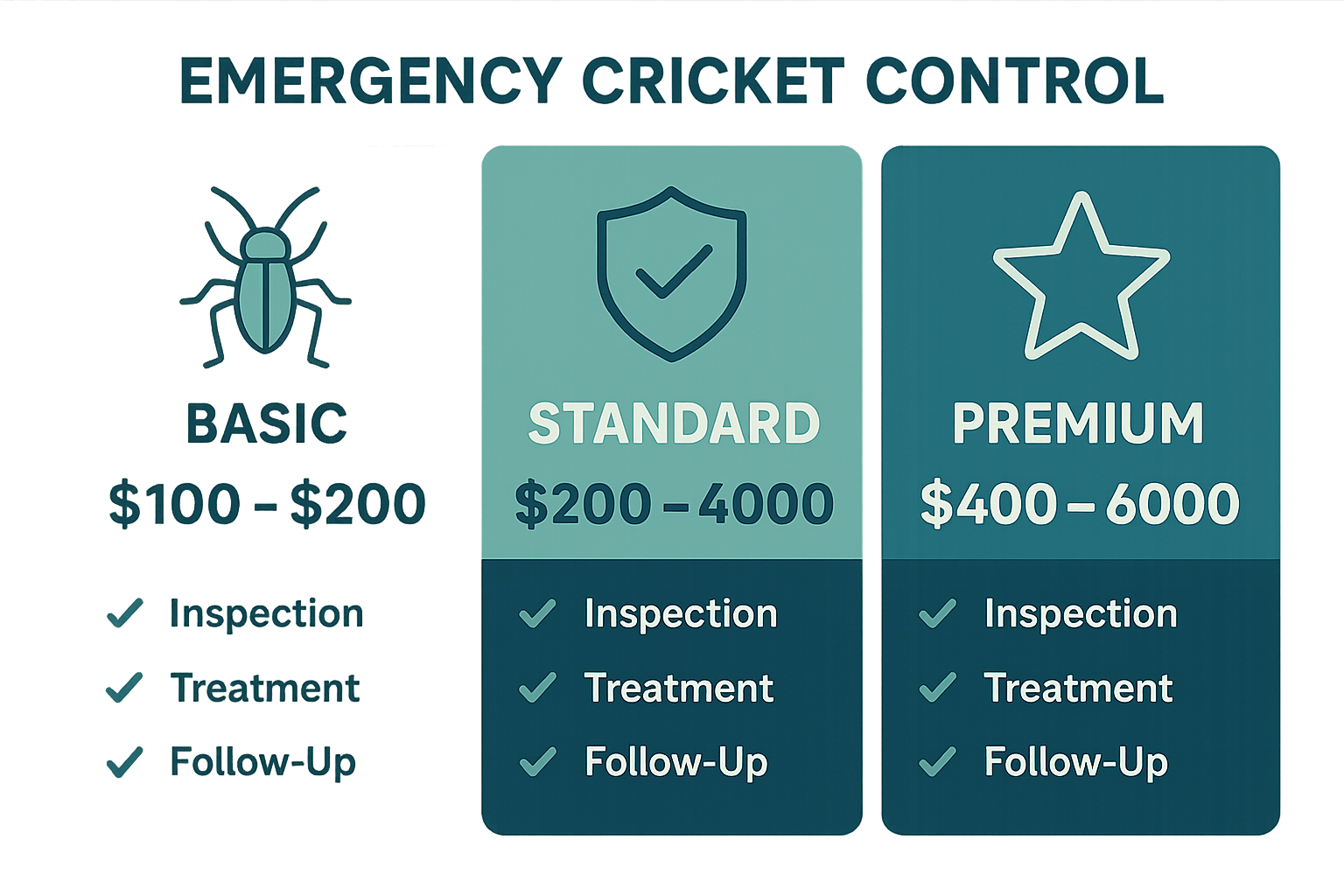
Anthem Pest Control offers three clear-cut service tiers so you can match your budget with the level of protection you need for cricket control Suwanee GA. All tiers include a licensed technician, EPA-approved products, and a 30-day guarantee on effectiveness.
| Tier | Price Range (per treatment) | What’s Included |
|---|---|---|
| Basic | $149 – $199 | One‑time exterior spray, crack‑and‑crevice treatment, post‑service follow‑up call |
| Standard | $219 – $279 | All Basic services plus indoor perimeter fog, bait stations for indoor hotspots, and a second treatment within 30 days |
| Premium | $329 – $389 | Comprehensive coverage: Standard package, quarterly preventative visits, full‑home inspection, and a bundled prevention plan for ants, roaches, and crickets |
Seasonal Cricket Activity
Crickets thrive when temperatures rise and humidity climbs. Our seasonal chart shows the high‑risk months for Suwanee, Georgia, and highlights where indoor and outdoor risks differ.
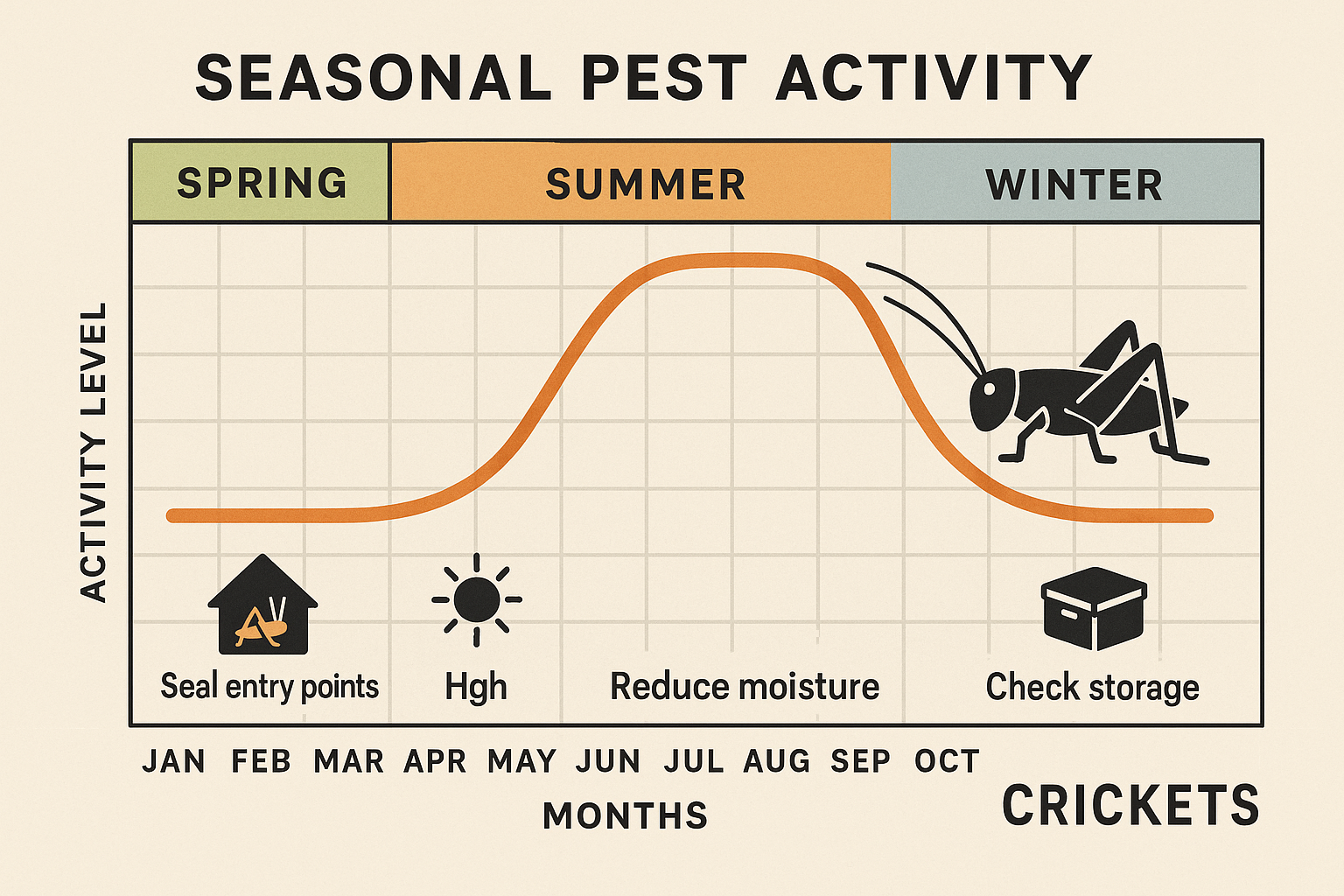
- Spring (March‑May): Crickets emerge from overwintering sites. Quick tip – seal foundation cracks before they hatch.
- Summer (June‑August): Outdoor activity peaks; indoor infestations can follow. Quick tip – keep lights off near doors at night.
- Fall (September‑November): Adults seek shelter indoors. Quick tip – schedule a pre‑emptive treatment in early October.
- Winter (December‑February): Crickets are dormant, but eggs remain in soil. Quick tip – maintain yard mulch at a low depth to discourage hatching.
Timing Your Treatments for Maximum Effectiveness
To stay ahead of the swarm, aim for a pre‑emptive service in early fall. This timing targets adult crickets before they move indoors, reduces egg laying, and gives the Premium tier’s quarterly visits a head start for the next season. If you’re on a Standard plan, a follow‑up treatment in late winter can knock out any late‑season hatchlings that survived the first round.
Transparent Pricing & Bundled Prevention Plans
We believe you should never guess what you’ll pay. All tier prices are posted up front, and any additional services—such as a one‑time rodent inspection or mosquito barrier—are quoted before work begins. Bundling cricket control with our year‑round ant and roach prevention plan can shave up to 15% off the total cost while giving you a single, hassle‑free appointment schedule.
Ready to see how these options fit your home? Request a free, no‑obligation quote today, and let our local Suwanee experts design a plan that matches your budget and your cricket‑control timeline.
Protect Your Home with Professional Help
Early identification of a cricket invasion and prompt, proper treatment are the two most powerful tools a homeowner has. The sooner you spot the tell‑tale chirping, the less likely the insects will establish a breeding colony that can damage siding, crawl spaces, and outdoor lighting. Quick action also prevents the noisy evenings that drive families to the couch in silence.
Why Choose Anthem Pest Control?
Anthem Pest Control brings more than a truck full of chemicals. Our technicians are certified specialists who have dealt with crickets, termites, mosquitoes, rodents, and dozens of other household pests across Georgia and beyond. Because we treat each infestation as a unique puzzle, we design a plan that targets the source, not just the symptoms.
- Safe solutions: EPA‑approved products applied with precision to protect children, pets, and the environment.
- Effective results: Integrated pest‑management techniques that keep crickets from returning for months.
- Transparent pricing: No hidden fees; you receive a detailed quote before any work begins.
- Affordability: Competitive rates and flexible service packages for any budget.
Because we serve Suwanee and the surrounding Fulton County neighborhoods, our technicians know the local climate patterns that trigger cricket activity. That knowledge lets us place treatments where they’ll work longest, giving you peace of mind throughout the warm months.
Take the Next Step Today
Don’t let a small cricket problem grow into a full‑blown emergency. Call us now for a free, no‑obligation quote and let our experts walk you through the best treatment plan for your home. We’ll answer every question, schedule a convenient visit, and give you a clear price upfront.
Call Anthem Pest Control at 877-371-8196 or visit Anthem Pest Control for your free quote on cricket control Suwanee GA.