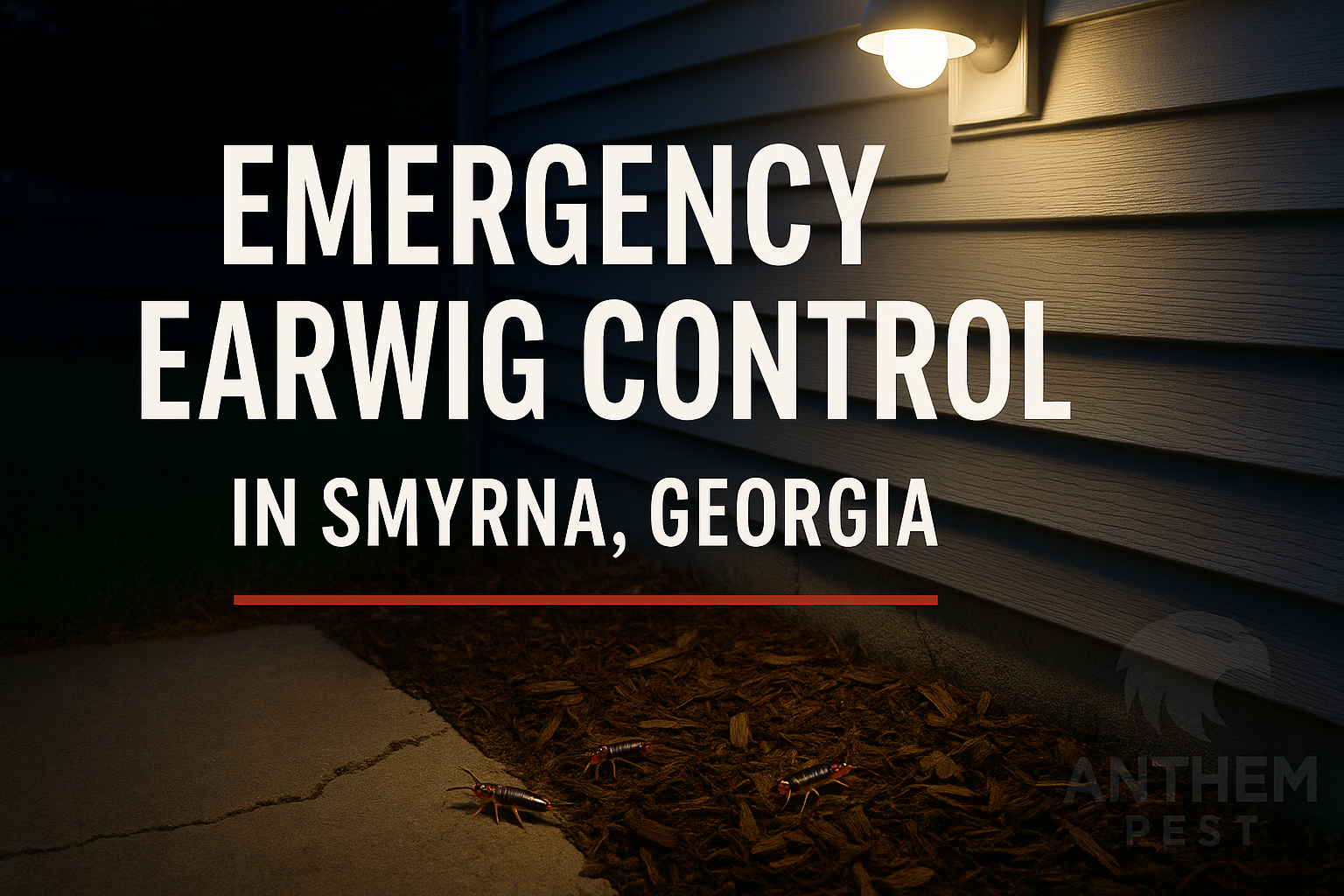
The Surge in Earwig Activity Across Smyrna
If you’ve walked your yard this week and found more earwigs than you can count, you’re not imagining it. The latest series of heavy rainstorms that drenched Smyrna last month created the perfect breeding ground, and residents are now reporting an unprecedented spike in sightings.
Why act fast? Earwigs may seem harmless, but a sudden influx can quickly turn into a garden nightmare—chewing on seedlings, damaging ornamental plants, and even invading basements or crawl spaces in search of moisture. Left unchecked, they become a persistent nuisance that forces homeowners to choose between costly damage control and a full‑scale eradication later.
In the next sections we’ll walk you through four essential steps:
- Identification of earwig species and damage patterns
- Emergency actions you can take tonight
- When to call a professional for targeted treatment
- Long‑term prevention strategies tailored to Smyrna homes
First, learn to identify earwigs by their slender, dark bodies and characteristic pincers. Second, immediate actions—like removing standing water, sealing cracks, and setting simple traps—can dramatically reduce their numbers overnight. Third, if the infestation persists beyond 24‑48 hours, a licensed technician will apply targeted baits and residual sprays safely around your property. Finally, long‑term prevention involves regular landscape maintenance, proper drainage, and periodic inspections to keep future outbreaks at bay.
Our recommendations are not based on guesswork. We’ve compiled recent trap data, weather patterns, and neighborhood reports from the past six months to create a guide that reflects the exact conditions Smyrna homeowners are facing right now.
At Anthem Pest Control we combine that local intelligence with a proven, EPA‑approved treatment protocol that protects your family, pets, and prized plants. Our technicians are trained to recognize the early signs of an earwig outbreak and to intervene before the problem spreads.
Because every rain event reshapes the earwig population, we update this guide monthly with the latest field observations from Smyrna neighborhoods. Staying informed gives you the edge to act before the insects become a full‑blown emergency.
Spotting Earwigs: Identification Guide for Smyrna Homeowners
Earwigs are easy to miss if you don’t know what to look for, but a quick visual check can save you from a summer of unwanted guests. In Smyrna, the most common species sports an elongated, flattened body that measures about ½‑inch to 1‑inch long. The exoskeleton is a uniform dark‑brown, almost glossy hue, and the signature feature is a pair of curved pincers (cerci) extending from the rear of the abdomen. Those pincers are not weapons for humans; they’re primarily used for mating and defending themselves against predators.
Behavior you’ll notice at night
Earwigs are strictly nocturnal. After sunset they emerge from their hiding spots, drawn to any source of moisture. Mulch, wood chips, and damp leaf litter act like a five‑star hotel for them. You’ll often see them scurrying across garden paths or along the base of your home when the humidity spikes, especially after a summer rain.
Where they love to hide in a Smyrna yard
- Foundations and crawl‑space vents
- Mulch beds and decorative wood chip borders
- Compost bins and organic waste piles
- Garden beds with dense foliage or standing water
Take the case of a Burnt Hickory resident who discovered a “tiny army” of earwigs inside his kitchen‑scale compost bin. He noticed the insects after a week of heavy July rain, and a quick inspection revealed dozens of dark‑brown bodies clustered around the damp newspaper layers. The homeowner’s first instinct was to spray a generic insecticide, but the problem resurfaced the next night—proving that identification and proper habitat removal are the real solutions.

Research from the University of Georgia Extension confirms that earwig populations in the Atlanta metro area can jump by nearly 45 % after a series of July rains [UGA Extension]. The surge is directly linked to the moisture‑rich environments we unintentionally create in our backyards.
Quick Tip: If you’re unsure whether you’ve found an earwig, compare it to a common house cricket. Crickets have long, straight antennae and powerful hind legs for jumping, while earwigs have short, stubby antennae and lack the enlarged hind legs. The most reliable giveaway is the pair of curved pincers at the rear—no other household pest in Smyrna sports that feature.
By learning these visual cues and hotspot clues, Smyrna homeowners can catch an earwig problem before it spreads to indoor spaces. A simple nightly walk around the foundation, a quick glance at mulch, and a check of any compost containers are all it takes to stay one step ahead.
Risks of Delaying Earwig Control
When earwigs are left unchecked, the damage can spread from the garden to the inside of your home, turning a minor nuisance into a costly problem. Acting quickly prevents the small insects from becoming a big headache.
Ornamental plant damage
Earwigs love tender foliage. In just a few weeks they can chew through the leaves of roses, azaleas, and other prized shrubs, leaving ragged edges and exposing the plants to disease. The loss of foliage not only reduces curb appeal but also weakens the plant’s ability to bloom the following season.
Indoor shelter and household nuisance
As outdoor conditions become less favorable—especially after rain or a heat wave—earwigs seek refuge inside. They slip through cracks, crawl under siding, and end up in basements, closets, or even kitchen cabinets. Homeowners often discover them in the early morning, and the sight of dozens of dark, winged insects can be unsettling.
Secondary issues: fungal spores
Earwigs are known carriers of fungal spores such as Botrytis and powdery mildew. When they move between plants, they can inadvertently spread these pathogens, accelerating leaf spot and rot problems throughout the garden.
A real‑world example
Take the story of a resident in Oak Grove, a Smyrna suburb. After a late‑summer storm, she noticed a surge of earwigs in her yard. Within two weeks, several rose bushes showed extensive leaf loss and wilted stems. By the time she called a professional, the roses required pruning and a fungicide treatment, adding $120 in extra expenses.
Cost comparison: DIY vs. professional emergency service
| Option | Approximate Cost |
|---|---|
| DIY traps (glue boards, oil traps) | $15‑$30 |
| Anthem Pest emergency service | $180‑$250 |
Long‑term financial impact
While a DIY approach may seem cheaper upfront, untreated earwig populations can force you to replace damaged shrubs, treat fungal infections, and even repair structural damage caused by moisture accumulation from their hiding spots. Over a growing season, those hidden costs can easily exceed $500, far surpassing the price of a professional emergency treatment.
Immediate Treatment Options for Earwig Infestations

DIY Solutions You Can Start Tonight
Sticky traps are the fastest way to gauge the severity of an earwig problem. Place a few traps along the foundation walls, especially where you notice earwigs entering, and tuck another set near mulch beds or garden borders. The adhesive surface catches wandering insects, giving you a visual count within a few hours.
For a chemical‑free kill zone, sprinkle food‑grade diatomaceous earth (DE) around known entry points—door thresholds, window sills, and cracks in the foundation. Follow these steps:
- Wear a dust mask and gloves to avoid inhaling fine particles.
- Use a hand‑tamp to apply a thin, even layer of DE directly on the surface.
- Reapply after heavy rain or watering, as moisture reduces DE’s effectiveness.
Sanitation is the unsung hero of earwig control. Earwigs thrive in damp, organic debris, so eliminate standing water in potted plant trays, gutters, and low‑lying yard spots. Rake away leaf litter, compost piles, and rotting wood that sit against the house. A dry, clean perimeter removes the food source that fuels rapid population spikes.
Professional Emergency Services
When an infestation overwhelms DIY measures, a perimeter spray from a licensed technician delivers a rapid knock‑down. Technicians use EPA‑approved insecticides applied with a low‑volume mist blower, which creates a fine fog that penetrates cracks, soil, and mulch without over‑saturating the landscape. Safety gear—including respirators, goggles, and disposable coveralls—keeps both the applicator and your family protected.
Inside the home, professionals target hidden colonies with crack‑and‑crevice treatments. A micro‑encapsulated insecticide is injected into baseboard seams, window frames, and under floorboards, where earwigs hide during daylight. The formulation remains active for weeks, ensuring any late‑emerging insects encounter a lethal barrier.
Most emergency plans include a follow‑up visit 7–14 days after the initial application. This second service checks for residual activity, re‑treats any hot spots, and verifies that the earwig population has been reduced below damaging levels.
EPA label data for the recommended insecticide shows >85 % efficacy within 24 hours of application, confirming the rapid results homeowners need during an emergency [EPA].
Anthem Pest’s Emergency Earwig Package
- Initial perimeter and indoor treatment: $199
- Follow‑up visit (one‑time): $79
- Seasonal discount for Smyrna residents: 10 % off the total package when booked before the first frost.
Choosing Anthem Pest means you get a rapid knock‑down backed by EPA‑registered products, fully insured technicians, and a clear pricing structure—no hidden fees, no surprise add‑ons. Our team follows strict safety compliance, so you can rest easy while we restore your home’s comfort.
Anthem Pest’s Expertise in Smyrna Earwig Emergencies
When an earwig invasion hits a Smyrna home after a sudden rainstorm, the last thing a homeowner wants is to guess at solutions. Anthem Pest steps in with a team of fully licensed technicians who are not only certified by the Georgia Department of Agriculture but also trained to use EPA‑approved products that meet the strictest safety standards for families and pets.
Our 24‑hour emergency response guarantee means a call at 2 a.m. triggers the same rapid dispatch you’d expect during regular business hours. Within the hour, a technician arrives, evaluates the infestation, and begins treatment with a proven, low‑toxicity formula that targets earwigs while preserving the surrounding environment.
Smyrna‑Specific Training
What sets Anthem apart in the Metro Atlanta region is our Smyrna‑specific training program. Technicians learn how the city’s humid subtropical climate, clay‑rich soils, and common landscaping choices create perfect entry points for earwigs. They know which cracks in foundation walls, gutter overflows, and mulch beds are most likely to harbor these nocturnal pests, allowing them to place baits and barriers exactly where they’ll be most effective.
“I called Anthem after waking up to earwigs crawling across my bedroom floor. The technician arrived within 45 minutes, explained why they were showing up after the storm, and treated our home so thoroughly that we haven’t seen a single earwig since. Their professionalism and local knowledge gave me peace of mind.” – Maria L., Smyrna, GA
Our commitment to the Smyrna community goes beyond emergency calls. Anthem Pest has been recognized with the Smyrna Small Business Excellence Award for three consecutive years and regularly sponsors the city’s Neighborhood Clean‑Up Day, reinforcing our dedication to a pest‑free, healthy environment.
Ready to put an end to the earwig invasion? Visit our dedicated earwig control page for a detailed overview of treatment options, pricing, and a quick online scheduling form.
Choosing Anthem Pest means partnering with a locally trusted team that combines certified expertise, rapid emergency service, and a genuine investment in Smyrna’s well‑being. Let us handle the earwigs so you can enjoy your home without the nightly crawl‑outs.
Long‑Term Strategies to Keep Earwigs Out
Even after a successful emergency treatment, earwigs love to return if the environment around your home stays inviting. The best defense is a proactive, year‑round plan that removes moisture, eliminates hiding places, and blocks entry points before the insects even think about moving in. Below is a practical checklist and timing guide you can follow every season.
Home Maintenance Checklist
- Ensure proper drainage: Clean gutters, downspouts, and French drains so water doesn’t pool near the foundation.
- Trim vegetation: Keep shrubs, vines, and tree branches at least 12 inches away from the house to prevent earwigs from using them as bridges.
- Swap wood mulch for stone: Wood mulch retains moisture and provides perfect shelter. Replace it with gravel or decorative stone to dry out the soil surface.
- Seal cracks and gaps: Use silicone or acrylic caulk on foundation seams, window frames, and utility penetrations. Even a tiny opening can become a highway for earwigs.
- Inspect exterior lighting: Insects are attracted to bright bulbs. Switch to yellow‑tinted or LED lights that are less appealing to earwigs and other pests.
Seasonal Timing Advice
Earwig activity spikes when the ground stays moist. The most effective windows for preventative treatment are:
- Early spring (April‑May): Apply a perimeter barrier before the rainy season begins.
- Late spring (May‑June): A second application helps catch any late‑emerging nymphs.
- Post‑storm periods: Heavy rain can wash chemicals away and create new entry points, so a quick touch‑up after a major storm is wise.
Neighborhood‑Specific Tips
Burnt Hickory (older homes): Many houses here were built with brick veneer and have settled foundations. Extra sealing around the baseboard and any exposed brick joints can cut down on earwig ingress.
East Cobb (newer developments): These homes often feature slab foundations and modern grading. Focus on landscape grading—ensure the yard slopes away from the house by at least 2% to direct water runoff.
According to the NPMA 2023 study, homeowners who performed regular perimeter treatments saw a 70 % reduction in earwig re‑infestation compared with those who only reacted after an outbreak.
Professional Support
Even the most diligent DIY routine benefits from a professional eye. We recommend scheduling an annual inspection with Anthem Pest Control. Our technicians will:
- Identify hidden cracks or moisture pockets you might miss.
- Apply a EPA‑registered perimeter treatment tailored to Smyrna’s climate.
- Offer an optional preventative package that includes quarterly follow‑ups and a discounted retreat schedule.
By combining these long‑term habits with a yearly professional check‑up, you’ll keep earwigs—and the damage they cause—well out of your home for good.
Frequently Asked Questions About Earwig Control
Are earwigs harmful to humans?
For the most part, earwigs are harmless to people. They do not transmit diseases and are unlikely to cause damage to structures. The only risk comes when they are handled—earwigs can deliver a painless pinch that may feel like a mild bite. In very rare cases, individuals with sensitive skin might experience an allergic reaction to the bite or to the insect’s defensive secretions. The University of Georgia Extension notes that these incidents are uncommon and usually resolve without medical intervention. UGA Extension
How long does a professional treatment last?
A standard professional earwig treatment provides protection for roughly 4–6 weeks. This timeframe reflects the residual activity of the insecticide as described on the EPA‑registered label, which typically guarantees efficacy for about a month under normal indoor conditions. Homeowners can extend this protection by scheduling follow‑up visits, especially during peak earwig season, and by maintaining a clean, dry environment that discourages re‑infestation. EPA label duration
Can earwigs return after a single spray?
Yes, a single application may not eliminate a population if the underlying habitat remains favorable. Earwigs thrive in moist, dark crevices and feed on organic debris. Without addressing these conditions—such as reducing excess moisture, sealing entry points, and removing food sources—new individuals can migrate back in. Anthem Pest recommends an integrated approach: combine professional perimeter and interior treatments with regular sanitation, proper landscaping, and moisture control to keep earwigs from returning.
Take Action Now – Contact Anthem Pest for Emergency Service
Earwig numbers can explode overnight, turning a harmless garden visitor into a nuisance that damages plants and invades your home. When activity spikes, every day you wait gives the insects more time to breed and spread, so swift action is essential.
Delaying treatment can allow earwigs to hide in cracks, under siding, and even inside mulch beds where they lay thousands of eggs. Once established, they become harder to eradicate and may cause costly damage to tender plants and outdoor structures.
Quick recap of what works
- Identify the problem: Spot the characteristic pincers and nocturnal foraging.
- DIY traps: Set up rolled newspaper or shallow water traps to reduce numbers while you wait for help.
- Professional emergency treatment: Licensed technicians apply targeted, fast‑acting solutions that reach hidden nests.
Our technicians employ low‑odor, EPA‑approved products that target earwigs at every life stage while preserving the safety of pets and children. Because we treat the source—not just the visible insects—we reduce the chance of a repeat invasion.
For homeowners in Smyrna who need immediate relief, Anthem Pest is just a phone call away. Dial 877‑371‑8196 for same‑day, 24‑hour response guarantee. Our pricing is transparent—no hidden fees—and our local team knows the quirks of Georgia’s climate, ensuring the right product is used at the right time.
Our Smyrna crew is ready to protect your garden and home with safe, fast‑acting solutions—reach out today for a free, no‑obligation quote.
Visit Anthem Pest Control to schedule your emergency service now.