Emergency Kitchen Takeover: Why Fruit Flies Demand Immediate Action
Fruit flies may seem harmless, but their life cycle is a rapid sprint. From the moment a female deposits an egg on ripe fruit or a damp sponge, the egg hatches into a larva within 24 hours. In roughly 7–10 days the larva matures, pupates, and emerges as an adult capable of reproducing. This entire cycle can repeat three to four times in a single summer, turning a tiny problem into a full‑blown infestation in less than two weeks.
What makes the situation truly urgent is the sheer reproductive power of a single female. Each can lay up to 500 eggs over her short lifespan. When those eggs hatch, the next generation of females repeats the process, creating an exponential growth curve that looks roughly like 1 → 500 → 250 000 → … in just a handful of weeks. In a typical Brookhaven kitchen, that means dozens of flies can appear overnight, hovering over countertops, sinks, and trash cans.
The visual cue of swarms buzzing around food prep areas triggers an immediate sense of emergency. Homeowners often describe the moment they spot a cluster of fruit flies as “the kitchen feels taken over.” Those tiny insects are not just a nuisance; they signal that food sources are decomposing, moisture is present, and the environment is primed for even more pests.
According to the EPA Indoor Pest Survey 2024, fruit flies are the most common indoor pest in the United States, with over 30 % of households reporting sightings each summer. This national statistic underscores that a fruit‑fly surge is not a rare anomaly—it’s a widespread, seasonal emergency that demands prompt attention.
Quick tip: Perform a daily visual sweep of counters, drains, and fruit bowls. Spotting a single fly early lets you intervene—cleaning surfaces, sealing food, and setting traps—before the population explodes, saving you both time and money on professional treatment later.
Spotting Fruit Flies vs. Other House Flies
Knowing the difference between fruit flies and the more common house or drain flies is the first step in stopping an infestation before it spreads through your kitchen or yard. While they may look alike at a quick glance, a few visual clues let you pinpoint the culprit in minutes.
Size matters
Fruit flies are tiny, typically measuring only 1 to 3 mm in length—about the size of a grain of sand. In contrast, a house fly averages 6 to 8 mm, roughly double the length and noticeably bulkier.
Color and markings
A fruit fly’s body is a uniform tan‑brown hue, with striking red eyes that stand out against the muted background. Its wings are clear and lack the darker veins you’ll see on a house fly’s more opaque wings. Drain flies, on the other hand, sport a fuzzy, moth‑like appearance and a dull gray‑brown coloration.
Flight pattern
When fruit flies are present, they tend to hover erratically, darting in short bursts around ripe fruit, fermenting garbage, or over a bowl of uncovered sugar. Their flight is often described as “fidgety” because they change direction almost at random. House flies move in smoother, more purposeful lines, usually buzzing straight toward a light source or a visible food spill. Drain flies stay close to moist surfaces—think sink drains or over‑flowing tubs—and their flight is slow and languid.
Local anecdote
In Brookhaven Village, many residents first notice the tiny pests fluttering near the community’s apple and peach trees during late spring. Neighbors report that the flies appear almost overnight, congregating on fallen fruit and then spilling into nearby kitchens. This pattern is a classic sign of a fruit‑fly population that has found a sweet, natural breeding ground just outside the home.
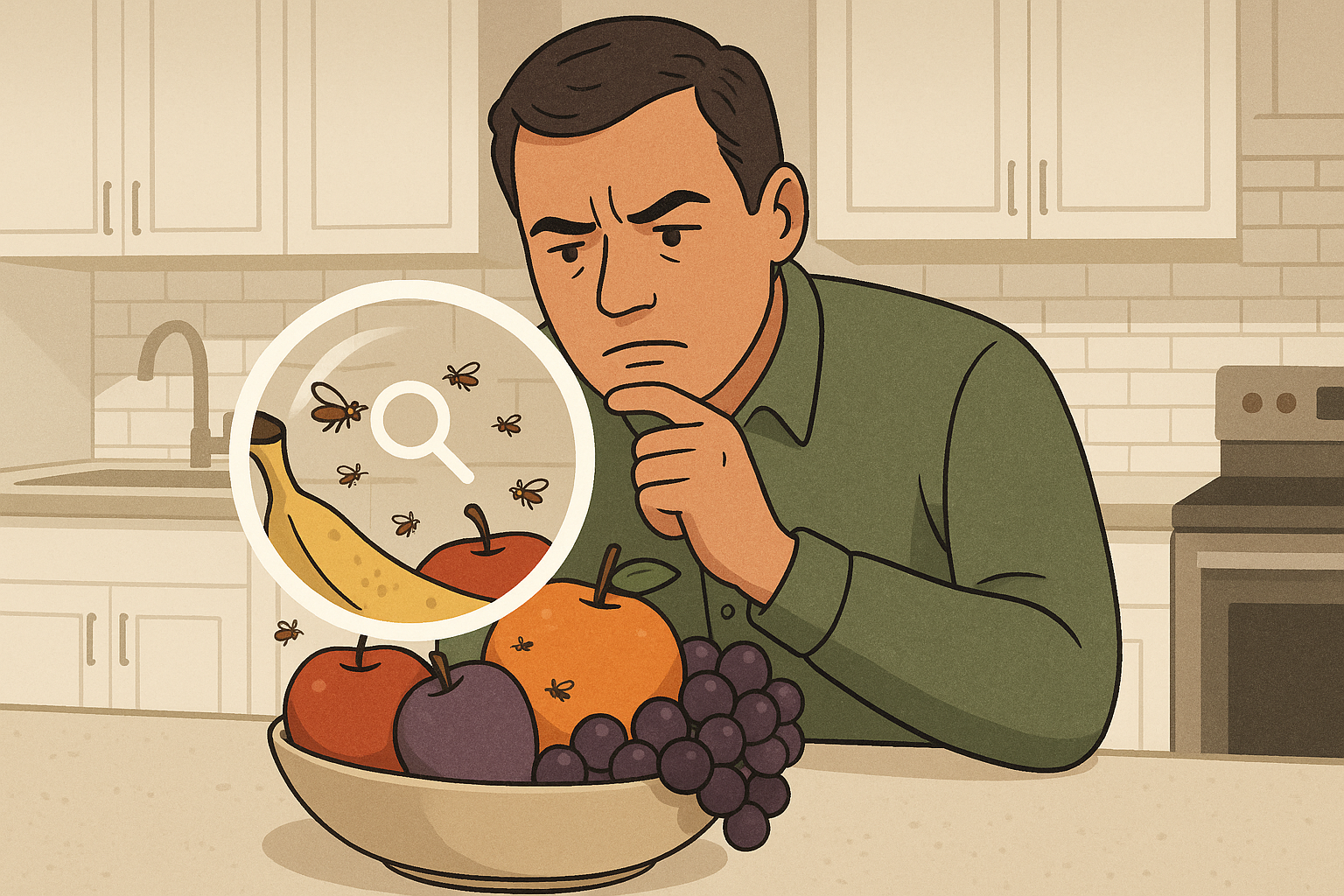
Below is a visual reference that highlights the key anatomical features discussed above.
Checklist graphic placeholder – to be added later.
Quick on‑site identification tip
A quick on‑site test can confirm what you’re dealing with. Grab a small piece of ripe banana and place it on a plate. Fruit flies will swarm the surface within minutes, while house flies ignore it unless there’s a visible crumb. Drain flies will linger near the sink’s overflow, rarely venturing onto the fruit. By noting where the insects congregate, you can narrow the species in seconds.
Brookhaven’s Climate – A Fruit‑Fly Breeding Hotspot
Brookhaven sits in the heart of Georgia’s humid subtropical zone, where summer heat lingers for weeks on end. According to the National Weather Service 2024, the average July temperature is a sweltering 89 °F, and relative humidity hovers around 70 %. Those numbers aren’t just uncomfortable for residents—they form an ideal incubator for fruit‑fly eggs and larvae.
Why Warmth and Moisture Matter
Fruit flies are ectothermic, meaning their metabolism accelerates with ambient temperature. At 85‑90 °F, a single egg can hatch in under 24 hours, and the full life cycle—from egg to adult—can be completed in just five to seven days. High humidity prevents the tiny larvae from desiccating, allowing them to thrive in the moist fruit pulp where females lay their eggs. In short, the hotter and more humid it gets, the faster a fruit‑fly population can explode.
Outdoor Contributors That Feed the Cycle
- Backyard fruit trees – Apple, peach, and plum trees are common in Brookhaven neighborhoods. Overripe or fallen fruit becomes a buffet for adult flies looking to lay eggs.
- Brookhaven Farmers Market gardens – Seasonal vegetable stalls often feature berries, melons, and other sweet crops that attract flies. Even well‑kept stalls can become breeding grounds if fruit debris isn’t cleared promptly.
- Residential compost bins – Compost that includes fruit scraps provides a moist, nutrient‑rich environment perfect for larvae. Without regular turning and proper covering, compost can act as a hidden hatchery.
Each of these outdoor elements supplies both the food source and the sheltered micro‑climate fruit flies need to multiply. Homeowners who overlook a single overripe apple on the curb or a loosely sealed compost bag can unwittingly fuel a neighborhood‑wide infestation.
Neighborhoods with the Highest Risk
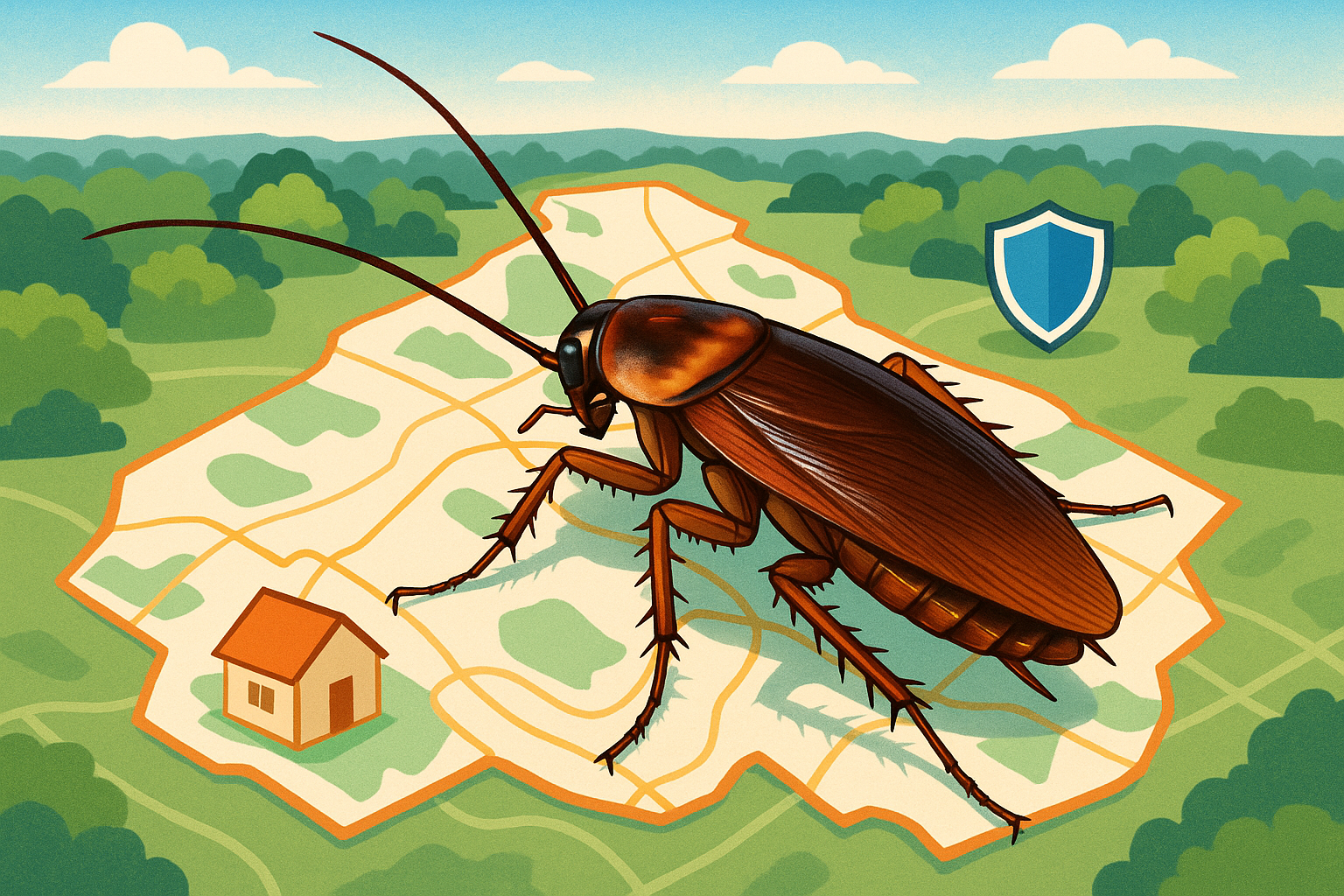
Map snippet note: Brookhaven Heights and Peachtree Corners show the highest density of residential fruit trees, making them hotspots for fruit‑fly breeding.
Understanding how local weather and landscape features intersect helps homeowners recognize why fruit flies appear so suddenly. By addressing the warm, humid conditions and eliminating outdoor attractants, you cut the life cycle short before it spirals out of control.
Immediate DIY Steps to Stop an Outbreak
When fruit flies appear in your kitchen, acting fast can keep the infestation from spiraling out of control. The good news is that you don’t need expensive chemicals or a professional visit to break the cycle. By following these four straightforward actions, you can dramatically reduce the adult population, protect your food, and buy yourself time before you decide on a full‑scale treatment.
1. Remove Overripe Fruit
Fruit flies are drawn to the sugars in ripe or rotting produce. Begin by gathering every piece of fruit that’s past its prime—think soft bananas, bruised berries, or any fruit that’s started to ferment. Dispose of it in an outdoor trash bin or, if you plan to keep it a little longer, store it in the refrigerator where the cooler temperature slows down the flies’ attraction. Don’t forget to check hidden spots like the back of the pantry, under the sink, and the fruit bowl liner for stray pieces.
2. Clean Drains
Kitchen drains and garbage disposals are perfect breeding grounds because organic debris can accumulate in the pipe walls. Pour a pot of boiling water down each sink drain and run the disposal for a few seconds. For stubborn buildup, follow the hot water with a cup of baking soda and a splash of white vinegar; let it fizz for a minute, then rinse with another round of boiling water. This simple routine removes the food film that fruit flies love to lay their eggs on.
3. Set Homemade Traps
One of the most effective low‑cost tools is a vinegar‑soap trap. In a shallow dish, mix 1 cup of apple cider vinegar with a few drops of dish soap. The vinegar’s scent lures the flies, while the soap breaks the surface tension, causing them to sink and drown. Cover the dish with clear plastic wrap, secure the edges, and poke tiny holes with a toothpick—just large enough for a fly to enter. Place the trap near problem areas (countertops, trash cans, or near the sink) and replace it every 48 hours. This method has been validated by the University of Georgia Extension, which reported that vinegar‑soap traps captured more than 80 % of adult fruit flies in field tests (UGA Extension 2023).
4. Seal Entry Points
Even the smallest gap can serve as a highway for fruit flies. Inspect window frames, door thresholds, and any vent openings. Install fine‑mesh screen on windows that are left open for ventilation, and use caulk or weather‑stripping to seal cracks around doors, baseboards, and utility openings. Pay special attention to the space around your refrigerator and dishwasher, as these appliances often sit on the floor and create tiny openings that are easy for flies to slip through.
Cost estimate: Apple cider vinegar ($3‑$5) + dish soap ($2‑$4) = under $10 total. All other steps rely on items you already have at home.
By tackling these four actions today, you’ll cut the fruit‑fly life cycle in half and create an environment that’s far less inviting to future invasions. If the problem persists despite your best DIY effort, it’s a sign that a professional treatment may be necessary—Anthem Pest Control can provide a targeted, safe solution tailored to Brookhaven homes.
Anthem Pest’s Professional Fruit‑Fly Treatment Solutions
When fruit flies turn your kitchen into a buzzing mess, you need a solution that works fast and stays effective. Anthem Pest offers two core options—an indoor‑only spray and a full Integrated Pest‑Management (IPM) program—that are backed by EPA‑registered products, transparent pricing, and a safety‑first approach for families and pets.
Targeted Indoor Spray
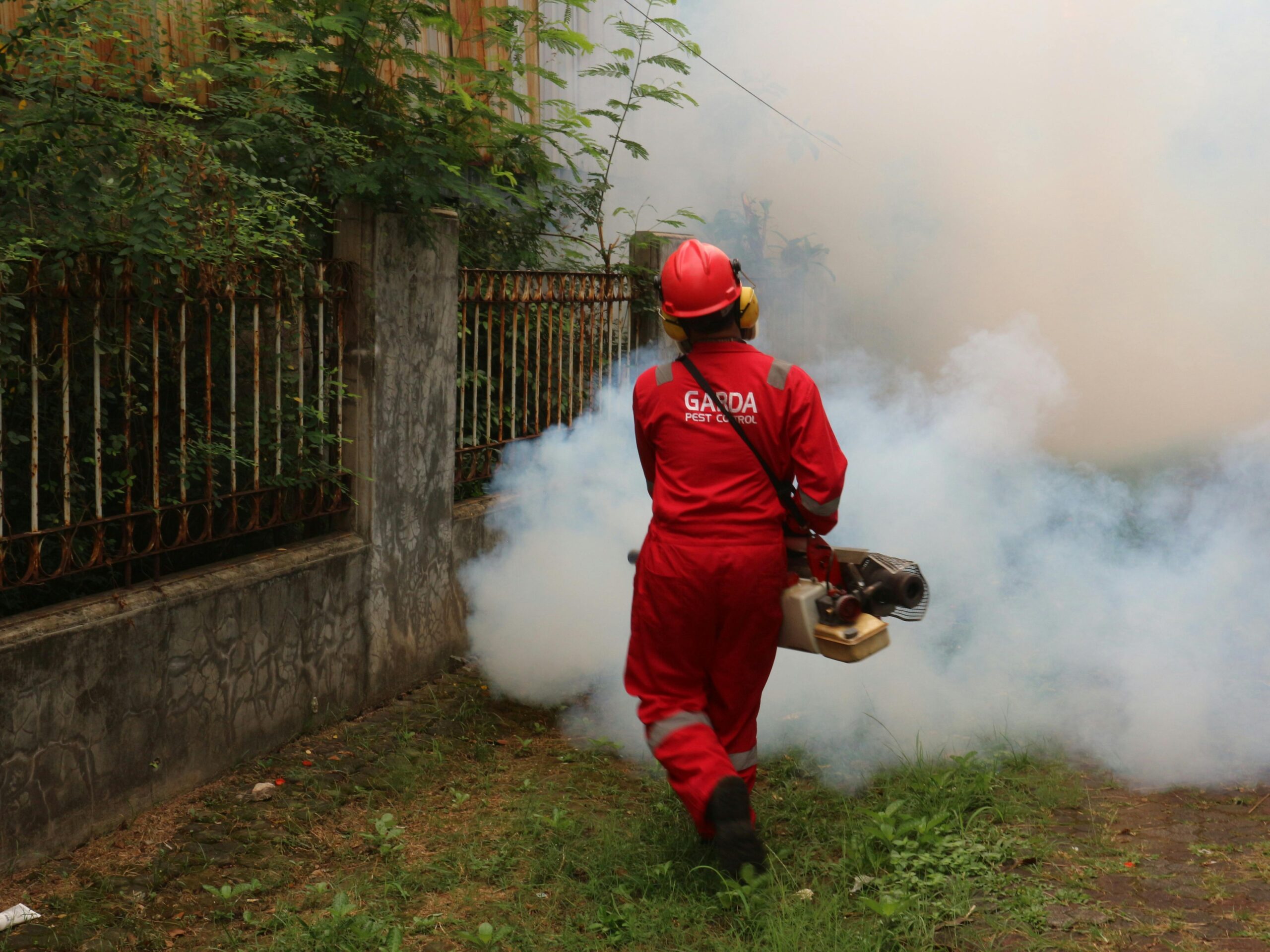
The indoor spray uses a pyrethrin‑based formulation that is approved by the EPA for residential use. Technicians apply the mist directly to high‑risk surfaces such as countertops, trash cans, and light fixtures—places where adult flies rest and lay eggs. The active ingredients break down the fly’s nervous system on contact, delivering immediate knock‑down, while the residual layer continues to protect the home for 4‑6 weeks. Because pyrethrins degrade quickly in sunlight,
Long‑Term Prevention to Keep Fruit Flies Away
Even after an emergency treatment, the best defense against fruit flies is a proactive, year‑round plan. By integrating a few simple habits into your home‑maintenance routine, you can deny these tiny pests the breeding grounds they crave and enjoy a fruit‑free yard for seasons to come.
1. Regular Fruit‑Tree Pruning
Fruit‑fly larvae thrive in damp, decaying wood. When a branch is broken or damaged, it traps moisture and creates a perfect nursery for eggs. Schedule a prune in early spring and again after the first frost. Remove any dead, diseased, or split limbs, and thin out dense canopy sections to improve air flow. This not only reduces humidity but also encourages healthier fruit production, leaving fewer overripe pieces for flies to exploit.
2. Secure Compost Bins
Compost is a magnet for organic matter, and an open bin is essentially a fruit‑fly buffet. Choose a bin with a tight‑fitting lid and a gasket seal to keep flies from slipping inside. Position the container at least ten feet from the house and away from fruit‑tree drip lines. Turn the compost regularly—ideally once a week—to accelerate decomposition and discourage the slow‑moving larvae that prefer stagnant, soggy layers.
3. Seasonal Professional Inspections
Partnering with a licensed pest‑control provider adds a layer of protection you can’t achieve on your own. Schedule inspections for early spring, when fruit flies emerge from overwintering sites, and again in late summer, before the next generation takes flight. During these visits, technicians can apply targeted pre‑emptive treatments, check for hidden breeding spots, and advise on any adjustments to your home‑care routine. According to the National Pest Management Association (NPMA) 2023 report, “Homes that schedule quarterly inspections see a 78 % reduction in repeat fruit‑fly sightings.” This statistic underscores the value of professional oversight in breaking the infestation cycle.
4. Install Fine‑Mesh Window Screens
Fruit flies are adept at slipping through the tiniest openings. Upgrading your existing screens to a fine‑mesh (no larger than 0.5 mm) barrier blocks entry while still allowing fresh air to circulate. Pay special attention to attic vents, basement windows, and any screened doors that see frequent traffic. A well‑fitted screen is a passive, cost‑effective shield that works day and night, reducing the need for repeated chemical interventions.
By weaving these four practices into your regular home‑care schedule, you create a multi‑layered defense that targets fruit flies at every stage of their life cycle. Consistency is key—just as you would water your garden or change your HVAC filter, make pest prevention a habit, and you’ll keep those irritating flies out of your kitchen and garden for good.
Quick FAQ for Busy Homeowners
Are fruit‑fly sprays safe around pets?
Yes. The most common fruit‑fly sprays used by professionals are EPA‑registered pyrethrin formulations, which carry a low toxicity rating for mammals when applied exactly as the label directs. Pyrethrins break down quickly in the environment, so the risk to dogs, cats, or other household pets is minimal after the recommended waiting period—usually 30 minutes to an hour—has passed. To stay on the safe side, keep pets in a separate room during the treatment and avoid letting them roam in treated areas until the spray has dried. Following these simple steps lets you protect your home without compromising your furry family members.
How long does it take to see results?
Professional fruit‑fly spray typically knocks down adult activity within 24‑48 hours. You’ll notice fewer flies buzzing around windows, countertops, and outdoor patios almost immediately after the first application. However, because fruit flies reproduce quickly, a single treatment may not eradicate the entire population. Most technicians recommend a follow‑up visit about a week later to apply a residual product that continues to suppress emerging adults for several weeks. This two‑visit approach ensures you see a rapid decline in numbers and ultimately achieve full control.
Do I need to treat my yard?
Outdoor treatment isn’t always necessary, but it becomes important when fruit‑bearing trees, community gardens, or compost bins sit within 10 feet of your home. Fruit that falls to the ground provides a perfect breeding ground, allowing flies to move back and forth between the yard and indoor spaces. If a neighbor reports a heavy infestation, or if you’ve observed swarms gathering near outdoor fruit sources, extending the treatment to the perimeter helps break the cycle. A targeted perimeter spray combined with good yard sanitation—removing overripe fruit, covering compost, and trimming low‑hanging branches—offers the most effective defense against re‑infestation.
Take Action Now – Get Fast Fruit‑Fly Relief in Brookhaven
Fruit flies reproduce at an alarming rate—one female can lay up to 500 eggs in a single week, and the next generation emerges in just 48 hours. While DIY traps and sanitation can buy you a few precious hours, they rarely eradicate an established infestation. A professional treatment stops the life cycle in its tracks, delivering rapid, lasting relief that DIY methods simply cannot match.
Anthem Pest stands out with transparent pricing you can see before any work begins, EPA‑approved products that are safe for children and pets, and technicians who know Brookhaven’s humid subtropical climate inside out. Our locally‑trained crews target the exact breeding sites—drains, fruit bins, and indoor plant soil—so you get a solution that sticks.
- Fruit flies can reproduce in under 48 hours.
- DIY traps only slow the problem.
- Professional treatment halts the life cycle.
- Anthem uses EPA‑approved, pet‑safe products.
We back every treatment with a satisfaction guarantee—if fruit flies return within 30 days, we’ll re‑treat at no extra cost.
Call 877‑371‑8196 now or schedule online at anthempest.com for a same‑day emergency appointment in Brookhaven. Our team can be on your doorstep within hours, so the flies stop breeding before they become a full‑blown nuisance.
For a limited time, Brookhaven residents enjoy 10 % off their first service—just mention this article when you book.
Our certified technicians understand Brookhaven’s unique climate and will tailor a solution that protects your family and home without breaking the bank. We combine science, local knowledge, and a guarantee of results so you can breathe easy again. Our flexible scheduling works around your busy life, and we’ll walk you through prevention steps to keep future invasions at bay.