Understanding Fruit Fly Infestations in the Home

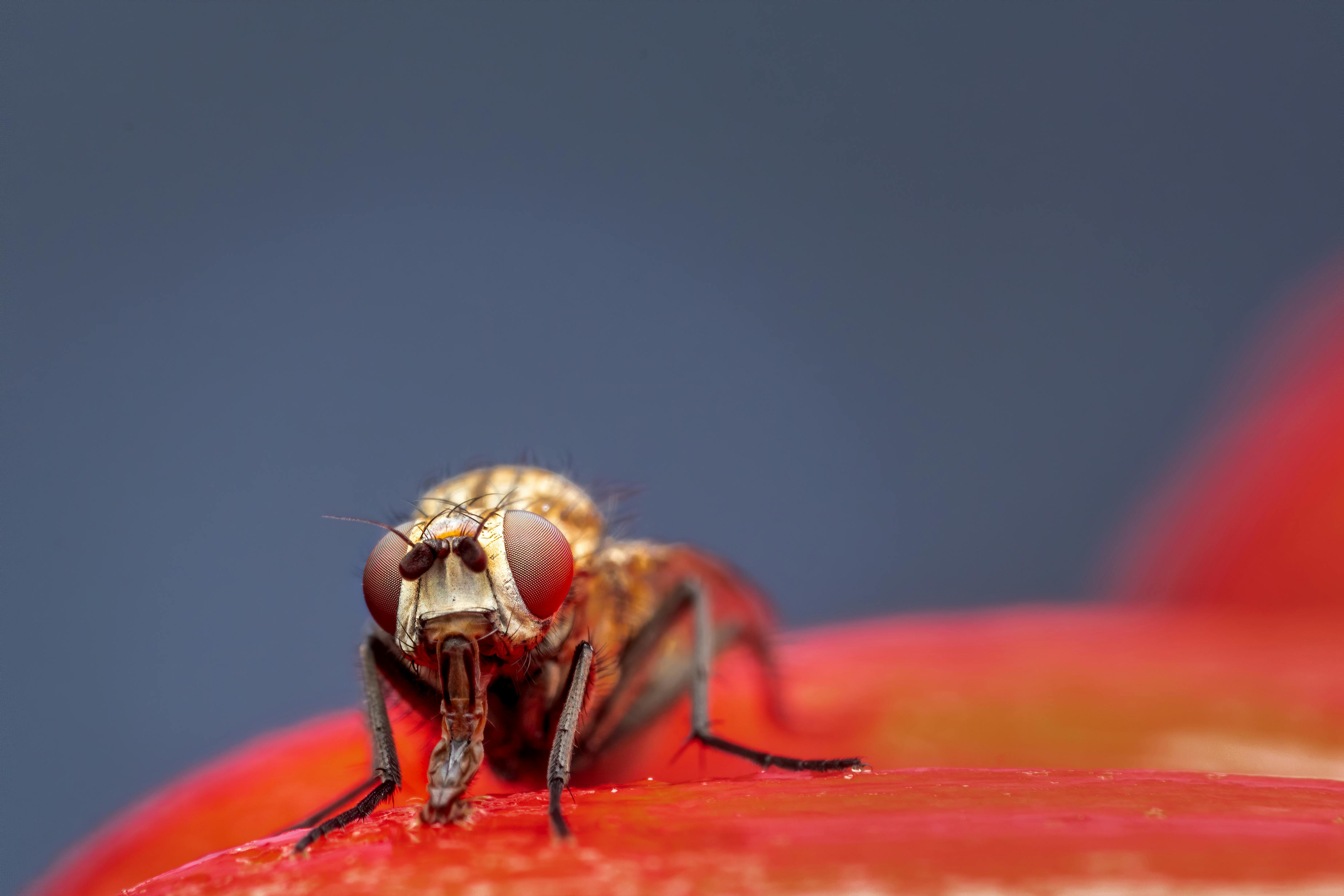
Fruit flies—often the tiny, tan‑speckled insects you spot buzzing around ripe bananas—are more than a minor annoyance. The most common culprit in homes is Drosophila melanogaster, a species that thrives on fermenting sugars. Their life cycle is astonishingly fast: from egg to adult can take as little as seven days under warm, moist conditions. This rapid development means a single pair can spawn hundreds of offspring in just a few weeks.
Why do these flies love indoor environments? Kitchens provide a constant supply of food residues, and the warm, humid microclimate inside a home mimics the natural breeding sites they prefer—rotting fruit, fermenting vegetables, and damp organic matter. Unlike outdoor fruit flies that rely on seasonal fruit, indoor populations can persist year‑round if their food source isn’t eliminated.
Typical entry points
- Open windows or doors without screens
- Unsealed gaps around vent fans and utility openings
- Fresh produce that arrives with tiny eggs already attached
- Drainage pipes and sink traps that retain standing water
- Garbage cans or compost bins that aren’t tightly sealed
The connection between food waste, moisture, and explosive population growth is straightforward. Fruit flies lay their eggs on the surface of any fermenting material. A forgotten piece of fruit, a damp mop bucket, or even a splash of juice in the sink creates a perfect breeding ground. Within 24‑48 hours, those eggs hatch, and the larvae begin feeding, accelerating the infestation.
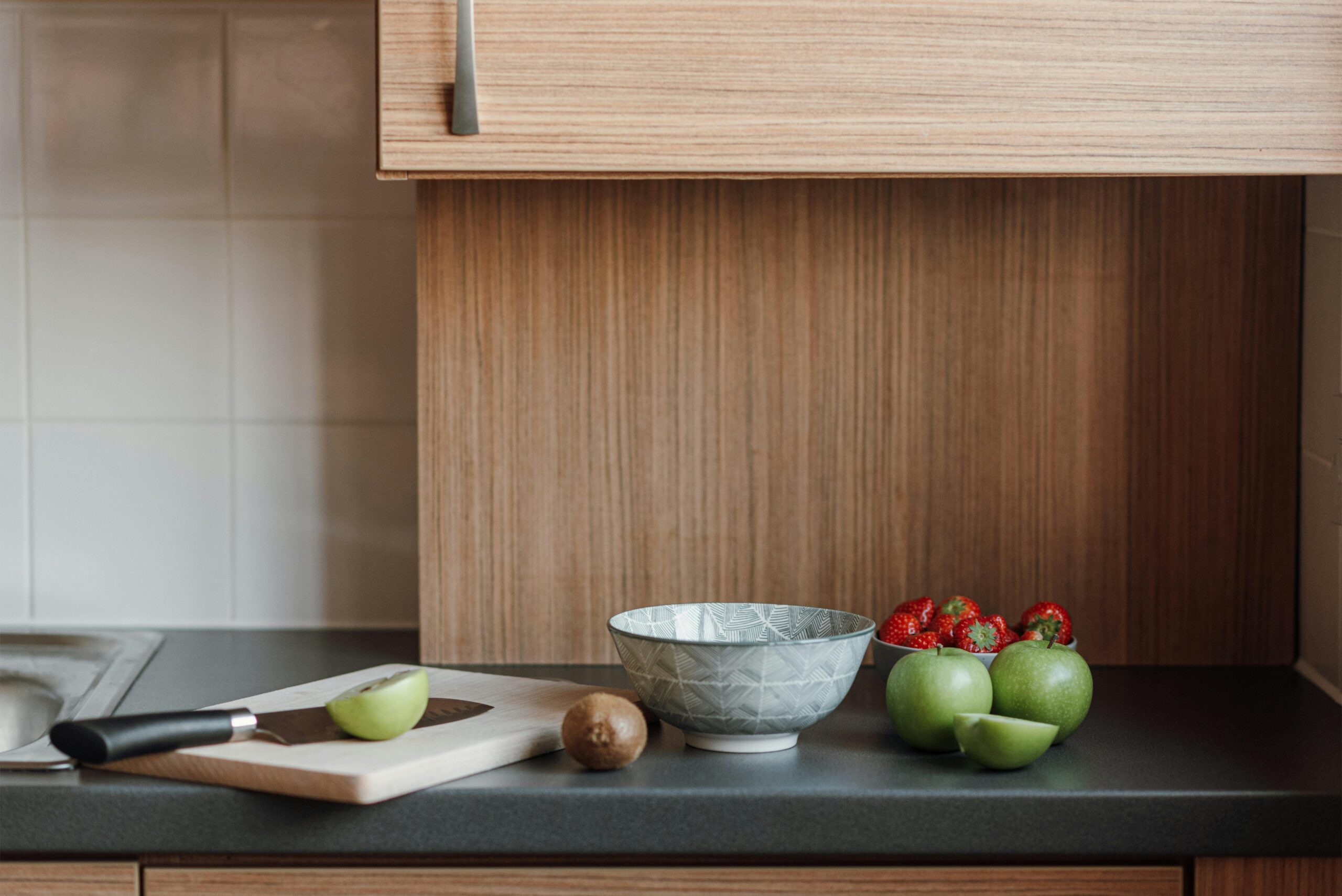
Because fruit flies can detect even microscopic residues, a “spotless” kitchen isn’t just aesthetic—it’s essential. Tiny crumbs, a faint film of juice on countertops, or a moist sponge can act as a magnet. Regularly wiping down surfaces, rinsing out drains, and storing produce in sealed containers cut off the flies’ food supply and disrupt their breeding cycle.
Industry fact: The National Pest Management Association reports that fruit flies appear in 68% of households during the warm months, making them one of the most common indoor pests across the United States. Understanding their biology and entry habits is the first step toward swift, effective control.
Spotting the Signs: How Fruit Flies Reveal a Problem
Fruit flies are tiny, tan‑brown insects that love anything sweet or fermenting. Because they’re so small, they often go unnoticed until their numbers explode. Catching the first hint can save you a full‑blown infestation and the costly emergency treatment that follows.
Visual signs you can’t ignore
Look for a steady hover of tiny flies around:
- Fruit bowls or countertop jars of fresh produce.
- Open trash cans, especially those holding food scraps.
- Sink drains and garbage disposals where organic matter collects.
Behavioral clues that point to a breeding site
Fruit flies are drawn to ripening fruit, fermenting liquids (like wine or vinegar), and even moist houseplants. If you notice them swarming a cutting board after you’ve sliced a peach, or congregating near a potted fern, it’s a sign they’ve found a food source nearby.
Physical evidence in the hidden corners
Inspect the top layer of compost, the skins of over‑ripe fruit, and the trap of your kitchen sink. You may spot tiny, white larvae—the early life stage of fruit flies. These larvae look like specks of rice and are often found in the soggy debris that collects in drain traps.
How to tell fruit flies apart from other small flies
Fungus gnats, for example, also hover near plants, but they have a darker, almost black body and prefer damp soil rather than sugary residues. Fruit flies are usually lighter in color and will gravitate toward any fermenting food, not just soil.
Simple inspection checklist
| Room | What to Look For |
|---|---|
| Kitchen | Flies near fruit bowls, trash cans, sink drains; larvae in compost or drain traps. |
| Pantry | Hovering around opened packages, dried fruit, or spilled sugar. |
| Bathroom | Presence near shower drains or any standing water with organic buildup. |
By scanning each room with this checklist, you’ll catch fruit fly activity before it spreads. Early detection lets you act quickly—whether that means cleaning the source, using a simple trap, or calling Anthem Pest Control for a professional, emergency‑ready solution.
DIY Fruit Fly Traps: Step‑by‑Step Guide
What You’ll Need
- Apple cider vinegar (½ cup)
- Liquid dish soap (2–3 drops)
- A small glass jar or disposable cup (4‑8 oz capacity)
- Clear plastic wrap
- A rubber band
- Optional: a piece of overripe fruit (banana slice, peach pit, or a few grapes)
Mixing the Bait
Start by pouring the apple cider vinegar into your jar. The vinegar’s acidic scent mimics fermenting fruit, which is what fruit flies are drawn to. Add two to three drops of dish soap; the soap breaks the surface tension so the flies can’t bounce off the liquid and instead sink. If you have an overripe fruit piece on hand, drop it in now – the extra aroma will increase the trap’s pull, especially in heavily infested kitchens.
Assembling the Trap
- Stretch a piece of plastic wrap over the mouth of the jar so it forms a tight seal.
- Secure the wrap with a rubber band, making sure there are no gaps.
- Using a pin or the tip of a toothpick, poke a series of tiny holes (about ¼ inch apart) in the plastic. The holes should be just big enough for a fruit fly to slip through, but too small for it to easily escape once inside.
The result is a simple “funnel” that lets flies enter attracted by the scent, then traps them in the liquid below.
Where to Place Your Traps
Position each trap close to the places fruit flies love to breed:
- Under the kitchen sink or around the drain – fruit bits often linger there.
- Next to a fruit bowl, especially if the fruit is ripening quickly.
- Near a compost bin, garbage can, or any countertop spot where sugary residue collects.
Place the traps at eye level or slightly lower; fruit flies naturally fly in a horizontal plane, making it easier for them to find the bait.
Keeping the Trap Effective
Check the traps daily. If the liquid looks cloudy or you see a noticeable number of flies, discard the old bait and repeat the mixing steps. For most households, swapping the bait every 2–3 days maintains a strong attraction and prevents the trap from becoming a breeding hotspot itself. By logging how many flies you capture each day, you can gauge whether the infestation is shrinking or if it’s time to call a professional service.
Safety First
Although the ingredients are household‑safe, keep the assembled traps out of reach of children and pets. The vinegar smell can be unpleasant to curious dogs, and the small plastic holes could pose a choking hazard if a pet tries to investigate.
Emergency Fruit Fly Control Pricing Explained
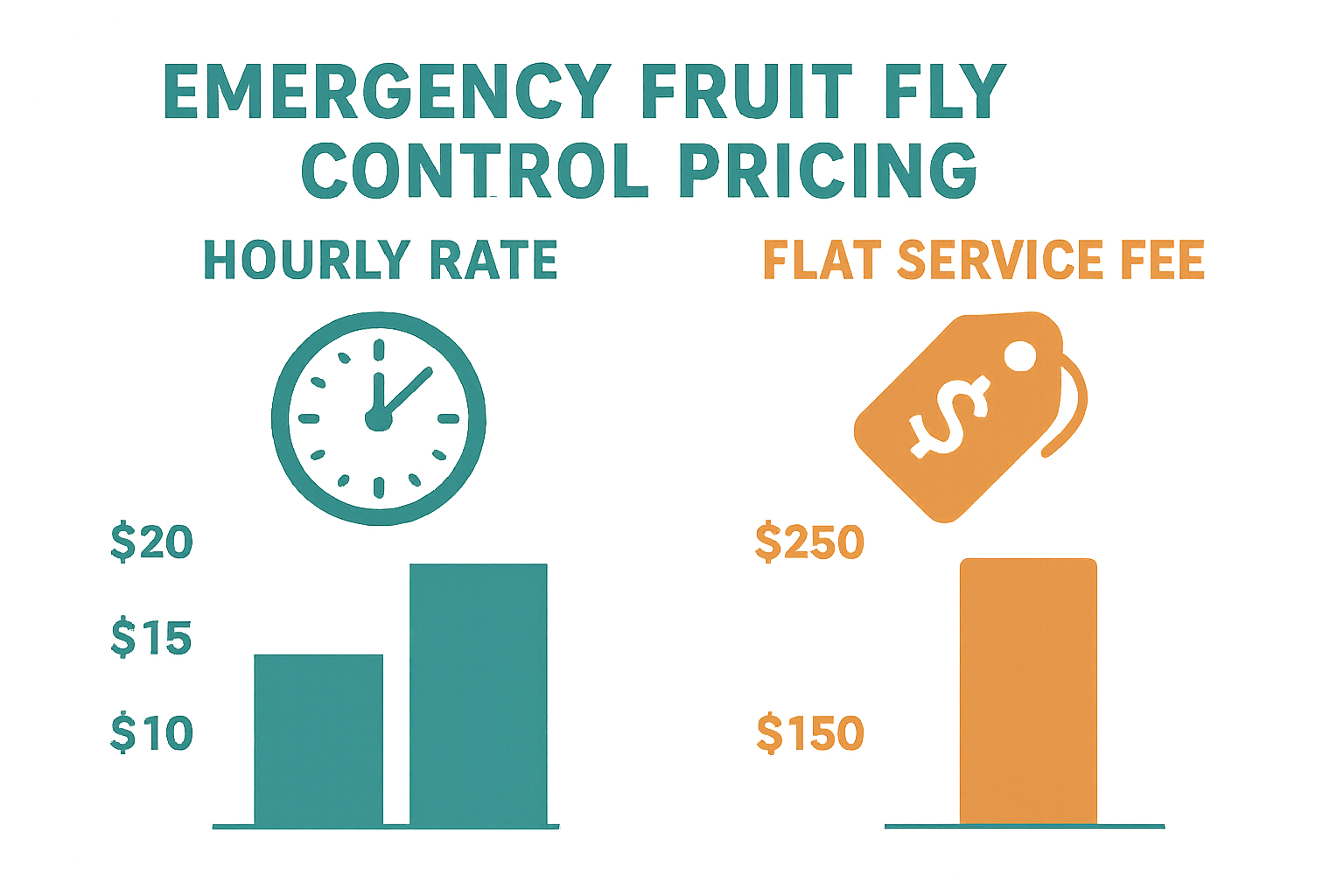
When fruit flies turn your kitchen into a buzzing mess, the first question on every homeowner’s mind is “How much will it cost to get them gone?” Professional pest‑control companies in Peachtree City typically offer two pricing structures: an hourly rate or a flat‑fee emergency package. Understanding the nuances of each model helps you compare offers, avoid surprise charges, and choose the option that delivers the best value for your situation.
Hourly Rates vs. Flat‑Fee Packages
Hourly rates are straightforward—you pay for the time a technician spends on‑site. In the Peachtree City area, most reputable firms charge between $75 and $120 per hour. This model works well if the infestation is minor or if you only need a quick assessment and a few targeted treatments.
Flat‑fee emergency packages bundle a set of services into a single price, usually ranging from $150 to $250. These packages are designed for sudden, heavy infestations where you need a rapid, comprehensive response. The fee typically covers everything from the initial inspection to the final follow‑up visit, giving you a predictable cost upfront.
What’s Included in Each Model?
- Inspection: A thorough walkthrough to identify breeding sites, assess the severity, and determine the most effective treatment plan.
- Trap placement: Strategic positioning of sticky or baited traps to capture adult flies and monitor population levels.
- Chemical or non‑chemical treatments: Depending on your preference, technicians may apply residual sprays, food‑grade attractants, or environmentally‑friendly options like ozone or UV traps.
- Follow‑up visits: Most flat‑fee packages include at least one revisit within 7‑10 days to ensure the infestation is fully eradicated.
- Documentation: Detailed service reports and recommendations for long‑term prevention.
Pros and Cons for Homeowners
| Pricing Model | Pros | Cons |
|---|---|---|
| Hourly Rate |
|
|
| Flat‑Fee Package |
|
|
How to Get an Accurate Quote
Before you sign on the dotted line, ask the technician these three key questions to avoid hidden fees:
- Travel fees: Some companies add a mileage surcharge for locations outside their central service zone. Confirm whether Peachtree City is considered “in‑area” and if any travel cost applies.
- Guarantee periods: A solid guarantee (often 30‑60 days) means the company will return at no extra charge if fruit flies reappear. Verify the length and any conditions attached.
- Prep work requirements: Certain treatments need you to clear countertops, store food, or seal drains beforehand. Knowing this ahead of time helps you budget both time and money.
For the most up‑to‑date pricing data specific to Peachtree City, consult the Anthem Pest Control fruit fly cost guide. Armed with a clear breakdown of hourly versus flat‑fee options, you can make an informed decision that balances speed, effectiveness, and budget—so you can reclaim your kitchen without breaking the bank.
Seasonal Activity Patterns of Fruit Flies
Temperature and humidity drive the breeding cycle
Fruit flies thrive when temperatures hover between 70°F and 85°F and humidity stays above 60%. In those conditions, females can lay up to 500 eggs in a single day, and the larvae develop in just a week. When the weather cools or dries out, the life cycle slows dramatically, giving homeowners a natural lull in activity.
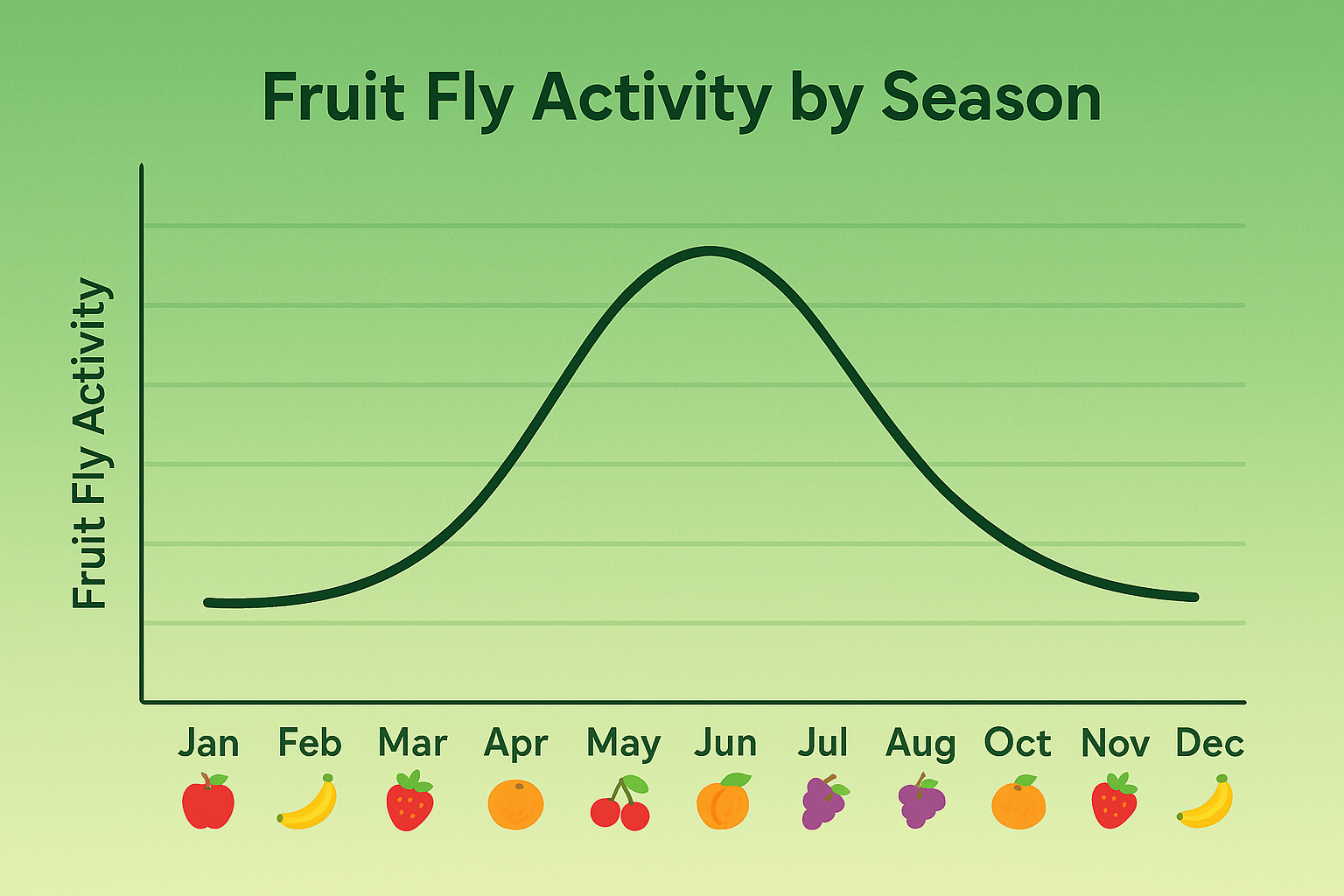
What the seasonal line chart tells us
The chart below shows a classic bell‑shaped curve for Peachtree City. Activity is minimal in December through February, rises slowly in early spring, then spikes sharply from June through August—the peak summer window. After September, numbers taper off, reaching a secondary low in late fall.
Indoor climate control as a defensive tool
While you can’t control the outdoor climate, you can blunt the indoor surge. Running air conditioning keeps indoor temperatures below the optimal range for rapid breeding. Pairing it with a dehumidifier drops humidity levels, making kitchens and pantries far less inviting for eggs and larvae.
Seasonal actions you can take now
Before summer: Conduct a deep clean of all food‑preparation areas. Scrub drains, wipe down countertops, and discard any over‑ripe fruit. This removes hidden egg reservoirs before the heat arrives.
During summer: Empty trash daily, use sealed bins, and store fresh fruit in the refrigerator or in airtight containers. Even a small lapse can become a breeding hotspot.
Fall and early winter: Keep the house ventilated and continue regular trash removal. As the flies dwindle, it’s the perfect time to schedule a professional inspection to catch any lingering infestations.
Quick seasonal checklist
- Winter: Inspect drains for organic buildup, seal cracks around windows, and store all produce in the fridge.
- Spring: Perform a thorough kitchen clean, replace any old sponges, and set up dehumidifiers if humidity spikes.
- Summer: Empty trash bins daily, keep fruit sealed, run AC or fans to stay below 78°F, and run a dehumidifier in humid days.
- Fall: Reduce indoor humidity, continue regular trash removal, and schedule a professional fruit‑fly inspection before the next winter.
When to Call a Professional Pest Control Service
DIY traps aren’t reducing numbers after two weeks
If you’ve set out homemade fruit‑fly traps for 14 days and the buzzing still feels like a summer soundtrack, it’s a clear sign that your DIY approach has hit a ceiling. Fruit flies breed in hidden pockets—drain lines, over‑ripe produce, and even the moist soil of houseplants. When trap counts stay steady or climb after two weeks, the infestation is likely spreading faster than your traps can catch it.
Situations that need specialized equipment
- Hidden drain infestations: Fruit‑fly larvae can thrive deep inside kitchen or bathroom drains where a simple trap can’t reach. Professionals use specialized augers and enzymatic treatments to break the life cycle.
- Large‑scale kitchen operations: Home‑based catering, bakery rooms, or open‑plan kitchens generate more organic waste than a typical household. Commercial‑grade foggers and residual sprays are required to protect food‑prep areas.
- Recurring problems: If fruit flies return month after month despite regular cleaning, the source is probably concealed—like a forgotten garbage disposal or a leaky pipe. A licensed technician can locate and eradicate the hidden breeding sites.
Why a professional treatment works
Licensed technicians bring EPA‑approved products that are both fast‑acting and safe when applied correctly. Anthem Pest Control guarantees results by combining residual insecticides with targeted fogging, ensuring adult flies die and larvae never hatch. The EPA‑approved formulas work on contact and provide up to 12 weeks of residual protection, so you won’t see a resurgence after the first day. The company also offers a follow‑up visit to confirm the population is truly gone.
Anthem Pest Control’s service approach
First, a thorough inspection pinpoints every breeding hotspot. Next, a customized treatment plan is drafted—choosing low‑toxicity sprays for families with children or pets, and more robust options for commercial kitchens. After treatment, technicians provide a clear follow‑up schedule and teach homeowners simple preventive steps, like proper waste management and drain maintenance.
Safety for families and pets
Anthem prioritizes low‑toxicity solutions such as botanical‑based residuals and food‑grade enzymes. All applications are applied with precise equipment, minimizing exposure while delivering a lethal blow to fruit flies. Additionally, Anthem offers a pet‑friendly spray option that leaves no lingering odor, letting your furry friends roam freely right after treatment. Homeowners receive a safety data sheet and clear instructions, so you can feel confident that the treatment protects both your loved ones and your home.
Protect Your Home with Anthem Pest Control Today
Early detection, simple DIY traps, and knowing what to expect on the price tag are the three pillars of effective fruit‑fly management. Spotting a few flies around your fruit bowl, setting a vinegar trap, and understanding that a professional service typically starts around $150 can keep an infestation from turning into a kitchen nightmare. These steps give you a front‑line defense while you wait for professional help.
When the season peaks and fruit flies multiply overnight, a do‑it‑yourself approach often falls short. Professional technicians bring fast‑acting, residual treatments that stay effective for weeks, eliminating both the adult flies and the breeding sites you might miss. Our technicians also inspect drains, trash areas, and fruit storage zones to remove hidden larvae.
- Early detection: Catch the problem before it spreads.
- DIY traps: A cheap, immediate line of defense.
- Pricing insight: Transparent costs mean no surprise bills.
- Pro service: Quick, lasting relief during high‑risk periods.
Our team at Anthem Pest Control combines local expertise with EPA‑approved products, ensuring a safe environment for your family and pets. We work around your schedule, treat the source, and provide a follow‑up plan so the flies stay gone long after we leave.
If you’re ready for a pest‑free kitchen and peace of mind, let our experts handle the problem. One call to 877‑371‑8196 connects you with a certified technician who will assess the situation and offer a free, no‑obligation quote.
Don’t let fruit flies dictate your meals. Visit Anthem Pest Control today and protect your home with a solution that works. A quick, no‑risk estimate means you can decide with confidence before any work begins.