Emergency Gnat Surge in Dunwoody – Why Immediate Action Matters
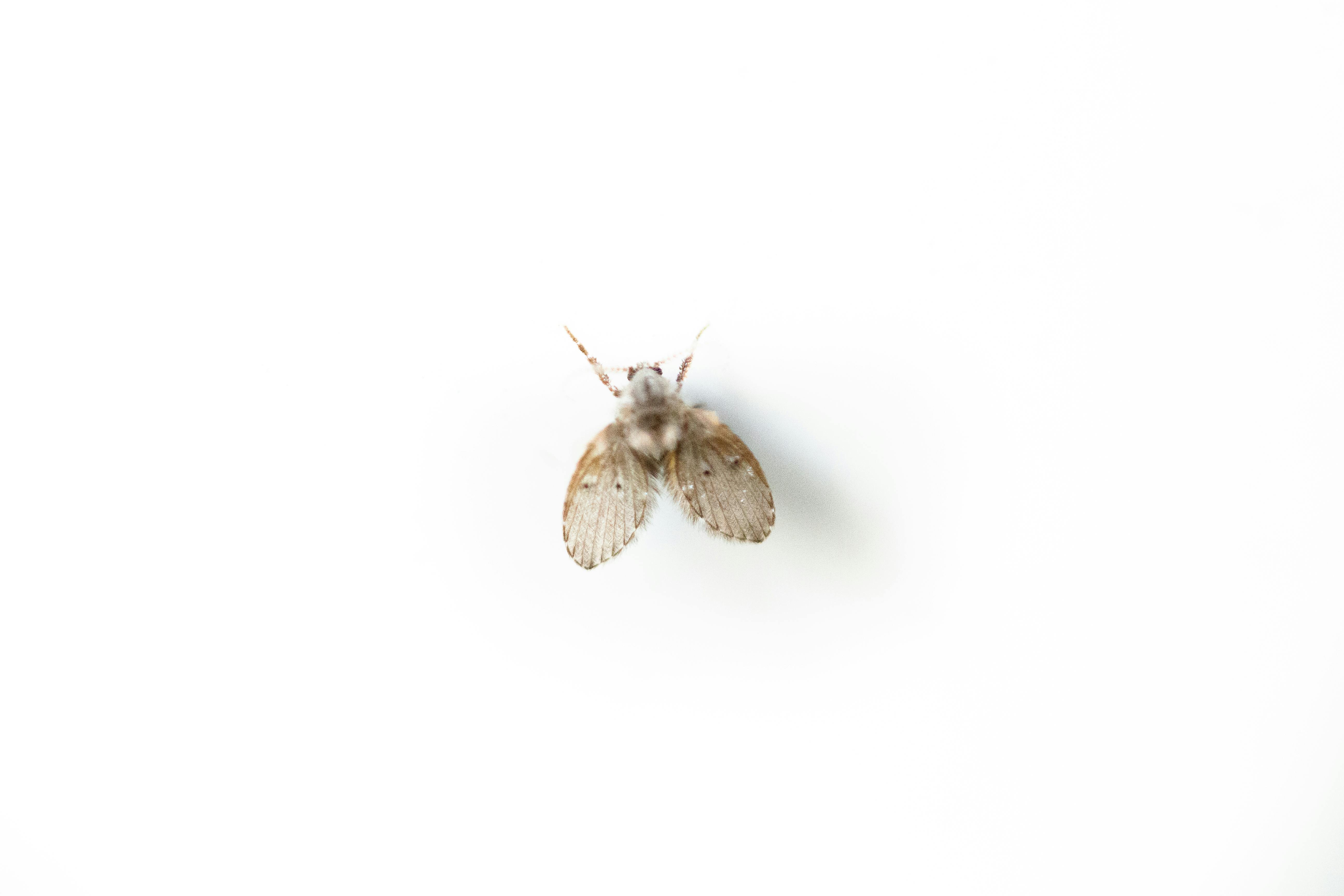
Gnats aren’t just a minor annoyance; they become an emergency when their numbers explode. Their tiny bites cause itchy, red welts that can lead to secondary skin infections. More concerning, some species act as vectors for fungal spores, increasing the risk of mold‑related allergies for sensitive residents. And because a single female can lay hundreds of eggs in just a few days, the population can double in under a week if left unchecked.
The Southeast sees the highest pressure, with the EPA reporting roughly 1.2 million residential complaints about gnats each year. That statistic underscores how quickly a localized sighting can snowball into a community‑wide crisis, especially in humid, rain‑rich zones like Dunwoody.
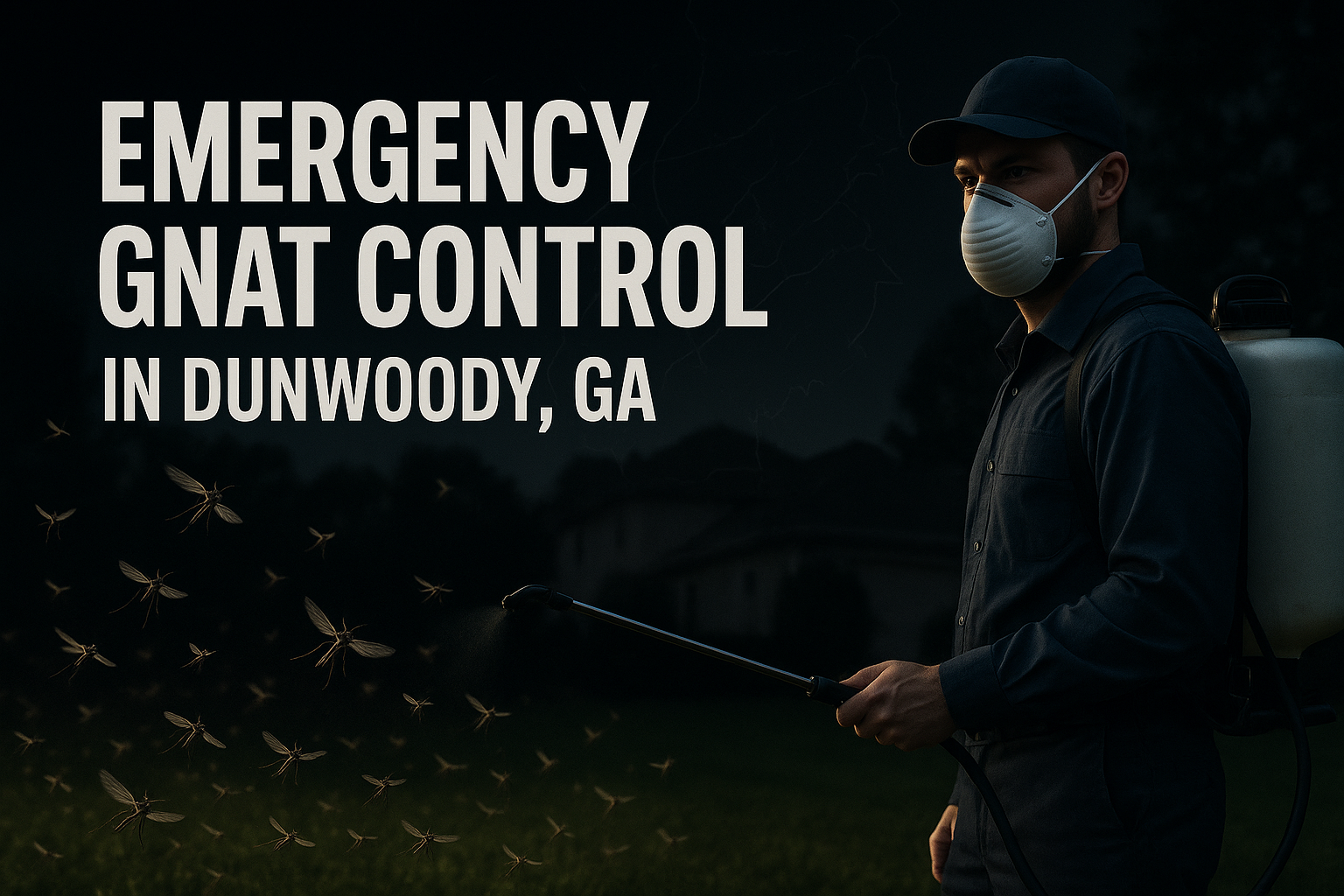
That’s why Anthem Pest’s 24‑hour emergency response is a game‑changer for homeowners. Our Dunwoody‑based technicians are on call around the clock, equipped with the latest low‑impact insecticides and proven removal techniques. We start with a rapid onsite assessment, pinpoint breeding hotspots, and deploy targeted treatments that stop the cycle before it spreads.
Our local expertise means we know the exact micro‑habitats where gnats thrive in this area—be it clogged gutters, over‑watered flower beds, or poorly sealed outdoor lighting fixtures. By addressing those sources swiftly, we protect your family’s health and preserve the comfort of your home.
In the pages that follow, you’ll receive a data‑driven, step‑by‑step guide tailored specifically for Dunwoody homeowners. From identifying early warning signs to understanding why professional intervention matters, we’ll equip you with the knowledge you need to act decisively—because when gnats surge, time is the most valuable weapon.
What Exactly Are Gnats? – Biology and Common Types in Georgia
Defining a “gnat”
In everyday language a gnat is any tiny, soft‑bodied fly that hovers around damp areas, but entomologists split them into three groups that matter to Georgia homeowners. Fungus gnats (family Sciaridae) love moist potting soil and decaying organic matter. Black‑fly gnats (family Simuliidae) breed in fast‑moving streams and emerge in swarms during the summer. Fruit‑fly gnats (family Drosophilidae) are attracted to fermenting fruit, sugary spills, and overripe vegetables.
Regional complaints – EPA data
The U.S. Environmental Protection Agency recorded a 12 % rise in residential gnat complaints across the Southeast in 2024, with Georgia ranking second behind Florida. In the Metro Atlanta area, the agency logged 4,862 complaints between January and September 2024, most of which originated from the Dunwoody‑Brookwood corridor where humid basements are common. View the full EPA report.
Life cycle at a glance
All three gnat groups share a four‑stage metamorphosis:
- Egg – Laid in moist soil, water, or fermenting material; a single female can deposit hundreds of eggs.
- Larva – Worm‑like feeders that live in soil, mulch, or decaying fruit; this stage causes most of the plant‑root damage.
- Pupa – A non‑feeding, protective casing where the larva transforms into an adult.
- Adult – Short‑lived (usually 5‑10 days), focused on mating and finding new breeding sites.
Example scenario: a damp basement in Brookwood
Imagine a typical Brookwood home with a basement that stays cool and damp year‑round because of inadequate ventilation. A small leak near a laundry sink creates a constant sheen on the concrete floor. Over time, organic debris from stored boxes mixes with the moisture, forming a perfect nursery for fungus gnat larvae. Within weeks, adult gnats emerge, swarm around light fixtures, and begin laying more eggs in the same damp soil. The infestation spreads to nearby houseplants, turning a single hidden hotspot into a housewide nuisance.
How to spot larvae
Larvae are tiny, translucent, and about 2‑5 mm long. In potting soil they appear as white, thread‑like worms moving just below the surface. In mulch they hide among the dark organic fibers; a quick “soil squeeze” test—pressing a handful of moist soil and peeking through a magnifying glass—will reveal them. If you see these worm‑like critters, it’s a clear sign that the life cycle is already underway and professional intervention may be needed.
When a Small Nuisance Becomes a Crisis in Dunwoody
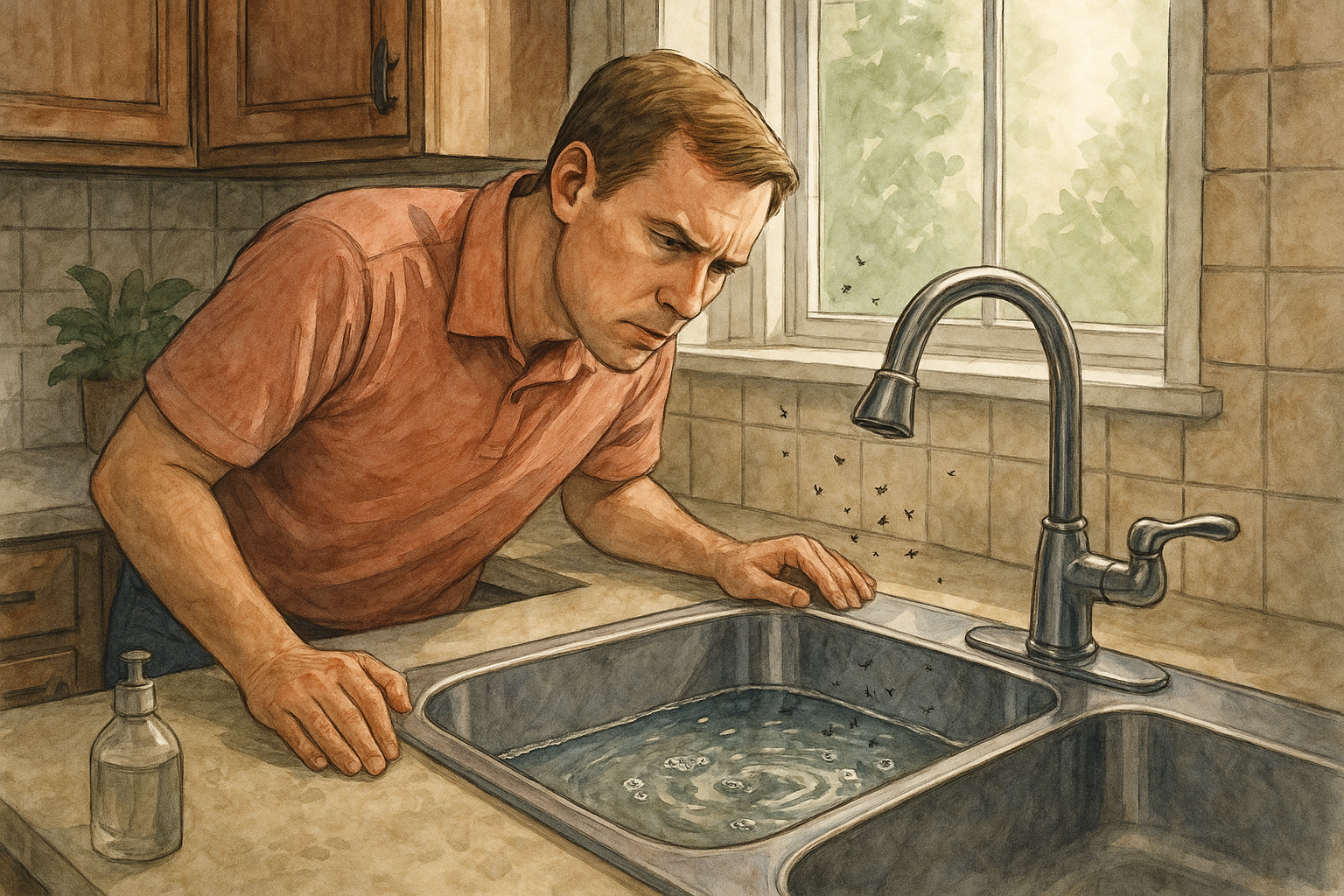
In Dunwoody, a single gnat buzzing around your patio can feel harmless—until the numbers explode and the problem follows you inside. The rapid shift from “just a few” to a full‑blown infestation isn’t random; it’s driven by the local climate and the neighborhood’s unique landscape.
Climate drivers that turn gnats into a swarm
- Humid summers: Average July humidity hovers above 70 %, creating the perfect breeding ground for gnat larvae.
- Frequent rainstorms: Short, heavy downpours leave standing water in gutters, birdbaths, and low‑lying areas, providing the moisture gnats need to lay eggs.
- Dense canopy along Brook Run Trail: The thick tree cover traps moisture, forming micro‑habitats that stay damp long after the rain has stopped.
These three factors combine to produce a “perfect storm” for gnats. Within 24‑48 hours of a rain event, you can see a noticeable uptick in adult activity, especially around shaded patios and outdoor lighting.
Health risks you shouldn’t ignore
The annoyance of a buzzing swarm is only the tip of the iceberg. According to the CDC’s 2023 report on insect bites, gnat bites can trigger:
- Localized allergic reactions ranging from mild itching to severe swelling.
- Secondary bacterial infections when scratching breaks the skin.
- Exacerbation of asthma or eczema in sensitive individuals.
When hundreds of gnats congregate around a home, the likelihood of multiple bites—and consequently, health complications—rises dramatically.
A real‑world wake‑up call
One Dunwoody homeowner recently called us after noticing “over 200 gnats” swarming the backyard in a single evening. Within hours, the insects found their way through open doors and windows, filling the living room and bedroom. The family endured sleepless nights, heightened stress, and a rash that required medical attention. The incident illustrates how quickly an outdoor nuisance can infiltrate indoor spaces, especially when doors remain open and screens are damaged.
Why speed matters
Gnat populations can double in as little as three days under ideal conditions. That means a modest outdoor presence can become an indoor crisis before you even realize it. Early detection—such as spotting clusters near patio lights or noticing increased bite activity—allows you to act before the swarm overwhelms your home.
At Anthem Pest Control, we combine local climate knowledge with proven treatment methods to stop gnats in their tracks, protecting both your comfort and your health.
Anthem Pest’s Rapid‑Response Gnat Solutions
Tier 1 – Quick‑Fix Fogging
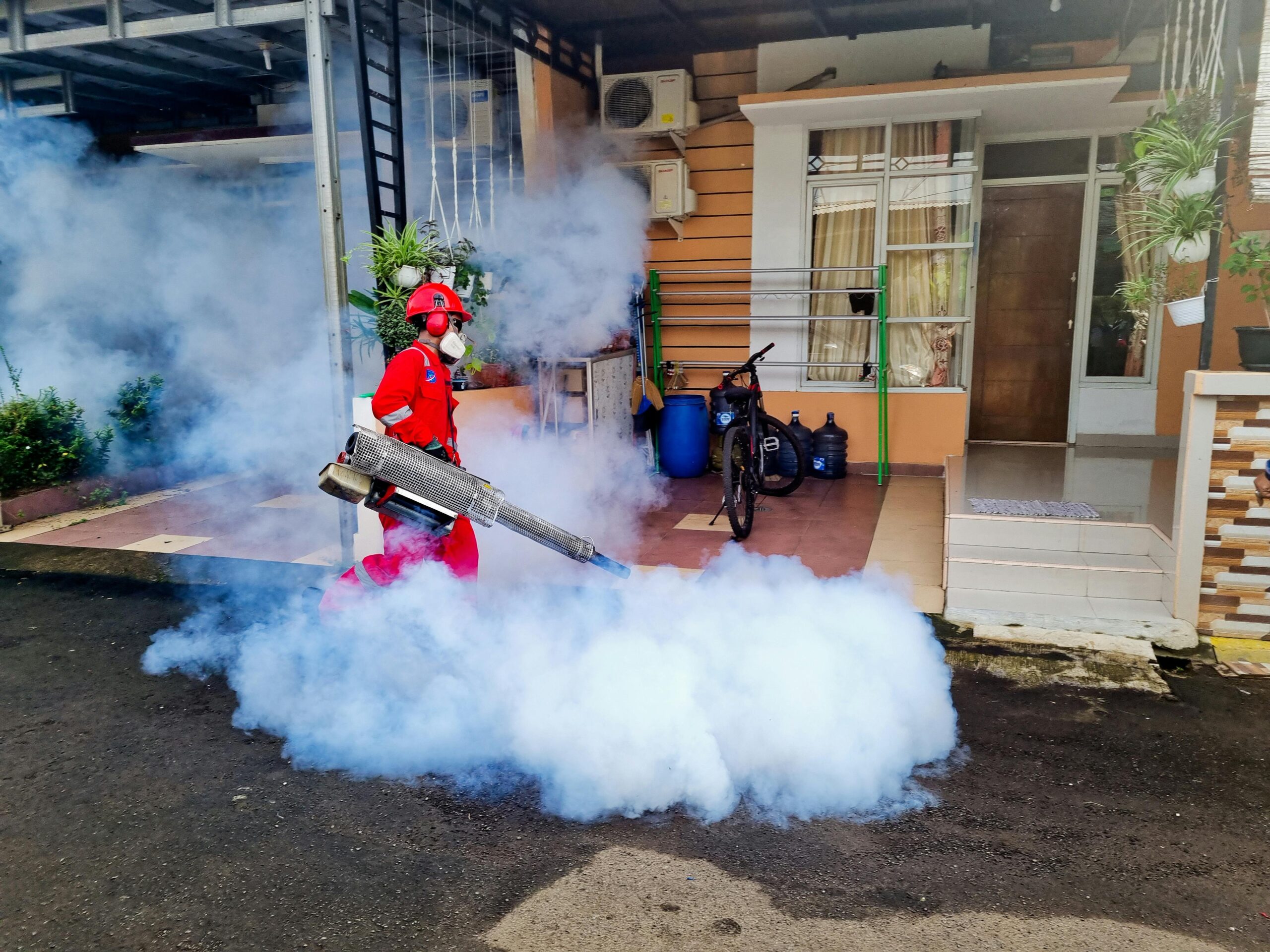
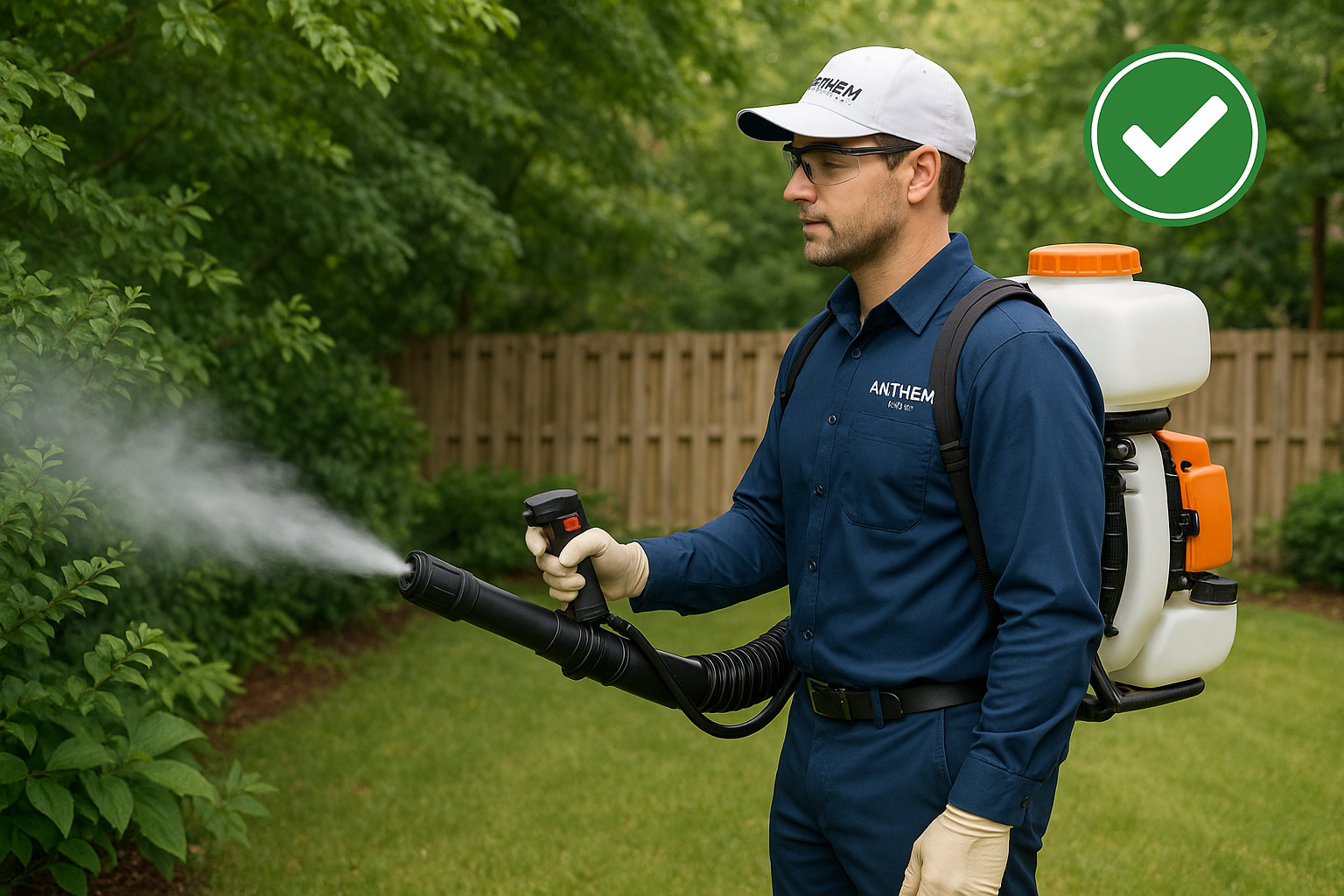
Tier 1 is our fastest line of defense. Using an EPA‑approved ultra‑low‑volume (ULV) fogger, we disperse a fine mist that blankets up to 1,200 sq ft in minutes. The aerosol targets adult gnats mid‑flight, delivering a knock‑down effect that you’ll see within the first hour. Because the fogger’s particles are microscopic, they settle quickly and leave no residue on furniture, countertops, or pet bedding. Ideal for sudden indoor swarms or outdoor patio gatherings, this treatment buys you immediate relief while we plan the next steps.
Tier 2 – Soil & Drain Treatment
Many gnat colonies hide where moisture meets organic matter. Tier 2 tackles those hidden nurseries by applying a granular, EPA‑certified larvicide to three critical zones: indoor potted plants, outdoor mulch beds, and any standing‑water drainage areas such as downspouts or low‑lying garden depressions. The granules release a slow‑acting toxin that the larvae ingest as they feed, breaking the life cycle before adults emerge. Application is precise, so you won’t notice any dust on your foliage, and the product remains safe for pets and children once it’s watered in.
Tier 3 – Integrated Prevention Package
For homeowners who want a long‑term shield, Tier 3 bundles monthly monitoring visits with moisture‑control recommendations and a barrier spray that protects both indoor and outdoor entry points. Our technicians use handheld hygrometers to pinpoint excess humidity in basements, crawl spaces, and under decks—common breeding grounds that most DIY treatments miss. After the assessment, we install a residual spray around doorways, window screens, and perimeter mulch, creating a chemical fence that stays effective for up to four weeks. The monthly check‑in lets us adjust spray timing, replace barrier zones, and verify that your moisture‑management steps are working, giving you confidence that gnats won’t re‑establish a foothold.
Transparent 2024 Pricing
| Tier | Service | Price Range (USD) |
|---|---|---|
| 1 | Quick‑Fix Fogging | $149 – $199 |
| 2 | Soil & Drain Treatment | $99 – $149 |
| 3 | Integrated Prevention Package | $299 – $399 |
All three tiers come with a 30‑day re‑treatment guarantee. If gnats reappear within a month of service, we’ll return at no extra charge to re‑apply the same treatment or upgrade you to the next tier, ensuring you never pay twice for the same problem.
Keeping Gnats Out for Good – Long‑Term Prevention
Even after a successful emergency treatment, gnats love to return if the conditions that attracted them stay the same. The key to lasting peace of mind is managing moisture and eliminating the tiny habitats where gnats breed. Below are proven, NPMA‑backed steps you can take around your Dunwoody home to keep gnats at bay year after year.
1. Shape Your Landscape for Proper Drainage
Water that pools near the foundation creates a perfect nursery for gnat larvae. Grade the soil so it slopes at least 6 inches over the first 10 feet away from the house. If your yard is flat or you notice persistent damp spots, consider installing a French drain. These perforated pipes collect excess water and channel it safely away, cutting off the moisture source gnats need to thrive.
2. Keep Gutters and Downspouts Clean
Clogged gutters act like hidden reservoirs, especially after a summer storm. Schedule a thorough cleaning at least twice a year—once in early spring and again in late fall. Remove leaves, twigs, and debris, and verify that downspouts discharge water at least 3 feet from the foundation. This simple habit prevents water pooling on the exterior walls and eliminates a common gnat breeding ground.
3. Choose the Right Mulch
Organic bark mulches retain moisture for weeks, providing an ideal food source for fungus‑gnats. Swap to a sand‑based or inorganic mulch, which drains quickly and stays dry. If you prefer a natural look, spread a thin layer of sand over the bark; the sand will absorb excess water while still giving your garden a tidy appearance.
4. Install Tight‑Fitting Window and Door Screens
Even the smallest gaps can let adult gnats slip indoors. Use high‑quality, fine‑mesh screens on all windows and exterior doors, and seal any openings around frames with weather‑strip or caulk. Regularly inspect screens for tears and replace them promptly to maintain a solid barrier.
5. Follow NPMA 2023 Moisture‑Management Guidelines
The National Pest Management Association emphasizes that “effective moisture control is the cornerstone of long‑term pest prevention.”NPMA recommends integrating drainage, ventilation, and routine maintenance to create an environment where gnats cannot reproduce.
Local Tip for Peachtree Road Residents
Rain barrels are a great way to harvest runoff, but they can become accidental gnat habitats if left open. Install a fine mesh screen over the barrel’s opening and secure it with a tight‑fit lid. This simple addition captures water for garden use while preventing gnats from laying eggs in the collected rain.
By combining these moisture‑management strategies with regular inspections, you’ll create a hostile environment for gnats and protect your home from future infestations. Consistency is the secret—once the water is gone, the gnats go.
Quick Answers to Common Gnat Questions
Are chemical foggers safe for pets?
Yes. Anthem only uses EPA‑approved foggers that are formulated with low‑toxicity ingredients. Our certified technicians follow strict pet‑safety protocols—such as removing food bowls, securing cages, and ventilating the area—so your furry friends stay protected while the treatment works.
How soon will gnats disappear after treatment?
Adult gnats are highly vulnerable; most die within 24‑48 hours of a proper fogging. The larvae hidden in soil or mulch may need a second application, which we schedule 7‑10 days after the first visit to break the life cycle completely.
Do I need a follow‑up visit?
For light infestations a single treatment often suffices, but severe cases benefit from a follow‑up. Anthem includes a complimentary revisit in our Integrated Prevention Package, ensuring the remaining larvae are eliminated and future outbreaks are prevented.
Why trust Anthem’s approach?
All of our products meet EPA standards and our technicians hold the latest safety certifications. This combination of regulated chemistry and trained application gives you confidence that the treatment is both effective and harmless to your family and pets.
Take the Next Step – Secure Your Home Today
Gnats may seem harmless, but within days they can turn a quiet living room into a buzzing nightmare. Their swarms hover around lights, invade kitchens, and leave a lingering irritation that disrupts sleep and family time. The fastest way to stop the cycle is professional intervention—waiting only gives the insects more time to multiply.
Anthem Pest Control stands ready with a 24‑hour emergency response for Dunwoody residents. Once we arrive, our certified technicians assess the source, apply targeted treatments, and back their work with a 30‑day re‑treatment guarantee. If gnats return, we’ll come back at no extra cost, ensuring your home stays bite‑free.
Our Dunwoody technicians know the neighborhood’s unique drainage quirks and can tailor a solution that fits your schedule and budget. Whether you need an immediate night‑time visit or prefer a daytime appointment, we work around you, not the other way around.
Because gnats reproduce rapidly, a delay of even 24 hours can double the infestation. Acting now prevents the need for larger, more invasive treatments later and keeps your family safe from chemical overuse.
All of our treatments are EPA‑registered and applied following strict safety protocols, so you can trust that the solution protects both your home and the environment.
Ready to reclaim your space? Call 877‑371‑8196 for a free emergency assessment. Your home deserves swift, reliable protection—let Anthem Pest Control deliver it.