What Are Gnats and Why They Show Up Indoors
Common household gnats
When you hear a faint, high‑pitched buzz around your kitchen or bathroom, you’re probably dealing with one of three tiny insects that most homeowners call “gnats.” Fungus gnats are the smallest, usually under ¼ inch, with slender bodies and long, delicate legs that make them look like miniature mosquitoes. They thrive in moist soil and are most often spotted near houseplants. Fruit flies are a bit stockier, with a tan‑brown body and a distinctive red‑orange eye; they love fermenting fruit, sugary spills, and any rotting organic matter. Lastly, drain flies (also known as sewer gnats) have a moth‑like appearance, fuzzy bodies, and are commonly found hovering near sink drains, bathtubs, or shower stalls where organic film builds up.
How gnats slip inside
These insects are opportunistic travelers. They don’t need a grand entrance—just a few overlooked cracks or a splash of moisture:
- Kitchen sinks and drains: Fruit flies and drain flies are attracted to food residues and bio‑film that line pipes.
- Houseplants: Over‑watered soil creates the perfect breeding ground for fungus gnats.
- Standing water: Buckets, pet water bowls, or even a damp mop left on the floor can become a temporary nursery.
- Poorly sealed doors and windows: Small gaps let outdoor gnats drift in, especially during humid evenings.
Health and comfort concerns
While gnats are not disease vectors like mosquitoes, their presence can still affect your home’s health and comfort. A swarm of buzzing insects can cause irritation, especially for those sensitive to airborne allergens. Some people experience mild allergic reactions—itchy eyes, sneezing, or a rash—after prolonged exposure to gnat swarms. Moreover, the moisture that attracts gnats also encourages mold growth, and mold spores can exacerbate respiratory issues. For detailed information on mold‑related health risks, see the EPA’s guide on mold and health.
Early warning signs
Spotting gnats before they become a full‑blown infestation saves you time and hassle. Keep an eye out for these clues:
- Tiny, continuous buzzing near windows, lights, or houseplants.
- Small clusters of insects hovering around the soil of potted plants.
- Dark, slimy spots or a musty smell in bathroom and kitchen drains.
- Increased activity after watering plants or cleaning up spills.
DIY versus professional treatment
For a light appearance of fruit flies or fungus gnats, simple DIY steps often do the trick: tighten sink traps, let soil dry between waterings, and use sticky traps or a vinegar‑water solution. However, if you notice persistent swarms, mold buildup, or gnats reappearing despite your best efforts, it’s time to call a professional. Anthem Pest Control can locate hidden breeding sites, apply targeted treatments, and implement preventative measures that keep gnats—and the moisture they love—out of your home for good.
DIY Prevention and Homemade Apple Cider Vinegar Traps

Preparing a Kitchen‑Sink‑Friendly Apple Cider Vinegar Trap
Apple cider vinegar (ACV) is a natural attractant for adult gnats because its acidic scent mimics fermenting fruit. To build a sink‑safe trap, you’ll need a 12‑oz plastic cup, ½ cup of ACV, a few drops of liquid dish soap, and a piece of clear tape. Fill the cup with the vinegar, then add one to two drops of dish soap – the soap breaks the surface tension so gnats can’t escape once they land.
Place the trap about 6‑8 inches away from the faucet, ideally on a flat surface near the drain where gnats congregate. If you have a garbage disposal, set the trap directly beside it; the scent will draw the insects away from the disposal’s interior. Replace the solution every 3‑4 days or when it becomes cloudy.
Maintaining Proper Plant Watering to Starve Fungus Gnats
Fungus gnats love the moist top layer of potting soil. Water your indoor plants only when the top inch feels dry to the touch. A good rule of thumb is to use a water‑until‑drain method: fill the saucer, let excess water escape, then empty it after 15 minutes.
Consider adding a thin layer of decorative sand or perlite on the soil surface. This creates a physical barrier that reduces the humidity gnats need to lay eggs, while still allowing air circulation.
Cleaning Drains and Garbage Disposals
Clogged organic matter in drains is a breeding ground for gnats. Start by pouring boiling water down the sink to melt grease and loosen debris. Follow with a half‑cup of baking soda, let it fizz for 5 minutes, then add a cup of white vinegar. After another minute of bubbling, flush again with boiling water.
For garbage disposals, grind a handful of ice cubes mixed with a few citrus peels. The ice scrubs the blades, while the citrus oils add a fresh scent that discourages gnats from returning.
Sealing Cracks and Installing Fine Mesh Screens
Even the smallest opening can serve as a highway for gnats. Inspect window frames, door thresholds, and vent openings for gaps as thin as a pencil. Use a silicone‑based caulk to seal cracks; it remains flexible and resists moisture.
For vents and larger openings, attach fine‑mesh (¼‑inch) screen using a staple gun or adhesive. The mesh blocks gnats while still allowing airflow, a crucial balance for attic and bathroom vents.
When DIY Measures Stop Working: Red Flags
If you notice a steady increase in gnat activity despite traps, dry soil, and cleaned drains, the infestation may have moved beyond the surface level. Look for these warning signs:
- Gnats emerging from soil when you tilt a pot.
- Persistent swarms around light fixtures at night.
- Visible larvae in the top ½ inch of potting mix.
- Unusual odors from drains that persist after cleaning.
These indicators suggest a mature colony with larvae developing in hidden organic matter. At this point, a professional treatment—such as targeted soil drenches or indoor insecticide applications—can break the life cycle more efficiently than home remedies alone.
Recognizing the Need for Professional Emergency Service

Indicators that an Infestation Is Severe
When gnats appear in numbers that seem to multiply overnight, you’re likely dealing with more than a casual nuisance. A rapid population surge often signals abundant breeding sites nearby—think standing water, clogged drains, or over‑watered houseplants. If you notice gnats swarming in multiple rooms, especially in kitchens, bathrooms, and even bedrooms, the problem has spread beyond a single hotspot.
Persistent, musty odors are another red flag. These smells usually stem from decomposing organic matter where gnats lay their eggs. When the scent lingers despite regular cleaning, it means the source is hidden and actively reproducing. Homeowners who ignore these signs risk a full‑blown infestation that can affect indoor air quality and comfort.
The Role of a Certified Technician
A licensed pest‑control professional brings a systematic approach that DIY methods simply can’t match. During a thorough interior inspection, the technician checks every potential entry point—window screens, door seals, and ventilation grates—and uses specialized tools to locate hidden breeding zones. Exterior evaluation includes assessing yard drainage, mulch depth, and any standing water features that could serve as a gnat nursery.
Beyond spotting the insects, the expert evaluates moisture levels in walls, basements, and crawl spaces. Excess humidity not only attracts gnats but can also lead to structural damage over time. By identifying these underlying issues, the technician can recommend corrective measures such as dehumidifier placement or improved grading, preventing future outbreaks.
Typical Emergency Response Timeline
- 24‑hour dispatch: Once you call the emergency line, a local technician is scheduled for the next available slot—often within the same day.
- 7‑day‑a‑week availability: Reputable companies maintain a 24/7 phone line, ensuring you can reach help even in the middle of the night.
- Rapid on‑site assessment: Upon arrival, the technician conducts a focused inspection, identifies the most active breeding sites, and outlines an immediate treatment plan.
Safety Considerations
Professional treatments rely on EPA‑approved products that are proven effective against gnats while posing minimal risk to humans and pets. Technicians wear protective gear—gloves, goggles, and respirators—to ensure safe handling of chemicals, especially in confined spaces.
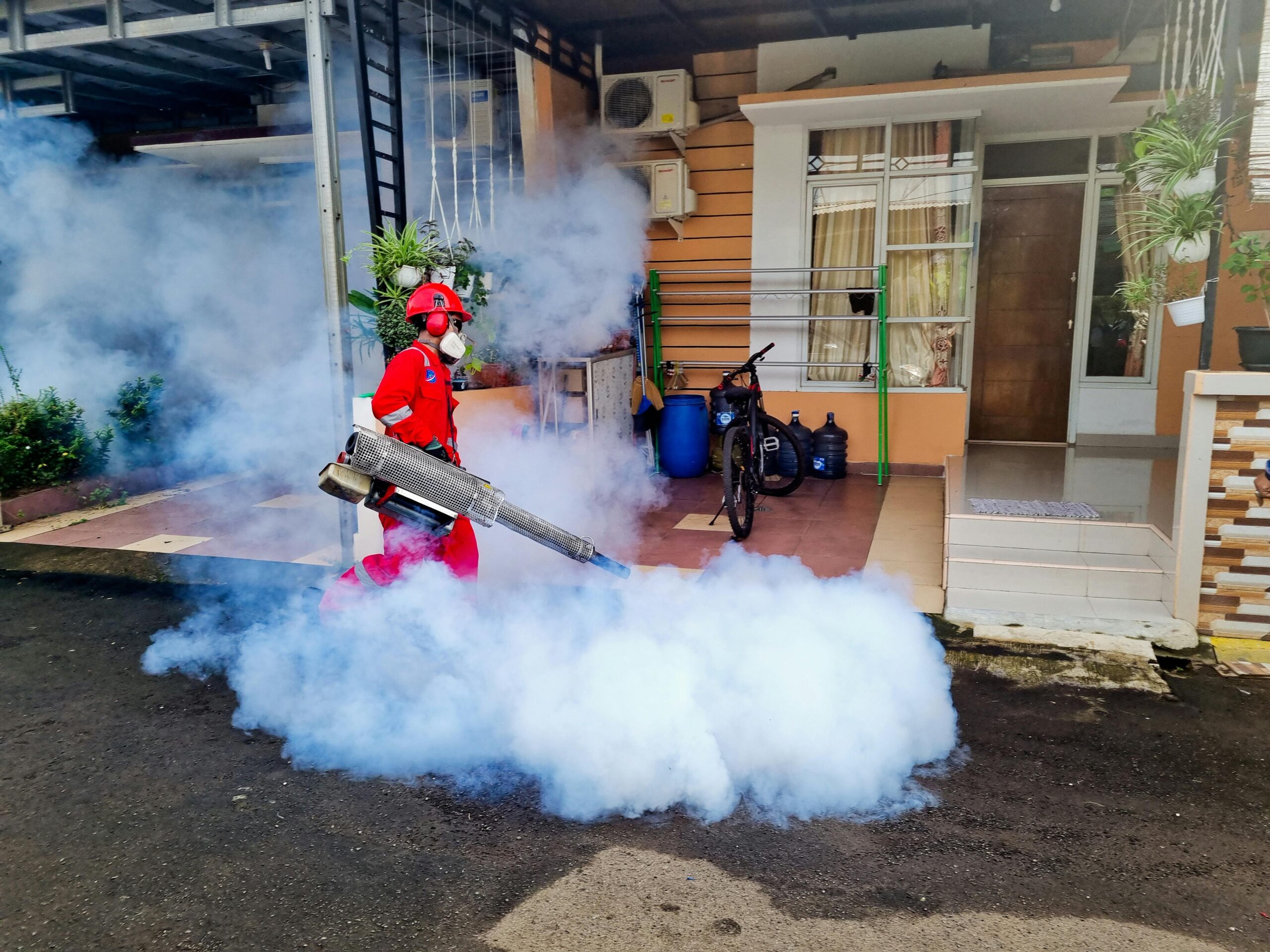
The application process is designed to limit disruption. Sprays and foggers are targeted to specific problem areas, and any residual odor dissipates quickly. Homeowners are typically advised to vacate the treated rooms for a short period, but the overall impact on daily routines remains low.
Benefits of Choosing a Reputable Provider like Anthem Pest Control
Anthem Pest Control combines local expertise with a guarantee of results. Their technicians know the unique climate patterns of Peachtree City, Georgia, and understand how seasonal moisture fluctuations influence gnat activity. This knowledge translates into precise treatment timing and customized prevention strategies.
When you work with Anthem, you receive transparent pricing, a clear service agreement, and a follow‑up inspection to confirm that the infestation is fully eradicated. Their commitment to safety, rapid response, and lasting solutions gives homeowners peace of mind—knowing that gnats won’t return to disrupt their home life.
Pricing Comparison for Emergency Gnat Control
Two Common Pricing Models
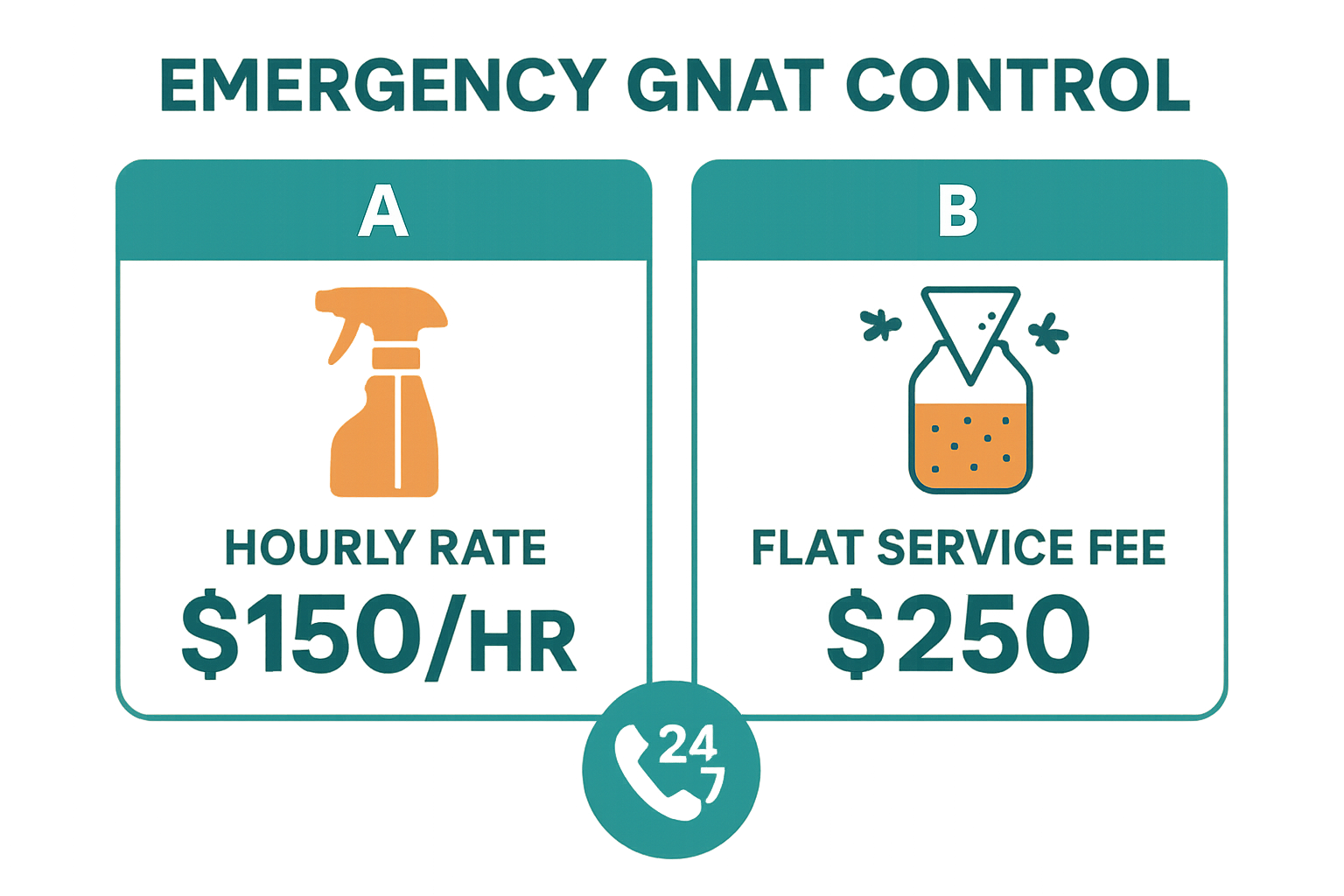
When you call for emergency gnat control, most companies fall into one of two pricing structures. The first is an hourly rate—typically $150 per hour. The second is a flat service fee, often set at $250 for a standard treatment package. Understanding what each model covers helps you avoid surprise charges and choose the option that aligns with your infestation level.
What’s Included in Each Model?
- Inspection: A thorough walk‑through of the affected areas to pinpoint breeding sites.
- Treatment Application: Professional spray, placement of gnat traps, and any necessary residual products.
- Follow‑up Visit: One post‑treatment check within 7‑10 days to verify effectiveness and adjust if needed.
Both the hourly and flat‑fee options include these core services. The difference lies in how the time spent is billed.
Pros and Cons by Infestation Level
| Model | Typical Cost | What’s Covered | Best For |
|---|---|---|---|
| Hourly Rate | $150 per hour | Inspection, treatment, follow‑up; billed for each hour of labor | Large, multi‑room outbreaks or situations requiring extensive setup |
| Flat Service Fee | $250 total | Inspection, treatment, follow‑up; fixed price regardless of time | Small, localized infestations where work is predictable |
Hourly rate advantages: Flexibility for complex jobs, no cap on labor if the problem expands during treatment. Drawbacks: Costs can climb quickly if the technician needs extra time to access hidden breeding sites.
Flat‑fee advantages: Predictable expense, ideal for homeowners on a budget who want a clear upfront number. Drawbacks: May not cover unusually large or stubborn infestations, potentially requiring an additional charge.
Example Scenarios
Scenario 1 – Small Kitchen Infestation: You notice gnats hovering near a fruit bowl and the sink drain. A technician can locate the source, apply a targeted spray, set a couple of traps, and finish within an hour. In this case, the $250 flat fee is often cheaper than the hourly rate, which would total $150 + potential extra time for cleanup.
Scenario 2 – Large Multi‑Room Outbreak: Gnats are present in the kitchen, bathroom, and a sunroom, with breeding colonies in multiple drains and indoor plants. The technician may need two to three hours to treat each area thoroughly and place additional traps. Here, the hourly model could cost $300‑$450, but the flat fee would leave you short‑changed on labor. Paying by the hour ensures you receive the full amount of work required to eradicate the problem.
Anthem Pest Control’s Transparent Pricing
Anthem Pest Control stands out with a no‑hidden‑fee policy. Whether you opt for the hourly rate or the flat service fee, we provide a written estimate before any work begins. Our technicians explain exactly what’s included, so you won’t encounter surprise charges after the job is done. This transparency lets you weigh the pros and cons confidently and select the pricing model that delivers the best value for your specific gnat situation.
Seasonal Gnat Activity and Optimal Treatment Timing
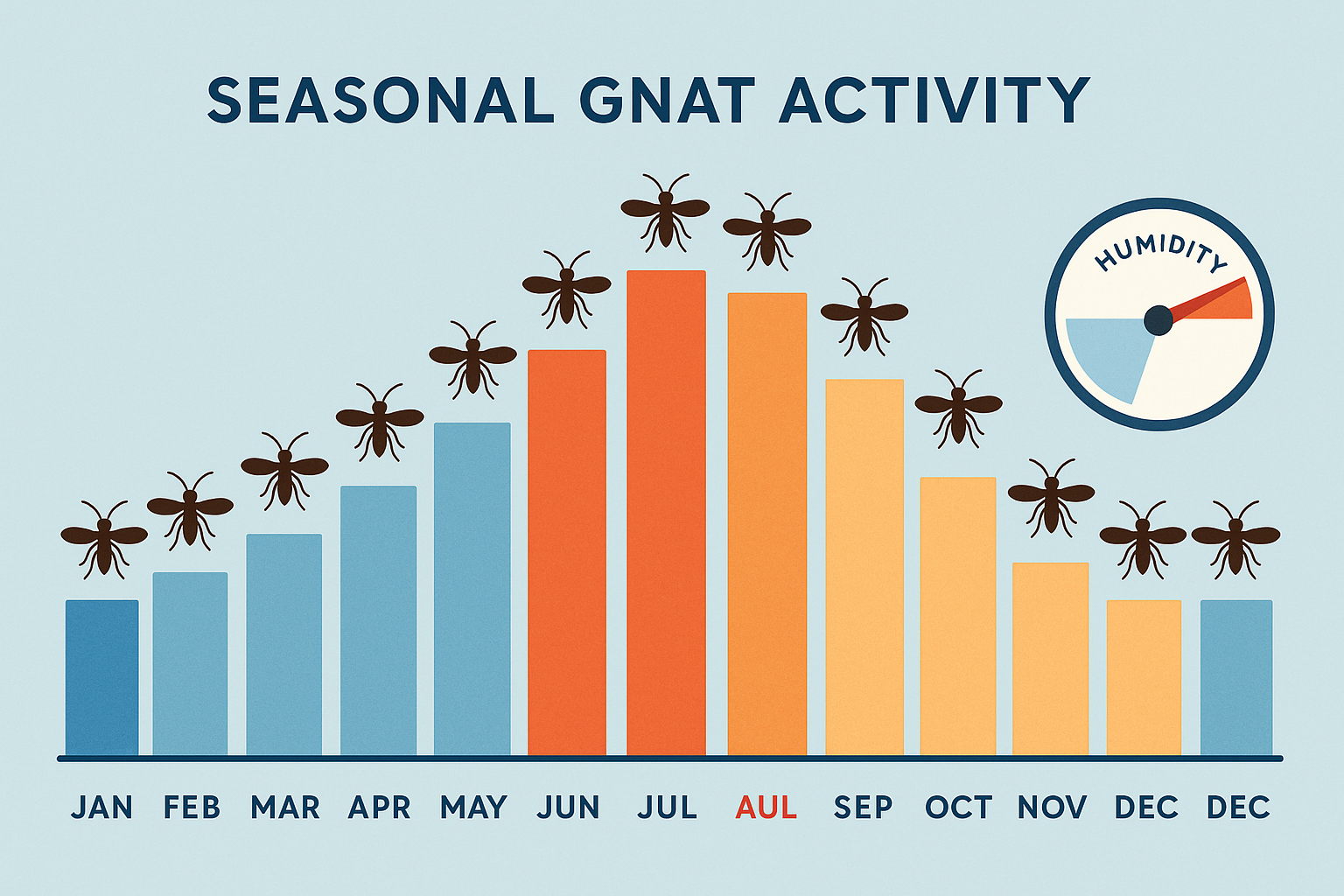
Gnat populations in Peachtree City follow a predictable rhythm that mirrors the local climate. From June through August, the combination of warm temperatures and high humidity creates a breeding bonanza, pushing activity levels to their peak. By contrast, the colder, drier months of December to February see a natural slowdown, with only a handful of adults lingering around outdoor lights.
| Month | Activity Level | Average Humidity |
|---|---|---|
| January | Low | 58% |
| April | Moderate | 66% |
| June | High | 78% |
| August | High | 80% |
| October | Moderate | 70% |
| December | Low | 60% |
Humidity is the hidden driver behind that chart. Gnats lay their eggs in moist environments—think soggy soil, standing water, or damp leaf litter. When relative humidity climbs above 70 %, egg hatch rates can double, and larvae mature in days instead of weeks. That’s why a sudden rainstorm in early summer can turn a quiet backyard into a gnat hotspot within 48 hours.
Seasonal preventive actions
- Spring (March‑May): Trim overgrown foliage, remove dead plant material, and water only when the soil surface begins to dry. Healthy plants produce fewer fungal growths that attract gnats.
- Early Summer (June‑July): Inspect gutters, downspouts, and yard drains for blockages. Clear debris, flush with a garden hose, and consider installing fine mesh screens to keep standing water at bay.
- Fall (September‑November): Seal exterior lighting fixtures with tight-fitting covers or switch to amber LED bulbs that are less attractive to flying insects.
When gnats do appear during the summer surge, a rapid professional response can prevent an infestation from exploding. Because the breeding cycle shortens in warm, humid conditions, a delay of even 24 hours may allow a single female to produce hundreds of offspring. Prompt emergency treatment—targeting both adult gnats and their larval habitats—stops that exponential growth in its tracks.
Anthem Pest Control tailors each service plan to these seasonal patterns. In spring, we focus on habitat modification, applying low‑toxicity larvicides to moist soil and offering advice on proper irrigation. As we move into summer, our technicians prioritize fast‑acting adulticides and moisture‑draining solutions to break the breeding loop. Fall treatments shift toward exclusion techniques, such as sealing cracks and installing gnat‑proof lighting, while winter visits are largely preventative, ensuring that any lingering moisture sources are eliminated before the next warm season.
Understanding when gnats are most active and why gives homeowners a clear advantage. By syncing preventive chores with the calendar and calling Anthem at the first sign of a summer flare‑up, you keep your yard comfortable and your family free from those irritating bites.
Protect Your Home Today with Anthem Pest Control
By now you’ve learned how to spot a gnat invasion, the simple DIY measures that can buy you time, and the red‑flag moments that signal you need a professional’s touch. Let’s quickly recap:
- Identification: Gnats thrive in damp, organic‑rich areas—think over‑watered houseplants, clogged drains, or compost piles.
- DIY steps: Eliminate standing water, clean up decaying matter, set up traps, and use a household‑safe spray to knock back the first wave.
- When to call a pro: Swarms persist after a week of diligent DIY, you notice gnats inside sleeping areas, or the infestation spreads to multiple rooms.
When those warning signs appear, timing is everything. Gnats reproduce quickly; a small problem can become a full‑blown nuisance in days. That’s why Anthem Pest Control offers a 24/7 emergency response team ready to intervene at any hour. Our certified technicians bring the latest, EPA‑approved treatments that target gnats at every life stage while protecting your family, pets, and the environment.
Transparency is built into every service call. You’ll receive a clear, upfront estimate—no hidden fees, no surprise add‑ons. Whether you need an immediate knock‑down treatment or a comprehensive prevention plan, we tailor the solution to fit your home’s unique conditions and your budget.
If you’re noticing gnats despite your best efforts, let our experts handle the problem safely and efficiently. One quick phone call connects you with a local specialist who will assess the situation, explain the recommended approach, and schedule treatment at a time that works for you.
Ready to reclaim your indoor comfort? Call us now at 877‑371‑8196 for a free, no‑obligation quote. Our friendly staff will walk you through the process, answer any questions, and set up an emergency visit if needed.
Take the first step toward a gnat‑free home today—Visit Anthem Pest Control and discover why homeowners across the country trust our safe, effective, and affordable pest solutions.